
How do I find flooding repair near me fast?
Flooding repair near me means getting the water out, drying the structure, and stopping mold or hidden damage before it spreads. The real fix is fast emergency response, proper water extraction, drying, and a restoration team that can handle reconstruction if needed.
What does flooding repair near me actually include?
Flooding repair near me is not one job. It is the sequence of extraction, drying, cleanup, and repair that keeps a wet property from becoming a mold problem or a structural problem.
If you are searching this phrase, you usually do not need a lecture. You need the water handled and the property stabilized. The work starts with water removal, then shifts into moisture control, damage assessment, and any needed repairs to materials that cannot be saved.
That matters because people often think the visible water is the whole issue. It is not. Water hides under flooring, inside wall cavities, and in insulation, which is why the first pass is about locating moisture, not just mopping up what you can see.
In the Atlanta metro area, flooding repair also has to account for the source of the loss. A burst pipe, storm runoff, sewer backup, or appliance leak each creates different risks and cleanup priorities. The right response is based on the damage path, not a generic checklist.
If a company skips the diagnostic step, you can end up with trapped moisture, lingering odor, or repairs that fail later. That is why buyers should ask what part of the job is extraction, what part is drying, and what part is actual reconstruction.
The useful question is not, ‘Can someone come out?’ It is, ‘Can they restore the property from wet to dry to repaired without leaving hidden problems behind?’
- Water extraction removes standing water first.
- Moisture inspection finds damage behind walls and under floors.
- Drying prevents mold, swelling, and long-term material failure.
- Cleanup and sanitation matter after sewage or contaminated water.
- Reconstruction is needed when materials cannot be restored safely.
Why is speed so important after a flood or leak?
Speed matters because water keeps moving after the leak stops. It spreads into materials, weakens finishes, and creates the kind of hidden damage that turns a small incident into a much larger repair.
A homeowner often assumes, reasonably, that if the visible water is gone, the worst is over. That is the expensive mistake. Moisture keeps traveling into drywall, trim, insulation, subfloors, and crawl spaces long after the source is shut off.
The clock is not a marketing line. It is the difference between drying a room and tearing out a room. Once materials stay wet, you are no longer comparing cleanup options. You are comparing salvageable surfaces against compromised materials.
That is why emergency response is a real differentiator in flooding repair near me searches. Local proximity matters because fast arrival can reduce how much material needs removal, how much odor develops, and how much disruption follows.
If the property has soaked carpet, sagging drywall, a wet crawl space, or water in the basement, waiting for a convenient appointment usually costs more in the end. The damage does not politely pause while you compare quotes.
The better move is simple: get an immediate assessment, stop the spread, and let a restoration team decide what can be saved before you start guessing or pulling materials apart yourself.
- Water spreads into hidden cavities after the leak stops.
- Wet materials can swell, stain, or lose structural integrity.
- Delays increase the chance of mold and odor issues.
- Fast response can reduce demolition and disruption.
- Local emergency service is more useful than a distant callback.
How do I know if the damage is more than surface deep?
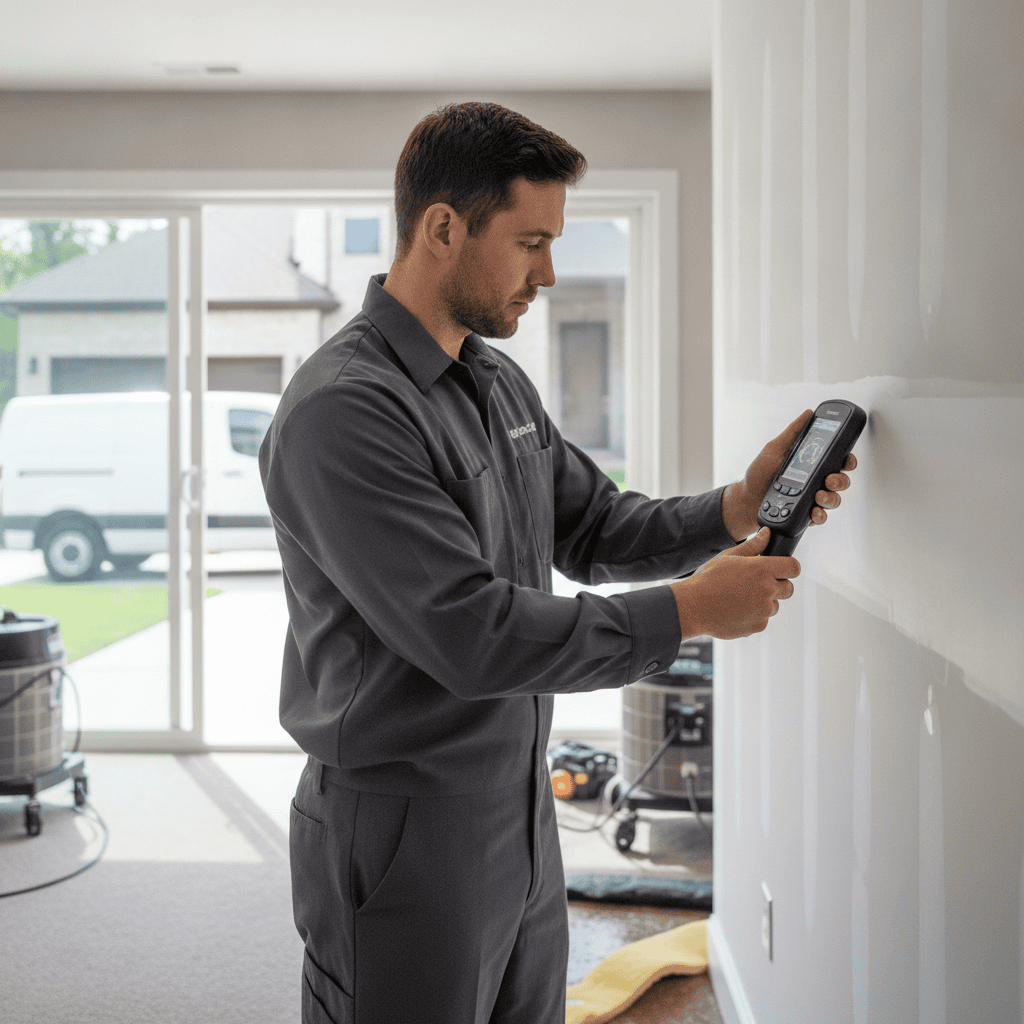
If materials feel soft, smell musty, or keep showing moisture after cleanup, the issue is probably deeper than the top layer. That is the point where inspection matters more than guesswork.
Surface water is easy to notice. The hidden problem is the water that migrates into places you do not inspect every day. Baseboards, underlayment, crawl spaces, and wall cavities can all hold moisture even when a room looks mostly dry.
A homeowner should watch for signs like buckling flooring, discoloration, bubbling paint, warped trim, and a damp or earthy odor. Those are not cosmetic quirks. They usually mean water has affected more than the visible finish.
Professional restoration teams use moisture detection to see what the eye cannot. That is important because a room can look normal and still remain wet enough to support mold growth or further deterioration.
This is also where homeowners get misled by surface-only cleanup. A towel, fan, or household dehumidifier may help on a small spill, but flooding changes the equation. You need to know whether the structure itself is drying, not just the air.
If the damage reached drywall, flooring, insulation, or cabinets, assume the problem needs a real moisture assessment before you decide what stays and what goes.
- Warping, swelling, or buckling usually signals deeper moisture.
- Musty odors often point to hidden damp areas.
- Crawl spaces and wall cavities need specific inspection.
- Visible drying does not guarantee internal drying.
- Moisture readings guide what can be restored safely.
Elevated Operations provides 24/7 water, fire, mold, storm, and sewage damage restoration across Metro Atlanta.
Get a free quoteWhich water damage situations in Atlanta need emergency help?
Any loss that keeps spreading, affects living space, or risks contamination should be treated as an emergency. In practice, that means burst pipes, basement flooding, storm intrusion, and sewer backup are all urgent.
Atlanta homeowners deal with a mix of weather-driven flooding, plumbing failures, and drainage problems. The category matters because the damage path changes the response. A clean supply-line leak is different from stormwater or sewage, and each one needs the right cleanup approach.
A burst pipe can soak a room in minutes. A storm can force water through doors, windows, or low areas. A sewer backup adds health and sanitation concerns, which means the property needs more than drying alone.
If the affected area includes living space, HVAC-adjacent areas, crawl spaces, or finished basements, urgency goes up. These areas can hide damage and create a larger repair scope than the initial spill suggests.
The common mistake is waiting to see whether it gets worse. By the time the floor feels soft or the smell gets noticeable, the job has already expanded. Emergency response is for exactly that reason: to interrupt the chain of damage early.
So if you are asking whether your situation qualifies, the practical test is easy. If the water was unexpected, keeps spreading, or may be contaminated, treat it like an emergency and get a restoration assessment fast.
- Burst pipes need immediate water removal and drying.
- Storm intrusion often affects multiple building materials at once.
- Sewer backups require sanitation-focused cleanup.
- Finished basements are high-risk for hidden moisture.
- Crawl spaces can hold damage long after the visible water is gone.
What should a good local restoration company show you before work starts?
Before any cleanup begins, you should expect a clear scope, a plan for drying, and a straightforward explanation of what gets saved versus removed. Anything less invites confusion later.
A good local company should not make you guess what is happening. It should explain the source of the water, the affected materials, the plan for extraction and drying, and whether reconstruction might be needed after demolition or removal.
You also want documentation. That includes photos, moisture findings, and a paper trail that can support the insurance process. If the company handles insurance communication directly, that can reduce stress and keep the claim moving.
In a flooded property, clarity is not a luxury. It protects you from paying twice for the same problem. If a material can be dried and saved, great. If it cannot, you need that decision backed by evidence, not a shrug.
Credentials matter too. IICRC-certified technicians mean the crew is trained in restoration standards, which is relevant when the job involves water, contamination, odor, and material removal. That is not window dressing. It affects how the job is evaluated and executed.
The best sign you are speaking with the right team is simple: they can tell you what happens next, what the risks are, and what parts of the property need attention before the damage spreads further.
- They should explain the source, scope, and next steps clearly.
- They should document damage with photos and moisture findings.
- They should tell you whether materials are restorable or not.
- They should be able to support insurance communication.
- IICRC certification is a meaningful credential in restoration work.
How do repairs, drying, and reconstruction fit together?
The workflow matters because not every wet property needs the same amount of work. Some jobs stop at drying; others move into removal and reconstruction when materials are too damaged to save.
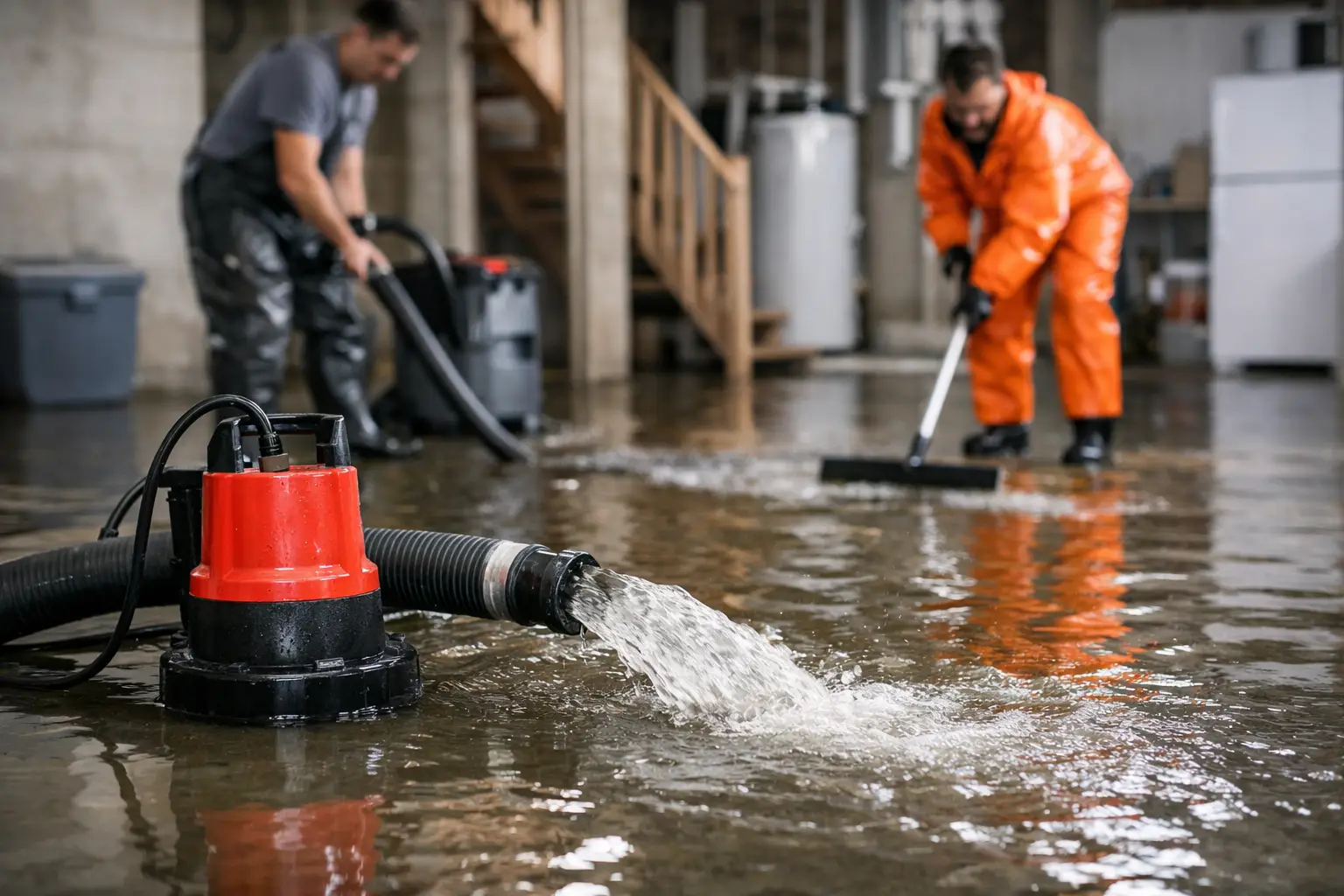
The first stage is mitigation. That means stopping the spread, removing standing water, and stabilizing the property. Without that step, everything else is slower, messier, and more expensive than it needs to be.
The second stage is drying and cleanup. Fans, dehumidification, and targeted moisture control reduce the remaining water in building materials and air. This is the part that helps prevent mold and lingering odor.
If the damage was extensive, the next stage is repair or reconstruction. That may involve replacing drywall, flooring, trim, insulation, or other materials that were saturated beyond saving. This is where a one-stop team becomes useful.
Homeowners often get stuck when different vendors handle different pieces. One company removes water, another checks for mold, another manages repairs, and nobody owns the whole result. That creates delays and miscommunication.
A better structure is a team that can move from emergency response through final construction without handing off the job at every stage. That is how you keep the project tighter and the outcome cleaner.
- Mitigation stops ongoing spread and stabilizes the property.
- Drying reduces moisture in structure and indoor air.
- Cleanup removes damaged or contaminated materials.
- Reconstruction replaces what cannot be restored.
- One team can reduce handoff problems and delays.
What should you ask when you book a local flooding estimate?
Ask questions that reveal scope, not sales language. You want to know what they found, what they recommend, and how they will document the work if insurance gets involved.
The estimate conversation should not be vague. A solid company should be able to explain whether the water is clean, contaminated, or from a source that changes the sanitation needs. That affects both cleanup and repair.
Ask what they will do first, how they will dry the structure, and whether they expect demolition or reconstruction. Those answers tell you whether the company understands the actual job or only the visible part of it.
You should also ask how they handle communication with the insurer. Flooding creates paperwork, photos, scope notes, and sometimes adjuster questions. If the company already knows how to manage that process, the burden on you drops.
The point of the estimate is not just a number. It is a plan. A good plan tells you how the property gets from wet and uncertain to safe, dry, and repaired without unnecessary detours.
If you are comparing local options, choose the team that answers directly, documents clearly, and can handle the work from emergency response through reconstruction if the scope expands.
- Ask what type of water damaged the property.
- Ask what gets dried, removed, or rebuilt.
- Ask how the job will be documented.
- Ask how insurance communication is handled.
- Ask whether the team can manage the full restoration scope.
Quick decision check for flooding repair near me
| Situation | What to do | Why |
|---|---|---|
| Water is still spreading or pooling in the property | Call for emergency water extraction and mitigation | Stopping the spread early can reduce hidden damage and keep the job from growing. |
| Floors, drywall, or trim feel soft, swollen, or warped | Get a moisture assessment and drying plan | Those signs usually mean the problem is deeper than the visible surface. |
| There is a musty smell after the water is gone | Inspect for trapped moisture in walls, floors, or crawl spaces | Odor often points to lingering dampness that can lead to mold. |
| The loss involves sewage, storm intrusion, or major structural saturation | Bring in a restoration team that can handle cleanup and reconstruction | Contaminated or extensive damage needs more than basic drying. |
DIY cleanup vs bringing in Elevated Operations
| Doing it yourself | With Elevated Operations | |
|---|---|---|
| Finding the full extent of the damage | You can see standing water, but hidden moisture is easy to miss without the right tools. | We assess the affected areas, identify moisture paths, and determine what can be restored safely. |
| Drying and stabilization | Fans and towels help on small spills, but they rarely solve a true flooding problem. | We handle water extraction and drying as part of a full mitigation plan. |
| Insurance and documentation | You may end up taking scattered photos and trying to explain the loss yourself. | We manage the claim process and keep the work documented for the adjuster. |
| Repair after demolition or removal | If materials need replacement, you have to coordinate trades and manage the rebuild. | We provide reconstruction, so the project can move from emergency response to final repair under one roof. |
Frequently Asked Questions
How much does flooding repair near me usually cost?
It depends on the source of the water, how far it spread, and whether the property needs only drying or also demolition and reconstruction. Because every loss is different, the honest answer is a custom estimate after inspection. If you want the real scope, book a call for a free quote.
How soon should a wet area be dried after flooding?
As soon as possible. The longer water sits in flooring, drywall, insulation, or a crawl space, the more likely the property is to develop odor, mold, or structural damage. Fast mitigation gives you the best chance of saving materials and reducing repairs.
Can I just run fans and dehumidifiers myself?
For a small clean-water spill, maybe. For actual flooding, fans alone are usually not enough because moisture hides inside building materials. The main risk is thinking something is dry when it still has trapped water inside walls or under floors.
Will my insurance cover water damage cleanup?
Coverage depends on the cause of the loss and your policy terms. What helps either way is clear documentation, photos, and a well-defined scope of work. A restoration team that understands insurance paperwork can make that process less painful.
Who can help if I need cleanup and repairs in the Atlanta metro area?
If you need one team that can handle water extraction, drying, and reconstruction, Elevated Operations is built for that kind of loss. The practical next step is simple: book a call for a free quote and get the scope checked before more damage sets in.
Get a free, no-obligation restoration estimate
Elevated Operations provides 24/7 water, fire, mold, storm, and sewage damage restoration across Metro Atlanta.
Get a free quoteCall (770) 404-6895Last updated September 24, 2026