
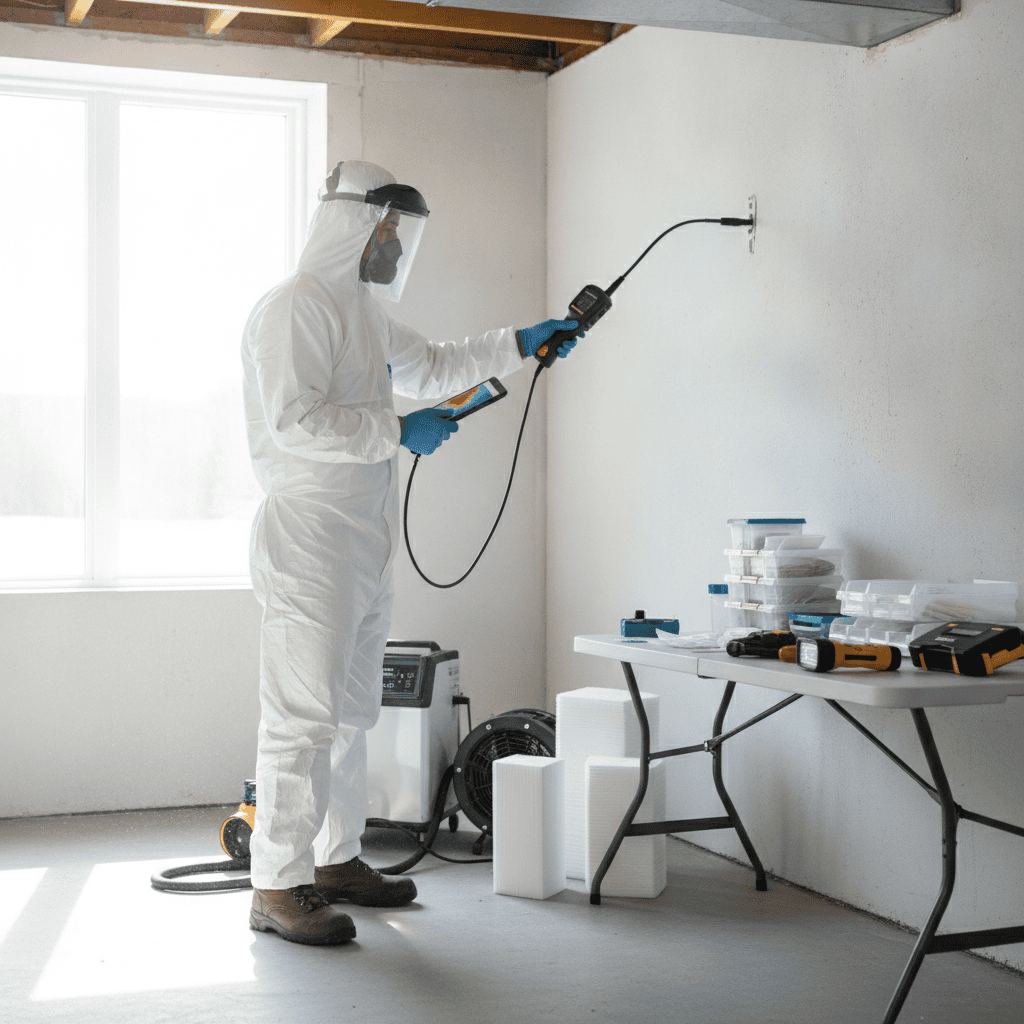
How do I find a mold inspection near me after water damage?
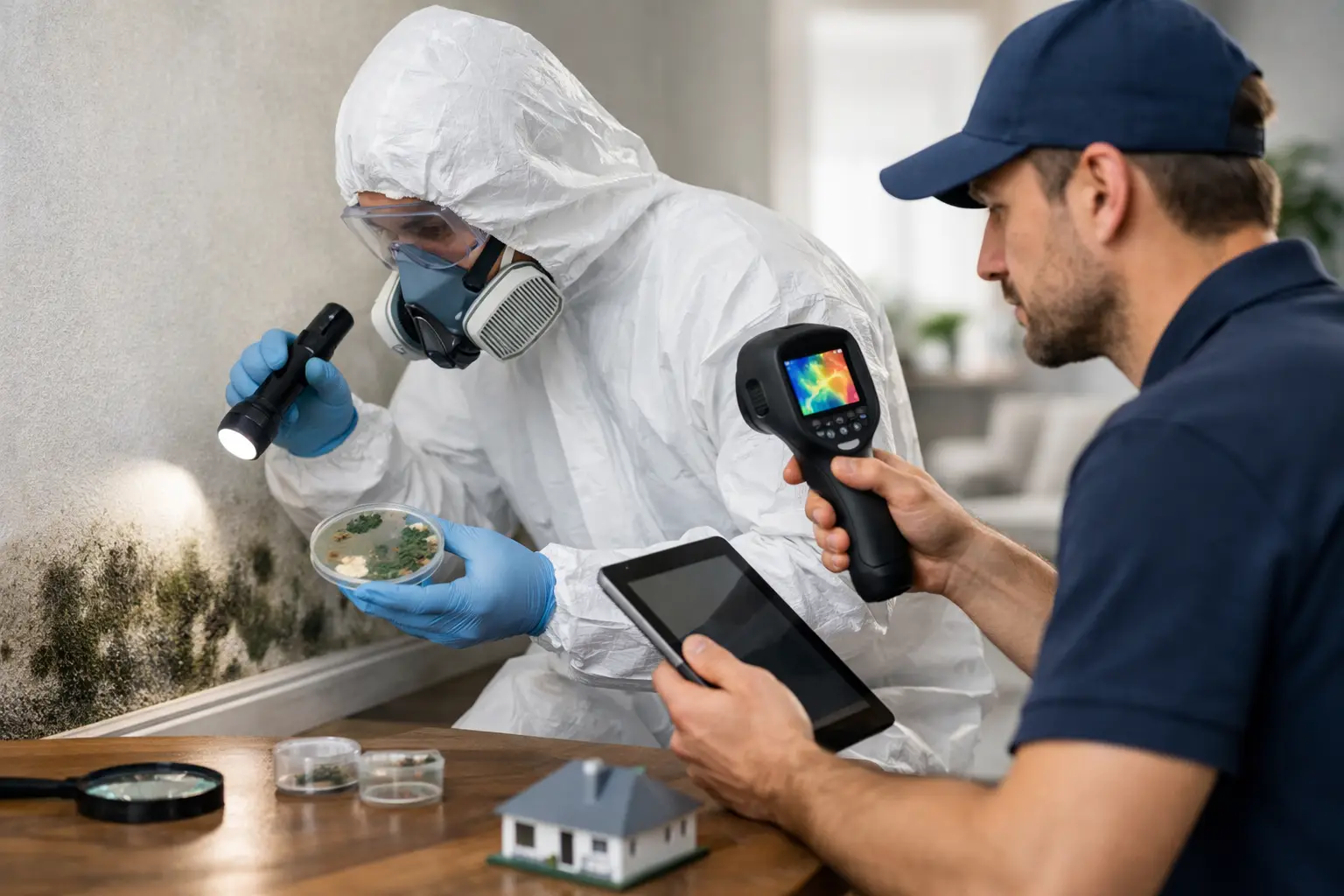
Mold inspection near me usually means you need a licensed pro to find hidden growth, trace the moisture source, and tell you whether cleanup is enough or remediation is needed. The real fix is not guessing from smell alone. It is a moisture-driven inspection, clear documentation, and fast drying before mold spreads.
What does “mold inspection near me” actually mean after a leak?
It means you are not really shopping for a phrase. You are trying to solve a moisture problem before it becomes a bigger mold and rebuilding problem.
In this context, the search is about speed, local response, and someone who can tell the difference between surface staining and active growth. After a leak, burst pipe, or overflow, mold inspection is part diagnosis and part triage.
The useful inspection starts with the source of water, not the smell. If the wet area is still damp, a clean-looking room can still have mold growing behind drywall, under flooring, or inside cabinets.
In Atlanta homes, the real risk is often not the obvious patch on the wall. It is what the wall has absorbed, what the crawl space is doing, and whether drying happened fast enough to stop hidden contamination.
If you are searching near me, you probably need someone who can move quickly, explain the next step in plain English, and document what was found for insurance or repair planning.
If the problem started with water damage, the inspection should be tied to the restoration path. Otherwise you get a diagnosis with no fix, and that is just expensive theater.
- Search intent is local and urgent, not academic.
- A strong inspection checks moisture, not just visible spots.
- Hidden mold often lives behind finishes, inside cavities, or in crawl spaces.
- The source of water matters more than the odor by itself.
- Inspection should connect directly to drying, cleanup, or remediation.
How do you tell if it is mold, moisture, or just staining?
You do not guess from color. You look at moisture patterns, material damage, odor, and whether the area is still wet or has been wet long enough to support growth.
A stain can be old water damage, but mold can also look like stain from a distance. That is why a real inspection checks the material, the moisture source, and the edges of the affected area.
If the baseboard is swollen, the drywall is soft, or the floor feels cupped, water has likely done more than leave a mark. The visible symptom is only the surface of the problem.
Odor matters too, but odor alone is not proof. A musty smell can come from damp crawl spaces, wet insulation, or material trapped behind a wall where airflow is poor.
The wrong move is to wipe the spot, spray something on it, and hope. That can hide the evidence while the moisture problem keeps feeding the growth.
A good inspector is looking for patterns. Where did the water come from, how far did it travel, and what materials stayed wet long enough to need cleanup or replacement?
- Look for soft drywall, swollen trim, or warped flooring.
- Use moisture readings and source tracing, not just a visual check.
- A musty smell signals concern, but it is not the whole diagnosis.
- Water can move into walls, subfloors, and insulation fast.
- If materials stayed wet, the inspection should expand beyond the obvious spot.
Why timing matters more than the stain you can already see
The delay is the damage. By the time mold is visible, the materials around it may already be holding moisture you cannot see.
This is where homeowners get stuck. They wait for the room to look worse before calling, when the real problem is happening behind the surface already.
The longer wet materials stay in place, the more likely you are to move from a simple drying job into remediation and reconstruction. That is not scare talk. It is how moisture damage works.
A small leak under a sink can become a bigger issue if cabinets, drywall, or flooring keep absorbing water. You do not need a dramatic flood for mold to become a problem.
The goal is to interrupt the chain early. Find the source, assess the spread, dry the affected areas, and confirm whether contaminated materials need removal.
In practical terms, fast inspection protects both the home and the cleanup budget. You are paying for facts while the damage is still manageable, not for surprises after the wall is already open.
- Visible mold is often a late sign, not an early one.
- Wet materials get more expensive the longer they stay wet.
- Early inspection helps separate drying from full remediation.
- A small leak can still affect cabinets, walls, and flooring.
- Waiting usually means more demolition and more reconstruction.
Elevated Operations provides 24/7 water, fire, mold, storm, and sewage damage restoration across Metro Atlanta.
Get a free quoteWhat a proper mold inspection should check in Atlanta homes
A useful inspection does not stop at the room where you noticed the problem. It checks the likely travel path of the water and the places Atlanta homes commonly hide moisture.
Think whole system, not single stain. If the source is a roof leak, plumbing failure, sewer backup, or floodwater, the affected area can extend far beyond the visible spot.
The inspector should check wall cavities, baseboards, flooring edges, cabinetry, crawl spaces, and any material that could hold water. If the air handling or attic conditions are involved, those should be considered too.
Atlanta weather and home construction patterns make drainage, ventilation, and enclosed spaces part of the conversation. Mold often wins when air flow is poor and materials stay damp.
If sewage was involved, the issue is not just mold. It is contamination, and the inspection should recognize the health and cleanup implications that come with it.
Documentation matters because homeowners usually need a record of what was found and what was affected. That is useful for planning, claims, and deciding whether repairs are enough or full remediation is needed.
- Check the water source and the full travel path.
- Inspect hidden cavities, edges, and porous materials.
- Include crawl spaces, attics, and other low-airflow areas when relevant.
- Treat sewage-related moisture as contamination, not a standard leak.
- Document findings clearly for repair and insurance decisions.
Can your insurance claim depend on the inspection notes?
Yes, and this is where sloppy documentation costs people money and time. If the report is vague, the claim can become a back-and-forth headache.
An inspection is not just a cleanup step. It often becomes the paper trail that explains what happened, what was affected, and why specific work is necessary.
If you have a sudden water loss, the details matter. Where the water entered, what materials were wet, whether mold was already present, and whether the issue created safety concerns are all relevant.
Clear notes help avoid the classic insurance mess: one person saying it is minor, another saying it is extensive, and the homeowner stuck in the middle trying to translate damage into paperwork.
That is why a local restoration company that understands direct insurance claim management can make a real difference. The job is not only to repair the home but to keep the file coherent.
A good inspection helps you answer the right questions the first time. That saves time, reduces confusion, and makes the next decision much easier.
- Use inspection notes to document source, spread, and affected materials.
- Photos and moisture findings are more useful than vague descriptions.
- Insurance needs a clean damage story, not a guess.
- A coherent file helps reduce claim friction.
- The inspection should support both repair planning and claim communication.
When a mold inspection turns into remediation and reconstruction
If the inspection shows active growth, contaminated materials, or structural damage, the next move is not more guessing. It is controlled cleanup and, if needed, rebuilding.
This is the part people do not want to hear, but it is better than pretending. Some jobs are inspection-only. Others need remediation because the materials are already compromised.
If drywall, insulation, subflooring, or cabinetry has been saturated and colonized, cleaning the surface is not enough. The affected materials may need removal so the home can truly dry and recover.
If the damage also affected framing, flooring, or finished surfaces, reconstruction enters the picture. That is why a one-stop provider matters. The work should flow from diagnosis to cleanup to rebuilding.
Elevated Operations is structured for that kind of continuity in the Atlanta metro area, with 24/7 response and IICRC-certified technicians. That matters when the issue starts as a search for mold inspection near me and ends with actual recovery.
The smartest result is not just a report. It is a finished home that is dry, safe, and put back correctly.
- Surface cleaning is not enough if materials are saturated.
- Porous materials may need removal once contaminated.
- Reconstruction becomes necessary when finishes or structure are damaged.
- One team handling the full path reduces handoff problems.
- Fast response helps prevent the inspection from turning into a larger rebuild.
What to do before the inspector arrives
Do the simple things that protect the home and help the inspection be accurate. Do not start tearing into the wall just to see what is there.
Your first job is to stop new water if you can do it safely. Then keep people away from obviously wet or damaged areas, especially if sewage or electrical risk is involved.
Take photos before anything is moved. Those images can help show the original condition and give the inspector a cleaner view of how the damage spread.
If you can dry a small surface safely, do that only if it does not disturb the evidence or make the area unsafe. The goal is to reduce immediate risk, not rewrite the scene.
Gather the basics: when the damage started, where you noticed it first, and whether any repairs were attempted. That timeline helps the inspector separate fresh loss from older moisture issues.
Do not rely on air fresheners, bleach sprays, or cover-up fixes. They can muddy the assessment and do nothing about the wet materials still causing the problem.
- Stop active water if it is safe to do so.
- Take photos before moving belongings or materials.
- Keep clear of sewage-contaminated or electrical hazard areas.
- Write down when the issue started and what changed.
- Avoid cover-up sprays that interfere with the inspection.
If you are not sure what to do next, use this
| Situation | What to do | Why |
|---|---|---|
| Musty odor, damp drywall, or a wet area after a leak | Book an inspection quickly and trace the moisture source before cleaning over it | Odor and surface damage often mean hidden damp materials are already in play |
| Visible growth on baseboards, ceilings, or around windows | Treat it as a mold and water damage issue, not a cosmetic stain | Visible growth usually points to a moisture problem that needs drying and possibly remediation |
| Sewer backup, crawl space moisture, or contaminated water | Use a company that can assess cleanup, containment, and safe removal | Contamination changes the job from simple drying to health-focused restoration |
| Insurance questions and unclear damage scope | Get documentation from a restoration team that understands claims support | Good notes, photos, and scope details reduce confusion and help move the file forward |
Bringing it yourself vs bringing in Elevated Operations
| Doing it yourself | With Elevated Operations | |
|---|---|---|
| Finding hidden moisture | You can look and smell, but you cannot easily map the full spread behind walls or under floors | IICRC-certified technicians inspect the wet path, affected materials, and conditions that support growth |
| Speed after a sudden loss | You lose time calling around, comparing vague answers, and trying to figure out who does what | 24/7 emergency response in the Atlanta metro area helps get the issue assessed fast |
| From inspection to repair | You may end up juggling one company for drying, another for cleanup, and another for rebuilding | One-stop service from mitigation through reconstruction keeps the work moving in one plan |
| Insurance and paperwork | You have to translate damage into notes, photos, and claim language on your own | Direct insurance claim management helps keep documentation and communication organized |
Frequently Asked Questions
How much does a mold inspection near me usually cost?
It depends on the size of the problem, whether moisture testing is needed, and whether the issue is tied to water damage, sewage, or reconstruction work. The most honest answer is custom. If you want a clear next step, book a call for a free quote.
Do I need a mold inspection if I already see water damage?
Yes, because visible water damage does not tell you how far moisture traveled or whether mold has started behind the surface. A proper inspection helps determine whether drying, removal, or remediation is needed before the problem spreads.
Can I just clean the area myself if it is small?
Only if the moisture source is stopped, the area is truly minor, and there is no sign of hidden damage or contamination. If drywall, insulation, flooring, or cabinets stayed wet, a quick wipe-down can miss the real problem.
What if the smell is there but I cannot see any mold?
That is common. Mold and moisture can hide behind finishes, inside wall cavities, or in crawl spaces. A good inspection looks for the source of the smell, the wet materials feeding it, and whether the area needs drying or removal.
Can Elevated Operations handle the full job after the inspection?
Yes. If the inspection shows water damage, mold, sewage contamination, or related structural issues, Elevated Operations can help from mitigation through reconstruction in the Atlanta metro area. If you want the cleanest path forward, book a call for a free quote.
Get a free, no-obligation restoration estimate
Elevated Operations provides 24/7 water, fire, mold, storm, and sewage damage restoration across Metro Atlanta.
Get a free quoteCall (770) 404-6895Last updated September 23, 2026