
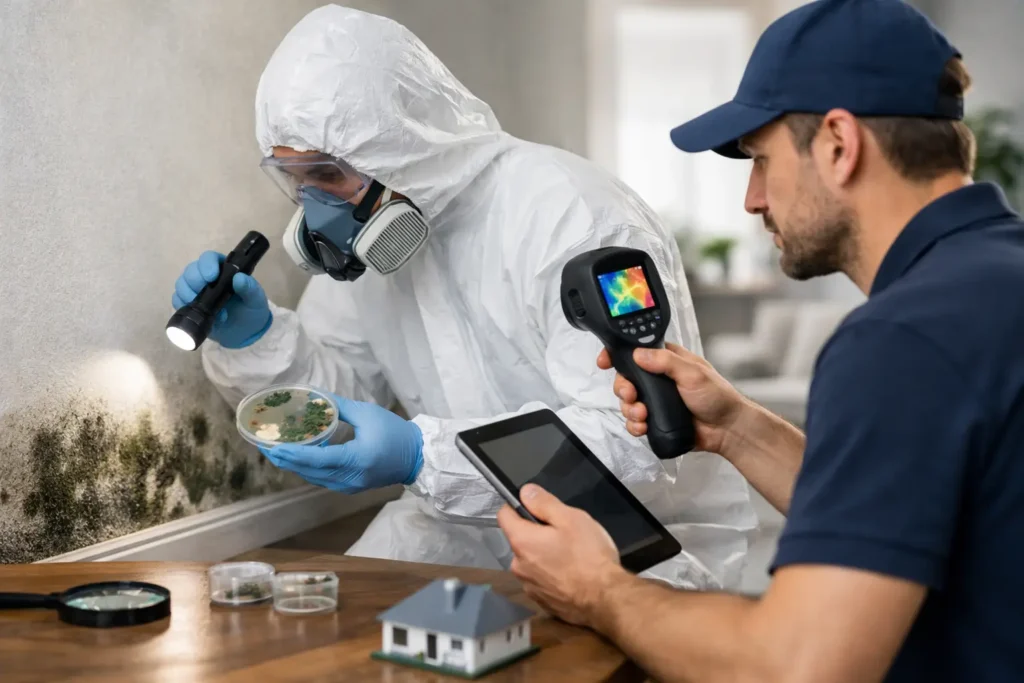
How do I choose a mold clean up service after water damage?
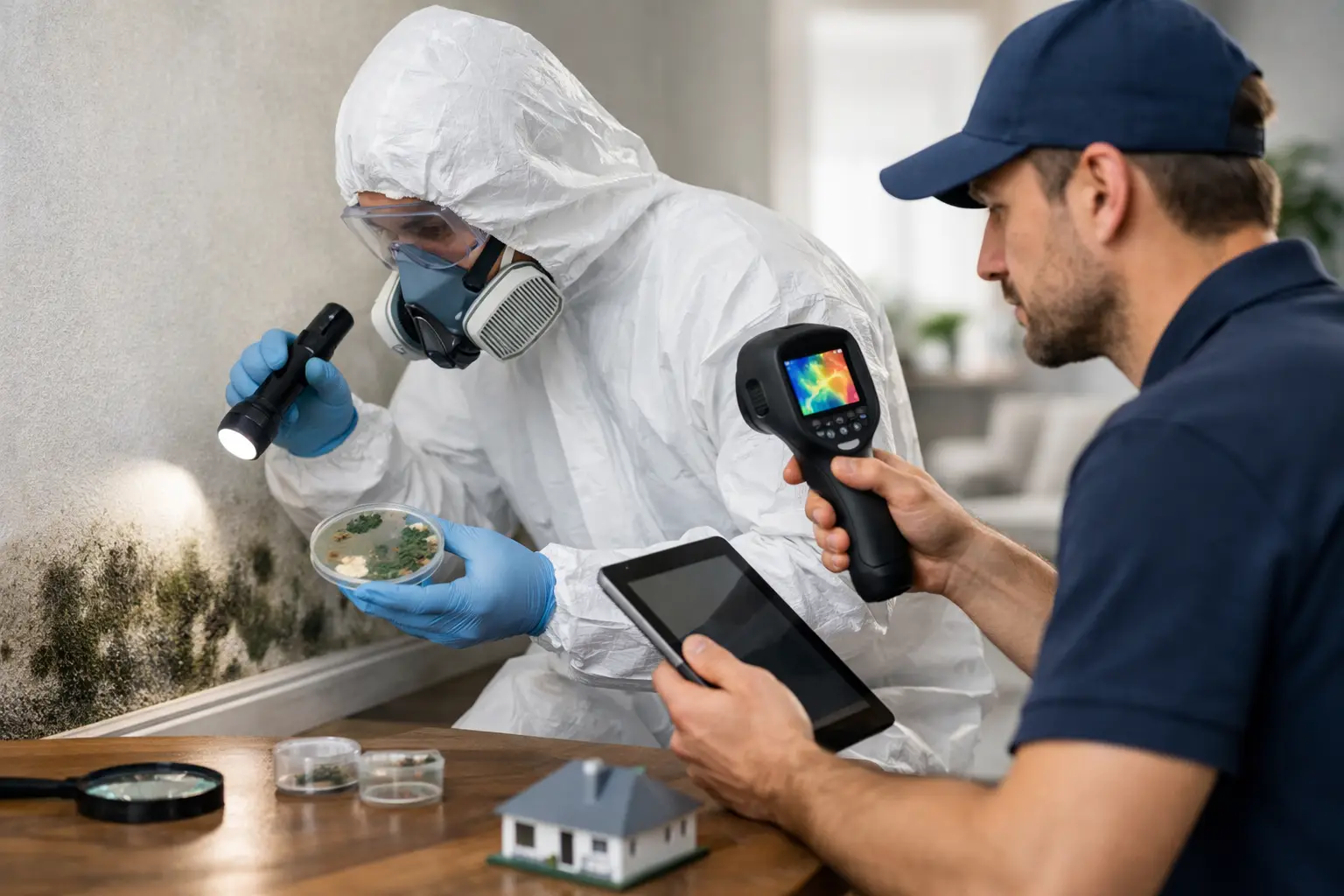
Mold clean up service means removing visible growth, drying the moisture source, and dealing with contaminated materials before the problem spreads. The real fix is not just cleanup. It is moisture control, safe remediation, and proper reconstruction so the space does not keep feeding mold.
What does a mold clean up service actually cover?
A mold clean up service covers more than spraying something on a wall and calling it done. It should address the growth you can see, the moisture that fed it, and the materials that no longer belong in the space.
If you are shopping this term, the useful definition is simple: mold cleanup is a remediation process, not a cosmetic wipe-down. A proper job looks at the affected area, the source of moisture, and what has to be removed or restored.
That matters because mold does not behave like dust. It takes hold in porous materials, can hide behind surfaces, and often shows up after water damage has already done the quiet work. If the underlying wet condition remains, the problem is still active.
A homeowner usually needs help most when the issue follows a burst pipe, leak, flooded basement, sewer backup, or a hidden crawl space moisture problem. Those are not the same as a surface spot in a bathroom. The scope changes fast.
The better question is not ‘Can someone clean this?’ It is ‘What material is affected, what is still wet, and what has to be stabilized before the room is safe to rebuild?’ That is the real service.
- Visible mold removal from affected surfaces
- Containment to limit spread during cleanup
- Drying of the moisture source and wet materials
- Removal of damaged porous materials when needed
- Reconstruction after remediation if materials are not salvageable
How do you tell mold from ordinary water staining?
Water stains can look harmless until you smell the musty odor, touch soft drywall, or see the discoloration change shape. Mold and staining are not the same thing, and confusing them is how people undercall a bigger problem.
A stain is often a mark left by water. Mold is living growth fueled by moisture and organic material. On a homeowner level, the mistake is assuming every brown patch is only cosmetic. Sometimes it is, and sometimes it is the surface clue for hidden contamination.
Look at the conditions, not just the color. A ceiling ring after a roof leak, a baseboard discoloration near a pipe break, or a dark spot in a damp crawl space can all be tied to active moisture. The stain matters less than what is behind it.
You also have to pay attention to smell and texture. A musty odor, soft or swollen drywall, peeling paint, or warped trim can signal that the material is holding moisture. Once porous materials are saturated, cleanup may require removal, not just treatment.
For a buyer, this means the right first step is an inspection that separates surface damage from deeper contamination. That distinction drives the rest of the plan: dry it, remove it, clean it, or rebuild it.
- Staining shows water exposure, not always mold
- Musty odor often suggests hidden moisture and growth
- Soft drywall or swollen trim points to material damage
- Dark spots near leaks or backups deserve a closer look
- Surface cleaning alone is not enough if materials stayed wet
Why moisture control decides whether mold comes back
Mold clean up service fails when people treat the symptom and ignore the feed source. If the area still has a moisture problem, the cleanup is temporary, no matter how good the scrub job looked on day one.
Mold needs moisture, so moisture control is not a side task. It is the center of the whole job. That is why cleanup after a water loss has to include drying, dehumidification, and confirmation that wet materials are no longer feeding growth.
Hidden spaces are where people get burned. Wall cavities, subfloors, crawl spaces, and insulation can hold moisture long after the surface seems fine. By the time the room looks normal, the interior may still be an active problem.
This is also where cheap shortcuts create repeat damage. If someone wipes visible mold but never handles the leak, backup, or trapped humidity, the space can re-contaminate. Then you pay twice, once for the cleanup and again for the missed cause.
The practical mindset is this: cleanup is the result of moisture control, not the substitute for it. The drying plan, source repair, and material decisions all have to line up or the mold story continues.
- Fix the leak, flood, or condensation source first
- Dry hidden cavities, not just the visible surface
- Use containment when disturbance could spread spores
- Remove materials that will not dry safely
- Verify the space is stable before reconstruction starts
Elevated Operations provides 24/7 water, fire, mold, storm, and sewage damage restoration across Metro Atlanta.
Get a free quoteWhich materials usually need removal after mold damage?
Some materials can be cleaned. Others are just holding the problem for later. The hard part is not wanting to save everything. It is knowing which materials are still worth restoring and which ones need to come out.
Porous materials are usually the issue. Drywall, insulation, carpet padding, and some contents can absorb moisture and support mold growth in a way that surface cleaning cannot fully solve. That is why a real cleanup plan often includes removal.
Non-porous surfaces are more forgiving, but only when the contamination is limited and the underlying moisture is handled. Tile, metal, and some sealed surfaces may be cleanable. Even then, the condition underneath matters more than the wipe on top.
A homeowner often wants the smallest possible project, which is understandable. But trying to save materials that have already absorbed contamination can leave odors, hidden growth, and future repair costs. Short-term savings can become long-term damage.
The decision is not emotional. It is material-based. If a surface can be dried, cleaned, and verified, it may stay. If it has absorbed mold and moisture deep into the structure, reconstruction may be the cleaner path.
bullets 2? no
Obviously ignore this placeholder
What happens during mold cleanup in a real water damage job?
The useful version of mold cleanup starts with containment and ends with a dry, rebuilt space. Everything in between exists to stop spread, remove affected materials, and make sure the moisture problem is actually handled.
First comes assessment. A technician looks at where water entered, how far it traveled, and which materials are affected. That determines whether the job is a small localized cleanup or a larger remediation and reconstruction project.
Then comes control. Containment helps keep disturbed material from spreading through the home, and drying begins to address the environment that allowed mold to form. This is where IICRC-certified technicians matter, because the process has to be methodical, not improvisational.
After that, affected materials are removed or cleaned according to what is salvageable. A good job does not chase appearances. It clears contamination, handles debris, and prepares the space for the repair phase so the area can be put back correctly.
Finally, reconstruction brings the room back to usable condition. That part is often underappreciated, but it is where the job becomes normal again. Cleanup without rebuild support leaves the homeowner managing the next contractor problem.
bullets 2? no
Again ignore
- Assessment of the damage path and affected materials
- Containment to reduce spread during disturbance
- Drying and moisture control before rebuilding
- Removal or cleaning of contaminated materials
- Reconstruction to restore the damaged area
When should you stop cleaning and call for professional mold remediation?
| Situation | What to do | Why |
|---|---|---|
| You smell musty air but cannot find the source | Get an inspection of walls, crawl spaces, and other hidden areas | Mold often grows behind surfaces where wiping visible spots does nothing |
| Drywall, insulation, or carpet got wet and stayed wet | Have the affected materials assessed for removal or remediation | Porous materials can hold contamination deep inside |
| The area was hit by a burst pipe, leak, flood, or sewer backup | Bring in a restoration team that can handle drying and mold cleanup together | Water damage and mold are linked, so the plan has to cover both |
| You keep seeing the same spot come back after cleaning | Treat it as an unresolved moisture problem, not a cleaning problem | Reappearing growth usually means the source was never fixed |
Doing it yourself vs bringing in Elevated Operations
| Doing it yourself | With Elevated Operations | |
|---|---|---|
| Finding the real cause | You may clean the visible spot and miss the wet cavity, hidden leak, or crawl space issue. | We look at the damage pattern so the cleanup plan addresses the cause, not just the stain. |
| Handling contaminated materials | You have to guess what can be saved and what should be removed, which risks spreading the problem. | We manage removal, cleanup, and reconstruction as one coordinated process. |
| Drying and containment | Most homeowners do not have the equipment or process to control spread and moisture correctly. | Our team uses a structured restoration approach with IICRC-certified technicians. |
| Getting the space back to normal | You still need to line up repairs after the cleanup, which often turns into a second project. | We provide one-stop restoration and reconstruction so you are not juggling multiple vendors. |
Frequently Asked Questions
How much does mold clean up service cost?
It depends on the size of the affected area, the materials involved, and whether the job also requires drying or reconstruction. Because every loss is different, the most honest answer is a custom estimate. If you want a straight answer for your situation, book a call for a free quote.
Can I just clean mold with household products?
Sometimes a small surface issue can be cleaned, but that is not the same as solving a mold problem after water damage. If the source of moisture is still there or porous materials were affected, household cleaning can leave hidden growth behind.
Is mold cleanup different from mold remediation?
Yes. Cleanup usually means removing or cleaning the visible problem. Remediation is broader. It includes containment, moisture control, removal of affected materials, and making sure the conditions that caused the growth are addressed.
What if the mold is in a crawl space or behind a wall?
That usually means the issue is more than cosmetic. Hidden spaces can stay wet and feed mold while the living area looks fine. Those jobs often need inspection, controlled removal, drying, and sometimes reconstruction to finish the repair correctly.
Can Elevated Operations help if the mold started after a leak or flood?
Yes. Elevated Operations handles water damage restoration, mold remediation, and reconstruction in the Atlanta metro area, which is useful when the loss is bigger than a simple cleanup. If that is your situation, book a call for a free quote.
Get a free, no-obligation restoration estimate
Elevated Operations provides 24/7 water, fire, mold, storm, and sewage damage restoration across Metro Atlanta.
Get a free quoteCall (770) 404-6895Last updated September 13, 2026