
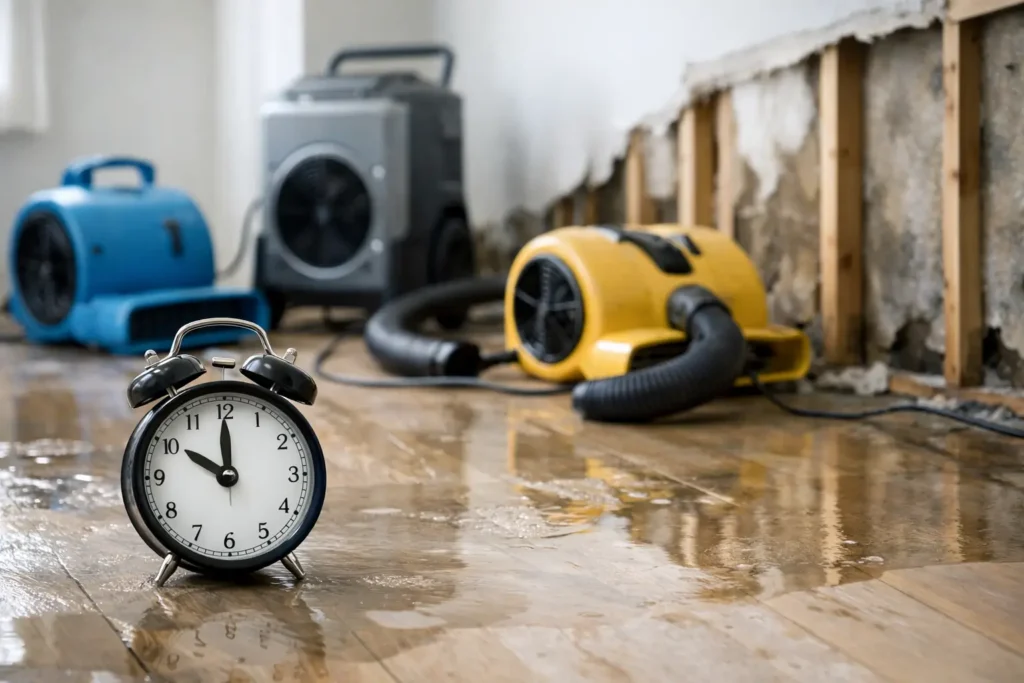
How do I choose a post construction cleanup service after water damage?
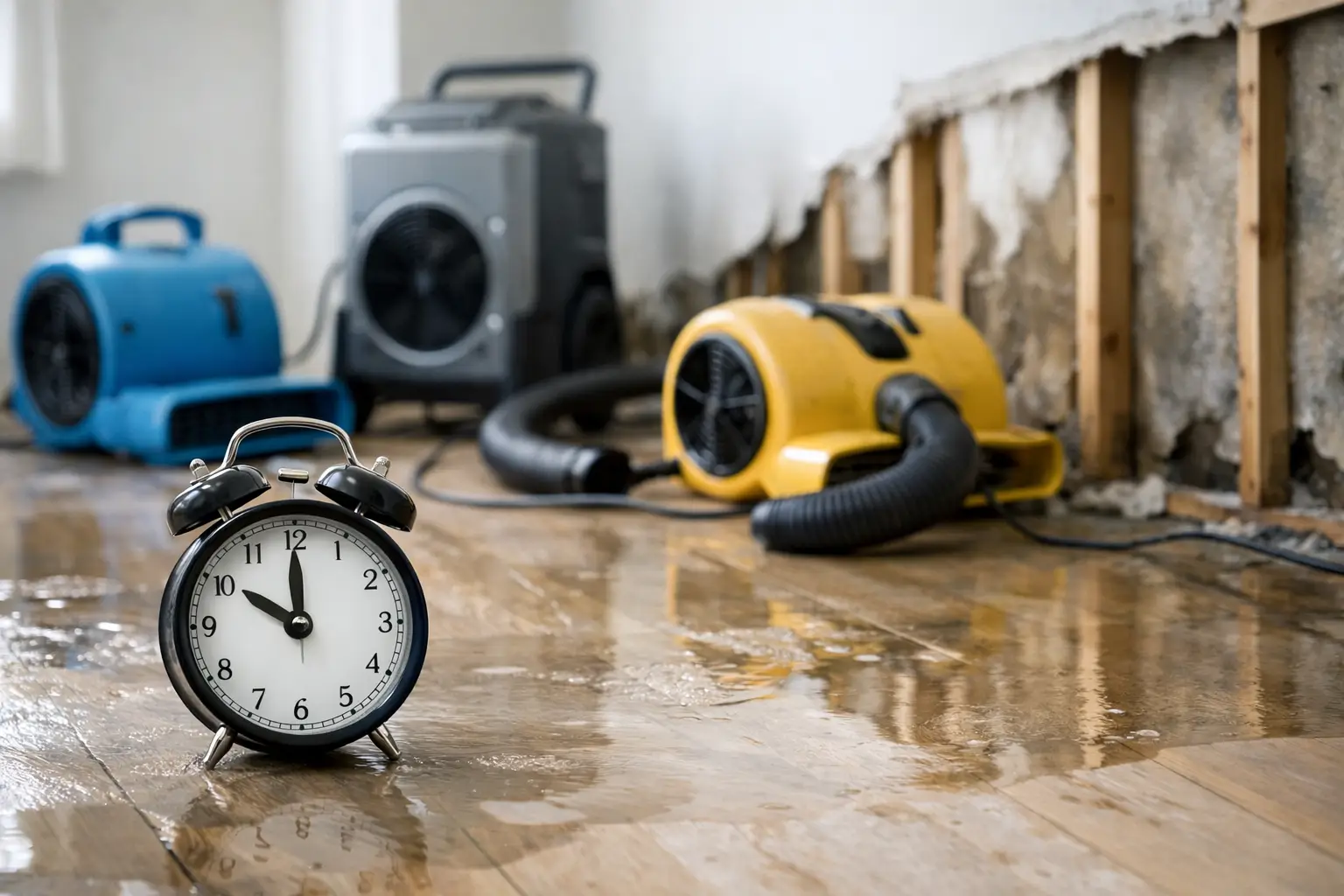
A post construction cleanup service after water damage should clear debris, remove contaminants, dry materials, and prepare the space for safe reconstruction. The right fix is a restoration team that handles extraction, drying, cleanup, and rebuild coordination without making you juggle five vendors while the damage gets worse.
What does a post construction cleanup service actually cover after water damage?
It covers the part people underestimate: the mess left after water removal, demo, and drying. In a water damage job, cleanup means the area is stripped of unsafe debris, residues, and damaged materials so the property can be stabilized instead of half-treated.
If you are using the phrase post construction cleanup service after water damage, you are usually talking about more than sweeping up dust. You are talking about a cleanup scope that follows mitigation or repair work and prepares the space for the next phase.
That matters because water does not just leave a wet floor. It leaves saturated drywall, warped trim, damaged insulation, dirty residues, and hidden moisture pockets. A cleanup service has to deal with what is visible and what is still trapped in the structure.
The cleanest process is one that connects cleanup to restoration. Otherwise you end up with one company removing materials, another trying to dry the property, and another telling you what needs rebuilding. That is how delays and missed details happen.
For homeowners, the useful question is simple: will the property be left safe, dry, and ready for the next trade, or will you be left coordinating the rest yourself?
- Removal of water-damaged debris and non-salvageable materials
- Dust and residue cleanup after demo or drying work
- Basic sanitizing where contamination is a concern
- Preparation for reconstruction or final repairs
- Documentation that supports the restoration scope
How is cleanup different from mitigation, drying, and reconstruction?
These are not interchangeable labels, and pretending they are is how homeowners get lost in the process. Cleanup is one piece. Mitigation stops the damage from spreading, drying addresses moisture, and reconstruction rebuilds what could not be saved.
Mitigation is the urgent response. It is the work that limits the loss, like emergency water removal, water extraction, or board-up style protection when needed. The job there is to stop the damage from getting bigger.
Drying comes next. That is the part where affected materials are brought down to acceptable moisture conditions so hidden dampness does not create mold, odor, or long-term structural problems.
Cleanup sits in the middle and around those phases. It is the step that clears the site of debris, contamination, and leftover mess so the property is workable again. If the site stays cluttered and dirty, the repair phase becomes harder and less accurate.
Reconstruction is the finish line for damaged components. If the water ruined drywall, flooring, trim, or other finishes, reconstruction is what puts the space back together after the loss has been controlled and the cleanup is done.
- Mitigation stops ongoing loss
- Drying addresses hidden moisture
- Cleanup removes debris and contaminants
- Reconstruction restores the damaged building parts
- Each phase depends on the one before it
Which parts of the house need the most attention after a burst pipe or leak?
Usually the parts that trap moisture or hide damage are the ones that bite you later. If water got into walls, floors, or below-grade areas, the cleanup has to be more than surface-level or you are just decorating a problem.
A burst pipe often looks manageable at first because the water pools where you can see it. The problem is what happens after it spreads under flooring, into wall cavities, or into materials that keep moisture longer than you expect.
Basements, crawl spaces, and lower levels deserve special attention because they can hold humidity and slow drying. That is where mold risk rises if the cleanup is handled casually or without proper drying follow-through.
Kitchen, laundry, and bathroom areas can also become deceptive. The visible mess may be small while the materials behind cabinets, under appliances, or inside adjacent walls are already compromised.
A proper cleanup scope looks for hidden damage, not just obvious wet spots. If the team is only wiping down surfaces, they are not really dealing with the loss.
Around cabinets and baseboards
Under flooring and padding
Inside wall cavities and insulation
In crawl spaces and basement edges
Around plumbing penetrations and utility areas
Elevated Operations provides 24/7 water, fire, mold, storm, and sewage damage restoration across Metro Atlanta.
Get a free quoteWhat should a homeowner expect on the day the cleanup crew arrives?
You should expect assessment, containment, removal, and a plan. Not a vague promise and a truck parked in the driveway. A serious crew shows up ready to figure out what can be saved, what has to come out, and what needs to dry fast.
The first practical step is a walk-through of the affected areas. The crew needs to see where the water traveled, what materials were touched, and whether the loss is limited to one area or spread into adjacent rooms.
Next comes containment and removal of unsalvageable materials. That may include taking out saturated drywall, flooring, or other damaged contents so the space can be dried properly. Leaving wet material in place just slows the entire project.
After that, the team should focus on moisture control and cleanup. The goal is to get the property into a state where lingering water, residue, and debris are no longer creating risk.
Homeowners should also expect communication. If something needs reconstruction, if insurance documentation matters, or if the scope expands once hidden damage is opened up, you need to know that early rather than finding out after the fact.
A clear scope before work starts
Visible removal of damaged materials
Drying equipment placed where needed
Basic documentation for insurance or reconstruction
A direct explanation of next steps
What makes a cleanup service worth hiring instead of patching it yourself?
The short answer is that water damage is rarely just a mess. It is a materials problem, a moisture problem, and sometimes an indoor air problem. If you miss any one of those, the cleanup is not done, it is postponed.
Homeowners can remove some surface water and haul out obvious trash. That is not the same as restoring a structure that has absorbed moisture into layers you cannot see. The expensive mistake is assuming the visible part is the whole problem.
Professional cleanup matters when the damage crosses into drying, contamination control, or reconstruction prep. Once you are dealing with soaked drywall, warped trim, sewer exposure, or mold risk, you want a team that understands the sequence, not just the labor.
This is where credentials matter more than marketing. IICRC-certified technicians are trained around restoration standards, which is a lot more useful than a random crew guessing at what should happen next.
The actual value is not just convenience. It is avoiding the half-fixed job that gets you twice: once for the immediate cleanup and again when the hidden damage shows up later.
Proper drying and material removal
Safer handling of contaminated areas
Cleaner handoff into reconstruction
Better documentation for the loss
Less chance of missing hidden moisture
How do you know the cleanup quote is actually scoped right?
You want to know whether the estimate matches the damage, not whether it sounds reassuring. A bad scope leaves out the stuff that matters. A good one tells you what is being removed, what is being dried, and what still needs to be rebuilt.
A useful quote should reflect the actual condition of the property. If the water touched drywall, flooring, insulation, or contents, the estimate should acknowledge those categories instead of pretending the job is just cleaning and drying a hallway.
It should also make room for uncertainty where hidden damage may exist. Water moves behind walls and under finishes, so a quote that acts like every affected surface is already visible is usually too optimistic.
For a homeowner, the best sign is not a low number. It is a scope that makes sense when you think through the physics of water intrusion and the sequence of restoration. If something sounds too neat, it may be incomplete.
Insurance-guided projects benefit from this even more. Clear scope language makes it easier to understand the claim, the invoice, and the reason certain materials had to come out.
What was affected and what was removed
What still needs drying or monitoring
What can be salvaged versus replaced
What reconstruction work may follow
How the job ties into the claim process
When the cleanup scope needs to expand
| Situation | What to do | Why |
|---|---|---|
| Wet drywall, swelling trim, or flooring that no longer sits flat | Remove damaged materials and assess the substrate before rebuilding | Trapped moisture does not get better by being covered up |
| Persistent damp smell after the visible water is gone | Inspect for hidden moisture and dry the affected areas fully | Odor is often a sign the structure still holds water |
| Damage in a basement, crawl space, or below-grade room | Treat the area as a higher-risk drying and cleanup zone | These spaces hold moisture longer and can create mold conditions |
| Insurance claim tied to the loss | Document the scope and coordinate the restoration paperwork | Clear records reduce confusion between cleanup, repairs, and claim review |
Doing it yourself vs bringing in Elevated Operations
| Doing it yourself | With Elevated Operations | |
|---|---|---|
| Finding hidden damage | You can miss moisture behind walls, under flooring, or in cavities | IICRC-certified technicians assess the loss and address the affected areas in sequence |
| Cleanup and disposal | You handle the debris, the mess, and the hauling yourself | The restoration team removes affected materials as part of the job |
| Rebuild coordination | You have to line up the next contractor after cleanup | Licensed contractors can manage reconstruction after mitigation and cleanup |
| Insurance communication | You become the point person for notes, photos, and questions | Direct insurance claim management reduces the back-and-forth on your end |
Frequently Asked Questions
What does a post construction cleanup service include after water damage?
It usually includes removing debris and damaged materials, cleaning affected areas, and preparing the property for drying or reconstruction. After water damage, the important part is not just removing the mess. It is making sure hidden moisture, contamination, and unsafe materials are addressed so the next repair step is not built on a problem.
Is post construction cleanup the same as water damage restoration?
No. Cleanup is one part of the wider restoration process. Water damage restoration can include emergency removal, drying, cleanup, sanitizing, and reconstruction if materials were damaged. If a provider only talks about surface cleaning, you may still have moisture trapped in the structure.
How long does cleanup take after a burst pipe?
It depends on how far the water spread, what materials were affected, and whether reconstruction will be needed. The honest answer is that the scope has to be inspected first. A quote based on the actual damage is more useful than a guess, which is why a free quote is the right next step.
Can a cleanup crew also help with insurance paperwork?
Yes, and that is often where homeowners feel the most relief. Restoration work creates documentation, estimates, and communication points that matter in a claim. When the team understands the insurance side, it is easier to keep the project organized instead of chasing every detail yourself.
Who should I call if cleanup reveals structural damage or mold risk?
You want a restoration company that can handle cleanup and keep the project moving into reconstruction if needed. Elevated Operations serves Metro Atlanta with water damage restoration and reconstruction, so if the cleanup uncovers more damage, you do not have to restart with a new contractor. Book a call for a free quote.
Get a free, no-obligation restoration estimate
Elevated Operations provides 24/7 water, fire, mold, storm, and sewage damage restoration across Metro Atlanta.
Get a free quoteCall (770) 404-6895Last updated September 12, 2026