
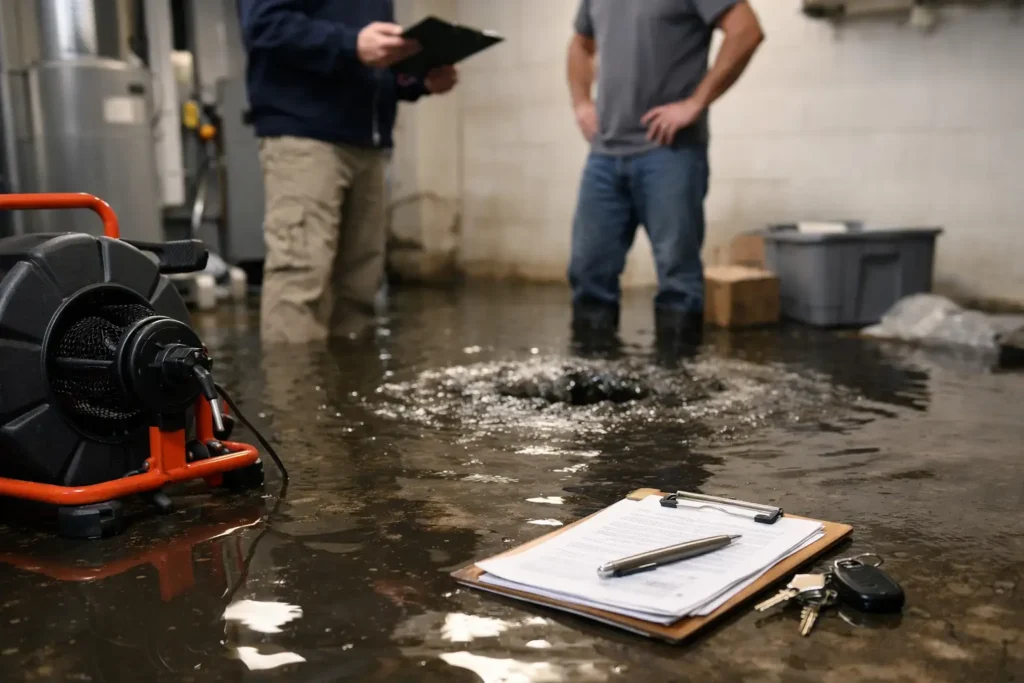
A sewer backup can turn a usable bathroom, basement, kitchen, or commercial space into a health hazard in minutes. The question of who covers sewer backup damage usually depends on where the backup started, what insurance coverage was purchased, and whether a plumbing failure or maintenance issue contributed to the loss. The right answer is rarely as simple as “my insurance company pays.”
The immediate priority is still the same: keep people away from contaminated water, stop the source if it is safe to do so, and begin professional cleanup quickly. Sewage contains bacteria and other contaminants that can soak into drywall, insulation, flooring, furniture, and structural materials. Waiting for an insurance decision before mitigating the damage can make a difficult claim more expensive and a property less safe.
Who Covers Sewer Backup Damage in Most Cases?
For homeowners, a standard homeowners policy often does not automatically cover water that backs up through a sewer, drain, sump pump, or overflow. Coverage is commonly available through a separate water backup endorsement. If that endorsement is on the policy and the event falls within its terms, the insurer may cover cleanup, damaged building materials, and certain personal property up to the policy limit.
That limit matters. A $5,000 water backup endorsement may help with initial remediation but may not fully cover demolition, drying, replacement flooring, cabinetry, drywall, contents cleaning, and reconstruction after a severe Category 3 sewage loss. Review both the coverage limit and the deductible before assuming the policy will cover the entire job.
The cause also matters. An isolated blockage in your private sewer lateral, a failed backflow preventer, or a clogged drain may be treated differently from a city sewer main overflow. If the backup originated in a municipal line, the city or county could potentially be responsible, but that does not mean payment is automatic. Government claims often require proof that the municipality was negligent and had notice of a problem. Claim deadlines can also be short.
When Homeowners Insurance May Pay
An insurer is more likely to consider a sewer backup claim when the policy includes water backup coverage and the damage resulted from a sudden, accidental event. Examples can include sewage entering through a basement floor drain after the public sewer is overwhelmed, or wastewater backing up through an interior drain because of a covered plumbing event.
Your policy may cover reasonable emergency mitigation, including sewage extraction, removal of contaminated porous materials, antimicrobial treatment, structural drying, and documentation of the affected areas. It may also cover repairs to damaged finishes, depending on the policy language and endorsement limit.
However, insurance coverage is not a maintenance plan. If roots have been invading a private sewer line for years, the pipe has deteriorated from age, or a recurring clog was ignored, the insurer may deny all or part of the claim. The policy may pay for resulting interior damage in some circumstances while excluding the cost to repair the failed pipe itself. Every carrier and policy is different, so the adjuster’s decision should be based on the actual wording of your policy, not assumptions made during an emergency.
Sewer Backup Coverage Is Different From Flood Coverage
This distinction causes a great deal of confusion. Flood insurance generally addresses water that enters from outside the property, such as rising surface water after heavy rain. A sewer backup endorsement is designed for water or sewage that reverses course through drains, sewers, or sump systems.
A major storm can create both problems at once. For example, rainwater may enter through doors or foundation openings while the overloaded sewer system pushes wastewater up through a basement drain. One portion of the loss may fall under flood coverage, another under a sewer backup endorsement, and some costs may remain uncovered. Clear photos, moisture mapping, and a detailed scope of work help separate the causes of damage for the claim.
Landlords, Tenants, and Property Managers: Who Is Responsible?
For rental properties, responsibility often depends on the lease, the source of the backup, and local law. A landlord is typically responsible for maintaining the building’s plumbing system and restoring damaged structural components such as walls, floors, and fixtures. The landlord’s property insurance may address covered building damage and loss of rental income.
A tenant’s renters insurance can help with the tenant’s furniture, clothing, electronics, and other personal belongings if the policy includes the necessary water backup coverage. The landlord’s policy generally does not replace a tenant’s personal property.
Property managers should act before the coverage question is fully resolved. Document the event, restrict access to contaminated areas, notify the owner and insurer, and bring in qualified remediation professionals. Delayed action can increase damage, create habitability concerns, and complicate communication with residents.
For commercial properties, coverage may be split among the building owner, tenant, and business insurance carrier. Building coverage, business personal property coverage, business interruption coverage, and sewer backup endorsements may all come into play. A restaurant, medical office, daycare, or retail space may also face health department or operational requirements after a sewage release, which makes fast remediation especially critical.
What Insurance Often Excludes
Even with water backup coverage, certain expenses may be excluded or limited. The exact policy controls, but common issues include repairs to the original failed pipe, pre-existing damage, gradual deterioration, mold that was not promptly addressed, and upgrades beyond like-for-like restoration.
If a damaged floor is discontinued or matching materials are unavailable, the insurer may only pay according to the policy’s matching provisions. If you choose to upgrade cabinets, flooring, or fixtures during reconstruction, the additional cost may be out of pocket. That does not make an upgrade a bad decision. It simply needs to be clearly separated from the covered restoration work.
Deductibles also apply. A water backup endorsement may have a separate deductible, and some policies use a percentage-based deductible for certain water-related losses. Ask the adjuster to identify the applicable deductible in writing rather than relying on a general estimate.
What to Do Immediately After a Sewage Backup
Do not use bleach, shop vacuums, or household fans as a substitute for proper sewage cleanup. Disturbing contaminated water without the right protection can spread contamination and drive moisture deeper into the structure.
Take these steps as soon as possible:
- Keep children, pets, tenants, and employees out of the affected area.
- Stop using toilets, sinks, showers, dishwashers, and laundry equipment until a plumber or restoration professional identifies the cause.
- Photograph standing water, visible sewage, affected contents, drain locations, and the exterior if storm conditions contributed.
- Report the loss to your insurance carrier, then save the claim number and the adjuster’s contact information.
- Keep receipts for emergency services and do not discard damaged materials until they have been documented, unless they present an immediate health risk.
A qualified restoration team can extract contaminated water, remove materials that cannot be safely salvaged, set commercial drying equipment, use moisture meters and thermal imaging to locate hidden wet areas, and prepare an insurance-ready scope. That documentation is valuable when the visible mess is only part of the damage.
How to Protect Your Claim Without Delaying Cleanup
Insurance carriers expect property owners to take reasonable steps to prevent further damage. That means emergency mitigation should begin promptly, even if the adjuster has not yet inspected the property. Before demolition begins, professionals should document conditions thoroughly with photos, measurements, moisture readings, and a clear description of the affected materials.
Be accurate when describing the event. Do not guess whether the source was a city main, a private sewer line, a toilet overflow, or stormwater. State what you observed, when it happened, and where the water entered. A plumber’s camera inspection may be needed to establish the cause.
Ask direct questions of your carrier: Does my policy include sewer or drain backup coverage? What is the limit? What deductible applies? Are contents covered? Is the damaged sewer line itself covered? Will the policy pay for code-required repairs? Written answers can prevent misunderstandings later.
In Metro Atlanta, heavy rain, aging plumbing, root intrusion, and low-lying drains can all contribute to sewer backup events. Elevated Operations helps property owners move from emergency containment through sewage remediation, insurance coordination, and reconstruction without handing the project off between multiple contractors.
The best time to understand your coverage is before a backup occurs, but a fast, well-documented response still protects you after the fact. Secure the area, document what happened, start proper remediation, and let the policy language and evidence determine the path forward.