

How do you go about getting rid of mold on walls?
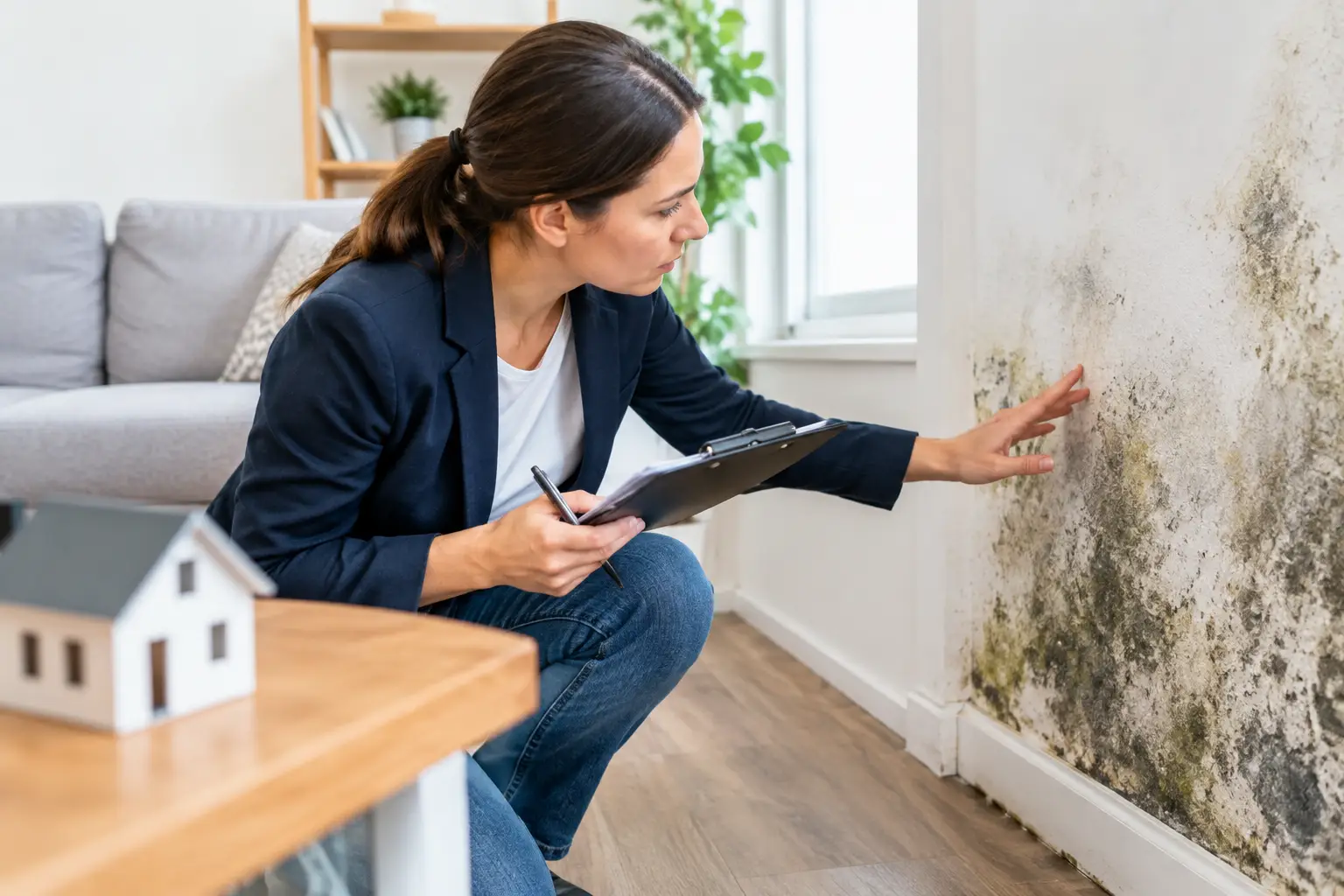
Getting rid of mold on walls means more than wiping the surface. You have to stop the moisture, remove contaminated material when needed, clean the affected area safely, and dry the wall cavity completely. If the wall was wet from a leak, flood, or sewer backup, assume there is more going on behind the paint.
What counts as mold on a wall versus hidden wall damage?
The first thing to sort out is whether you are seeing a surface issue or a wall assembly issue. That distinction matters because mold on paint is one problem, but mold inside drywall or framing is a different job entirely.
Surface growth usually shows up as spotting, staining, or a fuzzy film on painted drywall, trim, or wallpaper. Hidden damage is different. That is when the wall feels soft, looks swollen, smells musty, or keeps discoloring after you clean it.
The mistake people make is treating every dark patch as a cleaning job. If the wall stayed wet, water can move into the paper face of drywall, insulation, wood studs, and the back side of baseboards. Once that happens, the visible stain is only the symptom.
A quick inspection should answer three questions: where the water came from, how long the wall was wet, and whether the material itself has been compromised. If those questions are fuzzy, the safe assumption is that the issue is bigger than the spot you can see.
For a homeowner, this is not about being dramatic. It is about avoiding the very common pattern where someone wipes a wall, paints it, and then smells the same musty odor a few weeks later.
- Visible spotting on paint is not the same as dry, sound drywall.
- Soft, swollen, or crumbling wall material points to deeper damage.
- A recurring stain usually means the moisture source was never fixed.
- Musty odor often shows hidden growth even when the wall looks better.
- Paint covers symptoms; it does not remove contaminated material.
Why does mold keep coming back after you clean the wall?
If the same wall keeps discoloring, the problem is almost never the cleaner you used. It is the moisture path you did not stop, and mold is simply using that path again.
Mold needs moisture. That is the part people skip because they want a fast visual fix. If a pipe is still seeping, a shower wall is still condensing, or water wicked up from a flood, the wall stays in the condition mold likes best.
There is also the hidden reservoir problem. Even if the visible area looks dry, the cavity behind it can remain damp. Drywall paper, insulation, and wood framing can hold moisture long enough for growth to continue out of sight.
Another reason mold returns is incomplete removal. If porous materials were contaminated and left in place, cleaning the surface alone may not address what is embedded in the material itself. The wall then becomes a repeat source.
This is why the real sequence matters: stop the water, inspect the damage, remove what cannot be saved, dry what can be saved, and only then restore the wall finish.
- Persistent leaks feed new mold growth.
- Hidden dampness behind drywall keeps the problem alive.
- Porous material can hold contamination even after surface cleaning.
- Painting over a damp wall traps the issue, not the moisture.
- Repeated staining usually means the source was never fully corrected.
How do you safely remove mold from drywall, paint, and baseboards?
Safe removal starts with knowing what is salvageable and what is not. That is the whole game: clean nonporous surfaces when appropriate, but remove porous material that has been soaked or heavily affected.
Painted trim and other nonporous surfaces can sometimes be cleaned if the contamination is light and the material is structurally sound. But drywall is not forgiving. Once the paper face is compromised, you are often dealing with a replacement decision, not a cleaning decision.
Dry methods are risky because they can spread spores and dust into adjacent rooms. Wet methods are not automatically better either if they leave the wall damp. The goal is controlled removal and controlled drying, not just making the spot look smaller.
Baseboards are a common gray area. They may look minor on the outside while holding moisture at the bottom edge, especially after a leak or flooding at floor level. If they are swollen, warped, or stained through, they may need to come out.
The safer question is not, ‘How do I hide this?’ It is, ‘What material can still be cleaned, and what material has already been damaged beyond simple cleaning?’ That question usually saves time and future frustration.
- Nonporous surfaces can sometimes be cleaned if the damage is light.
- Damaged drywall often needs removal, not just wiping.
- Swollen or warped baseboards are often beyond simple cleanup.
- Drying must follow removal, not replace it.
- A controlled process reduces spread into nearby rooms.
Elevated Operations provides 24/7 water, fire, mold, storm, and sewage damage restoration across Metro Atlanta.
Get a free quoteWhat should happen to the wall cavity after water damage?
The wall cavity is where cleanups go wrong. If you never inspect or dry the space behind the finish, you are guessing, and mold does not care that the front of the wall looks better.
After a leak or flood, the cavity may contain damp insulation, wet framing, hidden staining, or contamination that never reached the visible surface. That hidden area can keep feeding odor and growth even after the wall face has been cleaned.
Professional assessment looks for signs that the cavity was involved: moisture readings, staining patterns, soft spots, and the way the damage travels along studs or at seams. Those clues tell you whether the wall needs targeted demolition and drying.
If the cavity is wet, drying has to be aggressive enough to matter and long enough to complete the job. If materials inside are contaminated, those materials need to be handled as part of remediation, not ignored because the finish layer looked salvageable.
This is the part of the job homeowners rarely see but always feel later if it is done badly. The wall gets rebuilt, the odor comes back, and now you are paying twice for the same mistake.
- Hidden insulation can stay wet long after the face of the wall dries.
- Studs and framing can show the true spread of the damage.
- Moisture readings help separate guesswork from real inspection.
- Wall cavity contamination can keep odors returning.
- Proper drying has to reach the hidden space, not just the room air.
How do you know when mold cleanup needs reconstruction too?
If the wall material has failed, cleanup alone is not enough. Reconstruction enters the picture when the damaged section cannot be restored to a sound, dry, stable condition.
Reconstruction is not overkill. It is what happens when drywall, trim, insulation, or adjacent finishes have been damaged enough that patching would leave the wall unreliable. A good repair should not just look finished; it should be structurally sound.
This often shows up after burst pipe damage, flooding, or sewage backup, where the water exposure is fast and heavy. In those cases, the goal is not cosmetic recovery. It is to return the area to a clean, dry, usable condition without trapping contamination.
One of the easiest ways to tell you are in reconstruction territory is the wall itself. If it is swollen, delaminated, moldy through the material, or repeatedly failing after cleaning, the fix is replacement and rebuild, not another round of surface work.
That is also where a one-stop restoration team is useful. You do not want to hand off from cleanup to another contractor and lose continuity on what was removed, what was dried, and what was rebuilt.
- Soft, swollen, or delaminated drywall often needs replacement.
- Flooding and sewage exposure raise the chance of reconstruction.
- Patch jobs are a poor fit for contaminated wall assemblies.
- Rebuild work should follow verified drying and remediation.
- Continuity matters when removal, drying, and rebuild all connect.
What should you do right after you spot mold on a wall?
The first hour matters less than people think, but the first few decisions matter a lot. Do not keep poking at it, and do not assume the visible patch tells the whole story.
Start by stopping any active water source if you can do that safely. If a pipe is leaking or a fixture is overflowing, shut the water off. If the damage came from a sewer backup, flooding, or a larger leak, keep out of the area and avoid spreading contamination through the rest of the home.
Next, limit disturbance. Scrubbing, sanding, and dry brushing can spread material you do not want in the air or on nearby surfaces. If the wall is soft, stained, or smells strongly musty, treat it as a structural moisture issue until proven otherwise.
Document what you can for insurance purposes. Take clear photos before anything is moved, and note where the damage started and how far it spread. That makes the claim process cleaner and reduces back-and-forth later.
Then get an inspection from people who understand water, mold, and reconstruction together. That is the difference between a temporary cosmetic fix and a real repair that closes the loop.
- Stop active water only if it is safe to do so.
- Do not sand, scrub, or dry brush the area.
- Keep the room from spreading dust and debris.
- Photograph the damage before cleanup begins.
- Bring in a team that can inspect, remediate, and rebuild if needed.
Decision framework for wall mold after a water event
| Situation | What to do | Why |
|---|---|---|
| The spot is small, dry, and only on a hard surface finish. | Clean the surface carefully after confirming the moisture source is fixed. | If the material is not porous or damaged, cleanup may be enough. |
| The wall feels soft, swollen, or stained through the paint. | Inspect the wall for hidden damage and remove compromised material. | Surface cleaning will not restore material that has already broken down. |
| The same stain or odor returns after cleaning. | Look for moisture inside the wall cavity and verify drying. | Recurring mold almost always means the underlying condition is still there. |
| The damage follows flooding, a burst pipe, or sewage exposure. | Treat it as remediation plus possible reconstruction. | Heavy water events often contaminate more than the visible wall finish. |
Doing it yourself vs bringing in Elevated Operations
| Doing it yourself | With Elevated Operations | |
|---|---|---|
| Finding the real source | You can see the stain, but the leak path or hidden dampness may be missed. | We inspect the damage, trace the moisture issue, and address what is behind the wall, not just what you can see. |
| Safe removal | You have to decide what can be cleaned and what should come out, which is easy to get wrong. | Our IICRC-certified technicians use a remediation process that focuses on removal, containment, and proper drying. |
| Rebuilding the wall | If drywall, trim, or insulation is damaged, you may need multiple contractors. | We offer reconstruction, so the project can move from mitigation to final repair without losing continuity. |
| Handling the claim | You gather photos, paperwork, and invoices while also trying to manage the home. | We provide direct insurance claim management, which reduces the back-and-forth during a stressful loss. |
Frequently Asked Questions
Is mold on walls always a sign of a bigger water problem?
Not always, but it usually is. Sometimes the issue is limited to a small surface area, but recurring stains, musty odors, soft drywall, or bubbling paint often mean moisture has gone beyond the surface. If the wall was wet from a leak, flood, or sewer backup, a deeper inspection is the smart move.
Can I clean mold on painted walls with household products?
You can sometimes clean a small area on a hard, sound surface, but household products do not fix hidden moisture or damaged drywall. If the wall is soft, warped, or stained through, cleaning alone will not solve the problem. The important part is fixing the water source and checking for hidden damage.
What does wall mold smell like?
People usually describe it as musty, damp, earthy, or stale. Odor is useful because it can point to hidden growth even when the wall does not look dramatic yet. If the smell remains after you clean the visible spot, that often means the wall cavity is still affected.
How do I know if drywall needs replacement?
Drywall usually needs replacement when it is swollen, crumbling, delaminated, moldy through the paper face, or contaminated after heavy water exposure. If the material no longer feels solid or the staining keeps returning, replacement is often the safer and more durable choice.
How do I get a price for getting rid of mold on walls?
Because the cost depends on the size of the affected area, hidden damage, and whether reconstruction is needed, the best next step is to book a call for a free, no-obligation quote. Elevated Operations can help assess the damage and map out the right repair path.
Get a free, no-obligation restoration estimate
Elevated Operations provides 24/7 water, fire, mold, storm, and sewage damage restoration across Metro Atlanta.
Get a free quoteCall (770) 404-6895Last updated October 15, 2026