
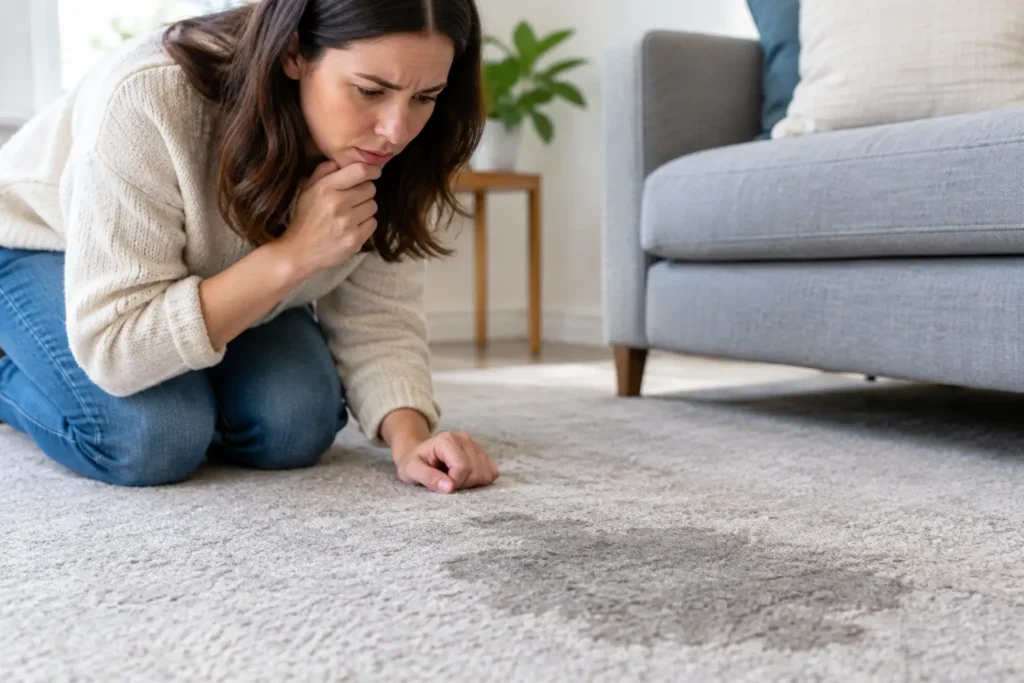
A burst pipe can soak a room in minutes, but the decision that follows should not be rushed: should wet carpet be replaced, or can it be saved? The answer depends on what soaked it, how long it stayed wet, and whether moisture reached the padding, subfloor, walls, or furniture. Fast, professional extraction and drying can save some carpet. Waiting can turn a manageable water loss into mold growth, odor, and avoidable reconstruction.
Should Wet Carpet Be Replaced After Water Damage?
Wet carpet does not automatically need replacement. Clean-water damage caught quickly may be restorable when the carpet is structurally sound and a qualified restoration team can extract water, remove or assess the pad, dry the underlying materials, and verify moisture levels.
Replacement becomes the safer choice when the water is contaminated, the carpet has been wet too long, the backing is separating, or odor and microbial growth cannot be eliminated. The carpet may look dry on top while its pad and the subfloor remain damp underneath. That hidden moisture is where secondary damage begins.
A professional assessment should focus on the entire flooring system, not just what is visible. Moisture meters and thermal imaging help identify wet areas beneath carpet, behind baseboards, and inside adjacent walls. That documentation also gives property owners a clearer picture for an insurance claim.
The Type of Water Matters Most
Restoration professionals classify water damage by its source. This classification is a major factor in whether carpet can stay or must go.
Clean water may allow restoration
Clean water usually comes from a broken supply line, an overflowing sink with no contamination, or rainwater that entered a property before contacting unsanitary materials. If extraction begins promptly, carpet may be salvaged. In many cases, technicians can lift the carpet, remove the saturated pad, dry the subfloor, treat affected surfaces as needed, and reinstall or replace flooring components after moisture readings confirm they are dry.
Even clean water should be treated as urgent. A clean-water loss can become contaminated after it sits, passes through building materials, or supports microbial growth.
Gray water requires more caution
Gray water may contain chemicals, food particles, or other contaminants from appliances, showers, washing machines, or toilet overflows without solid waste. Whether carpet can be restored depends on the specific source, extent of exposure, and time elapsed. In many gray-water events, the padding is removed because it acts like a sponge and is difficult to clean and dry reliably.
Sewage or floodwater means replacement is usually necessary
Carpet affected by sewage, toilet overflow with waste, outdoor flooding, or groundwater should generally be removed and discarded. This is not simply a drying issue. Porous materials such as carpet and padding can hold bacteria, viruses, and other contaminants that cannot be safely addressed through ordinary cleaning.
A sewage backup or flood requires controlled removal, cleaning and disinfection of affected structural surfaces, drying, and often reconstruction. Do not pull up contaminated carpet yourself without proper protective equipment and containment. Disturbing it can spread contaminants through the property.
How Long Has the Carpet Been Wet?
Time matters. The first 24 to 48 hours are the best opportunity to limit damage from a clean-water event. Prompt extraction reduces the amount of water that migrates into padding, subflooring, drywall, baseboards, and nearby rooms.
After that window, the risk changes. Mold does not need a dramatic flood to become a problem. It needs moisture, an organic food source, and time. Carpet backing, dust, wood flooring, drywall paper, and padding can all support growth when drying is delayed.
That does not mean every carpet wet for two days is beyond saving. Temperature, humidity, airflow, the amount of water, and the water category all affect the outcome. But a musty odor, visible spotting, persistent dampness, or elevated moisture readings should be treated as a warning that surface drying was not enough.
Signs Your Carpet Should Be Replaced
Some conditions make replacement more practical and safer than continued cleaning. Look for these warning signs after a water loss:
- The water came from sewage, flooding, or another contaminated source.
- The carpet has been wet for more than 48 hours without professional drying.
- The padding is saturated, deteriorating, or cannot be cleaned safely.
- The carpet backing is delaminating, wrinkling, shrinking, or separating from the fibers.
- A musty or sewage odor remains after extraction and drying.
- Mold is visible on the carpet, pad, tack strips, baseboards, or subfloor.
- Moisture testing shows the subfloor or nearby walls are still wet.
Tack strips often need replacement after a significant water event, particularly when they are rusted, contaminated, or have lost their ability to hold the carpet securely. In many cases, replacing the pad is also the sensible middle ground: it removes a highly absorbent material while allowing a clean, structurally sound carpet to be reinstalled after the structure dries.
Why Drying the Carpet Alone Is Not Enough
A shop vacuum, household fan, or rented carpet cleaner may remove some surface water, but it cannot confirm that the structure is dry. Water moves downward and outward. It can travel under flooring, wick into drywall, collect at wall plates, and affect rooms beyond the original leak.
Professional water mitigation starts with stopping the source and extracting standing water. The next step is controlled drying with commercial air movers and dehumidifiers, paired with moisture mapping. Technicians track drying progress instead of guessing based on how the carpet feels underfoot.
This approach protects more than the flooring. It can reduce the likelihood of warped wood, damaged drywall, compromised insulation, odors, and mold-related repairs later. It also helps establish what was affected before reconstruction begins.
Can Carpet Be Saved if Only One Area Is Wet?
Sometimes. A small, clean-water spill confined to one section of carpet may be manageable, especially if it is addressed immediately. The key question is whether water traveled beneath the carpet and into the pad. A damp corner can conceal a much larger wet area below.
For a localized loss, restoration may involve lifting only the affected section, removing wet padding, drying the subfloor, and reattaching the carpet once proper moisture levels are reached. This can be less disruptive than replacing an entire room of flooring.
However, patching or partial replacement has trade-offs. Matching older carpet can be difficult due to fading, wear, or discontinued styles. If the carpet was already near the end of its useful life, replacement may offer a better long-term result than investing in repeated cleaning and repairs.
What to Do Immediately After Finding Wet Carpet
First, stop the water source if it is safe to do so. Turn off a local fixture valve or the main supply for an active plumbing leak. If water is near outlets, appliances, or electrical equipment, avoid the area and contact an emergency professional.
Move lightweight furniture and valuables away from the wet area when possible, but do not drag heavy furniture across soaked carpet. Avoid walking through suspected sewage or floodwater. Do not assume a room is dry because standing water has disappeared.
Call for professional water extraction as soon as possible. Early mitigation gives you more options, whether the carpet is ultimately restored or replaced. Take photos of the affected areas and any visible source of damage, but do not delay emergency service while trying to document every detail.
Protect the Property, Then Rebuild With Confidence
The best answer to whether wet carpet should be replaced is based on evidence: the source of water, the duration of exposure, contamination level, carpet condition, and verified moisture readings. Saving clean, recently wet carpet can reduce disruption and cost. Replacing contaminated or deteriorated materials protects the people using the property and prevents hidden damage from returning later.
For Metro Atlanta property owners facing a flooded room, burst pipe, or sewage backup, Elevated Operations provides emergency extraction, moisture mapping, structural drying, insurance-ready documentation, and reconstruction when replacement is the right call. The goal is not to remove more than necessary. It is to remove the risk, dry the structure correctly, and help you move forward with a property that is genuinely ready for normal life again.