
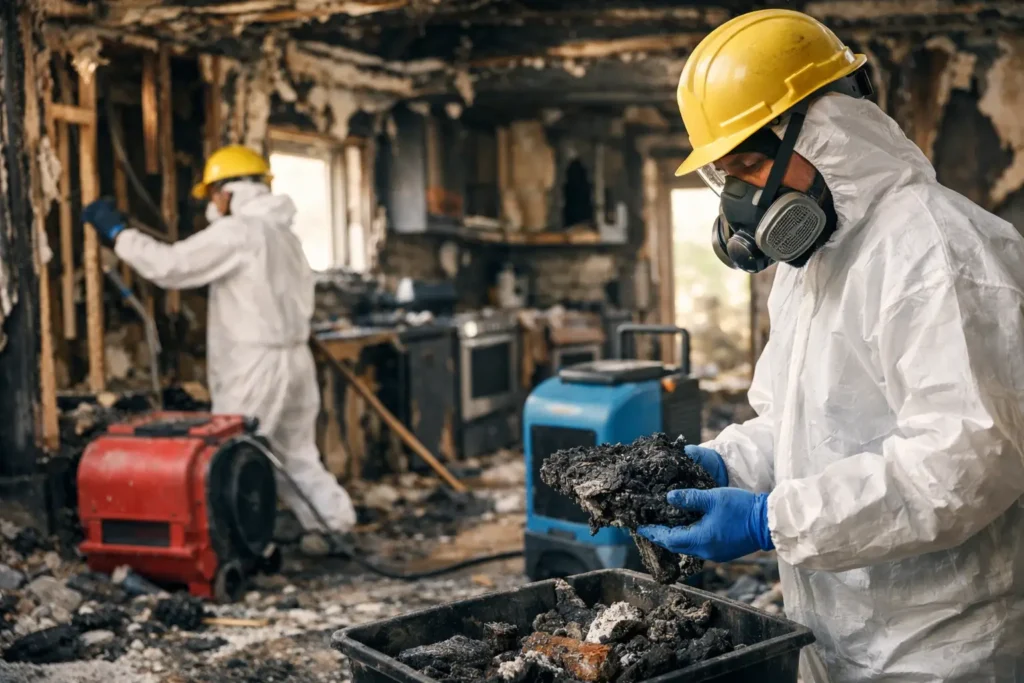
The flames may be out, but the property is not yet safe. Fire restoration begins with securing the structure, controlling smoke and soot damage, and creating a documented plan to return the property to working order. For a homeowner or property manager, the goal is not simply to make the damage look better. It is to protect what can be saved, prevent additional loss, and rebuild with confidence.
A fire can affect far more than the room where it started. Heat travels through framing, smoke moves through vents and wall cavities, and water used to extinguish the fire can soak floors, ceilings, insulation, and belongings. Fast, professional action helps prevent those hidden problems from becoming a second disaster.
What Fire Restoration Includes
Fire restoration is the coordinated process of stabilizing, cleaning, repairing, and rebuilding a fire-damaged property. The scope depends on the size of the fire, the materials burned, how long smoke remained in the building, and the amount of water used by firefighters.
A small kitchen fire, for example, may leave cabinets, drywall, and adjacent rooms coated with greasy soot. A larger fire can compromise roofing, framing, electrical systems, plumbing, flooring, and insulation throughout the structure. Commercial properties may also face interruption costs, code requirements, equipment loss, and the pressure to reopen as quickly as possible.
The right restoration plan starts with an inspection, not assumptions. Certified technicians assess structural conditions, identify smoke migration, document water damage, and determine which materials can be cleaned versus removed. This is where a one-stop restoration and reconstruction partner makes a real difference. Mitigation without a plan for rebuilding can leave property owners coordinating multiple vendors at the most stressful point in the process.
The First 24 Hours After a Fire Matter
Once the fire department has cleared the property, do not rush back inside or begin wiping surfaces down. Fire residue can contain irritants, sharp debris, unstable materials, and electrical hazards. Even a property that appears mostly intact may have hidden moisture or weakened structural areas.
Your first priorities should be straightforward:
- Contact your insurance carrier and report the loss as soon as possible.
- Take photos and video of visible damage before moving items, if it is safe to do so.
- Secure the property with emergency board-up, roof tarping, or temporary fencing.
- Call a qualified restoration company that can respond quickly and document the damage.
Board-up and tarping are not cosmetic steps. Broken windows, damaged doors, or an exposed roof invite rain, wind, vandalism, and theft into an already damaged building. In Metro Atlanta, a sudden storm can turn a fire loss into a significant water loss within hours.
A restoration team should also begin moisture mapping and drying where needed. Fire suppression water does not wait politely in one room. It can travel under flooring, into wall systems, through ceilings, and down multiple levels of a building. Removing it quickly reduces the chance of mold growth, material deterioration, and unnecessary demolition later.
Smoke and Soot Need More Than Surface Cleaning
One of the most common mistakes after a fire is treating soot like ordinary dirt. It is not. Soot particles vary based on what burned, and the wrong cleaning method can smear residue deeper into paint, upholstery, carpet, and porous materials.
Dry soot often requires specialized vacuuming and dry-cleaning techniques before wet cleaning begins. Greasy or protein-based residues may require different solutions and procedures. Technicians also clean HVAC components and affected surfaces to reduce the risk of odors and contamination circulating through the property.
Odor control is equally important. Smoke odor can remain in drywall, insulation, fabrics, wood, and ductwork long after visible soot is gone. Covering it with fragrance is not restoration. Effective odor removal may involve targeted cleaning, removal of unsalvageable materials, air filtration, and professional deodorization methods based on the source and severity of the odor.
This is also why a visual walkthrough alone is not enough. A room can look clean while smoke residue remains in a closet, behind cabinets, inside a return vent, or above a dropped ceiling. Thorough documentation and a methodical cleaning plan protect both the property and the insurance claim.
When Repair Becomes Reconstruction
After stabilization and cleaning, the restoration process shifts from damage control to rebuilding. Some properties need limited repairs, such as repainting, new flooring, cabinet replacement, or drywall work. Others require more extensive reconstruction involving roofing, electrical systems, framing, insulation, kitchens, bathrooms, or entire sections of the building.
There is an important trade-off here. Rebuilding quickly matters, but rebuilding before the property is dry, clean, and properly assessed can create expensive problems. Materials should not be enclosed over wet framing or contaminated insulation. Electrical work should be evaluated after heat exposure. Structural repairs should follow a clear scope rather than a rushed visual estimate.
A qualified provider coordinates mitigation and reconstruction so the handoff does not create delays or gaps in accountability. Elevated Operations handles the emergency work, insurance documentation, repairs, and post-loss reconstruction in one service relationship. That means the team responsible for finding moisture and documenting soot damage is connected to the team rebuilding the affected space.
For property owners, this approach also creates an opportunity to make smart upgrades where the budget and insurance scope allow. A damaged room may be restored to its previous condition, or it may be the right time to update flooring, improve lighting, replace worn cabinetry, or make a layout more functional. The choice depends on coverage, cost, building requirements, and your plans for the property.
Insurance Documentation Can Protect Your Recovery
Fire claims involve more than submitting a few photos. Insurers typically need clear documentation of the source of loss, affected areas, emergency services, cleaning procedures, demolition, drying records, repair estimates, and contents damage. Missing details can slow approvals or create disputes over what work was necessary.
Professional restoration documentation helps establish the condition of the property and the steps taken to prevent additional damage. Daily moisture readings, equipment logs, photographs, material inventories, and itemized estimates create a record that supports the claim.
Property owners should still stay involved. Read the scope of work, ask what is included, keep copies of important claim communications, and understand whether a repair is covered, excluded, or an out-of-pocket upgrade. A good restoration partner can help manage the insurance process, but transparency matters. You should know what is happening in your property and why.
How to Choose a Fire Restoration Company
The best company is not necessarily the one that promises the fastest cosmetic cleanup. Look for a provider that can explain the full recovery process, including emergency protection, water mitigation, soot cleaning, odor control, documentation, repairs, and reconstruction.
Ask whether technicians are IICRC-certified and whether the company uses professional diagnostic equipment such as moisture meters and thermal imaging. Ask who will communicate with the insurer, who manages reconstruction, and how the work is warranted. For commercial properties, ask about business continuity planning, after-hours access, phased work, and documentation needed for your carrier.
Local response also matters. A company that understands Metro Atlanta properties and can mobilize quickly can secure the building before weather, humidity, or unauthorized entry causes more damage. Clear communication matters just as much. You should not have to chase updates while managing a displaced family, tenants, employees, or customers.
Common Questions About Fire Restoration
Can I stay in my home after a small fire?
It depends on the location of the fire, air quality, electrical safety, water damage, and the extent of smoke contamination. Even a contained fire can make part of a home unsafe or uncomfortable. Wait for appropriate clearance and follow guidance from restoration and insurance professionals.
How long does fire restoration take?
A limited smoke cleanup may take days, while major structural reconstruction can take weeks or months. The timeline depends on the damage, material availability, permit requirements, insurer approvals, and whether hidden damage is discovered during demolition.
Will smoke odor come back after cleaning?
It can if the source was not fully addressed. Odor returns when residue remains in porous materials, HVAC systems, insulation, or concealed spaces. Proper source removal and professional deodorization are more reliable than masking the smell.
A fire changes your property fast, but it does not have to leave you without a path forward. Secure the building, document the loss, bring in qualified help early, and insist on a recovery plan that carries the work from emergency response through the final repair. That is how you protect the property you have and move toward the normal you need.