
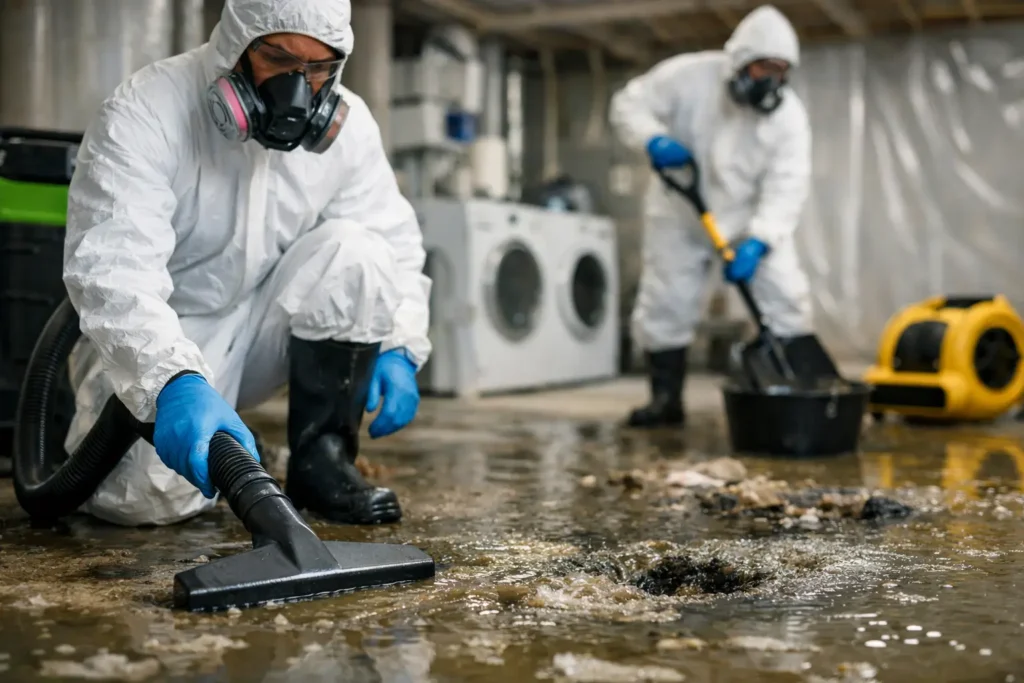
A sewage backup is not a mop-and-disinfectant problem. Once wastewater enters a home, rental property, office, or retail space, it can carry bacteria, viruses, and contaminants into flooring, drywall, belongings, and concealed building materials. A professional sewage backup cleanup service is designed to stop that exposure, document the damage, dry the structure correctly, and move your property toward full repair.
For Metro Atlanta property owners, the first priority is control. Keep people and pets out of the affected area, avoid using plumbing fixtures that may worsen the backup, and call for emergency help. The longer contaminated water remains in place, the more materials it can damage and the more difficult the cleanup becomes.
Why sewage backups require a different response
Restoration professionals generally classify sewage-contaminated water as Category 3 water, often called black water. This category can include raw sewage, toilet overflows containing waste, and water that has backed up from a sewer line or drain system. Even a small backup can become a major cleanup issue when it reaches porous materials such as carpet, padding, insulation, unfinished wood, or drywall.
The visible water is only part of the problem. Contamination can travel beneath vinyl flooring, along baseboards, behind walls, and into subfloors. A room may look dry after surface cleanup while moisture and contamination remain below the surface. That is why a qualified response relies on extraction equipment, moisture meters, thermal imaging, controlled demolition when necessary, and documented sanitation procedures.
A sewage loss also creates decisions that are not always obvious. Nonporous materials such as metal, glass, and some sealed hard surfaces may often be cleaned and disinfected. Highly porous materials, including carpet padding, upholstered items, insulation, and some drywall, may need removal. The right decision depends on the material, the extent of exposure, how long the water sat, and whether the material can be safely restored.
What happens during a sewage backup cleanup service
A professional cleanup should begin with a site assessment, not assumptions. Technicians identify the source of the loss, define the affected areas, assess safety hazards, and determine what needs immediate protection. If the sewer line is still backing up, the plumbing issue must be addressed before cleanup can fully move forward.
Emergency extraction and containment
The team first removes standing wastewater using commercial-grade extraction equipment. Containment may be set up to prevent contaminated air, debris, and moisture from spreading into unaffected rooms. In a business setting, this can also help limit disruption to occupied areas and protect inventory, equipment, or customer-facing spaces.
At this stage, damaged contents are evaluated. Some items can be cleaned, while others must be discarded for health and safety reasons. A professional team should explain those decisions clearly rather than removing materials without documenting why they cannot be restored.
Removal of contaminated materials
Cleanup sometimes requires more than extracting water. Carpet and padding exposed to sewage are commonly removed because contaminants can penetrate deeply into the fibers and backing. Baseboards, affected drywall, insulation, and damaged cabinetry may also need selective removal to expose wet materials behind them.
This is not unnecessary demolition. It is a controlled step intended to remove unsafe materials and give the structure a real chance to dry. The goal is to preserve what can safely be saved while avoiding a shortcut that leaves contamination or hidden moisture behind.
Cleaning, disinfection, and odor control
After extraction and removal, affected structural surfaces are cleaned and disinfected using restoration-grade products and procedures. Odor control is addressed as part of the remediation process, not as a cover-up. If the source materials, moisture, and residues are not properly removed, odor can return after repairs are complete.
This is where experience matters. Spraying a household disinfectant across a contaminated floor does not replace source removal, detailed cleaning, and proper drying. A sewage backup cleanup service should address the full affected area, including surfaces that may not be obvious at first glance.
Structural drying and moisture verification
After sanitation, the property must be dried to appropriate targets. Air movers, dehumidifiers, and other commercial drying equipment are placed based on the materials affected and the conditions inside the structure. Moisture readings are taken throughout the process to verify progress.
Drying is not simply running fans for a day or two. Too little drying can leave a property vulnerable to mold growth, warped materials, and future odor issues. Too much heat or poorly managed equipment can create other problems. The drying plan should be adjusted using actual moisture data, not guesswork.
What property owners should do before help arrives
If sewage has entered your property, do not walk through the affected water unless absolutely necessary. Keep children, pets, tenants, employees, and customers away from the area. If it is safe to do so, turn off electrical power to affected areas only from a dry location and only if you can do so without entering the water.
Avoid running sinks, toilets, showers, dishwashers, or washing machines until the cause is identified. Do not use a standard household vacuum to remove wastewater, and do not try to save sewage-soaked carpet, padding, or porous belongings by setting them outside. That can spread contamination and create a more difficult claim and cleanup process.
Take a few photos or videos from a safe distance if you can. Documentation can help with insurance reporting, but do not delay emergency mitigation just to gather extensive evidence. A restoration team can document conditions, materials, equipment use, and drying progress as work begins.
Insurance documentation can reduce the stress
Coverage for sewer and drain backups varies by policy. Some policies include limited coverage, while others require a separate sewer backup endorsement. The cause of the backup can also affect the claim. For example, a sudden drain backup inside the property may be handled differently from a long-term maintenance issue or a municipal sewer event.
That uncertainty is exactly why thorough documentation matters. A strong restoration file may include photos, affected-material records, moisture readings, drying logs, equipment documentation, and itemized estimates. It gives the insurance carrier a clearer picture of the emergency work completed and the repairs still needed.
For landlords and property managers, documentation also supports communication with tenants, owners, vendors, and adjusters. For homeowners, it can prevent the added burden of trying to explain technical restoration work after the fact. Elevated Operations helps manage the insurance process while keeping property owners informed about what is happening and what comes next.
Cleanup is only the first phase of recovery
A sewage backup can leave behind more than a sanitation problem. It may damage flooring, drywall, trim, cabinets, electrical components, insulation, or finished basements. If mitigation and reconstruction are handled by separate companies, the property owner can end up coordinating schedules, estimates, and responsibility between multiple vendors.
A one-stop restoration partner can carry the project from emergency extraction through cleaning, drying, insurance coordination, repairs, and reconstruction. That continuity is especially valuable when a backup affects a rental turnover, a commercial operation, or a finished living space that needs to return to normal quickly.
Rebuilding should not begin until the structure is clean, dry, and documented. Once those conditions are met, repairs can focus on restoring the property properly, whether that means replacing drywall and flooring, rebuilding cabinetry, repainting, or making practical upgrades during reconstruction.
When speed makes the biggest difference
A sewage backup at 2 a.m. is not less urgent because it happened outside business hours. The same is true for a weekend backup in a restaurant restroom, a rental home, or a basement after heavy rain. Fast extraction and containment can reduce the spread of contamination, limit material removal, and protect the areas that were not affected.
For property owners in Atlanta, Marietta, Mableton, Austell, and surrounding communities, look for a team that can respond quickly, explain the plan in plain language, and provide real verification that the property has been dried and cleaned correctly. Credentials, equipment, and communication all matter when the work involves health risks and an insurance claim.
Sewage damage is disruptive, but the next step does not have to be confusing. Protect the area, avoid quick fixes, and bring in qualified restoration professionals who can clean up the mess, document the loss, and help put your property back on solid ground.