

How does flood damage restoration work after sudden water damage?
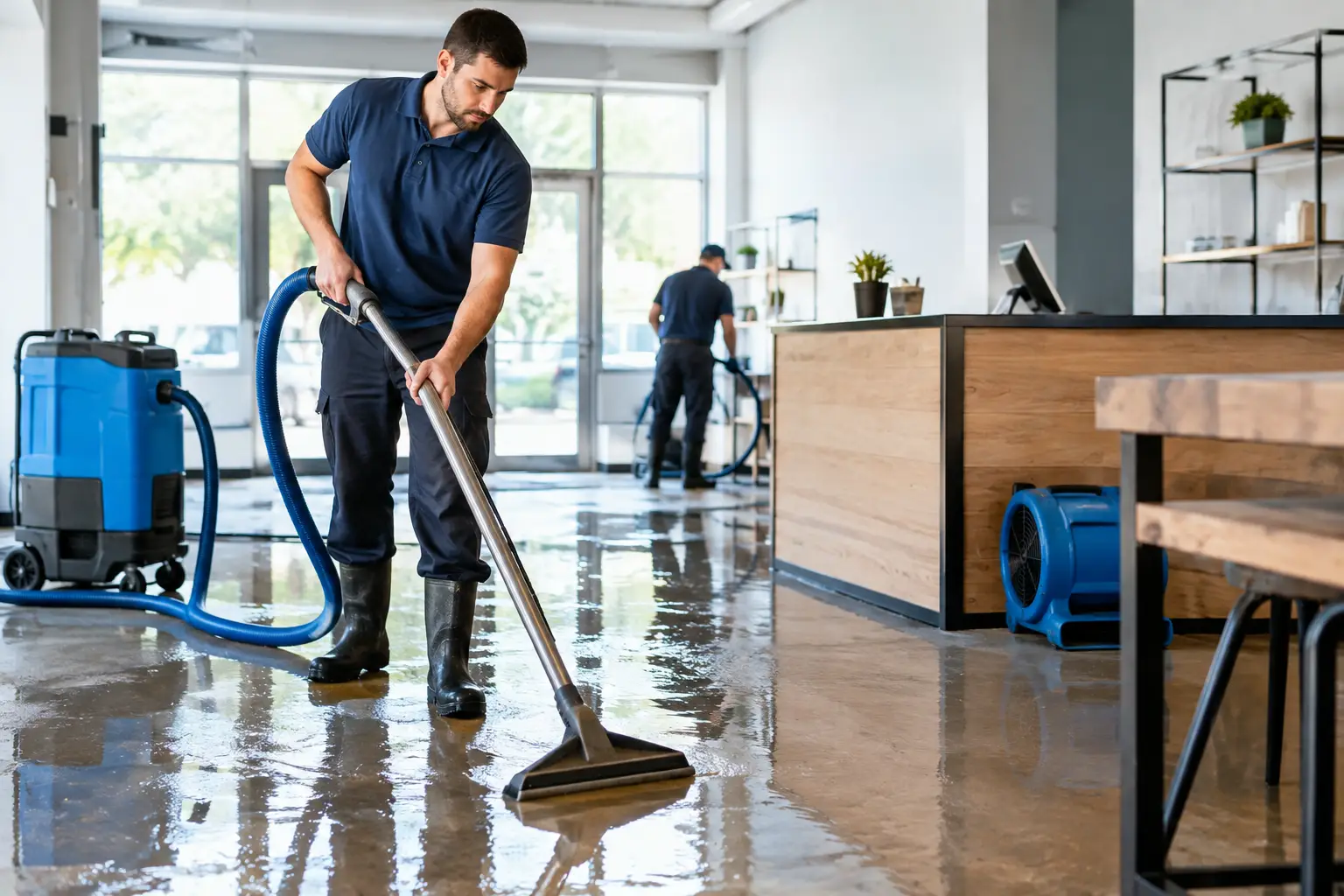
Flood damage restoration means stopping the water source, removing standing water, drying materials, and checking for hidden moisture before mold or structural damage spreads. In Atlanta, the right move is fast response, proper extraction, and a documented plan for cleanup and reconstruction if needed.
What does flood damage restoration include after the water stops?
Flood damage restoration starts with the water you can see, then moves to the moisture you cannot. If you only mop the floor and call it done, you are gambling with hidden damage, mold growth, and warped materials that keep getting worse.
The process usually begins with stopping the source, then removing standing water, drying the structure, cleaning affected surfaces, and checking for materials that cannot be saved. That is the practical meaning of restoration, not just cleanup. The job is to return the home to a safe, usable condition, not just make it look better for an hour.
In a real loss, the obvious damage is rarely the whole story. Water runs under baseboards, into subfloors, behind drywall, and into crawl spaces. That is why a proper response includes moisture detection, airflow, dehumidification, and a plan for reconstruction if the materials are too compromised to dry in place.
For a homeowner, the point is simple: speed and sequence matter. If the source is still active, drying is pointless. If the structure is not dried correctly, you may end up dealing with odor, staining, swelling, or mold after the visible water is gone.
This is also where many people underestimate the scope. They focus on the room that flooded and miss the adjoining spaces, which is how a contained loss becomes a bigger structural issue later.
- Stop the source before anything else.
- Remove standing water quickly with professional extraction.
- Dry structural materials, not just the surface.
- Check for hidden moisture behind walls and under flooring.
- Repair or rebuild materials that cannot be saved.
How do water extraction services help before the damage spreads?
Water extraction is not a cosmetic step. It is the intervention that keeps water from soaking deeper into the materials that are expensive, slow, or impossible to fully recover.
The faster water is removed, the less time it has to migrate into drywall, carpet padding, wood framing, and insulation. That is why extraction comes before the rest of the drying work. If you skip straight to fans and hope for the best, you are often moving air over water that is still sitting in the structure.
Professional extraction is about more than a wet vac. It is targeted removal of standing water and trapped moisture so the drying equipment can actually do its job. This matters in flooded basements, laundry rooms, kitchens, and crawl spaces where water collects in low areas and hides under finishes.
A homeowner may be able to blot a small spill, but flood water is a different animal. Once multiple materials are affected, the job shifts from household cleanup to controlled mitigation. That is the line people miss when they search for water damage repair and think the issue is only what they can see.
If the water came from a supply line, storm runoff, or a sewer backup, extraction also helps reduce the time contaminants stay in contact with the home. That is a health issue, not just a property issue.
- Standing water keeps soaking deeper if it is not removed.
- Extraction speeds up the drying process by reducing volume first.
- Low areas like basements and crawl spaces trap water fast.
- The right equipment reaches places a mop or shop vac cannot.
- Faster removal can reduce the chance of later mold growth.
Why does a flooded basement need different cleanup than a room upstairs?
A flooded basement is its own problem. Gravity sends water down, concrete hides moisture, and the lowest level of the home often catches the worst of the damage before anyone notices.
Basements behave differently because they usually contain more porous materials, more hidden cavities, and less natural drying help than an upper floor. Water can pool under flooring, seep into wall systems, and sit against foundation materials long after the visible surface looks manageable.
This is where a basement cleanup needs a real moisture plan. You are not just dealing with standing water. You are also dealing with damp air, reduced ventilation, and materials that may hold moisture long enough to create odor or mold if they are not dried properly.
If the basement contains storage, finished walls, or mechanical systems, the scope gets more complicated fast. Contents may need to be moved, dried, or cleaned. Electrical and HVAC components may need separate evaluation before the space is safe to use again.
The real mistake is treating a basement like any other room. It is not. The lowest level often needs a more aggressive drying and inspection process because water and humidity stay there longer.
- Basements trap water in low spots and hidden cavities.
- Concrete and finished materials can hold moisture differently.
- Humidity often stays elevated after visible water is gone.
- Contents and mechanical systems may be affected too.
- Hidden moisture is the main reason basement losses linger.
Elevated Operations provides 24/7 water, fire, mold, storm, and sewage damage restoration across Metro Atlanta.
Get a free quoteWhat signs tell you the structure is still wet?
If the room looks dry but smells off, feels humid, or starts changing shape, the structure is still telling you the truth. Drying by appearance alone is how people miss the real problem.
Warped flooring, bubbling paint, soft drywall, and persistent damp odor are all signs that water is still present. Even if you cannot see it, moisture may be sitting behind finishes or under surfaces where it will keep causing damage.
Another clue is temperature and humidity that feel wrong in the space. Homes often hold moisture unevenly after a loss, especially around baseboards, under cabinets, in closets, and near exterior walls. That is why moisture inspection matters more than a quick walkthrough.
A proper restoration process checks the materials themselves, not just the room as a whole. Different surfaces dry at different rates. Wood, drywall, insulation, carpet, and concrete each behave differently, which is why a one-size-fits-all fix usually falls short.
If the structure was affected by floodwater or sewage, lingering moisture becomes even more important to address quickly. The longer wet materials sit, the more likely they are to develop odor, contamination concerns, or structural deterioration.
- A musty smell often means hidden moisture remains.
- Warped or swollen materials usually signal deeper damage.
- Soft drywall or bubbling paint points to trapped water.
- Humidity can stay high even when the surface feels dry.
- Moisture meters and inspection reveal what the eye misses.
Which materials can usually be saved, and which ones should be removed?
Not everything wet needs to be thrown out, but pretending everything can be saved is how you keep a problem alive inside the walls. The decision has to be based on material type, saturation, and contamination risk.
Hard surfaces often respond better to drying and cleaning than porous materials do. Drywall, insulation, carpet padding, and some particleboard products are much more likely to hold moisture or break down after prolonged exposure. If they cannot be dried safely, they may need removal.
Solid wood, some finished flooring, tile, and certain structural components may be salvageable if the response is fast enough. That does not mean they are fine automatically. They still need a proper assessment to check for warping, swelling, or hidden moisture that can lead to later failure.
Contaminated water changes the equation. If the loss involves sewage or stormwater, materials that might otherwise be cleaned can become a health concern. In that case, the cleanup standard is stricter because the goal is not just drying, but safe remediation.
This is where homeowners get burned by guesswork. A room can look almost normal while the wrong materials are left in place. Then the smell comes back, or the floor starts failing, and now you are paying for the same area twice.
- Drywall and insulation often suffer once soaked deeply.
- Some flooring can be saved if the response is fast enough.
- Contaminated water raises the removal standard.
- Structural materials need inspection before anyone assumes they are fine.
- Saving the wrong materials can create repeat damage later.
How does insurance usually fit into a water loss?
Insurance is part paperwork, part documentation, and part patience. If you wait until the end to organize the claim, you are making the hardest version of the job for yourself.
A good claim starts with clear photos, notes, and a record of the damage before cleanup changes the scene. That documentation helps explain what happened, what was affected, and what work was necessary to stabilize the property. It is much easier to do this while the loss is fresh.
Homeowners often get stuck because they are trying to manage restoration and the claim at the same time. That is a bad trade. One side wants the home dried and repaired. The other wants proof and a consistent paper trail. If those do not line up, the process slows down.
This is also why direct communication with the insurer matters. Estimates, invoices, and scope notes have to match the actual work performed. When they do, the claim is easier to understand and less likely to get bogged down in avoidable back-and-forth.
You do not need to become an insurance adjuster overnight. You do need a restoration team that understands how the job is documented from the start so the record supports the repair, not fights it.
- Photograph damage before cleanup changes the evidence.
- Keep notes on what failed, where it spread, and when it was noticed.
- Claims move more smoothly when scope and documentation match.
- Insurance and restoration are connected, not separate tasks.
- Good documentation reduces confusion later.
What should you do in the first hour after a burst pipe or storm flood?
The first hour is where homeowners either limit the loss or let it spread. Do the boring, practical things first, because this is not the time for improvisation.
Start by stopping the water if it is safe to do so. Then cut power to affected areas if there is any risk of electrical contact. After that, document the scene and move small valuables out of harm’s way. You are trying to limit damage, not solve the entire problem yourself.
Do not wait to see whether the floor dries out on its own. That delay is expensive. Water moves through seams, under walls, and into materials you cannot inspect from the top. The sooner the response begins, the more likely you are to avoid deeper structural work later.
If the loss is tied to stormwater, a basement backup, or a pipe failure that affected multiple rooms, call for professional help as soon as possible. Flood damage restoration is a chain of actions, and if one link is late, the rest gets harder.
The goal in the first hour is not perfection. It is containment. Stop the spread, protect the home, and get the drying process underway before hidden damage becomes the real story.
- Stop the source if you can do it safely.
- Shut off power to wet areas when needed.
- Move valuables and document the damage.
- Call for help early instead of waiting on the floor to dry.
- Containment beats guesswork every time.
What to fix first when flood damage is moving through the house
| Situation | What to do | Why |
|---|---|---|
| Standing water is still visible. | Extract the water immediately and stop the source before starting any drying work. | Drying over standing water wastes time and allows moisture to spread deeper into the structure. |
| A musty odor shows up after the surface looks dry. | Inspect for hidden moisture behind walls, under flooring, and in enclosed spaces. | Odor often means the problem is still active where you cannot see it. |
| Drywall, flooring, or trim is swelling or warping. | Remove or stabilize affected materials based on moisture level and contamination risk. | Once materials deform, they can compromise fit, finish, and structural integrity. |
| The loss involves sewage, stormwater, or unknown contamination. | Treat the area as a remediation job, not a basic cleanup. | Contaminated water changes what can be saved and what must be removed for safety. |
Doing it yourself vs bringing in Elevated Operations
| Doing it yourself | With Elevated Operations | |
|---|---|---|
| Finding hidden moisture | You can see the puddle, but not the water behind baseboards or under flooring. | IICRC-certified technicians inspect for hidden moisture and map the affected area before the problem spreads. |
| Drying and extraction | Household fans and mops may reduce surface water, but they rarely handle the full depth of the loss. | We handle emergency water removal, extraction, and drying as part of one coordinated mitigation plan. |
| Insurance documentation | You end up trying to photograph everything, organize notes, and explain the loss while also cleaning it. | We help manage the claim process with clear documentation and communication tied to the actual scope. |
| Repair and rebuild | If drywall, flooring, or framing is affected, you may need to coordinate multiple contractors yourself. | We offer reconstruction, so the job can move from emergency response to final repair without a handoff mess. |
Frequently Asked Questions
How quickly should flood damage cleanup start?
As soon as it is safe. The longer standing water stays in place, the more it can move into drywall, flooring, and hidden cavities. Fast cleanup is about limiting damage before the home shifts from a drying job to a repair job.
Is flood damage the same as water damage?
Not exactly. Water damage is the broader category. Flood damage usually means a larger or more widespread water event, often with more contamination risk and more materials affected. That is why the response can be more involved than a simple leak cleanup.
Can I dry out a flooded basement on my own?
You can remove a small amount of surface water, but basement losses often involve hidden moisture, poor airflow, and materials that hold water longer than they appear to. If the area is finished or the water is contaminated, professional help is the safer path.
What affects the cost of flood damage restoration?
The cost depends on how much water entered the home, what materials were affected, whether contamination is involved, and whether reconstruction is needed. The honest move is to book a call for a free quote so the scope is assessed correctly instead of guessed at.
Why should I call Elevated Operations instead of piecing it together myself?
Because the job is not just cleanup, it is mitigation, drying, repair, and documentation all working together. Elevated Operations can help with the full restoration process in the Atlanta metro area, from emergency response through reconstruction, which keeps the project moving instead of stalling between contractors.
Get a free, no-obligation restoration estimate
Elevated Operations provides 24/7 water, fire, mold, storm, and sewage damage restoration across Metro Atlanta.
Get a free quoteCall (770) 404-6895Last updated October 17, 2026