
How do I remediate mold after sudden water damage?
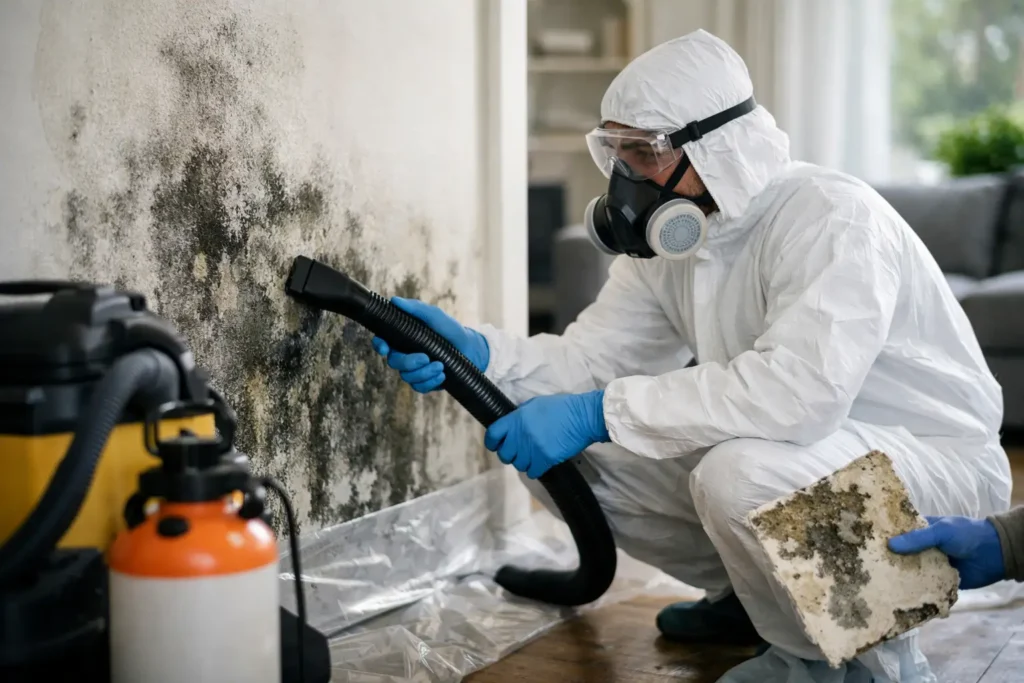
To remediate mold after water damage, stop the source, dry the affected areas fast, and remove contaminated materials before spores spread. If the mold is already inside drywall, insulation, or crawl space materials, you need professional remediation and a full moisture check, not just surface cleaning.
What counts as mold remediation after water damage?
Mold remediation means more than scrubbing a stain. It is the controlled process of stopping moisture, isolating the area, removing damaged materials, and cleaning what can be saved so mold does not keep growing in the structure.
If the home had a leak, flood, burst pipe, or sewer backup, mold remediation starts with the cause, not the stain. You do not fix mold by chasing visible spots only. You fix the wet conditions that let the growth take hold in the first place.
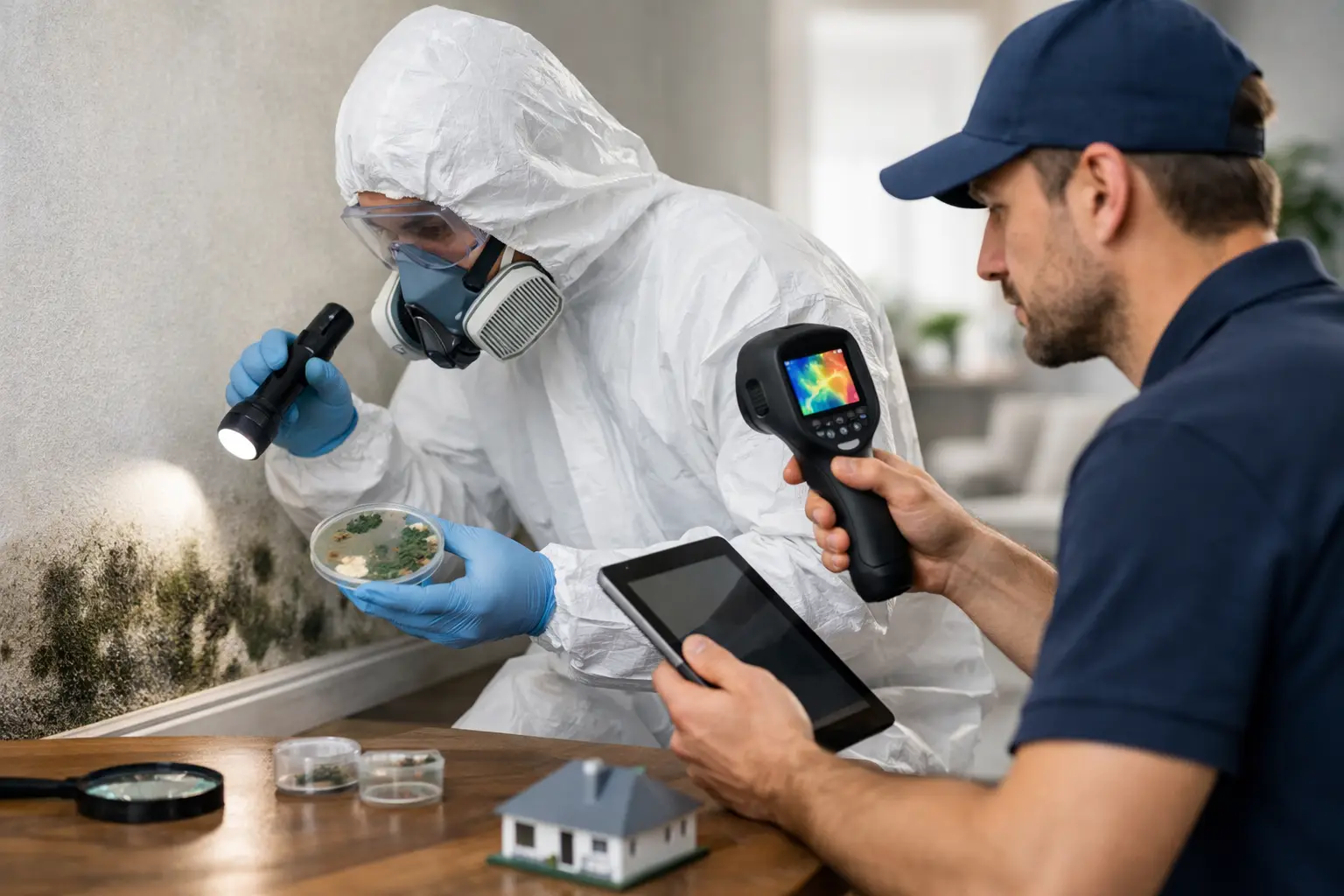
In practice, that means a real inspection of materials, not a guess from the hallway. Drywall, insulation, carpet pad, wood trim, and crawl space components all behave differently once they get wet. Some can be cleaned. Some cannot.
The point is control. Mold spores are already in the air at low levels. The problem is when moisture gives them a place to colonize. That is why remediation and drying belong together after sudden water damage.
A homeowner usually wants the fastest visible result. Fair. But the better question is whether the problem is gone under the surface. If you only clean the top, the smell comes back, the wall keeps degrading, and you pay for the same mistake twice.
This is where the right contractor matters. A company with IICRC-certified technicians understands how to assess the moisture problem, set containment where needed, and restore the area without turning a local loss into a wider one.
Do not confuse deodorizing with remediation. Fresh smell is not proof the structure is clean. If the material is still damp or contaminated, the issue is still active even if the room looks better for a day or two.
- Fix the moisture source first, then clean the growth.
- Treat porous materials differently from hard surfaces.
- Use containment when spores could spread to clean rooms.
- Drying and removal are part of remediation, not separate extras.
- A good result should hold up, not just look better for one day.
What does hidden mold look like behind drywall, trim, or in a crawl space?
Hidden mold usually announces itself through moisture damage before you ever see a patch of growth. Stains, swelling, warping, soft drywall, and a persistent musty smell are the clues that matter most.
People wait for black spots on the wall and miss the earlier warning signs. That is the common mistake. By the time visible growth shows up, the material has often been wet long enough for hidden colonization to start.
In drywall, the telltales are staining, bubbling paint, edge swelling, and a soft feel when pressed gently. In trim and baseboards, look for separation, discoloration, or a warped profile. In a crawl space, watch for damp insulation, odor, condensation, and wood that no longer feels dry to the touch.
The smell matters because mold often lives where you cannot easily see it. If a room smells damp after cleanup, that is not something to ignore just because the surface looks tidy. Odor is a clue that moisture remains or that contaminated materials are still in place.
Do not make the second mistake: assuming a fan fixed it. Air movement helps only when the wet materials are already being properly dried. If the water got into insulation, under flooring, or behind a wall, the drying plan has to reach those spaces too.
A good remediation plan checks the full path of water. Water does not stop neatly at the stain. It travels behind finishes, under baseboards, and into cavities. That is why crawl spaces and wall assemblies need real attention after a leak or flood.
- Soft drywall is a warning sign, not a cosmetic issue.
- Musty odor after cleaning usually means moisture remains.
- Crawl spaces can hide mold even when the living area looks fine.
- Water travels farther than the visible stain suggests.
- If materials feel swollen or warped, they may need removal.
When can mold be cleaned, and when does it need removal?
You can sometimes clean mold from nonporous surfaces, but porous materials that soaked up water often need to come out. That is the split most homeowners need to understand before they waste time on the wrong fix.
Think in categories. Hard, nonporous materials like some tile or sealed surfaces may be cleaned if the growth is limited and the moisture source is fixed. But drywall, insulation, carpet pad, and some ceiling or wall materials absorb water and can hold contamination inside them.
That is why the wrong cleanup feels like progress and then falls apart. A surface wipe can remove what you see while leaving the damaged core intact. If the material cannot be dried thoroughly or fully cleaned, removal is usually the safer move.
You also have to think about what happened to the water. Clean supply-line water is one thing. Sewage or contaminated floodwater is another. Once contamination is involved, the bar for what can be safely kept gets much higher.
Another point people miss: even salvageable materials can become unsalvageable if the response is too slow. Time matters because mold growth is tied to moisture duration. The longer the material stays wet, the less likely a simple cleaning will be enough.
This is why a real assessment beats guesswork. A trained technician can help separate what needs cleaning from what needs removal, then build the rest of the job around that call. That protects the structure and usually reduces the chance of repeat work later.
- Nonporous surfaces may be cleanable if the growth is limited.
- Drywall, insulation, and carpet pad often need removal.
- Contaminated water changes what is safe to keep.
- The longer materials stay wet, the less salvageable they become.
- Assessment comes before cleanup, not after it.
Elevated Operations provides 24/7 water, fire, mold, storm, and sewage damage restoration across Metro Atlanta.
Get a free quoteWhat should happen before mold spreads to the rest of the house?
Before mold spreads, the area needs containment, drying, and removal of damaged materials in the right order. Skip that sequence and you can move spores, moisture, and odor into rooms that were not originally affected.
This is where the job gets technical fast. Once a damaged area is opened up, the work should be controlled so the mess stays in the work zone. That is what containment is for. It helps protect the rest of the home while contaminated materials are being handled.
Drying comes next, but not as a vague promise to run equipment and hope. The goal is to pull moisture out of structural materials, hidden cavities, and contents that can be saved. If moisture remains in the assembly, the problem is still live.
Then comes the decision about removal. Some materials can be cleaned in place. Others should be cut out and disposed of because they are too porous or too damaged to keep. That is a judgment call, but it should be a conservative one when health and structure are at stake.
What homeowners should not accept is a surface-only response that ignores the underlying wet structure. If the visible area is cleaned but the wall cavity, crawl space, or subfloor stays damp, the issue will keep pushing back.
The smarter move is to treat the whole loss as one connected problem. Water damage, mold growth, and reconstruction are linked. Separate them and you lose time. Handle them together and you get a cleaner finish with fewer surprises.
- Containment keeps the work area from contaminating clean rooms.
- Drying must reach hidden cavities, not just visible surfaces.
- Damaged porous materials often need to be removed.
- Surface cleaning alone is not a complete fix.
- Water, mold, and reconstruction should be planned together.
Why fast drying matters more than scrubbing the stain
The stain is not the main event. Moisture is. Fast drying matters because mold needs water to keep growing, and scrubbing without drying just treats the symptom while the structure stays at risk.
A lot of homeowners instinctively start with bleach or wipes. That is understandable and often too late to help on its own. If the wall cavity, flooring, or crawl space is still damp, you have not solved the actual problem.
Drying is the lever that changes the outcome. Once water gets into materials, the goal is to remove it before growth spreads deeper. That often means targeted extraction, controlled airflow, dehumidification, and monitoring of concealed spaces.
If you only attack visible discoloration, you may leave odor, hidden growth, and weakened material behind. Then the room feels safe because it looks clean. It is not. The structure is what tells the truth here, not the paint.
This is also why delays are expensive in practical terms. The longer wet materials sit, the more likely they are to need removal and reconstruction. You are not just fighting mold. You are protecting finishes, framing, and what can be salvaged.
Good restoration work respects that sequence. Stop the water. Dry the structure. Remove what cannot be saved. Then rebuild only after the area is actually stable. That order matters more than any surface product ever will.
- Bleach does not dry structural materials.
- Moisture control is the real fix.
- Hidden wet spaces can keep feeding mold.
- Delays can turn cleanup into removal and rebuild.
- Drying should be targeted, not guessed.
How mold remediation supports insurance claims and reconstruction
When water damage turns into mold, the cleanup affects the claim and the rebuild. Documentation, scope clarity, and a clean handoff to reconstruction keep the process from turning into a confusing pile of separate problems.
This is the part people do not want to think about while their home is wet and damaged. But the claim process gets messy fast if the remediation scope is vague or the damage is not documented clearly.
A proper restoration team should know how to handle the claim side without making you play translator between the adjuster, the drying crew, and the contractor. That means clean invoicing, clear photos, and a scope that matches the actual damage.
Reconstruction matters because remediation is not the finish line. Once moldy or water-damaged materials come out, the home still needs to be put back together correctly. A one-stop process helps avoid the awkward gap where no one owns the rebuild.
You also want people who understand when removal exposes more damage. That happens all the time. Once walls or flooring come out, the hidden condition may be worse than the surface suggested. The team needs to be ready to adapt the scope honestly.
That is why homeowners often prefer a single contractor who can move from emergency response through final construction. It keeps communication cleaner and reduces the chance of finger-pointing between companies that were never aligned in the first place.
- Clear documentation helps the claim process stay organized.
- A single team reduces handoff problems between cleanup and rebuild.
- Reconstruction should follow remediation, not trail behind confusion.
- Hidden damage often appears once materials are opened up.
- Clean scopes and photos reduce back-and-forth with the insurer.
Should you remediate mold now or wait for a closer look?
| Situation | What to do | Why |
|---|---|---|
| The room smells damp after drying or cleaning. | Have the area inspected for hidden moisture and mold growth. | Odor often means the source is still active somewhere behind the surface. |
| Drywall is soft, stained, swollen, or separating at the seams. | Treat the material as compromised and check whether removal is needed. | Porous wall materials can hold contamination inside even when the face looks better. |
| The leak came from a burst pipe, flood, or sewer backup. | Get a professional assessment before trying to clean it yourself. | Contaminated water raises the risk and changes what can be safely salvaged. |
| You already tried wiping the area, but the problem returned. | Call for containment, drying, and remediation instead of another surface clean. | If the moisture source or hidden material was not addressed, the issue will keep coming back. |
Doing it yourself vs bringing in Elevated Operations
| Doing it yourself | With Elevated Operations | |
|---|---|---|
| Finding the full extent of damage | You are guessing from smell, stains, and what you can reach, which makes it easy to miss hidden growth. | We inspect the affected area and look for the moisture path, hidden contamination, and what needs removal. |
| Containment and cleanup | You may spread dust or spores while moving damaged material through the house. | We control the work area so the rest of the home is protected while remediation is underway. |
| Drying and structure | Fans alone may dry the surface but leave moisture in cavities, floors, or crawl spaces. | We handle water extraction, drying, and moisture control with a restoration-first approach. |
| Rebuild after removal | You still have to find a contractor who can put the home back together correctly. | We provide reconstruction, so the job can move from emergency response through final repairs under one roof. |
Frequently Asked Questions
What is the first thing I should do if I suspect mold after water damage?
Stop the source of moisture if you can do so safely, then avoid disturbing the affected area. Do not keep opening walls or cleaning aggressively before you know how far the damage goes. The right next step is an inspection that looks at moisture, materials, and whether containment is needed.
Can I clean mold myself with bleach or household sprays?
You can sometimes clean a small patch on a nonporous surface, but that does not fix hidden moisture or contamination inside porous materials. If drywall, insulation, carpet pad, or crawl space materials were soaked, household products are usually not enough on their own.
How long does it take for mold to become a problem after a leak?
It can become a problem surprisingly fast once materials stay wet, which is why quick drying matters so much. The exact outcome depends on the material, the amount of water, and whether airflow and dehumidification started quickly. Waiting is what makes the job harder.
Do I need to leave the house during remediation?
Sometimes, depending on the size and location of the affected area and whether containment is required. A professional should tell you what is safe based on the scope, the materials involved, and the air movement plan. The goal is to keep the rest of the home protected.
How much should I expect to pay to remediate mold?
It depends on the extent of the damage, the type of material involved, and whether reconstruction is needed after removal. The honest move is to book a call and get a free quote. If you are in the Atlanta metro area, Elevated Operations can help assess the damage and walk you through the next step.
Get a free, no-obligation restoration estimate
Elevated Operations provides 24/7 water, fire, mold, storm, and sewage damage restoration across Metro Atlanta.
Get a free quoteCall (770) 404-6895Last updated September 12, 2026