
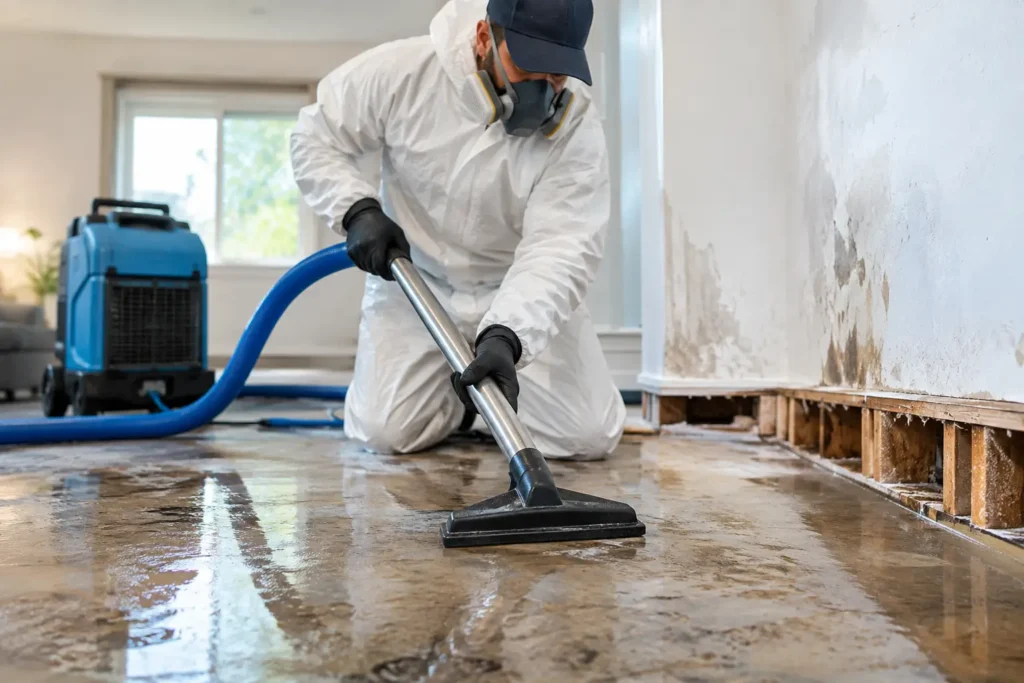
A sewer backup does more than leave standing water behind. It can push contaminated water into flooring, walls, insulation, furniture, and HVAC-adjacent areas within minutes. So, can sewage damage be restored? In many cases, yes – but restoration means safely removing contamination, drying the structure completely, and rebuilding what cannot be made safe. It is never a matter of simply mopping, spraying disinfectant, and moving on.
For homeowners, landlords, and property managers, the first few hours matter. Quick, qualified action can save structural materials, limit odors and mold risk, protect the insurance claim, and get the property back in service sooner.
Can Sewage Damage Be Restored Safely?
Sewage damage can often be restored when the affected area is addressed promptly and professionally. The process begins with stopping the source, containing the affected area, extracting contaminated water, and identifying every material the water reached. Technicians then remove unsalvageable porous materials, clean and disinfect remaining structural surfaces, dry the property, and verify that moisture levels have returned to acceptable conditions.
The answer depends on three practical factors: the category of water involved, how long it remained in the building, and which materials were affected. A minor backup caught immediately in a tiled bathroom is very different from a sewage overflow that sat overnight in a finished basement.
Water from a sewer line backup is generally treated as Category 3 water, often called black water. It may contain bacteria, viruses, parasites, and other contaminants. That classification is why sewage remediation requires more control than ordinary water damage cleanup. The priority is not making the room look clean. The priority is making it safe to occupy again.
What Can Usually Be Saved After a Sewer Backup?
Nonporous or semi-porous materials are often recoverable when they are cleaned, disinfected, and dried correctly. Tile, sealed concrete, metal, glass, plastic, and many hard countertops can frequently be restored. Some solid wood components may also be saved, depending on their finish, exposure time, and moisture content.
Structural framing can often remain in place after contaminated drywall, insulation, and flooring have been removed. Once exposed, the framing can be cleaned, treated as needed, and dried with commercial equipment. Moisture mapping and thermal imaging help identify wet areas that are not visible from the surface, including moisture behind baseboards or inside wall cavities.
Contents may be restorable as well, but each item needs an honest evaluation. Hard furniture, metal shelving, certain appliances, and washable textiles may be cleaned and deodorized. Sentimental items should be documented before disposal decisions are made, especially when an insurance claim is involved. Restoration professionals can help distinguish between items that are safe to treat and items that present an ongoing contamination risk.
What Usually Has to Be Removed?
Porous materials absorb contaminated water quickly and are much harder to return to a safe condition. In a Category 3 loss, removal is often the responsible choice, even if the material appears dry or shows no staining.
Materials commonly removed include:
- Carpet, carpet pad, and many area rugs
- Drywall that was wet or wicked sewage upward from the floor
- Insulation, especially fiberglass and cellulose insulation
- Particleboard furniture, MDF trim, laminate flooring, and absorbent ceiling materials
Wood flooring requires a closer assessment. Solid hardwood may sometimes be saved if exposure was limited and the materials can be cleaned and dried appropriately. Engineered wood, laminate, and floating floors are more likely to swell, trap contamination beneath the surface, or lose structural integrity. Trying to save the wrong material can lead to odors, microbial growth, recurring floor damage, and a larger repair later.
Why Surface Cleaning Is Not Enough
A visible cleanup can create a false sense of security. Sewage water often travels farther than the obvious puddle, especially beneath flooring, behind baseboards, through insulation, and into low wall cavities. The water can also wick upward through drywall and framing.
Professional remediation starts with containment to prevent cross-contamination. Crews use appropriate personal protective equipment, controlled removal methods, and commercial extraction equipment to remove wastewater and affected materials. After cleaning and antimicrobial treatment, industrial air movers and dehumidifiers dry the structure. Moisture meters confirm whether the building materials are actually dry, rather than just dry to the touch.
Odor control is another reason to handle sewage losses thoroughly. Odors can remain when contaminants or trapped moisture are left in building materials. Air fresheners and household cleaners may cover the smell temporarily, but they do not correct the source. Effective odor treatment follows source removal, cleaning, and verified drying.
The Right Steps After Sewage Enters Your Property
First, keep people and pets away from the affected area. Do not walk through the water and then move through clean parts of the building. If the backup is near electrical outlets, appliances, or the electrical panel, avoid contact and wait for qualified guidance before entering.
If you can do so safely, stop the water source. That may mean discontinuing water use, shutting off a fixture, or calling a plumber to address a clogged or damaged sewer line. Take photos and video before major cleanup begins, particularly of the source, standing water, affected rooms, and damaged belongings. Documentation can support the insurance claim.
Then call a qualified sewage restoration team. DIY cleanup is risky when black water has reached porous materials or traveled beyond a small, contained surface. Standard shop vacuums, fans, and household disinfectants are not designed to manage a significant sewage loss safely. Fans can also spread contamination if used before proper containment and removal.
For Metro Atlanta properties, a fast response is especially valuable during warm, humid conditions, when moisture and odor problems can escalate quickly. Elevated Operations provides 24/7 emergency response, including sewage extraction, containment, moisture mapping, cleanup, structural drying, documentation, and reconstruction after mitigation is complete.
Restoration Includes Rebuilding the Property
Sewage remediation and reconstruction should work as one coordinated process. Once contaminated materials are removed and the structure is clean and dry, repairs can begin. That may include replacing drywall and insulation, installing new flooring, repainting, repairing trim, rebuilding cabinets, or restoring a finished basement.
Using separate companies for mitigation and reconstruction can create gaps in communication, delays, and confusion about what was removed and why. A one-stop recovery partner can carry the project from the emergency call through cleanup, insurance coordination, and the final repair work. That gives property owners clearer accountability and reduces the burden of managing multiple contractors during a stressful event.
Insurance Considerations for Sewage Damage
Coverage for sewer backups varies by policy. Many homeowners policies require separate water backup coverage, and commercial policies may have different limits or exclusions. The cause of the loss also matters. A backup from an interior drain line, municipal sewer, failed sump system, or storm-related overload may be handled differently by the insurer.
Do not delay mitigation while waiting for a coverage decision. Insurers generally expect property owners to take reasonable steps to prevent additional damage. Keep photos, retain damaged materials until instructed otherwise when possible, and maintain records of emergency services and communications. Detailed moisture readings, photos, scope documentation, and itemized invoices can make the claim process easier to follow.
A sewage backup is disruptive, but it does not automatically mean your property is beyond repair. Act quickly, avoid shortcuts, and insist on a remediation plan that addresses contamination, moisture, and reconstruction together. The safest path back to normal starts with protecting the people in the building, then restoring the structure the right way.