What Are the Side Effects of Water Damage in Georgia?
The main side effects of water damage in Georgia are mold growth, which can begin within 24 to 48 hours, weakened structural materials, poor indoor air quality, and electrical hazards. The EPA notes indoor mold can trigger respiratory symptoms, which is why prompt professional drying matters. Elevated Operations, an IICRC-certified contractor in Mableton, responds within 60 minutes across Metro Atlanta. Call today for a free inspection.
How Fast Does Mold Grow After Water Damage?
Mold can begin growing on damp materials within 24 to 48 hours of water exposure, according to EPA guidance. In Georgia’s warm, humid climate, that window can feel even shorter, which is why the single most effective way to prevent mold is to dry the affected area quickly rather than waiting to see if it dries on its own.
Mold needs moisture, and a water-damaged home provides exactly that inside walls, under flooring, and in subfloor cavities where it is hard to see. The EPA advises drying wet or damp materials within 24 to 48 hours to prevent mold growth, and it recommends fixing the moisture source rather than only treating visible mold. This is the core reason Elevated Operations targets a 60-minute response across Metro Atlanta: the sooner professional drying begins, the smaller the chance mold ever takes hold.
What Are the Health Side Effects of Water Damage?
The health side effects of water damage come mainly from mold and contaminated water. The EPA and CDC associate indoor mold exposure with respiratory symptoms such as coughing, congestion, and throat irritation, and note effects can be greater for people with asthma or allergies. Category 2 and 3 water can also carry bacteria that require protective handling and disinfection.
These agencies are careful to describe associations rather than guarantees, and individual sensitivity varies, but the consistent guidance is to remove indoor mold and dry the source promptly. Contaminated water adds a second concern: gray water from appliances and black water from sewage or flooding carry bacteria, which is why the IICRC S500 standard requires disinfection and disposal of porous materials in those categories rather than simply drying them. Prompt, professional handling is what keeps a water loss from becoming a lingering air-quality problem.
How Does Water Damage Affect a Home’s Structure?
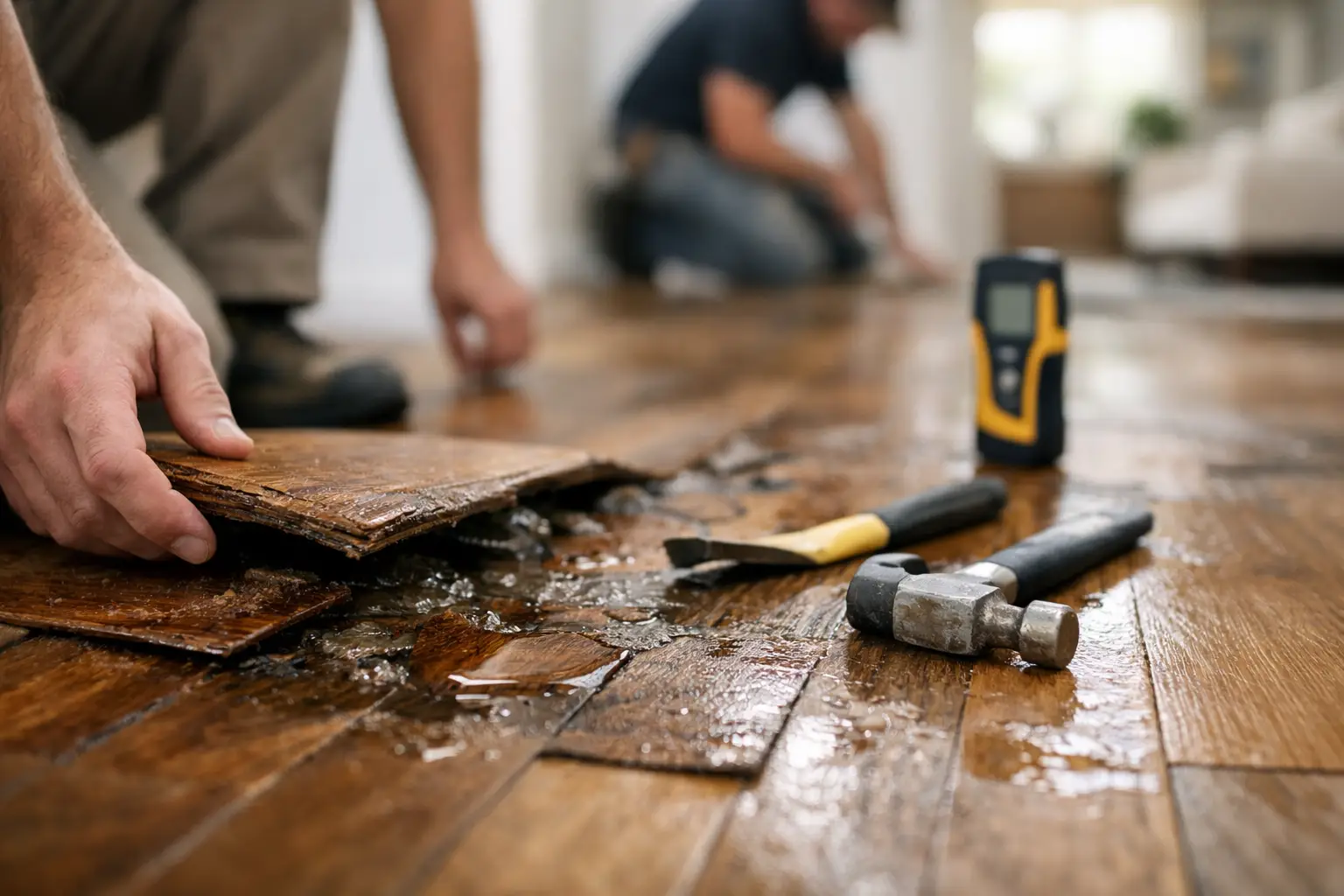
Prolonged moisture weakens the materials a home depends on: wood framing and subfloor can rot, drywall swells and crumbles, and flooring warps or delaminates. Left unaddressed, this structural side effect turns a contained water loss into a far larger and more expensive repair.
Water does its structural damage slowly and often out of sight. A slow leak inside a wall can saturate framing for weeks before flooring or drywall visibly fails, and by then the repair involves replacing materials rather than drying them. Georgia’s older housing stock, with original wood subfloor and aging plumbing, is especially prone to this kind of hidden deterioration. Professional water damage restoration uses moisture readings to find saturation before it becomes structural failure, which is what keeps the repair scope, and the cost, contained.
What Electrical and Safety Hazards Come From Water Damage?
Standing water around outlets, appliances, and wiring creates shock and fire hazards, and saturated ceilings can sag or collapse. These immediate safety side effects are the reason you should avoid using electrical devices in flooded areas and stay out of rooms with bulging ceilings until a professional assesses the space.
Unlike mold, electrical and structural collapse hazards are immediate, not gradual. Water conducts electricity, so a flooded room with live outlets or a running appliance is dangerous to enter, and a ceiling holding pooled water can give way without warning. Professional crews assess these hazards first, shutting off power to affected areas when needed before extraction begins. This is also why a household wet-vacuum is the wrong tool for standing water near electrical sources.
Worried about mold or hidden damage after a leak? A free inspection with moisture mapping tells you what is really happening behind the walls.
Get a Free InspectionHow Does Prompt Restoration Prevent These Side Effects?
Prompt professional restoration prevents the side effects of water damage by removing moisture before mold can grow, disinfecting contaminated water, drying structural materials before they rot, and eliminating standing-water electrical hazards. Acting within the first day or two is what keeps a manageable loss from becoming a health and structural problem.
Every side effect of water damage traces back to moisture and time, so the fix is to remove both quickly. Elevated Operations extracts standing water, runs commercial drying equipment until moisture readings confirm the structure is dry, and applies antimicrobial treatment on Category 2 and 3 losses, all in line with the IICRC S500 standard. Because the same IICRC-certified crew also completes reconstruction, there is no gap where a partially dried home sits and develops the very problems restoration is meant to prevent. Every completed repair carries a 12-month workmanship warranty.
What Side Effects Does Restoration Prevent, and How?
The table below connects each common side effect of untreated water damage to its cause and to the restoration step that prevents it, based on EPA guidance on mold and the IICRC S500 standard for professional drying and disinfection.
| Side Effect | Cause | How Restoration Prevents It |
|---|---|---|
| Mold growth | Moisture left 24–48+ hours | Rapid extraction and verified structural drying |
| Poor air quality | Mold spores and contaminated water | Antimicrobial treatment and disposal of porous materials |
| Structural rot and warping | Prolonged saturation of wood and drywall | Moisture mapping and drying before materials fail |
| Electrical and collapse hazards | Standing water near wiring; sagging ceilings | Safety assessment and power shutoff before extraction |
| Bacterial contamination | Category 2 or 3 gray/black water | Disinfection and protective handling under IICRC S500 |
Sources
What Do Real Georgia Side-Effect Scenarios Look Like?
Three common Metro Atlanta situations show how side effects develop when water damage is not addressed quickly: mold from a delayed drying, structural rot from a hidden leak, and bacterial contamination from a sewage backup.
Mold From Delayed Drying
A clean-water loss left to dry on its own grows mold within a couple of days. What could have been simple drying becomes mold remediation, removal of affected materials, and air-quality concerns for the household.
Structural Rot From a Hidden Leak
A slow leak saturates subfloor and framing for weeks unnoticed. By the time flooring fails, materials have rotted and must be replaced rather than dried, expanding the repair well beyond the original leak.
Contamination From Sewage
A Category 3 sewage backup introduces bacteria into the home. Without prompt disinfection and disposal of porous materials, the contamination and odor persist and become a health concern rather than just a cleanup.
Frequently Asked Questions
Water damage itself does not make everyone sick, but the mold and contaminated water it can lead to are recognized health concerns. The EPA and CDC associate indoor mold exposure with respiratory symptoms such as coughing, congestion, and irritation, with greater effects possible for people who have asthma or allergies, and Category 2 or 3 water can carry bacteria. The most reliable way to avoid these health side effects is to dry and, when needed, disinfect the affected area promptly and professionally.
The EPA advises drying wet materials within 24 to 48 hours to prevent mold, so that window is the practical deadline. Beyond it, mold can begin to grow, and prolonged saturation continues to weaken wood, drywall, and subfloor. In Georgia’s warm, humid climate, waiting is especially risky. Because damage compounds over time, a fast professional response is both a health and a cost decision, not just a convenience.
It depends on the water category and the hazards present. A small, contained clean-water loss is often safe to live around while it is dried, but standing water near electrical sources, sagging ceilings, or contaminated Category 3 water can make part of a home temporarily unsafe. A professional inspection identifies these hazards and tells you which situation you are in, so the decision to stay or relocate is based on the actual conditions rather than a guess.
Not always. Drywall exposed to clean Category 1 water for a short time can sometimes be dried in place, but drywall that has been saturated, that has wicked water high up the wall, or that was exposed to contaminated Category 2 or 3 water usually has to be removed. Technicians use moisture readings to make that call rather than guessing, which prevents both unnecessary demolition and the mistake of sealing up drywall that is still wet inside.
Yes, and speed is the key. Because the EPA notes mold can begin within 24 to 48 hours, drying the affected area quickly and fixing the moisture source are the most effective prevention steps. Professional restoration extracts water, runs drying equipment until moisture readings confirm the structure is dry, and applies antimicrobial treatment where needed. Elevated Operations targets a 60-minute response across Metro Atlanta specifically so that drying begins inside that mold-prevention window.
Stop Water Damage Side Effects Before They Start
Elevated Operations responds to water damage calls across Cobb, Fulton, DeKalb, Douglas, Clayton, Henry, and Paulding counties in under 60 minutes, with IICRC-certified technicians, moisture-verified drying that prevents mold, direct insurance billing, deductible assistance up to $1,000, and a 12-month workmanship warranty on every restoration project.
Get a Free Inspection24/7 Emergency Line: (770) 404-6895IICRC-Certified · Direct Insurance Billing · 12-Month Warranty · 4.9 Stars (35+ Reviews) · Serving Cobb, Fulton, DeKalb, Douglas, Clayton, Henry & Paulding CountiesContent reviewed and last updated: September 2026 · Elevated Operations, LLLP · Mableton, GA · Serving Metro Atlanta