
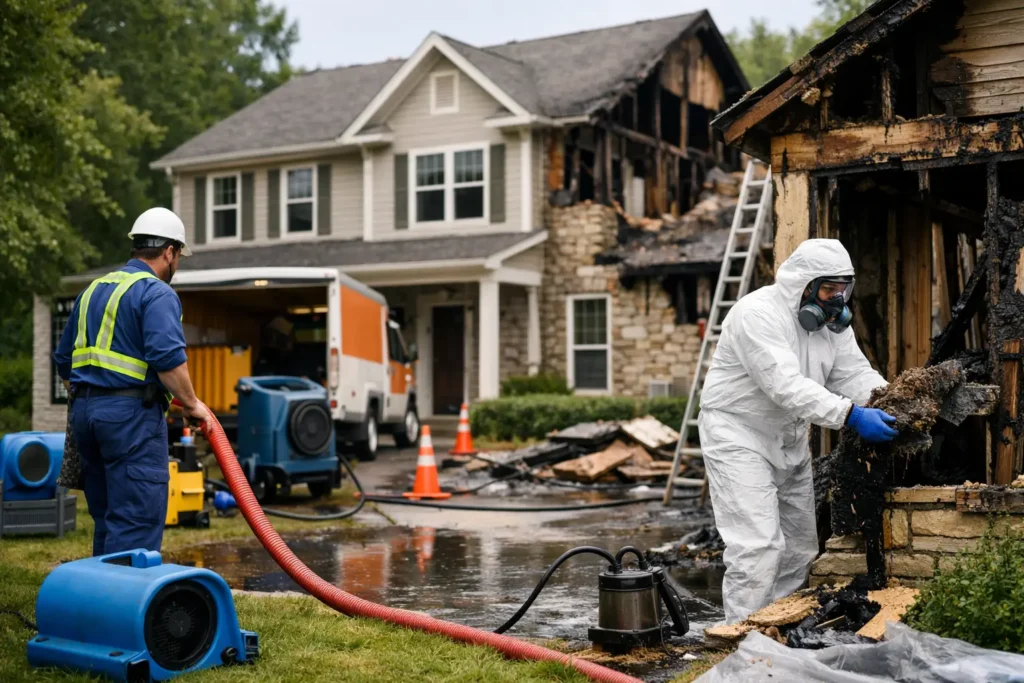
A burst pipe behind a wall can soak insulation and framing long before water reaches the floor. A small roof opening after a storm can let rain travel through ceilings, walls, and electrical systems. That is why property restoration Marietta owners need is not simply about cleaning what is visible. It is about stopping the source, documenting the loss, finding hidden moisture or contamination, and restoring the structure correctly.
When damage affects your home, rental property, or commercial space, time changes the outcome. Fast action can reduce the amount of demolition needed, protect salvageable materials, and give your insurance claim clearer support. The right restoration team brings order to a situation that can feel completely out of control.
What Property Restoration in Marietta Should Include
Property restoration begins with emergency mitigation, but it should not end there. A complete recovery plan addresses the immediate threat and the repairs needed to make the property whole again.
For water damage, that may mean water extraction, moisture mapping, controlled structural drying, removal of damaged materials, and reconstruction of drywall, flooring, trim, and cabinets. After a fire, the work can include emergency board-up, smoke and soot removal, odor control, cleaning, demolition, and rebuilding. Storm damage may require tarping, securing exposed areas, drying water intrusion, and roof or interior repairs.
The best approach depends on the type of loss, how long materials were exposed, and whether contamination is involved. Clean water from a supply line is handled differently from a sewage backup. Smoke residue from a small kitchen fire is different from the damage left after a structure fire. The details matter because they affect safety, drying methods, cleaning procedures, and the scope of repairs.
A one-stop restoration and reconstruction partner can make a major difference here. Instead of coordinating one company for cleanup and another for rebuilding, you have one accountable team managing the work from the first emergency call through final repairs.
The First Hours After Property Damage Matter
Your first priority is personal safety. If there is an active fire, electrical hazard, major structural concern, or sewage exposure, stay clear of the affected area and contact the appropriate emergency resources. Do not enter standing water near outlets, appliances, or electrical panels.
Once the scene is safe, stop the source if you can do so without risk. Shut off the main water supply after a burst pipe. Move undamaged belongings out of a wet area. Place a container under a small active leak only if it is safe. After wind or tree damage, avoid walking beneath compromised ceilings or near downed power lines.
Then document what you see. Take photos and video before moving items or beginning cleanup, including the source of damage, affected rooms, damaged belongings, and any standing water. This record can help establish the initial condition for your insurer and your restoration contractor.
Avoid the common instinct to run fans everywhere. Fans can be useful in a properly designed drying plan, but they are not a substitute for commercial extraction, dehumidification, and moisture monitoring. In sewage or mold-affected areas, improper airflow can spread contaminants to other parts of the property.
Why Hidden Moisture Is a Serious Problem
A floor can look dry while the subfloor, baseboards, insulation, and wall cavities remain wet. That is why professional teams use moisture meters, thermal imaging, and moisture mapping rather than relying on appearance alone.
Water follows gravity, but it also travels through building materials. It can move beneath floating floors, wick up drywall, collect under cabinets, and migrate into adjacent rooms. If drying stops too soon, trapped moisture can contribute to warped materials, odors, staining, mold growth, and future repairs that could have been avoided.
Controlled drying is more than placing equipment in a room. Technicians measure affected materials, establish drying goals, position air movers and dehumidifiers correctly, and revisit the property to track progress. Some materials can be saved. Others cannot be reliably dried or cleaned and should be removed. That decision should be based on moisture readings, contamination level, material type, and condition, not guesswork.
Water, Sewage, Fire, and Storm Losses Need Different Responses
Not every emergency belongs in the same cleanup category. Understanding the difference helps property owners make faster decisions.
Water Damage and Flooding
Water from a broken supply line, appliance leak, overflowing fixture, or storm intrusion can damage a property quickly. Extraction should begin as soon as possible, followed by a full inspection of walls, floors, cabinets, and contents. If the water came from outside flooding or a backup, the cleanup process may require additional sanitation and removal of porous materials.
Sewage Backups
Sewage is a health hazard. It can contain bacteria, viruses, and other contaminants that make ordinary cleanup unsafe. Do not attempt to save porous items such as carpet padding, upholstered furniture, or unsealed paper goods that were directly exposed. Professional sewage remediation includes containment, removal of contaminated materials, cleaning, disinfection, and verification that affected areas are safe for reconstruction.
Fire, Smoke, and Soot
After a fire, visible charring is only part of the damage. Smoke can travel through HVAC pathways and settle on surfaces far from the fire source. Soot is often acidic and can permanently damage finishes when handled incorrectly. Prompt board-up or tarping protects the structure from weather and unauthorized entry, while specialized cleaning and odor-control methods address residue throughout the property.
Storm Damage
Metro Atlanta storms can cause roof leaks, fallen-tree damage, broken windows, and water intrusion with little warning. Emergency tarping and board-up help prevent additional loss while permanent repairs are planned. It is wise to photograph exterior damage from a safe distance and avoid climbing onto a roof after a storm.
Insurance Support Should Reduce Stress, Not Add to It
Insurance claims can be confusing when you are trying to protect a property and keep life moving. A restoration contractor should provide clear documentation of the emergency response, moisture readings, equipment use, affected materials, photos, and repair scope. That information helps demonstrate why the work was necessary.
You still have a role in the process. Report the loss promptly, keep your claim number available, save receipts for reasonable emergency expenses, and ask questions if an estimate or coverage decision is unclear. Insurance policies differ, and coverage depends on the cause of loss, deductibles, exclusions, and endorsements. A pipe failure may be handled differently from long-term seepage, and wind-driven rain may be evaluated differently from a roof that was already worn.
Experienced claim coordination can keep communication organized, but it should never leave you in the dark. You deserve to know what work is being done, why it is needed, what your insurer has approved, and what choices remain yours. Elevated Operations helps manage that process while providing deductible assistance up to $1,000 for qualifying projects.
Choosing a Marietta Restoration Company With Accountability
In an emergency, a fast arrival matters, but speed alone is not enough. Look for a company that can explain its plan in plain language and support it with real documentation. IICRC-certified technicians, commercial-grade extraction and drying equipment, moisture diagnostics, and a defined follow-up process are meaningful indicators of professional work.
Ask whether the company handles both mitigation and reconstruction. If not, you may face a handoff after cleanup, when the property still needs drywall, flooring, painting, roofing, electrical work, or other repairs. One team managing the full recovery can reduce gaps, duplicate conversations, and delays between phases.
Also ask what happens after the equipment is removed. A dependable provider should offer a clear repair scope, communicate scheduling, stand behind its workmanship, and address questions without disappearing once the emergency portion is complete. A 12-month warranty provides added reassurance that recovery is being treated as a finished project, not a quick cleanup.
Protect the Property Before the Next Emergency
You cannot prevent every storm or pipe failure, but routine attention can reduce the odds of a major loss. Check supply hoses at appliances, know where the main water shutoff is located, keep gutters and drainage paths clear, and inspect roofs after severe weather. For rental and commercial properties, give occupants a simple after-hours reporting process so a leak does not sit unnoticed overnight.
If damage does happen, do not wait for visible mold, sagging ceilings, or strong odors before asking for help. The most effective property restoration Marietta residents can choose starts with a fast, informed response and follows through until the space is dry, safe, repaired, and ready to use again. Protecting your property now gives you more options when every hour counts.