
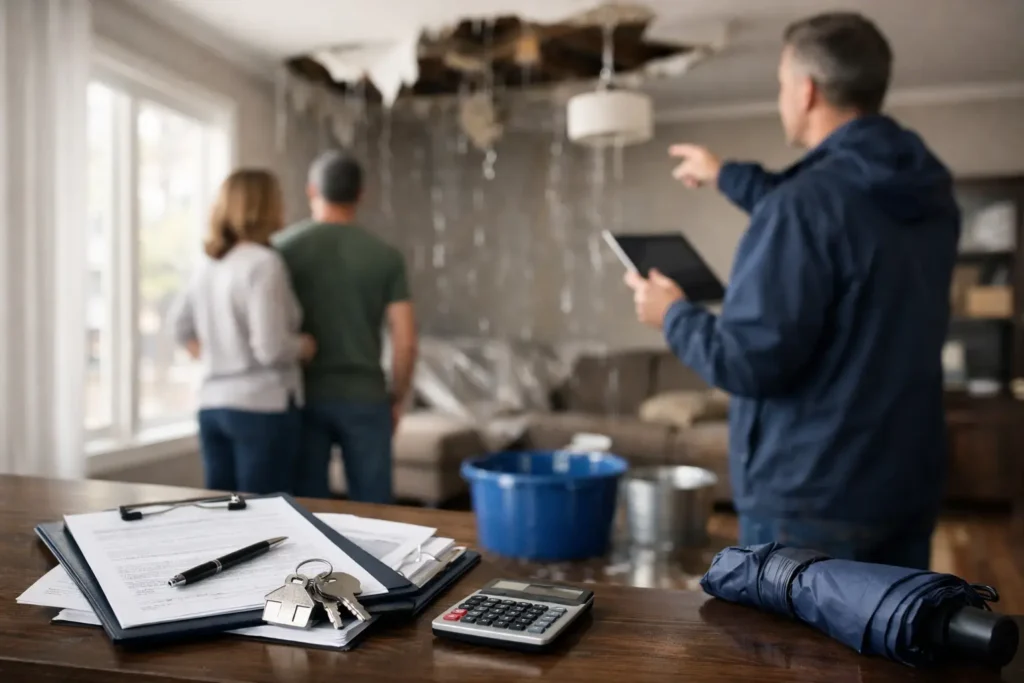
A burst pipe at 2 a.m. can turn a finished basement, rental unit, office, or family home into a stressful insurance file before the sun comes up. The right water damage insurance claim help starts before the adjuster arrives: stop the source when it is safe, protect the structure from further damage, and document exactly what happened. Fast action is not just about saving flooring and drywall. It can also make the difference between a clean, well-supported claim and a difficult conversation later.
At Elevated Operations, we do not just clean up the mess. We help Metro Atlanta property owners take control of the recovery process with emergency mitigation, detailed documentation, insurance coordination, and reconstruction under one accountable team.
Start With Emergency Mitigation, Not Claim Paperwork
When water is spreading, the immediate priority is preventing additional damage. If you can safely do so, shut off the water supply, move valuables out of the affected area, and avoid standing water near electrical outlets or appliances. Do not enter a room with a sagging ceiling, contaminated sewage, or visible electrical hazards.
Then call a qualified restoration team. Water can move beneath baseboards, into wall cavities, under flooring, and through insulation long before the surface looks dry. Waiting for an insurance decision before beginning reasonable emergency mitigation can allow a manageable loss to become mold growth, structural deterioration, or a much larger reconstruction project.
A professional mitigation crew should extract standing water, assess the affected materials, set commercial drying equipment, and track moisture levels throughout the process. This work protects the property while creating a clear record of what was damaged, what was removed, and why each step was necessary.
What Water Damage Insurance Claim Help Should Include
Insurance claims are easier to manage when the documentation tells a complete story. A restoration company should not simply send an invoice after placing fans. It should show the cause of loss, the affected areas, the mitigation actions taken, and the conditions that support those actions.
Effective water damage insurance claim help typically includes detailed photos and videos, moisture readings, thermal imaging where appropriate, drying logs, equipment records, itemized estimates, and communication with the insurance carrier or adjuster. These records can help establish that hidden moisture was identified and addressed rather than ignored.
This matters when damage is not obvious. A hardwood floor may look acceptable on day one but cup or separate as moisture remains below the surface. Drywall can wick water well above the visible waterline. Cabinet bases, insulation, and subfloors may need evaluation even when the room appears mostly dry.
A documented mitigation plan gives the adjuster a practical explanation of the loss. It also gives you a better understanding of what is happening in your home or commercial property, rather than leaving you to interpret technical reports and unfamiliar insurance language alone.
Understand What Your Policy May Cover
Water damage is not one category in every policy. Coverage often depends on the source of the water, the policy language, endorsements, deductibles, exclusions, and whether the damage resulted from a sudden event or a long-term condition.
For example, a sudden burst supply line may be covered differently than water entering through an unrepaired roof. A sewer backup may require a separate endorsement. Flooding caused by rising outside water is generally handled under a flood policy, not a standard homeowners policy. Damage from gradual leaks, poor maintenance, or long-standing deterioration can also create coverage issues.
Do not assume a denial or limitation is final simply because the first conversation is confusing. Ask your carrier what specific policy provision applies and request clarification in writing if needed. Your restoration contractor can provide factual documentation about the condition of the property and the scope of emergency work, but they should not make coverage promises they cannot control.
The practical goal is simple: make sure the carrier has accurate information and that the property is protected while the claim is being reviewed.
Document the Loss Before Cleanup Changes the Scene
Emergency extraction and drying should not be delayed for a photo session, but basic documentation before major cleanup is valuable. Take wide photos of each affected room, then closer photos of damaged flooring, walls, furniture, stored items, and the apparent source of water. Record the date, time, and what you observed.
Keep receipts for emergency expenses, such as temporary lodging when the property is unsafe to occupy, reasonable protective measures, or necessary replacements approved by your carrier. If you speak with the insurance company, write down the claim number, the representative’s name, and the date of the conversation.
For landlords and commercial property managers, document business interruption concerns separately. Tenant displacement, closed work areas, inaccessible inventory, and safety restrictions can affect the recovery timeline. Clear records help everyone understand the operational impact of the loss.
Avoid throwing away damaged materials before they have been photographed and assessed unless they present an immediate health or safety hazard. Your restoration team may need to remove wet materials quickly to stop further damage, but professional photos, readings, and job notes should support that decision.
Why Moisture Mapping Can Protect Your Claim and Property
Visible water is only part of the problem. Professional moisture mapping uses meters and, when useful, thermal imaging to identify where water traveled and which materials remain wet. This allows technicians to dry strategically instead of guessing.
That precision can reduce unnecessary demolition, but it can also reveal when selective removal is the safer option. Wet insulation may not dry effectively inside a closed wall cavity. Delaminated flooring may not return to a stable condition. Cabinets can conceal moisture behind toe kicks and backing materials.
There is a trade-off in every loss. Cutting out wet drywall may feel disruptive, while trying to save every material can extend drying time and leave moisture behind. A qualified team should explain the options, show the readings, and recommend a path based on the building materials, contamination level, and extent of damage.
For property owners, this creates confidence. You are not being asked to approve work based on a vague statement that something “might be wet.” You should be shown the conditions and the reason for the recommended scope.
Avoid These Common Claim Mistakes
One of the biggest mistakes is waiting too long to call for help because you are worried about opening a claim. Water does not wait for paperwork. Early mitigation may limit the damage and show that you took reasonable steps to protect the property.
Another mistake is relying on household fans, a shop vacuum, or a dehumidifier alone for a large loss. Those tools can be useful for a small spill, but they are not designed to dry saturated building assemblies or verify that materials have reached an acceptable moisture level.
Property owners also run into trouble when they accept a quick repair estimate without confirming that the area was properly dried first. Replacing drywall or flooring over wet materials can trap moisture and create costly problems after the visible repairs are complete.
Finally, do not let communication go silent. Respond promptly to reasonable requests from your carrier, keep copies of all documents, and ask your restoration provider for updates. A claim moves more smoothly when the facts, records, and next steps are clear.
From Emergency Response Through Reconstruction
The most difficult part of a water loss is often the handoff between cleanup and rebuilding. One company extracts water, another handles demolition, a third provides repairs, and the property owner is left coordinating schedules, scope changes, and insurance questions.
A one-stop recovery partner reduces that burden. Elevated Operations can manage emergency extraction, structural drying, moisture documentation, cleanup, claim coordination, and post-loss reconstruction. Once the affected materials are dry and the scope is approved, the same team can move into drywall, flooring, cabinetry, paint, electrical repairs, and other restoration work needed to return the property to use.
For eligible projects, deductible assistance of up to $1,000 may also be available. The exact reconstruction plan depends on the loss, the policy decision, material availability, and the condition of the property before the event. What should not change is the need for clear communication and accountable workmanship.
Get Control Back Quickly
A water loss creates enough uncertainty without wondering who is handling the next step. If your property in Atlanta, Marietta, Mableton, Smyrna, or the surrounding area has been affected by a burst pipe, overflow, storm intrusion, or sewage backup, act quickly and keep the evidence organized.
The best time to build a strong claim file is while the water is still being addressed. Protect the property, document the facts, and work with a restoration team that can carry the recovery forward instead of leaving you to manage the gaps.