
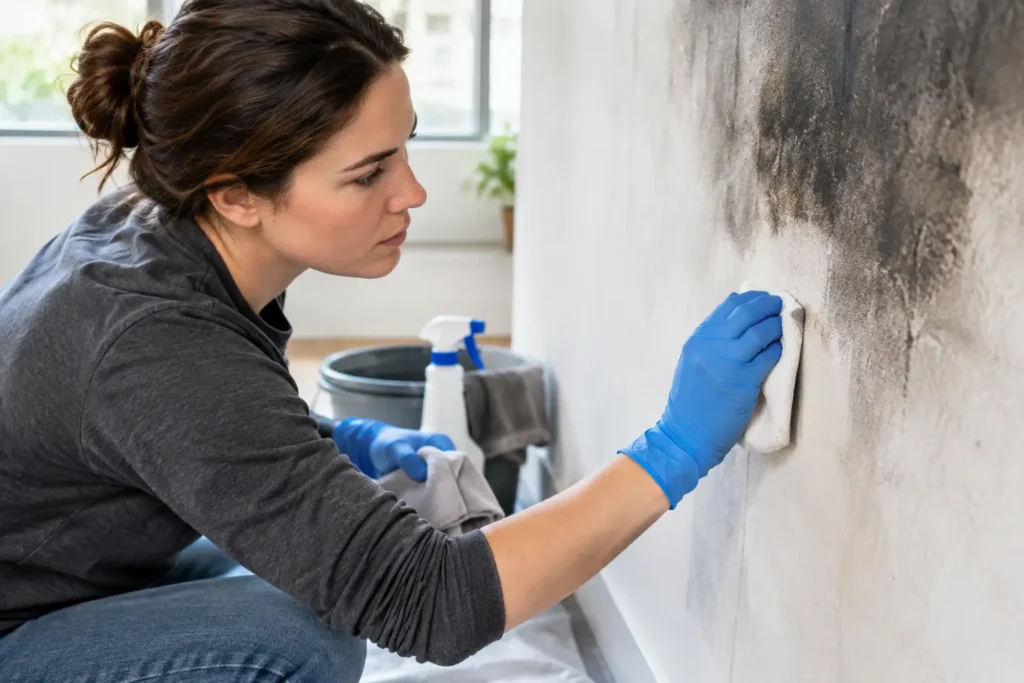
Soot can look like a surface problem after a fire, but it rarely stays on the surface. To clean fire soot safely, you have to control the fine particles before they travel through carpeting, HVAC ducts, closets, electronics, and untouched rooms. The wrong first move – especially wiping with a wet rag or using a household vacuum – can grind contamination deeper into materials and make a manageable loss far more expensive.
For property owners, the goal is not simply to make the room look clean. It is to protect the structure, document the loss, remove odor-causing residue, and prevent secondary damage while the insurance claim moves forward.
Why Fire Soot Requires a Different Cleaning Process
Soot is a mix of carbon, oils, acids, and microscopic particles created by incomplete combustion. Its makeup changes based on what burned. A small kitchen fire can leave greasy protein residue that is nearly invisible but carries a sharp odor. A wood or paper fire may produce dry, powdery soot. Burning plastics, synthetic fabrics, or electronics can leave sticky, corrosive residue that clings to walls, metal, and contents.
That difference matters because one cleaning method does not fit every fire. Water can smear oily soot. Aggressive scrubbing can push particles into paint, drywall texture, upholstery, and wood grain. Delaying cleanup can also allow acidic residue to tarnish metal fixtures, damage appliances, discolor painted surfaces, and shorten the life of electronics.
Even a fire contained to one room can affect the entire property. Smoke follows air currents, enters return vents, and settles in spaces that may look untouched at first glance. That is why a quick visual inspection often understates the scope of the loss.
What to Do Before You Clean Fire Soot
First, do not re-enter until fire officials say the property is safe. If there is structural damage, standing water from firefighting efforts, exposed wiring, or an active gas concern, leave the area secured until qualified professionals can assess it.
Once you can enter safely, take clear photos and video before moving furniture or cleaning anything. Capture wide shots of every affected room, then close-ups of soot deposits, damaged belongings, ceilings, vents, windows, and exterior areas. Keep receipts for emergency expenses, temporary lodging, board-up, and necessary purchases. Good documentation helps establish the full condition of the property before cleanup begins.
If possible, limit traffic through affected areas. Shut interior doors to unaffected rooms, avoid running the HVAC system until it has been evaluated, and keep children and pets away from the site. Soot can be irritating to the eyes, skin, and respiratory system, particularly for people with asthma, allergies, or other breathing conditions.
Do not attempt these common shortcuts:
- Do not use a standard household vacuum, which can exhaust fine soot particles back into the air.
- Do not wet-wipe soot-covered walls before dry particulate removal is complete.
- Do not wash smoke-damaged clothing or linens with unaffected items.
- Do not use candles, fragrances, or heavy deodorizers to cover a smoke smell.
Masking odor does not remove the source. It can also make it harder to identify contaminated materials later.
How Professionals Clean Fire Soot From a Property
A professional soot-removal project starts with assessment and containment, not with a sponge. Certified technicians identify the type and spread of residue, inspect hidden areas, and determine which building materials and contents can be cleaned, restored, or need replacement.
Containment Protects Unaffected Rooms
Before cleaning begins, crews isolate the affected zone with physical barriers and controlled airflow. This helps prevent soot from moving into clean rooms during demolition, cleaning, or equipment setup. For commercial spaces, containment is especially valuable because it can reduce disruption to nearby offices, inventory, or tenant areas.
Technicians also inspect heating and cooling components. If soot entered the duct system, turning on the HVAC prematurely can redistribute contamination throughout the building. Filters, coils, registers, and ductwork may require specialized cleaning based on the fire’s size and location.
Dry Removal Comes Before Wet Cleaning
The first cleaning pass typically involves HEPA-filtered vacuuming and dry chemical sponges. These tools lift loose soot from ceilings, walls, trim, and other surfaces without rubbing it deeper into the material.
After dry removal, technicians select cleaning agents based on the surface and residue. Painted drywall, natural wood, tile, stainless steel, glass, upholstery, and electronics all require different handling. A cleaner that works well on cabinet doors may permanently damage a flat-painted wall or leave a haze on a polished surface.
This is also where experience protects the property. Some surfaces can be cleaned and sealed. Others are too porous or heavily contaminated to restore reliably. Insulation, acoustic ceiling tile, unfinished wood, carpet padding, and smoke-saturated drywall may need removal to fully eliminate odor and contamination.
Odor Control Requires Source Removal
Lingering smoke odor means odor-causing particles remain somewhere in the property. They may be behind walls, inside insulation, in HVAC components, beneath flooring, or embedded in textiles. Surface cleaning alone is not enough when the source is still present.
Professional odor control may include targeted cleaning, removal of unsalvageable materials, HEPA air filtration, thermal fogging, hydroxyl treatment, or other methods chosen for the conditions on site. The best option depends on the building, the fire source, the materials affected, and whether occupants can remain in the property during treatment.
No responsible restoration company should promise to remove smoke odor by simply spraying a fragrance. Effective deodorization follows cleaning and source removal, not the other way around.
Can You Clean Small Soot Marks Yourself?
For a very small, isolated soot mark from a candle, fireplace puff-back, or minor cooking incident, careful DIY cleaning may be reasonable. Wear gloves, eye protection, and an appropriate mask. Ventilate the area if it can be done safely, and begin with a dry soot sponge using light, straight strokes. Avoid circular rubbing.
If dry cleaning does not remove the mark, test a mild cleaner in an inconspicuous area before treating the visible surface. Use minimal moisture and blot rather than scrub. Stop immediately if the finish changes, the stain spreads, or the odor persists.
The line between a minor spot and a restoration loss is not always obvious. Call for an assessment if soot is present on ceilings, around vents, in multiple rooms, on upholstered furniture, or near electrical equipment. The same applies if you smell smoke after cleaning, see oily film on surfaces, or have fire-extinguisher powder and water damage in addition to soot.
Protecting Contents, Electronics, and Documents
Contents often require more care than the structure. Clothing, furniture, artwork, books, photographs, business files, and electronics can hold soot even when they look normal. Move only items that are safe to handle and have been documented. Store them away from moisture and from clean belongings until they can be evaluated.
Electronics deserve special caution. Soot is conductive and corrosive, particularly when moisture is present. Do not plug in or power up smoke-exposed televisions, computers, appliances, or control panels until a qualified technician has inspected them. A device that appears to work may still fail later if residue remains on internal components.
For landlords and commercial property managers, keep an inventory of affected contents by room or unit. Include make, model, serial number, approximate age, and visible damage when available. Organized documentation makes it easier to communicate with insurers and make practical replacement decisions.
When Fast Restoration Makes the Biggest Difference
Time matters after any fire. The longer soot remains on surfaces, the more opportunity it has to stain, corrode, and migrate. Early containment also reduces the chance that a localized event turns into a whole-property cleaning project.
Elevated Operations helps Metro Atlanta homeowners, landlords, and commercial property managers move from emergency cleanup to full reconstruction without coordinating multiple vendors. IICRC-certified technicians can assess smoke and soot conditions, protect unaffected areas, document the loss for insurance, remove damaged materials, control odor, and complete the repairs needed to return the property to use.
A fire creates enough uncertainty on its own. Protect the evidence, avoid spreading the residue, and get an experienced restoration team involved before soot becomes permanent damage.