
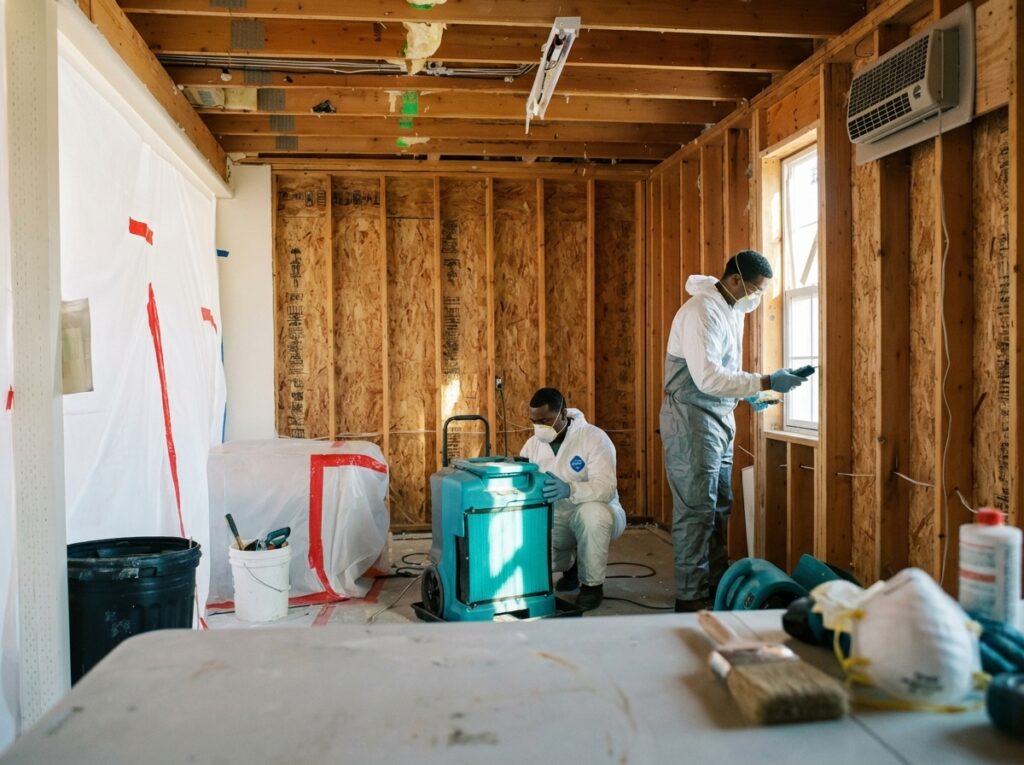
The Hidden Health Risks of Mold in Atlanta Homes and How to Prevent Them
Mold hides in Atlanta homes more often than you think—and it can threaten your health before you see it. Ignoring musty odors or water damage can lead to serious symptoms linked to black mold and contaminated indoor air. This guide covers what to watch for and how mold remediation Atlanta experts like Elevated Operations tackle the problem fast, keeping your space safe and healthy. For more information on mold and moisture management, visit this link.
Understanding Mold’s Health Risks
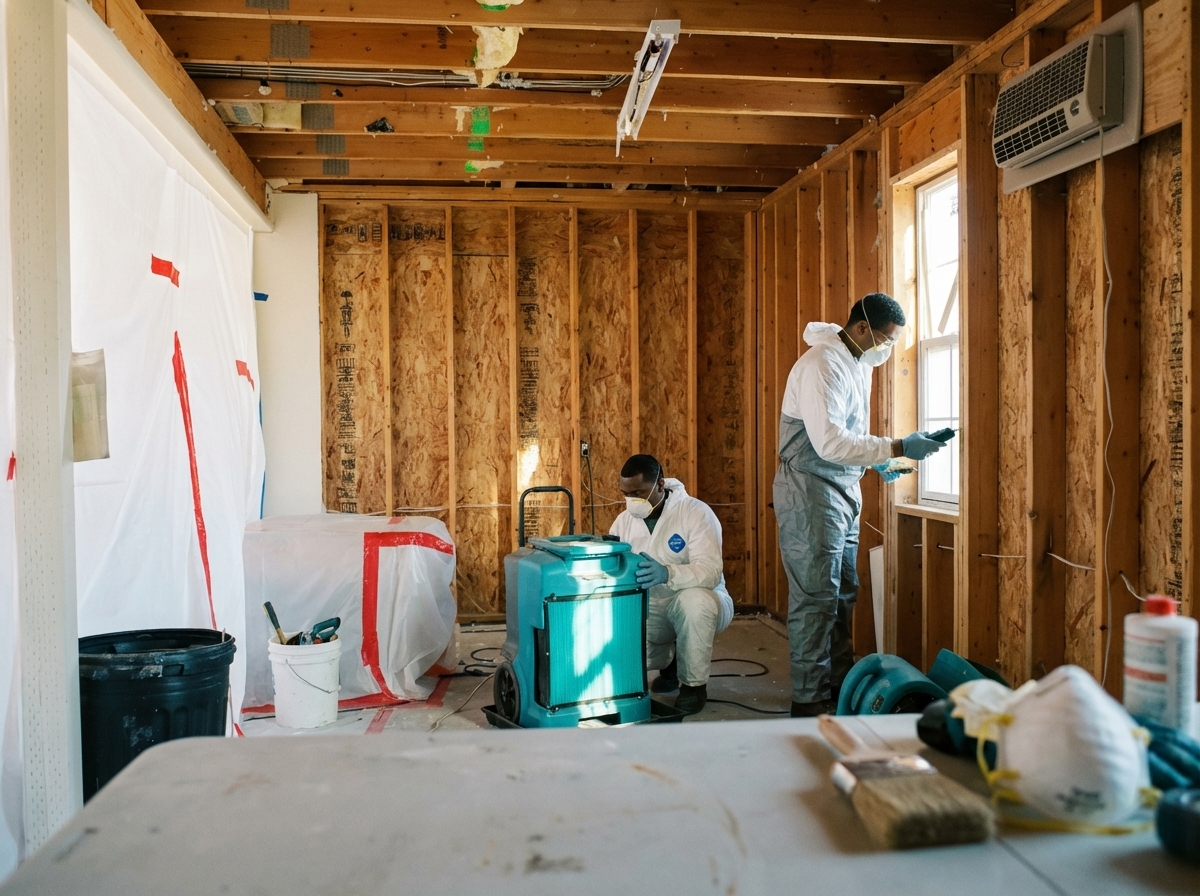
Mold isn’t just an eyesore, it can also pose serious health risks. This section explores how mold impacts your health and what you need to know about black mold symptoms.
Common Health Issues
Many people experience allergic reactions from mold, such as sneezing or itchy eyes. In some cases, mold can cause more severe issues like respiratory infections. 40% of asthma sufferers say mold worsens their condition. Children and the elderly are particularly vulnerable to mold-related health problems. Understanding these risks can help you act before mold becomes a bigger problem in your home.
If you suspect mold in your living space, it’s crucial to address it promptly. Mold can grow anywhere moisture is present, and ignoring it can lead to long-term health effects. The longer you wait, the worse these problems can become.
Black Mold Symptoms
Black mold is especially notorious for its health effects. Symptoms include chronic coughing, persistent headaches, and fatigue. Some people also experience memory problems. Imagine living in a space where every breath might be harmful. It’s a scary thought, but you can prevent it.
Experts agree that immediate action is necessary when dealing with black mold. You might not see it at first, but musty smells or unexplained health symptoms can be a red flag. Taking steps to identify and remove black mold can protect your health and improve your indoor air quality. For more insights on mold’s impact, check out these guidelines.
Early Mold Detection Signs
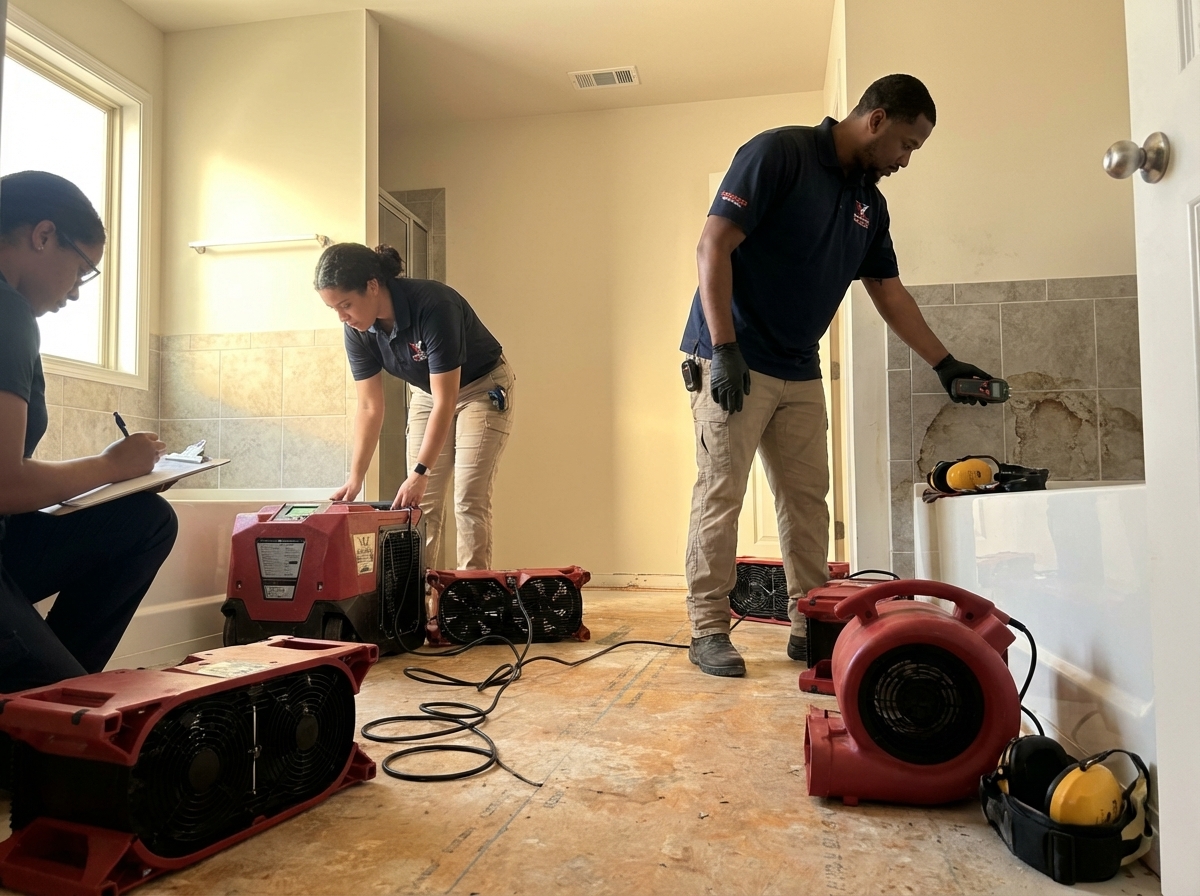
Detecting mold early can save you time, money, and health issues. Here, we cover what to look for in your HVAC systems and why water damage often leads to mold growth.
Recognizing Mold in HVAC
Your HVAC system can be a breeding ground for mold. Once inside, mold spores can circulate through your home, affecting air quality. If you notice a musty smell when the system is running, it might be time to check for mold. This can prevent widespread contamination.
Regular maintenance of your HVAC system is crucial. Change filters frequently, and have the system inspected by professionals. A simple inspection can save you from future headaches. Mold in your HVAC isn’t just a nuisance; it can be a health risk if left unchecked. Learn more about maintaining indoor air quality here.
Water Damage Leads to Mold
Water damage is a common precursor to mold growth. If you’ve experienced leaks or flooding, there’s a higher chance mold is lurking. Even small leaks can create the perfect environment for mold. The key is to act quickly to dry affected areas.
Ignoring water damage can result in costly remediation down the line. It’s not just about visible damage; it’s about preventing mold from taking hold. Most people think a small leak is harmless, but it can lead to extensive problems. For more on how to deal with mold, visit this resource.
Effective Mold Prevention Strategies
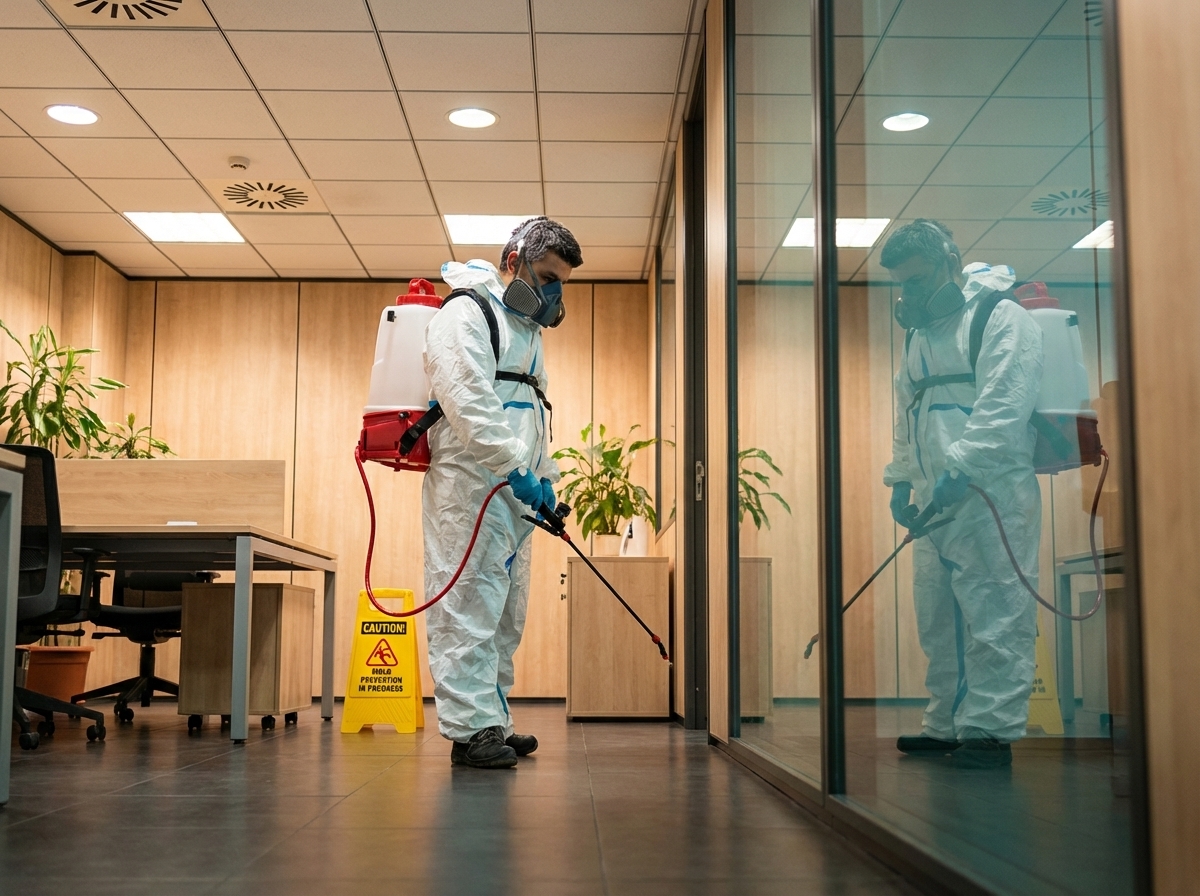
Prevention is always better than cure. Explore strategies to control humidity in your Atlanta home and keep mold out of bathrooms and basements.
Humidity Control in Atlanta Homes
High humidity levels can encourage mold growth. In Atlanta, where humidity is often high, controlling it is essential. Use dehumidifiers in areas where moisture tends to accumulate. Keeping humidity levels below 60% can significantly reduce mold risk.
Ventilation is also key. Open windows or use exhaust fans in bathrooms and kitchens to reduce humidity. These simple actions can make a big difference in keeping your home mold-free. Want more tips? Check out these mold prevention strategies.
Preventing Bathroom and Basement Mold
Bathrooms and basements are hotspots for mold due to moisture. Ensure these areas are well-ventilated. Fix leaks as soon as you spot them, and consider using mold-resistant paint or materials during renovations.
Most people underestimate the power of regular cleaning. Keep surfaces dry and clean regularly to prevent mold from taking root. Small changes in your cleaning routine can offer big payoffs in mold prevention. For further advice, read more about basement and bathroom mold prevention here.
Understanding the health risks and early detection signs of mold can keep your home safe and your family healthy. While DIY solutions can help, professional intervention might be necessary for serious cases. Trust in the expertise of IICRC certified technicians to handle these challenges effectively.