
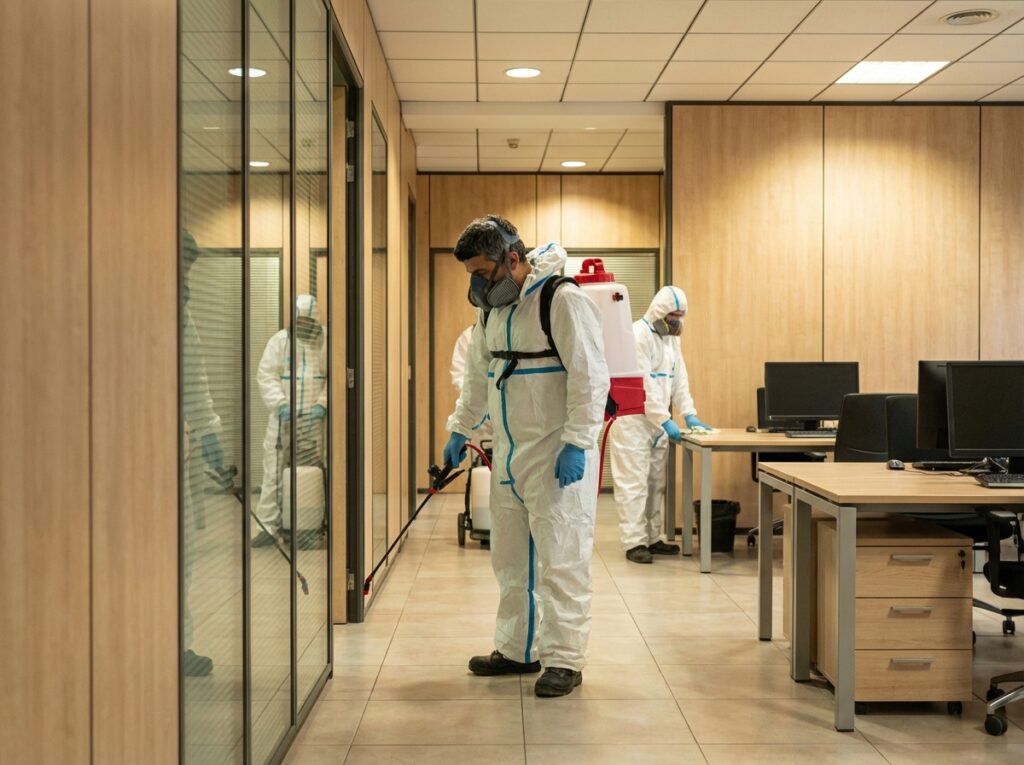
The Science Behind Effective Mold Removal: Why Certification Matters
Mold growth can spread faster than you think, putting your property and health at risk. Only certified mold removal experts use proven methods like HEPA filtration and containment barriers to stop it for good. Learn why choosing IICRC certified technicians for mold remediation Atlanta means safer, faster, and lasting results you can trust. For more information on the importance of mold remediation certification, visit this link.
Science of Mold Remediation
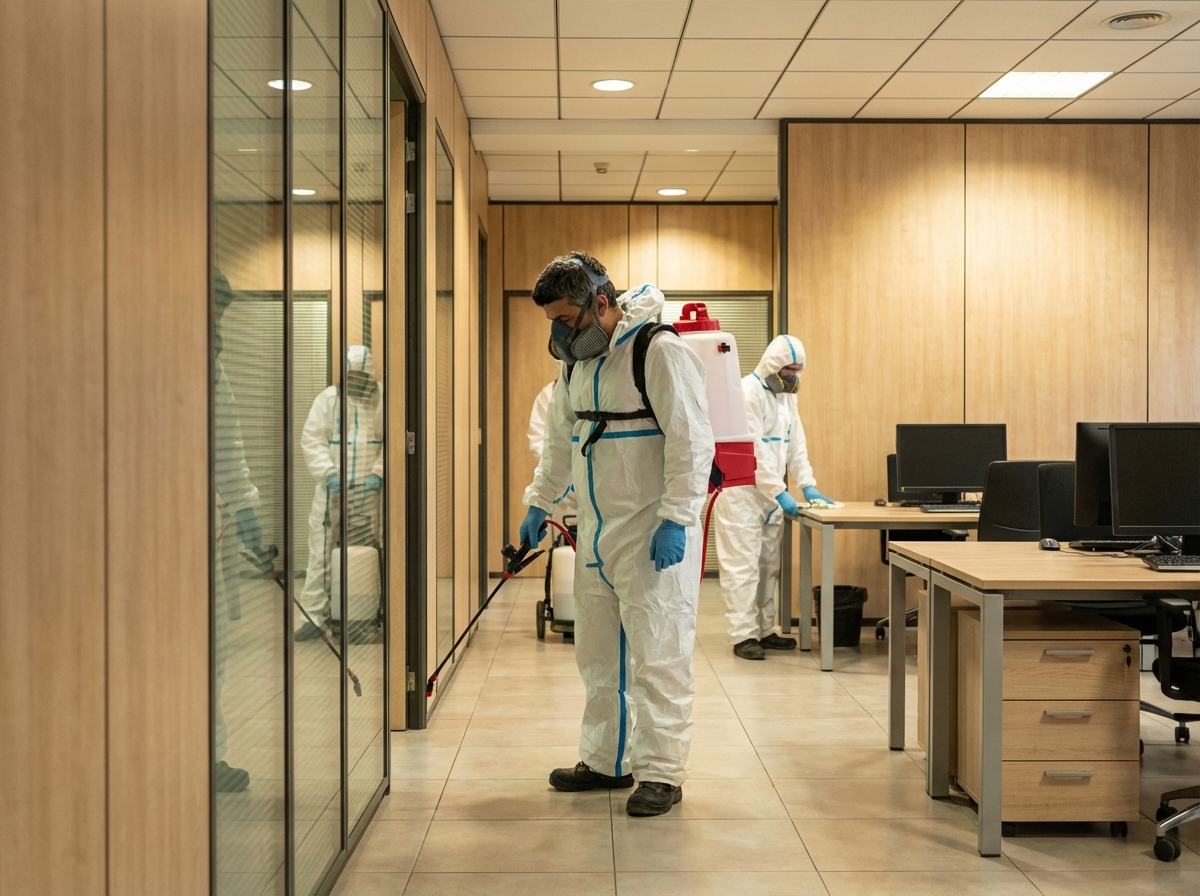
Understanding how mold is removed is crucial for effective prevention. Mold can hide in plain sight, making it a persistent problem. Let’s uncover what you need to know about mold growth, moisture mapping, and containment. Armed with this knowledge, you’ll be equipped to handle mold issues with confidence.
Understanding Mold Growth
Mold isn’t just an eyesore—it can damage materials and affect your health. Mold grows when spores land on wet surfaces. Imagine a damp basement: moisture and darkness create the perfect setting for mold. Did you know? Mold can start growing within 24 to 48 hours of water exposure.
-
Spores in the Air: These tiny particles float through the air, entering through doors, windows, and vents. They’re almost everywhere, but mold only forms when moisture is present.
-
Common Areas: Kitchens, bathrooms, and basements are typical hotspots due to high humidity levels. Regular checks can prevent these areas from becoming breeding grounds.
Importance of Moisture Mapping
Moisture mapping is a critical step in mold removal. It identifies where water has infiltrated your property. This process helps locate hidden damp spots that could lead to mold.
-
Advanced Tools: Professionals use moisture meters to detect wet areas behind walls or under floors. Spotting these early can prevent extensive damage.
-
Why It Matters: Without moisture mapping, you might only address surface problems, allowing mold to return. This can lead to more costly repairs down the line.
Effective Containment Strategies
Containing mold is vital to prevent it from spreading. If mold spores escape during removal, they can land on other surfaces and grow anew.
-
Isolation Techniques: Experts use plastic sheeting to create barriers, sealing off affected areas. This keeps spores from traveling.
-
Air Control: Negative air pressure is used to direct spores outside. This technique ensures that the air inside your home remains clean and safe.
Certification’s Role in Mold Removal
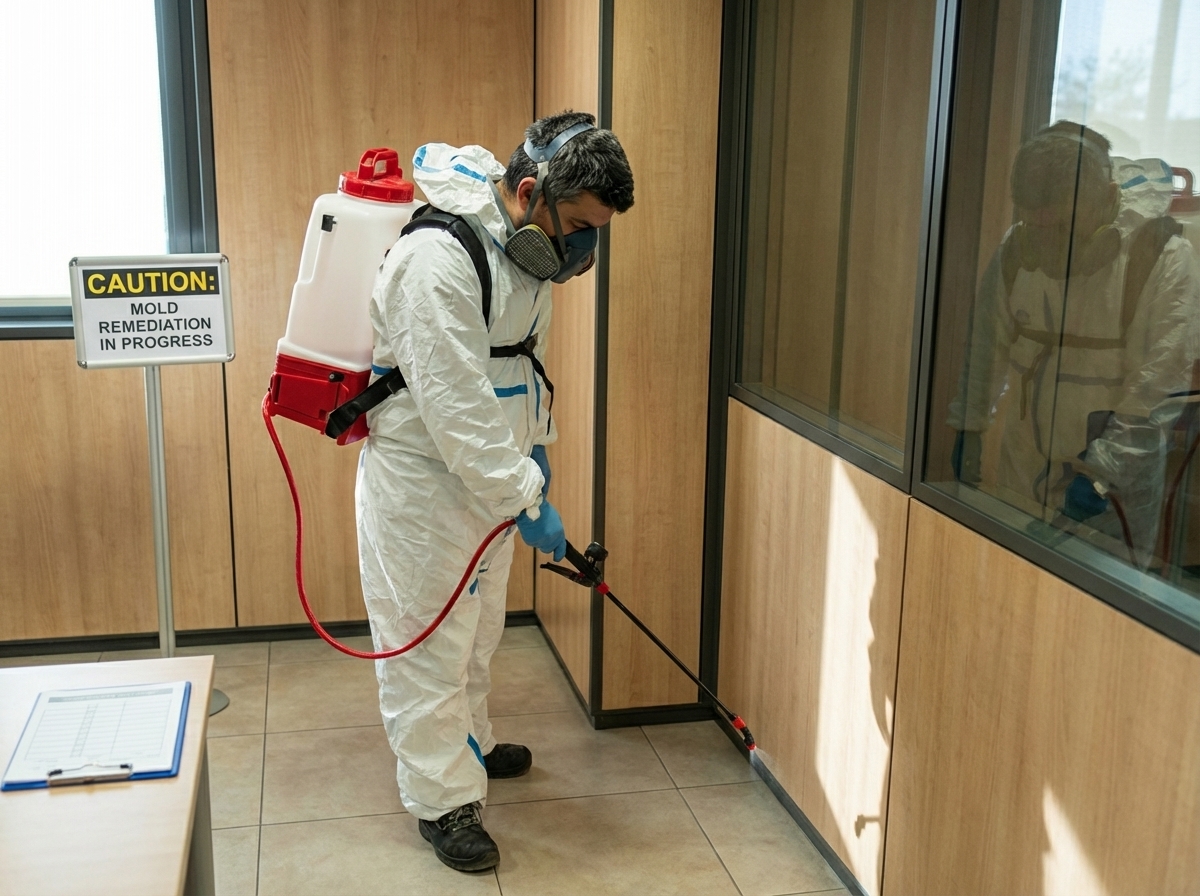
Choosing the right professionals for mold removal is essential. Certification guarantees that technicians are trained and skilled in handling mold. Let’s explore why certification matters, the benefits it offers, and how it ensures the air in your home is healthy.
Why IICRC Certification Matters
When it comes to mold removal, not all services are equal. Hiring IICRC-certified technicians means you’re getting trained experts. For more on the importance of mold remediation training, read here.
-
Quality Assurance: Certification guarantees that technicians follow industry standards. This ensures that the job is done right the first time.
-
Trust and Reliability: Knowing that a technician is certified gives you peace of mind. You can trust that they understand the best practices for mold removal.
Benefits of Certified Mold Removal
Certified mold removal doesn’t just get rid of mold—it prevents future problems. Here’s how you benefit:
-
Comprehensive Approach: Certified experts don’t just treat visible mold. They hunt down spores and address underlying moisture issues.
-
Long-Term Savings: While certified services may seem costly upfront, they save you money in the long run. Effective mold removal prevents health problems and property damage.
Ensuring Indoor Air Quality
Your health is a top priority when dealing with mold. Mold can affect indoor air quality, but certified removal ensures your home stays safe.
-
Air Testing: After removal, air quality tests confirm that your home is mold-free. This step is crucial for your peace of mind.
-
Healthy Living: Clean air reduces the risk of allergies and respiratory issues. Ensuring good air quality is a key outcome of professional mold removal.
Advanced Techniques and Tools
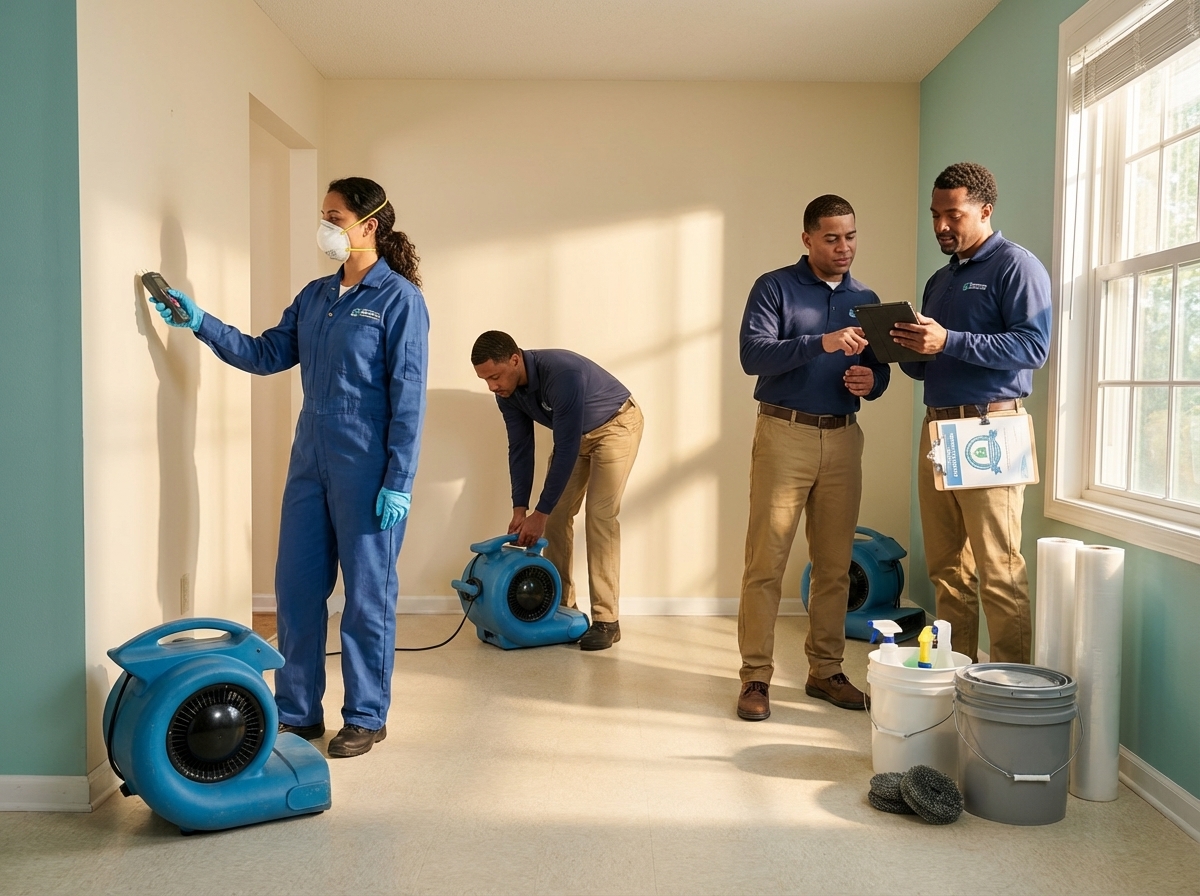
Innovation in mold removal continues to improve. Advanced techniques and tools make the process more efficient and eco-friendly. Discover how HEPA filtration, antimicrobial treatments, and thermal imaging are leading the way in mold remediation.
HEPA Filtration and Negative Air
HEPA filtration and negative air pressure are game-changers in mold removal. They ensure that spores don’t spread during the process.
-
HEPA Filters: These high-efficiency filters trap 99.97% of particles, including mold spores. This prevents them from re-entering your home.
-
Negative Air Machines: These machines pull air out of the room, creating suction that keeps spores contained.
Eco-Friendly Antimicrobial Treatments
Using eco-friendly treatments is better for you and the environment. These solutions kill mold without harming your home.
-
Safe Solutions: Modern treatments are effective against mold but gentle on surfaces. They ensure thorough removal without toxic residues.
-
Environmental Impact: Choosing green options reduces your carbon footprint, aligning with sustainable living practices.
Precision with Thermal Imaging and Spore Testing
Precision tools like thermal imaging and spore testing ensure that no mold is left behind. These technologies provide a thorough inspection of your home.
-
Thermal Imaging: This tool detects temperature differences, highlighting moisture areas invisible to the naked eye.
-
Spore Testing: By identifying spore types, experts tailor their approach, ensuring effective removal tailored to your situation.
By understanding the science and certification behind mold removal, you’re better prepared to tackle this issue. For more insights on mold remediation certification, check out this article. Prioritize your health and property by choosing certified professionals who employ advanced techniques. Your home deserves nothing less than the best.