Mold Remediation 101: Protecting Your Health and Home in Atlanta’s Climate
Mold can spread faster than you think in Atlanta’s humid air, putting your home and health at risk. Ignoring musty smells or visible spots only lets the problem grow. This guide covers what you need to know about mold remediation Atlanta homeowners trust, from spotting early signs to proven removal steps. Read on to protect your space before mold takes hold.
Understanding Mold Risks
Navigating the challenges of mold in Atlanta requires understanding its root causes and effects. Let’s explore how the city’s climate and mold exposure can impact you.
Atlanta’s Humid Climate Challenges
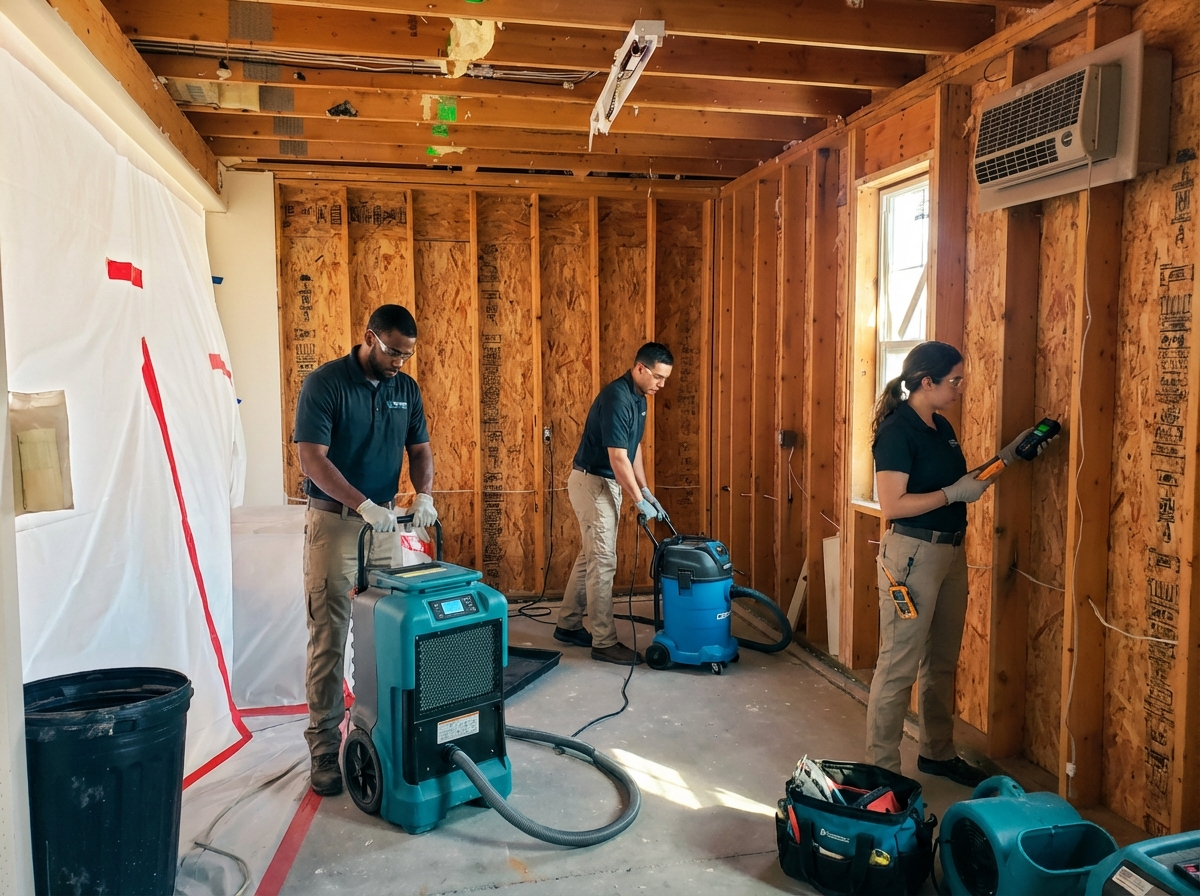
Atlanta’s climate is a breeding ground for mold. With average summer humidity levels above 70%, moisture is everywhere. This dampness invites mold to settle in your home, especially after storms or leaks. A small roof leak or a drip under the sink can quickly escalate, fostering black mold growth in dark, hidden corners. Most people believe mold needs weeks to grow, but it can start in just 24-48 hours. You might think your home is safe, but mold could already be lurking.
Health Impacts of Mold Exposure
Mold isn’t just unsightly—it’s a health hazard. Breathing in mold spores can lead to sneezing, itchy eyes, or worse. Those with asthma or allergies feel it the most. High levels of mold exposure can even lead to severe respiratory issues. It’s not just about comfort; it’s about safety. Protecting your family from mold means ensuring clean indoor air. Learn more about mold health risks and why addressing mold promptly is crucial.
Identifying Mold in Your Home
Spotting mold early is your best defense. Knowing where to look and what to look for can save you from bigger problems down the line.
Common Warning Signs
Mold often hides in plain sight. Musty odors wafting through your home are a telltale sign. You might notice patches of black, green, or white on walls or ceilings. Peeling paint or unexplained water stains raise red flags too. Think your home is immune because it looks clean? Think again. Mold loves the unseen spaces behind walls and under floors. Keep an eye out for signs like persistent allergies or a cough that won’t quit; these could signal mold is present.
Areas Prone to Mold Growth
Certain spots in your home are more prone to mold. Basements and crawl spaces are notorious, thanks to poor ventilation. Bathrooms and kitchens also top the list due to constant moisture. Even attics aren’t safe—poor insulation can trap moisture, leading to mold. Wondering where else mold might hide? Check these common areas for mold growth in your home to nip problems in the bud.
Effective Mold Remediation Steps
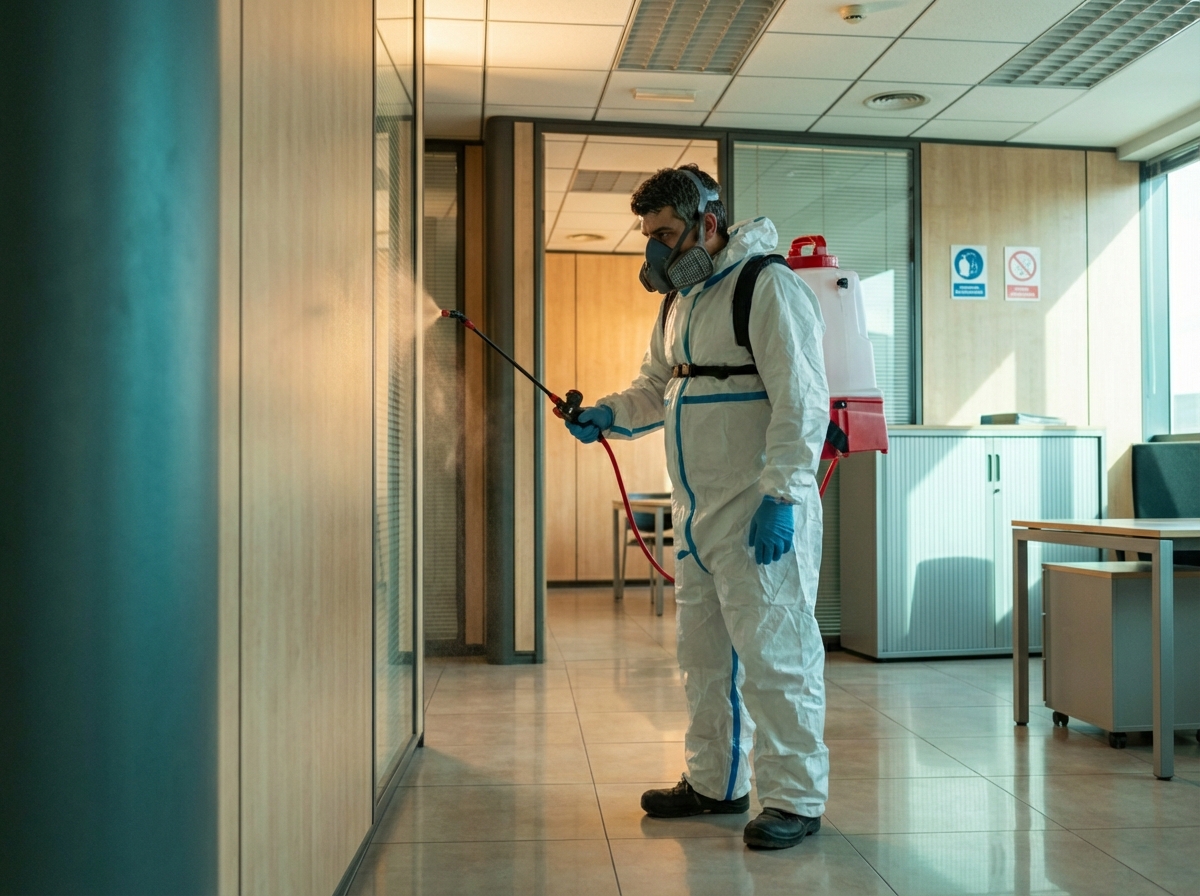
Once you’ve identified mold, acting fast is key. Here’s how to tackle mold safely and efficiently.
Initial Moisture Inspection
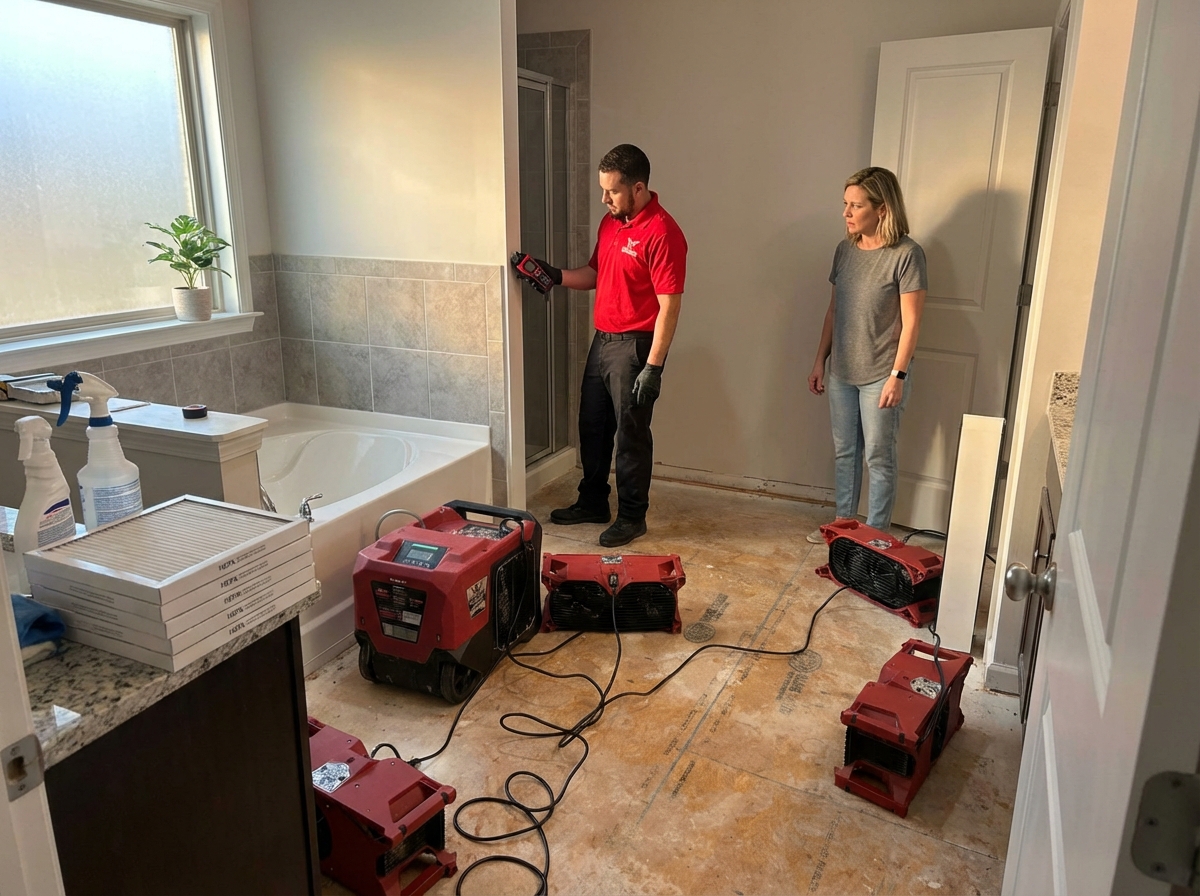
The first step in mold remediation is finding where the moisture comes from. Without addressing moisture, mold will come back. Conduct a thorough inspection, checking pipes, roofs, and walls for leaks. Moisture meters can help detect hidden dampness. Most people skip this step, but it’s crucial for effective mold removal. Remember: no moisture, no mold.
Safe Mold Removal Techniques
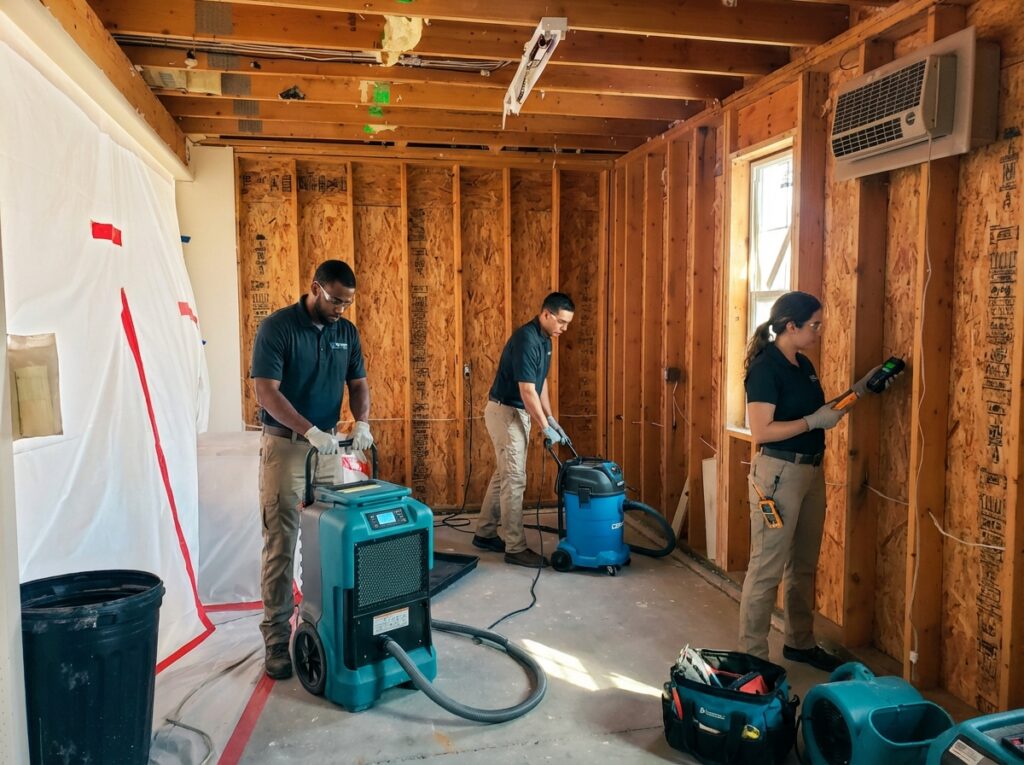
When it comes to removing mold, safety is priority. DIY solutions might seem appealing, but professional help ensures thoroughness. Experts use HEPA vacuums and air scrubbers to trap spores. Wearing protective gear like masks and gloves is non-negotiable. Ever heard of negative air containment? It’s a method that seals off the affected area, preventing mold spread. Choose professionals who employ these advanced techniques to keep your home safe.
Post-Remediation Verification
After removal, it’s vital to ensure mold doesn’t return. Post-remediation verification confirms success. Experts will re-check moisture levels and air quality. This step is your assurance of a job well done. Many skip this, but it’s your peace of mind. Explore tips on preventing mold regrowth for long-term safety.
In summary, understanding mold risks and knowing how to handle them effectively protects your health and your home. Don’t wait until it’s too late. Take action now to ensure a mold-free environment.