24/7 Emergency Restoration · Serving Metro AtlantaEmergency? (770) 404-6895

Storm damage restoration Douglasville usually starts with a fast inspection, emergency protection, and a written scope tied to what the storm actually damaged. I price work by the job conditions, not guesswork, because builder-grade homes near I-20 and properties around Dog River reservoir can look simple outside and still hide water intrusion, roof loss, or structural repair needs.
IICRC-Certified · 5-Star Rated · 60-Minute Response · Insurance Billed Directly
Damage type, access, mitigation needs, and whether the claim includes roof tarping or structural repair. A simple exterior issue costs differently than a water intrusion loss.
Do both fast. Protect the property first if needed, then document the damage and start the claim. That keeps additional loss from piling onto the original storm damage.
Yes. Builder-grade construction can be straightforward, but once wind or hail gets under the roof, hidden damage can spread into insulation, framing, and interiors.
Yes. I bill insurance directly, document the loss, and keep the repair scope tied to the real damage so the process stays organized from start to finish.
Storm damage restoration costs in Douglasville depend on the type of damage, how much water entered the structure, whether roof tarping is needed, and how much debris removal or structural repair the job requires. I look at what the storm did to the home, not just the visible damage from the street.
On I-20 side streets, a roof that looks minor from the driveway can still need hail damage repair, wind damage repair, and temporary boarding before the home is safe to dry out. The cost rises when materials have to be stabilized first, then replaced in the right order.
Builder-grade homes in Douglasville often use standard assemblies, which can be straightforward to repair when the damage is isolated. But storm damage restoration gets more involved when water intrusion reaches insulation, framing, or interior finishes. That is where structural repair starts to matter more than cosmetics.
I keep the pricing process tied to the actual scope. If the work is limited to debris removal and roof tarping, that is a different job than a loss that also needs temporary boarding, interior dry-out, and coordinated repairs. The right estimate follows the damage, not the fear.
Storm damage restoration in Douglasville can include emergency protection, debris removal, roof tarping, temporary boarding, water mitigation, hail damage repair, wind damage repair, and structural repair. The exact mix depends on how the storm hit the home and whether the damage spread beyond the roofline.
Near Dog River reservoir, I pay close attention to how wind drives rain into soffits, attic spaces, and openings around older trim details. Storm work is rarely just one trade. It is usually a sequence, first stabilize, then dry, then repair. That sequence protects the home and keeps the claim cleaner.
Debris removal sounds simple, but storm debris often includes shingles, siding, branches, broken fencing, and damaged materials that can block access to the property. I remove what is loose or unsafe first so the rest of the storm damage restoration work can happen without more loss.
And yes, hail damage repair and wind damage repair are often part of the same project in Douglasville. One storm can bruise roofing, loosen flashing, and lift sections that then allow water intrusion. The work needs a real inspection, not a quick glance from the ground.
Yes, roof tarping should happen quickly after storm damage when the roof is open, leaking, or missing material. In Douglasville, that temporary step often protects builder-grade roofing systems from turning a manageable claim into a larger water intrusion problem while the insurance process gets moving.
I treat roof tarping as a first-response move, not a final fix. If shingles are missing or a roof deck is exposed, tarping limits additional rain entry and helps control the damage that insurance may otherwise see as preventable. That matters on fast-moving weather days in this area.
Around the subdivisions off I-20, a small roof opening can send water into ceilings, attic insulation, and wall cavities before anyone notices. Temporary boarding may also be needed at broken windows or damaged doors. The goal is to secure the home before more material fails.
Roof tarping is part of cost control too. The longer a roof stays open, the more likely the project expands into drywall, flooring, and structural repair. I would rather place protection early and keep the claim focused on the storm, where it belongs.
Yes, storm damage can absolutely lead to water intrusion in Douglasville homes, especially when wind lifts shingles, hail cracks roofing surfaces, or debris breaks a vulnerable opening. Once water gets in, restoration often expands beyond the exterior and into hidden structural and interior damage.
Water intrusion is where costs start changing fast. It is not just the wet spot you can see. It can travel through attic insulation, along framing, and down interior finishes. On builder-grade homes, that path can be fast because the assemblies are often tight but not forgiving.
Douglasville homes near open corridors and tree cover can collect flying debris during heavy storms. When that debris damages flashing, vents, or siding edges, water intrusion can begin even if the roof surface still looks mostly intact. That is why I inspect the full envelope, not just one slope.
If the home has already taken in water, the next steps may include dry-out, temporary boarding, material removal, and structural repair depending on what was affected. IICRC-certified technicians matter here because speed and sequence control secondary damage, and secondary damage is where claims get harder.
I fix storm damage to a house in Douglasville by stabilizing the property, documenting the loss, stopping active leaks, removing damaged materials, and then repairing the roof, exterior, or structure in the proper order. The repair plan changes based on what the storm hit and what insurance approves.
The first step is always safety and containment. If the roof is open, I use roof tarping. If doors or windows are broken, I use temporary boarding. If debris is in the yard or on the structure, I clear it. That prevents more damage while the rest of the estimate is built.
After stabilization, I evaluate the full scope for hail damage repair, wind damage repair, and any structural repair that storm forces may have created. I am looking for the things that are easy to miss, like lifted flashing, hidden wet insulation, or framing that has shifted under impact.
Douglasville homes along the I-20 corridor include plenty of straightforward builder-grade construction, which is good news when the damage is contained. But when the weather gets under the roofing or into wall assemblies, the fix is rarely cosmetic. It has to be built back correctly.
Insurance claims for storm damage restoration usually start with documentation, mitigation, and a covered-loss review by the carrier. I help homeowners by billing insurance directly, documenting the damage clearly, and using deductible assistance up to $1,000 where allowed on eligible projects.
Insurance usually cares about the source of the loss, the extent of the damage, and whether the property owner took reasonable steps to prevent more loss. That is why roof tarping, temporary boarding, and timely mitigation matter. They support the claim and limit avoidable escalation.
I work with direct insurance billing because it keeps the process cleaner for the homeowner. The carrier gets a clear scope, the work stays documented, and you are not stuck trying to manage every line item alone. That matters when a storm hits and the property is already disrupted.
Deductibles are part of the claim math, not a bonus issue. I do not play games with that. If deductible assistance applies to the project, I explain it plainly. If a claim needs more documentation for hail damage repair or structural repair, I build that into the file before work moves forward.
Roof tarping, temporary boarding, and debris removal can limit additional loss and keep storm damage restoration from spreading into water intrusion or interior repairs.
I estimate by the scope of hail damage repair, wind damage repair, structural repair, and mitigation work the home truly needs, not by what the storm looked like from the curb.
Clear photos, a direct inspection, and a written claim scope help show the carrier what was damaged and what steps were taken to protect the property.
I bill insurance directly so the process stays organized and the homeowner is not stuck juggling every carrier update while the property remains open or damaged.
If deductible assistance up to $1,000 applies on an eligible project, I explain it plainly before work begins so the numbers stay clear.
From emergency mitigation to full reconstruction, handled in-house so you are never managing a chain of subcontractors mid-crisis.
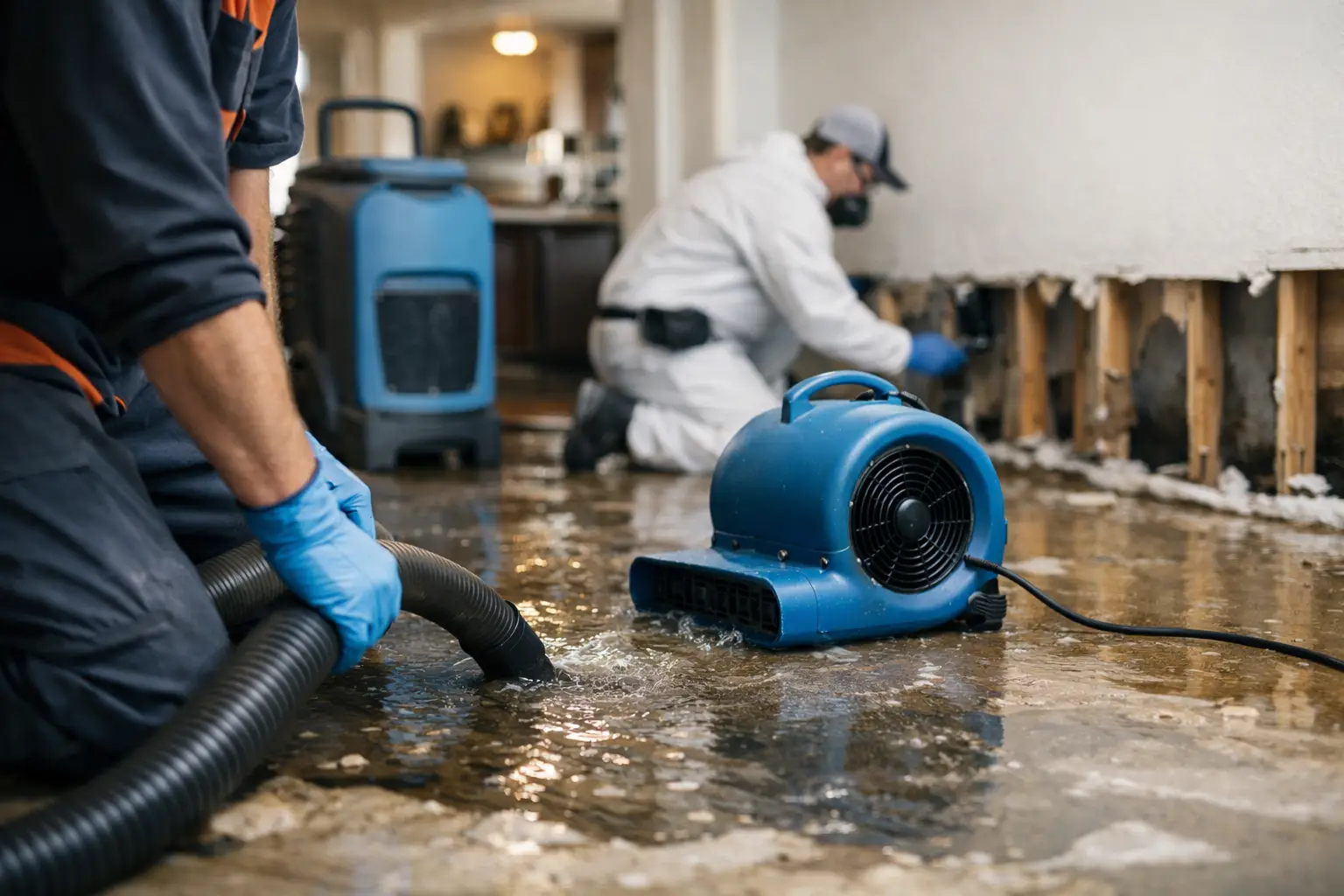 Water Damage
Extraction, structural drying, and moisture mapping after floods, leaks, and burst pipes.
Get help now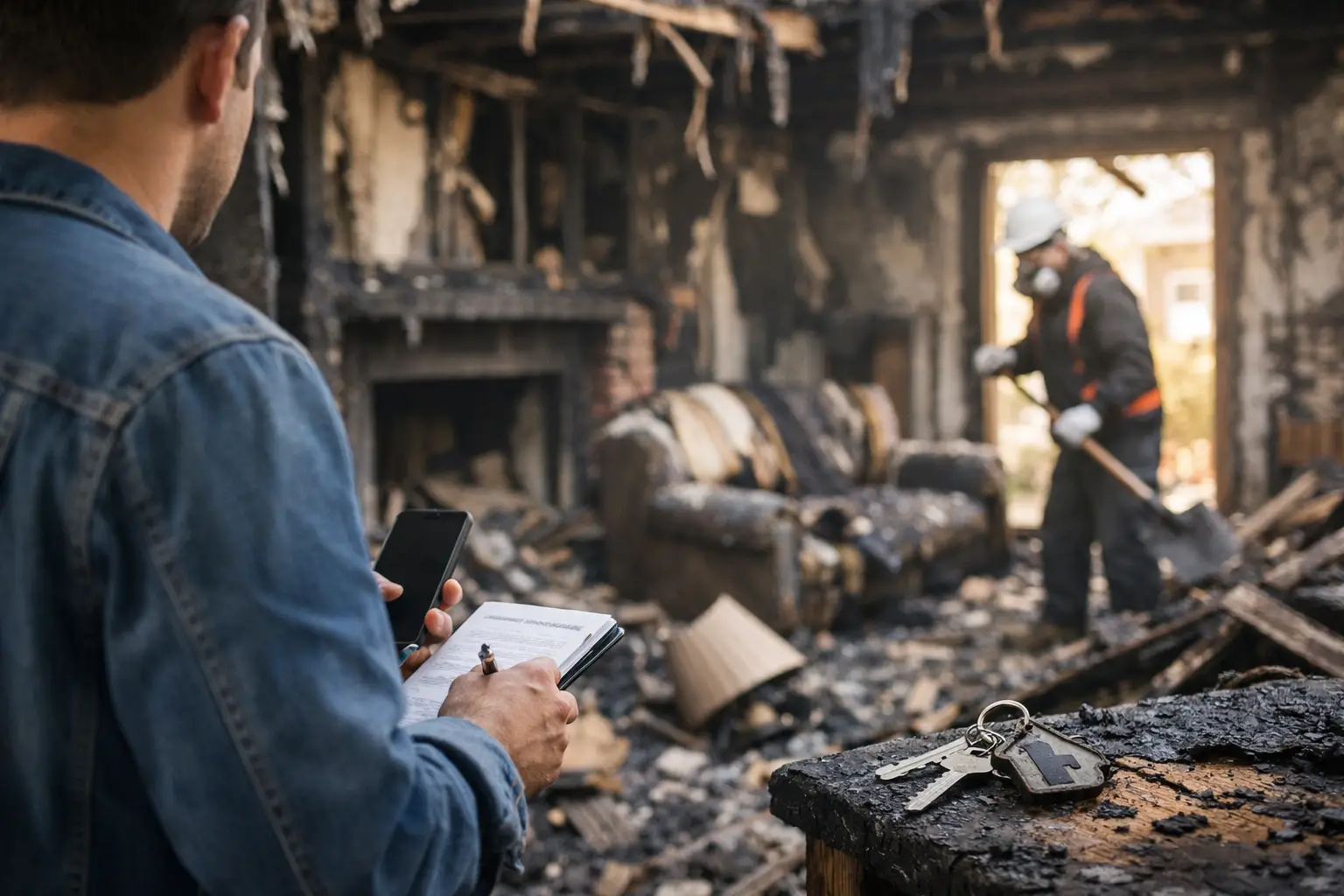 Fire & Smoke
Soot removal, odor deodorization, and content cleaning after fire and smoke damage.
Learn more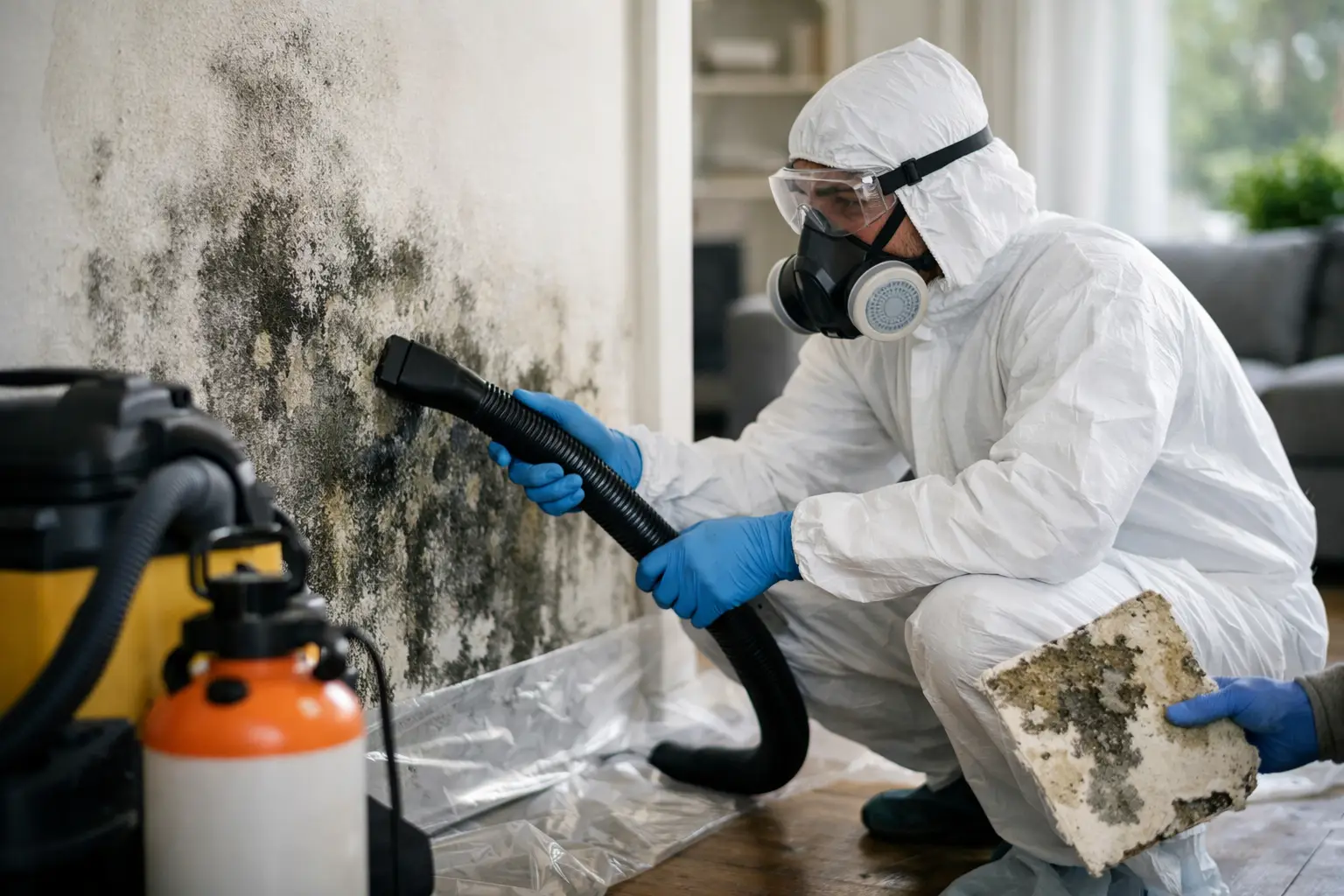 Mold
MoldContainment, removal, and moisture control that stops mold from coming back.
Learn more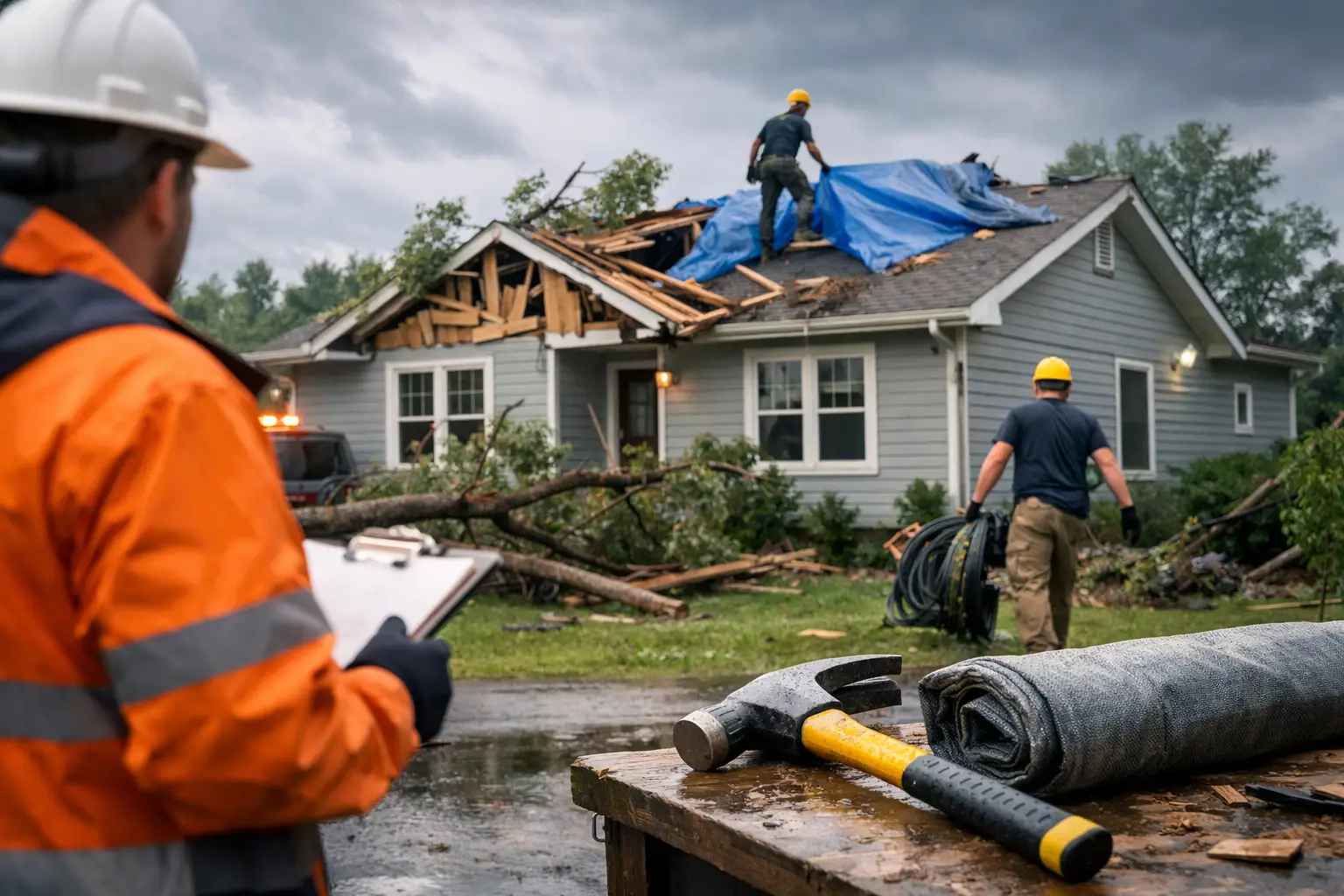 Storm
StormEmergency board-up, roof tarping, and full recovery after wind, hail, and storms.
Learn more Sewage
Safe biohazard cleanup and sanitizing after sewage backups and overflows.
Learn more Reconstruction
Full rebuild by a licensed general contractor, so your property comes back whole.
Learn moreElevated Operations is an IICRC-certified, licensed general contractor based in Mableton that handles the entire recovery in-house, so after one loss you are never coordinating a cleanup crew, a mold crew, and a contractor separately. One team, one point of contact, from the first pump-out to the final coat of paint.
People call when the property feels like a disaster. They leave reviews because Chris and the crew made it right. These are real, verified Google reviews.
Cost depends on what the storm actually damaged, how much protection the home needs, and whether the repair is limited to the exterior or extends into the structure. A builder-grade roof with minor shingle loss is a very different project from one with water intrusion, decking damage, and interior repairs. I price the real scope, not a generic storm label.
The reservoir itself does not set a price, but homes near open water, tree cover, and wind corridors can suffer different kinds of storm exposure. That can affect whether the job needs roof tarping, debris removal, or more extensive hail damage repair. I look at access, severity, and the building materials involved.
Often, yes, if the tarp is part of reasonable mitigation after a covered storm event. Insurance typically wants the homeowner to stop further damage, not let the roof stay open. I document the condition, place protection when needed, and include that work in the claim file so the carrier can review it clearly.
The deductible is the homeowner’s share of an insured loss, and it is part of how the claim settles. I keep that discussion direct and factual. If deductible assistance up to $1,000 applies on an eligible job, I explain it before work starts so there are no surprises later.
Call for an inspection and emergency protection if the roof is compromised. Hail can bruise roofing, weaken flashing, and create openings that turn into water intrusion. I look for the source, document the damage, and decide whether roof tarping or temporary boarding is needed before the rest of the restoration moves ahead.
Yes. Debris removal is often part of the first phase, especially after wind damage or falling limbs. It clears access, reduces safety hazards, and helps reveal hidden damage to the roof, siding, and openings. In Douglasville, that cleanup can be a necessary step before the repairs can even be properly inspected.
Not long if the home has an open roof, broken window, or exposed wall. Water intrusion can begin immediately and spread quickly into insulation, drywall, and framing. That is why I push for fast mitigation, roof tarping, and documentation as soon as the storm damage is discovered.
Yes. I use direct insurance billing and IICRC-certified technicians to keep the file organized from the first inspection through the repair scope. That helps when the claim involves hail damage repair, wind damage repair, or structural repair and the carrier needs a clear record of what happened.
Elevated Operations dispatches IICRC-certified crews across Metro Atlanta from our Mableton base, with a 60-minute emergency response day or night. Choose your city:
Call now for an immediate response, or request your free inspection and get a certified crew on-site within the hour across Atlanta and nearby areas.