24/7 Emergency Restoration · Serving Metro AtlantaEmergency? (770) 404-6895
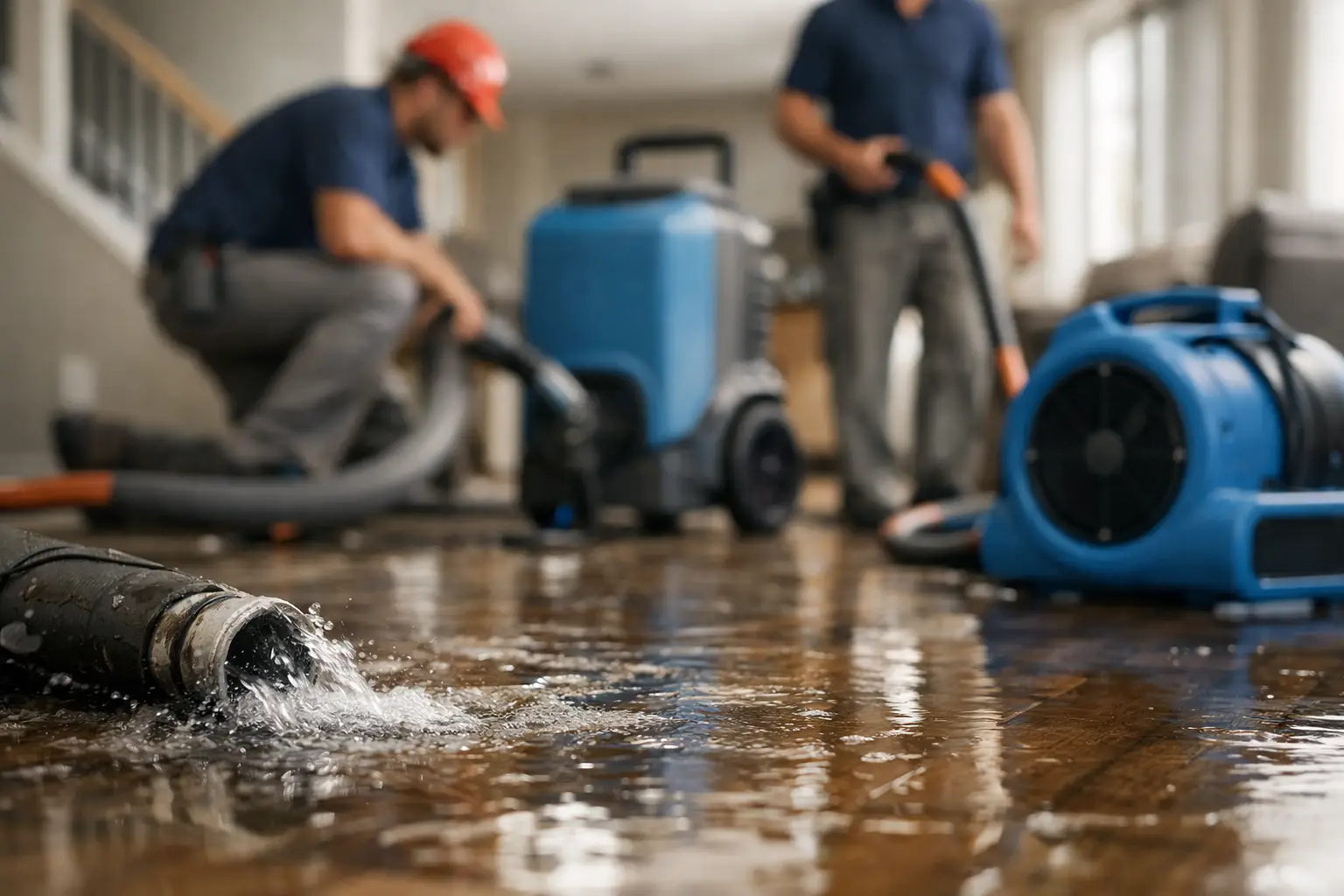
Storm damage restoration Hapeville means I get your home stabilized fast, then I document the damage, handle the insurance side, and push repairs the right way. I am Chris Kwangwari with Elevated Operations, LLLP, and I bring 24/7 emergency response, direct insurance billing, and a licensed general contractor on every job.
IICRC-Certified · 5-Star Rated · 60-Minute Response · Insurance Billed Directly
Because the job is both. I have to stop the damage, document it, and then rebuild it correctly. That is where being a licensed general contractor matters.
Wind exposure, older roof details, and quick-moving weather. I see more edge damage, more debris, and more hidden water intrusion in those homes.
Yes. I offer deductible assistance up to $1,000 when eligible, and I explain it clearly before work moves forward.
Call (770) 404-6895. I answer storm damage calls for Hapeville from my Mableton base with 24/7 emergency response.
Storm damage restoration in Hapeville usually starts with emergency protection, then moves into cleanup, drying, repair, and insurance documentation. I begin with roof tarping, debris removal, and temporary boarding when needed, then address water intrusion, wind damage repair, hail damage repair, and structural repair if the storm opened the home up.
Around Hapeville, I see a lot of homes with airport-edge bungalows, older rooflines, and additions that do not shed water evenly. When a storm hits, those details matter. A small breach on one side can turn into soaked ceilings, damaged framing, and hidden damage fast.
IICRC-certified technicians handle the mitigation side, and I stay focused on the repair path too. That means I look at what is wet, what can be saved, what needs to come out, and what needs to be documented for the carrier. Direct insurance billing keeps the process cleaner.
And I do not treat storm work like a paint touch-up. If wind tore flashing loose or hail beat up shingles, I want the home stabilized first, then repaired in the right order. That is how I protect the structure, not just the surface.
I fix storm damage by stopping further exposure first, then tracing the damage back to its source. In Hapeville, that often means securing roof edges, checking attic and ceiling cavities, removing wet materials, and completing structural repair before finish work starts. Repairs should follow the damage path, not guesswork.
Homes near Delta HQ and the airport corridor deal with fast-moving weather and tight exposure zones, so I check for wind uplift, missing shingles, loose flashing, and broken exterior openings right away. If water got inside, I want to know where it traveled before anything gets covered back up.
I also pay attention to the old-house details that show up in Hapeville, especially on bungalows and compact lots where access can be tight. Temporary boarding may be needed if a window or door took a hit, and roof tarping often comes before any interior work begins.
The repair itself has to match the damage. That can mean drywall removal, insulation replacement, framing repair, or replacement of storm-damaged exterior materials. I keep the sequence tight because the wrong order creates more callbacks, more drying time, and more headaches for the homeowner.
Yes. Roof tarping should happen quickly after storm damage if the roof is exposed, leaking, or missing shingles. In Hapeville, where storms can move through fast and airport-adjacent homes often have vulnerable roof sections, tarping helps stop new water intrusion while the rest of the claim and repair plan gets sorted.
I do not wait around when a roof is open. If I see active leakage, torn shingles, lifted flashing, or a puncture, I want roof tarping in place before the next rain. That is basic protection, and it matters even more in neighborhoods with older roof systems.
But tarping is not the whole job. It is a temporary control measure, not a repair. I still need to inspect the decking, underlayment, and interior impact so the real scope is clear. Otherwise the homeowner gets a patch on top of a problem that still exists underneath.
In Hapeville, roofs near trees, tight driveways, and busy corridors can collect debris quickly after a storm. I handle debris removal as part of the stabilization process, then I move into documentation and repairs. That keeps the property safer and helps prevent the next loss.
Yes, storm damage can lead to water intrusion very quickly. A missing shingle, cracked flashing, broken window, or wind-driven opening can let rain into the attic, walls, and ceilings. In Hapeville, I treat water intrusion as urgent because even a small entry point can spread damage behind finished surfaces.
Water intrusion is one of the main reasons I move fast on storm calls. Once water gets behind drywall or into insulation, the visible stain is only part of the problem. The hidden moisture can affect framing, baseboards, and finishes, especially in compact bungalows where spaces are tight.
I also watch for signs that the storm pushed water sideways, not just straight down. That matters on homes near the airport where wind patterns can be sharp and sudden. If the roof or exterior shell is compromised, the interior can take damage even when the leak is not obvious.
The right response is to stop the source, dry the affected areas, and repair the damaged materials in order. If the situation calls for temporary boarding or structural repair, I handle that too. The goal is simple, stop the intrusion, then rebuild the part of the home the storm beat up.
Hapeville bungalows often need roof tarping, shingle repair, window protection, ceiling and drywall repair, and sometimes structural repair after a strong storm. Older homes can also need wind damage repair around trim, fascia, and flashing, especially when the weather rips at exposed edges and loose materials.
I see a pattern in older Hapeville homes. Smaller rooflines, aging trim, and close setbacks make storm losses show up fast. A storm might start with lifted shingles or a branch strike, then the next rain exposes ceiling stains, swollen wood, or cracked interior finishes.
That is why I inspect the whole envelope, not just the obvious leak spot. If one area is damaged, another part of the home may be stressed too. The airport-edge location and the neighborhood housing stock both make it important to check more than the obvious side of the house.
Repairing these homes takes discipline. I do not rush finish work over wet material, and I do not assume the surface is the whole story. I want the structure dry, the openings secure, and the storm-related damage documented before I close anything back up.
I handle insurance by documenting the damage, communicating clearly, and using direct insurance billing when the claim is moving. That includes photos, notes, scope details, and repair categories like hail damage repair or wind damage repair. I also offer deductible assistance up to $1,000 when eligible, which helps homeowners manage the upfront strain.
Insurance work goes smoother when the contractor knows restoration and construction. I am a licensed general contractor, and I have been in restoration since 2007, so I know how to describe the damage in a way that matches what actually happened to the home.
Homeowners in Hapeville often want straight answers, not jargon. I get that. I explain what was damaged, what needs mitigation, and what belongs in the repair scope. That makes the claim process easier to follow whether the damage came from wind, hail, or a roof failure.
And I stay available through the process. With a 4.9-star Google rating from 73 reviews, I know people notice when a company communicates well. I keep my side clean, documented, and ready for the carrier review.
Yes. I provide 60-minute emergency response 24/7 for storm damage situations that need immediate stabilization.
Yes. I use direct insurance billing to help keep the claim and repair process organized.
Yes. I regularly work on airport-edge bungalows and older homes where rooflines, flashing, and interior finishes need careful attention.
Yes. I back completed work with a 12-month warranty.
I am Chris Kwangwari, owner of Elevated Operations, LLLP, and my crew includes IICRC-certified technicians.
From emergency mitigation to full reconstruction, handled in-house so you are never managing a chain of subcontractors mid-crisis.
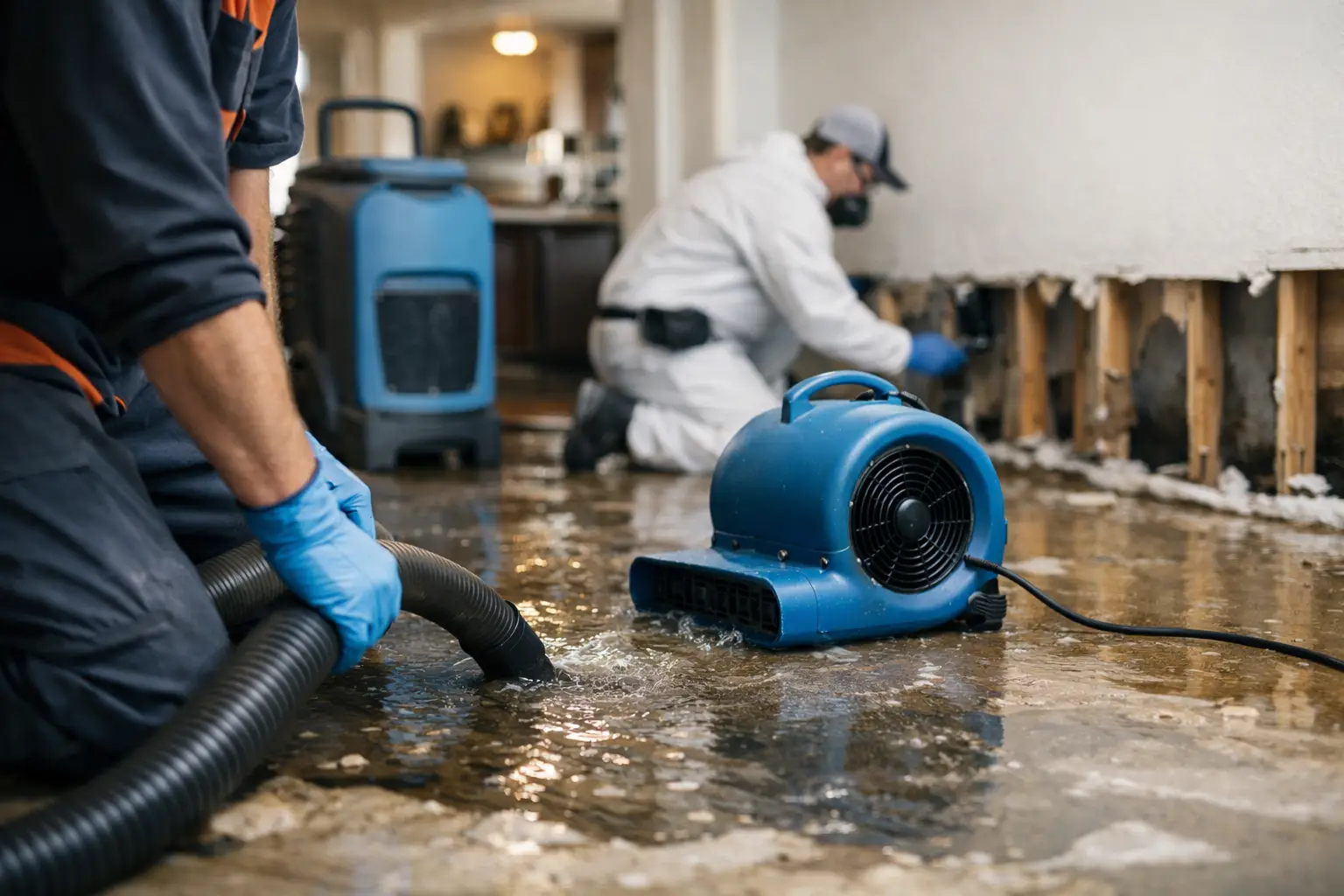 Water Damage
Extraction, structural drying, and moisture mapping after floods, leaks, and burst pipes.
Get help now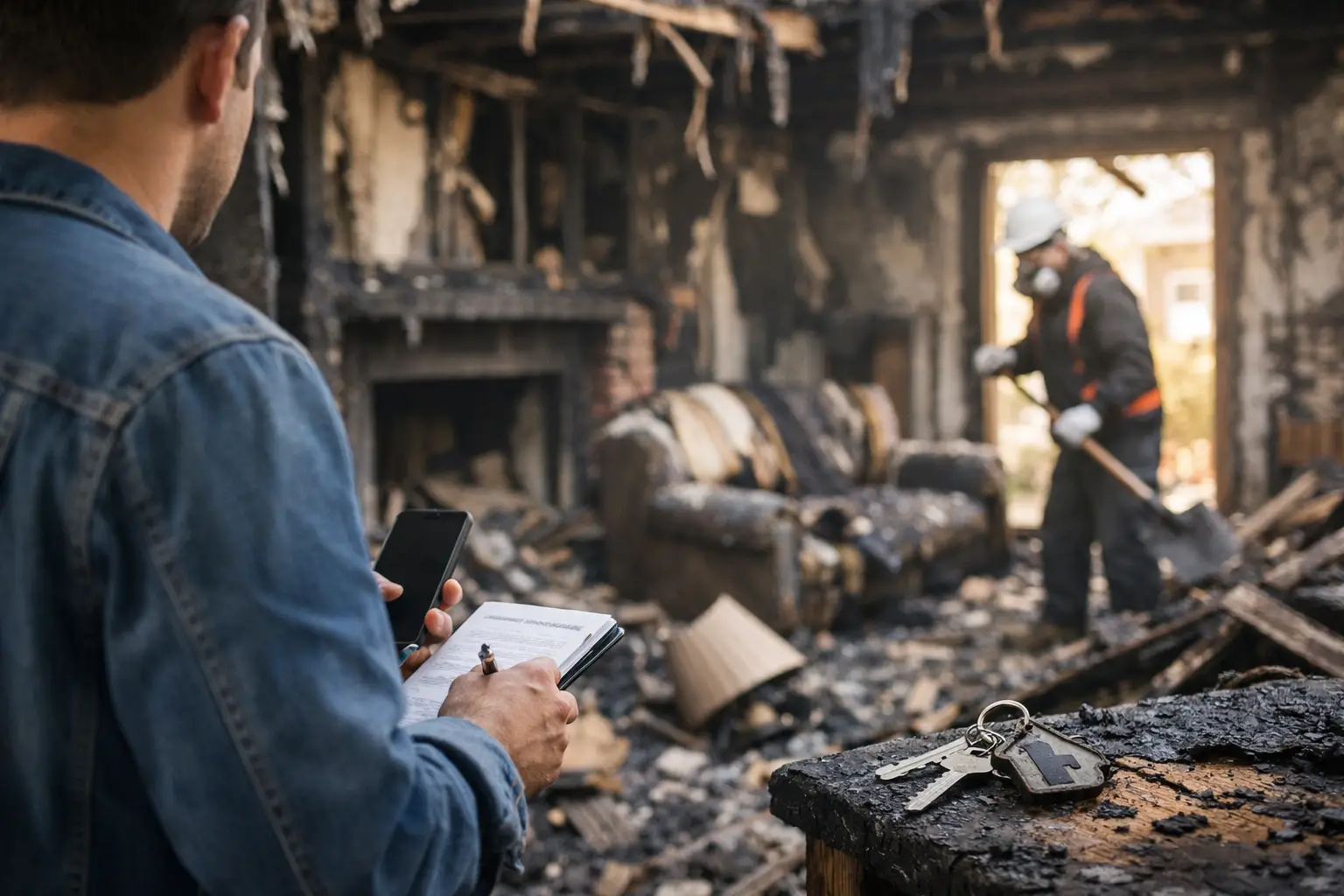 Fire & Smoke
Soot removal, odor deodorization, and content cleaning after fire and smoke damage.
Learn more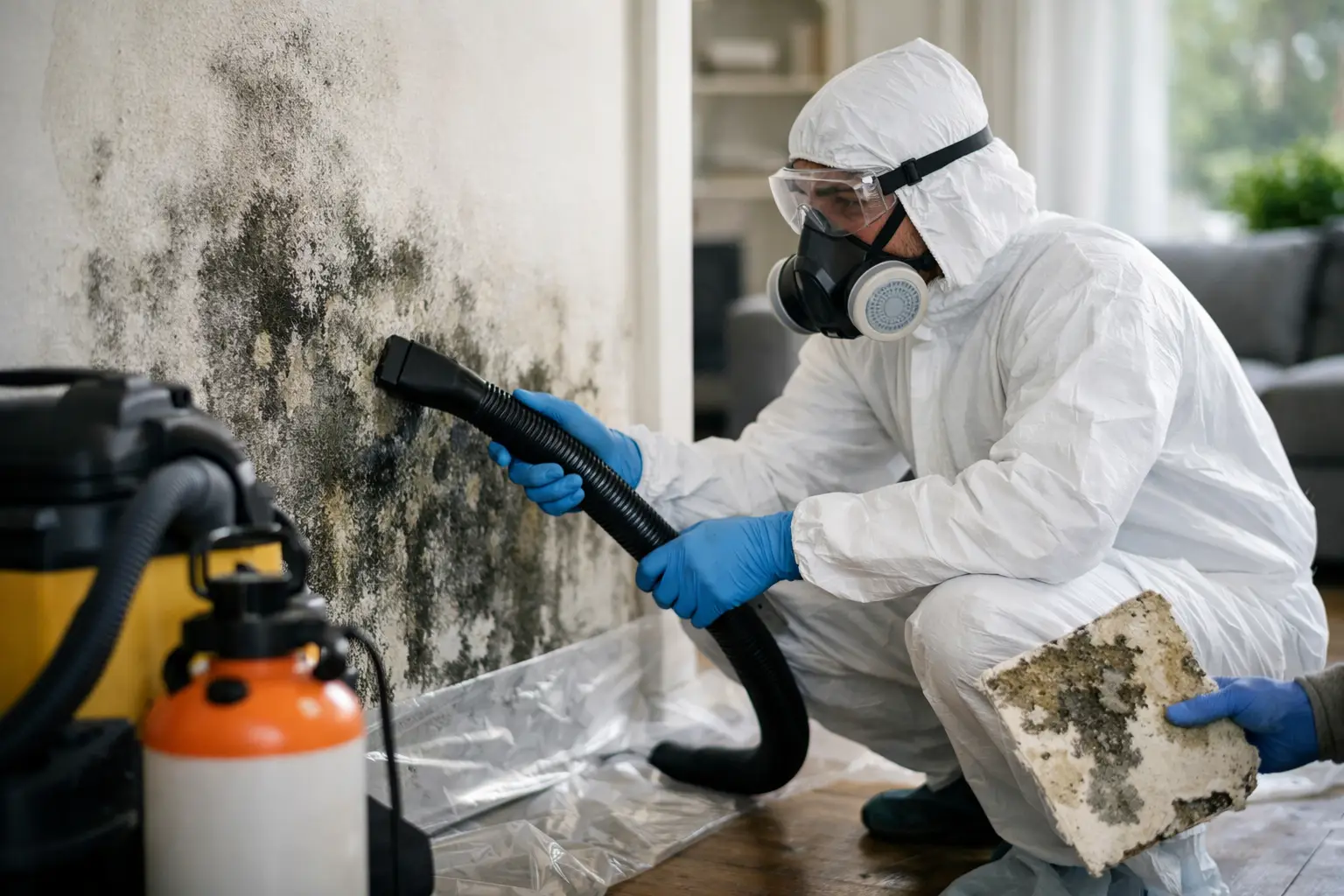 Mold
MoldContainment, removal, and moisture control that stops mold from coming back.
Learn more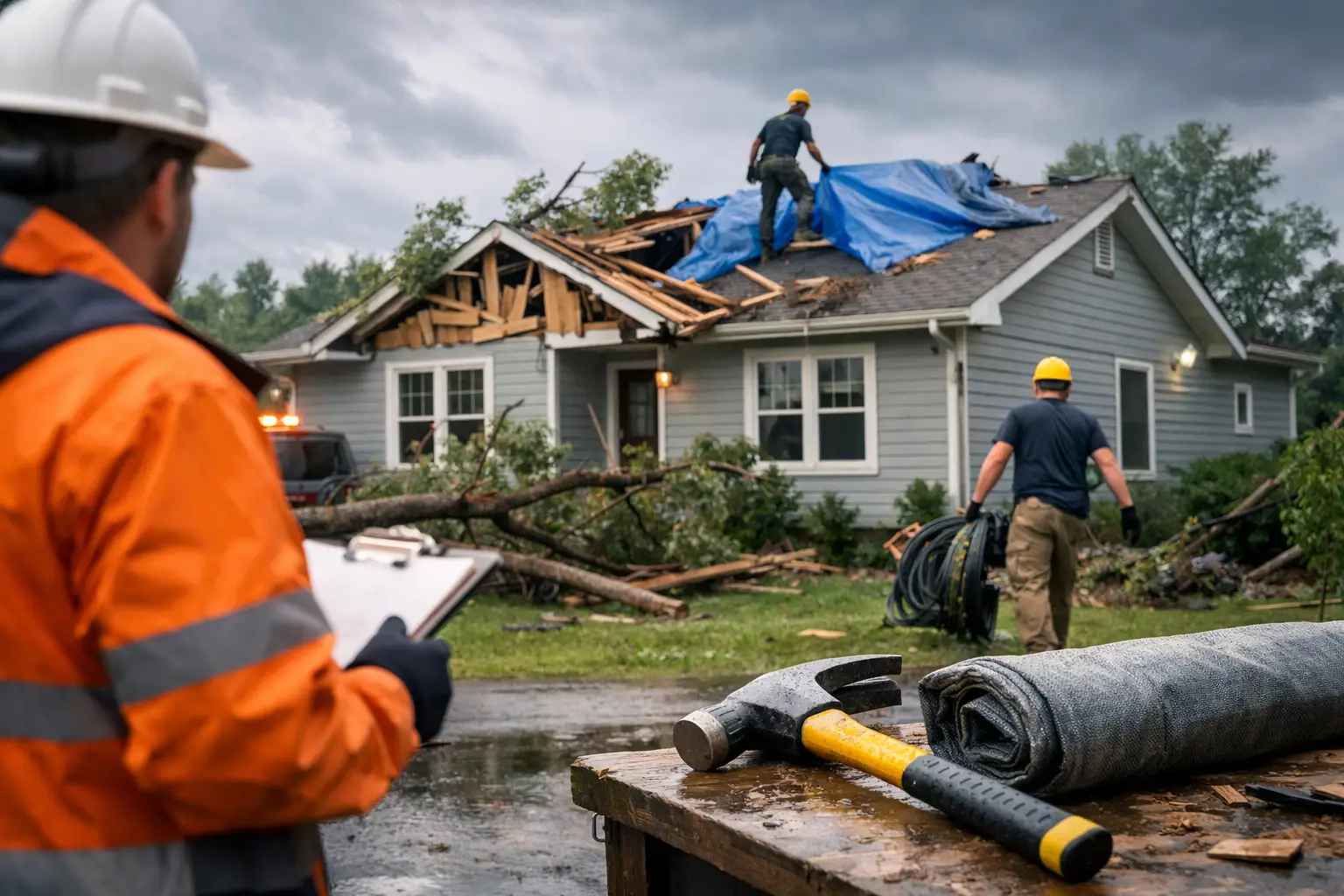 Storm
StormEmergency board-up, roof tarping, and full recovery after wind, hail, and storms.
Learn more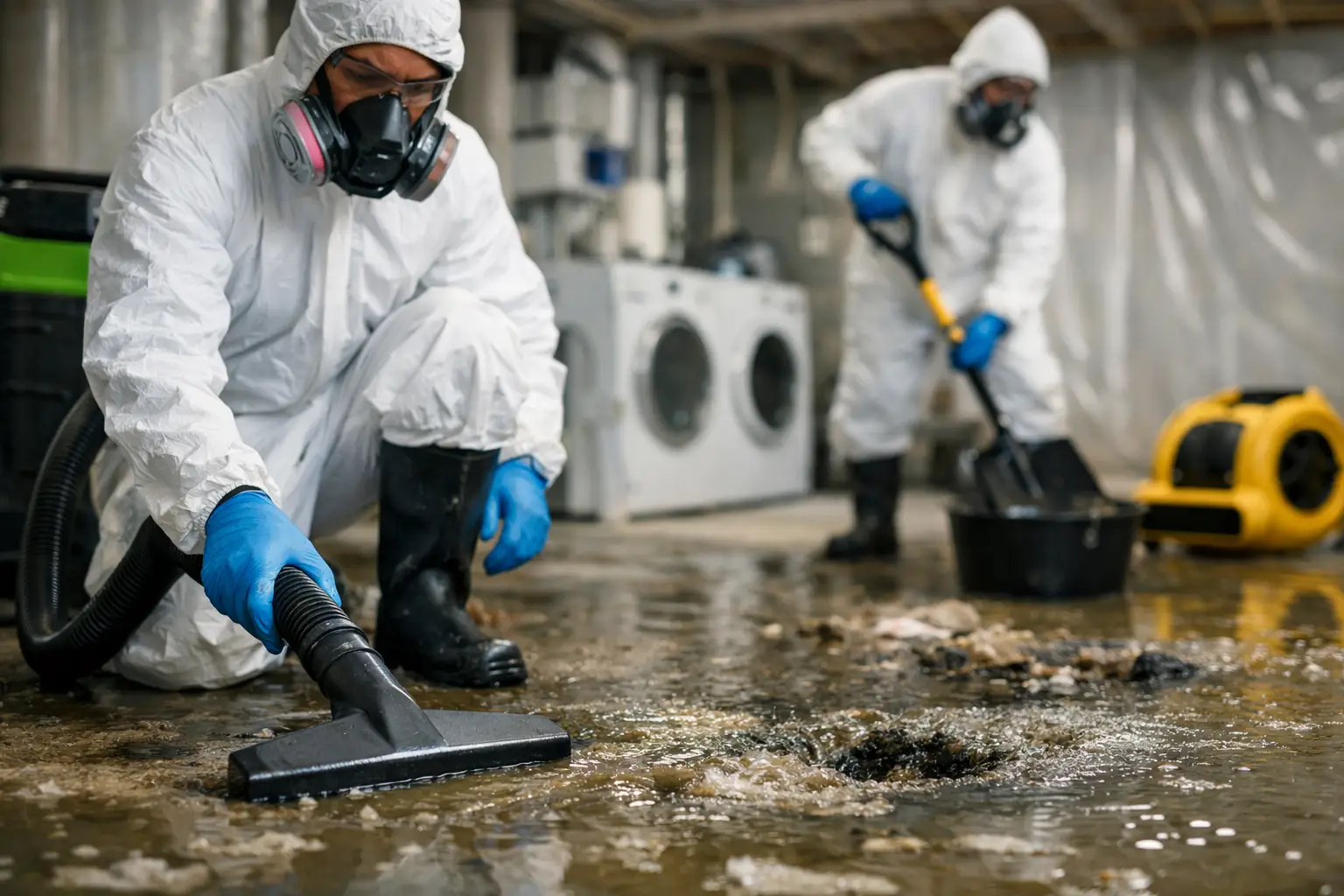 Sewage
Safe biohazard cleanup and sanitizing after sewage backups and overflows.
Learn more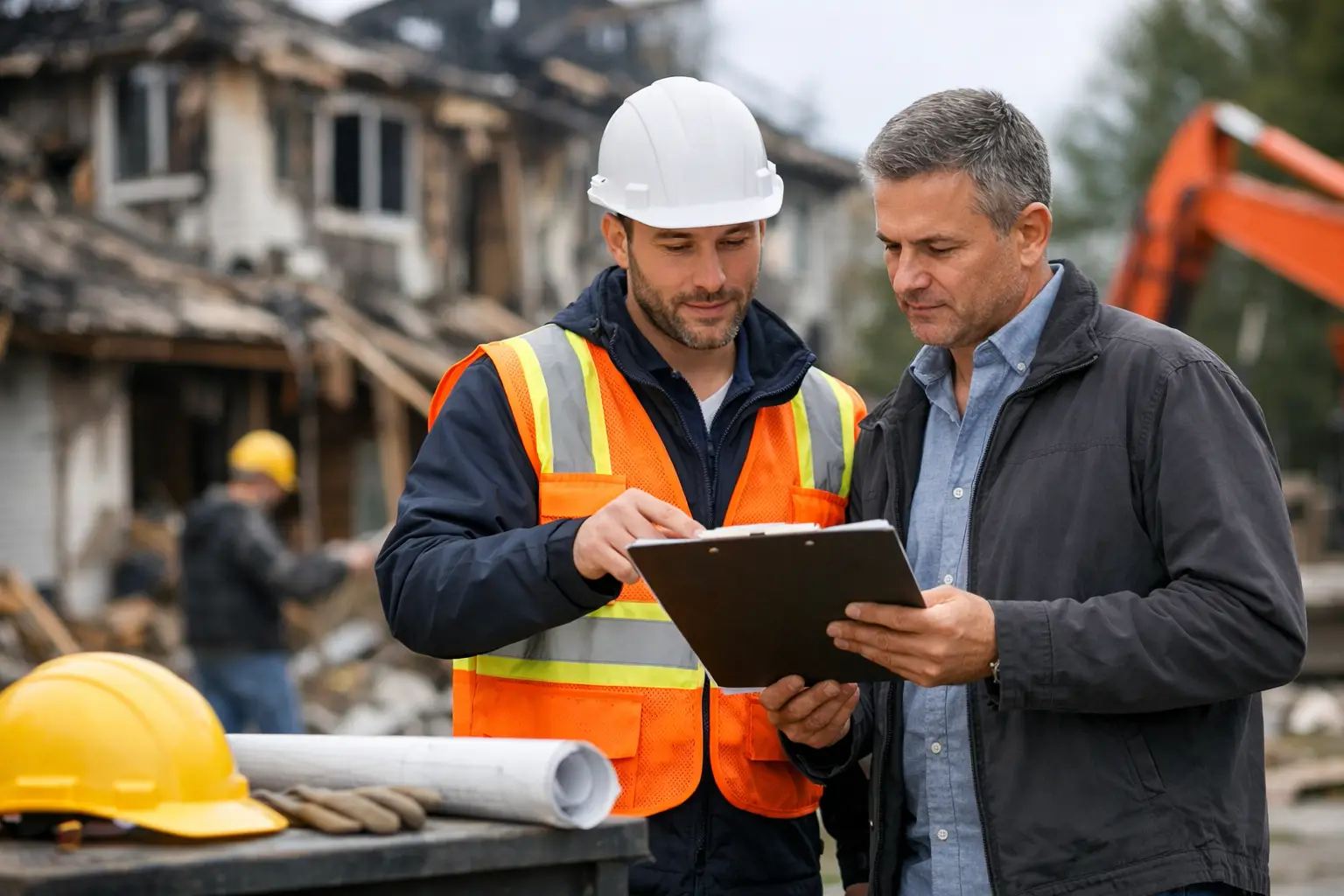 Reconstruction
Full rebuild by a licensed general contractor, so your property comes back whole.
Learn moreElevated Operations is an IICRC-certified, licensed general contractor based in Mableton that handles the entire recovery in-house, so after one loss you are never coordinating a cleanup crew, a mold crew, and a contractor separately. One team, one point of contact, from the first pump-out to the final coat of paint.
People call when the property feels like a disaster. They leave reviews because Chris and the crew made it right. These are real, verified Google reviews.
I offer 60-minute emergency response 24/7, and that matters when a storm has opened the home to rain or debris. In Hapeville, especially near Delta HQ and the airport edge, speed matters because weather can turn a small breach into a bigger interior loss. I focus first on stabilization, then I document and repair.
Call for emergency help right away and keep people out of the affected area if water is entering. I would start with roof tarping, then check for water intrusion, attic impact, and any need for temporary boarding. In older Hapeville homes, one exposed section can spread damage fast, so the first move has to be protection.
Yes. Hail damage repair is part of storm damage restoration when shingles, flashing, gutters, or exterior surfaces are impacted. Near the airport corridor, I also look closely at edges and transitions because those are the spots where hail and wind tend to show their worst effect. I document the damage and match repairs to what the storm actually caused.
Yes. Debris removal is often one of the first jobs I handle after a storm, especially if branches, roofing material, or broken exterior pieces are scattered around the property. I want the site safe before the repair phase starts, and that is important on tight Hapeville lots where access and cleanup can be harder.
If the storm broke an opening, I can use temporary boarding to protect the home while the repair plan is built. That is common when wind damage repair affects windows, doors, or trim. In Hapeville, where bungalows can have older openings and detailed trim work, I want the home secured before more weather moves in.
I look for signs that the storm affected framing, sheathing, roof decking, or other load-bearing parts of the home. Structural repair is not something I guess on, I confirm it through inspection and damage evidence. If the storm exposed the house near Delta HQ or in a bungalow area, I take the structure seriously from the start.
Yes. I use direct insurance billing and keep the documentation organized so the carrier can review the claim clearly. My goal is to make the repair path easier to follow, not harder. I have been in restoration since 2007, so I know how to keep the conversation focused on real damage and proper scope.
Yes. Completed work includes a 12-month warranty. I stand behind the repair work I do, whether the job involved roof tarping, water intrusion cleanup, wind damage repair, or structural repair. I want the homeowner to know the work was handled carefully and backed after the storm is over.
Elevated Operations dispatches IICRC-certified crews across Metro Atlanta from our Mableton base, with a 60-minute emergency response day or night. Choose your city:
Call now for an immediate response, or request your free inspection and get a certified crew on-site within the hour across Atlanta and nearby areas.