24/7 Emergency Restoration · Serving Metro AtlantaEmergency? (770) 404-6895
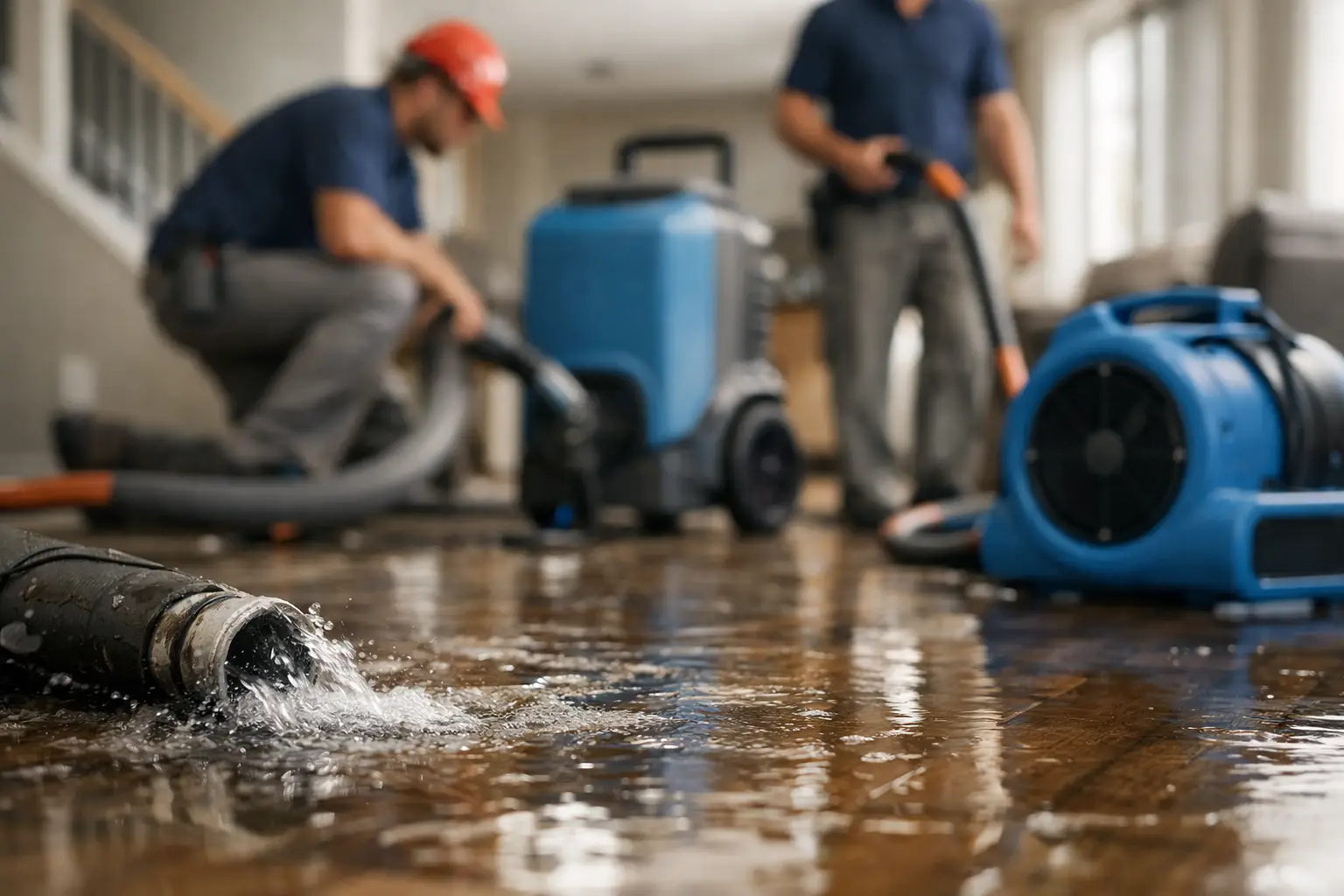
Water extraction and drying Union City is what I do when a leak, supply line break, or storm runoff puts a home in trouble. I send IICRC-certified technicians 24/7 from our Mableton base, use direct insurance billing, and back the work with a 12-month warranty.
IICRC-Certified · 5-Star Rated · 60-Minute Response · Insurance Billed Directly
That usually means moisture is still trapped underneath. I check it with moisture monitoring, then decide whether the job needs more extraction, air movers, or dehumidification.
Yes. I regularly handle water extraction and drying in South Fulton I-85 subdivisions and townhome layouts where water moves quickly between rooms and wall lines.
Yes. I explain what I found, what I removed, and what equipment I am using, so you know why the drying process is set up the way it is.
Yes. I back my restoration work with a 12-month warranty, and I stand behind the drying setup I put in place.
In the South Fulton I-85 subdivisions, I usually see water move fast through hall closets, laundry rooms, and carpeted living spaces, then sink into baseboards before anyone notices. I treat it as a water extraction and drying job right away, because waiting turns a wet room into a longer structural drying problem.
One call came from a family off the I-85 corridor, where a split supply line had pushed water across the hallway and into two bedrooms. We started with water removal, then set air movers to push moisture out of the carpet and pad while we watched the readings closely.
Another home had a first-floor laundry room that backed into a living area, which is common in newer subdivision layouts. I have seen that setup hide damage under trim and behind wall lines, so I do not guess. I inspect, extract, dry, and track the moisture monitoring data until the structure is stable.
And that is the difference here. Union City homes near the interstate often have tight floor plans, mixed flooring, and fast water spread. I do not treat that like a simple cleanup. I treat it like a focused drying process that has to protect the structure, the finish materials, and the insurance file.
I start with inspection, then remove standing water, then build the drying process around the materials that got wet. In Union City, that usually means wet carpet extraction, dehumidification, and air movers placed to pull moisture out of hidden spaces as well as visible ones.
I want the process clear. First I identify the source and stop more water from entering. Then I remove what is on the floor, including water extraction from carpet, padding, or hard surfaces. After that, I set up drying equipment based on the room layout and the amount of trapped moisture.
In many Union City homes, the challenge is not the standing water you can see. It is the damp underlayment, the baseboards, the lower wall cavities, and the framing behind a bathroom or laundry area. That is where moisture monitoring matters, because I want proof that the structure is actually drying.
IICRC-certified technicians handle the setup, the readings, and the adjustments. If the structure needs more dehumidification or a different air mover placement, I change it. I do not leave a job because the surface looks better. I stay with it until the drying process is complete.
I use the right mix of extractors, air movers, and dehumidifiers, then I adjust the setup based on what Union City homes are actually holding inside the walls and floors. The equipment is there to remove water, speed evaporation, and control humidity so the structure can dry correctly.
For wet carpet extraction, I use extraction equipment that pulls water out before it settles deeper into the pad and subfloor. After that, I place air movers where they can hit the wet surfaces and hidden edges, not just the middle of the room where air already moves naturally.
Dehumidification is a big part of this work in Union City, especially when the air inside the home gets heavy after a water event. If I do not control the humidity, the building can hold onto moisture longer than it should. That can slow the structural drying plan and leave the job incomplete.
I also rely on moisture monitoring tools to track the progress day by day. That matters in South Fulton subdivisions because newer homes can still have layered materials that trap water in a quiet way. I want numbers that tell me what is drying and what still needs attention.
Structural drying matters because the visible water is only part of the problem. In Union City homes, moisture can stay trapped in drywall, trim, flooring layers, and framing, so I dry the structure itself, not just the surface, to reduce the risk of hidden damage later.
I have seen a room look fine after a quick cleanup, then show soft baseboards or lingering odor days later because the structure was never dried properly. That is why I focus on the materials below the surface. If water reached the framing or wall cavity, the structure has to be addressed directly.
In the South Fulton I-85 subdivisions, homes often have open floor plans that spread moisture farther than people expect. A small overflow in a laundry room can affect adjacent rooms fast. Structural drying keeps that water from sitting inside the building where it can keep causing problems.
And I do not say that lightly. A wet surface can fool people. A dry floor can still hide moisture underneath. My job is to make sure the structure is actually ready, not just presentable. That is how I approach every water extraction and drying call in Union City.
Drying time depends on how far the water moved, what materials got wet, and how quickly I can start the work. In Union City, I look at carpet, padding, drywall, cabinets, and framing, then use moisture monitoring to decide when the structure has truly dried.
I do not give fake time promises because water damage is not a guess-and-go job. A hallway carpet with surface water is one thing. A laundry leak that soaked into trim and wall cavities is another. The drying process has to match the actual materials and the actual readings.
Union City homes near the interstate can have a fast timeline for water spread, especially in tight subdivisions where rooms connect quickly. That means I respond fast, start extraction fast, and then watch the readings instead of assuming the job is done when the floor looks better.
If the job involves hidden dampness, I keep the equipment in place until the moisture levels support removal. That is where patience matters. I would rather keep dehumidification and air movers running than rush a homeowner into a rebuild before the structure is ready.
I treat wet carpet extraction as the first step, not the finish line. In Union City, carpet water often means the pad, tack strip, baseboard, and subfloor also need attention, so I keep going until the full drying process is under control.
A carpet can look simple from the doorway, especially in a townhome or subdivision home off the I-85 corridor. But water does not stop at the top layer. It follows seams, edges, and low spots. That is why I lift, inspect, extract, and dry in sequence instead of taking shortcuts.
If the carpet was salvageable, I use extraction and drying equipment to reduce what has soaked through. If the pad or underlying materials stayed wet too long, I discuss the condition honestly. I am a licensed general contractor, and I look at the structure, not just the fabric.
That honest approach matters in insurance claims too. I offer direct insurance billing, and I keep the file clean with documentation. If the floor system needs more attention, I say so. I do not pretend wet carpet extraction solved a problem that is still sitting in the house.
A Union City townhome off the South Fulton I-85 subdivisions had a laundry supply leak that spread under carpet and into the base of a shared wall. We handled water removal, set air movers, and kept moisture monitoring on the wall line until the structure settled.
A kitchen overflow in a newer subdivision home moved into the living room and hall, where the carpet held water under the surface. We used wet carpet extraction, dehumidification, and targeted structural drying so the wet spots did not turn into hidden damage.
A bathroom leak looked small at first, but it had already reached trim and drywall below the vanity. We extracted what was visible, checked the wall area, and used moisture monitoring to keep the drying process honest instead of relying on appearances.
From emergency mitigation to full reconstruction, handled in-house so you are never managing a chain of subcontractors mid-crisis.
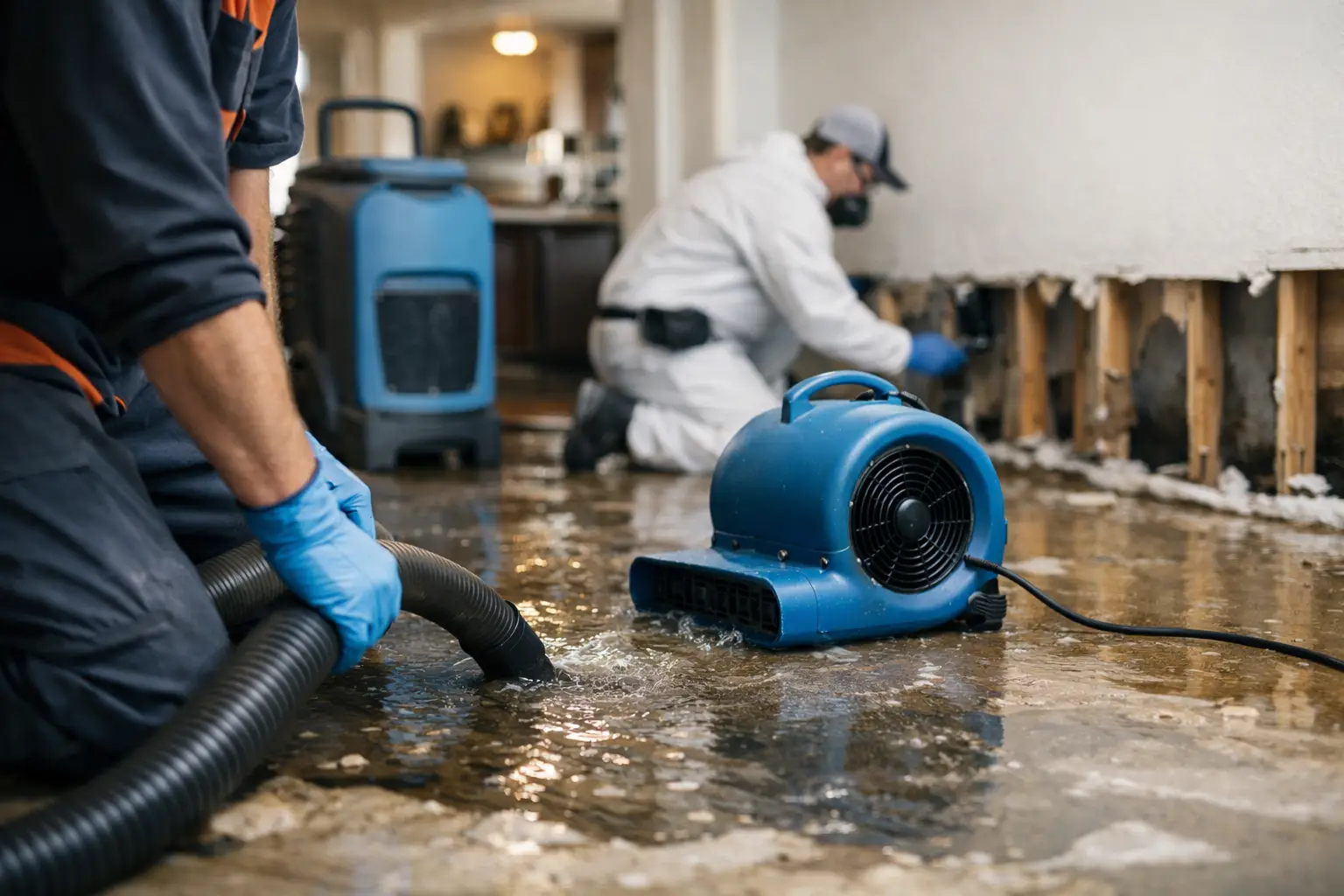 Water Damage
Extraction, structural drying, and moisture mapping after floods, leaks, and burst pipes.
Get help now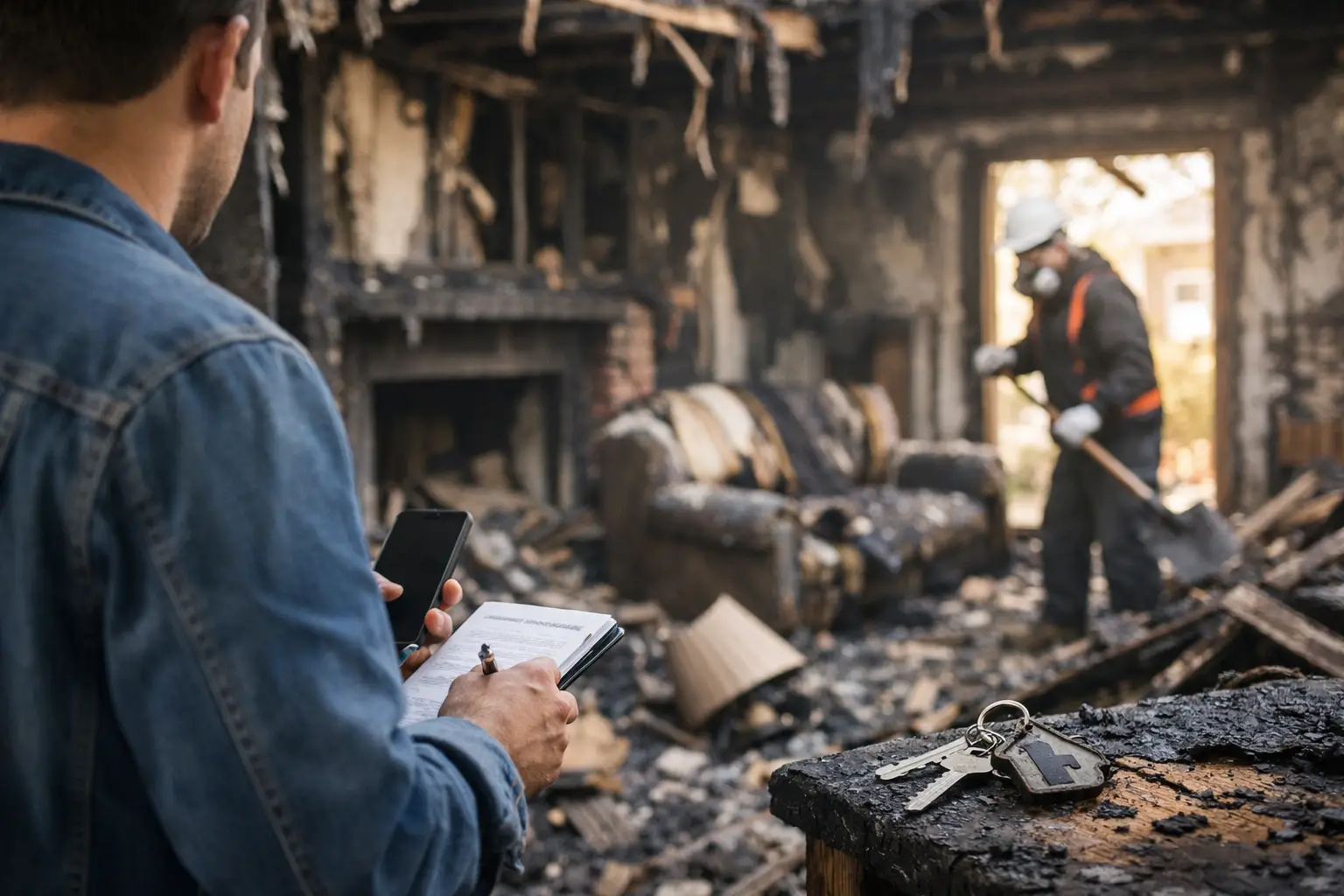 Fire & Smoke
Soot removal, odor deodorization, and content cleaning after fire and smoke damage.
Learn more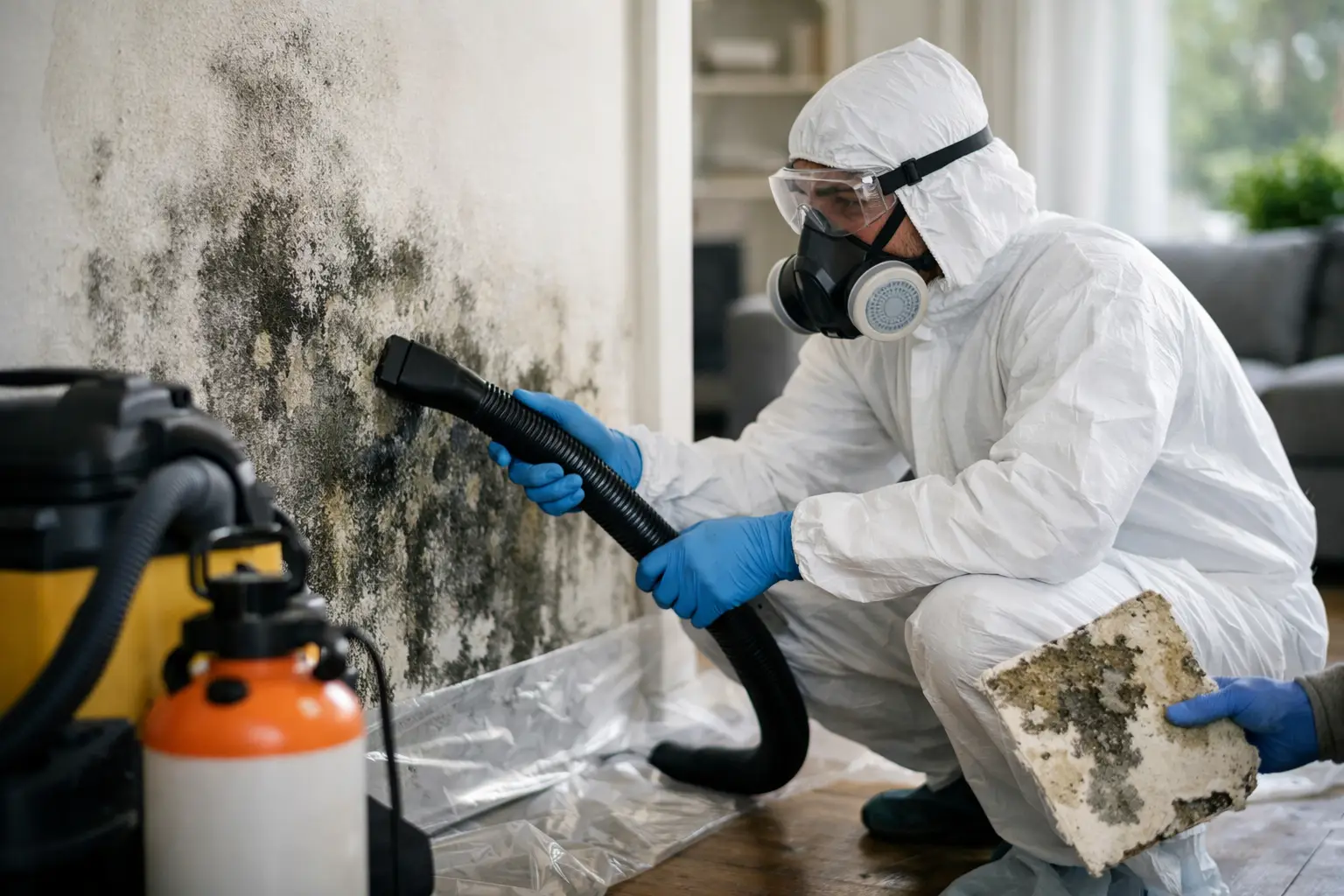 Mold
MoldContainment, removal, and moisture control that stops mold from coming back.
Learn more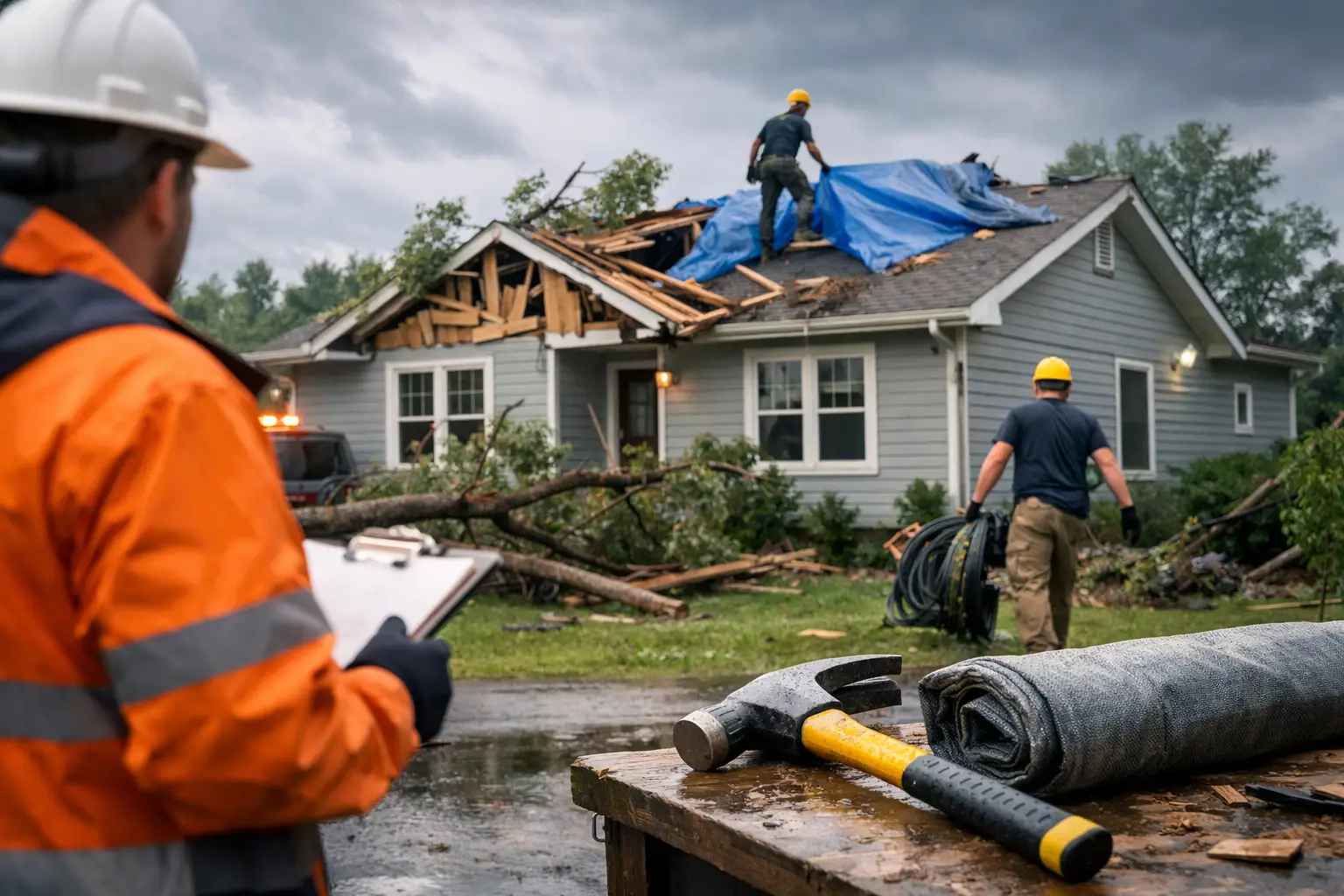 Storm
StormEmergency board-up, roof tarping, and full recovery after wind, hail, and storms.
Learn more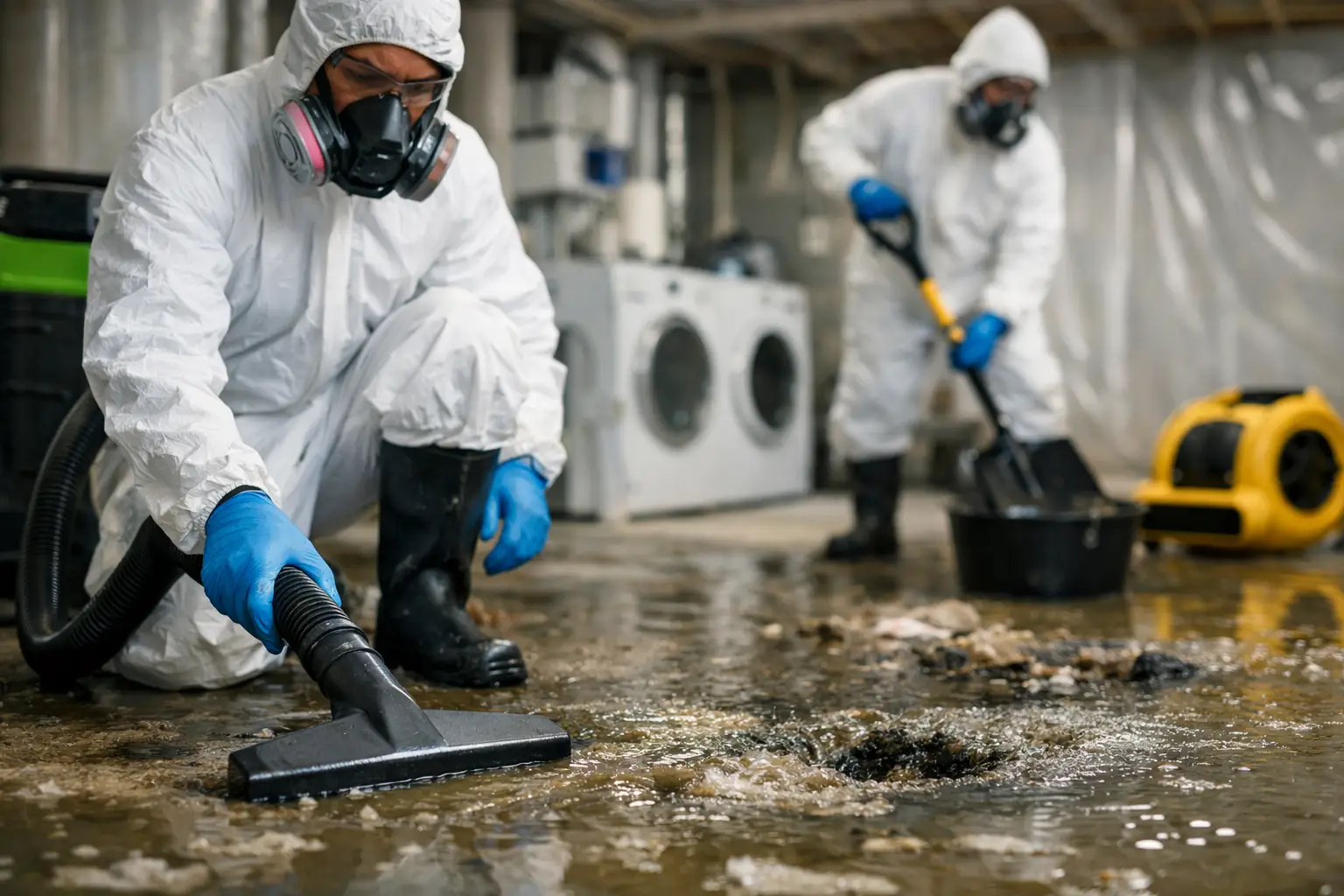 Sewage
Safe biohazard cleanup and sanitizing after sewage backups and overflows.
Learn more Reconstruction
Full rebuild by a licensed general contractor, so your property comes back whole.
Learn moreElevated Operations is an IICRC-certified, licensed general contractor based in Mableton that handles the entire recovery in-house, so after one loss you are never coordinating a cleanup crew, a mold crew, and a contractor separately. One team, one point of contact, from the first pump-out to the final coat of paint.
People call when the property feels like a disaster. They leave reviews because Chris and the crew made it right. These are real, verified Google reviews.
Yes. I handle water extraction and drying in Union City homes near the South Fulton I-85 subdivisions, including townhomes, ranches, and newer subdivision layouts. I start with water removal, then build the drying setup around the actual materials that got wet. I do not guess at hidden moisture, I measure it and keep working until the structure is ready.
I offer 24/7 emergency response with a 60-minute emergency response target. From our Mableton base, I send IICRC-certified technicians to Union City for urgent water extraction and drying. That matters when carpet, trim, or wall cavities are still getting wetter by the minute. The faster I start, the more of the structure I can protect.
If water got into carpet in a Union City living room, I treat it as a wet carpet extraction job first, then I check the pad, tack strip, and nearby baseboards. Carpet can hide a lot of moisture. I use air movers and dehumidification to keep the drying process moving and to stop lingering dampness from sitting under the surface.
Yes. I provide direct insurance billing for qualifying water damage work in Union City. That helps when the claim needs clear documentation for water extraction and drying, moisture monitoring, and any structural drying steps. I keep the paperwork organized so the carrier can see what was done and why it was necessary.
Structural drying matters because bathrooms and laundry rooms can send water into walls, floors, and trim before anyone notices. In Union City, that is especially true in compact subdivision layouts where rooms connect tightly. I dry the structure itself, not just the visible surface, so trapped moisture does not stay behind and create bigger problems later.
I bring equipment for water removal, wet carpet extraction, air movers, and dehumidification, then I add moisture monitoring so I know what is actually drying. The setup changes based on the home, because a townhome off I-85 is not the same as a larger subdivision house with different floor materials and hidden cavities.
Yes. Overnight leaks are common, and they are exactly why I keep 24/7 emergency response in place. If a Union City home wakes up to standing water or soaked carpet, I move fast with extraction and drying. The goal is to stop the spread early, protect the structure, and keep the damage from getting deeper while everyone is still figuring out what happened.
You know the drying process is finished when the moisture monitoring results show the affected materials are back where they need to be, not when the surface merely looks dry. I check the structure, adjust equipment if needed, and remove it only when the readings support that decision. That is how I keep Union City jobs honest.
Elevated Operations dispatches IICRC-certified crews across Metro Atlanta from our Mableton base, with a 60-minute emergency response day or night. Choose your city:
Call now for an immediate response, or request your free inspection and get a certified crew on-site within the hour across Atlanta and nearby areas.