24/7 Emergency Restoration · Serving Metro AtlantaEmergency? (770) 404-6895
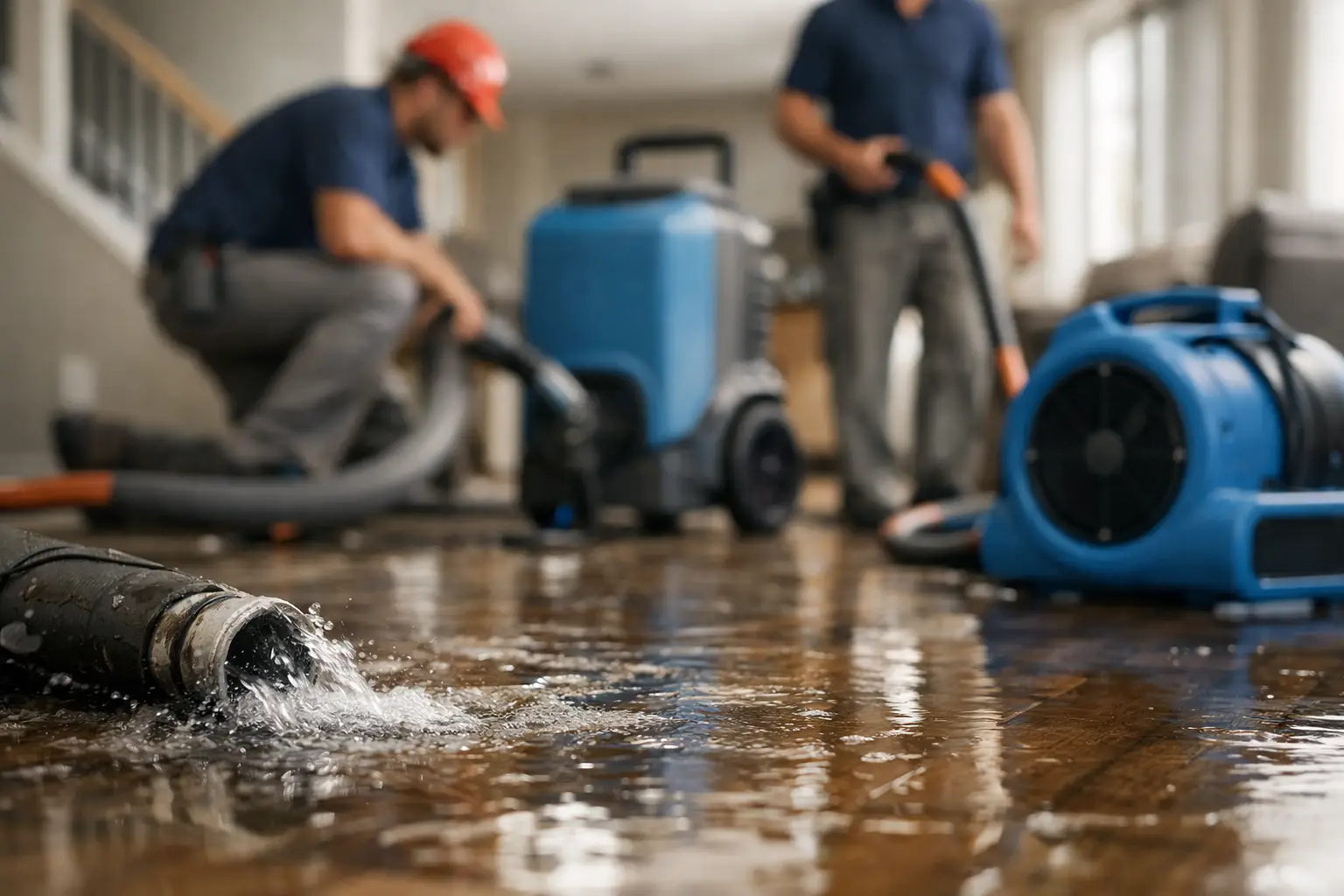
Water extraction and drying Forest Park starts with fast water removal, then controlled structural drying before damage spreads into walls, floors, and air. I am Chris Kwangwari, owner of Elevated Operations, LLLP, and I handle Forest Park calls with IICRC-certified technicians, 24/7 emergency response, direct insurance billing, and a 12-month warranty.
IICRC-Certified · 5-Star Rated · 60-Minute Response · Insurance Billed Directly
If the carpet feels saturated or the pad stays wet, yes. Wet carpet extraction can save materials, but I always check the subfloor and baseboards too because hidden moisture matters as much as the carpet itself.
No. Air movers help, but they need dehumidification and moisture monitoring to finish the job correctly. Without the full drying setup, damp air can stay trapped in the room and slow progress.
Absolutely. Post-war construction and later additions can hide moisture in walls, floors, and crawlspaces. I check those areas because surface cleanup does not mean the structure is dry.
Call as soon as you see standing water, soaked carpet, or a musty odor. Fast action helps limit damage, and I offer 24/7 emergency response for Forest Park properties.
Start with safety, stop the source if you can, and call for water extraction and drying Forest Park before the moisture moves deeper. In Forest Park, that matters because post-war homes, airport-adjacent buildings, and older industrial spaces can hide water in subfloors, wall cavities, and insulation fast.
I tell owners to look at the biggest visible problem first, then the hidden ones. Wet carpet, swollen baseboards, sagging drywall, and a musty smell are all early signs that water is moving beyond the surface and into materials that need professional water removal.
Forest Park has a lot of mixed building stock, so I treat each property differently. A mid-century ranch near residential streets does not dry the same way as a warehouse or a light industrial unit closer to Fort Gillem and the airport corridor.
And that is where experience matters. Since 2007, I have seen small leaks turn into bigger structural drying jobs because someone waited. The right first step is quick extraction, then moisture monitoring so I can tell what is dry and what still needs work.
Water extraction and drying in Forest Park works in stages, removal first, then dehumidification, air movers, and moisture monitoring until the structure reaches safe dryness. I do not guess. I map the wet areas, pull the water out, and keep checking the building until the drying process is complete.
I start by removing standing water and checking how far it traveled. Wet carpet extraction often saves materials if it begins early, but if the pad, subfloor, or drywall have taken on too much moisture, I adjust the plan instead of forcing a bad outcome.
Then I place air movers and dehumidification equipment to push moisture out of affected materials and into the drying equipment where it belongs. In Forest Park, that can mean a tight residential crawlspace or a larger commercial bay near industrial routes with tougher airflow conditions.
Moisture monitoring is the part that keeps people honest. I measure progress, not guesses, because post-war homes and older additions can trap water in places you cannot see. That is how I keep drying focused, efficient, and tied to the actual structure.
The core tools are pumps or extraction equipment, wet carpet extraction tools, air movers, dehumidification units, and moisture meters. For Forest Park properties, I choose the setup based on the building, because a ranch near the old residential grid and a warehouse near Fort Gillem do not dry the same way.
Water removal starts with the right extraction tool. If carpet is salvageable, I use wet carpet extraction to pull water out of the fibers and pad as efficiently as possible. If the water has moved into hard flooring or behind trim, the equipment changes with the damage.
Air movers are there to keep air circulating across wet materials, and dehumidification removes the moisture that gets driven into the air. That pairing matters in Forest Park, where humidity and enclosed spaces can slow the drying process if the setup is weak or incomplete.
IICRC-certified technicians know how to place equipment so it works together instead of fighting itself. That is the difference between running machines and actually drying a structure. The goal is always the same, stabilize the building and stop secondary damage.
Structural drying is important because water does more than soak surfaces, it weakens framing, drywall, insulation, and subfloors if it stays too long. In Forest Park, where many properties were built in post-war years and adapted over time, hidden moisture can damage the structure before it is obvious.
I have seen owners focus on the carpet and miss the framing underneath. That is a mistake. Structural drying addresses the materials that hold the building together, not just the visible wet spots. If those materials stay damp, repairs get bigger and more expensive later.
Forest Park properties near airport and industrial corridors often have mixed-use layouts, additions, or older utility runs. Those features create pockets where moisture hides. That is why I do moisture monitoring throughout the drying process, not just at the start.
And there is another reason I push structural drying hard, mold starts in 24 to 48 hours under the right conditions. If the building stays wet, you are not just dealing with water damage anymore. You are dealing with a contamination problem too.
Drying time after water damage depends on how much water entered, what materials got wet, and how quickly water extraction and drying began. I do not give fake timelines. I inspect the structure, set the equipment, and track moisture until the materials are actually dry, not just surface dry.
A small supply line leak in a residential room may dry much faster than a saturated commercial space near Fort Gillem or a property with soaked subflooring. The building type, airflow, and material density all matter more than guesswork.
If carpet, pad, drywall, or insulation are affected, the drying process takes longer because those materials hold water differently. That is why I focus on dehumidification and air movers as a system, not as separate pieces of gear sitting in a room.
My job is to keep the property moving toward dry conditions while checking it along the way. I would rather tell a client the truth and keep monitoring than promise a speed number that does not match the actual moisture readings.
Forest Park has a mix of post-war housing, industrial buildings, and airport-area traffic patterns that change how water extraction and drying should be handled. I factor in the building age, layout, and access issues because those details affect water removal, equipment placement, and how moisture moves.
Older homes often have tighter cavities, original materials, or additions that were not built to modern standards. That means water can travel in strange ways, especially around floors, closets, and wall intersections. I treat those spaces carefully instead of blasting air where it does not help.
Industrial spaces and storage buildings near Fort Gillem or the airport corridor can have bigger open volumes, but that does not make them easier. Wet carpet extraction, concrete moisture, and wall cavity drying each require different methods and monitoring targets.
I base my work on the property in front of me. Elevated Operations, LLLP is based in Mableton, but I bring the same direct, no-nonsense process to Forest Park because the job is to dry the structure correctly the first time.
If carpet stays heavy or spongy after the leak stops, it needs water removal and often wet carpet extraction before the pad starts breaking down.
A smell at the wall line usually means moisture has moved into hidden materials, which is a cue for structural drying and moisture monitoring.
Swelling means the water is already in the material, not just on top of it, and the drying process needs to start right away.
Older Forest Park homes can trap moisture below the floor, so I check crawlspaces and framing when the main level looks only mildly affected.
If the room still feels damp after fans are running, dehumidification may be incomplete or moisture may be hiding deeper in the structure.
From emergency mitigation to full reconstruction, handled in-house so you are never managing a chain of subcontractors mid-crisis.
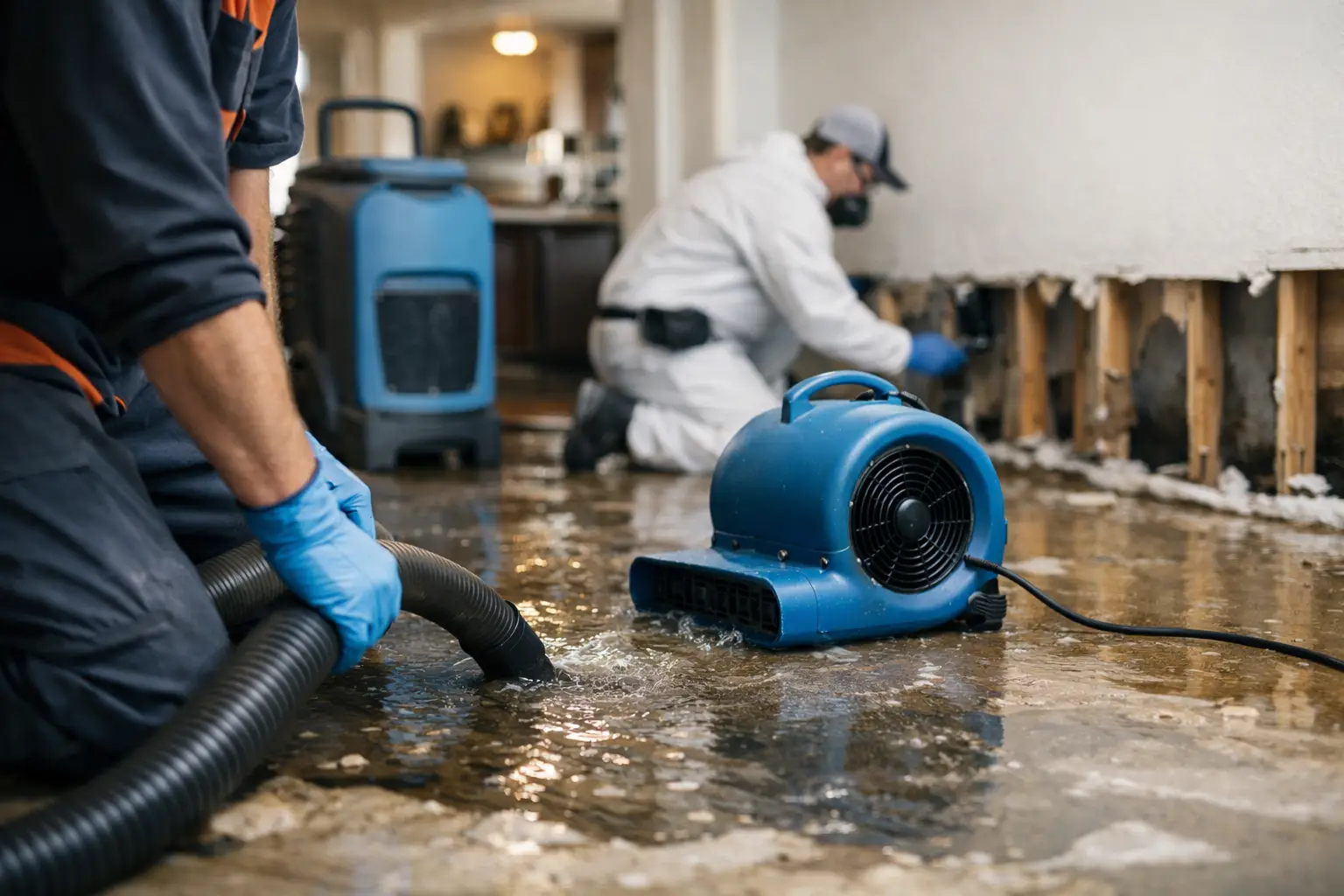 Water Damage
Extraction, structural drying, and moisture mapping after floods, leaks, and burst pipes.
Get help now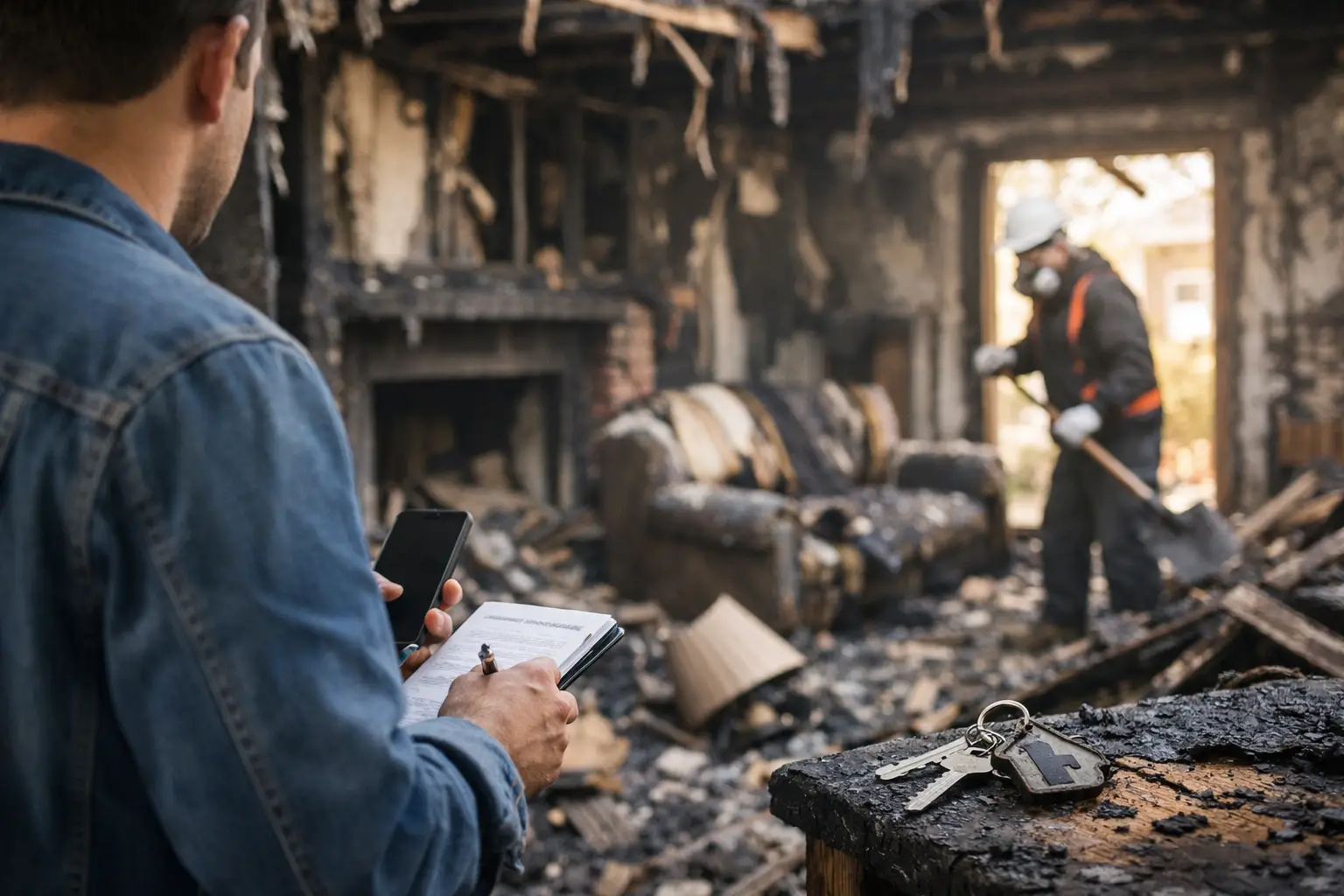 Fire & Smoke
Soot removal, odor deodorization, and content cleaning after fire and smoke damage.
Learn more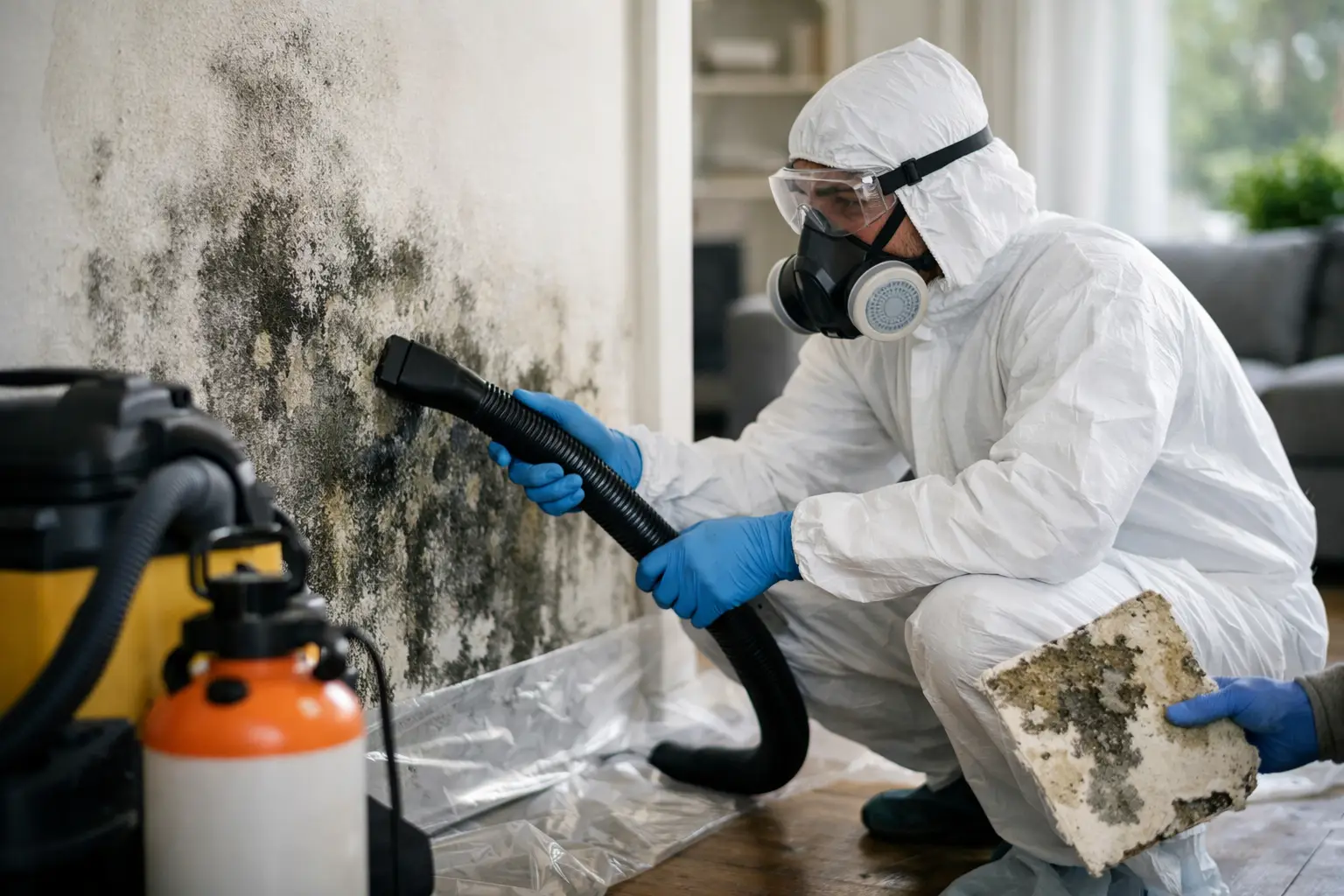 Mold
MoldContainment, removal, and moisture control that stops mold from coming back.
Learn more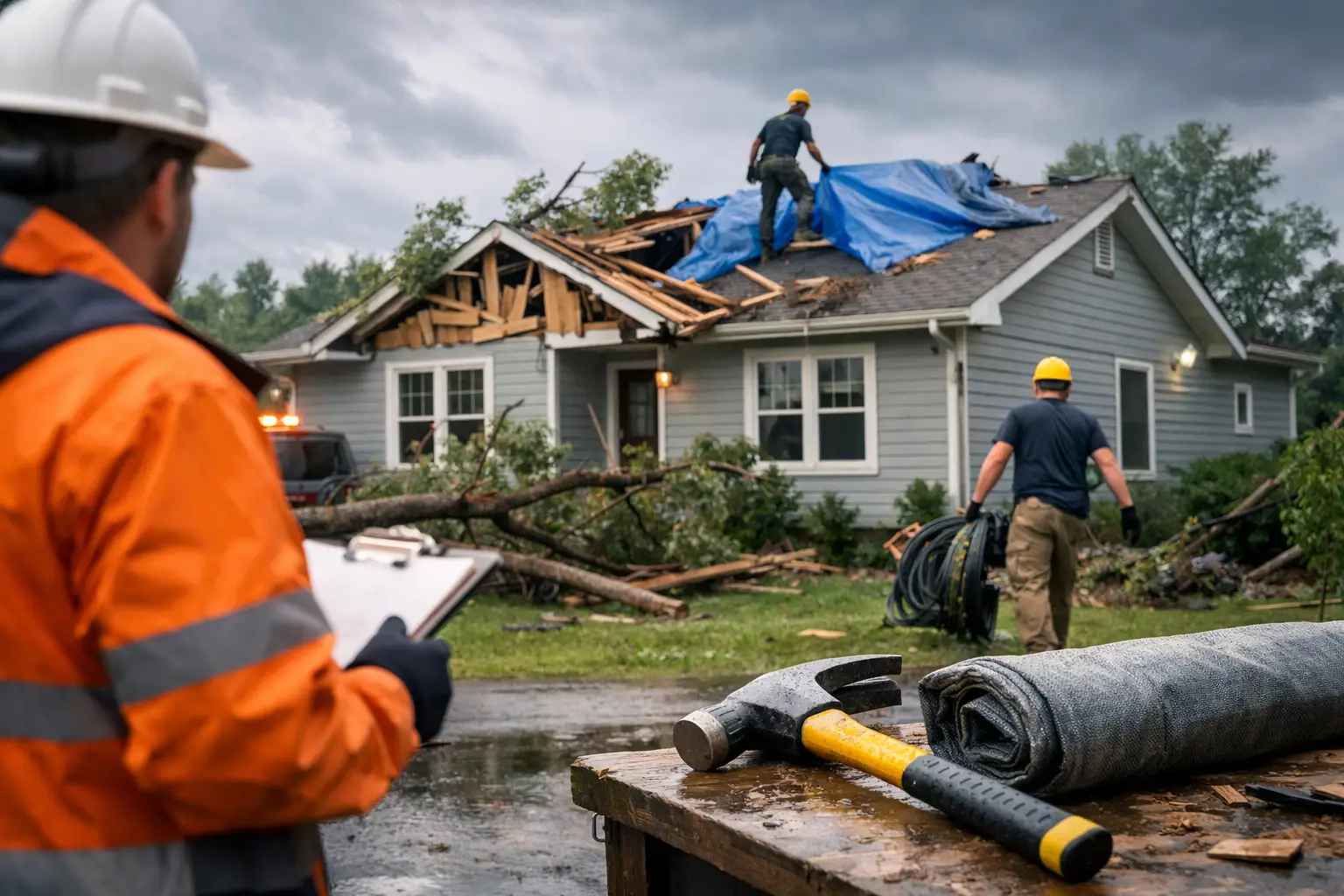 Storm
StormEmergency board-up, roof tarping, and full recovery after wind, hail, and storms.
Learn more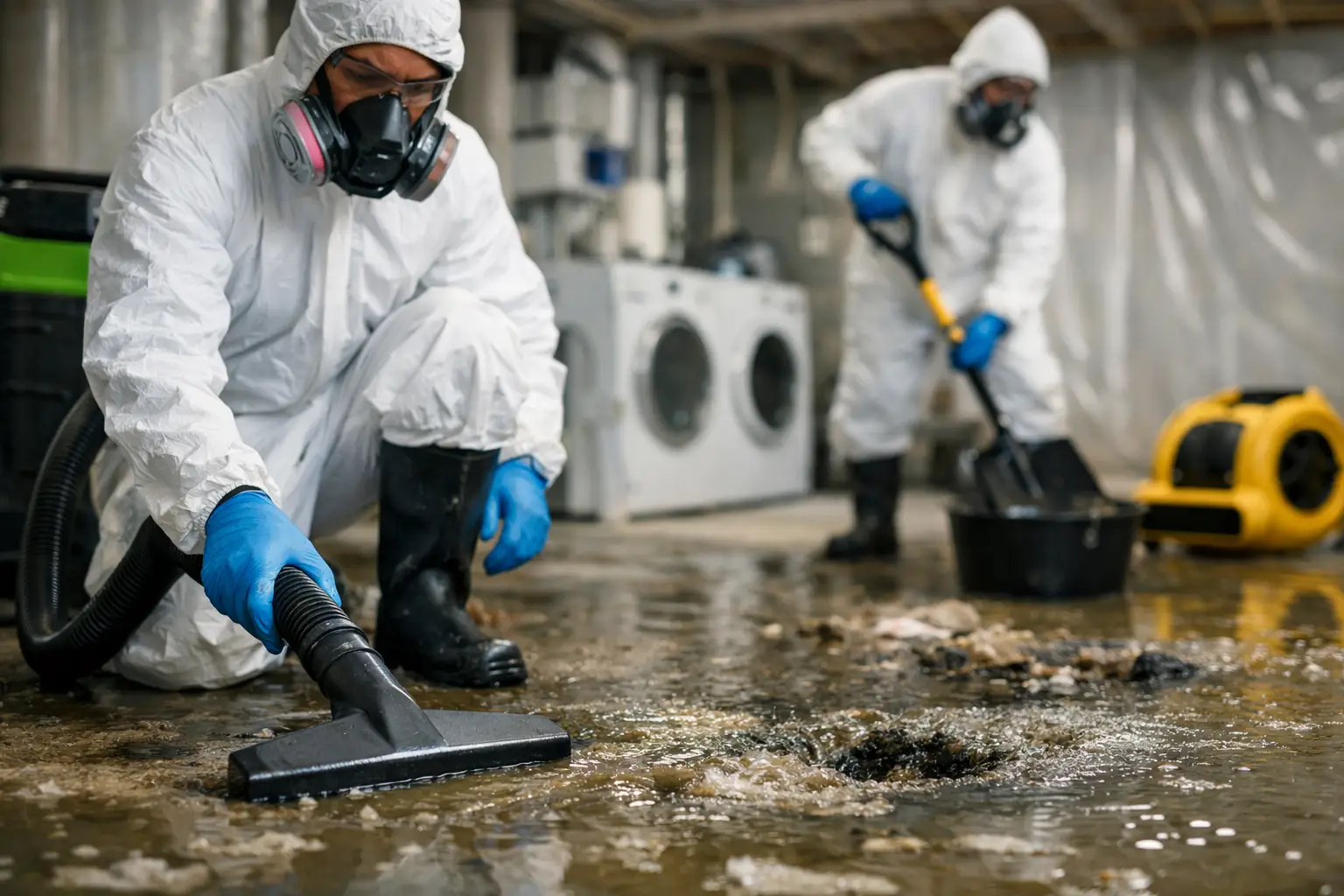 Sewage
Safe biohazard cleanup and sanitizing after sewage backups and overflows.
Learn more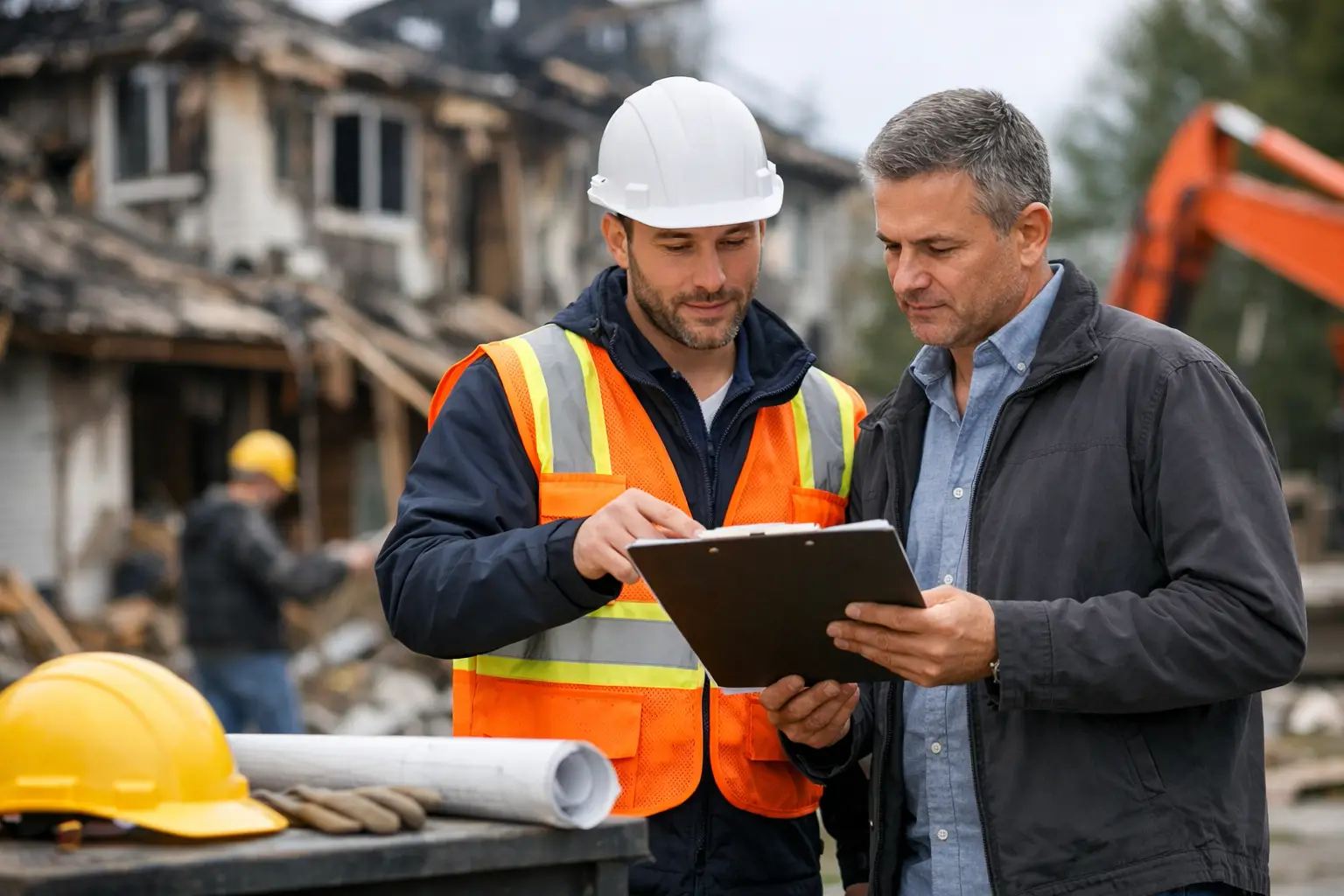 Reconstruction
Full rebuild by a licensed general contractor, so your property comes back whole.
Learn moreElevated Operations is an IICRC-certified, licensed general contractor based in Mableton that handles the entire recovery in-house, so after one loss you are never coordinating a cleanup crew, a mold crew, and a contractor separately. One team, one point of contact, from the first pump-out to the final coat of paint.
People call when the property feels like a disaster. They leave reviews because Chris and the crew made it right. These are real, verified Google reviews.
They often do, because the mix of post-war construction and industrial surroundings can change how moisture moves through the building. I look at access, building age, and hidden cavities before I choose equipment. That keeps water extraction and drying focused on the actual structure instead of just the visible wet spot.
Yes, and I approach those jobs differently than a house. Industrial spaces often have wider footprints, harder surfaces, and fewer soft materials, but water can still migrate into seams, baseplates, and walls. I use IICRC-certified technicians, direct insurance billing, and a practical drying plan built for the space.
That usually means the water is trapped in the pad, subfloor, or edge of the room. Wet carpet extraction can help if the carpet is still salvageable, but I also check the moisture underneath. If the structure is wet, the drying process has to keep going.
Because air in the room fills with moisture once water is removed from surfaces. Dehumidification pulls that moisture back out of the air so the structure can keep drying. Without it, air movers can move damp air around and slow the entire process down.
I use moisture monitoring to track what is actually changing in the building. Older Forest Park homes can have hidden voids, patchwork repairs, and mixed materials that dry at different speeds. I check the readings, adjust equipment, and keep the work tied to the condition of the structure.
Yes. I offer direct insurance billing, and I also help with the deductible up to $1,000 when applicable. That matters when you are dealing with a leak, a crawlspace issue, or a larger water loss and do not want billing to slow the response.
Yes, Elevated Operations, LLLP uses IICRC-certified technicians, and I am a licensed general contractor. I have been in restoration since 2007, and I back the work with a 12-month warranty. I bring that same standard to every Forest Park call.
Call (770) 404-6895. I answer 24/7 for emergency response, and I keep the process direct, from first call to inspection to drying. If the building is in Forest Park, I know what kind of construction I am walking into.
Elevated Operations dispatches IICRC-certified crews across Metro Atlanta from our Mableton base, with a 60-minute emergency response day or night. Choose your city:
Call now for an immediate response, or request your free inspection and get a certified crew on-site within the hour across Atlanta and nearby areas.