24/7 Emergency Restoration · Serving Metro AtlantaEmergency? (770) 404-6895
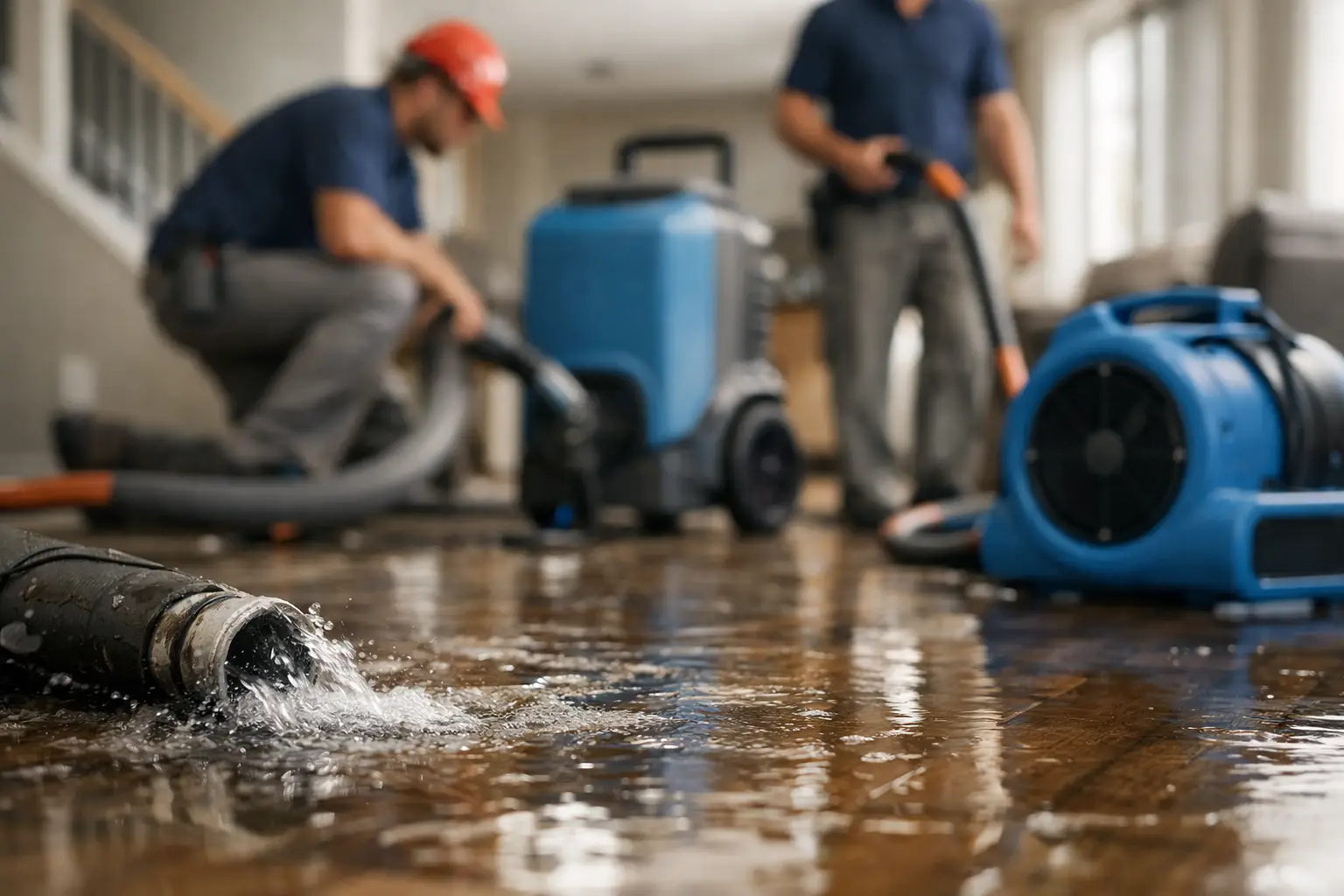
Water extraction and drying Hapeville starts with a fast decision, restore or replace, DIY or a pro, water damage or mold. I handle airport-edge bungalows and Delta HQ properties with 60-minute emergency response 24/7, IICRC-certified technicians, direct insurance billing, and moisture control that stops a small loss from turning into a bigger one.
IICRC-Certified · 5-Star Rated · 60-Minute Response · Insurance Billed Directly
Clean water still needs fast extraction and drying. I can often restore more when the source is clean and the response is quick.
Maybe not, but the risk rises fast. If the carpet and pad stayed damp, I would treat it as urgent and verify the moisture.
Yes. Small leaks hide in wall bases, cabinets, and subfloors. A small visible problem can be a larger hidden one.
I bring IICRC-certified technicians, direct insurance billing, and a 12-month warranty, all from a Mableton-based company led by owner Chris Kwangwari.
Water extraction and drying in Hapeville is a step-by-step process: remove standing water, pull moisture from carpet and structure, move air across wet materials, and keep checking readings until the building is dry enough to stay in place. In airport-edge bungalows and business spaces near Delta HQ, speed matters.
I start with water removal, then wet carpet extraction if the floor covering can be saved. That is not a guess. I inspect the source, the affected rooms, and the materials before choosing the drying process. A bungalow near Hapeville Station needs a different plan than an office near Delta HQ.
Air movers push moisture out of porous materials, while dehumidification pulls that moisture from the air. If you skip either one, the structure stays damp even when the surface looks fine. That is why I keep moisture monitoring running until the numbers make sense, not until the room just feels better.
Some jobs are straightforward. Some are not. Hardwood, drywall, insulation, and subfloor all dry differently, especially in older airport-edge homes with tight closets, layered flooring, and small crawl areas. IICRC-certified technicians know where trapped moisture hides, and that is usually where the damage gets expensive.
Restore when the material is structurally sound, cleanable, and dryable. Replace when it is swollen, delaminated, contaminated, or too far gone. In Hapeville, I usually compare the material, the water source, and the setting, because a Delta HQ office and an older bungalow do not fail the same way.
Restoration is the better choice when the water was clean, the response was quick, and the material can be dried without locking in odor or hidden moisture. That can include subfloor, framing, drywall, and some flooring. It saves original finishes when the loss is caught early.
Replacement makes sense when materials have broken down. Think buckled laminate, soaked insulation, warped trim, or carpet pad that will not recover. In airport-edge bungalows, I often see older rooms where only part of the assembly can be saved, and forcing a repair costs more later.
I do not push replacement because it sounds easy. I look at the building, the insurance scope, and the actual damage. Direct insurance billing helps keep that conversation clean, and the 12-month warranty backs the work when restoration is the right call.
DIY works only for very small, very fresh spills with no hidden moisture, no contaminated water, and no soaked building materials. For anything larger in Hapeville, a pro is the safer choice because the real problem is often behind baseboards, under floors, or inside wall cavities.
A homeowner can mop a small spill in a kitchen. That is not the same thing as removing water from a hallway, a carpeted bedroom, or a room near the Delta HQ corridor where the water has soaked the pad and reached the baseplate. Hidden moisture is the trap.
A pro brings the right equipment, moisture monitoring, and a plan for structural drying. That matters in airport-edge bungalows because tight spaces and older materials can hold water longer than people expect. If the room is warm but the framing is still wet, the job is not finished.
I have seen plenty of do-it-yourself attempts that looked fine for two days and then turned into odor, stained drywall, or mold questions. If the source is unknown, the water was dirty, or the affected area is larger than one room, call me before you make it worse.
The core equipment is water extraction gear, air movers, dehumidification units, and moisture meters. In Hapeville, I match the equipment to the building, because a compact bungalow near the airport needs a different setup than a larger commercial space near Delta HQ.
Water extraction starts with removing the standing water fast. After that, air movers create airflow over wet surfaces, and dehumidification pulls moisture out of the air so materials can dry instead of reabsorbing humidity. That combination is what makes structural drying work.
Moisture meters tell me what the eye cannot. A carpet may feel dry while the pad, tack strip, or subfloor still holds water. In older Hapeville homes, I check behind trim and around low wall sections because that is where trapped moisture likes to stay quiet.
I do not guess with equipment. I choose the setup based on the materials, the layout, and the water path. If wet carpet extraction is enough, I keep it focused. If the loss reached drywall or cabinets, the drying plan gets broader and more controlled.
Structural drying matters because the building itself can stay wet long after the surface looks normal. In Hapeville, that means framing, subfloor, drywall, and trim can keep holding moisture unless the drying process is verified, which raises the risk of odor, repair failure, and mold growth.
A room can look usable and still be wet inside. That is the dangerous part. Water moves into hidden cavities, under flooring, and behind baseboards, especially in airport-edge bungalows where older construction details can trap moisture. Structural drying is how I make sure the inside matches the outside.
If you only dry the visible surface, you may get false confidence. Then paint blisters, flooring gaps open, and smells start. That is why moisture monitoring is not extra paperwork. It is the proof that the structure is actually drying, not just being covered up.
For business properties near Delta HQ, structural drying protects continuity. You want the space back without discovering soft drywall or warped trim a week later. For a home, it protects the parts people do not see every day, which is exactly where moisture likes to hide.
Water damage is the wet event. Mold is the biological response that can follow if the materials stay damp. In Hapeville, the comparison is simple: dry fast and you usually keep the problem in the water-damage category, wait too long and mold becomes the bigger conversation.
Mold can start in 24 to 48 hours when conditions are right, so the timeline matters more than the mess. If water is removed quickly and drying starts right away, the chances of mold climbing into walls, trim, or carpet pad drop sharply. That is the practical difference.
I see this often in airport-edge bungalows with small closets, under-stair areas, and tight hallways. Those places do not vent well. Near Delta HQ, commercial interiors can have the same issue where closed rooms or concealed chases hold moisture even after the obvious water is gone.
The verdict is not complicated. If the water loss is fresh, act like a drying job. If there is visible growth, a strong odor, or materials that stayed wet too long, treat it as a mold risk and do not keep pretending it is only water damage.
| Typical Trigger | Water Damage Restoration | Mold Remediation |
|---|---|---|
| Clear water on tile in an airport-edge bungalow | Restore with extraction, air movers, and drying because the materials are still sound and the water was caught early. | Mold risk stays lower if moisture monitoring confirms the room is dry fast enough. |
| Soaked carpet in a home near Delta HQ | Replace the pad if it is saturated, then use wet carpet extraction and structural drying on the subfloor and walls. | Mold risk rises if the carpet stays damp under furniture or along baseboards. |
| Bathroom leak in an older Hapeville bungalow | Restore only if framing, drywall, and trim dry cleanly with dehumidification and checked readings. | Mold risk becomes the bigger issue when wet materials stay closed up behind walls. |
From emergency mitigation to full reconstruction, handled in-house so you are never managing a chain of subcontractors mid-crisis.
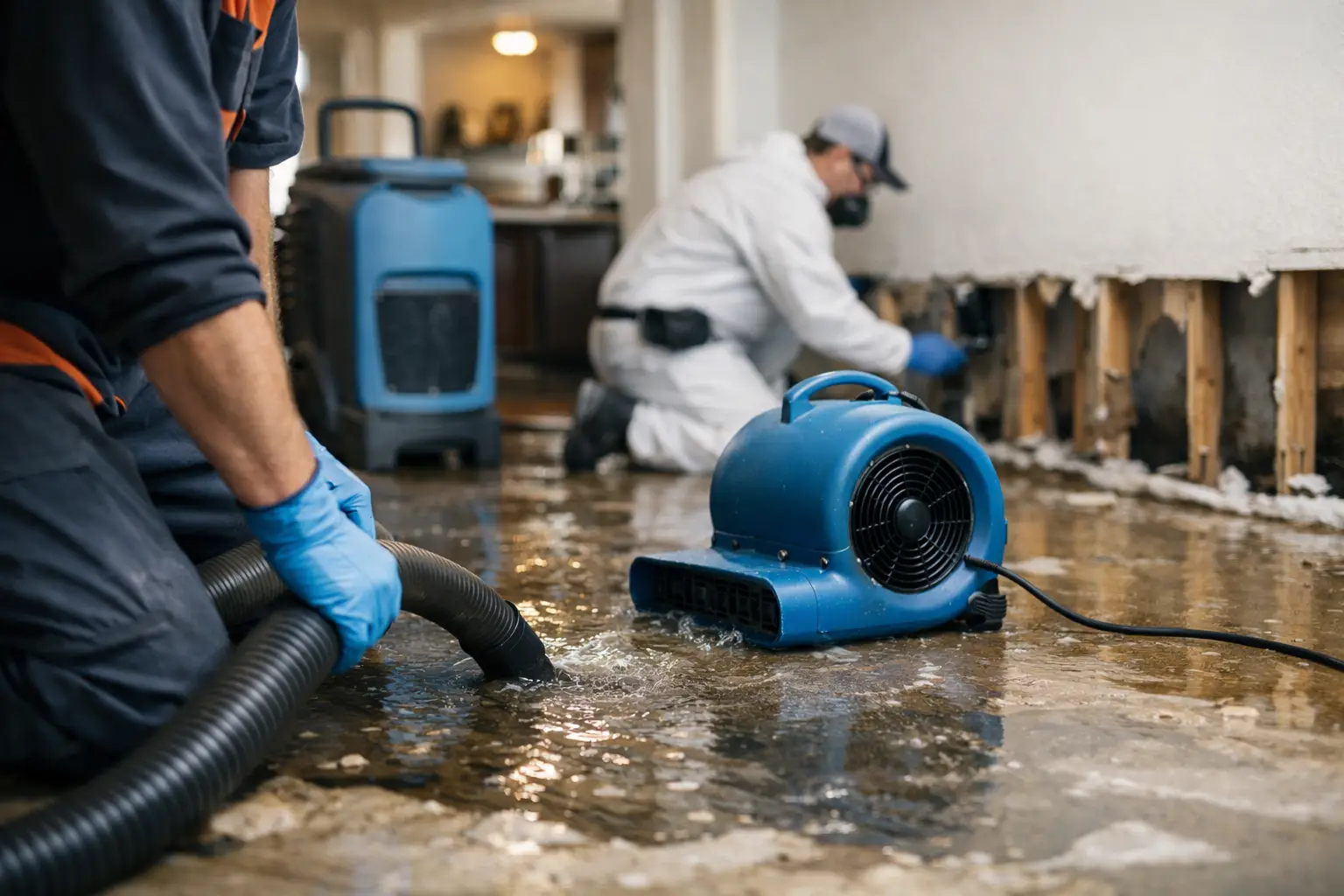 Water Damage
Extraction, structural drying, and moisture mapping after floods, leaks, and burst pipes.
Get help now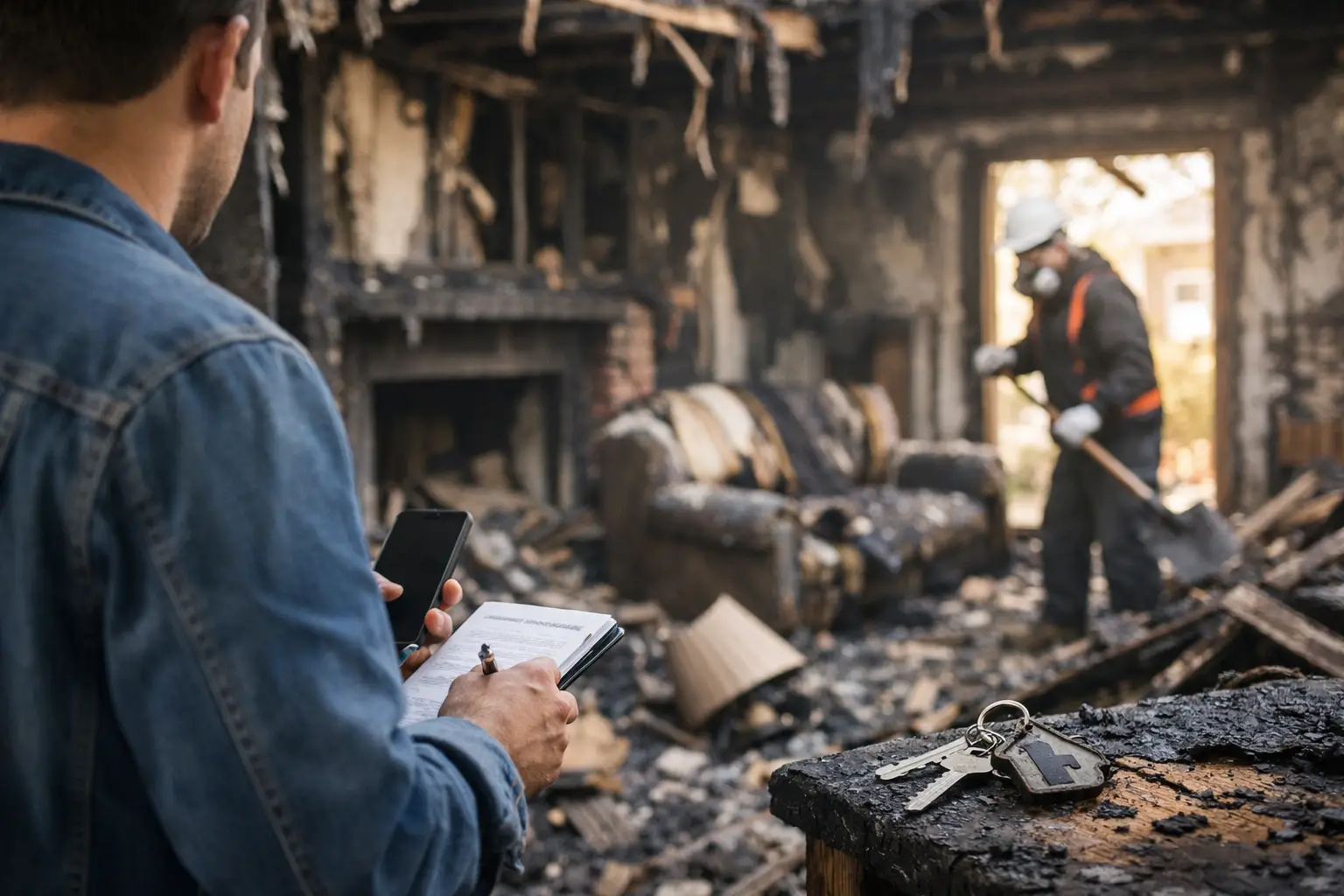 Fire & Smoke
Soot removal, odor deodorization, and content cleaning after fire and smoke damage.
Learn more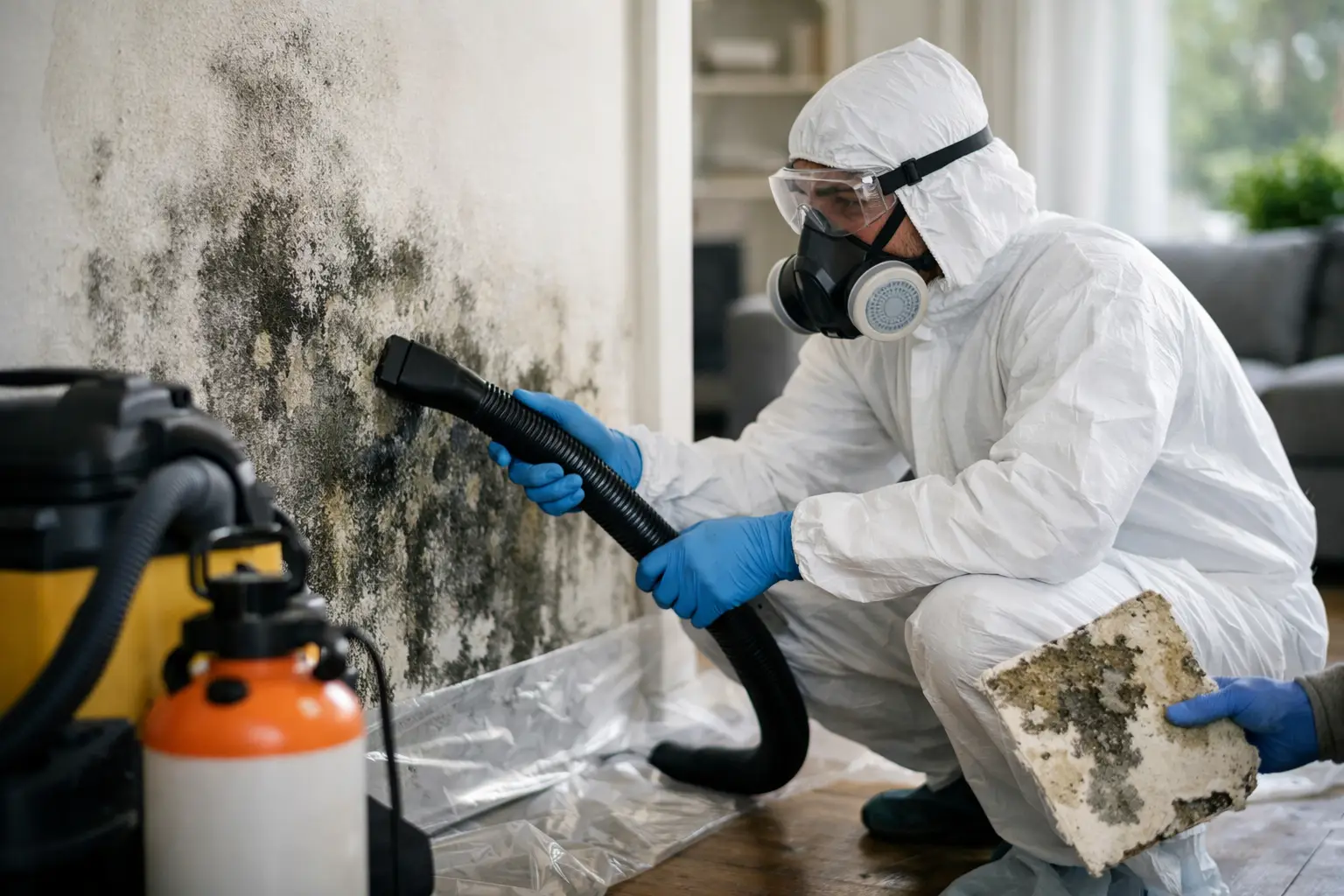 Mold
MoldContainment, removal, and moisture control that stops mold from coming back.
Learn more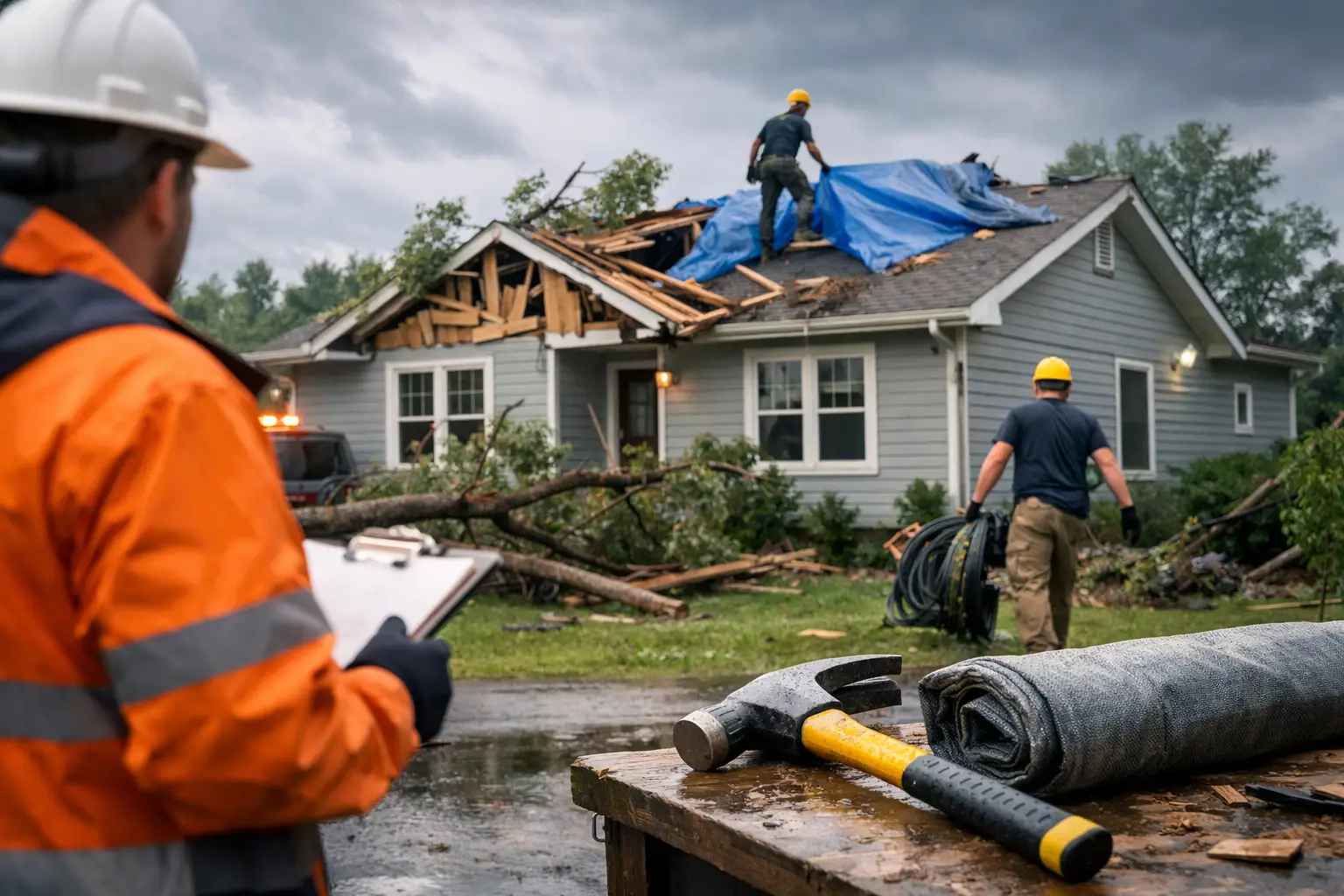 Storm
StormEmergency board-up, roof tarping, and full recovery after wind, hail, and storms.
Learn more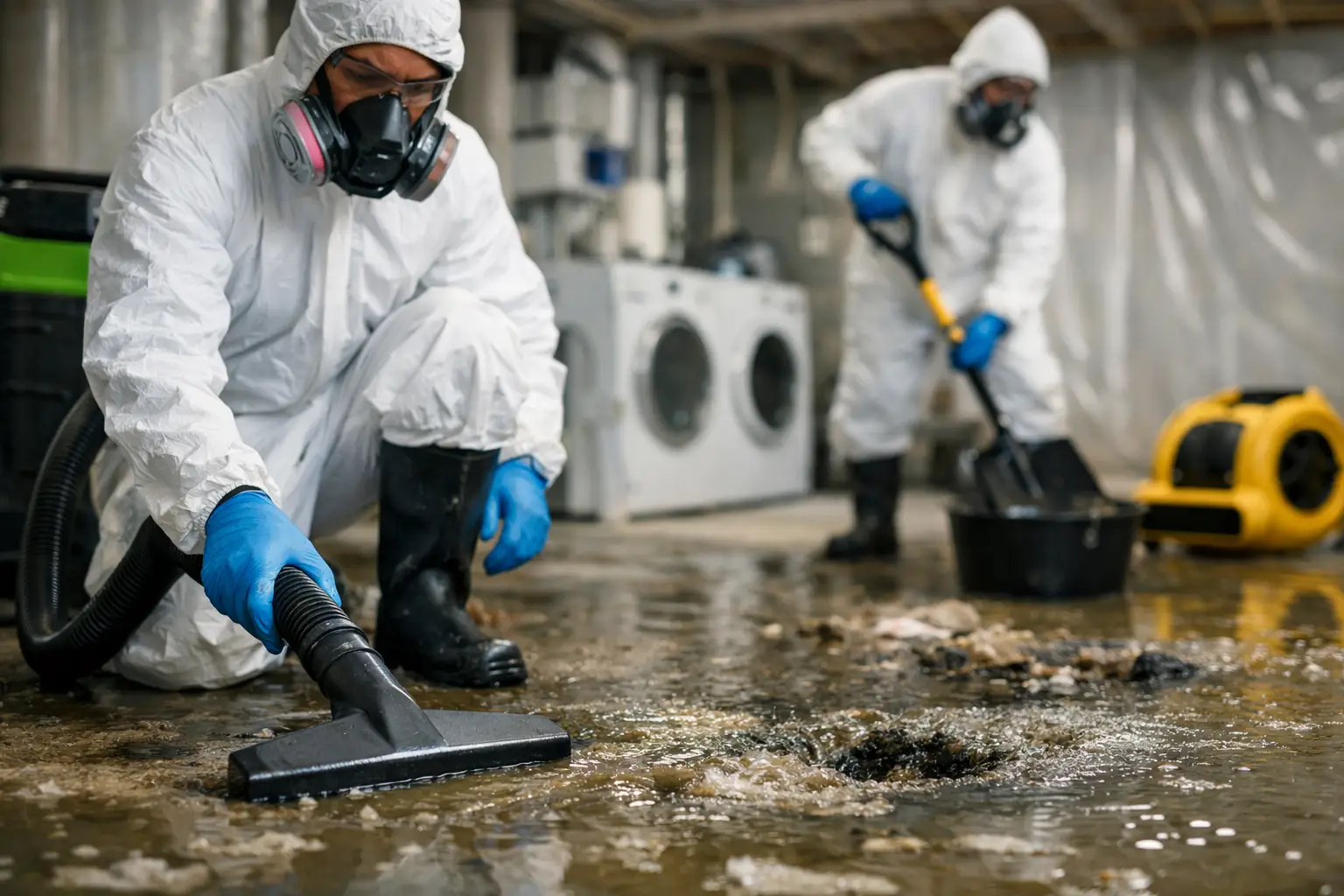 Sewage
Safe biohazard cleanup and sanitizing after sewage backups and overflows.
Learn more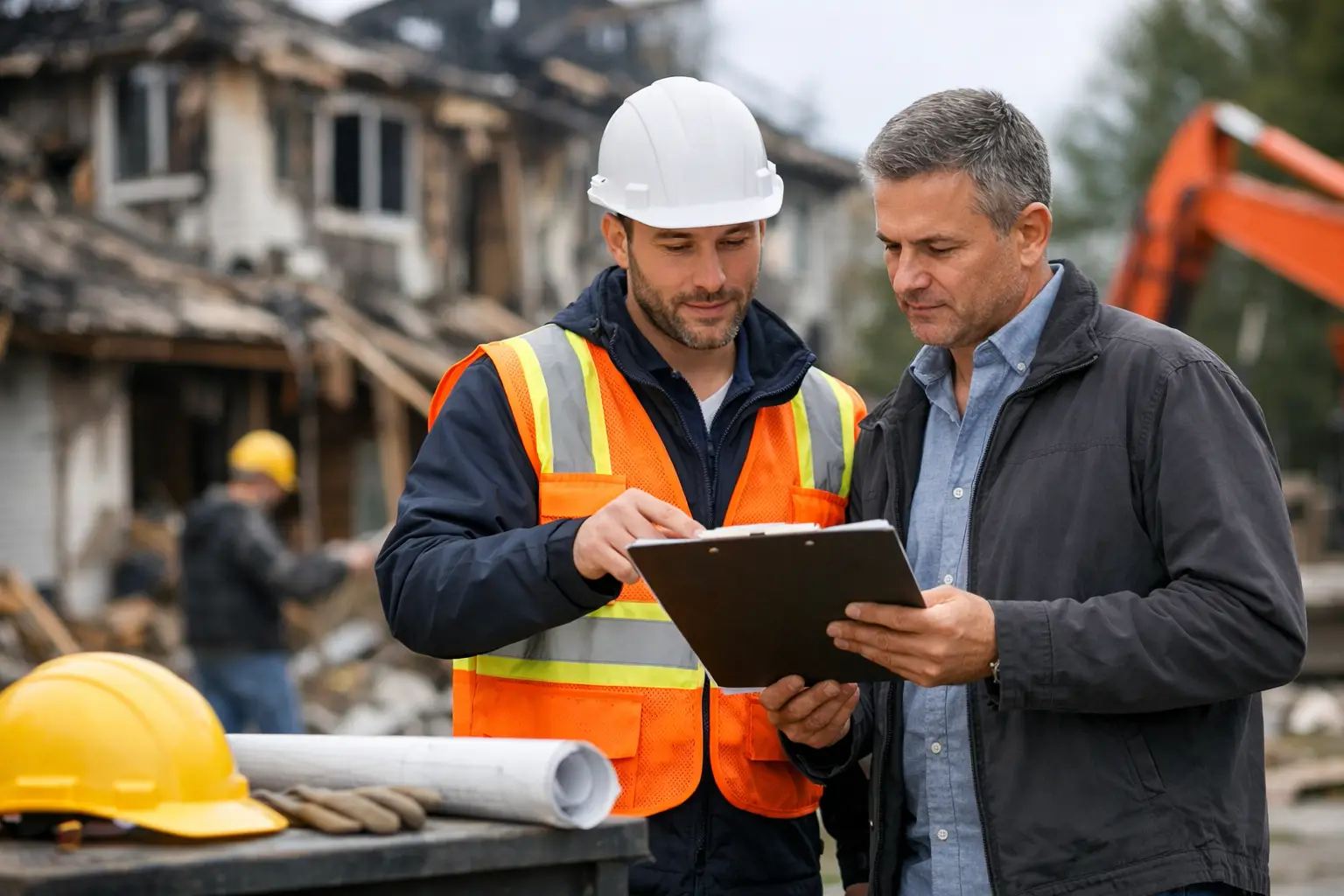 Reconstruction
Full rebuild by a licensed general contractor, so your property comes back whole.
Learn moreElevated Operations is an IICRC-certified, licensed general contractor based in Mableton that handles the entire recovery in-house, so after one loss you are never coordinating a cleanup crew, a mold crew, and a contractor separately. One team, one point of contact, from the first pump-out to the final coat of paint.
People call when the property feels like a disaster. They leave reviews because Chris and the crew made it right. These are real, verified Google reviews.
Drying time depends on the materials, how much water was involved, and how quickly extraction started. A small loss in a Hapeville bungalow can dry much faster than water that sat under flooring or inside wall cavities. I do not guess on timing. I check moisture readings and keep the drying process going until the structure is actually dry.
Often, yes, but it depends on the affected area and the water path. I compare the damaged space to the rest of the office, then isolate the job as much as possible. Air movers, dehumidification, and moisture monitoring let me target the wet area instead of treating the whole building like one big loss.
If it is safe, stop the water source and move dry items away from the affected area. Do not rip up flooring or start random demolition. In airport-edge bungalows, that can push water deeper into the structure. Call me right away so I can handle extraction, drying, and the insurance side cleanly.
Because carpet is only part of the system. Wet carpet extraction removes standing water from the surface and pad, but the subfloor, tack strip, and lower drywall can still hold moisture. In older Hapeville homes, I always check what is underneath before I say the room is under control.
I look at whether the material is still structurally sound, whether the water was clean, and whether drying can be verified. In a Hapeville bungalow, original trim or flooring may be worth saving. If the material is swollen, contaminated, or warped, replacement is usually the better answer.
Fans alone only move air. Structural drying uses the right airflow, dehumidification, and moisture monitoring to pull water out of the building materials themselves. That difference matters in Hapeville because closed rooms, older framing, and tight layouts near the airport can trap moisture where simple fan drying will miss it.
When water stays in place long enough, mold can start in 24 to 48 hours. That is why fast water extraction and drying matter so much. In Hapeville, I see the risk climb in carpet, drywall, and enclosed spaces that do not get good air movement after the leak.
Yes. I offer direct insurance billing, which helps keep the paperwork from slowing down the work. That matters when the job involves an airport-edge bungalow or a property near Delta HQ, because response time and clear documentation can make the whole claim process easier to manage.
Elevated Operations dispatches IICRC-certified crews across Metro Atlanta from our Mableton base, with a 60-minute emergency response day or night. Choose your city:
Call now for an immediate response, or request your free inspection and get a certified crew on-site within the hour across Atlanta and nearby areas.




