24/7 Emergency Restoration · Serving Metro AtlantaEmergency? (770) 404-6895
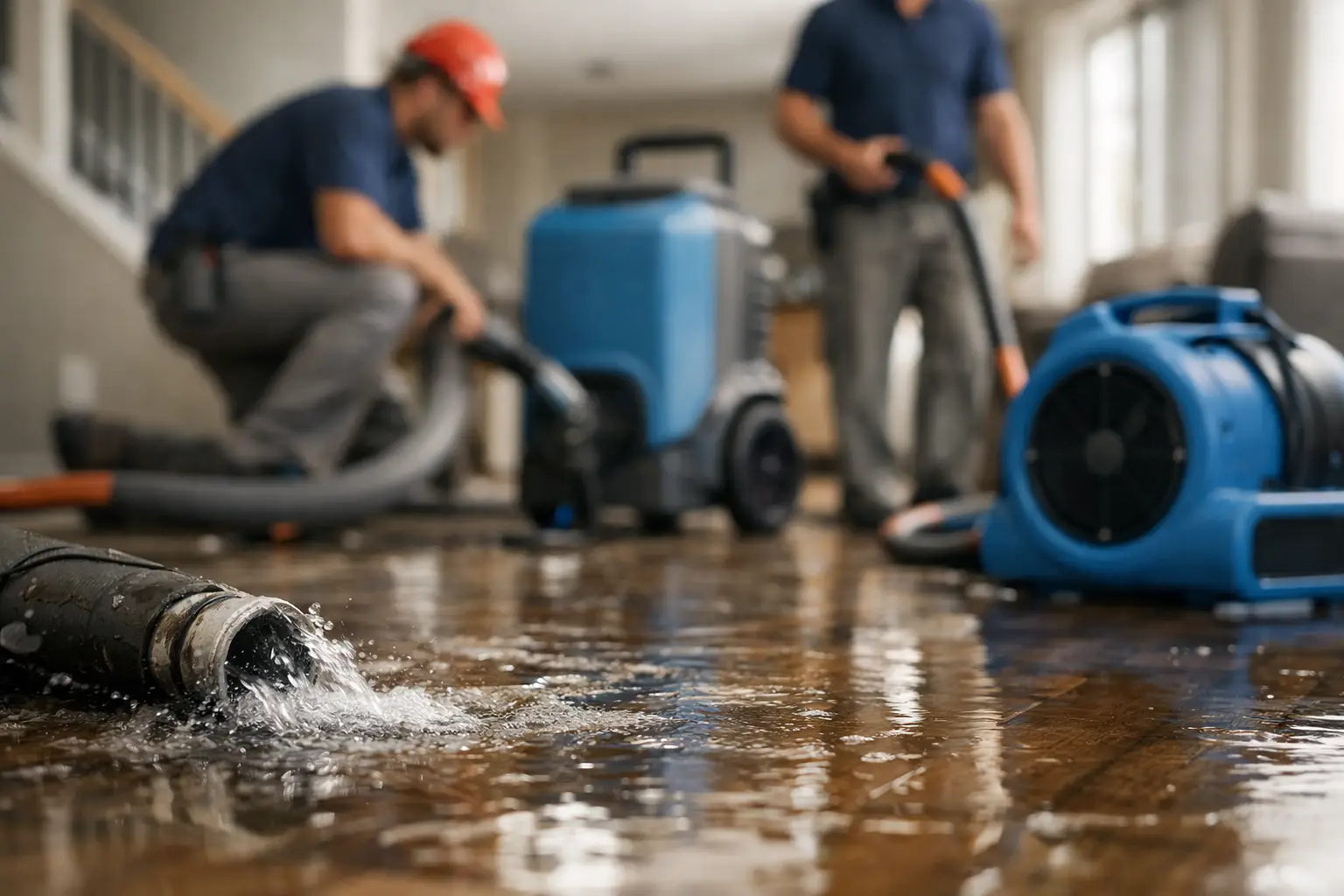
Water extraction and drying Roswell is where I step in when a Canton Street mill cottage, a Vickery family room, or a Big Creek basement takes on water and the clock starts running. I am Chris Kwangwari, owner of Elevated Operations, and I send IICRC-certified technicians for 24/7 emergency response, direct insurance billing, and structural drying that gets the home back under control.
IICRC-Certified · 5-Star Rated · 60-Minute Response · Insurance Billed Directly
I offer 24/7 emergency response with a 60-minute emergency response commitment. When water is moving, I move.
Yes, I do direct insurance billing, and I can help with deductible assistance up to $1,000 when the job qualifies.
I do. I am Chris Kwangwari, owner of Elevated Operations, LLLP, and I have been in restoration since 2007.
I back my restoration work with a 12-month warranty, because I want the job done right and documented well.
I start with water removal, then I move straight into drying process decisions that match the room, the materials, and the source. In Roswell, that can mean wet carpet extraction in a finished basement near Big Creek or dehumidification in a tight older cottage off Canton Street.
First I look at where the water traveled, because that tells me what can be saved and what needs immediate attention. In Roswell, older mill cottages near Canton Street often hide moisture in baseboards and subfloors, while newer homes closer to Vickery may trap water inside insulated wall cavities.
Then my team gets to work with extraction and air movement. Water extraction and drying is not one task, it is a sequence, and I keep it moving so standing water does not sit in carpet, padding, or hardwood seams longer than it has to.
After that, we monitor moisture readings and keep adjusting. That part matters in a creek-side neighborhood like Big Creek, where humidity can slow the drying process if you try to guess instead of measure. I do not guess. I check.
I use extraction tools, air movers, and dehumidification equipment sized to the damage, then I track moisture monitoring as the structure dries. For Roswell homes, that combination is what handles soaked carpet, wet framing, and the hidden moisture that lives in older construction.
The right equipment depends on what got hit. A carpeted den in Vickery needs strong wet carpet extraction and steady air movers. A crawlspace problem near Big Creek may call for targeted structural drying so the moisture does not travel up into flooring and trim.
IICRC-certified technicians know how to place the gear so it dries the structure, not just the surface. That is important in Roswell houses with mixed materials, because one room may have hardwood, another may have tile, and a third may still hold water in pad and wall cavities.
I keep an eye on the readings and change the setup when the numbers tell me to. That is how moisture monitoring protects the job. It keeps the process honest and stops a small leak from turning into a bigger repair than the homeowner expected.
Drying time depends on how much water entered, what materials were soaked, and how fast extraction started. In Roswell, a basement near Big Creek and an older Canton Street cottage can dry very differently, so I measure the structure instead of promising a one-size timeline.
A fast start helps, always. The sooner I get in with water removal and drying equipment, the less time moisture has to settle into wood, drywall, insulation, and trim. That is especially true after a supply line break or a storm-driven intrusion.
But the home itself sets the pace. Tight, older mill cottages can hold moisture differently than larger subdivision homes in and around Vickery. I use moisture monitoring to see what is actually happening, and that keeps the process grounded in real conditions instead of assumptions.
When people ask me how long it takes, I tell them this: I would rather check the structure until it is dry than quit early and leave hidden water behind. That is how you avoid recurring damage and the headaches that follow.
Structural drying matters because water does not stay where you can see it. It spreads into framing, subflooring, and wall materials, and if those stay damp, the damage keeps growing. In Roswell, that is a serious issue in both older cottages and modern homes near Big Creek.
I have seen a small leak become a much bigger repair because someone dried the carpet and stopped there. That is not enough. The structure has to be dried, too, especially where water sits under floors or inside wall assemblies after a plumbing failure or roof intrusion.
Roswell homes near Canton Street often have character materials that deserve careful handling. If the framing stays wet, the house can keep holding moisture long after the visible puddle is gone. That is why I treat structural drying as the heart of the job, not an add-on.
And yes, the same idea applies in newer homes near Vickery. Drywall, base plates, and insulation can trap moisture that looks harmless from the outside. I want the readings down, the materials stable, and the homeowner back in a dry house.
I treat a Canton Street cottage like a small structure with big character, because that is what it is. Water extraction and drying has to be careful there, since older floors, tighter rooms, and original details can trap moisture in places a quick cleanup would miss.
A cottage near Canton Street may have hardwood that cups fast, and the wrong drying setup can make it worse. I use air movers and dehumidification with the layout in mind, then keep moisture monitoring on the rooms that matter most so the drying process stays controlled.
Sometimes the issue is a dishwasher line, sometimes it is a bathroom overflow, and sometimes a storm pushes water where it does not belong. I do not care how it started as much as I care about stopping the spread and protecting the structure before it starts to swell or stain.
That part is the same whether the home is a century-old place or a carefully updated cottage. I bring the same discipline either way: extract first, dry correctly, document what I see, and keep the job moving until the home is stable again.
Near Big Creek and Vickery, I look hard at where water came from and how the terrain, slab, or lower level may have helped it move. Water extraction and drying in these areas often means basements, finished lower rooms, and hidden moisture that needs direct attention.
Homes near Big Creek can deal with runoff, crawlspace moisture, and basement intrusion that does not show up all at once. That is why I bring equipment for water removal and structural drying, then monitor the space until the readings make sense and the materials respond.
Vickery homes can present a different problem: finished spaces, trim details, and tighter layouts that let moisture linger behind walls or under floors. I like that challenge. It rewards a clean plan and punishes shortcuts, which is exactly why I keep the process simple and disciplined.
A lot of the work is about seeing what is not obvious. A damp baseboard line, a swollen transition strip, a patch of carpet that still feels cool, those tell me where to keep drying. That is how I stay ahead of secondary damage.
I came in for wet carpet extraction, then kept the focus on baseboards and subflooring because older Roswell cottages can hide moisture fast. The room looked better than it was, so I used moisture monitoring and structural drying until the readings backed up what my eyes saw.
That job started with standing water and ended with a full drying process that used extraction, air movers, and dehumidification. Lower-level spaces near Big Creek need attention early, because damp concrete and tucked-away finishes can hold moisture longer than anyone expects.
A finished room in Vickery needs clean sequencing, not panic. I removed the water, protected the adjacent spaces, and kept watching the readings while the structure dried. The goal was simple, save what could be saved and stop the moisture from spreading into the next room.
From emergency mitigation to full reconstruction, handled in-house so you are never managing a chain of subcontractors mid-crisis.
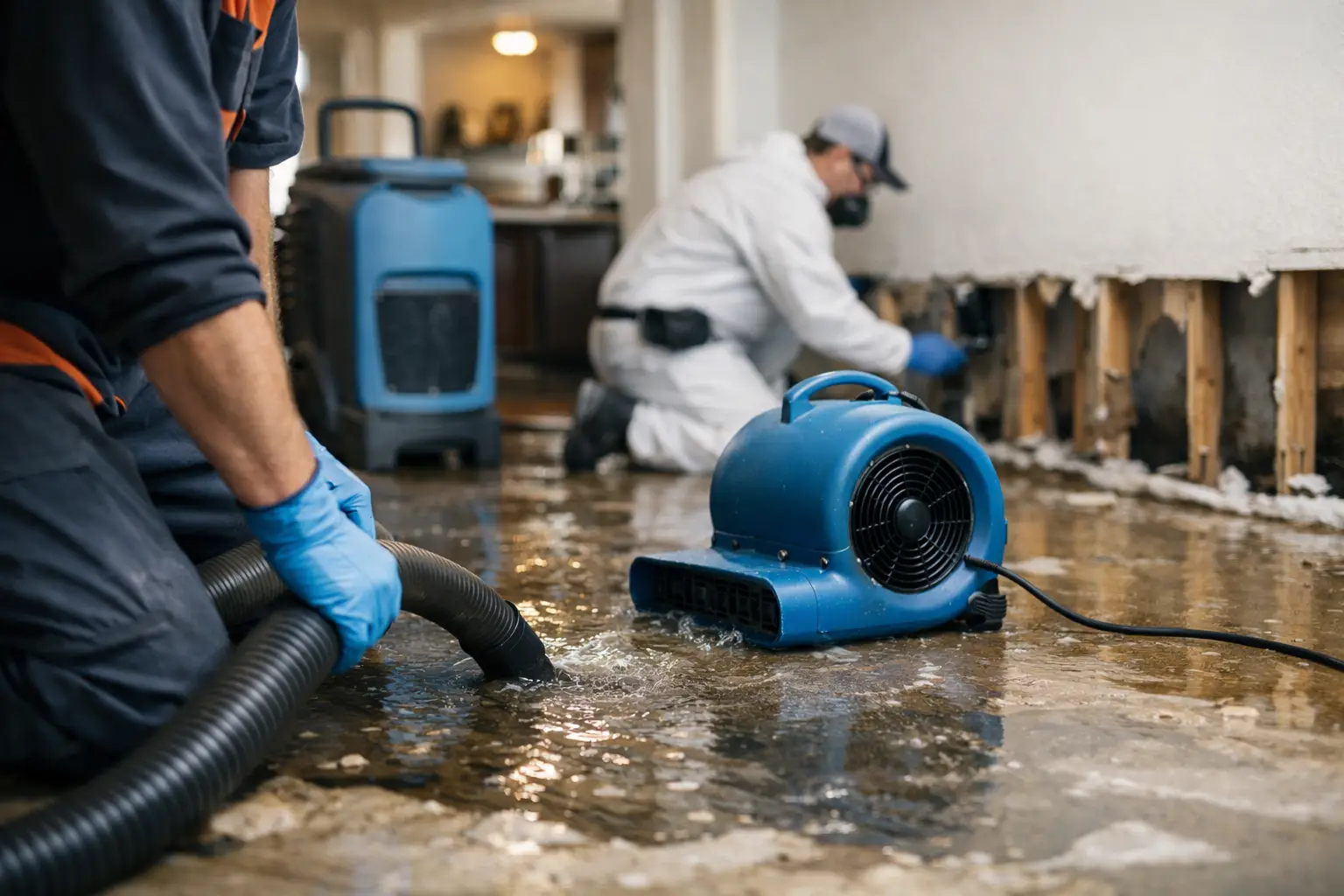 Water Damage
Extraction, structural drying, and moisture mapping after floods, leaks, and burst pipes.
Get help now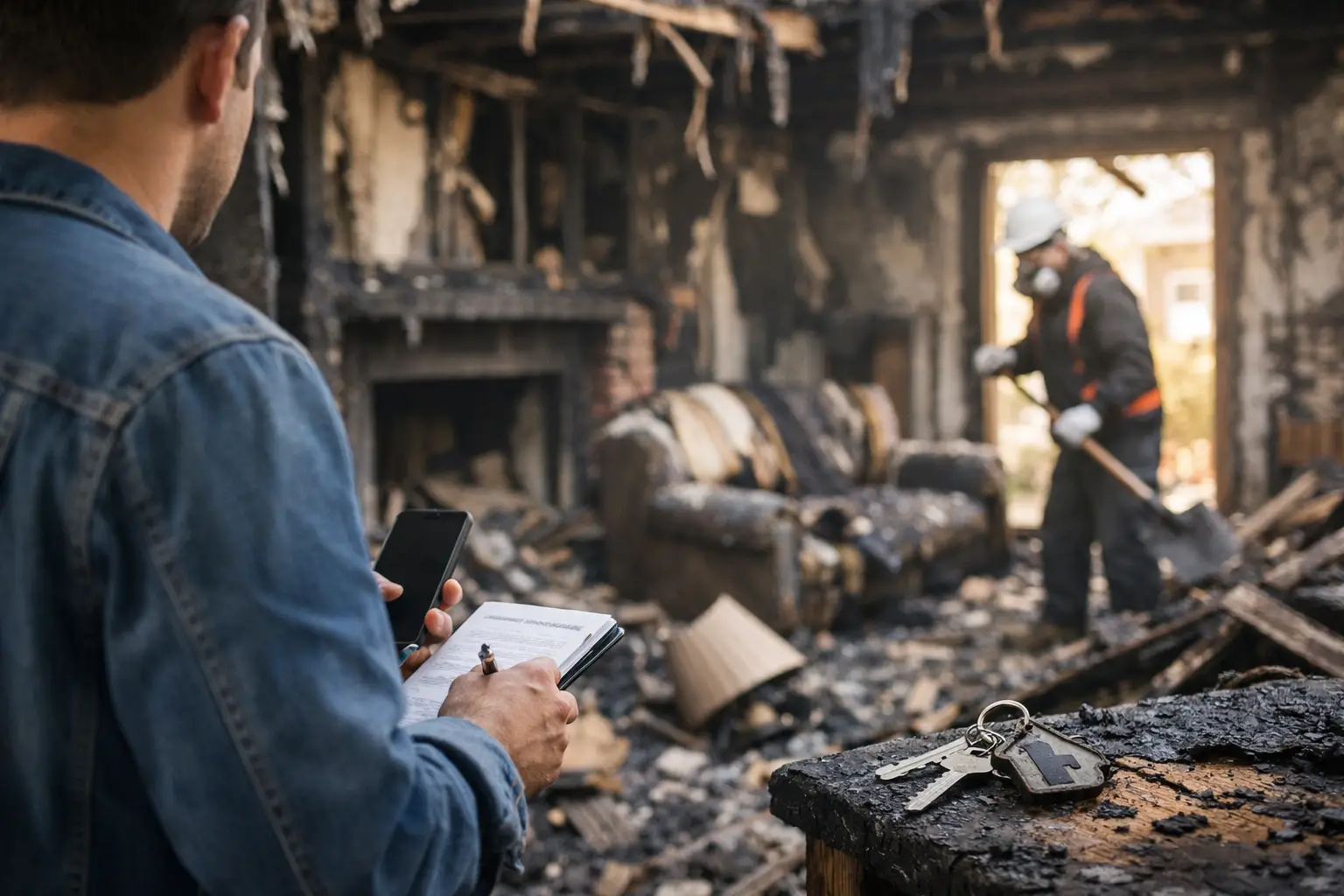 Fire & Smoke
Soot removal, odor deodorization, and content cleaning after fire and smoke damage.
Learn more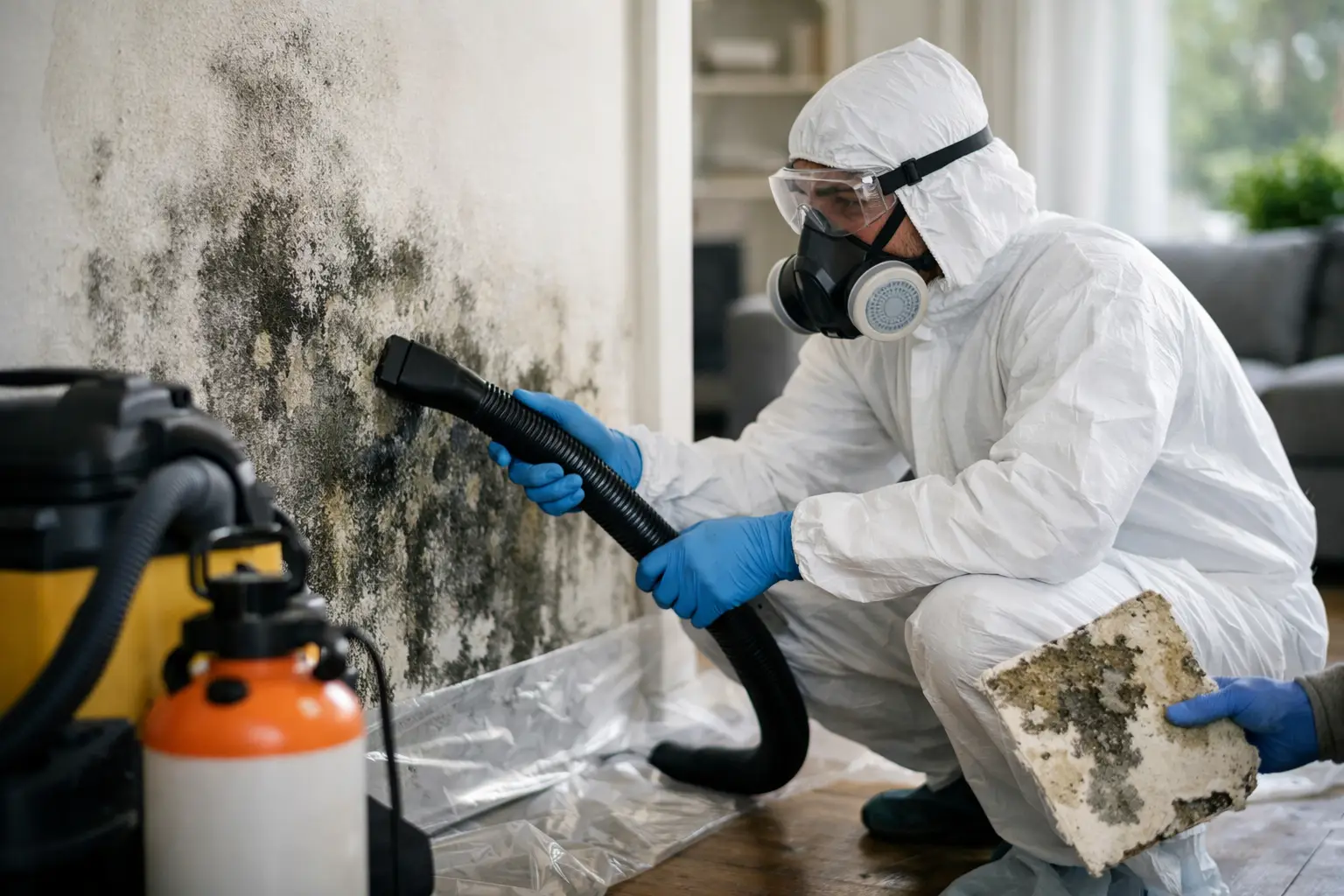 Mold
MoldContainment, removal, and moisture control that stops mold from coming back.
Learn more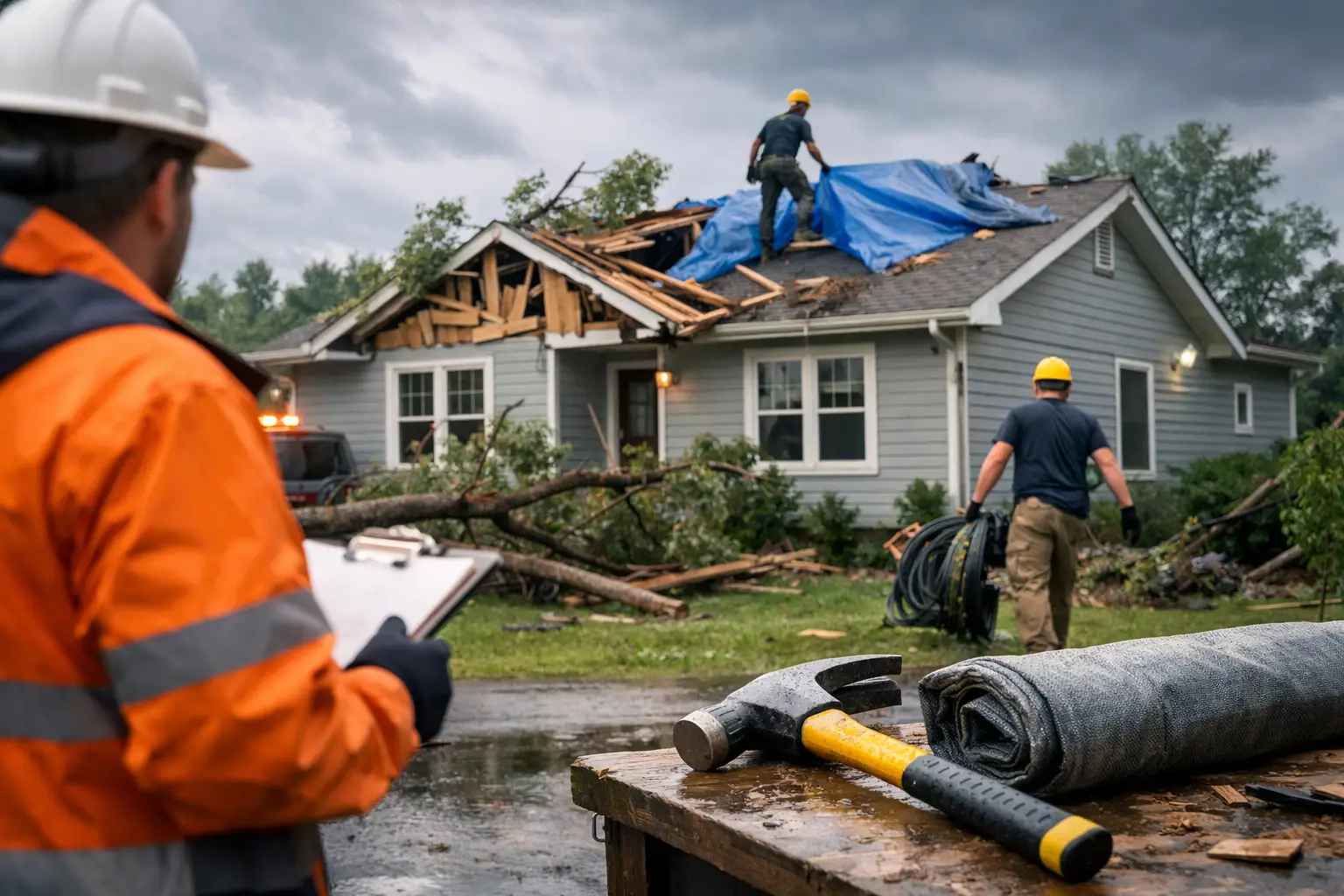 Storm
StormEmergency board-up, roof tarping, and full recovery after wind, hail, and storms.
Learn more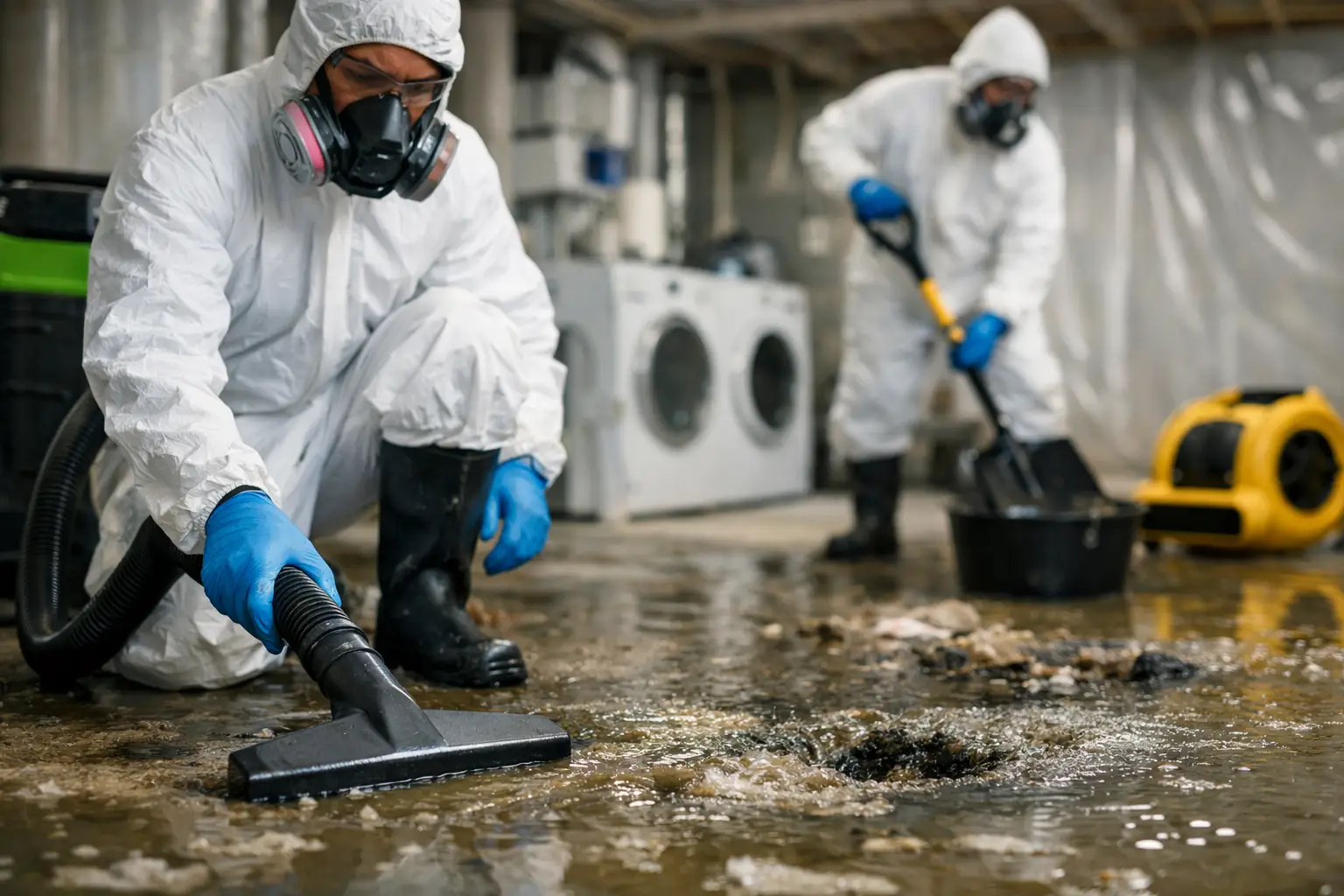 Sewage
Safe biohazard cleanup and sanitizing after sewage backups and overflows.
Learn more Reconstruction
Full rebuild by a licensed general contractor, so your property comes back whole.
Learn moreElevated Operations is an IICRC-certified, licensed general contractor based in Mableton that handles the entire recovery in-house, so after one loss you are never coordinating a cleanup crew, a mold crew, and a contractor separately. One team, one point of contact, from the first pump-out to the final coat of paint.
People call when the property feels like a disaster. They leave reviews because Chris and the crew made it right. These are real, verified Google reviews.
Yes, and I treat those cottages carefully because older construction can trap moisture in places newer homes do not. I start with water removal, then use air movers and dehumidification to dry the structure, not just the floor surface. That matters when original trim, hardwood, or tight room layouts are involved.
Call right away and keep people out of the wet area if it is safe to do so. In Big Creek basements, standing water can spread fast into carpet, drywall, and lower framing. I send technicians for 24/7 emergency response, then I focus on extraction, moisture monitoring, and drying the structure before the damage grows.
Yes. Wet carpet extraction is often the first step in a finished room, especially in Vickery homes where flooring and trim can be affected quickly. I remove the water, set the drying equipment, and watch moisture readings so the carpet, pad, and subfloor all dry the right way.
I do not end it by feel. I end it when the moisture readings show the structure is dry and stable. In Roswell homes, that can take different paths depending on whether the water affected hardwood, drywall, insulation, or a lower level. The equipment comes out after the structure tells me it is ready.
Because lower areas, crawlspaces, and basements can hold humidity and hidden moisture longer than people expect. Near Big Creek, water can get into materials that look fine on the surface. Structural drying matters because it reaches framing, subfloors, and cavities where lingering moisture can keep causing damage.
Yes. I offer direct insurance billing, which helps keep the claim process organized while I focus on the home. If the job qualifies, I also provide deductible assistance up to $1,000. That can make a real difference when a Roswell family is dealing with an unexpected loss.
I do not stop at visible water. I look for the moisture that hides in walls, flooring, and trim, then use a full drying process to address it. That is the difference between a quick wipe-down and actual restoration, especially in homes with older materials or finished lower levels.
Yes. I offer 24/7 emergency response with a 60-minute emergency response commitment, and my technicians are IICRC-certified. I am based in Mableton, and I serve Roswell across Cobb, Fulton, and the surrounding counties I work in every week.
Elevated Operations dispatches IICRC-certified crews across Metro Atlanta from our Mableton base, with a 60-minute emergency response day or night. Choose your city:
Call now for an immediate response, or request your free inspection and get a certified crew on-site within the hour across Atlanta and nearby areas.