24/7 Emergency Restoration · Serving Metro AtlantaEmergency? (770) 404-6895
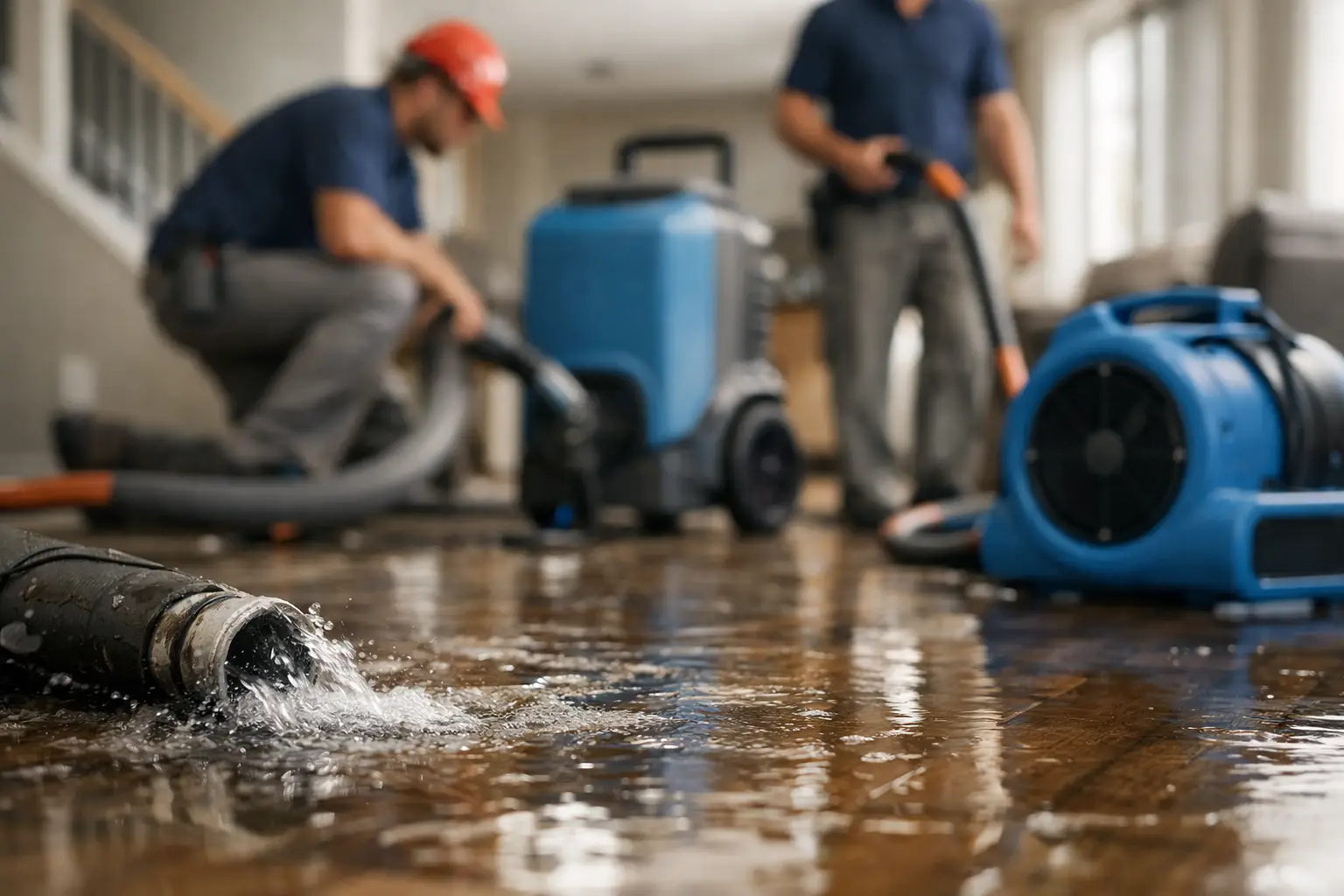
Water extraction and drying Smyrna starts with fast water removal, then careful drying process work that protects finishes and framing. I handle wet carpet extraction, dehumidification, air movers, and moisture monitoring in Smyrna homes, from 60s and 70s slab ranches to Battery-area townhomes, with direct insurance billing and a 12-month warranty.
IICRC-Certified · 5-Star Rated · 60-Minute Response · Insurance Billed Directly
Because dry on the surface is not the same as dry in the structure. I use moisture monitoring to confirm the job is actually ready for repair, especially in slab ranch homes and townhomes with hidden water paths.
I work from the structure outward. That means water removal, then the right air movers and dehumidification, then verification. I do not stop at what looks good from the doorway.
Yes. I offer direct insurance billing, and I also provide deductible assistance up to $1,000. That keeps the claim process moving while the property is being dried and stabilized.
I do. Chris Kwangwari owns Elevated Operations, LLLP, and I have been in restoration since 2007. My team is IICRC-certified, licensed as a general contractor, and based in Mableton.
Check the source, shut off water if you can, and then look for spread under baseboards, cabinets, and flooring. In Smyrna, slab ranches often hide moisture at floor level, while Battery townhomes can push water through stacked walls and ceilings. I start with the damage path first.
In older Smyrna slab homes, I pay close attention to carpet edges, hallway transitions, and the seam where living areas meet bedrooms. Water can travel farther than people think, especially when it sits under pad or gets trapped along a concrete slab.
In Battery townhomes, I see a different pattern. Water often drops through a ceiling chase, then shows up in a lower room or along shared walls. That means the visible stain is not always the wettest point, and guessing wastes time.
IICRC-certified technicians know to look beyond the obvious. My team documents the source, checks the affected materials, and sets up the right water extraction and drying plan before hidden moisture becomes a second repair problem.
Water extraction and drying works in stages: remove standing water, lift hidden moisture, then control humidity until materials reach dry conditions. I use wet carpet extraction, air movers, dehumidification, and moisture monitoring to follow the damage path. The method changes between slab ranches and townhomes.
The first step is water removal. If carpet or padding is soaked, I pull that moisture out quickly and decide what can stay, what needs to be removed, and what needs more aggressive structural drying.
Then I set equipment based on the layout. A 1960s or 1970s ranch in Smyrna often needs low-level drying along the slab, while a Battery-area townhome may need targeted air movement in closets, stair halls, and wall cavities.
Moisture monitoring is the part most people never see, but it matters. I do not guess. I check readings, adjust the drying process, and keep going until the affected structure is dry enough for repairs to move forward.
I use professional extraction tools, air movers, and dehumidifiers, plus moisture meters for monitoring. That combination is what turns a wet room into a controlled drying process. On slab ranches, I focus on the floor system; in townhomes, I may need more airflow and containment.
Wet carpet extraction is often the first visible piece of equipment work. If carpet is salvageable, strong extraction helps remove water before it migrates into pad, tack strip, or the slab itself.
Air movers are the next layer. They push air across wet surfaces and hidden edges, which speeds evaporation. In Smyrna, I use them differently in open ranch floor plans than I do in compact Battery townhomes with tighter circulation.
Dehumidification keeps the moisture out of the air once it leaves the materials. Without that step, you can move water around and never really dry the structure. I track conditions through the job so the setup stays effective.
Structural drying matters because soaked framing, subfloors, drywall, and trim do not fix themselves. If hidden moisture stays in place, repairs fail later. In Smyrna, older slab ranches and newer townhomes both need the structure dried, not just the surface wiped down.
People often think clean-up is enough after a leak. It is not. Surface water can be gone while the structure beneath it stays wet, especially around baseplates, flooring edges, and wall cavities.
On a Smyrna slab ranch, structural drying may focus on the bottom of walls, carpet tack areas, and any wood tied to the slab. On a Battery townhome, I often watch shared walls, stair landings, and ceiling layers much more closely.
I have been in restoration since 2007, and I can tell you this plainly: drying the structure is what protects the repair from coming back as a swollen baseboard, a musty room, or a failed finish months later.
Drying time depends on what got wet, how fast water was removed, and whether the home is a slab ranch or a townhome. I do not guess at a clock. I use moisture monitoring and adjust the drying process until the materials reach dry conditions.
A fast start matters more than most people realize. The sooner water extraction begins, the less time moisture has to soak into floors, drywall, insulation, and trim.
A 60s or 70s slab ranch in Smyrna can dry differently from a Battery townhome because the building assemblies are different. Concrete, crawl access, floor height, and wall layout all change how air moves and how long materials hold moisture.
I give homeowners direct updates instead of vague promises. If readings are dropping and the setup is working, we keep going. If the structure needs more air movement or dehumidification, I change the plan based on the actual numbers.
Older slab ranch homes and Battery-area townhomes both need careful setup, but for different reasons. Ranches trap moisture at the slab and lower walls. Townhomes can spread water vertically through shared construction. I match the drying process to the home, not the guess.
Smyrna has a lot of 60s and 70s slab ranches, and I like that housing stock because it is straightforward once you understand it. But when water gets under carpet or along a wall plate, the slab can hold moisture longer than people expect.
Battery townhomes bring a different challenge. Water can move down from upstairs laundry rooms, bathrooms, or kitchen lines and show up far from the source. One floor can affect another, and the visible damage may only tell half the story.
That is why I start with the structure, not the stain. My crew looks at how the home is built, where the water traveled, and what drying tools fit the layout. That keeps the job efficient and avoids missed moisture.
That usually means water is still sitting in the carpet or pad. Wet carpet extraction should happen fast, especially in Smyrna slab ranches where moisture can stay trapped against the floor.
Odor often means the drying process has not reached hidden materials. I check for moisture in baseboards, drywall bottoms, and floor edges before the smell turns into a bigger repair.
This is common when water gets into lower wall materials. In townhomes, I also inspect shared walls and vertical paths where a leak can travel between levels.
That points to water intrusion below the surface. Structural drying matters here, because surface drying alone will not reset damaged subfloors or flooring assemblies.
That is why moisture monitoring matters. A room can look finished while the structure still needs dehumidification and air movers to finish drying correctly.
From emergency mitigation to full reconstruction, handled in-house so you are never managing a chain of subcontractors mid-crisis.
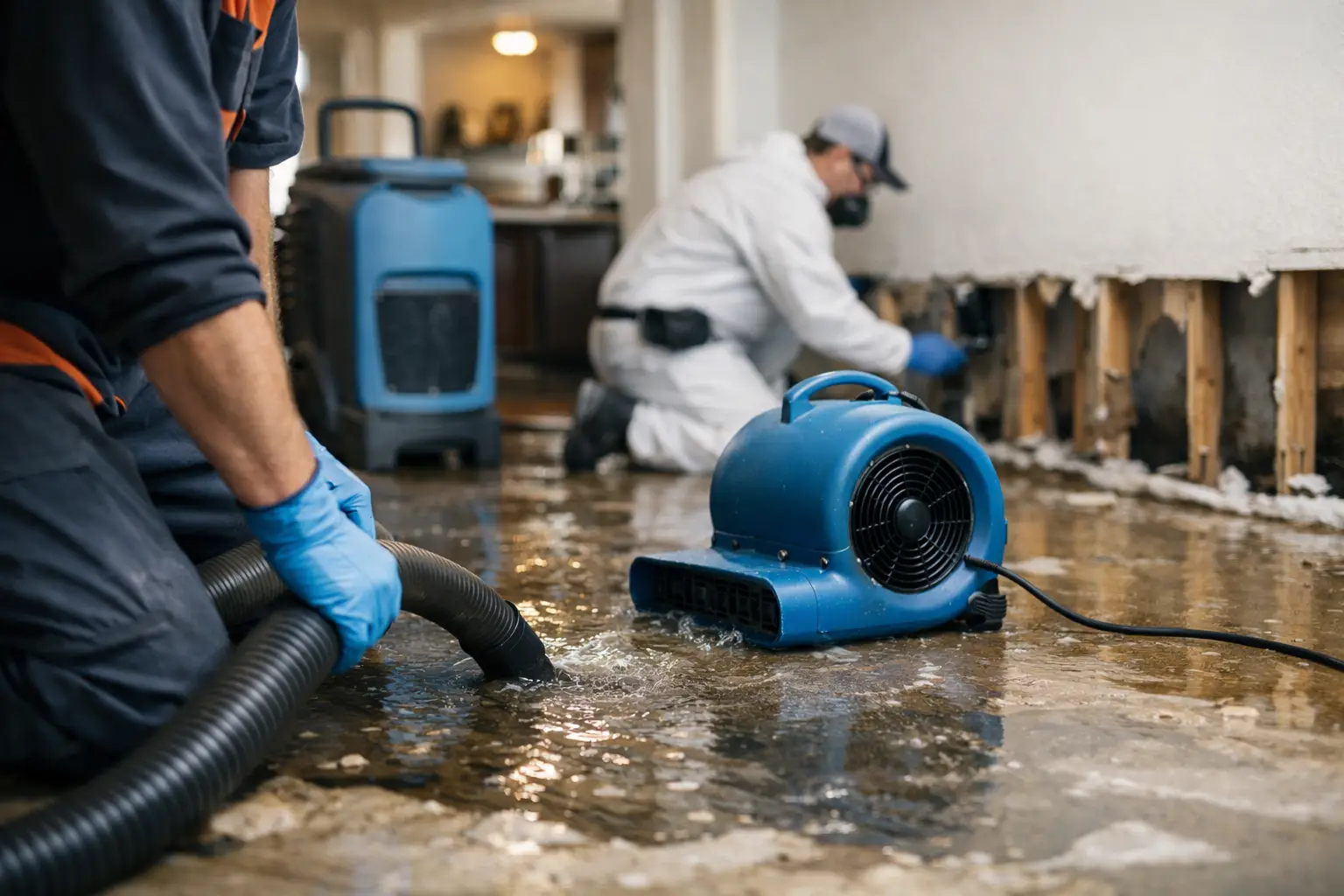 Water Damage
Extraction, structural drying, and moisture mapping after floods, leaks, and burst pipes.
Get help now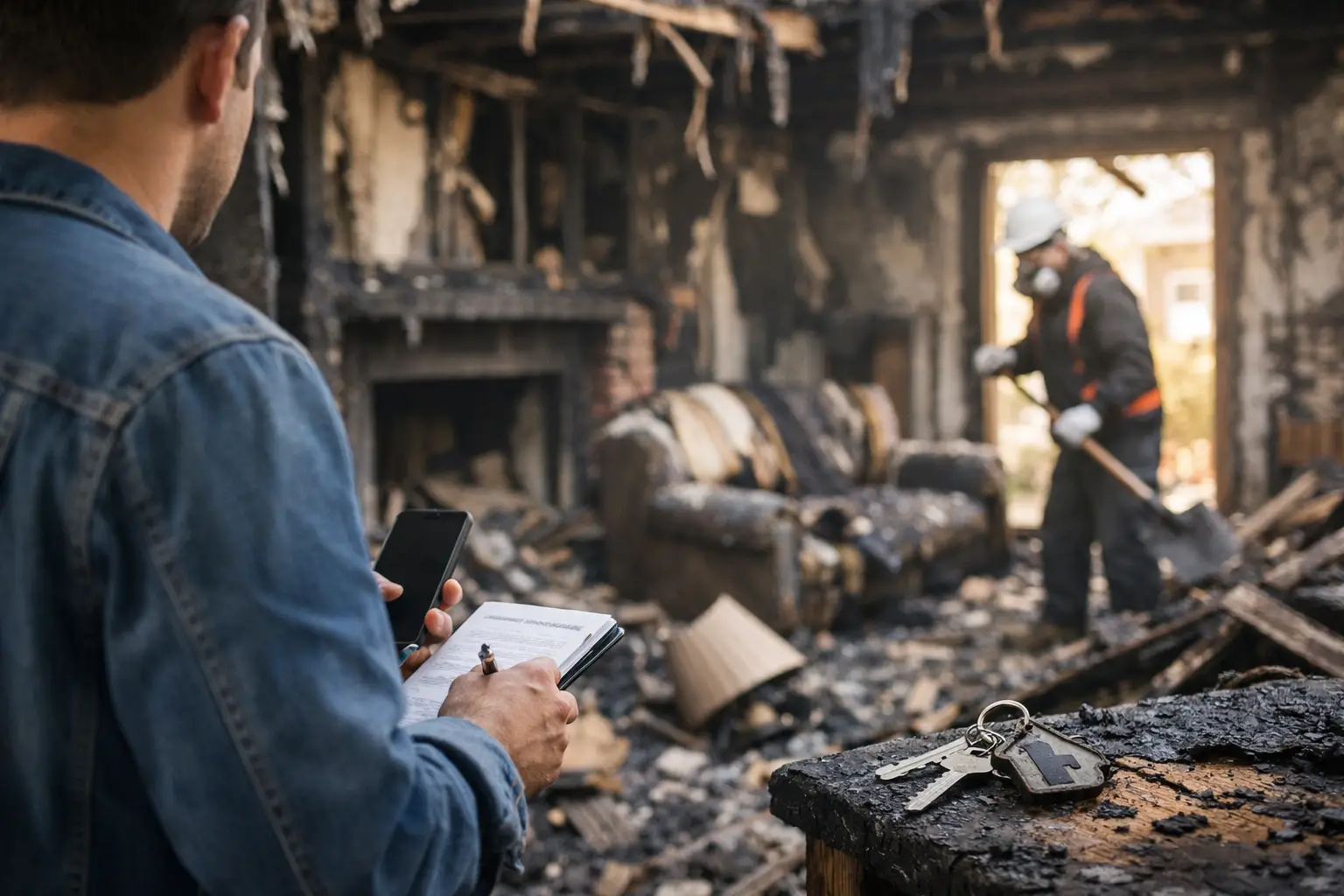 Fire & Smoke
Soot removal, odor deodorization, and content cleaning after fire and smoke damage.
Learn more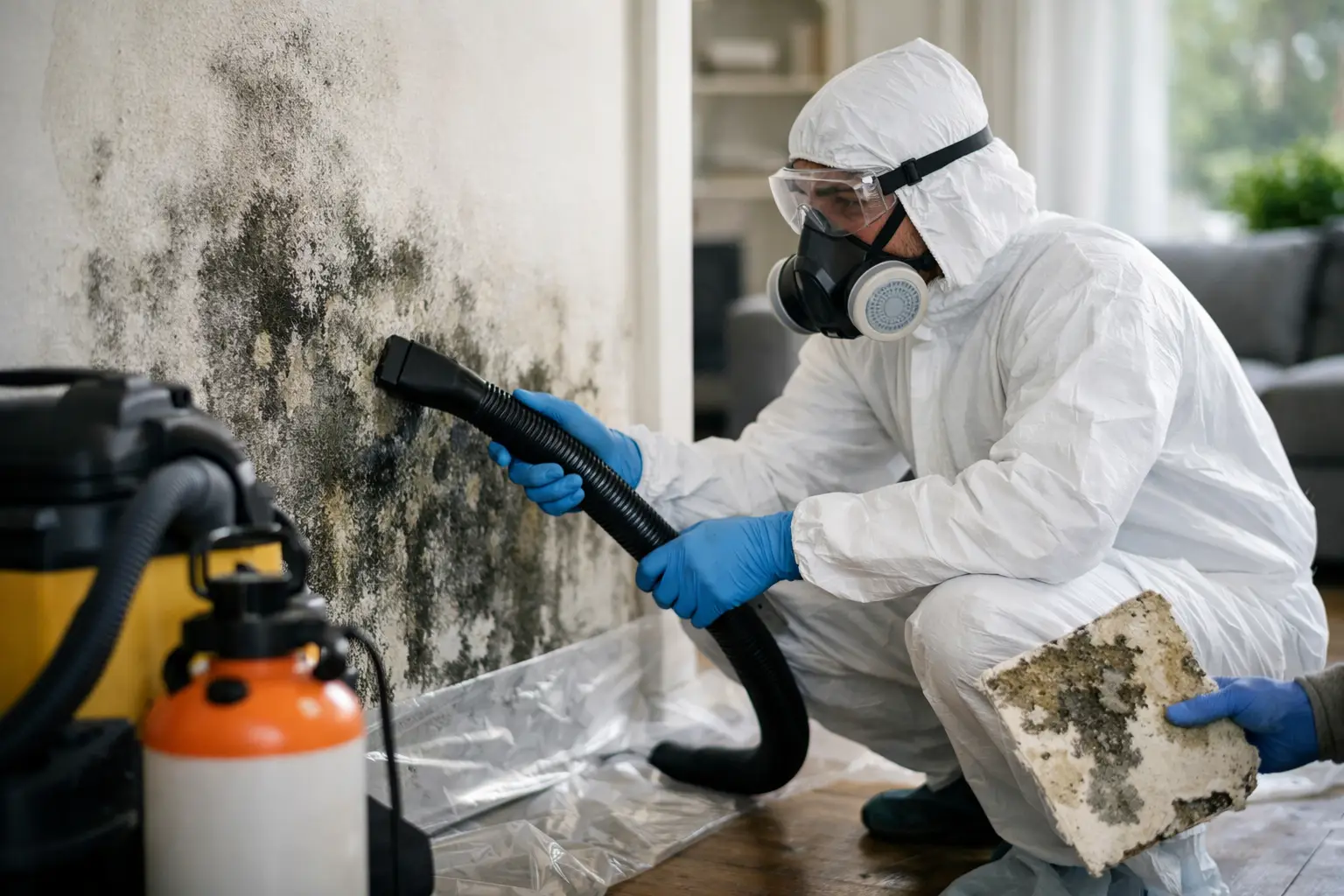 Mold
MoldContainment, removal, and moisture control that stops mold from coming back.
Learn more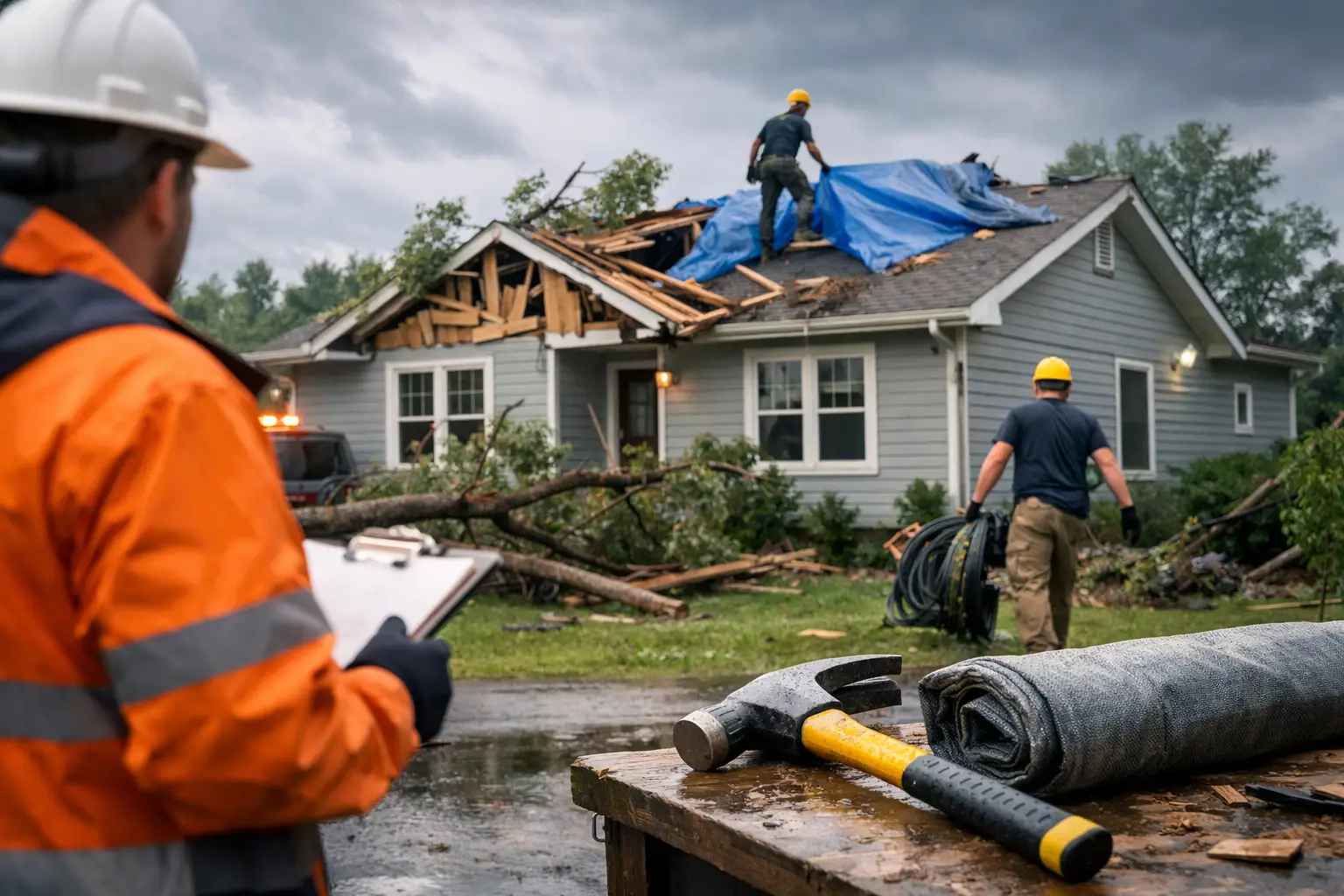 Storm
StormEmergency board-up, roof tarping, and full recovery after wind, hail, and storms.
Learn more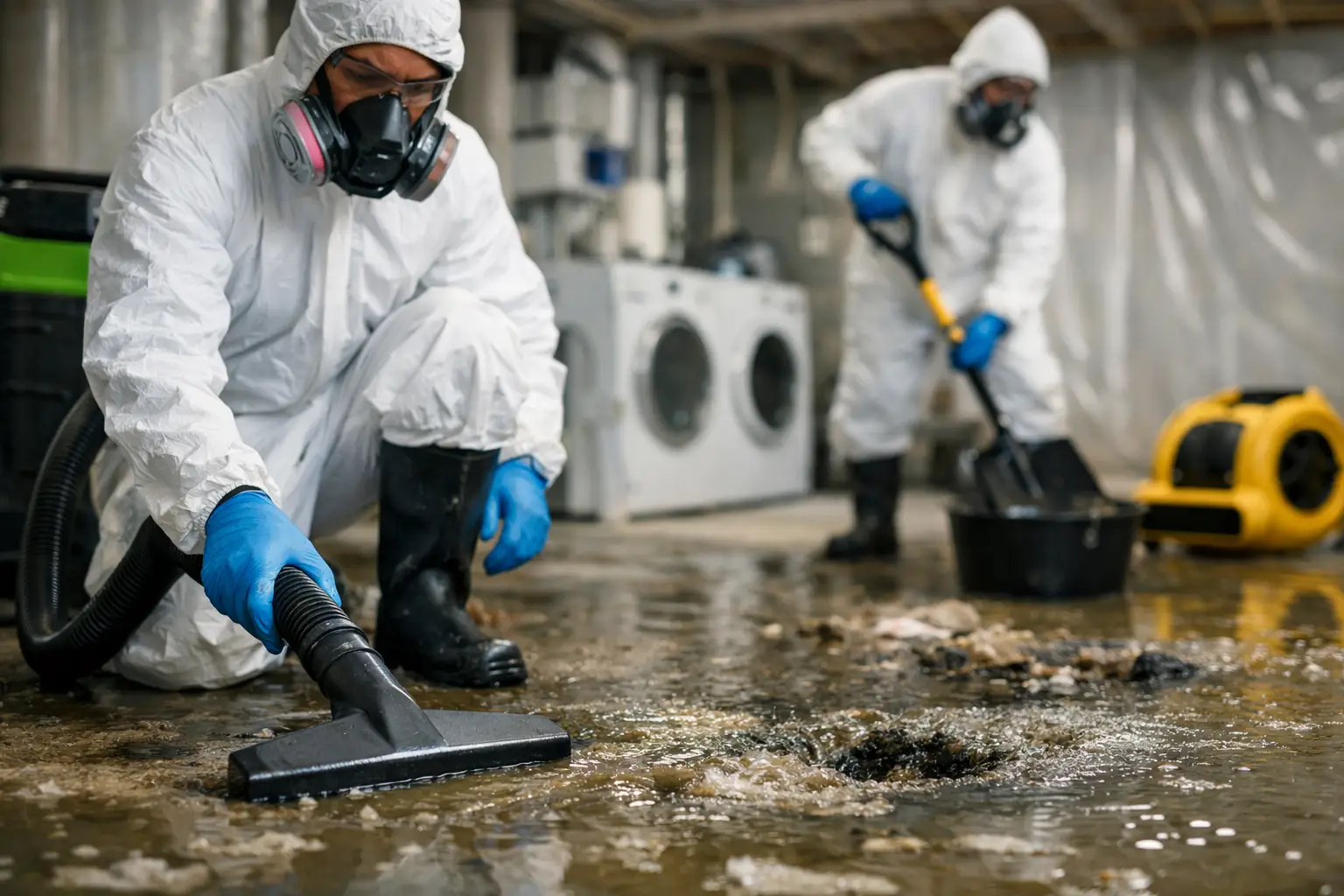 Sewage
Safe biohazard cleanup and sanitizing after sewage backups and overflows.
Learn more Reconstruction
Full rebuild by a licensed general contractor, so your property comes back whole.
Learn moreElevated Operations is an IICRC-certified, licensed general contractor based in Mableton that handles the entire recovery in-house, so after one loss you are never coordinating a cleanup crew, a mold crew, and a contractor separately. One team, one point of contact, from the first pump-out to the final coat of paint.
People call when the property feels like a disaster. They leave reviews because Chris and the crew made it right. These are real, verified Google reviews.
Yes. Slab ranch homes in Smyrna often hold moisture at the floor level, behind baseboards, or under carpet along the slab. Battery townhomes can move water vertically through stacked construction, shared walls, and ceiling cavities. I adjust extraction, air movement, and moisture monitoring to the building type, not just the visible damage.
Yes. Wet carpet extraction is often one of the first steps I take in older Smyrna homes, especially when a leak has reached carpet and pad over a slab. The goal is to remove as much water as possible quickly, then decide what can be dried, what needs removal, and where hidden moisture may still be present.
Direct insurance billing means my office works with the insurance carrier on the claim paperwork instead of making the homeowner carry all the back-and-forth alone. I still document the job carefully, and I keep the process tied to the actual damage, the drying process, and the work that was needed.
I know it is finished when moisture readings, material conditions, and the drying setup all line up. I do not rely on feel alone. In Smyrna homes, especially older slab ranches and townhomes with hidden pathways, moisture monitoring is what tells me the structure is ready for repairs.
If it is safe, shut off the water source and avoid moving damaged materials around more than necessary. Keep people out of wet carpet, saturated flooring, or affected electrical areas. Then call for 24/7 emergency response. A fast start improves the water extraction and drying outcome in both ranch homes and townhomes.
Yes. A room can feel dry and still have moisture in the structure. Dehumidification pulls moisture out of the air so the materials can keep drying. That matters in Smyrna because slab homes and townhomes can hide wet spots where the surface feels fine but the readings do not.
Yes. I work Smyrna homes across both settings, from older slab ranch streets to Battery-area townhomes. The housing style changes the drying approach, but the goal stays the same: remove water, dry the structure, document the work, and keep the home moving toward repair.
I provide a 12-month warranty on the work I complete. That matters because water damage is not just about getting the water out, it is about finishing the drying process correctly and standing behind the restoration work after the crew leaves.
Elevated Operations dispatches IICRC-certified crews across Metro Atlanta from our Mableton base, with a 60-minute emergency response day or night. Choose your city:
Call now for an immediate response, or request your free inspection and get a certified crew on-site within the hour across Atlanta and nearby areas.