24/7 Emergency Restoration · Serving Metro AtlantaEmergency? (770) 404-6895
Fire and smoke restoration Acworth costs are shaped by the damage, not by guesswork, and I keep that process plain. From Lake Acworth homes to properties near the Allatoona dock area, I handle fire damage cleanup, smoke damage cleanup, and insurance coordination with direct billing, deductible assistance up to $1,000, and a 12-month warranty.
IICRC-Certified · 5-Star Rated · 60-Minute Response · Insurance Billed Directly
Call me right away, let me inspect the loss, and I will document the damage, coordinate with the carrier, and begin direct billing when the policy allows it.
It can if the source was not fully addressed. That is why I separate soot removal, odor neutralization, and any needed content restoration instead of treating them as one step.
Yes. I handle fire and smoke restoration across Acworth, including lake-area properties where smoke, moisture, and contents all need careful documentation.
I keep it direct, IICRC-certified technicians, licensed general contractor oversight, direct insurance billing, and a 12-month warranty, all backed by a 4.9-star Google rating from 73 reviews.
Fire and smoke restoration in Acworth usually includes debris removal, board up services, fire damage cleanup, soot removal, smoke damage cleanup, odor neutralization, and repairs tied to the loss. IICRC-certified technicians handle the work, and I look at the whole property, not just the burned room.
In Acworth, I start with the actual condition of the home or business, whether the fire hit a lakefront place near Lake Acworth or a property closer to the Allatoona dock area. The scope changes fast when smoke moves through HVAC, attic space, or rooms with older finishes.
Cost follows the steps required, not a fixed menu. A small kitchen fire that needs debris removal and soot removal is one thing. A larger loss with board up services, odor neutralization, and repairs to finishes is another. I keep the scope tied to the damage I can verify on site.
Because I am a licensed general contractor and have been in restoration since 2007, I can separate cleanup from repair work. That matters for insurance, and it matters for owners in Acworth who want one clear plan instead of a pile of separate trades and vague estimates.
Smoke damage cleanup starts with stopping further spread, then removing soot, cleaning affected surfaces, and treating odors so the smell does not keep cycling through the property. In Acworth, I treat smoke as a whole-home issue when it reaches ducts, insulation, fabrics, or cabinets near the Lake Acworth shoreline or the Allatoona dock side.
Smoke damage cleanup is never just wiping walls. Soot can cling to trim, ceilings, counters, and hidden cavities, and odor neutralization only works when the source material is handled correctly. If the smoke traveled far, I look at contents, air movement, and any parts of the structure that held residue.
IICRC-certified technicians are important here because smoke behaves differently from fire char. Wet cleaning, dry cleaning, and controlled odor treatment each fit different materials. On a lake-area property, moisture and smoke can combine in a way that makes quick, careless cleaning fail later.
The cost rises when smoke reaches more areas, when content restoration is needed, or when surfaces need repeated cleaning to get residue out. I do not pretend smoke cleanup is simple. It is detail work, and detail work is what keeps a claim from coming back as a larger problem.
Pricing is based on the scope, the materials affected, and how deeply smoke, soot, and heat entered the structure. A fire with limited cleanup costs less than one that requires board up services, debris removal, structural repairs, content restoration, and odor neutralization across a larger Acworth property.
I do not price fire and smoke restoration by a slogan. I price by what I can document: burned materials, smoke spread, water from firefighting, and what has to be stabilized before work can continue. That is why two homes near Lake Acworth can look similar from the street and still need very different restoration paths.
Insurance also changes the process. If the claim allows direct billing, I work with the carrier directly instead of forcing the owner to carry the entire burden up front. That keeps the focus on getting the job scoped correctly, not on whether every step is paid by a check written in a rush.
A good estimate should clearly separate cleanup, drying if water is present, repairs, and any specialty treatment such as odor neutralization. I keep the numbers aligned with the actual loss, because inflated scope hurts the owner later and weak scope slows the claim. Both are bad outcomes.
Insurance often covers covered fire losses, including fire damage cleanup, smoke damage cleanup, board up services, and repair work needed to return the property to a usable condition. Coverage depends on the policy, the cause of loss, and the documented scope, so I always push the claim back to the facts.
For Acworth owners, the practical question is not whether insurance exists, but what the policy accepts after the loss. I help with direct insurance billing, which keeps the claim moving while the work is underway. That is especially useful when the property is exposed and needs immediate stabilization.
Fire damage often brings more than burned framing. It can include soot removal, damaged drywall, smoke odor, and water from extinguishing the fire. Insurance carriers usually want this broken out cleanly, and that is exactly how I document it. Clean records make the claim easier to review.
If a house near Lake Acworth has smoke in the attic or a business by the Allatoona dock area has contents affected by soot, the claim can expand beyond the obvious burn zone. I do not assume coverage. I document what happened, what had to be done, and what remains repairable.
Claims start with documentation, inspection, and a scope that matches the damage. Deductibles are the policyholder’s responsibility, and I offer deductible assistance up to $1,000. I also use direct insurance billing, so Acworth owners are not left juggling the carrier, the estimate, and the cleanup alone.
The claim process should be orderly, not rushed. I inspect the damage, identify what needs fire damage cleanup and smoke damage cleanup, and then build the work around the actual loss. When the carrier reviews the file, they want proof, not assumptions, and that is where careful documentation matters most.
Deductibles are part of the policyholder side of the claim, and they do not disappear because the damage is stressful. I am straightforward about that. If deductible assistance up to $1,000 applies, I explain it clearly and keep the rest of the billing aligned with the carrier and the owner.
In Acworth, I have seen claims get delayed because nobody separated cleanup from repair or because the owner was unsure what the insurer wanted. I keep the process tight. The goal is not to guess what the claim might cover. The goal is to show what happened and move the job forward.
Yes, some fire damaged contents can be restored, but it depends on the material, the heat exposure, and how much soot or odor has penetrated them. I evaluate content restoration case by case, because a salvageable item near Lake Acworth may not be worth restoring if the damage is too deep.
Content restoration matters because the contents often hold the story of the loss. Furniture, electronics, textiles, and personal items react differently to smoke and soot. Some can be cleaned and treated. Some need to be removed. I do not force a restore decision where replacement is the better answer.
A lot depends on how quickly the fire restoration begins. The longer soot sits, the more likely it is to etch surfaces or leave lasting odor. That is why I push for fast assessment, especially on properties near the Allatoona dock area where open exposure and humidity can make contamination linger.
Insurance can sometimes cover content restoration when the items are part of the covered loss. I document the condition, the type of damage, and the treatment needed. That gives the owner a cleaner claim and a more realistic path for what is salvaged versus what is replaced.
Fire restoration should begin as soon as the property is safe to enter and documented, because soot, odor, and water damage get worse fast. In Acworth, I offer 24/7 emergency response with a 60-minute emergency response, which helps limit spread after a fire near Lake Acworth or the Allatoona dock area.
The first hours matter. Board up services, debris removal, and smoke damage cleanup are not cosmetic steps. They protect the structure and stop the loss from expanding while the claim is being handled. If the building stays open, weather and contamination can multiply the problem quickly.
When water is involved, structural drying may also become part of the work. That is common after firefighting, and it changes the cost because now I am dealing with smoke, soot, and moisture at the same time. The right sequence keeps the work efficient and keeps damage from spreading behind walls.
I have been in restoration since 2007, and I have learned that delay creates extra cost in almost every case. Fast response is not a sales line. It is how you protect the structure, preserve more contents, and give the insurance file a better starting point.
Fire and smoke restoration pricing depends on the actual damage, including soot removal, odor neutralization, debris removal, board up services, and any repair work that follows.
I offer direct insurance billing so the claim can move while the work is underway, instead of leaving the owner to manage every step alone.
Deductible assistance up to $1,000 may apply, and I explain it clearly so there is no confusion about the policyholder’s share of the claim.
Claims are stronger when the loss is documented cleanly, with fire damage cleanup, smoke damage cleanup, and content restoration separated by scope.
Work is backed by a 12-month warranty and performed by IICRC-certified technicians under Elevated Operations, LLLP, with owner Chris Kwangwari overseeing the standard.
From emergency mitigation to full reconstruction, handled in-house so you are never managing a chain of subcontractors mid-crisis.
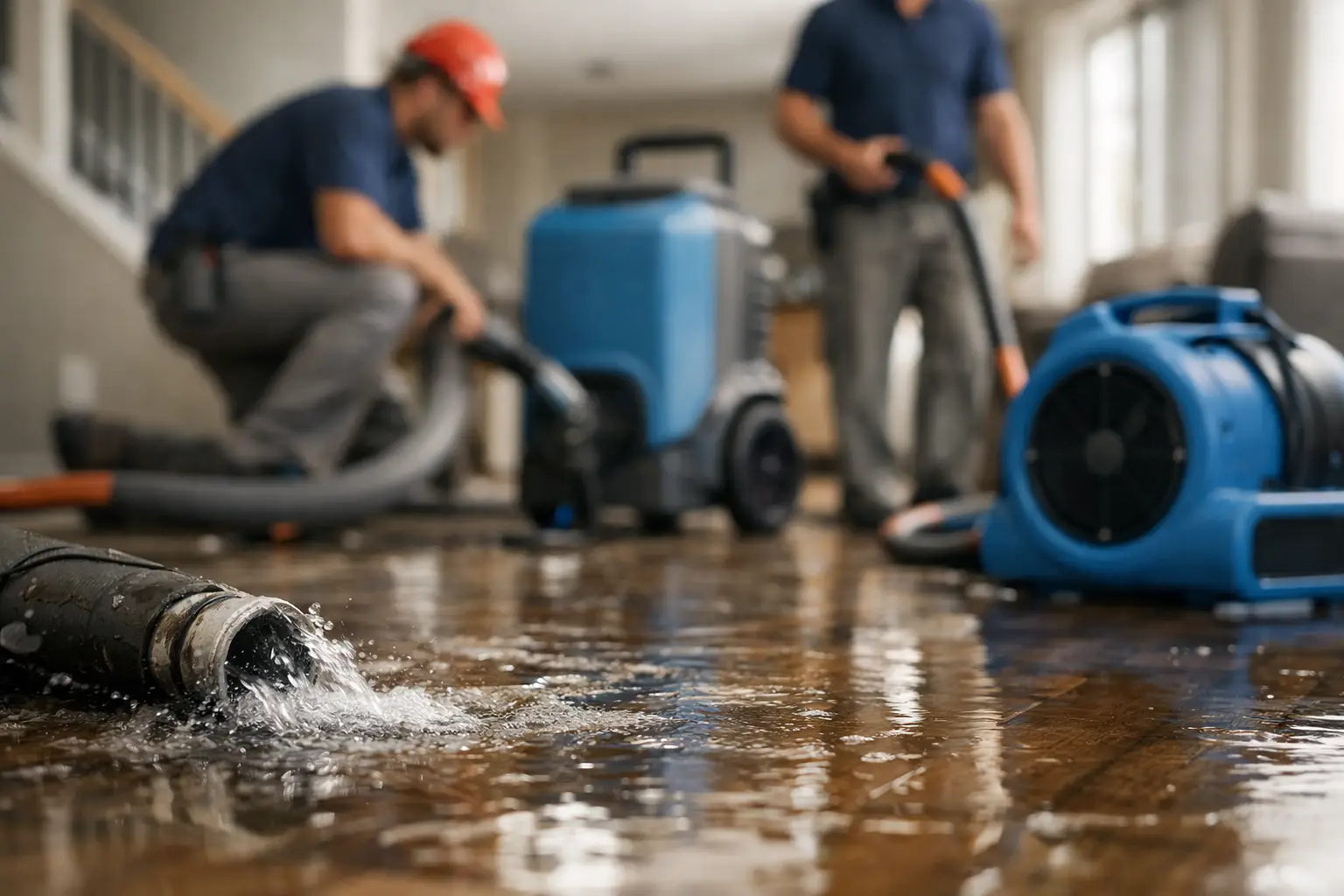
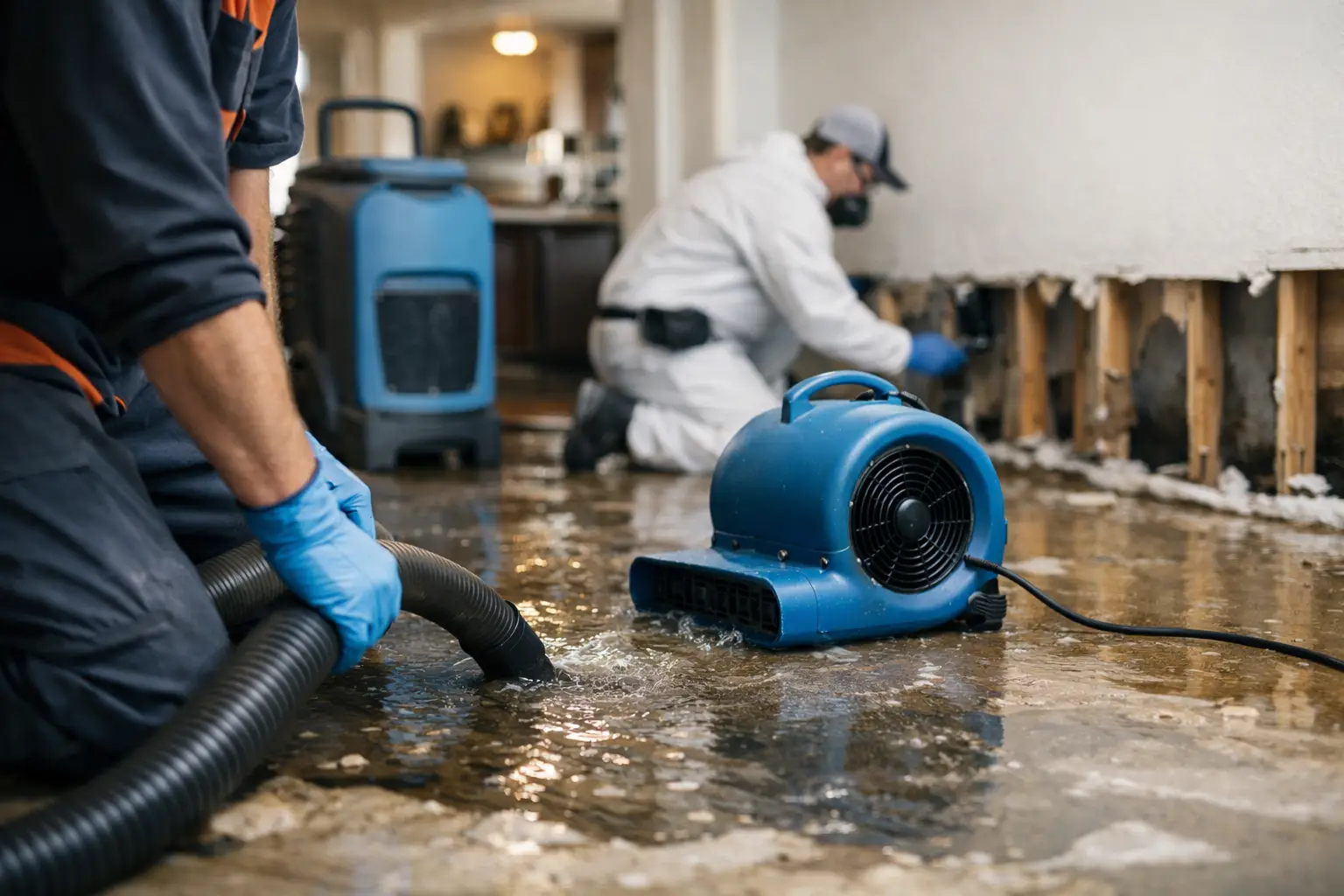 Water Damage
Extraction, structural drying, and moisture mapping after floods, leaks, and burst pipes.
Get help now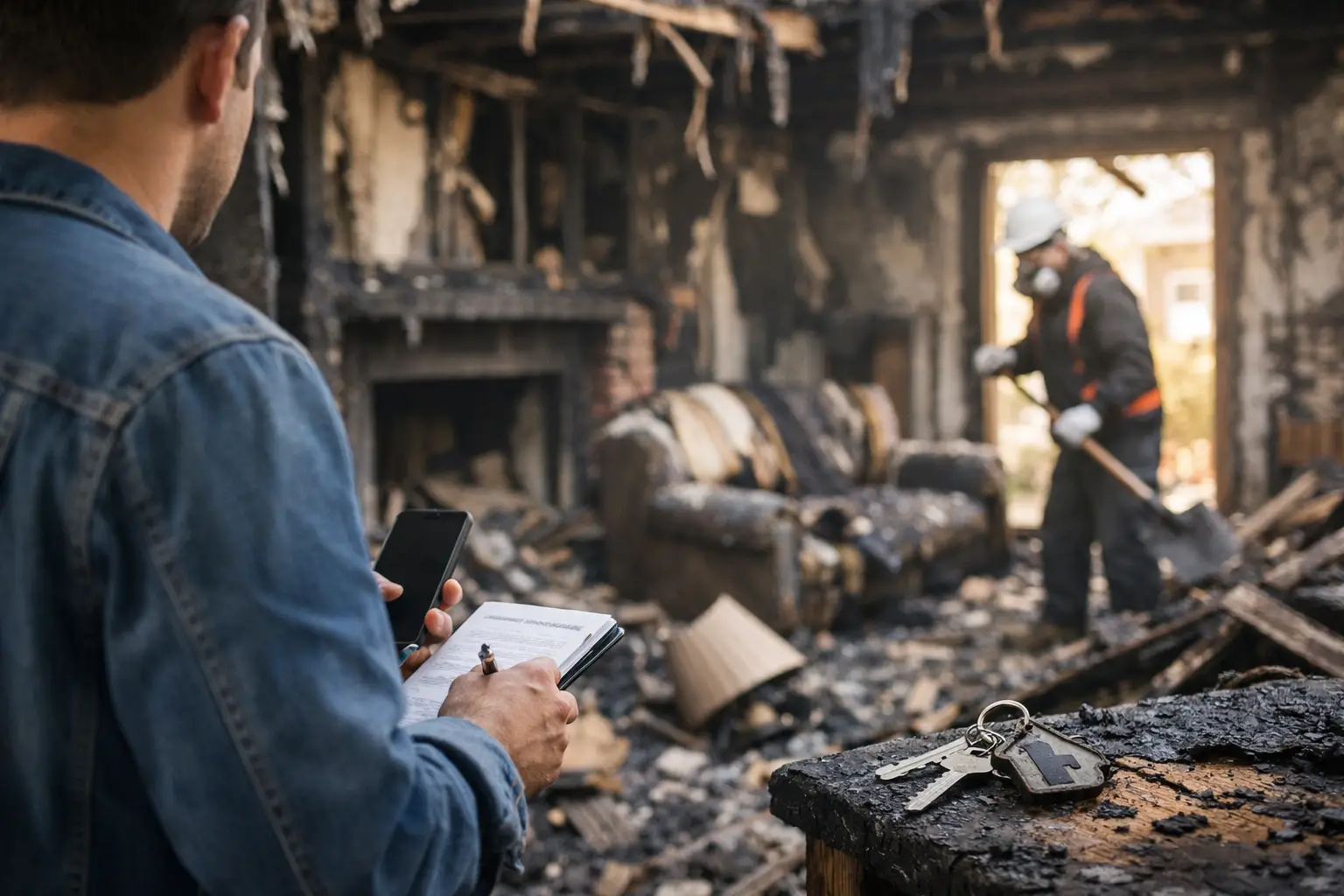 Fire & Smoke
Soot removal, odor deodorization, and content cleaning after fire and smoke damage.
Learn more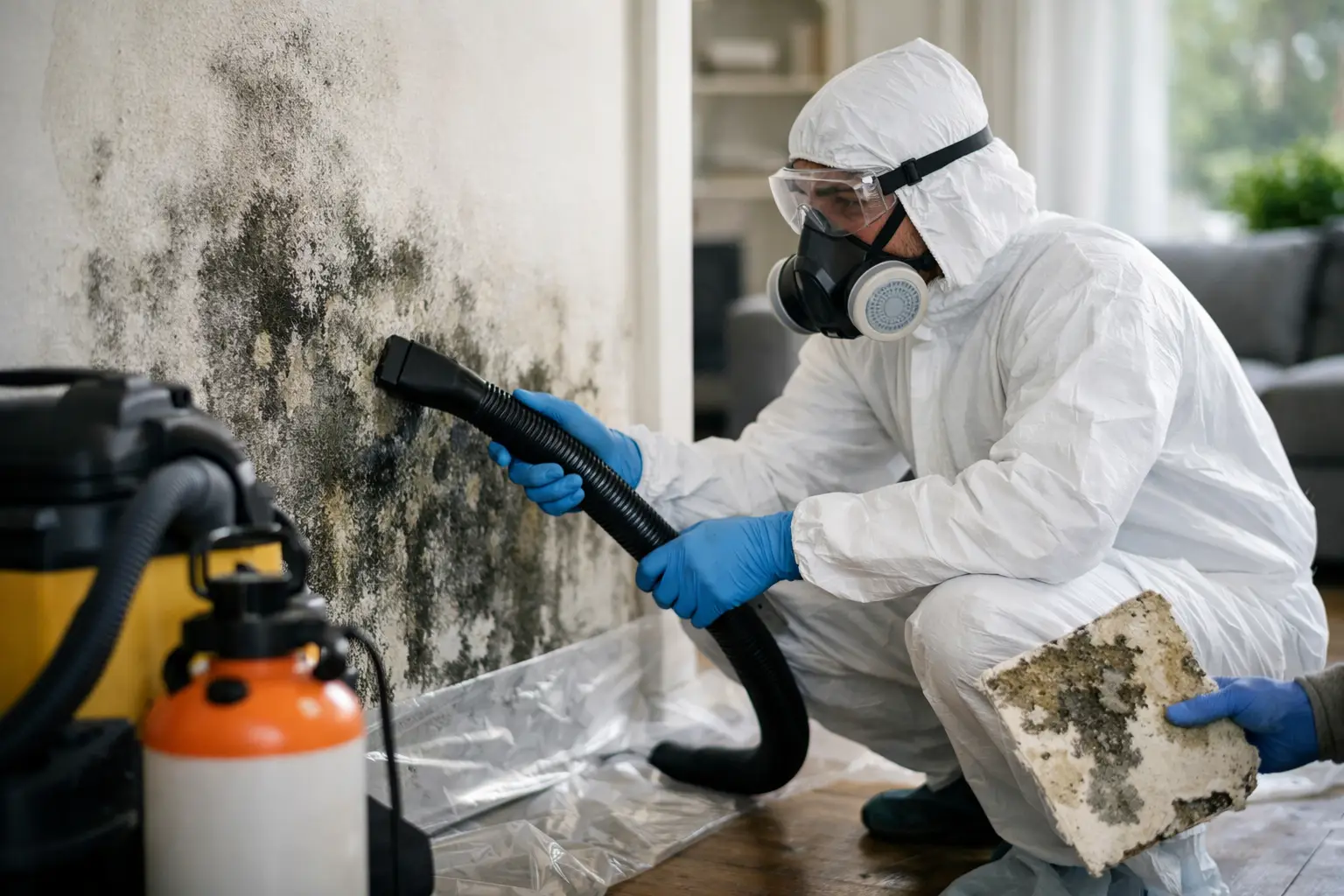 Mold
MoldContainment, removal, and moisture control that stops mold from coming back.
Learn more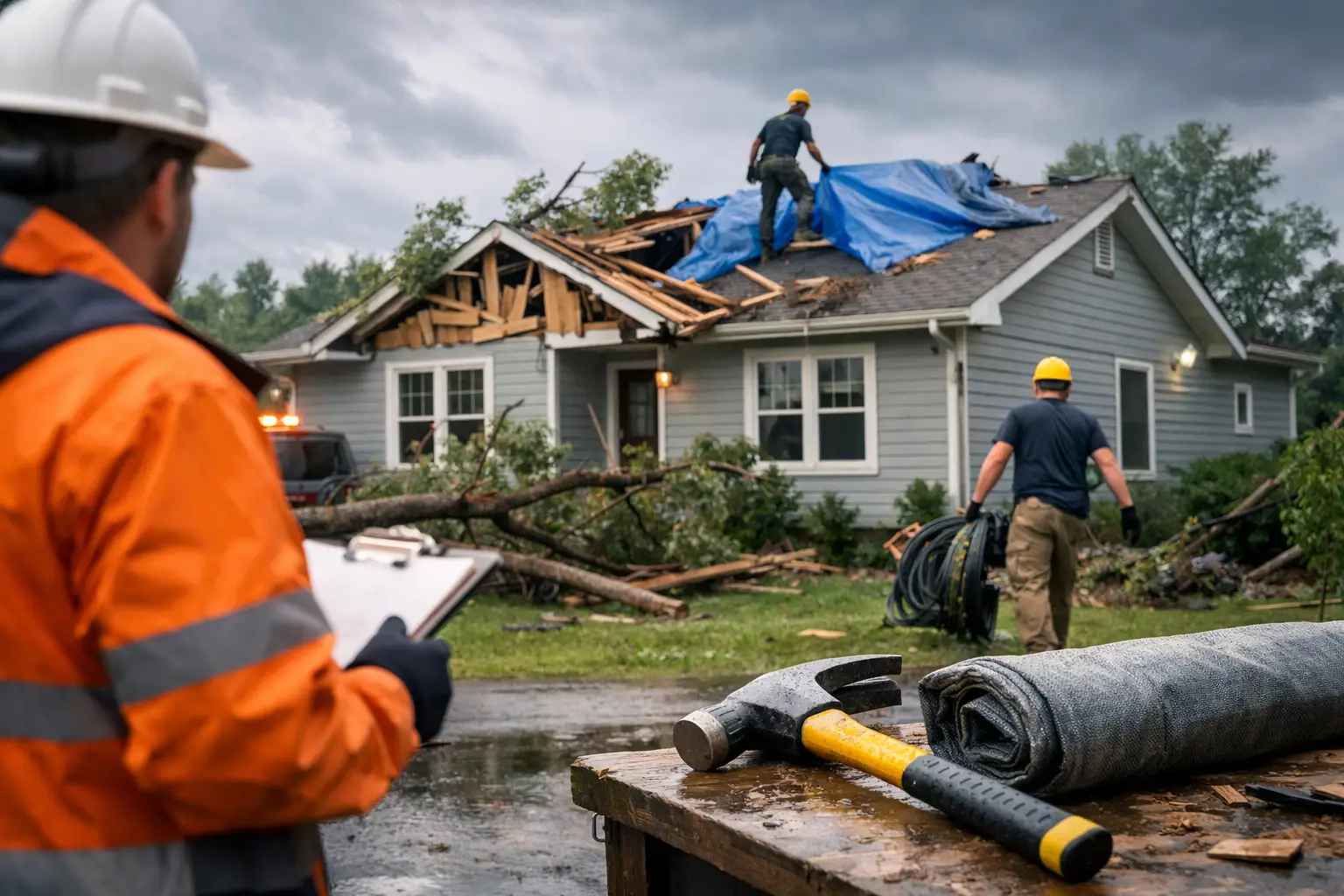 Storm
StormEmergency board-up, roof tarping, and full recovery after wind, hail, and storms.
Learn more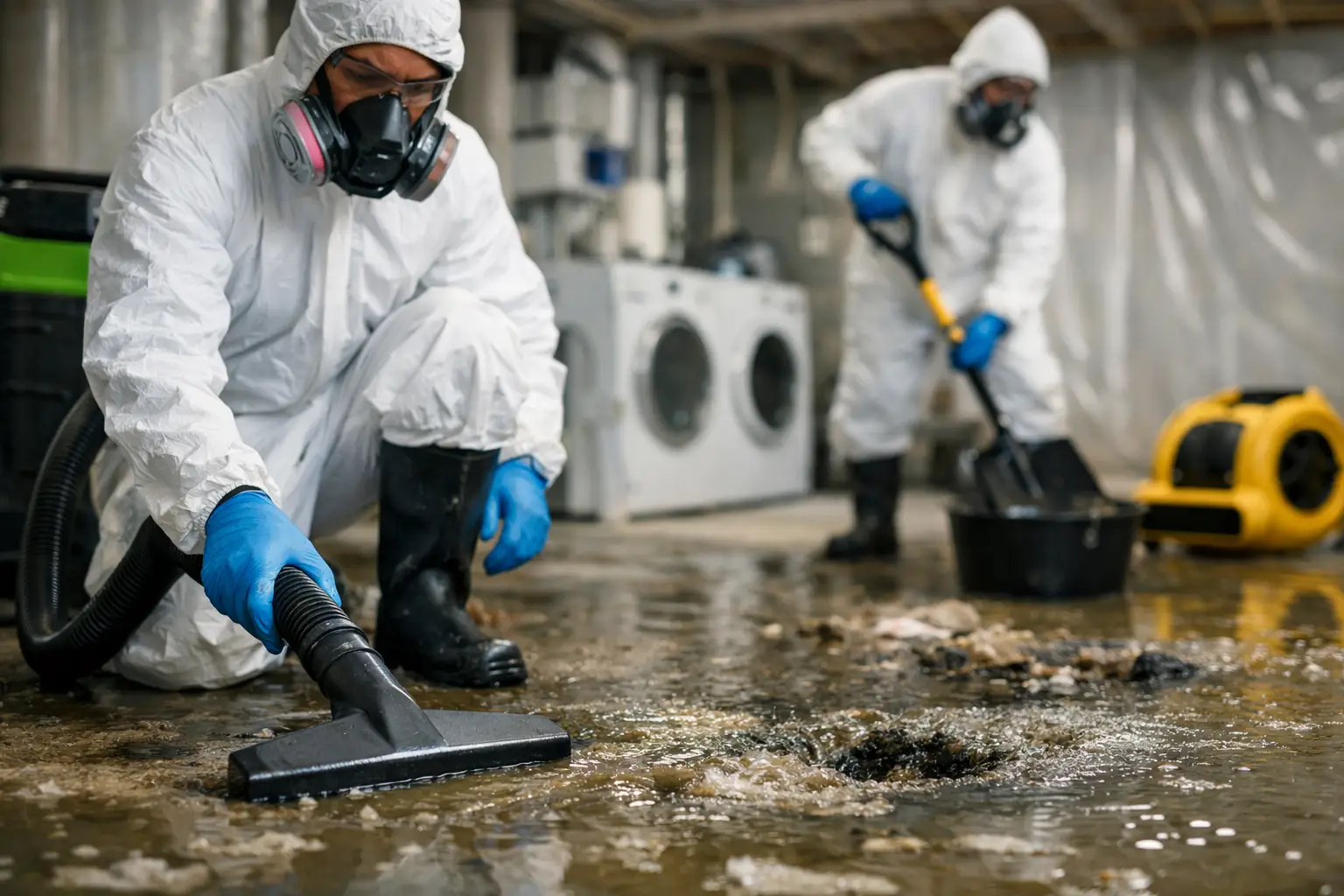 Sewage
Safe biohazard cleanup and sanitizing after sewage backups and overflows.
Learn more Reconstruction
Full rebuild by a licensed general contractor, so your property comes back whole.
Learn moreElevated Operations is an IICRC-certified, licensed general contractor based in Mableton that handles the entire recovery in-house, so after one loss you are never coordinating a cleanup crew, a mold crew, and a contractor separately. One team, one point of contact, from the first pump-out to the final coat of paint.
People call when the property feels like a disaster. They leave reviews because Chris and the crew made it right. These are real, verified Google reviews.
Usually, yes, because heavy odor means the smoke reached more materials and needs more cleaning, more treatment, or more content restoration. I do not treat odor neutralization as an add-on gimmick. If the smell is deep, the scope is deeper too. On lake-area properties, open air does not always fix smoke quickly.
After a kitchen fire, insurance may cover the covered loss, including fire damage cleanup, smoke damage cleanup, and repairs tied to the event. I document the damage, work with direct insurance billing when allowed, and keep the claim tied to the actual scope. That matters when soot spreads beyond the kitchen into adjoining rooms.
Yes. Board up services are often part of the first response when the structure is open to weather, trespass, or further damage. I treat that as protection, not just cleanup. For a fire near the Allatoona dock area, the job may need stabilization before any interior work can be priced correctly.
Older finishes need care because soot can stain, etch, or spread if the wrong cleaning method is used. IICRC-certified technicians choose the method based on the surface, the residue, and the smoke type. In Acworth, that matters in older homes where trim, cabinetry, and porous materials react differently than newer surfaces.
Sometimes, if the policy treats the items as part of the covered loss and the items are salvageable. I document each item’s condition, the smoke exposure, and the treatment needed. That gives the carrier a clear file and gives the owner a realistic choice between restoration and replacement.
I offer 24/7 emergency response with a 60-minute emergency response, so the response starts fast once the property is safe to access. That early action can limit soot spread, support board up services, and reduce the chance that smoke and water become a bigger claim than necessary.
Yes. I explain deductible responsibility directly and offer deductible assistance up to $1,000 when it applies. That conversation belongs early, because owners should know what part of the claim is theirs and what part is handled through the carrier. No surprises. No vague math.
Because firefighting water often reaches the same spaces as smoke and soot. If moisture is present, structural drying becomes part of the job so the property does not keep absorbing damage behind walls or under floors. I look at the whole loss, not just the visible burn marks.
Elevated Operations dispatches IICRC-certified crews across Metro Atlanta from our Mableton base, with a 60-minute emergency response day or night. Choose your city:
Call now for an immediate response, or request your free inspection and get a certified crew on-site within the hour across Atlanta and nearby areas.