24/7 Emergency Restoration · Serving Metro AtlantaEmergency? (770) 404-6895
Fire and smoke restoration in Austell starts with one goal, stop the spread, clean the damage, and get the house stable again. I am Chris Kwangwari, and when a kitchen fire, attic smoke, or garage burn hits a home near Sweetwater Creek, I send IICRC-certified technicians, handle direct insurance billing, and keep the work moving.
IICRC-Certified · 5-Star Rated · 60-Minute Response · Insurance Billed Directly
Yes, when the property is safe, I move fast. Our 24/7 emergency response and 60-minute emergency response target are built for that first day.
Humidity can make odor linger, especially near the creek corridor. I focus on source cleaning, odor neutralization, and the materials that hold smoke the longest.
Yes. I handle direct insurance billing, so the claim stays organized while we work on cleanup and repair.
Often, yes. I sort contents quickly, separate salvageable items, and decide what needs content restoration versus disposal.
We start with fire damage cleanup, smoke damage cleanup, and board up services if the home is exposed, then we remove soot, protect salvageable rooms, and map the odor source before it gets locked into the drywall, insulation, and HVAC path.
One Austell call started in a ranch house close to the older neighborhoods where single-level floor plans carry smoke fast. The fire stayed in the kitchen, but the soot ran through the hall and into bedrooms. We treated it like a whole-home event, not a room-by-room guess.
The first job was debris removal, then a close look at cabinets, soffits, and trim where smoke settles hardest. I do not let crews rush past the fine particles. That is how odor lingers after the visible burn is gone, especially in compact homes with open sightlines.
Sweetwater Creek changed Austell once, and I think about that every time water and fire collide in the same house. After the 2009 flood, a lot of local owners learned how fast damage spreads when a structure is stressed. Fire cleanup works the same way, act early or pay later.
Fire and smoke restoration includes emergency securing, debris removal, soot removal, smoke damage cleanup, odor neutralization, structural drying when water was used, and direct insurance billing. If contents can be saved, we also sort for content restoration before demolition decisions get made.
In Austell, I start by figuring out what the fire actually touched and what smoke reached without burning. Those are not the same zones. A ceiling can look fine and still hold odor. A closet can smell awful because air pulled soot through the entire return path.
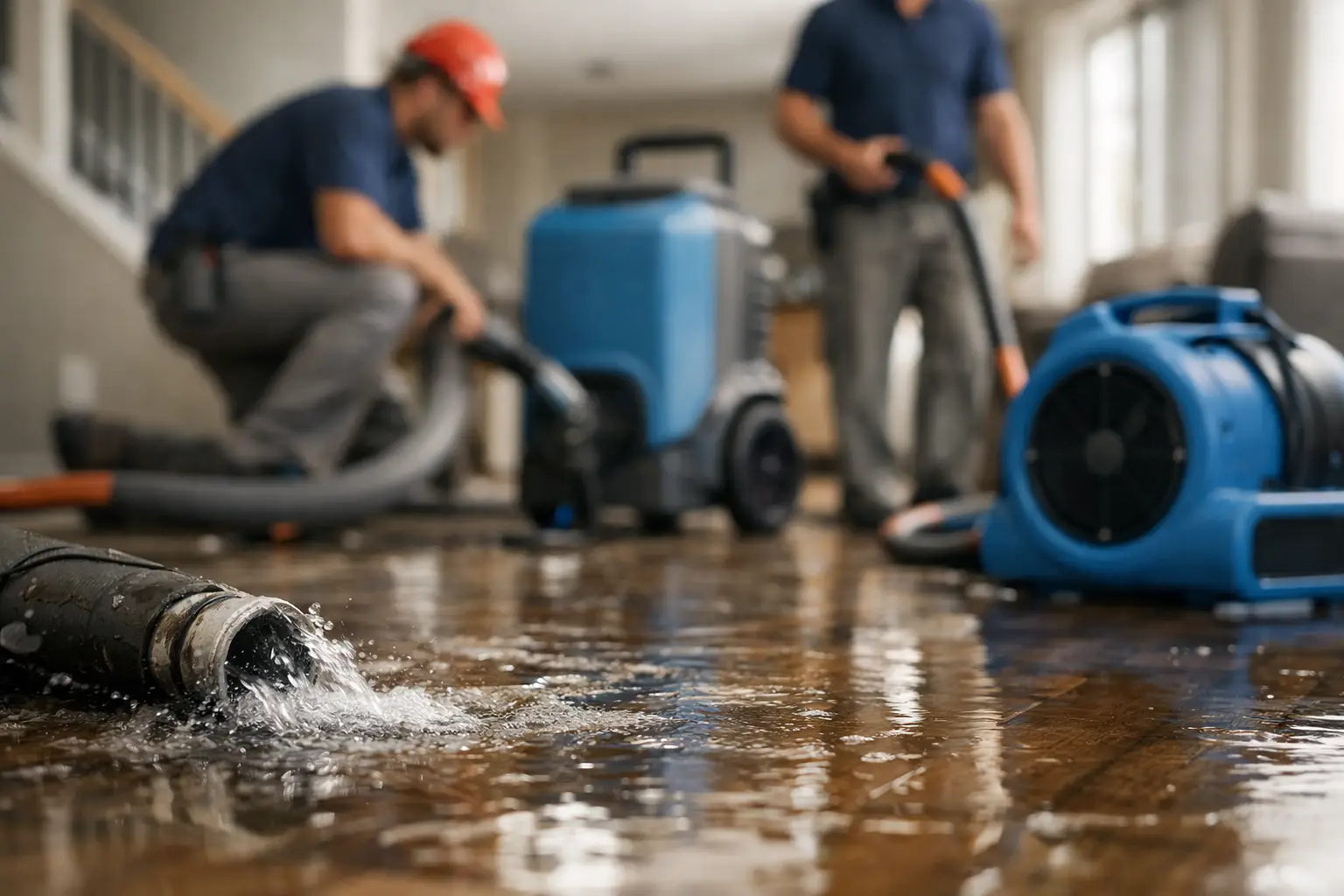
If the fire department used water, structural drying comes next. I do not skip that step. Water trapped behind baseboards or under flooring can turn a fire claim into a second problem, and I have seen that happen in homes near older subdivision streets and newer builds alike.
We are licensed as a general contractor, so I can coordinate the structural side instead of sending the homeowner to chase three different companies. That matters after a fire near Austell, where the owner is already trying to deal with the insurance carrier, the smoke, and the emotional hit.
We remove smoke damage after a fire by cleaning surfaces in the right order, testing what can be washed, using soot-specific methods on trim and finishes, and controlling odors at the source instead of covering them. That is the difference between cleanup and a house that still smells burned.
Smoke damage cleanup is never one product sprayed everywhere. In Austell homes, especially the ones with mixed materials and older finishes, I separate painted surfaces, wood trim, duct paths, and soft contents. Each one reacts differently to soot, and one bad choice can set the stain permanently.
Odor neutralization is not perfume. I say that plainly because homeowners have usually already tried it themselves. Real smoke removal means cleaning residue, clearing hidden deposits, and addressing what got into textiles, insulation, or porous framing. If you miss the source, the smell comes back with heat and humidity.
Near Sweetwater Creek, humidity can make a smoky house feel worse for longer if the cleanup is sloppy. I learned early in restoration, in 2007, that rushing a deodorizing step is expensive. The right process is slower up front and better at the finish, which is what people actually want.
Yes, many fire damaged contents can be restored if we get to them quickly and the smoke has not permanently etched or melted them. I sort items for content restoration, document what stays, what needs specialized cleaning, and what cannot be saved because the damage is too deep.
In Austell, I have seen furniture, framed photos, and household items pulled from rooms that looked worse than they were. Content restoration starts with triage. Some things need pack-out cleaning, some need odor work, and some are done for. I do not promise miracles on items that are already gone.
A house near Carey Park with a small electrical fire taught me a hard lesson years ago, the sooner you inventory contents, the more you can save from soot migration and handling damage. If you wait while the structure sits, smoke keeps working long after the flames stop.
I am direct about salvage. If a sofa is soaked with soot and the foam is broken down, I will say no. If a dining set only has surface smoke, I will say yes and clean it the right way. That honesty keeps the claim cleaner and the recovery faster.
Fire restoration should begin as soon as the structure is safe, because smoke keeps staining, odor keeps setting, and moisture from firefighting can trigger new damage. We offer 24/7 emergency response with a 60-minute emergency response target, then move into securing and cleanup right away.
The clock starts the moment the fire is out. Soot is acidic. Smoke sinks into fabrics and finishes. Water from suppression soaks into framing. If a homeowner in Austell waits until the weekend or waits for every insurance detail to clear, the repair gets harder and the odor gets deeper.
I have been in restoration since 2007, and that experience tells me one thing every time, speed matters, but speed without order helps no one. We secure the site, then assess the burn, then address smoke and moisture in a sequence that protects the building and the claim.
Austell homeowners already know what delay can do because many still remember the Sweetwater Creek 2009 flood conversations, when wet materials sat too long and problems spread. Fire is different, but the lesson is the same: act early, document everything, and do the work in the right order.
Homes near Sweetwater Creek and in older Austell streets often need more careful fire and smoke restoration because materials, airflow, and access can vary a lot. We adjust the plan for the house, the smoke path, and any water damage tied to emergency response.
That part of Austell has a real mix, older ranches, brick homes, and houses that were built before anyone cared much about how smoke moves through returns and attic gaps. When I get a call there, I expect hidden cavities, stubborn odors, and cleanup work that needs real inspection.
Sweetwater Creek is part of the local story, not just the flood history. After the 2009 flood, people around the creek understood how quickly a structure can be stressed by water. When fire and smoke restoration follows a firefight, I treat water control and structural drying as part of the same recovery.
A tight lot, a shared driveway, a carport burn, or a garage fire near an older street can complicate access and ventilation. I plan for that. And because I am a licensed general contractor, I can handle the rebuilding conversation without handing the homeowner off to a new company every day.
A small fire left black soot on cabinets and a sharp odor through the hallway. We handled fire damage cleanup, then worked room by room so the homeowner could keep the salvageable parts of the house moving toward repair.
The garage took the burn, but smoke rolled into the living space. We used board up services, debris removal, and smoke damage cleanup, then checked adjacent walls for hidden residue that would have caused odor later.
After the Sweetwater Creek 2009 flood, many owners stayed alert to moisture problems. When a fire added water damage to the mix, we paired structural drying with odor neutralization so the home did not carry two kinds of damage into the rebuild.
From emergency mitigation to full reconstruction, handled in-house so you are never managing a chain of subcontractors mid-crisis.
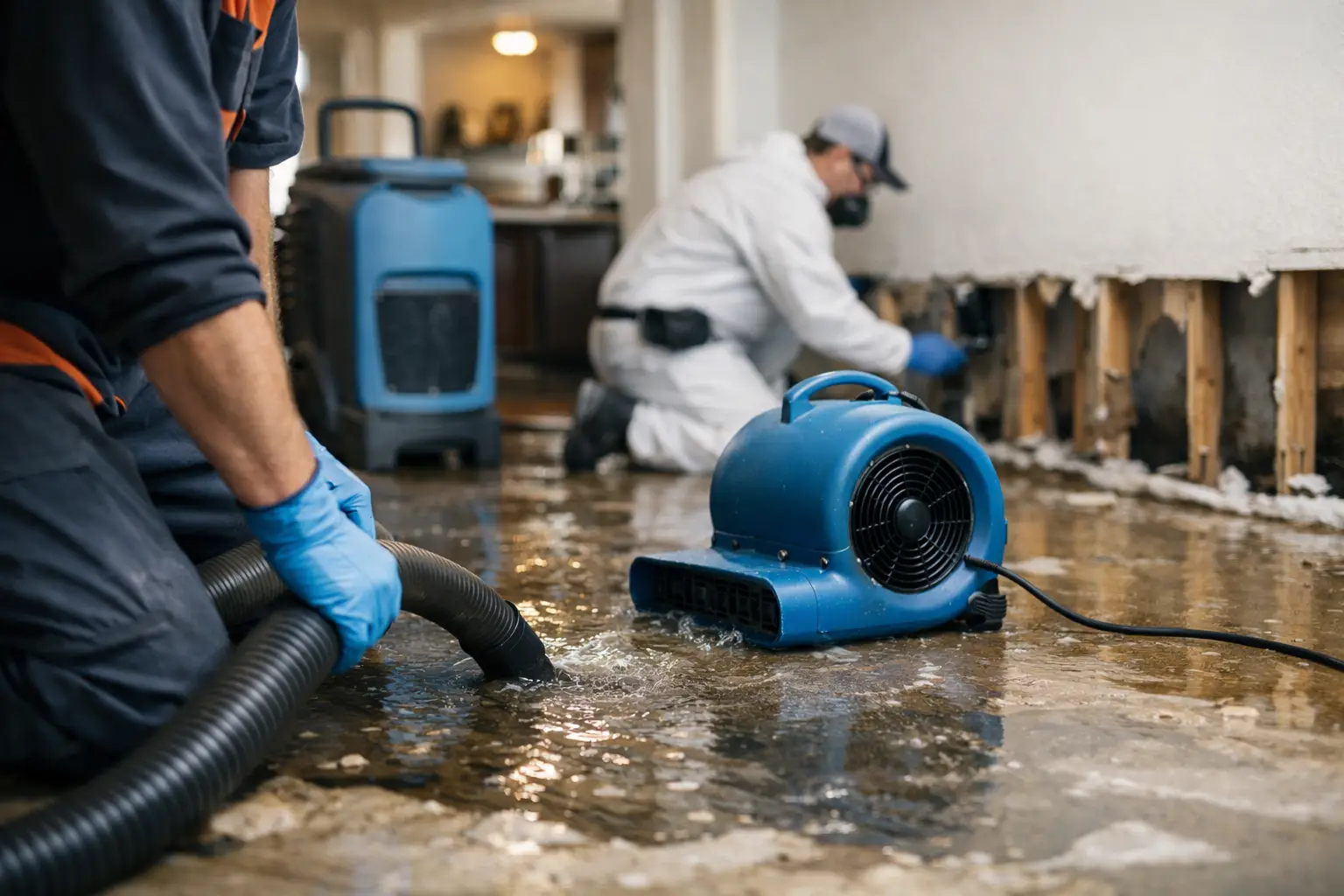 Water Damage
Extraction, structural drying, and moisture mapping after floods, leaks, and burst pipes.
Get help now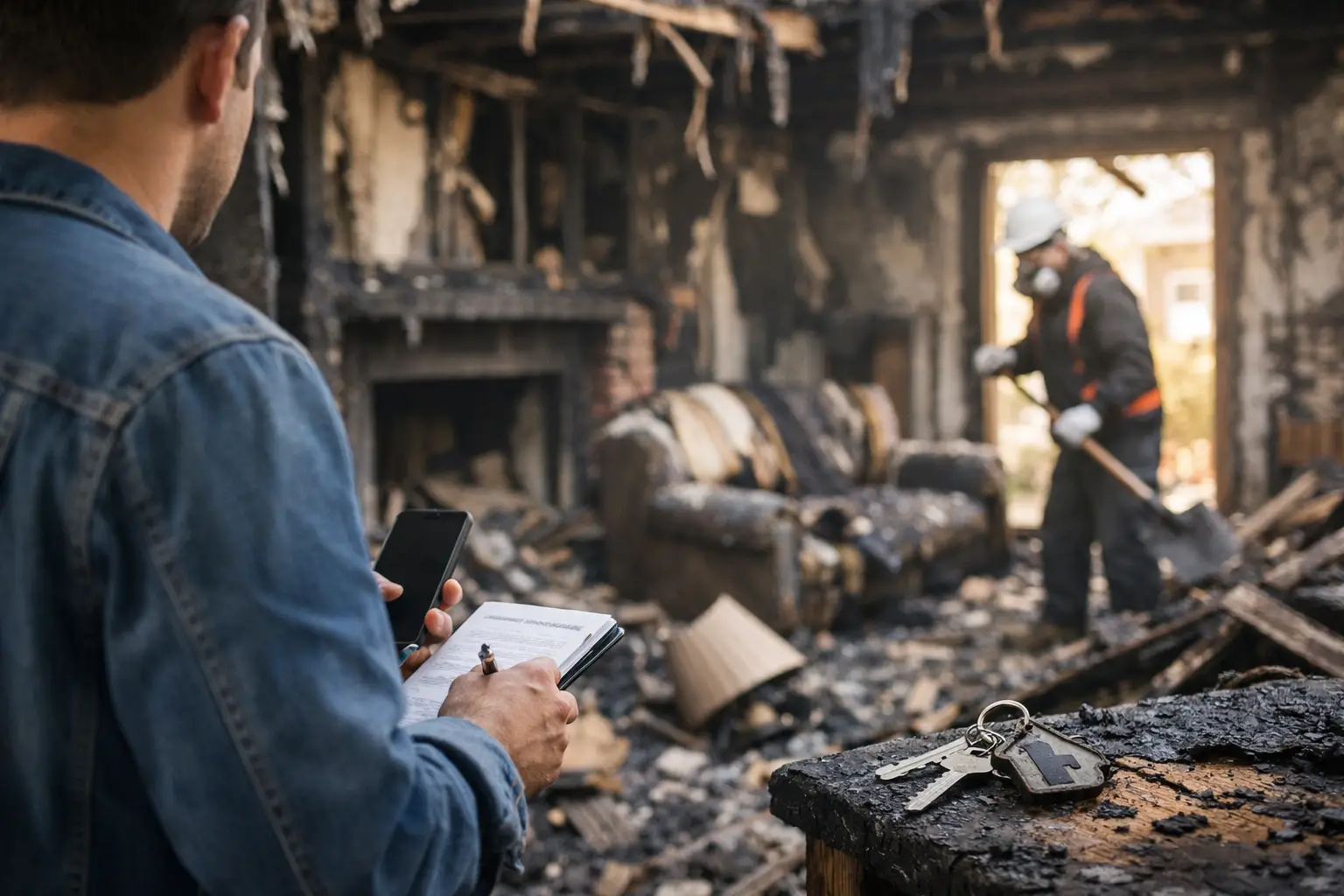 Fire & Smoke
Soot removal, odor deodorization, and content cleaning after fire and smoke damage.
Learn more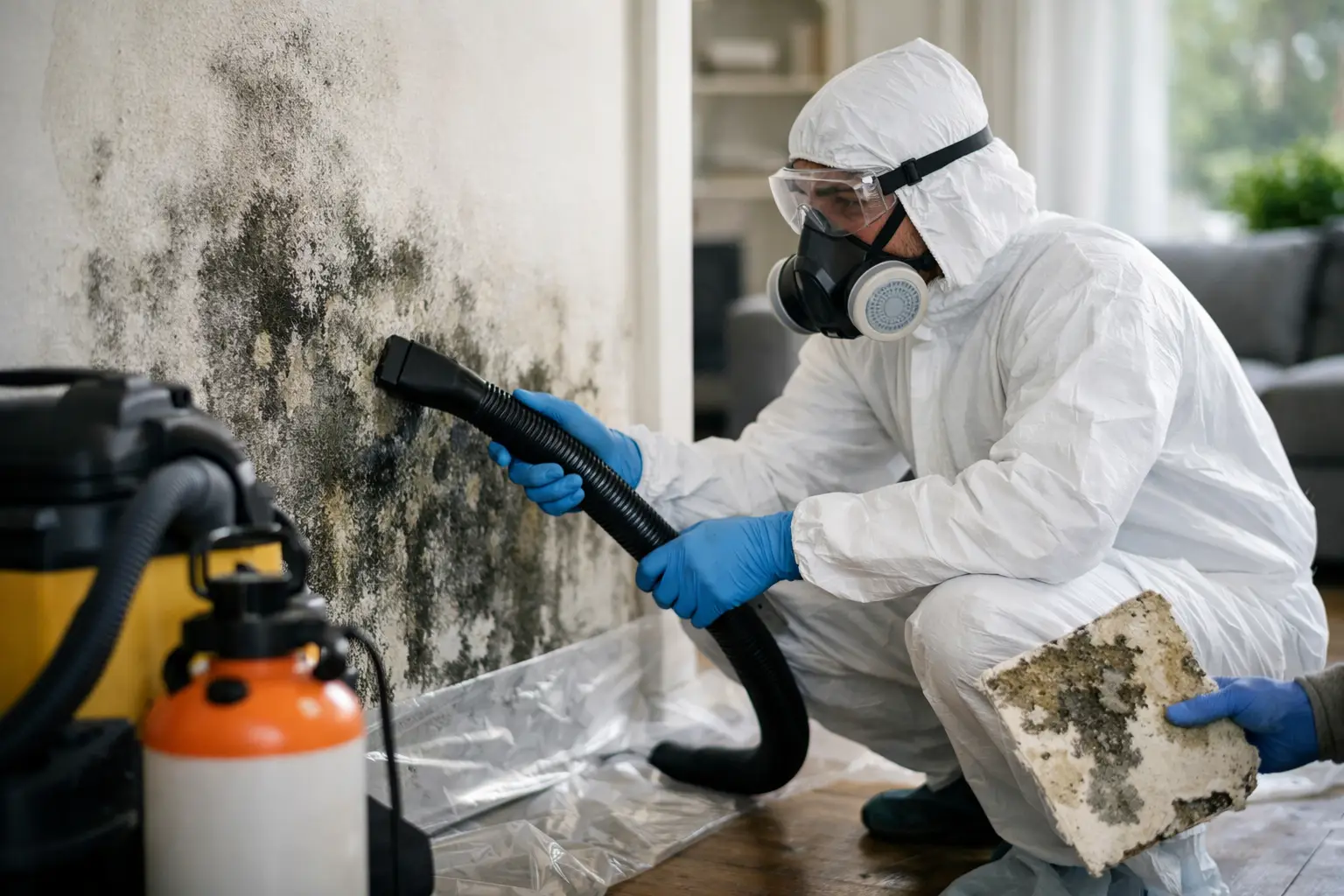 Mold
MoldContainment, removal, and moisture control that stops mold from coming back.
Learn more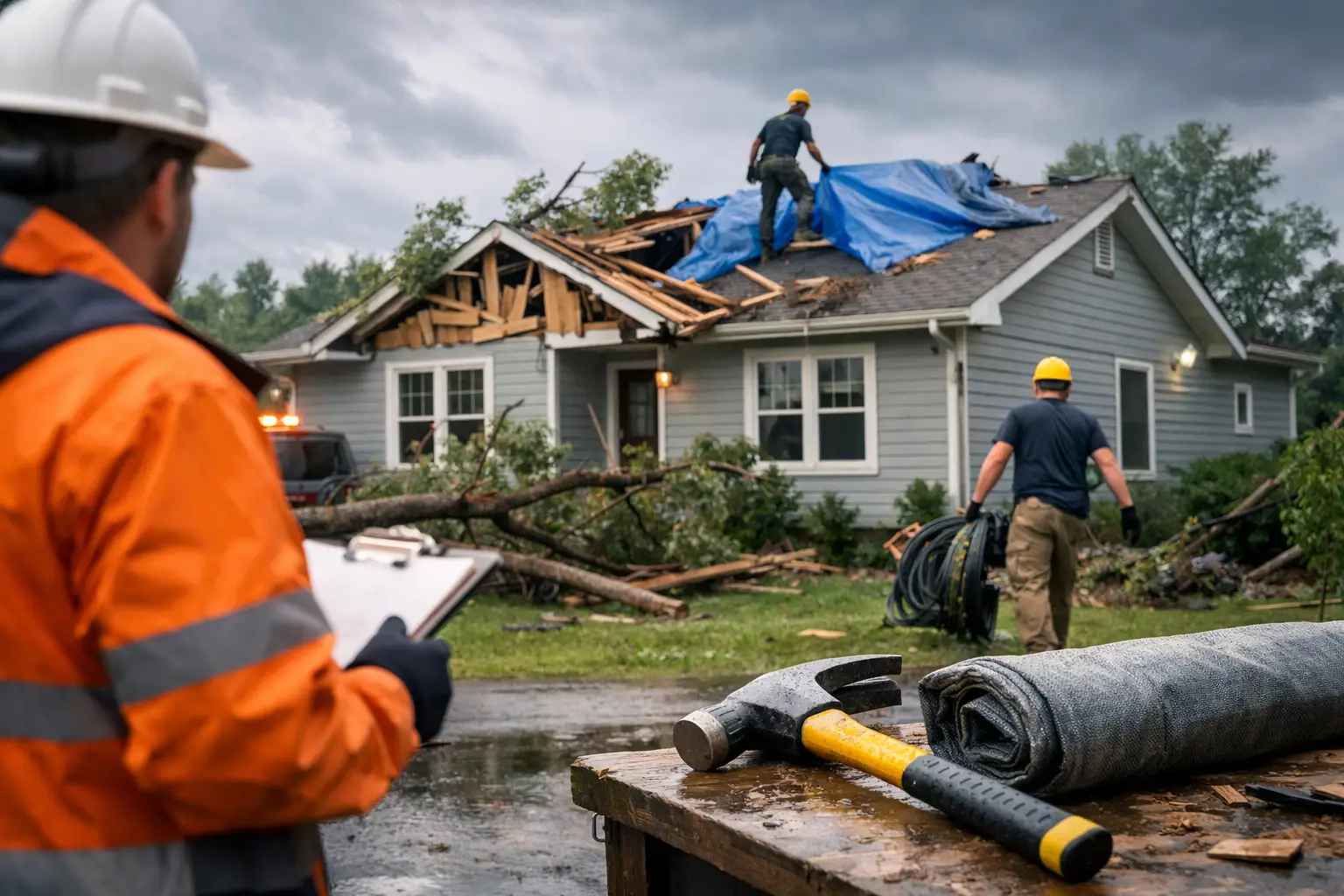 Storm
StormEmergency board-up, roof tarping, and full recovery after wind, hail, and storms.
Learn more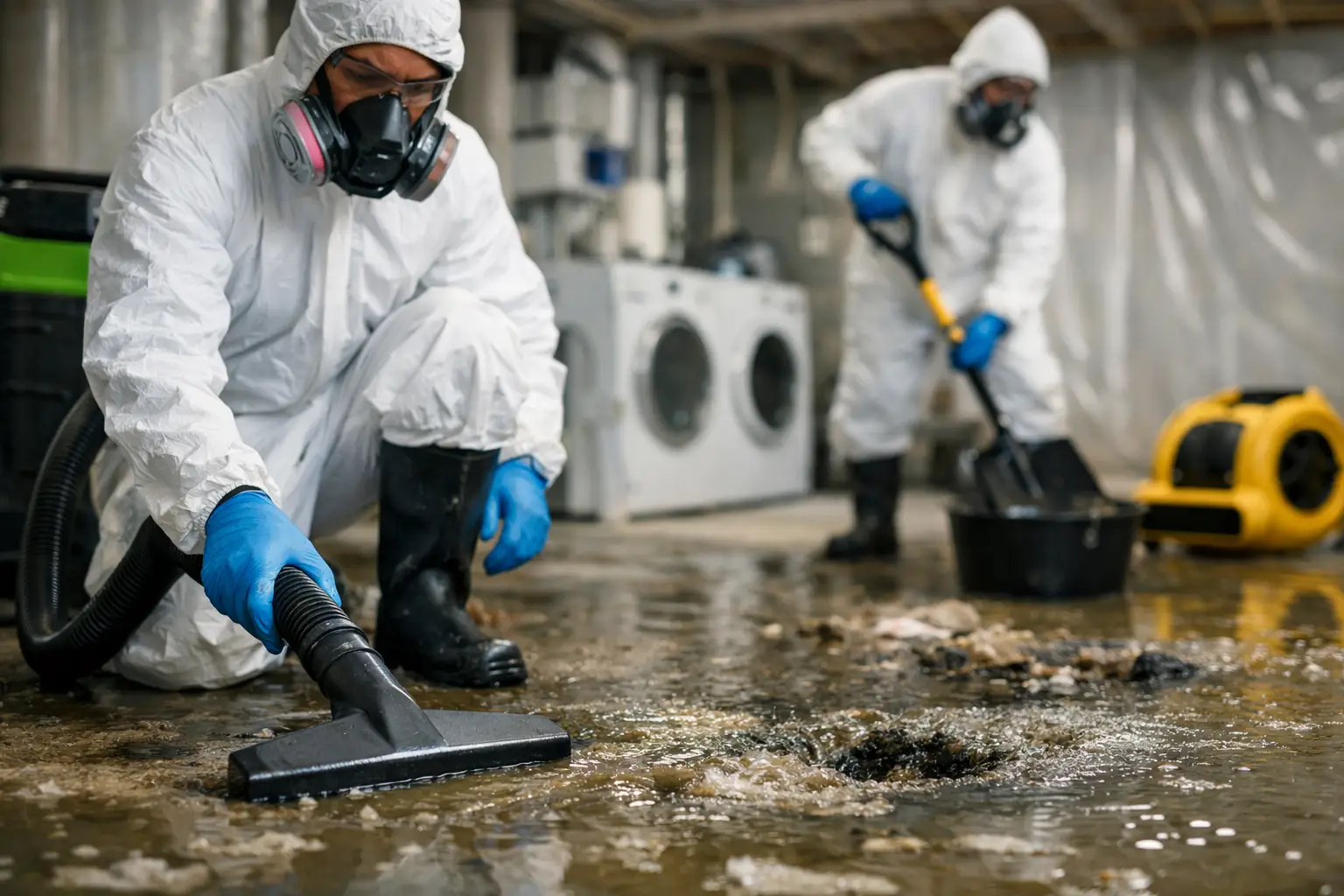 Sewage
Safe biohazard cleanup and sanitizing after sewage backups and overflows.
Learn more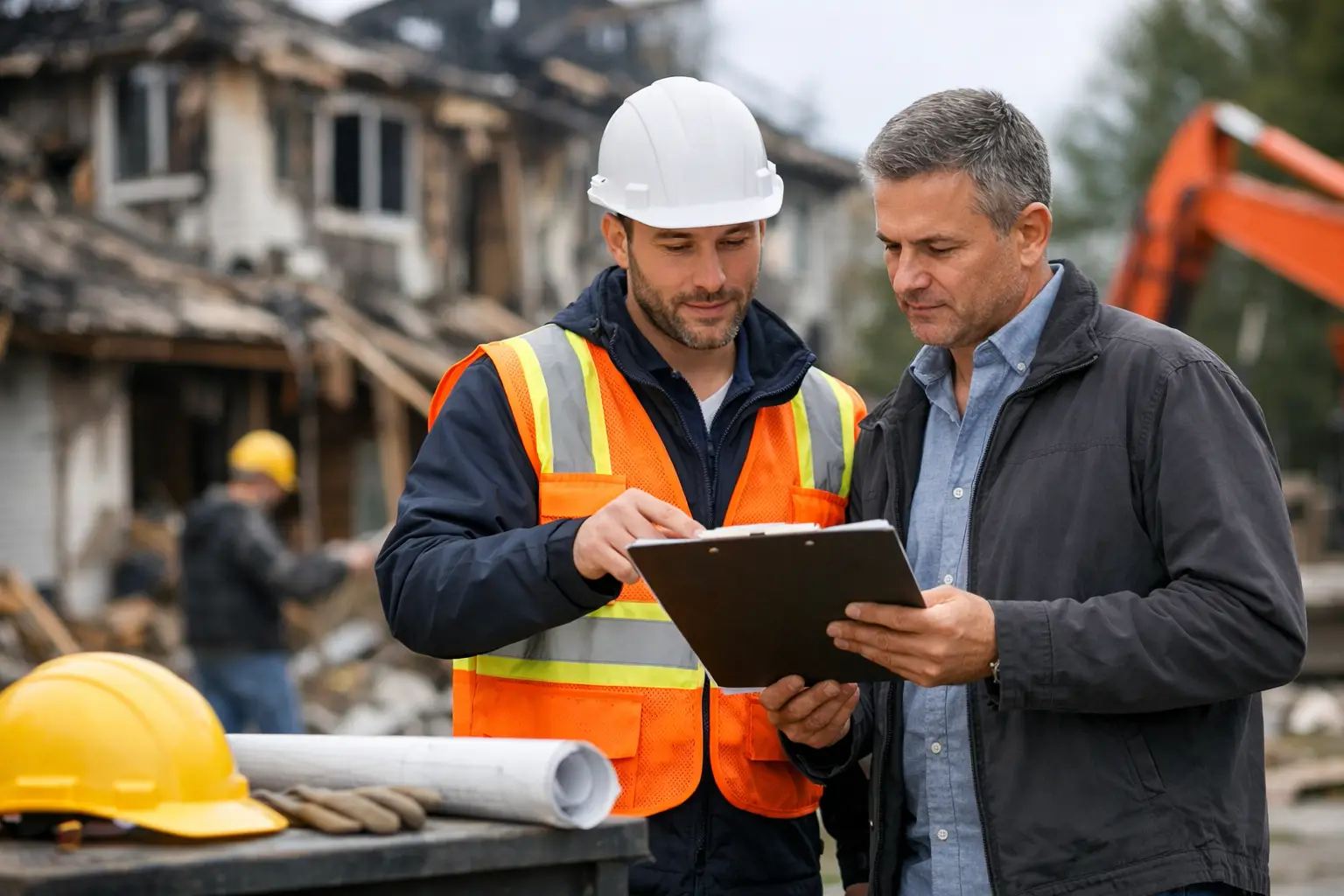 Reconstruction
Full rebuild by a licensed general contractor, so your property comes back whole.
Learn moreElevated Operations is an IICRC-certified, licensed general contractor based in Mableton that handles the entire recovery in-house, so after one loss you are never coordinating a cleanup crew, a mold crew, and a contractor separately. One team, one point of contact, from the first pump-out to the final coat of paint.
People call when the property feels like a disaster. They leave reviews because Chris and the crew made it right. These are real, verified Google reviews.
I begin with safety, securing, and a full damage map, then I separate burn damage from smoke spread and water impact. Homes near Sweetwater Creek can have more humidity and more complicated airflow, so I check hidden spaces, trim, and return paths carefully. The goal is to clean what can be saved and document what cannot.
Yes. If a garage door, window, or entry is exposed after a fire, I move fast on board up services to protect the house from weather and unauthorized entry. That matters in Austell because one open section can let rain, soot, and debris create a second wave of damage before cleanup even starts.
Expect a targeted process, not a spray-and-pray fix. I clean soot from the hard surfaces first, then address soft goods, hidden cavities, and odor sources. Ranch houses can move smoke fast because the layout is compact, so I watch hallways, closets, and HVAC paths closely before I say the house is stable.
As soon as the property is safe to enter, I can begin. We offer 24/7 emergency response and a 60-minute emergency response target, so the first steps do not drag on. Early fire damage cleanup keeps soot from setting, limits odor, and makes the insurance file cleaner from the start.
Old finishes need care. I test the surface first, then use the proper soot removal method for painted walls, wood trim, and porous materials. If you scrub the wrong way, you can drive soot deeper. That is why I inspect before I clean, especially in older Austell homes with original materials.
Often, yes, if the items were not heat-damaged beyond repair and if they are handled quickly. I sort contents for restoration, cleaning, and disposal, then separate what needs odor treatment from what needs deeper work. Photos, furniture, and some household goods can often be saved when we move fast and document carefully.
Yes, I do direct insurance billing. That keeps the claim organized and reduces the number of phone calls the homeowner has to manage while the house is under stress. I also provide deductible assistance up to $1,000 when the job qualifies, and every project is backed by our 12-month warranty.
They want one company with real oversight. I am the owner, Chris Kwangwari, and I run Elevated Operations, LLLP with IICRC-certified technicians and a licensed general contractor on the job. That means cleanup, insurance coordination, and rebuild questions stay under one roof instead of bouncing between separate vendors.
Elevated Operations dispatches IICRC-certified crews across Metro Atlanta from our Mableton base, with a 60-minute emergency response day or night. Choose your city:
Call now for an immediate response, or request your free inspection and get a certified crew on-site within the hour across Atlanta and nearby areas.