24/7 Emergency Restoration · Serving Metro AtlantaEmergency? (770) 404-6895
Fire and smoke restoration in Hapeville starts with one call, and I move fast on airport-edge bungalows and Delta HQ area properties. I handle board up services, fire damage cleanup, smoke damage cleanup, and direct insurance billing, with IICRC-certified technicians and a 12-month warranty.
IICRC-Certified · 5-Star Rated · 60-Minute Response · Insurance Billed Directly
Then the source was not fully removed. I go back to the smoke load, the porous materials, and the HVAC paths until odor neutralization is done right.
Yes. I use direct insurance billing and keep the paper trail tight, which helps Hapeville owners stay focused on recovery instead of chasing paperwork.
Yes. My crews are IICRC-certified technicians, and that matters when smoke, soot, and water all hit the same Hapeville property at once.
I back completed restoration work with a 12-month warranty, because I stand behind the job after the last surface is cleaned and the site is stable.
First, get everyone safe, then call us for fire and smoke restoration in Hapeville. I dispatch 24/7 with a 60-minute emergency response, secure the structure, and start the damage control steps that keep smoke, soot, and water from spreading through airport-edge homes and businesses.
If you are standing in an airport-edge bungalow near Hapeville’s older streets, do not walk deeper into the structure. Smoke residue and weakened materials can hide real hazards, especially around attics, crawlspaces, and kitchens where fire damage cleanup gets complicated fast.
My crew starts with board up services when openings are exposed, then we document the scene for direct insurance billing. That matters in Hapeville, where homes sit close together and one broken window or open door can invite weather, pests, and more loss.
And I do not wait around. I have been in restoration since 2007, I am a licensed general contractor, and Elevated Operations, LLLP responds from Mableton across Hapeville and the rest of Fulton County with a clear plan, not guesswork.
Fire and smoke restoration includes emergency securing, debris removal, fire damage cleanup, soot removal, smoke damage cleanup, odor neutralization, and, when needed, structural drying after water from suppression efforts. I coordinate the whole sequence so the property in Hapeville moves from damage control to rebuild without skipped steps.
I start with a full look at the burn pattern, smoke spread, and water impact, because fire is never just fire. On Hapeville properties near Delta HQ traffic and airport activity, soot can travel quickly through ventilation paths and settle in rooms far from the ignition point.
Then we remove damaged material and clean salvageable surfaces the right way. That means debris removal, detailed soot removal, and targeted smoke damage cleanup on framing, finishes, and contents that can still be saved. IICRC-certified technicians handle the process with methods that fit the material, not a one-size approach.
If suppression water soaked floors or wall cavities, I also address structural drying before hidden moisture becomes another claim issue. That is how I protect the property, the timeline, and the insurance file, while keeping the scope honest for the owner and the adjuster.
I remove smoke damage by cleaning surfaces in the right order, controlling residue first, then addressing odor. The process usually includes soot removal, HEPA-style cleanup where appropriate, deodorizing, and cleaning HVAC impact points so smoke does not keep circulating through the home or commercial space.
Smoke is sneaky in Hapeville’s older airport-edge bungalows. It gets into trim lines, closet interiors, cabinet toe kicks, and the little spaces you do not notice until later. I start where the residue is strongest and work outward, because that is how you stop recontamination.
For homes near the Delta HQ corridor, I pay attention to return air paths, drapery, soft goods, and finished surfaces that hold odor. Odor neutralization is not perfume. It is a step-by-step process that reduces the smoke load instead of hiding it for a week.
If the smoke reached contents, I separate what can be cleaned from what needs to be discarded. That keeps the fire damage cleanup focused and stops people from throwing away items that still have a recovery path, or saving items that will keep contaminating the space.
Yes, many fire damaged contents can be restored if we act quickly and the material can be safely cleaned. I evaluate contents for smoke exposure, soot, heat damage, and odor retention, then decide what gets content restoration, what gets deep cleaning, and what should be removed.
I look at contents room by room because Hapeville homes and offices around Delta HQ often mix furniture, paperwork, uniforms, electronics, and personal items in tight spaces. The material matters. So does speed. The longer soot sits, the harder content restoration becomes.
Soft goods, hard surfaces, and packaged items all behave differently after a fire. Some can be cleaned and deodorized. Some are too contaminated to return to service. I tell owners the truth early, because that makes the insurance file cleaner and the recovery path easier to follow.
I also track what belongs back in the property after smoke damage cleanup and what should stay out until the structure is ready. That keeps salvageable items from picking up new odor or dust while the building is still being stabilized and cleaned.
Fire restoration should begin immediately after the scene is safe. Smoke residue starts setting fast, and EPA guidance notes mold can start in 24 to 48 hours if water is involved, so I move quickly in Hapeville to secure the property, clean, dry, and document.
Speed matters in Hapeville because many properties sit close to busy corridors and older housing stock near the airport. Openings, soot, and water do not wait. I can be there 24/7, and my first job is to stop the damage from spreading any farther.
The next step is to preserve evidence for the claim while getting the building stabilized. That means photos, board up services when needed, and immediate planning for debris removal and cleaning. If the property stays open too long, soot embeds deeper and odor gets harder to control.
I have seen owners lose time because they waited for the wrong approval. With direct insurance billing and deductible assistance up to $1,000, I make the process practical from the start so the cleanup begins before secondary damage takes over.
I handle board up services first when the structure is exposed, then debris removal once the site is secure. That order keeps weather, trespass, and further contamination out of the property while we prepare for fire damage cleanup and the rest of the restoration sequence.
In Hapeville, airport-edge homes and commercial properties need quick exterior protection because wind, rain, and foot traffic can make a bad situation worse. My team stabilizes openings, clears unsafe material, and keeps the site controlled so the rest of the project can move cleanly.
Debris removal is not just hauling junk. I separate damaged building material from items that may be recoverable, which matters in fire and smoke restoration when the owner wants answers, the insurer wants records, and the structure needs room for inspection.
Then we move into cleaning and drying. If suppression water is present, structural drying starts right away. If soot has migrated through the interior, soot removal and smoke damage cleanup come next. I keep the sequence tight so nothing gets missed between steps.
Call (770) 404-6895 and I send an IICRC-certified crew 24/7 from our Mableton base to your Hapeville property, with a 60-minute emergency response.
We start board up services, limit entry, and protect airport-edge bungalows or commercial spaces near Delta HQ from weather, trespass, and extra loss.
I photograph the damage, note smoke paths, identify water impact, and set the fire damage cleanup scope for direct insurance billing.
We handle debris removal, soot removal, smoke damage cleanup, and odor neutralization, then separate contents for cleaning or disposal.
If water was used, we begin structural drying and check hidden cavities, surfaces, and contents so the damage does not come back.
When the work is done, I review the finished scope, back it with a 12-month warranty, and keep the insurance file moving.
From emergency mitigation to full reconstruction, handled in-house so you are never managing a chain of subcontractors mid-crisis.
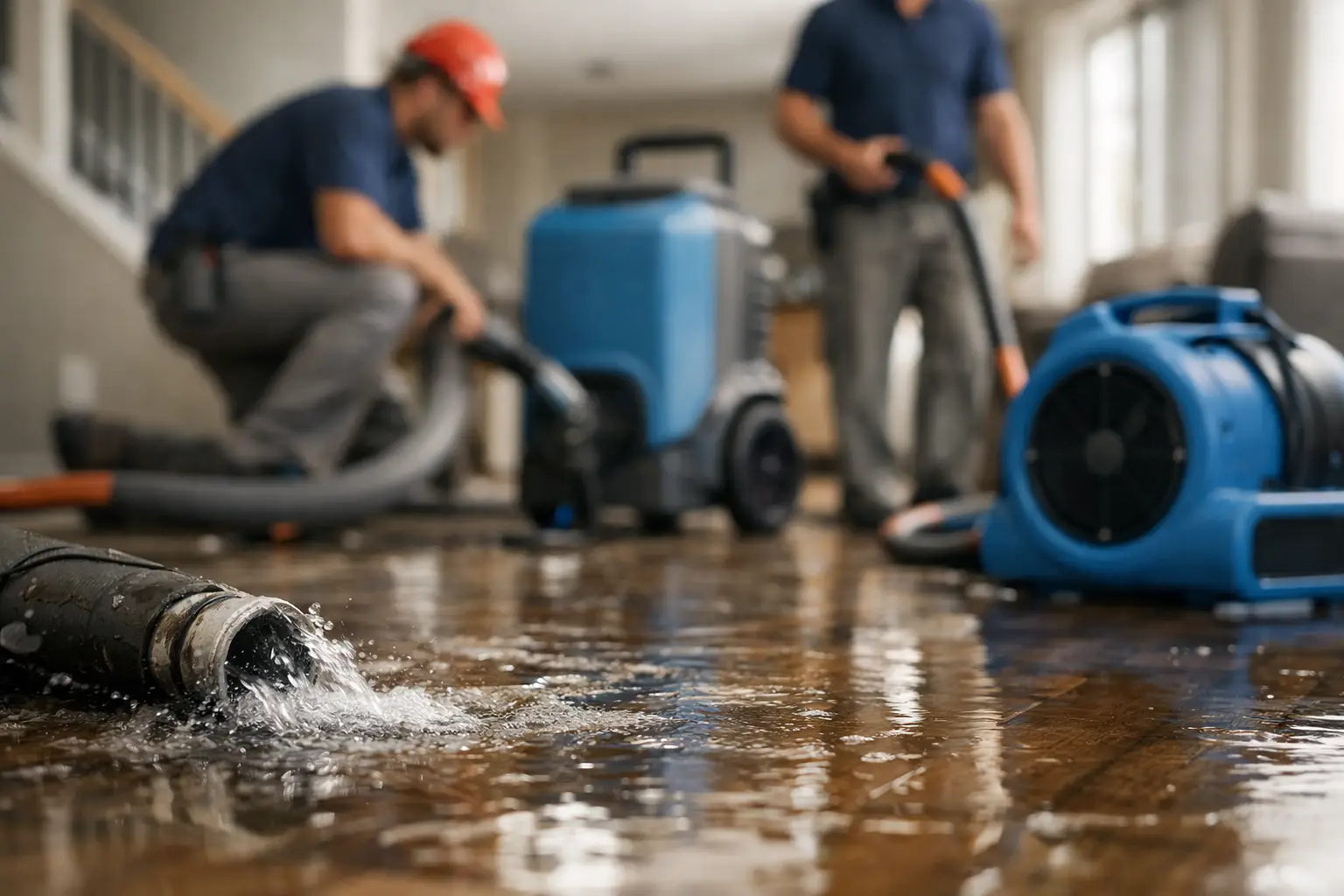
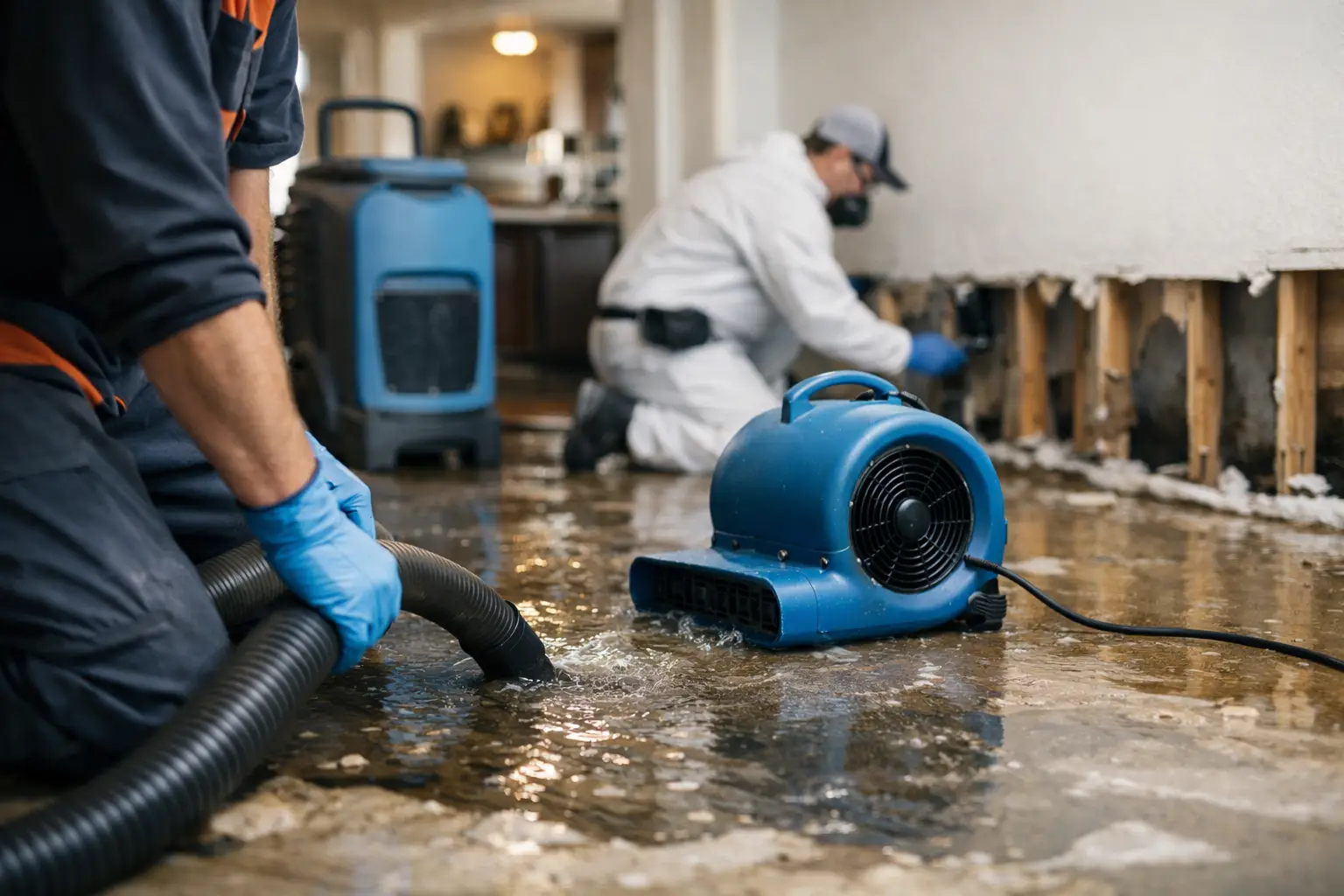 Water Damage
Extraction, structural drying, and moisture mapping after floods, leaks, and burst pipes.
Get help now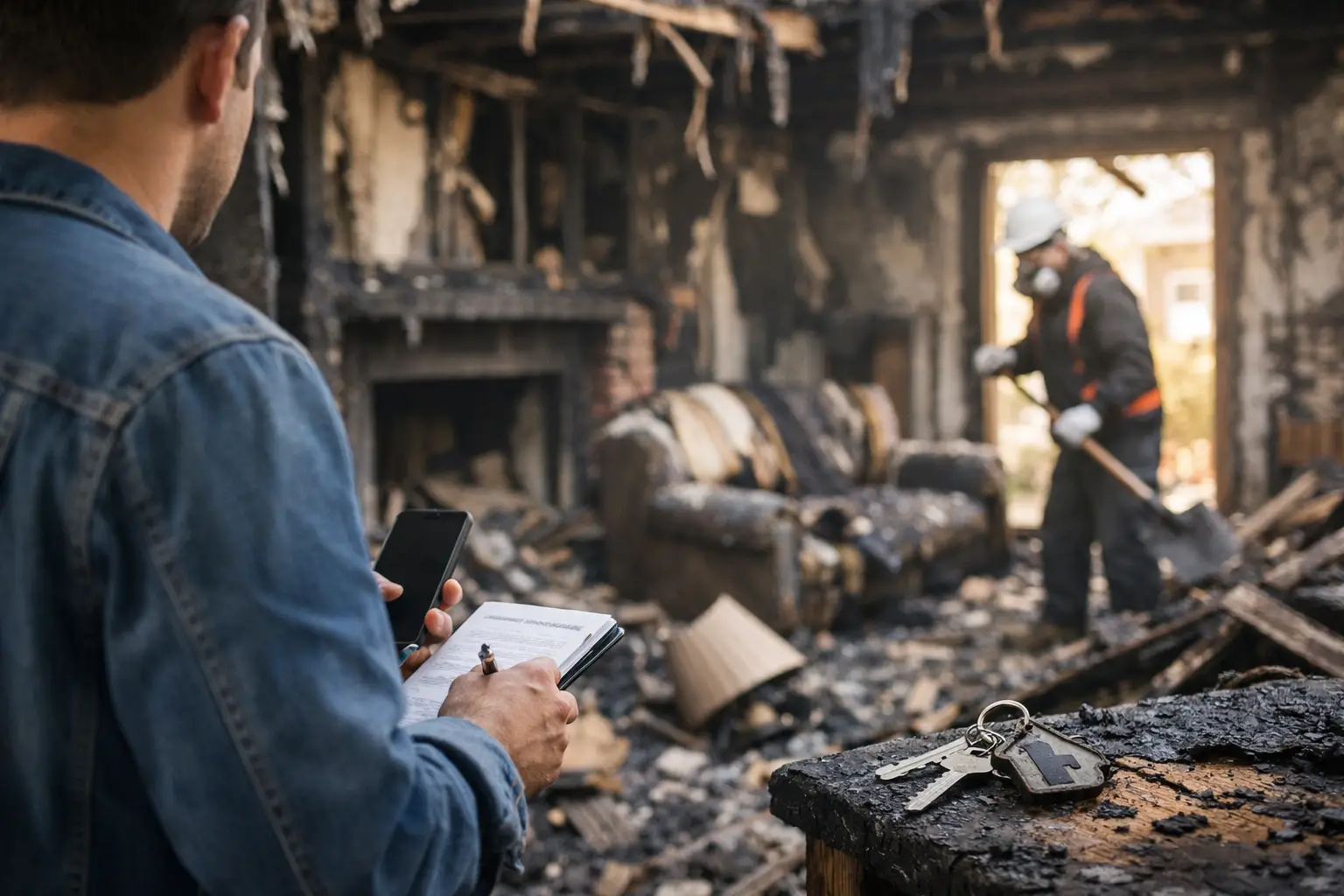 Fire & Smoke
Soot removal, odor deodorization, and content cleaning after fire and smoke damage.
Learn more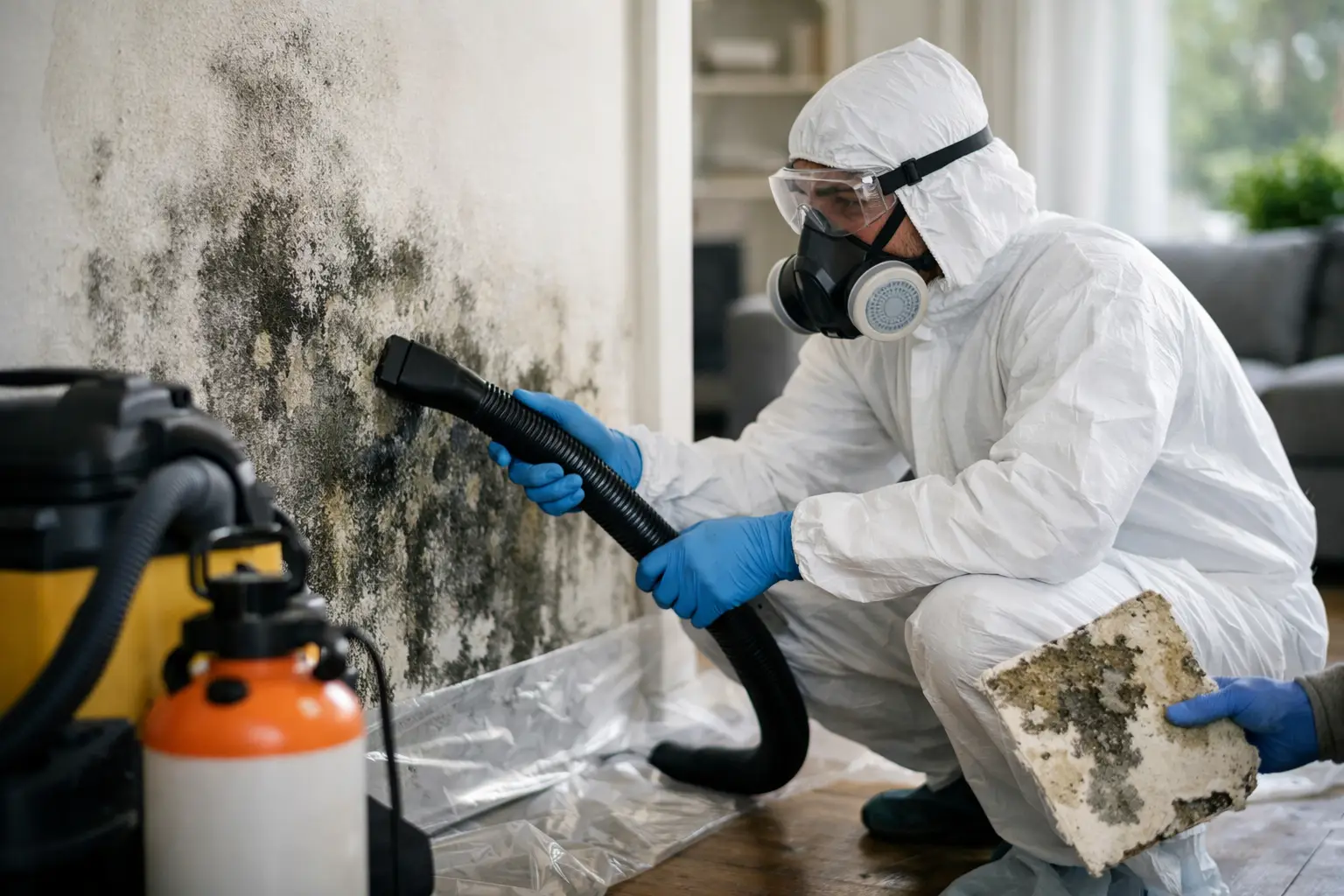 Mold
MoldContainment, removal, and moisture control that stops mold from coming back.
Learn more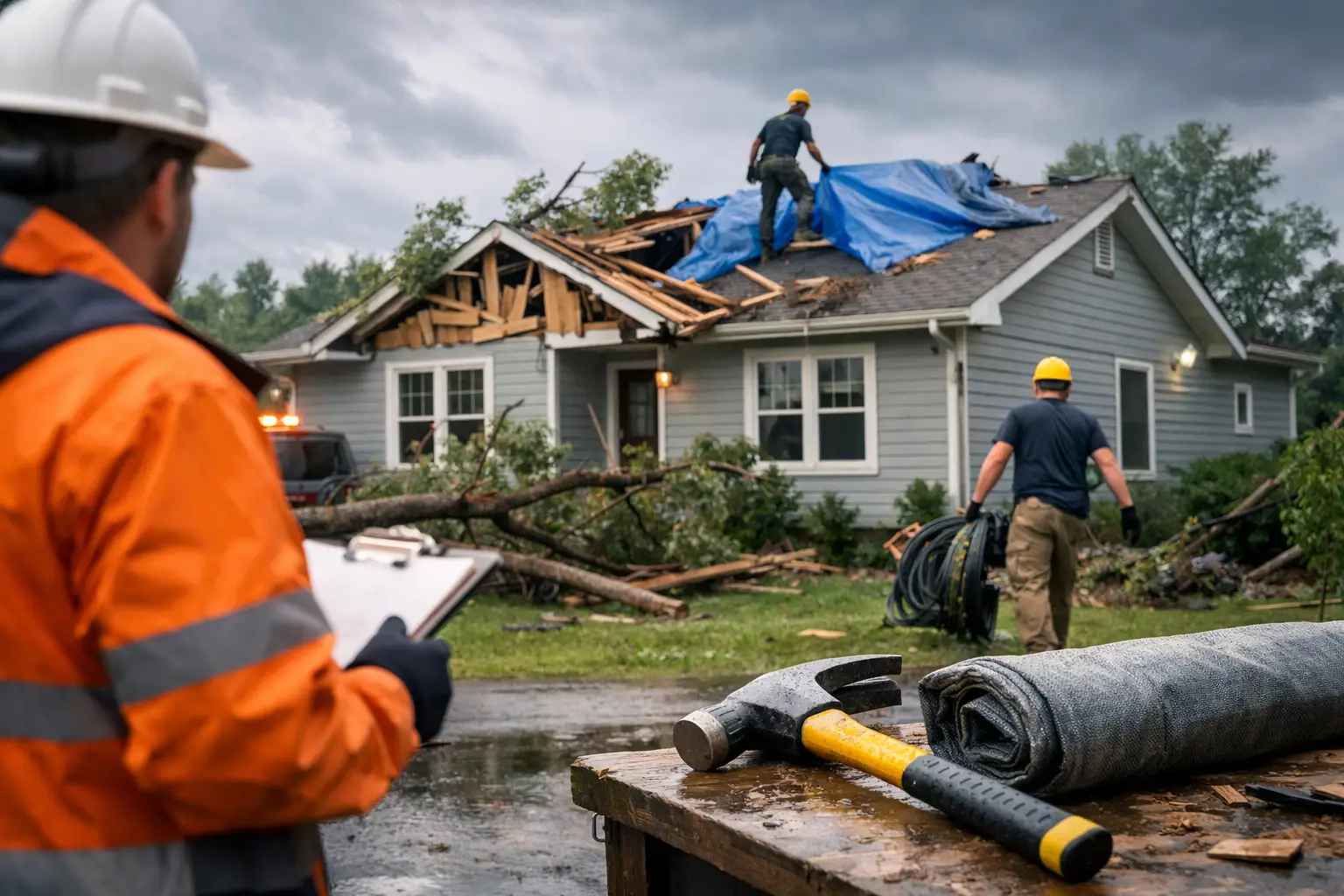 Storm
StormEmergency board-up, roof tarping, and full recovery after wind, hail, and storms.
Learn more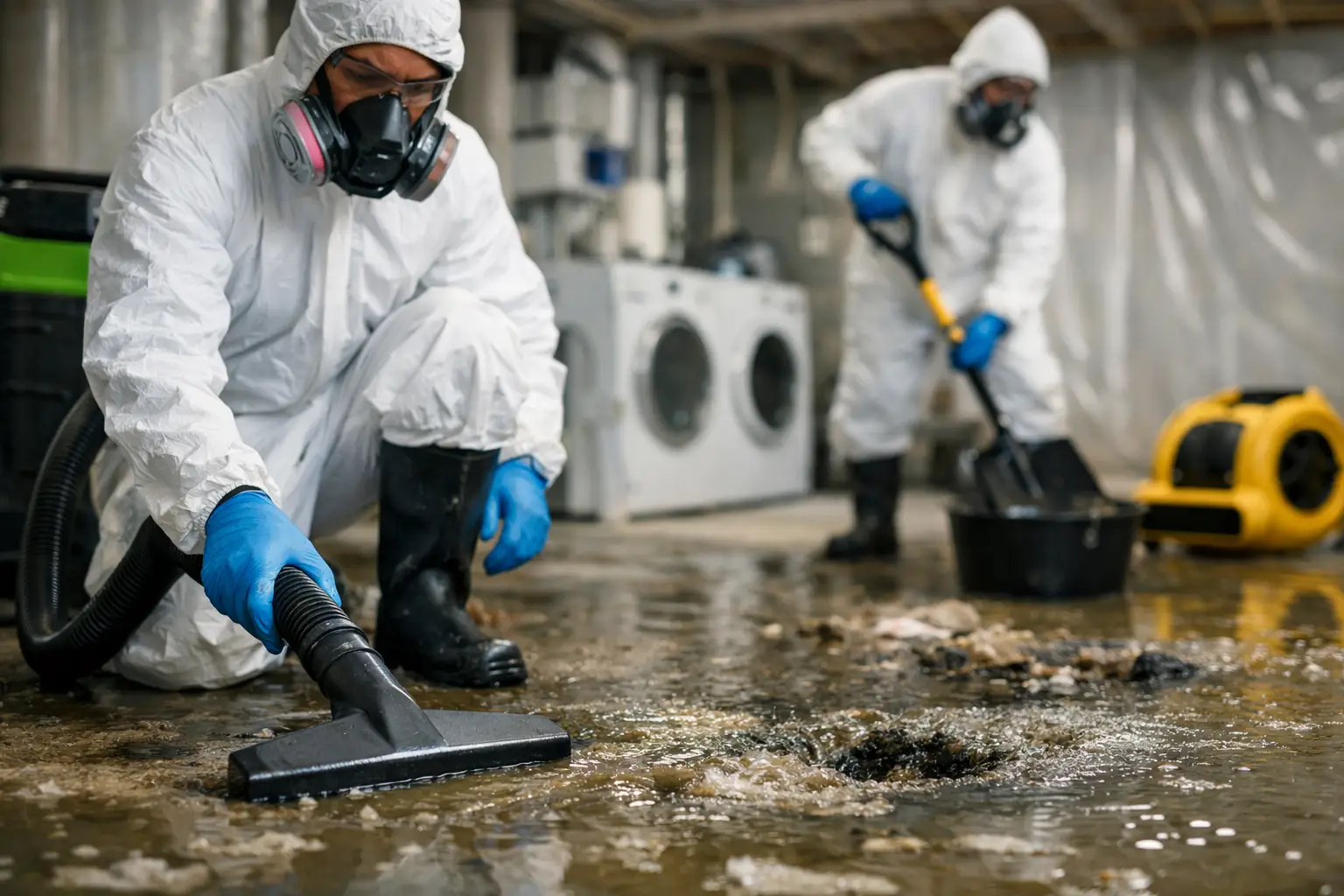 Sewage
Safe biohazard cleanup and sanitizing after sewage backups and overflows.
Learn more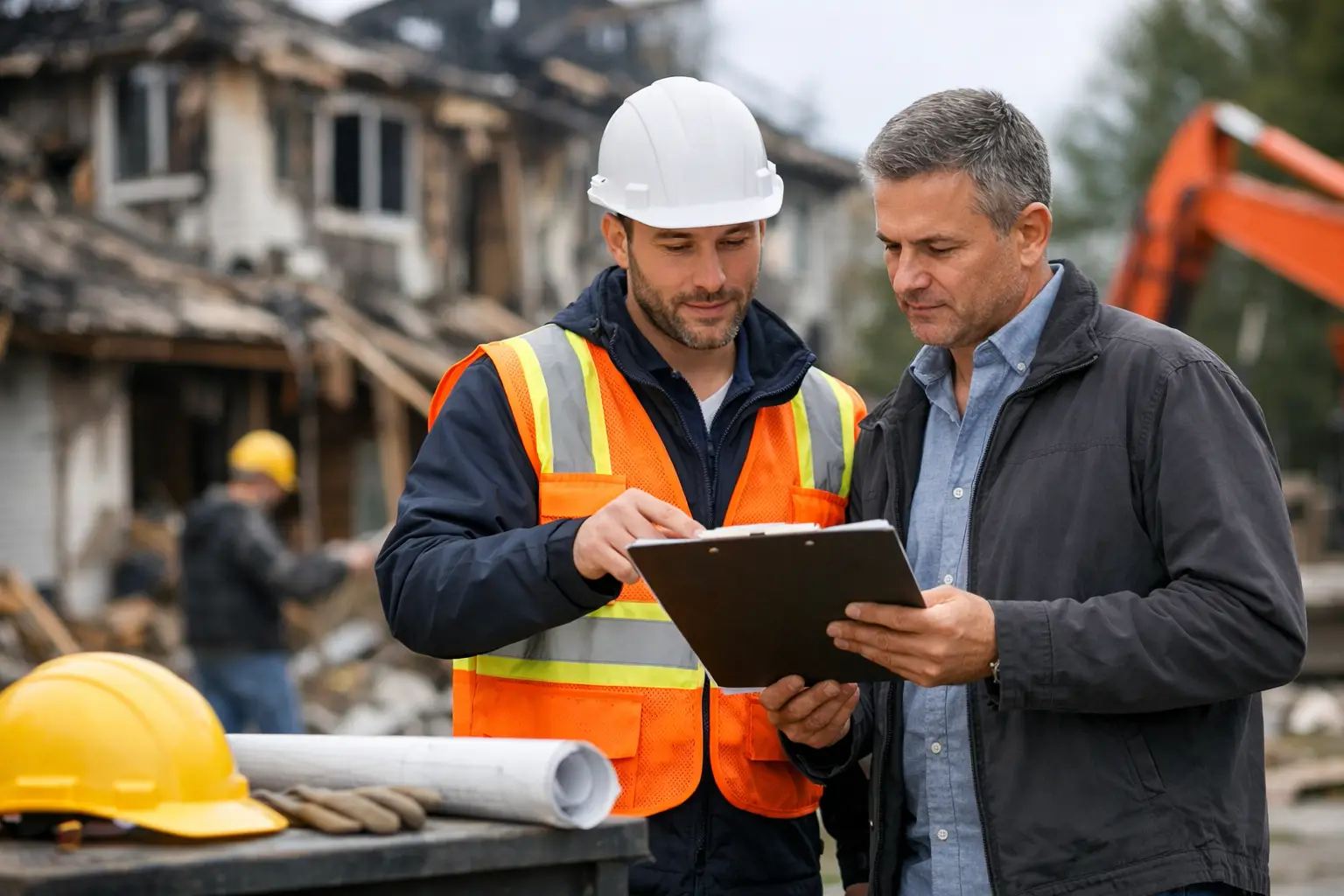 Reconstruction
Full rebuild by a licensed general contractor, so your property comes back whole.
Learn moreElevated Operations is an IICRC-certified, licensed general contractor based in Mableton that handles the entire recovery in-house, so after one loss you are never coordinating a cleanup crew, a mold crew, and a contractor separately. One team, one point of contact, from the first pump-out to the final coat of paint.
People call when the property feels like a disaster. They leave reviews because Chris and the crew made it right. These are real, verified Google reviews.
Often, yes. Older airport-edge bungalows in Hapeville can have tighter wall cavities, older finishes, and mixed repairs from past years, so smoke can spread in ways newer construction does not. I inspect those details first, then choose the right cleaning, drying, and deodorizing order instead of forcing a generic plan.
Yes. I handle direct insurance billing, which helps keep the claim moving while the property is being stabilized and cleaned. For Delta HQ area homes and businesses, I document the scope, photos, and restoration steps clearly so the file supports the fire damage cleanup from start to finish.
I start with the heaviest residue, then clean surfaces, soft goods, and contents in a logical order. In Hapeville homes, especially older ones near the airport, smoke can hide in trim, cabinets, and closets, so the cleanup has to be methodical or the odor comes back.
I provide 24/7 emergency response with a 60-minute emergency response target. That speed matters in Hapeville because a fire scene can open to weather, soot movement, and security issues fast. I move quickly so the property is secured and the cleanup can begin right away.
If windows, doors, or roof openings are compromised, yes. Even a small kitchen fire in Hapeville can leave the structure exposed, and board up services protect the home or business from rain, pests, and trespass. I decide that step based on the actual site conditions, not assumptions.
Odor neutralization targets the smoke contamination itself. Air fresheners just mask it. In Hapeville properties, especially those with tight floor plans or older duct paths, I use a cleaning-first approach so the odor source is reduced before any deodorizing step is used.
Yes, it can. Fire suppression water can soak flooring, insulation, and wall cavities, which is why I add structural drying when needed. In Hapeville, that keeps one emergency from turning into hidden moisture damage, warped materials, or a mold problem that starts in 24 to 48 hours.
Yes. I serve Hapeville homes and commercial properties, including airport-edge bungalows, offices, and retail spaces near the Delta HQ area. The sequence stays the same, but the scope changes based on occupancy, contents, and how much cleanup or stabilization the building needs.
Elevated Operations dispatches IICRC-certified crews across Metro Atlanta from our Mableton base, with a 60-minute emergency response day or night. Choose your city:
Call now for an immediate response, or request your free inspection and get a certified crew on-site within the hour across Atlanta and nearby areas.