24/7 Emergency Restoration · Serving Metro AtlantaEmergency? (770) 404-6895
Smoke and soot cleanup Austell needs fast, disciplined work, and I handle it that way. I’m Chris Kwangwari with Elevated Operations, LLLP, serving Austell from our Mableton base with 24/7 emergency response, IICRC-certified technicians, direct insurance billing, and a 12-month warranty on the work we stand behind.
IICRC-Certified · 5-Star Rated · 60-Minute Response · Insurance Billed Directly
Soot is tiny, oily, and easy to spread. If you wipe it the wrong way, it smears into paint, trim, and fabric instead of coming off.
Yes. Contents cleaning is part of a real smoke cleanup plan when items can be saved. I separate what can be cleaned from what should not be pushed any further.
I’m a licensed general contractor, IICRC-certified, and I’ve been in restoration since 2007. I don’t guess, and I don’t skip the hidden areas that cause odor to return.
Yes. I offer direct insurance billing, which helps reduce delays after a fire. That is especially useful when the property needs fast cleaning, documentation, and follow-up.
The first signs are usually dark film, sharp smoke odor, and residue on trim, glass, and HVAC grilles. In Austell, I tell people to check the rooms closest to the source first, then the rest of the house, because soot travels fast through air movement and open pathways.
If you live near Sweetwater Creek or in one of Austell’s older housing pockets, smoke can settle in places you do not expect. I look at ceiling edges, cabinet tops, door casings, and return vents first. That is where smoke damage cleanup often tells the real story.
A clean wall can still hold odor. A carpet can look fine and still carry soot particles. That is why I treat odor removal and surface cleaning as separate tasks, not one job. If both are not addressed, the smell comes back when the air warms up.
I have been in restoration since 2007, and I have seen smoke spread through split-level homes, ranch homes, and commercial spaces the same way, fast and stubborn. The sooner I inspect, the easier it is to protect contents cleaning, reduce staining, and keep the damage from setting in deeper.
I start with containment, then dry soot removal, then the right surface cleaning for the material in front of me. That sequence matters. If you wipe too early or use the wrong method, soot smears, embeds, and pushes odor deeper into drywall, trim, and fabrics.
My crews use air scrubber equipment when the situation calls for controlled filtration, especially in tighter interiors where smoke particles are still circulating. Then we move room by room. No rushing. No broad wiping that drags residue across clean areas.
For Austell properties, I pay close attention to how air moves through the structure. Homes near drainage corridors like Sweetwater Creek can have damp zones that complicate drying after a fire event, and that makes careful sequencing even more important. Wet soot is a mess I would rather prevent.
We also look at hvac cleaning early if smoke entered the ductwork. If the system is contaminated, every cycle can reintroduce odor and fine residue. That is why I never treat smoke and soot cleanup as surface-only work. The whole air path has to make sense.
Dry soot removal, correct surface cleaning, and sometimes specialized deodorization are what remove soot from walls and ceilings. The key is matching the method to the finish, because painted drywall, textured ceilings, and trim all react differently when soot is oily, dry, or heat-baked.
I inspect the material before I touch it. Flat paint, semi-gloss, wood trim, and ceiling texture all need a different approach. One wrong sponge can smear soot into a permanent shadow, and that is why I do not guess on restoration work.
In Austell, I often see smoke staining around ceiling fans, vents, and the upper edges of rooms where air rises and slows. That is especially noticeable in older homes near the Sweetwater Creek area, where settling patterns can make the same room look clean from one angle and ruined from another.
If the soot is light, careful surface cleaning may be enough. If it is heavier, I look at smoke damage cleanup options that include contents cleaning, deodorization, and replacement recommendations where cleaning will not honestly solve the problem. I tell people the truth, not what sounds easiest.
Smoke odor can often be removed, but only if the source, residue, and air pathways are all treated. If one piece is missed, the smell can return. I focus on odor removal, deodorization, hvac cleaning, and contents cleaning together, because smoke never stays in just one place.
Austell homes can trap odor in closets, crawl spaces, attic insulation, and duct runs. That is why I do not rely on one product or one pass. I build the cleanup around where the smell actually lives, not where it is easiest to reach.
When odors linger, I check for hidden residue on framing, insulation, and porous contents. Sometimes a room looks done but still carries the scent of burnt material. That is not a mystery. It means the contamination was never fully addressed.
I have worked enough fire damage jobs to know this, deodorization is a process, not a spray. If smoke went through a house near the creek, or through a business with repeated air circulation, the fix has to respect the structure and the airflow. Anything less is temporary.
Smoke cleanup should start as soon as the scene is safe, because soot and odor set quickly and can become harder to remove within hours. In practice, I respond 24/7 with a 60-minute emergency response, then I move into smoke damage cleanup before residue has time to bond.
The clock matters. Smoke particles keep moving after the fire is out, and surfaces keep absorbing odor. In Austell, that can mean a home near Sweetwater Creek or a commercial property off a busy road picks up contamination faster than people expect. Waiting only gives the residue more time to settle.
I also look at the insurance side immediately. Elevated Operations offers direct insurance billing and deductible assistance up to $1,000, which helps keep the process moving while the property is being stabilized. Fast action and clean paperwork save time later.
If the structure is still wet from firefighting, the risk grows. Soot, water, and humidity together create a worse problem than any one issue alone. That is why I start with containment, then move to cleaning, drying, and odor control in the right order.
Check the affected rooms, the HVAC vents, and the contents that matter most to you. Then note whether soot is dry or oily, whether odor is spreading, and whether the fire touched insulation, cabinetry, or ceilings. That information helps me plan the cleanup correctly from the start.
I tell Austell owners to walk the property carefully and write down what they see. Look at windowsills, tops of door frames, light fixtures, and inside nearby closets. If the house sits near the Sweetwater Creek flood corridor or has had moisture issues before, mention that too because it changes the drying plan.
Do not forget contents cleaning. People focus on walls, then realize documents, small appliances, furniture, and clothing also picked up smoke. Those items can often be cleaned, but they need to be sorted early so they do not keep contaminating the space.
I am a licensed general contractor, so I can look at damage in a practical way, not just a cosmetic one. If cleaning will solve it, I say so. If a material is too damaged, I say that too. Straight answers matter more than hopeful ones after a fire.
Check ceilings, cabinet tops, fan blades, and trim. Soot rises and settles where you do not clean every day, and those spots usually show the first real pattern of contamination.
If the smell comes back when the HVAC runs or the sun heats the rooms, the smoke source is still present in porous materials, ducts, or hidden cavities.
Dust is one thing. Smoke residue is different. If the vents are coated, hvac cleaning should be part of the plan, not an afterthought.
Furniture, clothing, and stored items can hold smoke longer than walls. Contents cleaning can save more than people expect when it starts early.
Austell properties near Sweetwater Creek know moisture can complicate fire cleanup. If water intrusion happened before or after the fire, the drying and deodorization steps need to be handled carefully.
From emergency mitigation to full reconstruction, handled in-house so you are never managing a chain of subcontractors mid-crisis.
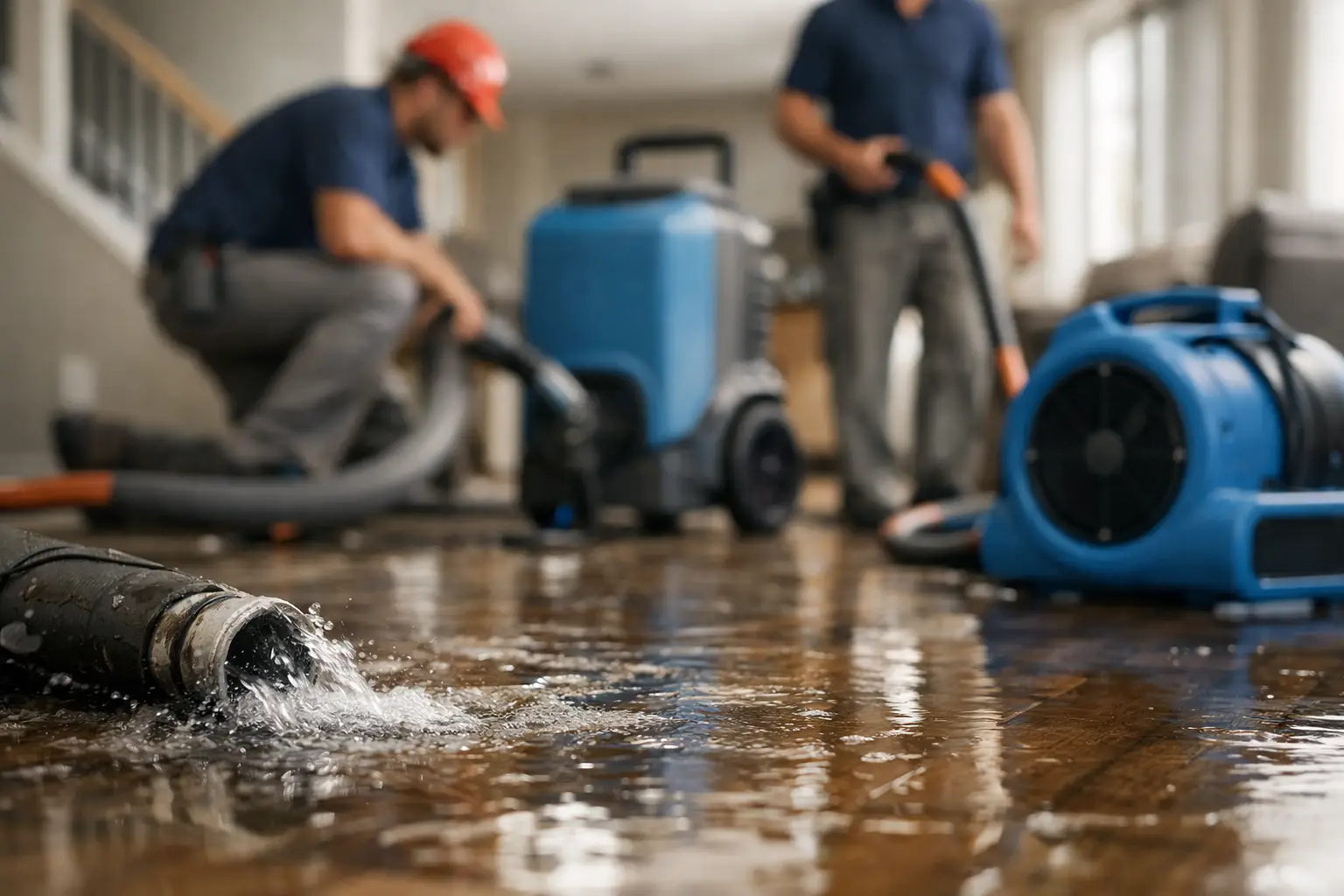
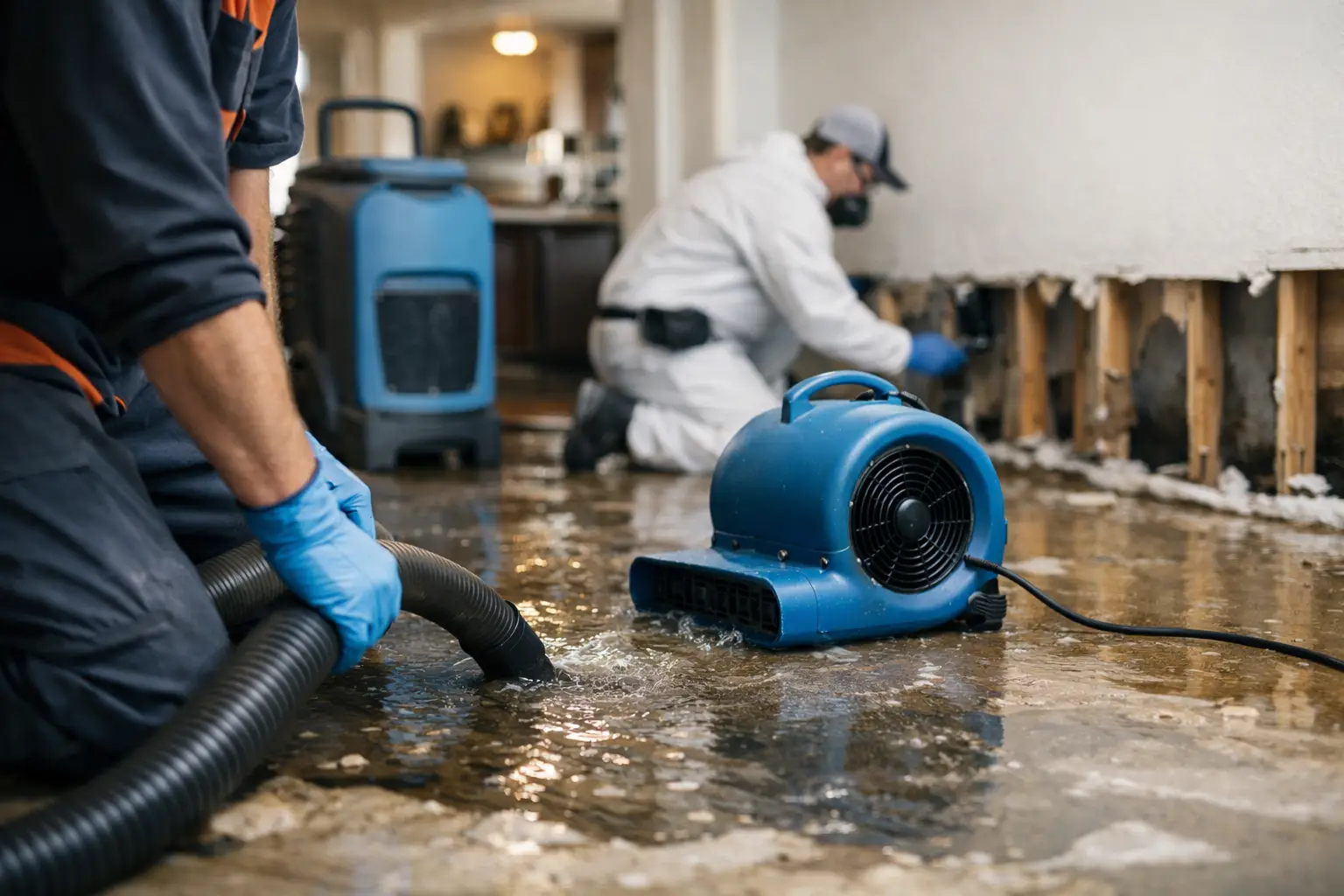 Water Damage
Extraction, structural drying, and moisture mapping after floods, leaks, and burst pipes.
Get help now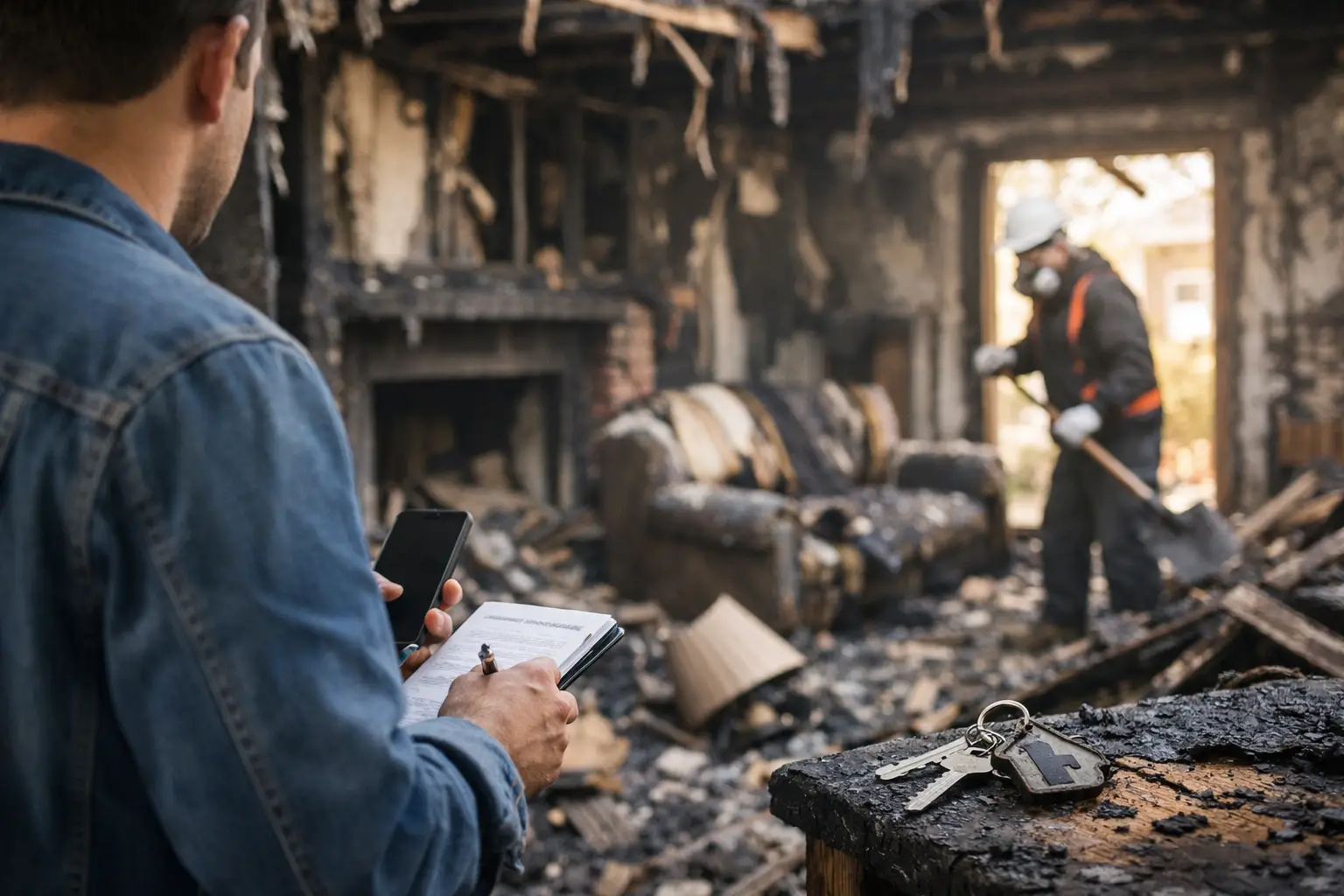 Fire & Smoke
Soot removal, odor deodorization, and content cleaning after fire and smoke damage.
Learn more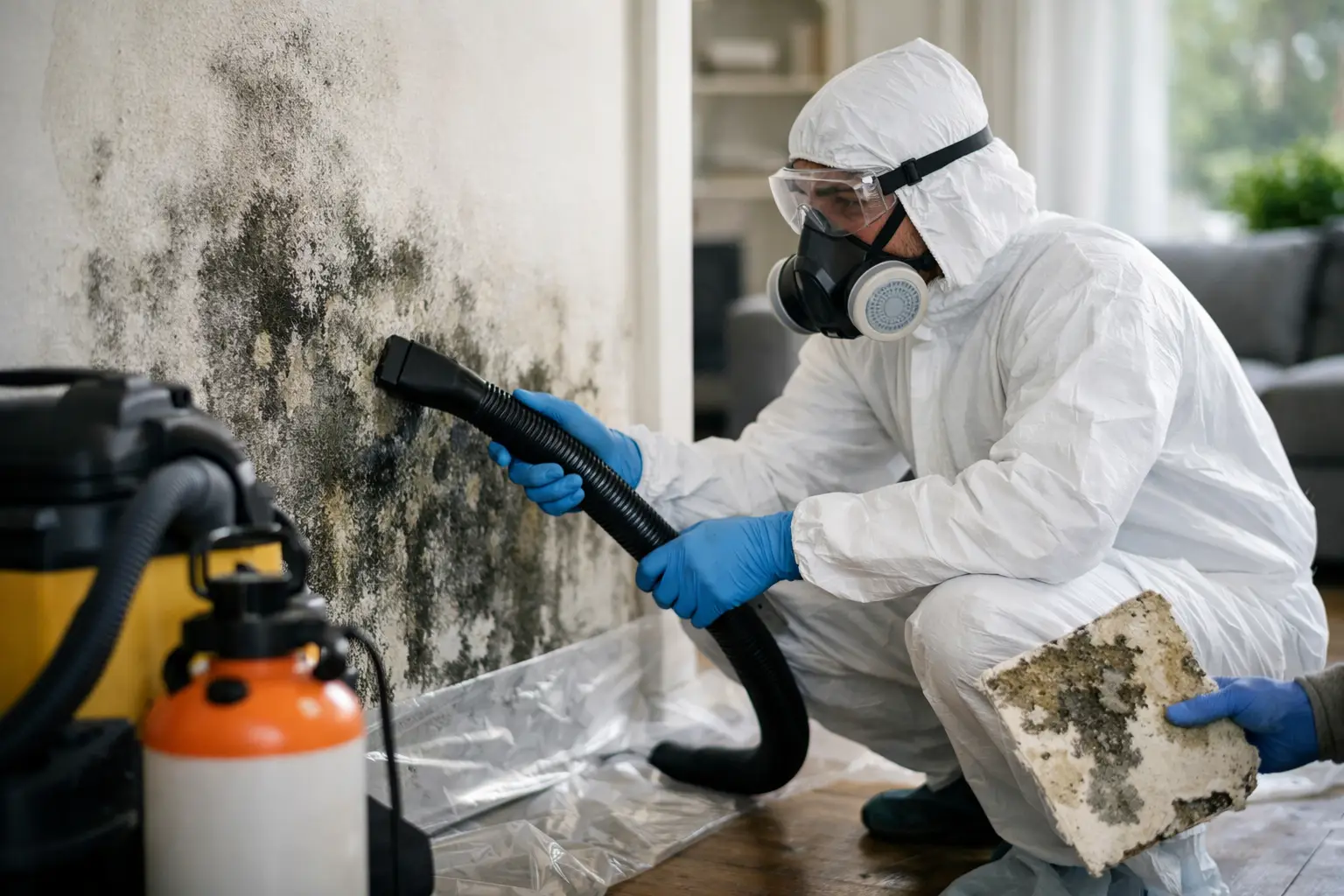 Mold
MoldContainment, removal, and moisture control that stops mold from coming back.
Learn more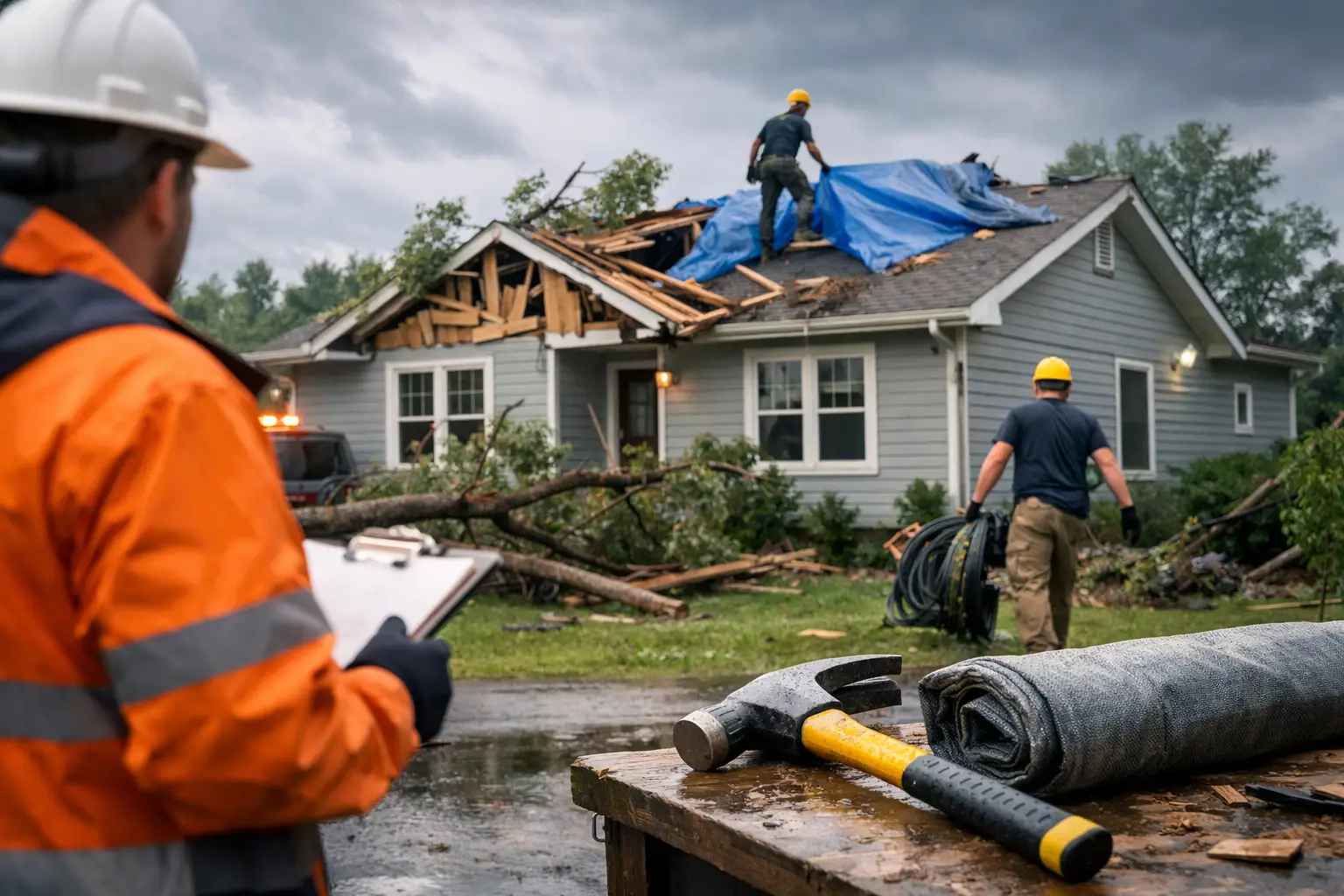 Storm
StormEmergency board-up, roof tarping, and full recovery after wind, hail, and storms.
Learn more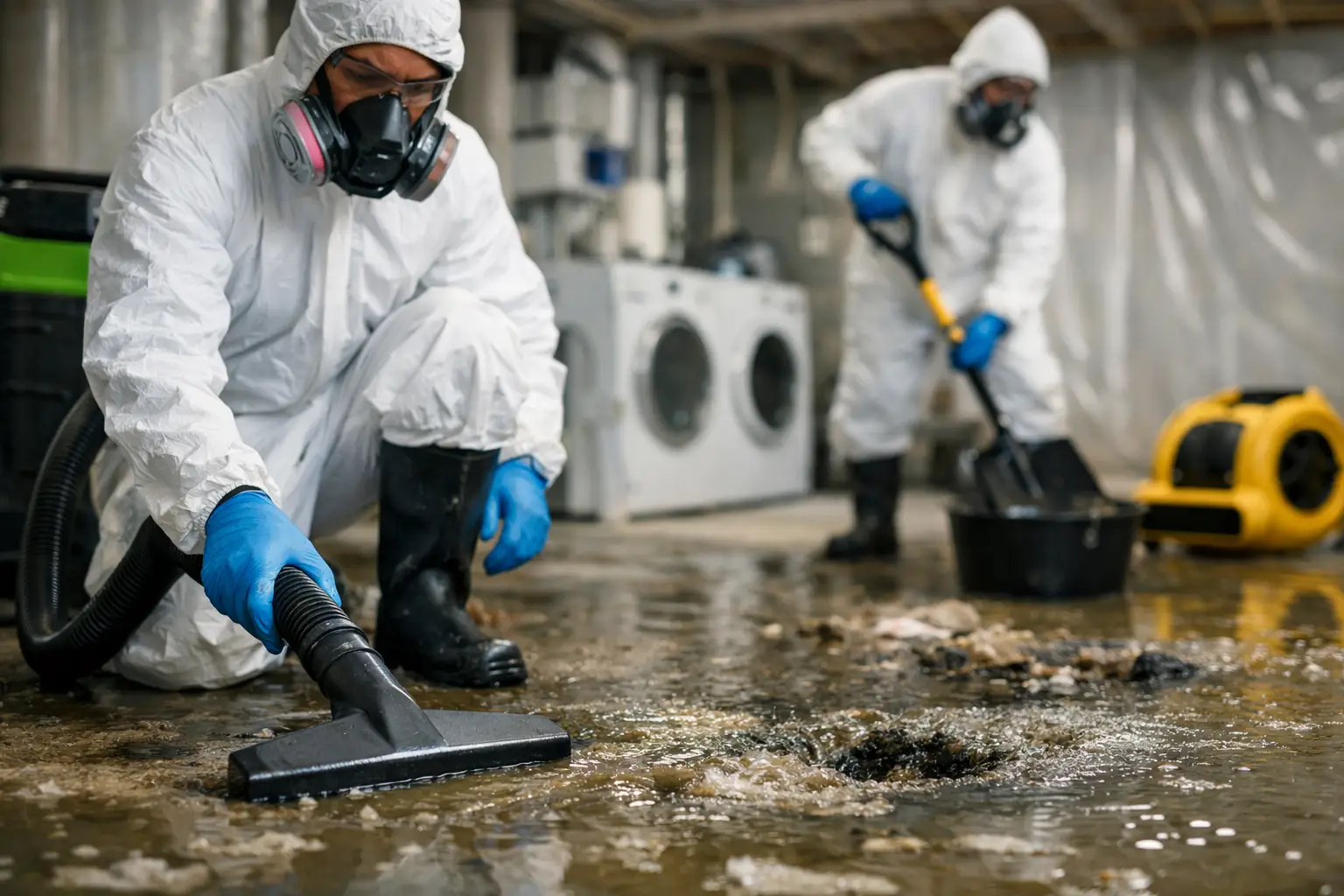 Sewage
Safe biohazard cleanup and sanitizing after sewage backups and overflows.
Learn more Reconstruction
Full rebuild by a licensed general contractor, so your property comes back whole.
Learn moreElevated Operations is an IICRC-certified, licensed general contractor based in Mableton that handles the entire recovery in-house, so after one loss you are never coordinating a cleanup crew, a mold crew, and a contractor separately. One team, one point of contact, from the first pump-out to the final coat of paint.
People call when the property feels like a disaster. They leave reviews because Chris and the crew made it right. These are real, verified Google reviews.
I respond 24/7 and aim for a 60-minute emergency response, then I start stabilization as soon as the property is safe to enter. That matters in Austell because soot and odor spread quickly, especially when HVAC systems keep moving air through the home. Fast action protects finishes, contents, and the insurance file.
Yes. I handle odor removal for Austell properties, including homes near Sweetwater Creek where moisture, airflow, and older building materials can make the smell linger. I use deodorization as part of the cleanup plan, and I look at hidden residue, ducts, and porous contents so the odor does not come back later.
The right dry soot removal method, followed by careful surface cleaning, removes soot without smearing it deeper into the paint or texture. I match the process to the surface, because flat paint, trim, and textured ceilings all react differently. If the material is too damaged, I say so instead of forcing it.
Often, yes, but only when the source is fully addressed. That means odor removal, deodorization, hvac cleaning, and contents cleaning working together. If smoke touched insulation, ductwork, or porous items, one step is not enough. I treat the whole structure, not just the visible stain.
Yes. I offer direct insurance billing, and I help with deductible assistance up to $1,000 when eligible. That keeps the process moving while the smoke damage cleanup is underway. I document the work carefully because insurance claims go smoother when the cleanup steps are clear and consistent.
If smoke reached the supply or return side, hvac cleaning is usually worth checking right away. The system can keep pushing odor and residue through the house long after the fire is out. In Austell, I look at the ductwork early so the cleanup does not fail from hidden contamination.
Secure the area, note what was affected, and call right away. For businesses, smoke and soot cleanup often has to address surfaces, contents, odor, and the HVAC path at the same time. I work with commercial owners in Cobb County the same way, fast, direct, and focused on getting the space usable again.
It matters because moisture changes how soot behaves and how long odor lingers. If a property near Sweetwater Creek has had flood exposure, drying and deodorization have to be handled more carefully. Wet materials can trap smoke residue, so I account for both problems in the cleanup plan.
Elevated Operations dispatches IICRC-certified crews across Metro Atlanta from our Mableton base, with a 60-minute emergency response day or night. Choose your city:
Call now for an immediate response, or request your free inspection and get a certified crew on-site within the hour across Atlanta and nearby areas.