24/7 Emergency Restoration · Serving Metro AtlantaEmergency? (770) 404-6895
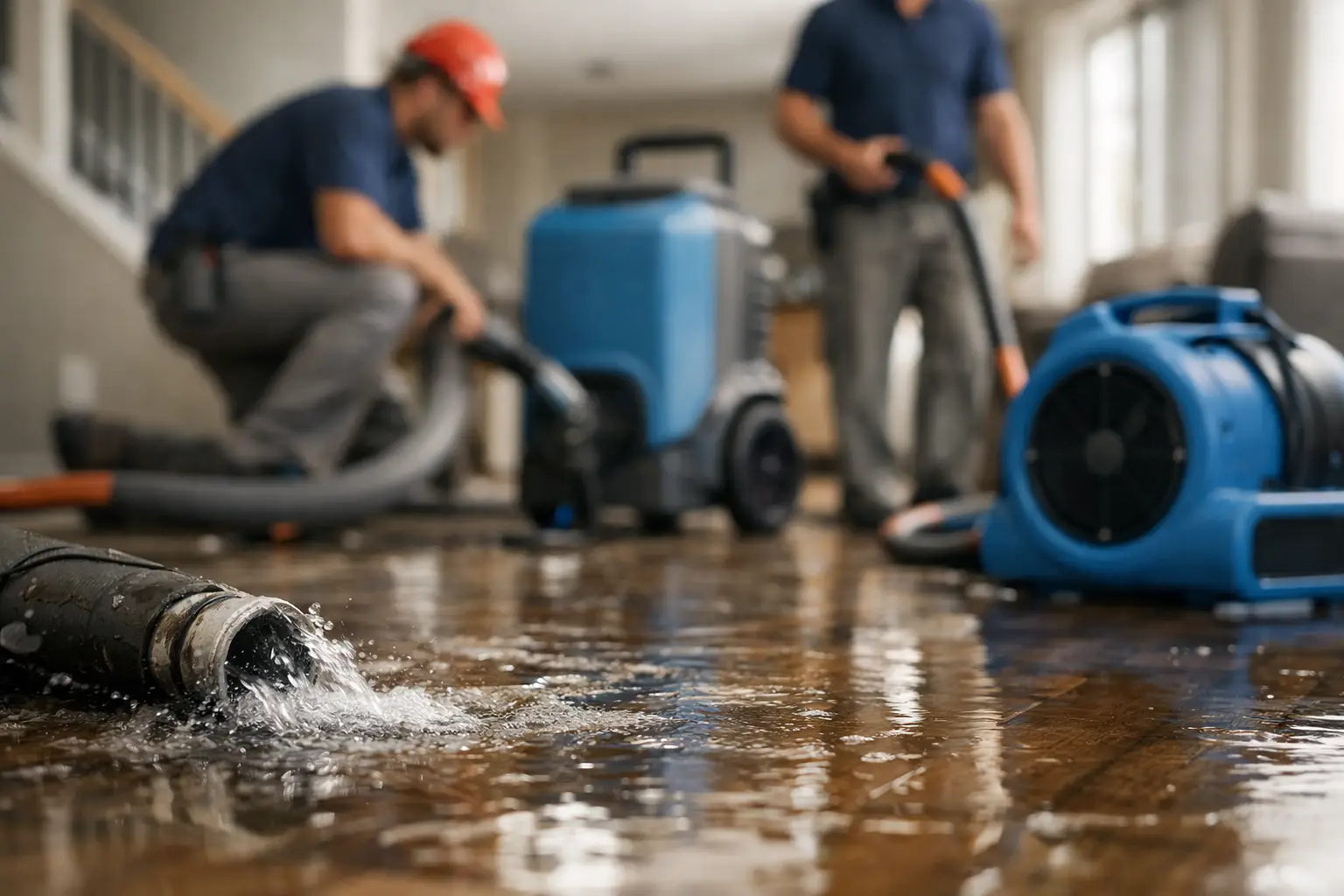
Smoke and soot cleanup Jonesboro starts with stopping the spread, removing corrosive residue, and protecting the parts of the house that can still be saved. I handle smoke damage cleanup in Jonesboro with IICRC-certified technicians, direct insurance billing, and a 12-month warranty, from our Mableton base to your door.
IICRC-Certified · 5-Star Rated · 60-Minute Response · Insurance Billed Directly
I respond 24/7 and can be on-site fast for emergency smoke and soot cleanup when the loss is active.
If smoke traveled through the HVAC path, I may recommend hvac cleaning as part of the cleanup plan.
Yes. I offer direct insurance billing and keep the claim tied to the actual smoke damage cleanup scope.
Yes. I back my restoration work with a 12-month warranty.
I start by securing the area, then I map the soot type, protect clean rooms, and remove loose residue before it is ground in. Smoke and soot cleanup in Jonesboro works best when surface cleaning, deodorization, and contents cleaning happen in a planned order, especially in older homes with heart-pine trim near the town center.
First, we inspect the fire pattern, affected rooms, and the path smoke took through the house. In Jonesboro, that matters in older structures with original woodwork, plaster, and tight hall plans where soot can move fast and settle high, low, and everywhere in between.
Then I choose the cleaning method for each material. Painted walls need one approach, unfinished heart-pine needs another, and metal, tile, and glass each react differently. I do not guess, because wrong cleaners can smear soot or drive odor deeper into the structure.
After the dry residue is lifted, we move into deodorization and controlled air movement. If the HVAC system pulled smoke through the home, hvac cleaning may be part of the smoke damage cleanup plan. That keeps the smell from cycling back after the visible soot is gone.
The first step is to make the space safe, stop touching sooty surfaces, and call for emergency help right away. I respond 24/7 with 60-minute emergency response, because every hour matters when soot is acidic, moisture is present, or smoke has already reached closets, vents, and adjoining rooms.
Do not wipe walls with a wet rag and do not run the furnace or air conditioner until the damage is checked. That is how smoke spreads into ductwork, returns, and rooms that were not burned. In a Jonesboro home, that mistake can turn a small loss into a larger cleanup.
If it is safe, open a few windows for short-term ventilation, but do not overdo it if outdoor air is humid or it risks moving ash deeper into the home. Near the Flint River, moisture management matters, because damp air can make soot cling harder and odor become more stubborn.
Call me, then photograph the damage before anything is moved. I handle direct insurance billing, and I can help with deductible assistance up to $1,000 when the claim qualifies. That lets you focus on the house while I handle the paperwork side and the cleanup sequence.
Smoke cleanup should start immediately, because soot begins staining and corroding surfaces as soon as the fire is out. I treat that as a same-day problem when possible, especially in Jonesboro homes with antique wood, original trim, or older finishes that can be permanently marked by delay.
The reason is simple, smoke residue is not passive. It clings, migrates, and oxidizes. Once that process starts, walls, cabinets, fabrics, and contents become harder to save. If the property is near the historic core of Jonesboro, older materials can show damage faster than newer construction.
I often see delays create extra work in hallways, attics, and closets, where smoke settles quietly. A quick response helps us get air scrubber equipment in place, isolate the affected area, and keep loose soot from turning into a deeper cleaning problem.
And if the HVAC ran during or after the event, the clock matters even more. Soot can travel through ducts and return vents, so hvac cleaning may be needed before odor removal really works. Early smoke damage cleanup saves steps later.
Dry soot removal, the right cleaning chemistry, and careful surface cleaning remove soot from walls and ceilings without smearing it. I start with dry methods where needed, then clean from top to bottom so residue does not fall onto already cleaned areas, which is especially important in Jonesboro homes with detailed trim or heart-pine finishes.
Not all soot acts the same. Dry soot lifts differently than oily smoke residue, and both behave differently on painted drywall, plaster, ceilings, and wood. That is why I test first and choose the least aggressive method that actually works, not the one that just looks fast.
We use controlled surface cleaning, then repeat passes where needed. On older Jonesboro properties, especially those with historic character and original wood, you have to respect the material. Scrubbing too hard can damage a finish faster than the fire did, and that is not a repair I like making.
If smoke reached upper walls, ceiling planes, or crown details, we bring in the right tools to capture loosened contamination instead of pushing it around. That may include an air scrubber during the job to keep particulate from settling back onto fresh work. Clean once, clean correctly.
Smoke odor can often be removed when the source residue is fully cleaned and the structure is treated the right way, but I do not promise miracles before I inspect the home. True odor removal depends on the burn materials, hidden contamination, HVAC spread, and how much smoke reached porous contents and finishes.
Odor sticks where residue sticks. If we only mask the smell, it comes back when the weather changes or the heat runs. That is why deodorization follows smoke and soot cleanup, not the other way around. The goal is to remove the cause, then treat what remains in the air and materials.
In Jonesboro, older homes with wood trim, closets, and enclosed rooms can hold odor longer than open layouts. Contents cleaning matters too, because furniture, drapes, and personal items can keep releasing smell even after the walls look clean. I inspect those items one by one, not by assumption.
When smoke pulled through the return air path, hvac cleaning becomes part of the answer. Then we use the right deodorization method for the structure. Sometimes that means source removal plus air treatment. Sometimes it means treating hidden cavities and soft materials too. I tell you which, after I see it.
Historic Jonesboro homes need a different approach because original wood, older finishes, and tighter room layouts can trap soot and odor in places newer houses do not. I slow down, protect original materials, and choose methods that preserve what can be saved instead of blasting through the job and causing more loss.
Jonesboro has a strong historic feel, with antique character and heart-pine details that deserve respect. Those surfaces can react badly to the wrong sponge, the wrong solvent, or too much moisture. I plan the work around the building, not around a one-size-fits-all checklist.
That matters near the town center and in homes where the structure has seen more than one generation of use. Smoke can hide inside trim gaps, above cabinets, and behind built-ins. My job is to reach that residue without stripping away the age and character that still make the house special.
I also pay close attention to the path of contamination through the home. Older floorplans can funnel smoke into stairwells, small rooms, and upper landings. If the fire involved the HVAC path, that gets handled in sequence so we do not clean one area and recontaminate it later.
On day one, I inspect the damage, isolate the affected areas, and build the cleanup sequence around the home and the loss. Then my crew begins containment, debris removal if needed, soot removal, and cleaning of salvageable surfaces so the project moves in the right order from the start.
I arrive with a plan, not a guess. We document the affected rooms, identify what is salvageable, and check for hidden spread through vents, closets, and adjoining spaces. That first walkthrough tells me whether the job is light surface cleaning or a broader smoke damage cleanup project.
From there, I set containment and begin the work that prevents cross-contamination. That can include air scrubber placement, targeted surface cleaning, and protecting clean rooms from the residue zone. If contents need to be moved, I handle contents cleaning decisions carefully so saved items stay separated from damaged ones.
Then we move through the structure room by room. In Jonesboro homes near the Flint River corridor, where humidity and airflow can complicate odor, I stay disciplined about process. Clean, verify, deodorize, then check again. That is how you get a result that holds.
Call me any time, day or night. I respond 24/7 with 60-minute emergency response, then I start triage, documentation, and the first decisions that keep smoke from spreading.
I inspect the loss, identify soot type, check the HVAC path, and note historic wood, plaster, and other fragile finishes common in Jonesboro homes.
We isolate affected rooms, protect clean spaces, and place an air scrubber when airborne residue needs to be captured before it settles again.
My crew performs dry soot removal and careful surface cleaning on walls, ceilings, trim, and hard surfaces, using the right method for each material.
Once residue is gone, we handle odor removal and deodorization, and we address contents cleaning or hvac cleaning when smoke reached those areas.
I handle direct insurance billing, explain the work completed, and stand behind it with a 12-month warranty from Elevated Operations, LLLP.
From emergency mitigation to full reconstruction, handled in-house so you are never managing a chain of subcontractors mid-crisis.
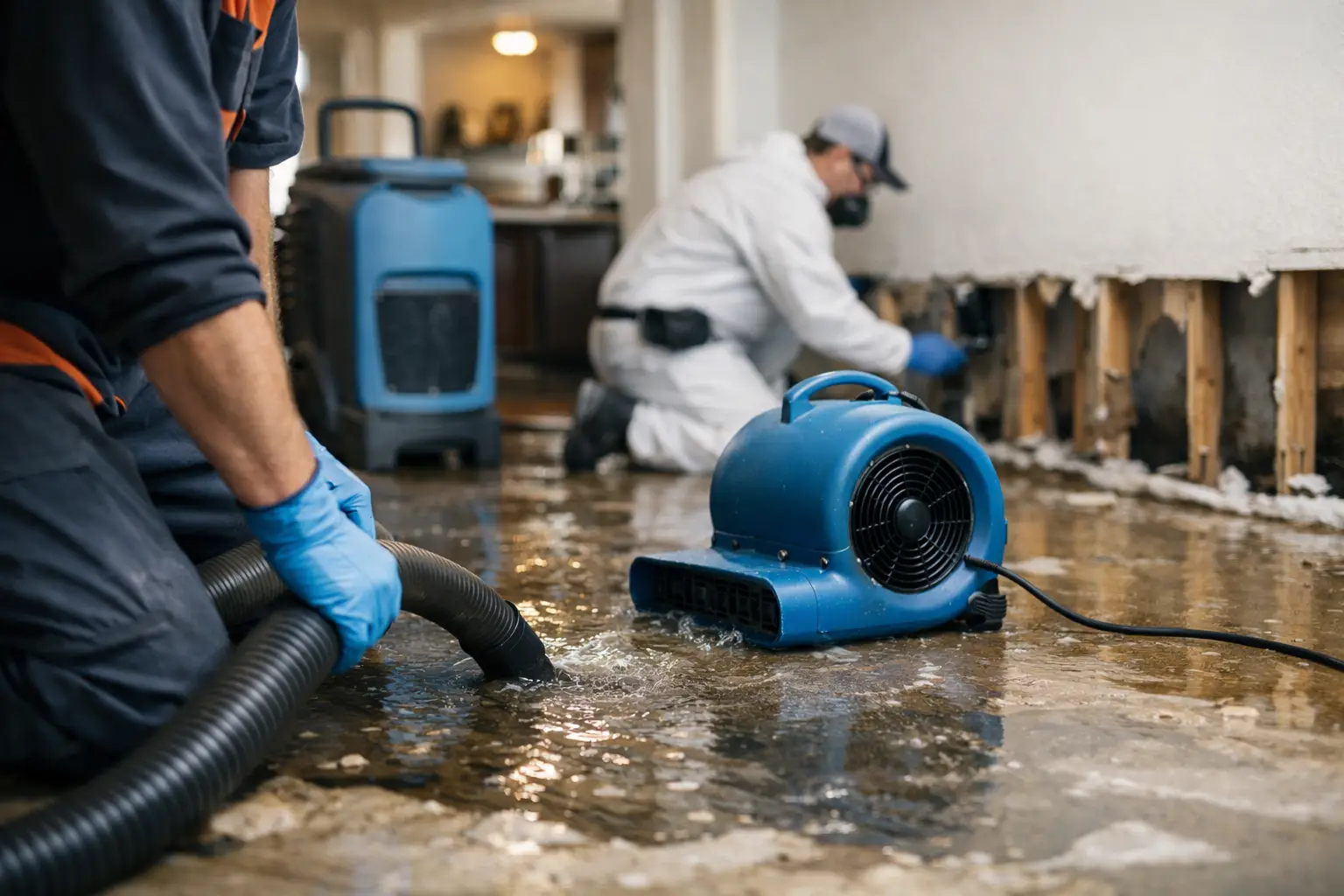 Water Damage
Extraction, structural drying, and moisture mapping after floods, leaks, and burst pipes.
Get help now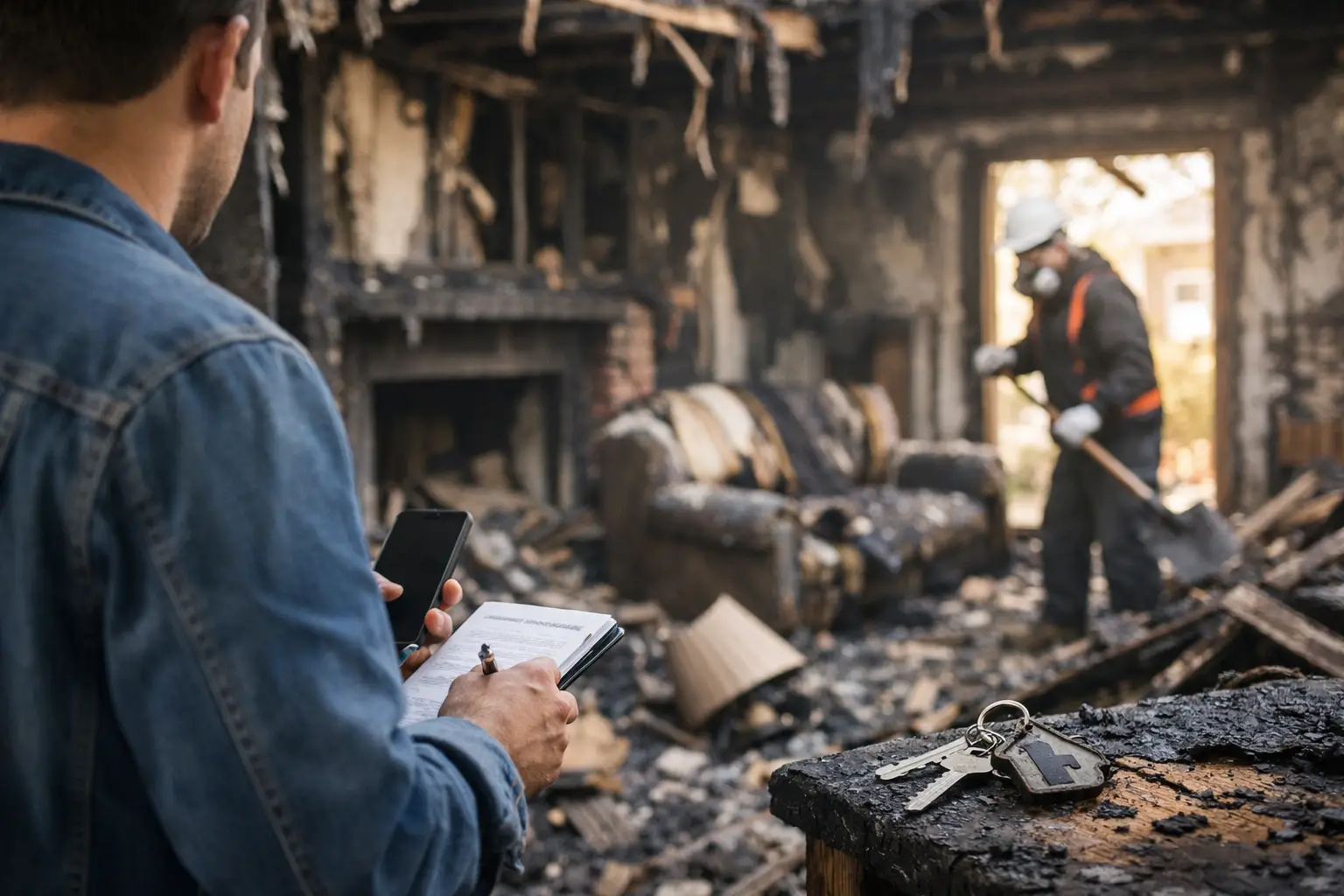 Fire & Smoke
Soot removal, odor deodorization, and content cleaning after fire and smoke damage.
Learn more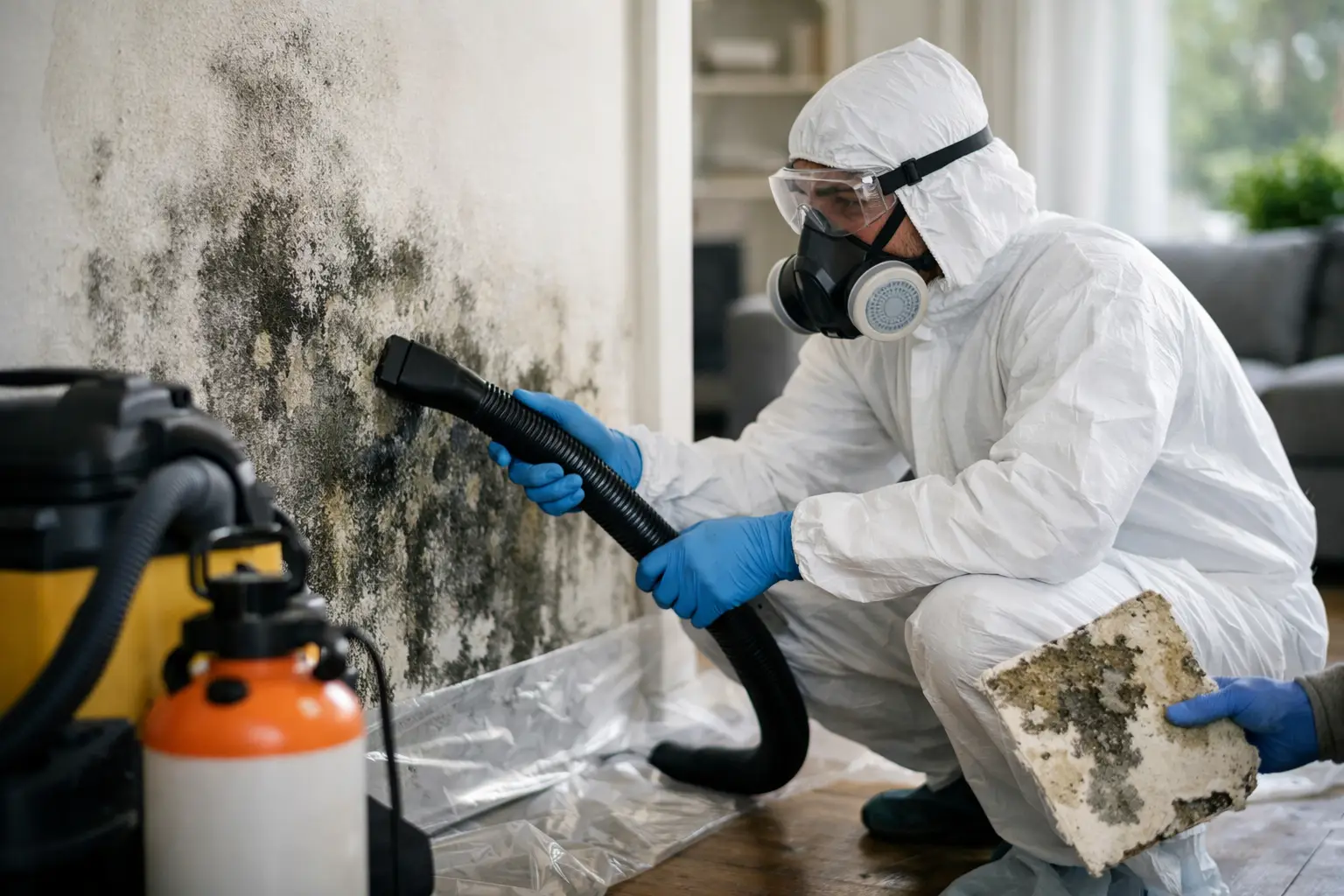 Mold
MoldContainment, removal, and moisture control that stops mold from coming back.
Learn more Storm
StormEmergency board-up, roof tarping, and full recovery after wind, hail, and storms.
Learn more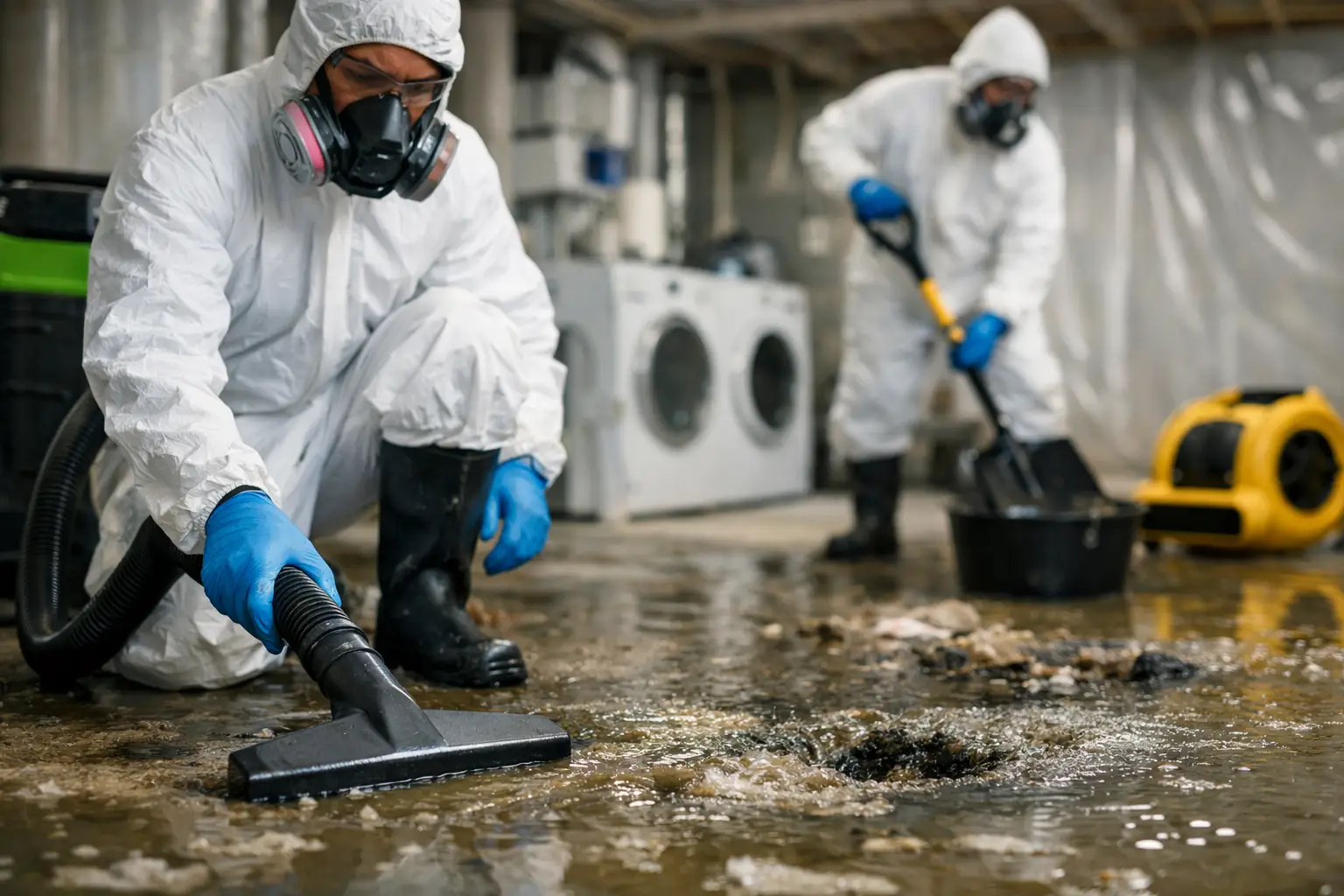 Sewage
Safe biohazard cleanup and sanitizing after sewage backups and overflows.
Learn more Reconstruction
Full rebuild by a licensed general contractor, so your property comes back whole.
Learn moreElevated Operations is an IICRC-certified, licensed general contractor based in Mableton that handles the entire recovery in-house, so after one loss you are never coordinating a cleanup crew, a mold crew, and a contractor separately. One team, one point of contact, from the first pump-out to the final coat of paint.
People call when the property feels like a disaster. They leave reviews because Chris and the crew made it right. These are real, verified Google reviews.
Keep everyone out of the affected rooms, avoid wiping soot with water, and do not run the HVAC system until I inspect it. In downtown Jonesboro, where older homes often have original wood and tighter rooms, that first hour matters. Photograph the damage, close doors if you can do so safely, and call me right away so I can start the smoke and soot cleanup correctly.
Often, yes, if the source residue is removed and the right deodorization steps follow. I do not promise that before I inspect the home, because odor can hide in walls, fabrics, ducts, and contents. In Jonesboro homes with historic wood and older finishes, I look closely at where smoke traveled before I say what it will take.
The right dry soot removal method, followed by careful surface cleaning, is what removes soot without spreading it around. Heart-pine trim needs special caution, because the wrong product can dull or stain it. I test first, clean from top to bottom, and use the least aggressive method that still gets the residue off.
As soon as the fire is out and the area is safe, because soot starts damaging surfaces immediately. A kitchen loss can send smoke into cabinets, the HVAC path, and nearby rooms fast. In Jonesboro, quick smoke cleanup helps protect original woodwork, contents, and finishes before the residue becomes harder to remove.
Yes. I serve Jonesboro and the surrounding metro Atlanta counties from my Mableton base, and I work on smoke damage cleanup wherever the loss is located in my service area. Near the Flint River, humidity can make odor and soot behavior more stubborn, so I factor that into the process from the start.
Yes, I offer direct insurance billing and I help move the claim forward without making you play middleman. I document the damage, explain the scope, and keep the cleanup tied to what the property actually needs. That is especially useful after smoke and soot cleanup, when timelines, contents, and deodorization all overlap.
You should expect IICRC-certified technicians, clear communication, and a methodical process that protects the house instead of rushing through it. I have been in restoration since 2007, and I bring that experience to every smoke and soot cleanup job. I also back the work with a 12-month warranty.
Yes, contents cleaning can make a big difference because furniture, textiles, and personal items often hold odor long after the walls look clean. I separate salvageable items from damaged ones, clean what can be saved, and coordinate the rest of the smoke damage cleanup so the home and the belongings improve together.
Elevated Operations dispatches IICRC-certified crews across Metro Atlanta from our Mableton base, with a 60-minute emergency response day or night. Choose your city:
Call now for an immediate response, or request your free inspection and get a certified crew on-site within the hour across Atlanta and nearby areas.




