24/7 Emergency Restoration · Serving Metro AtlantaEmergency? (770) 404-6895

Mold remediation services Dallas homeowners ask for usually start with moisture control, not just cleanup. I’m Chris Kwangwari, and I handle mold inspection, mold removal, and mold cleanup for homes near Pumpkinvine Creek and across Paulding County, including properties on well water and septic systems where hidden moisture shows up fast.
IICRC-Certified · 5-Star Rated · 60-Minute Response · Insurance Billed Directly
I do. Elevated Operations, LLLP is based in Mableton, and I handle Dallas jobs with IICRC-certified technicians, direct insurance billing, and a 12-month warranty.
Yes. Mold can start in 24 to 48 hours after a water event. That is why I push fast inspection and drying before the problem spreads through walls, floors, or crawlspaces.
Yes. I work across Paulding County and pay close attention to moisture patterns around septic and well-water properties, especially where crawlspaces and drainage create hidden dampness.
Yes. I offer deductible assistance up to $1,000 on qualifying jobs, and I can also bill insurance directly when the loss is covered.
Mold remediation services in Dallas start by finding the moisture source, then removing contaminated materials, cleaning affected surfaces, and drying the area so the mold does not keep coming back. In Paulding County, I pay close attention to crawlspaces, basements, and utility rooms where well-water, septic, and creek humidity can create the problem.
I do not treat mold as a surface stain. I treat it as a moisture problem with a visible symptom. That means I look at leaks, condensation, drainage, and ventilation first, then decide what needs mold removal and what can be cleaned and preserved.
Around Dallas, I see a lot of homes with crawlspace moisture, older construction details, and yard drainage issues that pull water toward the structure. If a house sits near Pumpkinvine Creek or lower ground, the conditions can stay damp long enough for mold to spread behind trim, under flooring, or in attic insulation.
My process includes direct insurance billing when coverage applies, IICRC-certified technicians, and hepa vacuuming where contamination is present. If the job needs air filtration, containment, or targeted mold abatement, I build the plan around the structure, the source, and the way the home actually breathes.
You need mold remediation services in Dallas when you smell musty air, see growth after a leak, notice warped materials, or find recurring dampness in crawlspaces, walls, or bathrooms. If a home has well-water equipment, septic-related humidity, or creekside drainage issues, I treat those signs as a real warning.
The biggest mistake is waiting for a large visible patch. By the time mold shows clearly, it has often been active in hidden places, especially around sinks, laundry rooms, and any area that has held moisture for more than a day or two.
In Paulding County, I get calls from homeowners who first notice it in the laundry room, a closet, or around an HVAC closet. Those places often reveal the real issue, which is a leak, poor venting, or damp air moving through the house from a crawlspace or attic.
If your property is close to Pumpkinvine Creek, or you rely on well water and septic, small moisture problems can turn persistent. I would rather inspect early than wait until you need major mold cleanup and structural repair. That is the difference between a contained job and a bigger one.
No one can honestly promise every mold spore is gone, but mold remediation services can remove the active growth, contaminated materials, and conditions that let it spread. In Dallas homes, the goal is to get the indoor environment back to normal and stop the moisture that feeds the problem.
I take a hard line on this question because homeowners deserve the truth. Mold is part of the outdoor environment, so the job is not to make a house sterile. The job is to remove damaged material, clean the area properly, and stop the source of moisture.
That is why mold inspection matters before and after cleanup. If I only wipe visible spots, the problem can return. If I remove the right materials, use hepa vacuuming, and manage air filtration during the work, the home has a much better outcome.
Homes near Pumpkinvine Creek, or homes with damp crawlspaces from local drainage patterns, need a careful approach. A fast cosmetic fix will not hold up. A proper mold abatement plan addresses the building, the air, and the moisture path together.
The timeline for mold remediation services in Dallas depends on how much material is affected, where the mold sits, and whether the moisture source is still active. Small, contained jobs move faster than crawlspace or attic cases, especially when water damage repair and drying are part of the work.
I do not like guessing at timelines before I see the home. A laundry closet with a localized leak is one thing. A crawlspace with long-term dampness near Pumpkinvine Creek is another. The amount of demolition, drying, and cleaning changes the pace immediately.
When I inspect, I look at the spread pattern, the building materials, and whether the home has a well-water or septic setup that may keep humidity higher than expected. That helps me plan the work in the right order, from containment to mold cleanup to final drying.
If the source is still active, the clock slows down because fixing the moisture problem comes first. I am licensed as a general contractor, so I can address structural repair issues that show up during the job instead of handing you a half-finished project and walking away.
Dallas homes are vulnerable to mold when moisture lingers in crawlspaces, attics, bathrooms, or around plumbing and drainage lines. In Paulding County, well-water systems, septic layouts, and homes near Pumpkinvine Creek can make humidity and water intrusion harder to control without professional mold remediation services.
I see a pattern in Dallas. Moisture collects where homeowners cannot easily monitor it, then mold takes hold in hidden spaces. Crawlspaces are especially common trouble spots because a little standing dampness can affect framing, insulation, and the floor system above.
Pumpkinvine Creek matters because local drainage influences what happens around a home after rain. If water pools near the foundation or air movement under the house stays damp, mold removal becomes more than a surface job. The building has already been telling you it needs help.
Well-water and septic homes need a closer look because the systems themselves are not the issue, but the property layout often is. I inspect how water is used, drained, and ventilated, then decide whether mold cleanup alone is enough or whether the structure needs deeper correction.
Yes, because a mold inspection shows where the moisture is coming from and how far the contamination has spread before any mold removal starts. In Dallas, that matters in crawlspaces, around septic-related damp zones, and near creek-influenced properties where the visible spot is rarely the whole story.
I always want the inspection before the cleanup when the problem is not obvious. That keeps me from tearing out material that could have stayed in place and helps me focus on what actually needs attention instead of chasing every dark mark on a wall.
A good inspection looks at more than the stain. It checks humidity, damage patterns, nearby leaks, and airflow. Then I can decide whether the project needs air filtration, hepa vacuuming, containment, or targeted mold abatement in one part of the home.
For Dallas homeowners, especially those near Pumpkinvine Creek or on properties with crawlspace moisture, this step saves time and frustration. It also helps with direct insurance billing when coverage is involved, because the scope is clearer and the documentation is cleaner.
Mold removal cost in Dallas depends on how much area is affected, where the mold is hiding, and how far it has spread, so every job starts with a free inspection and a written quote before any work begins. As a local mold remediation company, we answer 24/7 and bill your insurance directly.
What drives mold removal cost is the affected area and contamination level, so we inspect first and price it in writing, no guesswork.
We handle black mold with containment and HEPA filtration, then verify the air before we call the job done.
Dispatched from Mableton, our IICRC-certified crew reaches Dallas homes fast, 24/7, and bills insurance directly.
That is common in Dallas homes with crawlspace or attic moisture. I start with a mold inspection to trace the source, then decide if mold cleanup, air filtration, or selective removal is needed.
The systems are not the mold problem by themselves, but the property conditions around them often are. I check humidity, drainage, and hidden leaks because those drive repeated mold growth in Paulding County.
Creek-side moisture can keep foundations and crawlspaces damp longer than homeowners expect. That is when mold remediation services need to focus on source control, not just wiping what you can see.
I offer direct insurance billing and deductible assistance up to $1,000. I document the work carefully so the claim file reflects the cause, the damage, and the restoration steps.
I have been in restoration since 2007, I am IICRC-certified, and my work carries a 12-month warranty. If the job needs a contractor’s eye, I am also a licensed general contractor.
From emergency mitigation to full reconstruction, handled in-house so you are never managing a chain of subcontractors mid-crisis.
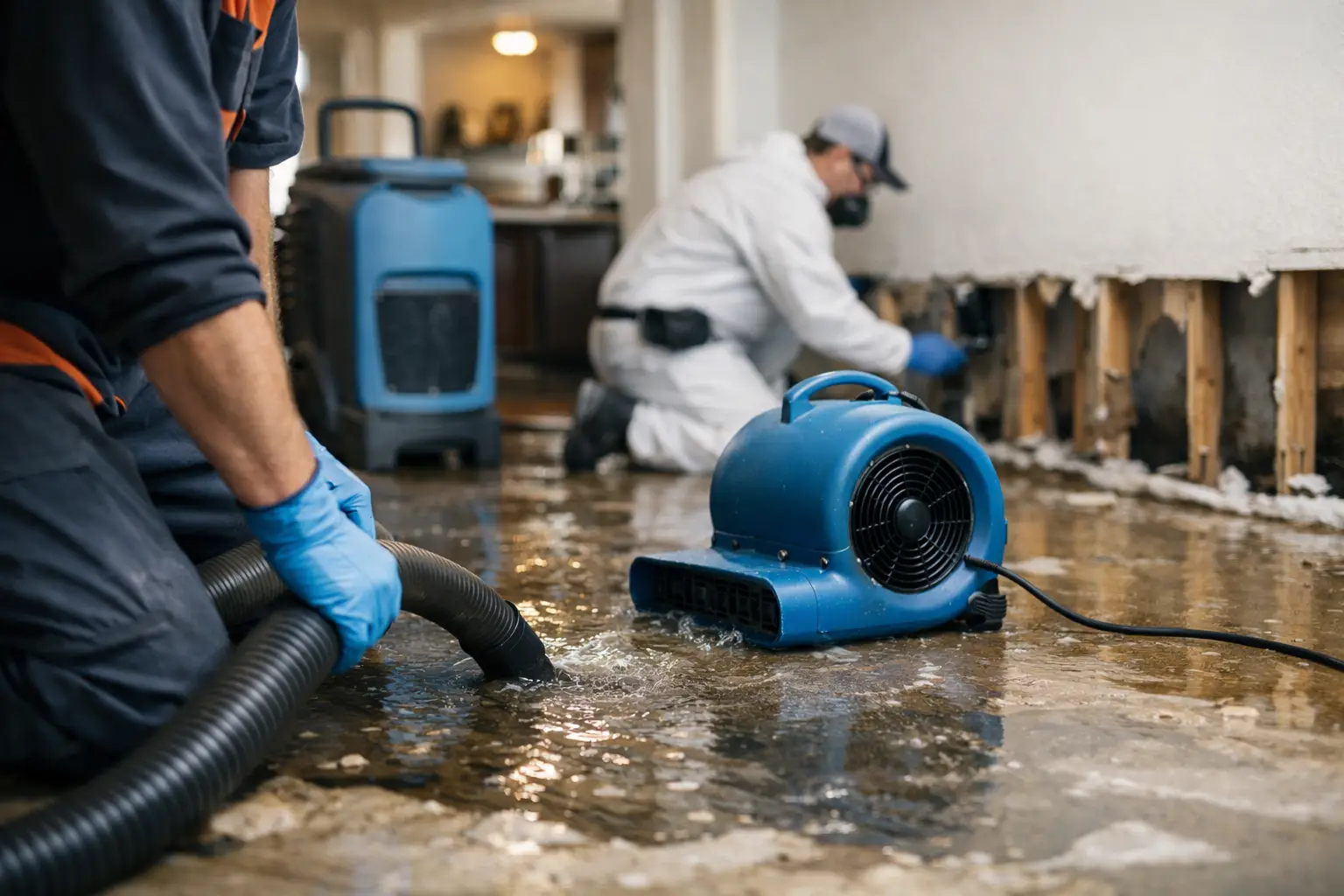 Water Damage
Extraction, structural drying, and moisture mapping after floods, leaks, and burst pipes.
Get help now Fire & Smoke
Soot removal, odor deodorization, and content cleaning after fire and smoke damage.
Learn more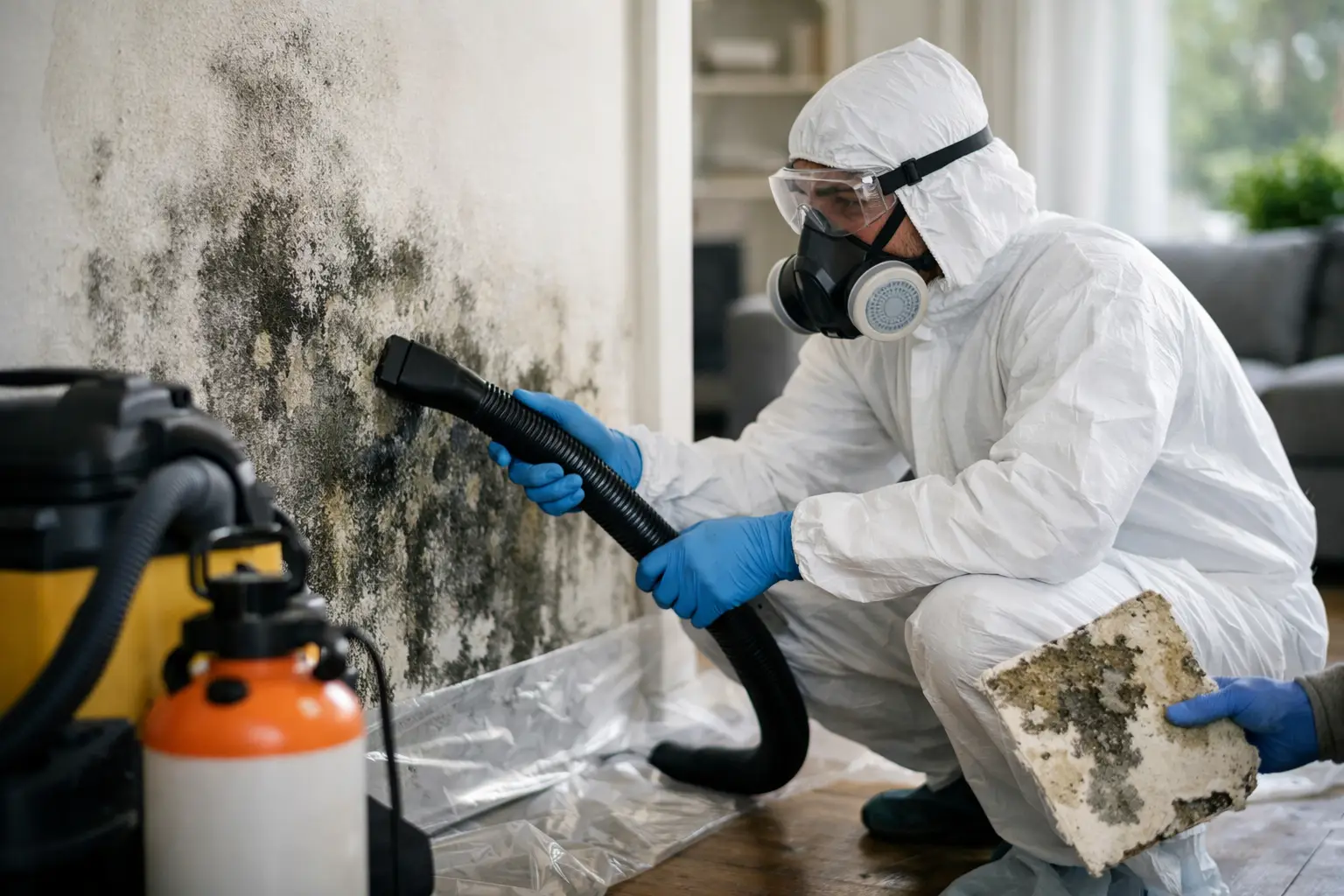 Mold
MoldContainment, removal, and moisture control that stops mold from coming back.
Learn more Storm
StormEmergency board-up, roof tarping, and full recovery after wind, hail, and storms.
Learn more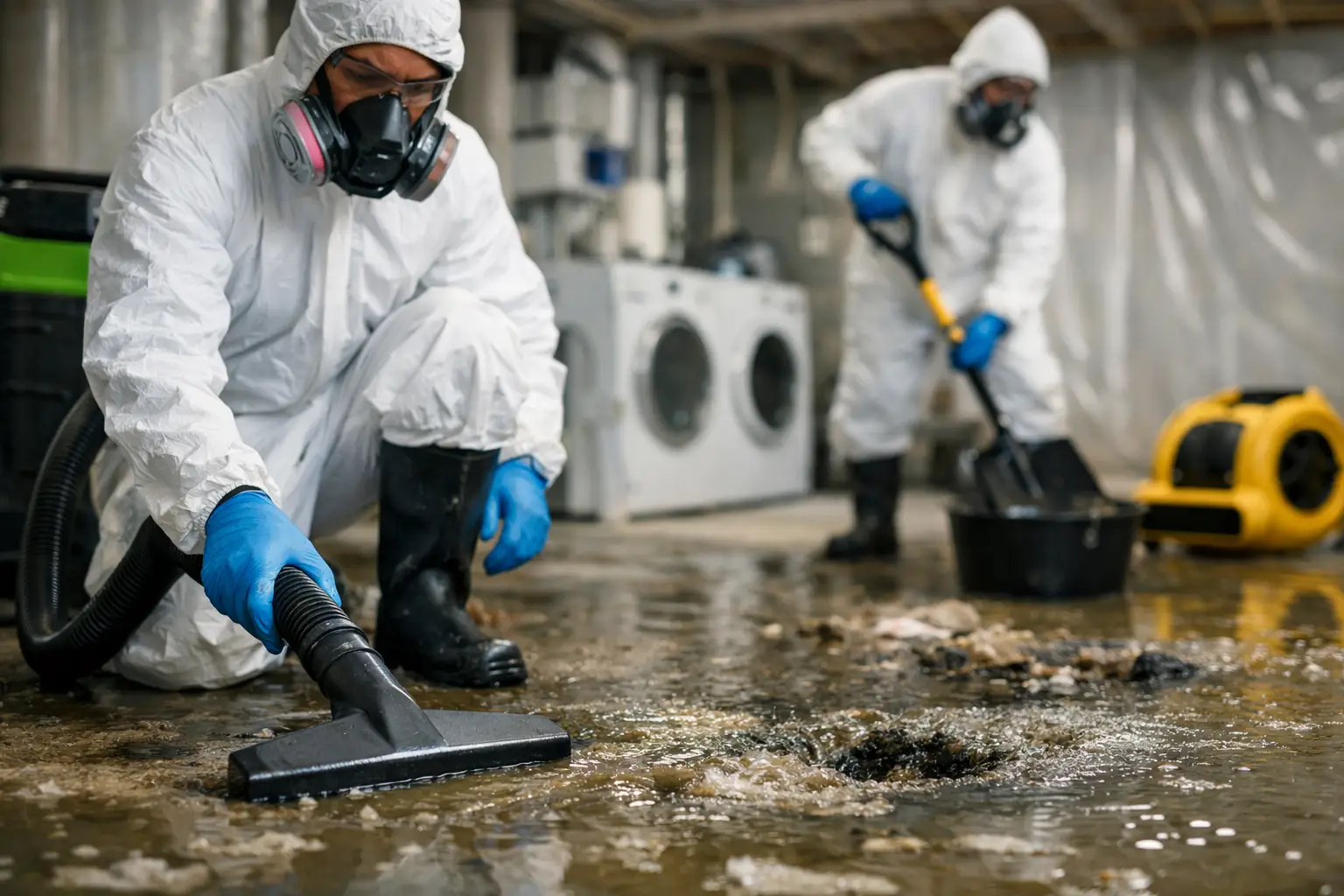 Sewage
Safe biohazard cleanup and sanitizing after sewage backups and overflows.
Learn more Reconstruction
Full rebuild by a licensed general contractor, so your property comes back whole.
Learn moreElevated Operations is an IICRC-certified, licensed general contractor based in Mableton that handles the entire recovery in-house, so after one loss you are never coordinating a cleanup crew, a mold crew, and a contractor separately. One team, one point of contact, from the first pump-out to the final coat of paint.
People call when the property feels like a disaster. They leave reviews because Chris and the crew made it right. These are real, verified Google reviews.
They can, because creek-side drainage and lingering humidity make it easier for moisture to stay in crawlspaces, basements, and lower walls. That does not guarantee mold, but it raises the odds. I inspect the structure, the air movement, and the water path before I recommend mold cleanup or removal.
I start by checking the crawlspace for standing moisture, damaged insulation, and contaminated framing. Then I use containment, hepa vacuuming, and focused cleaning or material removal as needed. In Dallas, crawlspace jobs often need moisture-source correction first, or the mold will come right back.
Yes. Plumbing leaks are one of the most common triggers for mold remediation services. I assess the wet materials, dry what can be saved, remove what cannot, and document everything for direct insurance billing if the claim applies. The key is acting before hidden moisture spreads.
That setup is common around Dallas, and it means I pay closer attention to drainage, humidity, and the crawlspace environment. The systems themselves are usually not the mold source. The issue is often how the home sits, vents, and handles moisture over time.
When the project calls for it, yes. Air filtration helps manage airborne particles during removal and cleanup, especially in occupied homes. I pair it with proper containment and hepa vacuuming so the work stays controlled instead of spreading contamination through the house.
Call as soon as you notice it. Musty air usually means moisture has been active long enough for mold to develop, sometimes before visible growth appears. In Dallas homes, especially near Pumpkinvine Creek or in damp crawlspace conditions, waiting makes the fix bigger and more expensive.
I do both when the job requires it. I am a licensed general contractor, so I can handle the restoration side when mold abatement reveals damaged materials, structural issues, or rebuild needs. That keeps the project coordinated instead of bouncing between different companies.
I back eligible work with a 12-month warranty. That matters because mold remediation services are only as good as the moisture control behind them. If the source is fixed and the cleanup is done correctly, the house has a much better chance of staying dry and stable.
Elevated Operations dispatches IICRC-certified crews across Metro Atlanta from our Mableton base, with a 60-minute emergency response day or night. Choose your city:
Call now for an immediate response, or request your free inspection and get a certified crew on-site within the hour across Atlanta and nearby areas.