24/7 Emergency Restoration · Serving Metro AtlantaEmergency? (770) 404-6895
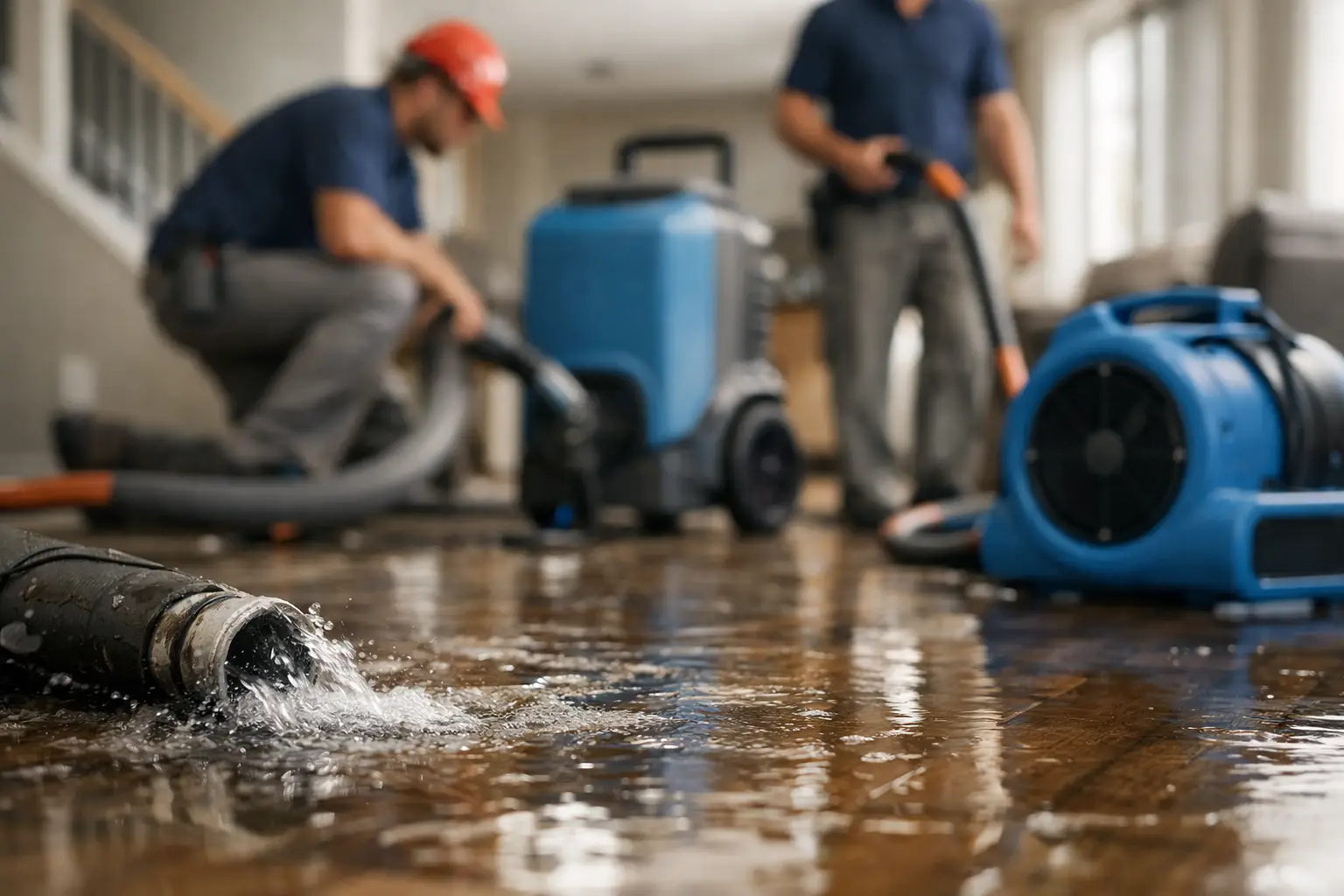
Mold remediation and mold removal in Atlanta usually start with one thing, a musty smell in a crawlspace, basement, or behind a wall. I am Chris Kwangwari, owner of Elevated Operations, LLLP in Mableton, and our mold removal company handles Atlanta mold work with IICRC-certified technicians, 24/7 emergency response, direct insurance billing, and a 12-month warranty.
IICRC-Certified · 5-Star Rated · 60-Minute Response · Insurance Billed Directly
Yes. Older bungalows often hide mold in plaster walls, crawlspaces, and aging trim where moisture lingers longer.
Sometimes. It depends on containment, the area affected, and whether the work is in a basement, bath, or shared living space.
Not always, but in Atlanta it usually means moisture is present somewhere, and that is enough reason to inspect.
Stop the water source if you can, avoid disturbing the area, and call me so we can assess the damage correctly.
Mold remediation services start with finding the moisture source, then containing the affected area, removing contaminated materials, and cleaning remaining surfaces with proper methods. In Atlanta, that often means wet basements, crawlspaces, or wall cavities in older intown bungalows where small leaks turn into bigger mold cleanup jobs fast.
I start with a mold inspection mindset, even when the call came in as a musty smell or a visible spot near a baseboard. Atlanta homes, especially intown bungalows, often hide moisture behind plaster, trim, or old flooring where everyday living does not show the damage right away.
Then we set containment and use air filtration to keep disturbance from spreading through the house. HEPA vacuuming matters because mold removal is not just about what you can see, it is about capturing debris that gets stirred up during demolition and cleaning.
After that, I separate what can stay from what has to go. Mold abatement is not guesswork in a creek basement or a finished lower level, it is a controlled process, and I back our work with a 12-month warranty because I want Atlanta homeowners to know the job was done right.
You need mold remediation when you see growth, smell a persistent musty odor, or know water sat too long in a basement, crawlspace, or wall. In Atlanta, creek basements and older bungalows can start growing mold fast after a leak, storm intrusion, or plumbing problem, often within 24 to 48 hours.
I tell homeowners to act quickly when the smell changes, the drywall feels soft, or the carpet edge looks stained. That is especially true in intown bungalows with older plumbing, because a small leak can feed mold behind walls before anyone sees a visible patch.
Creek basements are another common trigger. If your lower level stays damp after a storm or you see condensation on cool walls, you do not need to wait for the problem to spread. Mold cleanup is cheaper and cleaner when we catch it early.
If the issue came from a roof leak, overflow, or supply line break, I treat it as time-sensitive. My team is available 24/7 with 60-minute emergency response, and that speed matters when you are trying to keep a small water event from becoming a bigger restoration project.
Mold can be remediated to a safe, controlled condition, but no one should promise that every spore in every home disappears forever. The goal is to remove active growth, clean the affected area thoroughly, and fix the moisture source so mold does not return in the same place.
That is the honest answer I give on every Atlanta job. Mold lives in the environment, so what matters is removing the growth, stabilizing the home, and keeping the moisture out. If the leak stays active, mold comes back. Simple as that.
In older intown bungalows, that can mean removing damaged drywall, baseboards, or insulation and then cleaning framing with the right process. HEPA vacuuming and air filtration help reduce what is left in the work zone, but source control is the real fix.
In a creek basement, I pay close attention to air movement, grading, and any water entry point I can identify. IICRC-certified technicians know how to handle the visible damage and the hidden contamination, and I stay involved because I own the outcome, not just the paperwork.
How long mold remediation takes depends on the size of the affected area, how much material must be removed, and whether the moisture source is already fixed. Small attic or closet jobs move faster than basement or multi-room mold cleanup, especially when Atlanta storms or plumbing damage are involved.
I do not guess at timelines because the home tells us what it needs. A small bathroom wall with limited damage is not the same as a crawlspace or finished basement with hidden growth, and I will not pretend those jobs run on the same clock.
Intown bungalows can be tricky because older materials may require more careful removal and more setup time. On the other hand, a clear source and limited spread can make the process more direct, especially when direct insurance billing helps keep the paperwork moving.
The key is getting the moisture stopped first. Once that is handled, my technicians can move through containment, mold removal, cleaning, and verification without dragging things out. That is how I keep Atlanta jobs moving with less disruption to the household.
Intown bungalows and creek basements are prone to mold because age, drainage, and hidden moisture create ideal conditions for growth. Older homes often have crawlspaces, aging pipes, or imperfect ventilation, while creek basements hold humidity and seepage that can feed mold before the damage is obvious.
Atlanta has a lot of character housing, and I respect that. But older bungalows around intown neighborhoods often come with low crawlspaces, patchwork repairs, and original materials that do not forgive water intrusion. Once moisture gets in, mold cleanup becomes a race against the hidden structure.
Creek basements are a different kind of problem. Water does not need to flood the whole room, it just needs to sit against framing, carpet pad, or stored belongings long enough to create growth. That is why homeowners notice the smell before they see the stain.
IICRC-certified technicians know how to look beyond the surface. I want Atlanta homeowners to understand that the problem is usually not the mold itself, it is the moisture pattern around it. Fix that pattern, and the home stops feeding the issue.
After a leak or storm, expect containment, removal of damaged materials, HEPA vacuuming, air filtration, and cleaning of remaining structures. In Atlanta, fast mold cleanup matters because warm, humid conditions help mold spread quickly in basements, bathrooms, and behind walls after water enters the home.
When I walk a storm or leak job in Atlanta, I am looking for the source first and the damage path second. Water runs under flooring, behind trim, and into lower wall cavities, so the visible spot is often smaller than the actual problem area.
Then we isolate the work zone so the rest of the house stays protected. That matters in occupied homes, especially intown bungalows where one small project can sit right next to living space, kitchens, and bedrooms. Good containment keeps the cleanup controlled.
If insurance is involved, I handle direct insurance billing and can assist with the deductible up to $1,000. I also back the work with a 12-month warranty. That is not marketing language, that is how I run restoration after bad weather or plumbing failure.
Mold removal cost in Atlanta depends on how much area is affected, where the mold is hiding, and how far it has spread, so every job starts with a free inspection and a written quote before any work begins. As a local mold remediation company, we answer 24/7 and bill your insurance directly.
What drives mold removal cost is the affected area and contamination level, so we inspect first and price it in writing, no guesswork.
We handle black mold with containment and HEPA filtration, then verify the air before we call the job done.
Dispatched from Mableton, our IICRC-certified crew reaches Atlanta homes fast, 24/7, and bills insurance directly.
Yes. I offer 24/7 emergency response with a 60-minute target for urgent calls across Atlanta and nearby counties.
Yes. I provide direct insurance billing, which helps keep the claim process moving while we handle the restoration.
My IICRC-certified technicians handle the mold remediation services, and I am Chris Kwangwari, the owner of Elevated Operations, LLLP.
Yes. I stand behind our mold remediation with a 12-month warranty.
In qualifying cases, I can offer deductible assistance up to $1,000.
From emergency mitigation to full reconstruction, handled in-house so you are never managing a chain of subcontractors mid-crisis.
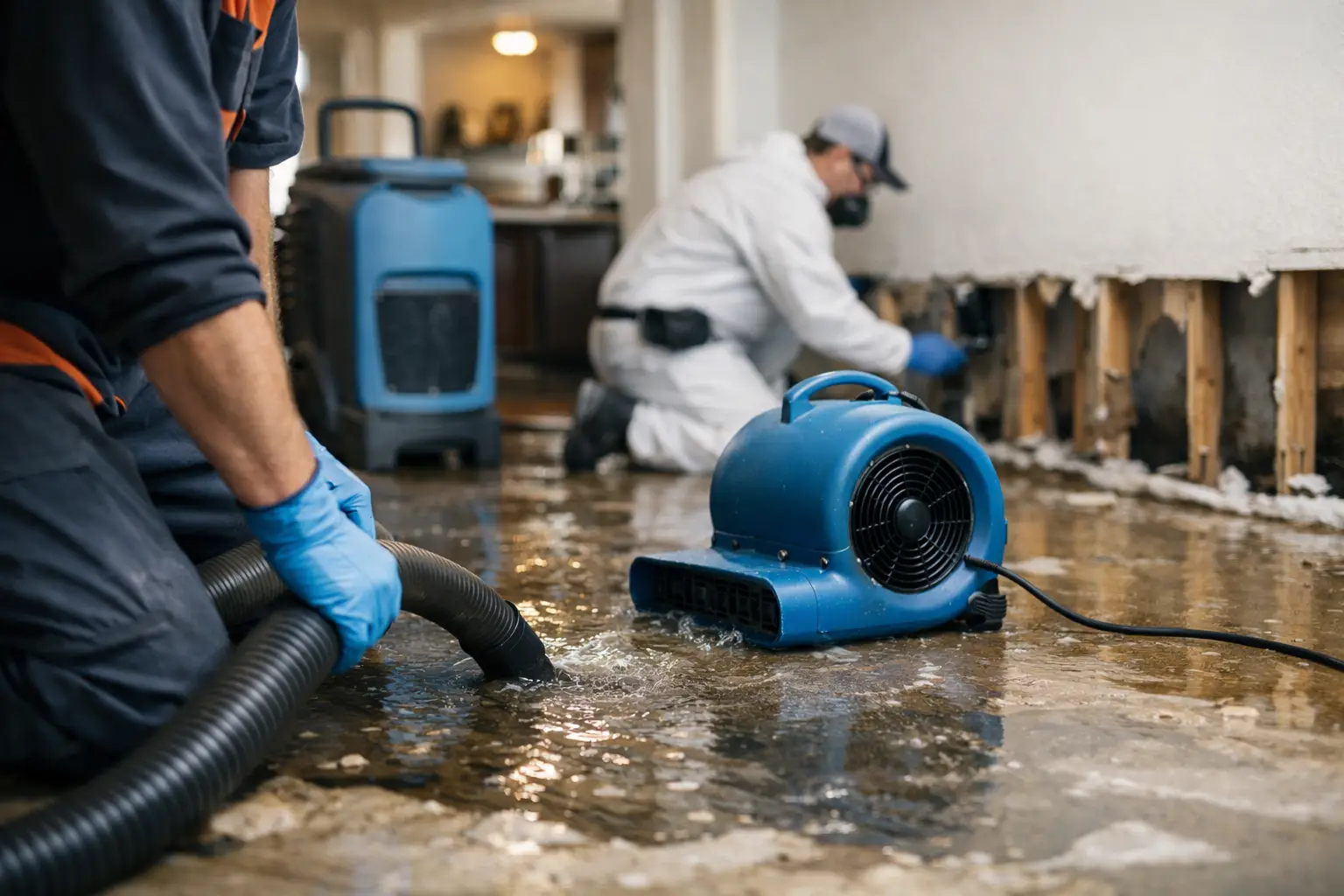 Water Damage
Extraction, structural drying, and moisture mapping after floods, leaks, and burst pipes.
Get help now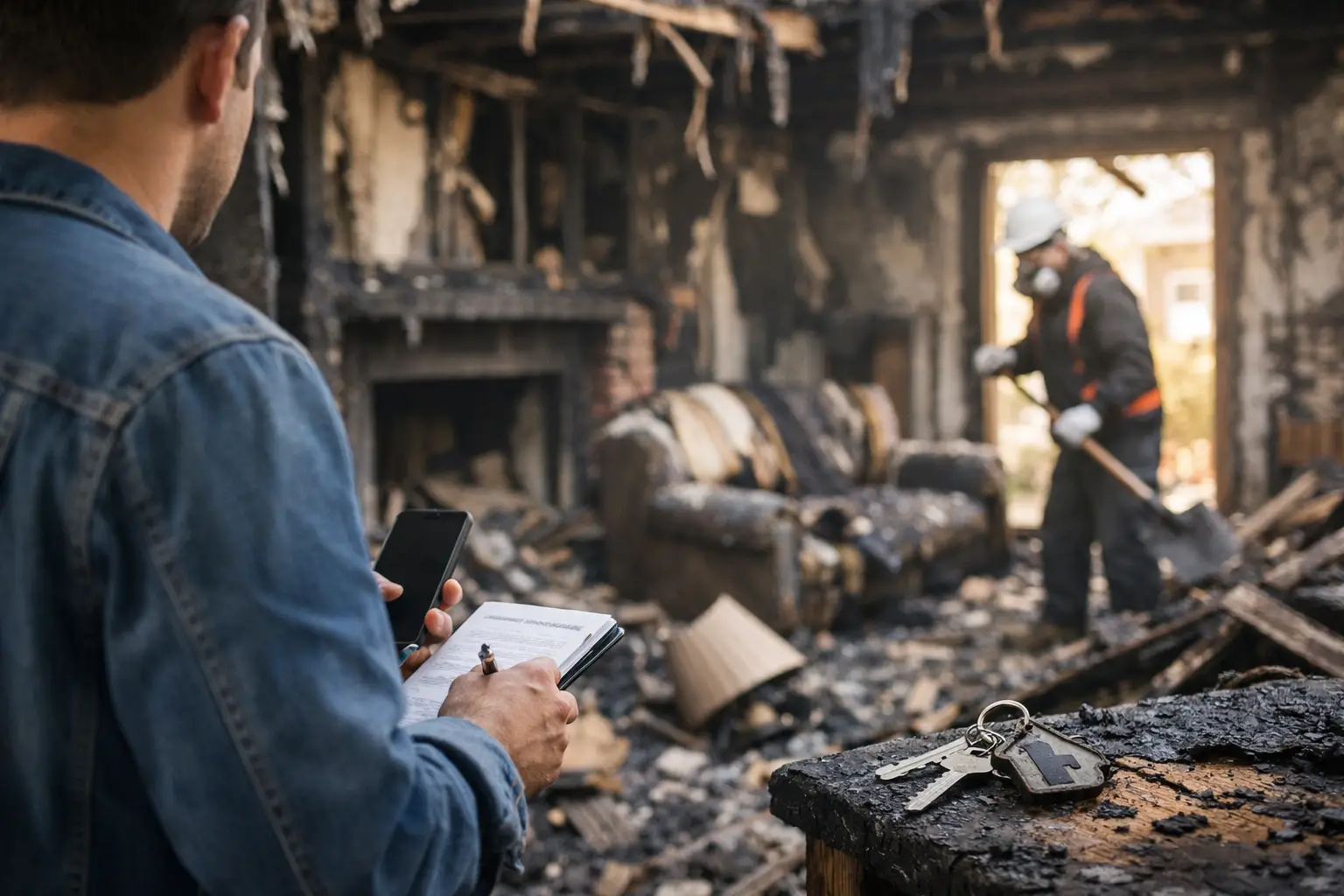 Fire & Smoke
Soot removal, odor deodorization, and content cleaning after fire and smoke damage.
Learn more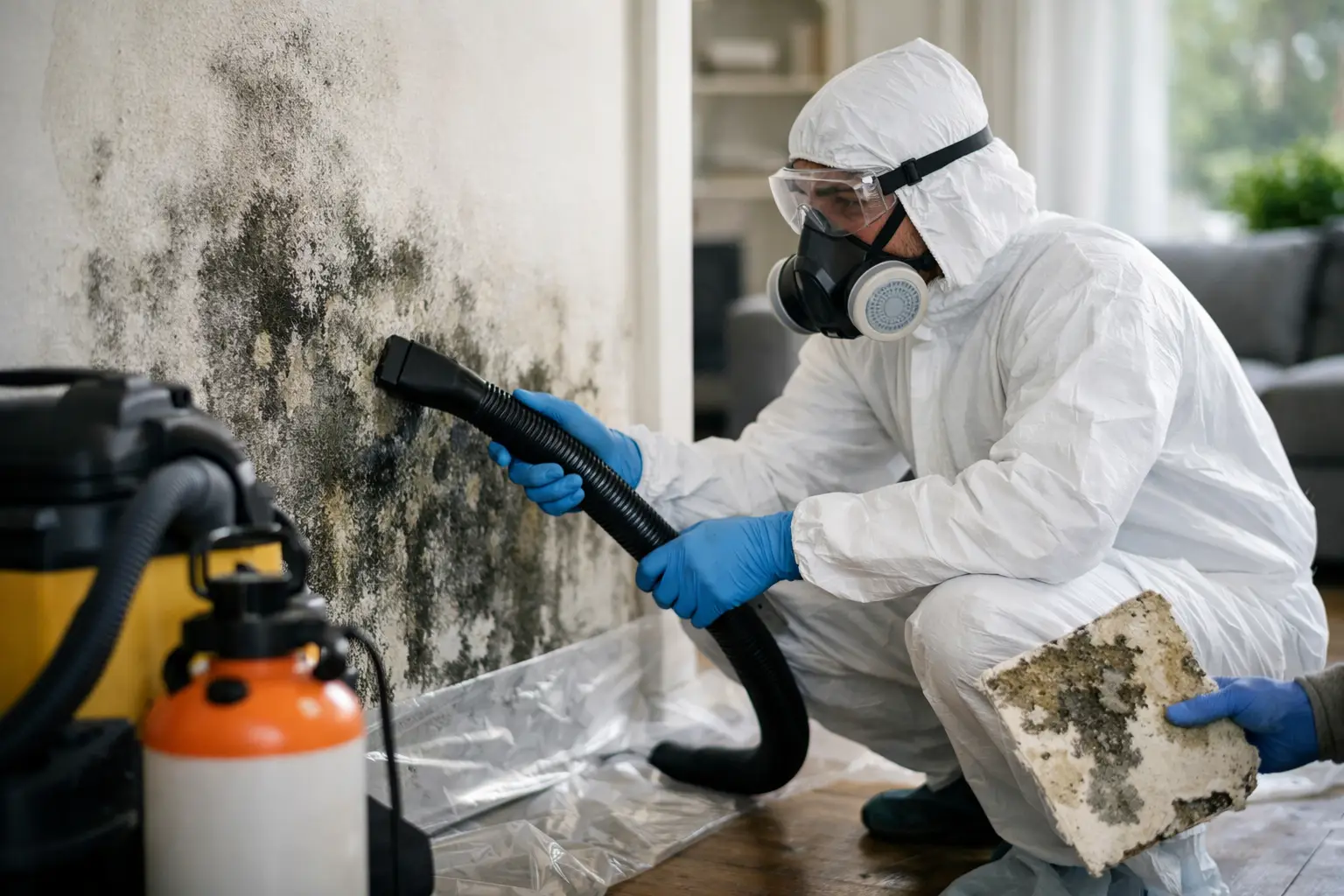 Mold
MoldContainment, removal, and moisture control that stops mold from coming back.
Learn more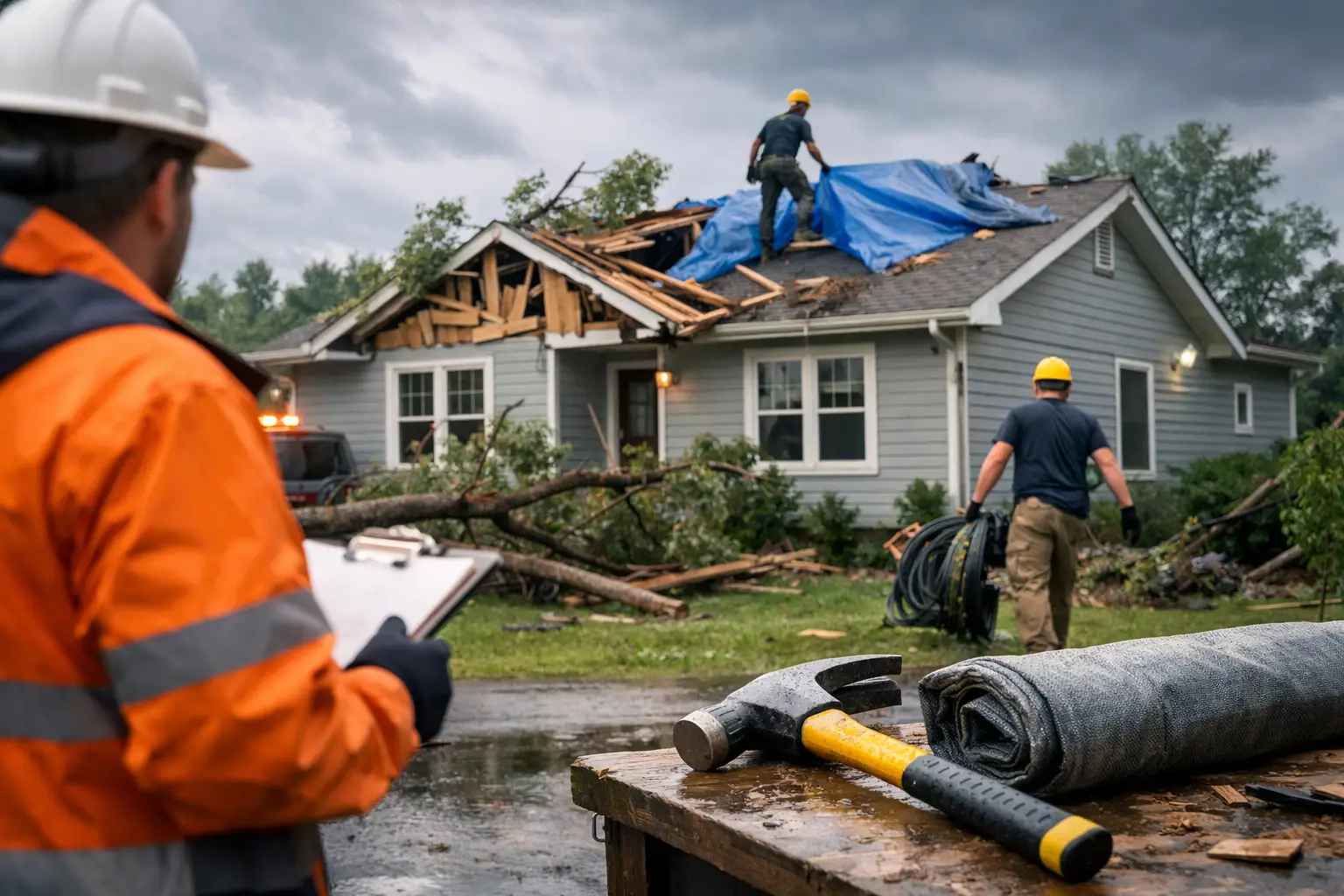 Storm
StormEmergency board-up, roof tarping, and full recovery after wind, hail, and storms.
Learn more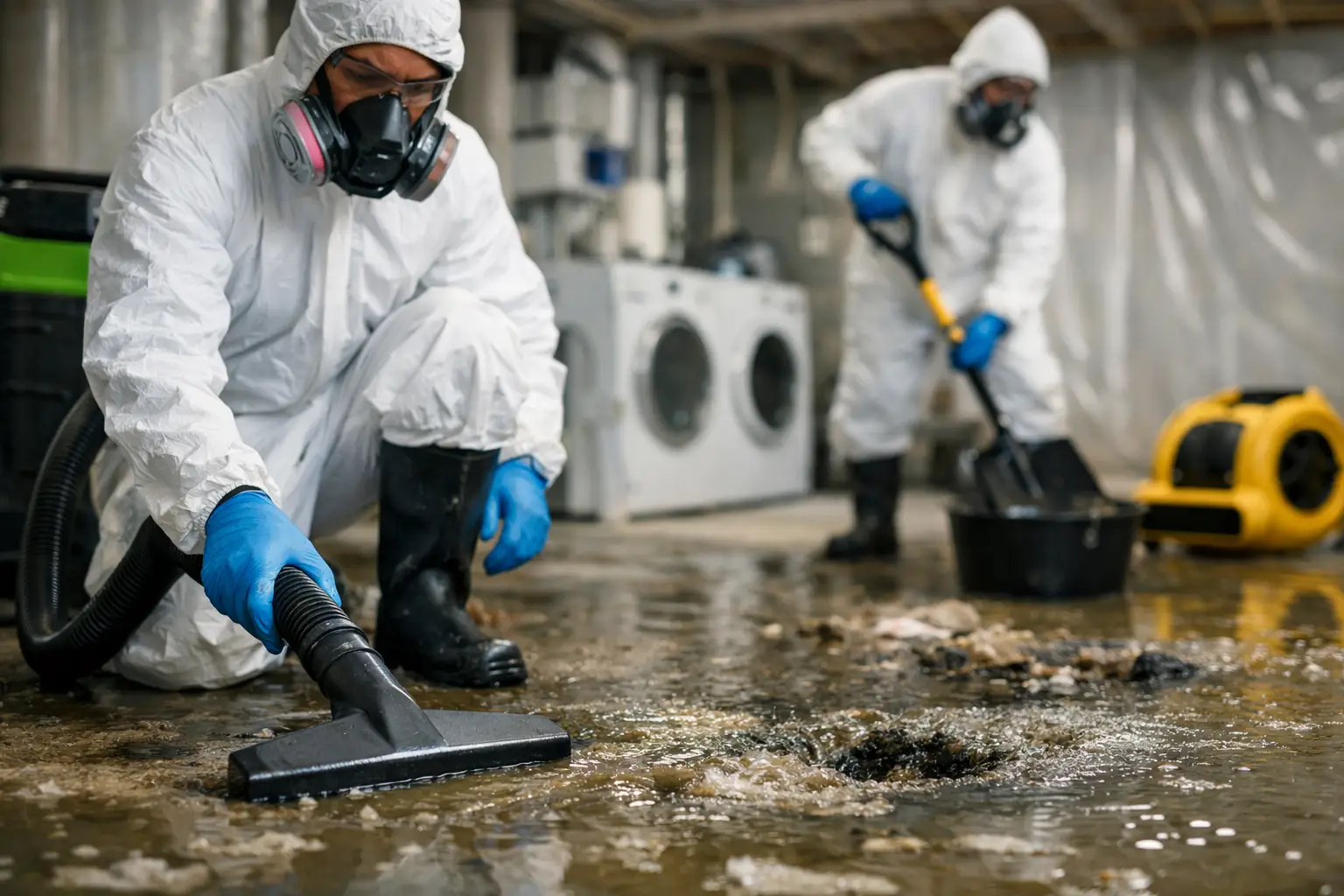 Sewage
Safe biohazard cleanup and sanitizing after sewage backups and overflows.
Learn more Reconstruction
Full rebuild by a licensed general contractor, so your property comes back whole.
Learn moreElevated Operations is an IICRC-certified, licensed general contractor based in Mableton that handles the entire recovery in-house, so after one loss you are never coordinating a cleanup crew, a mold crew, and a contractor separately. One team, one point of contact, from the first pump-out to the final coat of paint.
People call when the property feels like a disaster. They leave reviews because Chris and the crew made it right. These are real, verified Google reviews.
Usually, yes. In older intown bungalows, I want to understand where the moisture came from and how far the damage spread before any demolition starts. A focused mold inspection helps separate a cosmetic stain from active growth in wall cavities, crawlspaces, or around original plumbing. That makes the mold remediation services more accurate and less disruptive.
Creek basements often stay damp longer after rain, so the materials can keep feeding mold even when the visible water is gone. In Atlanta, I see this in lower levels where airflow is weak and storage boxes block walls. Effective mold removal has to address the moisture path, not just the surface growth.
I use containment, air filtration, and HEPA vacuuming so disturbed material stays in the work area, not throughout the house. That matters in occupied Atlanta homes where one hallway or basement can connect to the rest of the property. The goal is controlled mold cleanup, not a dusty mess that moves the problem around.
No. Small visible growth can point to a much larger hidden problem behind drywall, under flooring, or inside a crawlspace. In Atlanta humidity, mold does not need a big leak to grow. If the odor is there or moisture was present, I would call for mold remediation services before it spreads.
Yes. Plumbing leaks are one of the most common causes I see, especially in older homes and finished basements. I handle mold abatement after the water source is stopped, then we remove damaged materials, clean the remaining structure, and document what was done for the claim if insurance is involved.
I work throughout Atlanta and the surrounding counties we serve from Mableton, including Cobb, Fulton, and DeKalb. That matters because mold in an intown bungalow is not the same as mold in a creek basement, and I plan the response around the home, not a one-size-fits-all script.
If the smell returns, moisture probably remains somewhere in the structure. That can happen behind trim, under flooring, or in a basement wall assembly. I stand behind our work with a 12-month warranty, but I also want the source fixed so the odor does not keep coming back.
Call (770) 404-6895. I answer as Elevated Operations, LLLP, and I can start with an emergency response, a moisture-focused assessment, and insurance coordination if needed. If you are dealing with an Atlanta basement, bungalow, or storm leak, I would rather hear from you early than after the damage spreads.
Elevated Operations dispatches IICRC-certified crews across Metro Atlanta from our Mableton base, with a 60-minute emergency response day or night. Choose your city:
Call now for an immediate response, or request your free inspection and get a certified crew on-site within the hour across Atlanta and nearby areas.