24/7 Emergency Restoration · Serving Metro AtlantaEmergency? (770) 404-6895
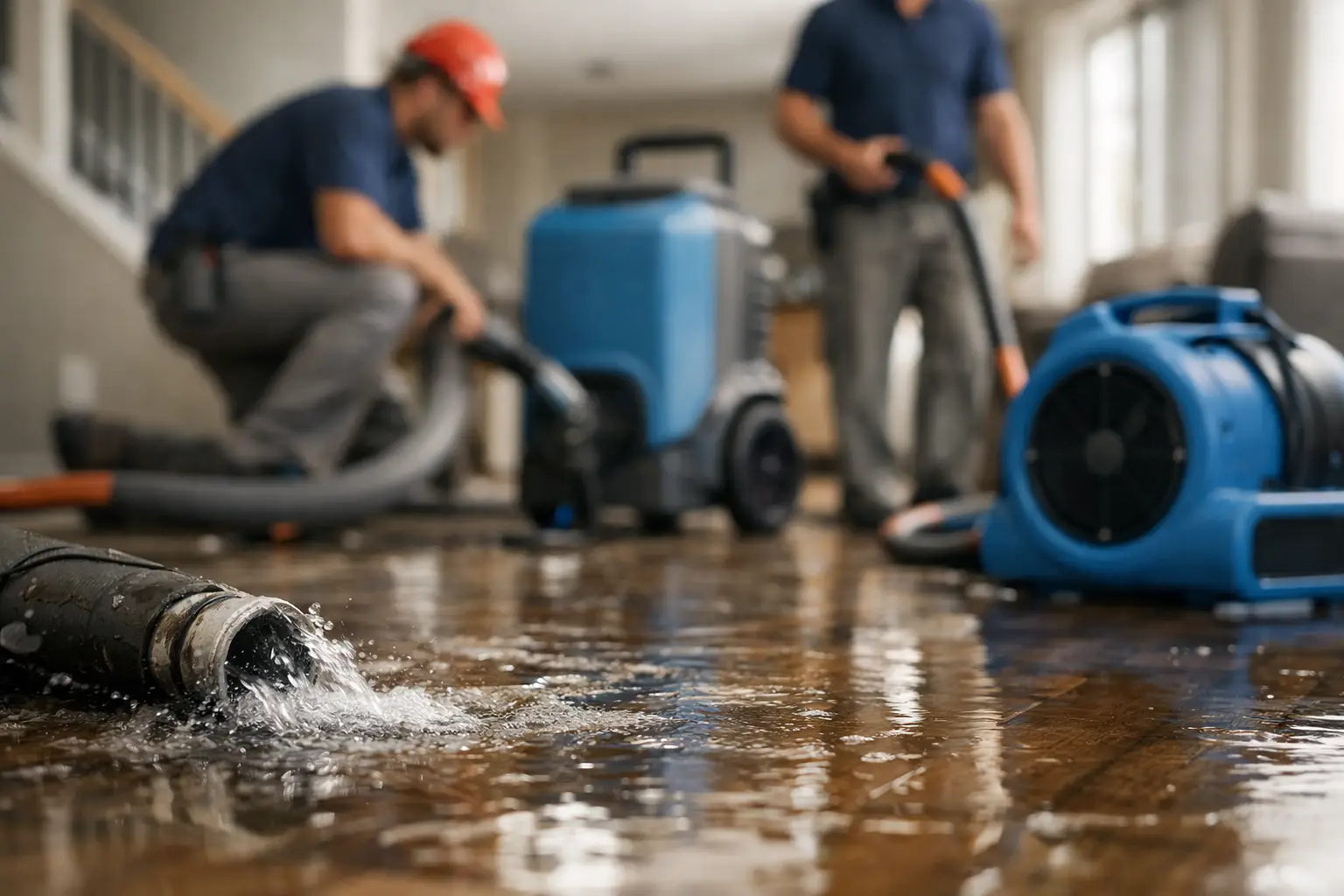
Emergency water removal Hiram is what I do when a line bursts, a roof leaks, or flood water finds its way into a home near the Paulding retail corridor or one of Hiram’s newer subdivisions. I am Chris Kwangwari, owner of Elevated Operations, and I bring 24/7 response, IICRC-certified technicians, direct insurance billing, and a 12-month warranty.
IICRC-Certified · 5-Star Rated · 60-Minute Response · Insurance Billed Directly
I offer 60-minute emergency response 24/7, and I treat Hiram calls as urgent when water is spreading.
Yes. I use wet vac extraction, moisture checks, and emergency drying to handle both surface water and what sits underneath.
Yes. I use direct insurance billing and document the loss so the claim side stays organized.
I do. I am Chris Kwangwari, and I have been in restoration since 2007.
It should start immediately, because standing water gets harder to control by the hour and moisture keeps spreading into framing, flooring, and drywall. I offer 60-minute emergency response 24/7, which matters when a Hiram home is dealing with water mitigation after a pipe break, appliance leak, or storm intrusion.
In Hiram, I see water problems show up fast in homes around the Paulding retail corridor and in newer subdivisions with tight floor plans. Water does not wait for business hours. It moves through baseboards, under LVP, into carpet pad, and into wall cavities while people are still looking for towels.
That is why I treat emergency water removal as a same-day priority, not a next-day project. My team uses direct insurance billing and arrives with a plan for water extraction, water cleanup, and emergency drying. The sooner we start, the more material we can save and the less likely you are to face secondary damage.
I have been in restoration since 2007, and I am a licensed general contractor. That matters in Hiram because many homes here are newer and the damage path can be hidden behind modern finishes. I do not guess. I inspect, extract, dry, and document the work clearly for the claim.
I use professional extraction and drying equipment sized for the loss, not household gear. That includes wet vac extraction, pumps when needed for pumping water out, and controlled emergency drying to pull moisture out of structure and contents after the visible water is removed.
For Hiram homes, the right equipment depends on where the water went. A hallway spill near the retail corridor is one thing. Flood water removal in a crawl space or laundry room is another. IICRC-certified technicians know how to match the tool to the surface, the source, and the material.
When people ask me about water extraction, I tell them the visible water is only part of the job. Wet vac extraction handles surface water on carpet and hard floors, but saturated pad, drywall, and subfloor need more than that. Emergency drying is what protects the structure after the extraction is finished.
I do not use a one-size approach. I inspect the loss, remove what can be removed, and set up drying in a way that makes sense for the property. That approach works in newer Hiram subdivisions where finishes are often uniform but moisture can travel in ways homeowners do not see right away.
Yes, and fast action matters because carpet can trap moisture underneath even when the surface looks manageable. I handle standing water removal from carpet using extraction, moisture checks, and emergency drying so the affected area is treated as a system, not just a wet surface.
Carpet in Hiram homes can look salvageable after a leak, especially in newer subdivisions where the room may still feel finished and clean. But water can sit in the pad and migrate into the tack strip or subfloor. If that happens, the carpet may hold odor and create a bigger repair later.
I start with standing water removal, then I check what happened below the carpet. That is where good water cleanup differs from a quick surface pass. If the source is clean and the response is fast, carpet may be recoverable. If the water sat too long, I will tell you that plainly.
Homes near the Paulding retail corridor often have busy daily traffic, kids, pets, and furniture that make a water event more complicated. I plan around the real use of the room, not a perfect photo. My goal is to get the space dry, documented, and ready for the next step.
After extraction, I move into moisture control, drying, documentation, and repair planning. Water mitigation does not stop when the visible water is gone, because hidden moisture can keep damaging drywall, trim, cabinets, and subfloors if emergency drying is not set correctly.
Once the water is out, I inspect the affected materials and check for moisture migration. In Hiram, that often means looking at lower walls, flooring transitions, closets, and rooms that share plumbing walls. Newer subdivisions can hide water behind baseboards and along seams where homeowners never expect it.
Then I set the dry-out plan. That can involve air movement, dehumidification, and targeted drying based on the structure. I do not believe in drying by feel. I document the condition before and after, which helps homeowners understand what was lost, what was saved, and what may need repair.
Because I am a licensed general contractor, I can also speak to the path forward if the loss includes damaged finishes or structural materials. Direct insurance billing helps reduce the paperwork load, and my 12-month warranty gives a clean finish to the restoration work once the drying phase is complete.
Because waiting gives water time to spread into more rooms, more materials, and more hidden spaces. A fast emergency response can keep a simple plumbing event from becoming major flood water removal, especially in homes where modern flooring and tight layouts trap moisture.
Hiram has a mix of activity and growth that changes the way water damage plays out. Homes near the Paulding retail corridor see busy family routines, and newer subdivisions often have open layouts where water can travel quickly across connected spaces. A small leak can become a larger cleanup than people expect.
I answer the phone 24/7 and I move on it. That is the point of emergency water removal. When I get there fast, I can start pumping water out, protect contents, and reduce the chance of lasting damage. I would rather cut off the problem early than explain why it spread overnight.
My company, Elevated Operations, LLLP, is based in Mableton and serves Cobb, Fulton, DeKalb, Douglas, Clayton, Henry, and Paulding counties. Hiram homeowners call me because they want a straight answer, not a sales pitch. I tell them what is wet, what can dry, and what needs to come out.
I handle direct insurance billing, so the claim process does not have to sit on your shoulders alone. I document the water cleanup, support the adjuster process, and help keep the restoration moving while you focus on the house, the family, and the next decision.
Insurance questions come up fast after a leak in Hiram. Homeowners want to know what gets photographed, what needs to be saved, and what the carrier will ask for. I keep the process practical. I document the loss, explain what happened, and bill the insurance company directly when the claim allows it.
Deductible assistance up to $1,000 is available, and I am careful about how I discuss it. I use it as part of the overall restoration conversation, not as a gimmick. The real value is in getting a clean response, a documented dry-out, and a repair path that makes sense for the property.
A lot of people near the retail corridor are juggling work, school runs, and schedules when a water event hits. They do not need a paperwork headache on top of standing water removal. I keep my side organized, and that includes photos, moisture notes, and a clear scope for the carrier.
Yes. I offer 60-minute emergency response 24/7 for water losses in Hiram and the surrounding counties I serve.
Yes. I handle water mitigation in newer homes where moisture can hide behind trim, flooring, and drywall seams.
Yes. I use direct insurance billing and document the loss so the claim process is easier to manage.
Yes. I back restoration work with a 12-month warranty and use IICRC-certified technicians on the job.
I am Chris Kwangwari, owner of Elevated Operations, LLLP, and I have been in restoration since 2007.
From emergency mitigation to full reconstruction, handled in-house so you are never managing a chain of subcontractors mid-crisis.
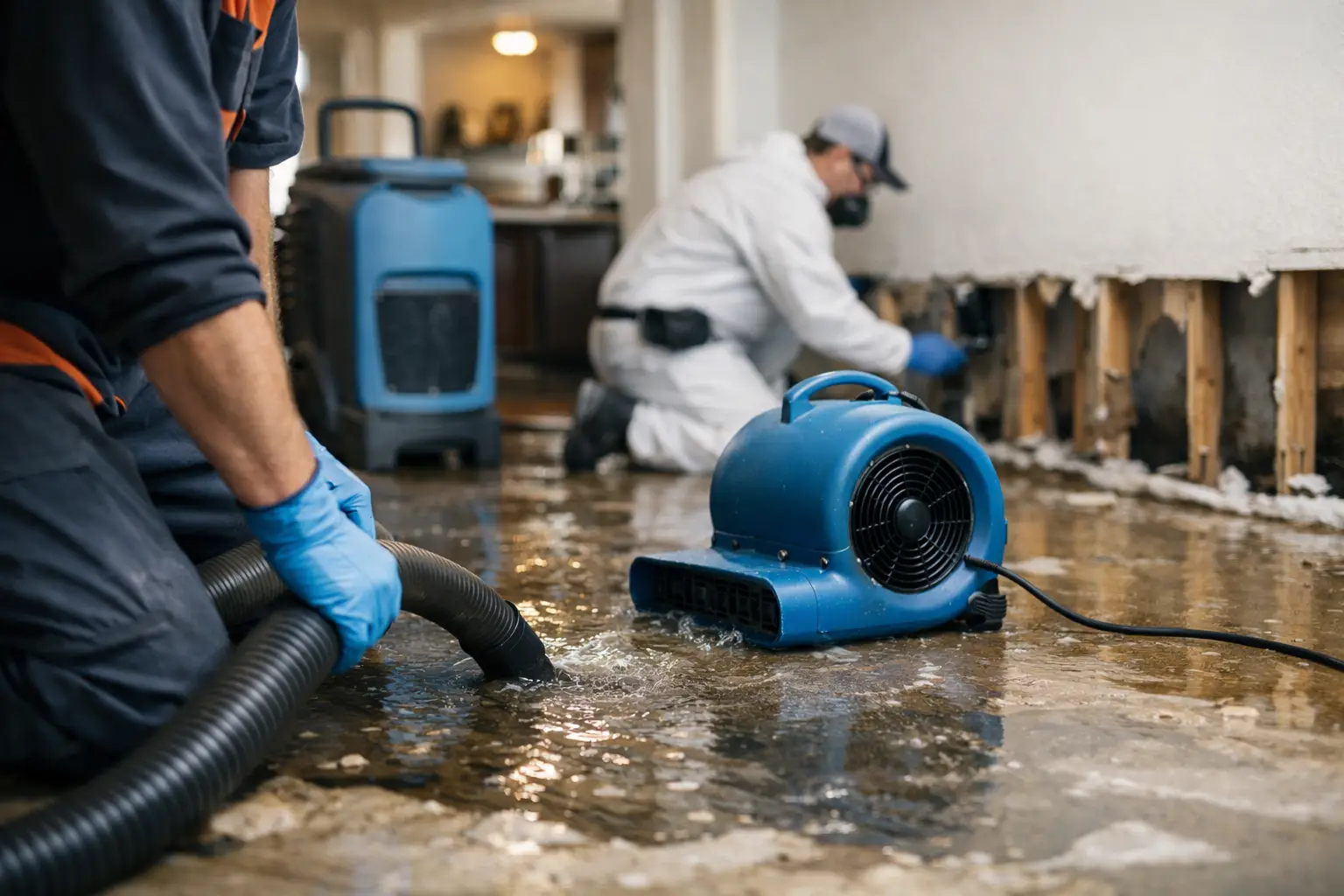 Water Damage
Extraction, structural drying, and moisture mapping after floods, leaks, and burst pipes.
Get help now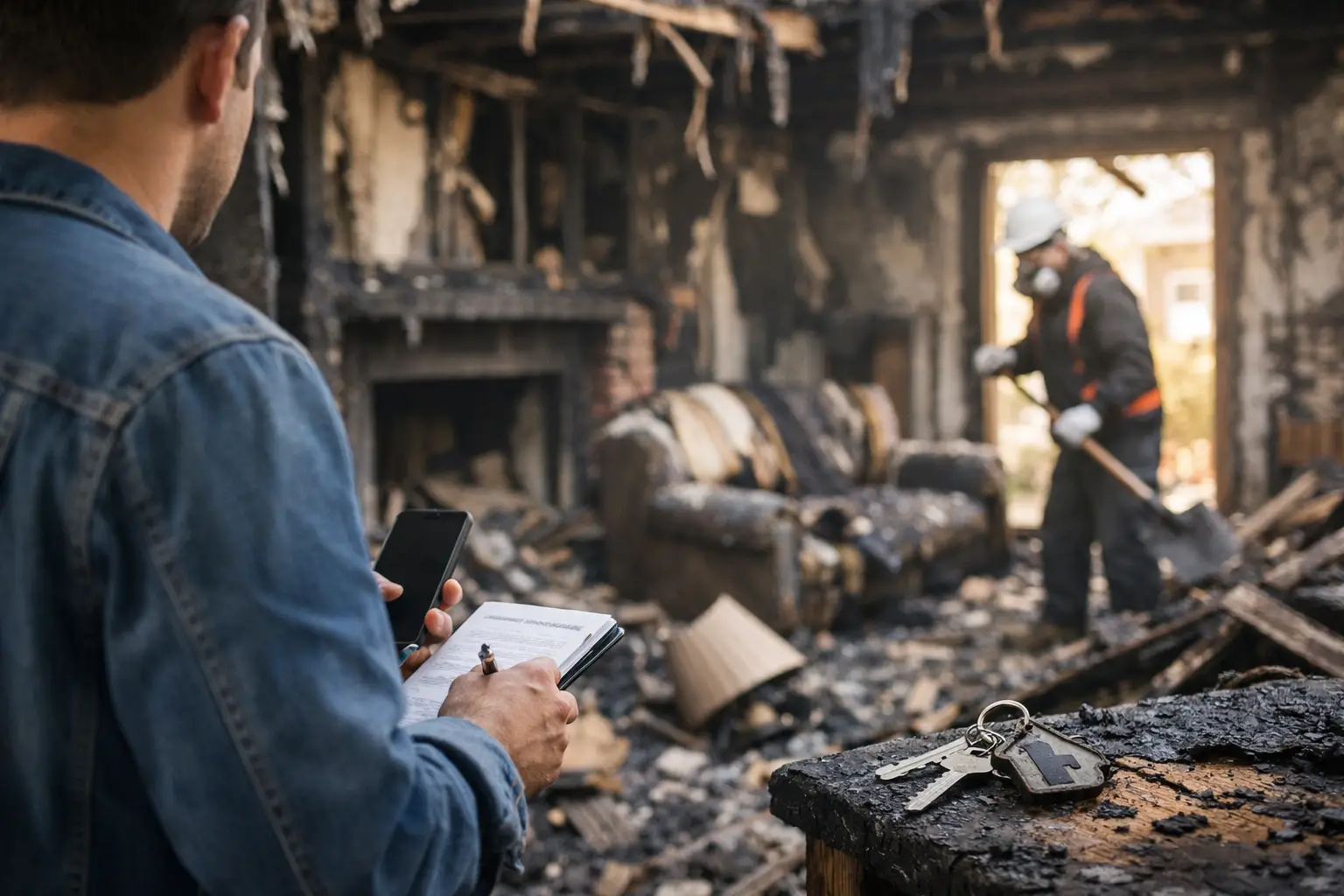 Fire & Smoke
Soot removal, odor deodorization, and content cleaning after fire and smoke damage.
Learn more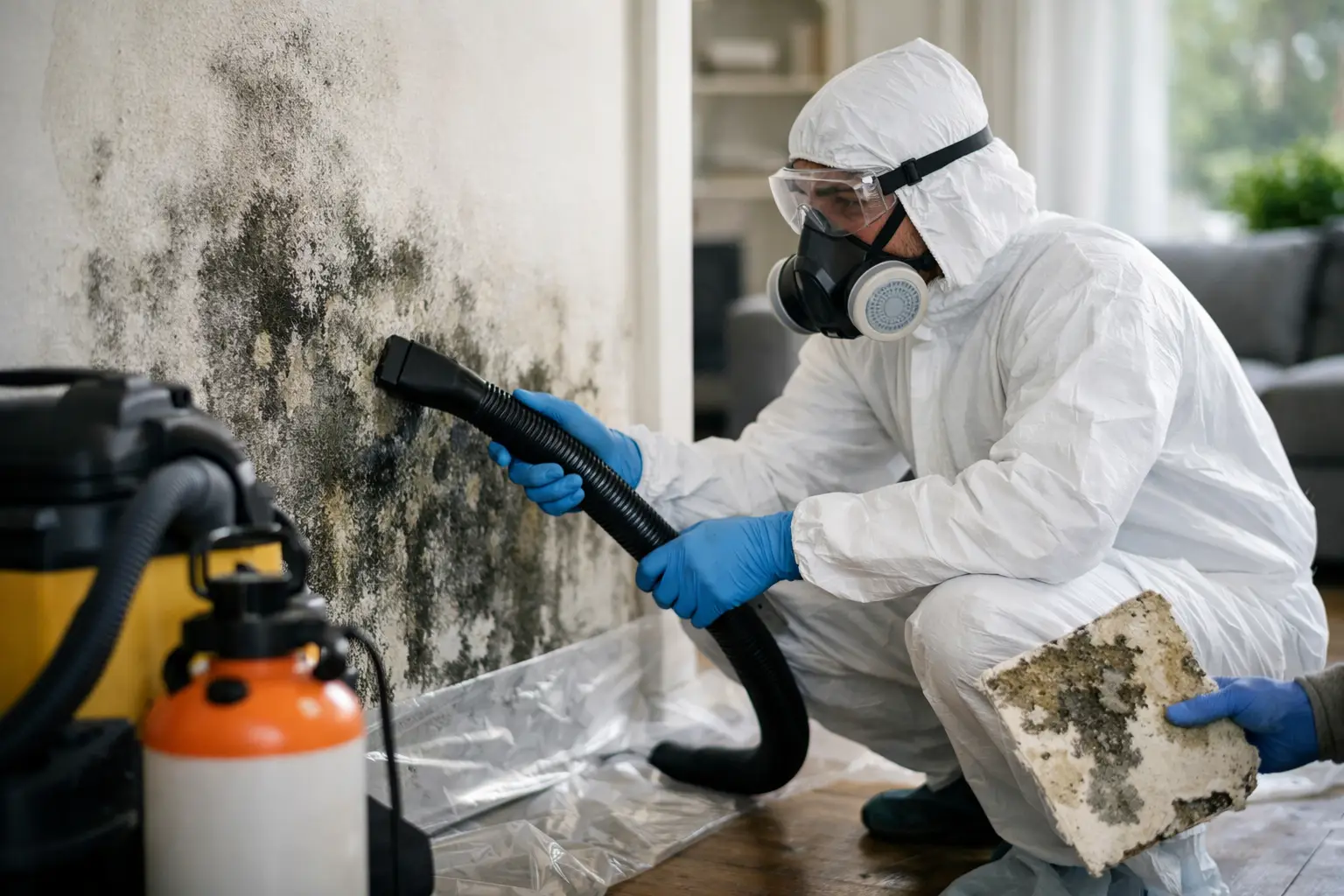 Mold
MoldContainment, removal, and moisture control that stops mold from coming back.
Learn more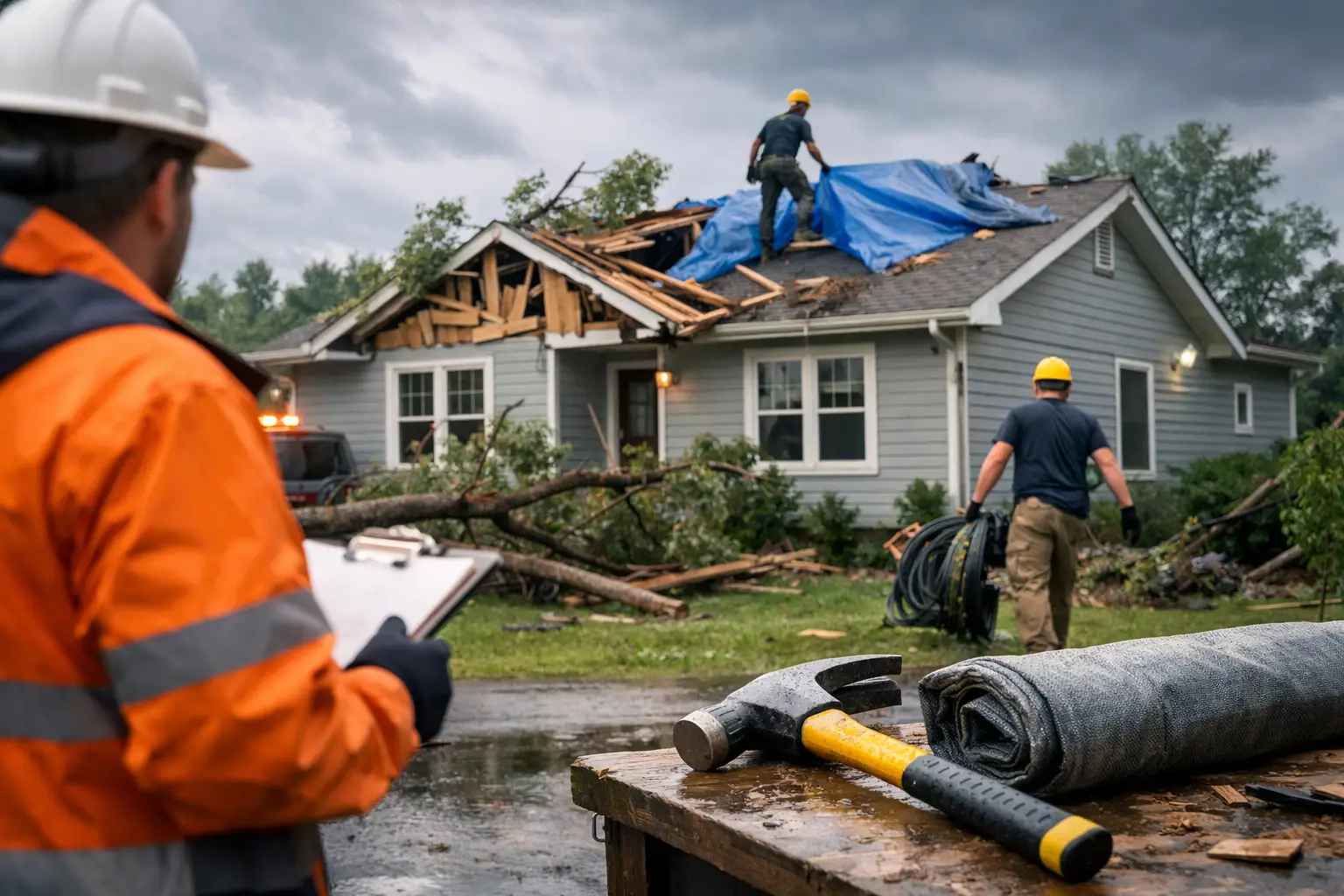 Storm
StormEmergency board-up, roof tarping, and full recovery after wind, hail, and storms.
Learn more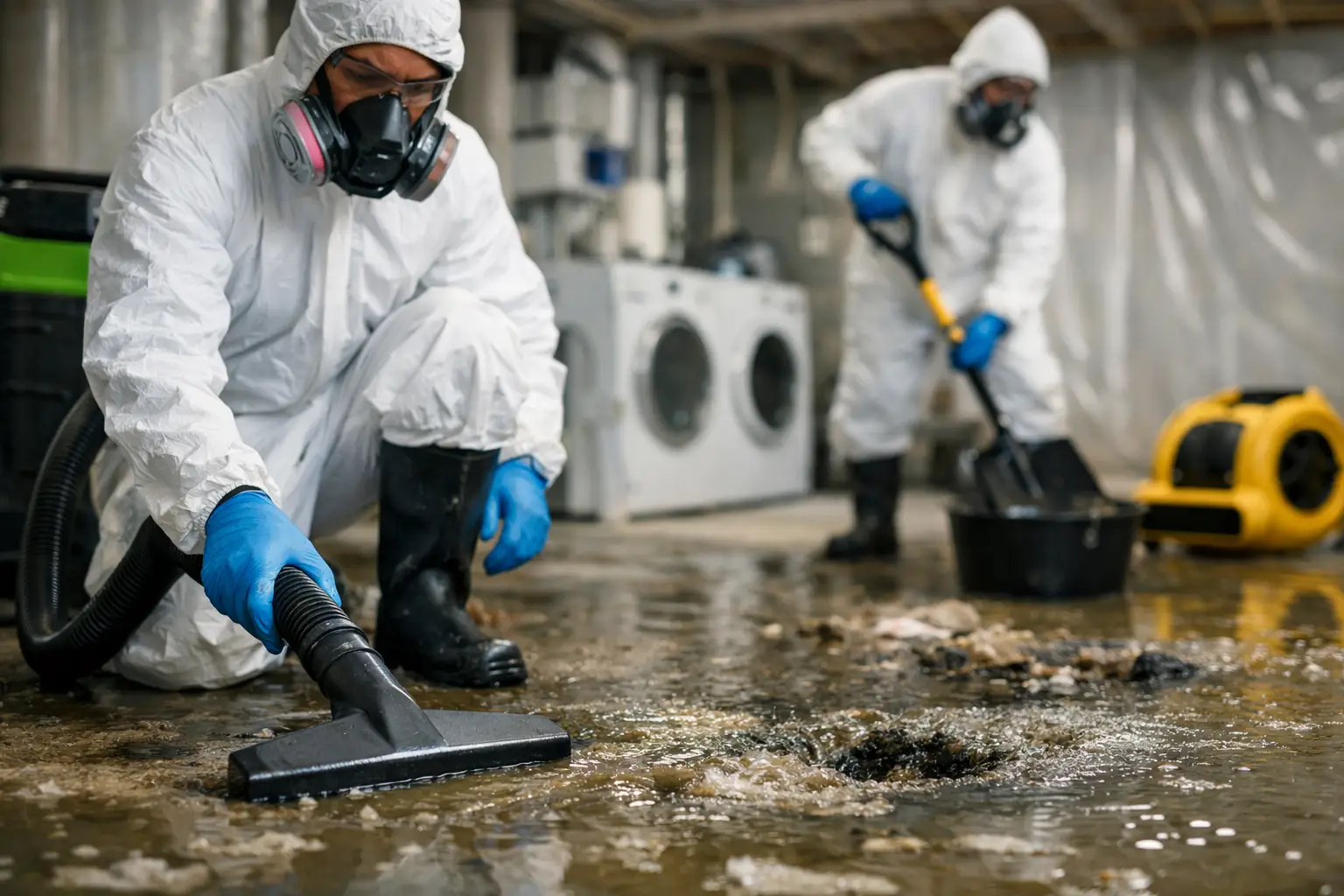 Sewage
Safe biohazard cleanup and sanitizing after sewage backups and overflows.
Learn more Reconstruction
Full rebuild by a licensed general contractor, so your property comes back whole.
Learn moreElevated Operations is an IICRC-certified, licensed general contractor based in Mableton that handles the entire recovery in-house, so after one loss you are never coordinating a cleanup crew, a mold crew, and a contractor separately. One team, one point of contact, from the first pump-out to the final coat of paint.
People call when the property feels like a disaster. They leave reviews because Chris and the crew made it right. These are real, verified Google reviews.
If there is visible water, wet carpet, or moisture under flooring, you need emergency water removal first. Fans alone do not solve the problem. I start with extraction, then move into emergency drying after I verify where the water traveled. That is especially important in Hiram homes with modern finishes and closely connected rooms.
I start with safety, source control, and extraction, then I evaluate what materials were affected. Flood water removal in newer subdivisions can involve flooring, baseboards, drywall, and cabinetry, even when the water entered through one low point. IICRC-certified technicians know how to document, dry, and separate salvageable materials from items that need replacement.
Yes. I remove standing water from carpet using professional extraction and I check the pad and subfloor underneath. Kitchen and laundry losses in Hiram can spread fast because water follows edges, seams, and transitions. If the carpet was wet long enough, I will tell you whether water cleanup is enough or whether replacement is the better call.
Water mitigation means stopping the damage from getting worse. In practical terms, that includes pumping water out, water extraction, protecting contents, and setting up the right dry-out plan. It is not just cleanup. It is the work that keeps a burst line from turning into a larger repair bill later.
I move quickly and I check the whole affected area, not just the puddle you can see. Open floor plans common in newer Hiram homes let moisture travel under continuous flooring and into adjoining rooms. I use extraction and emergency drying to control that spread before hidden damage gets worse.
Yes. I offer direct insurance billing and document the work so the carrier has a clear record of the loss. That helps keep the process organized after water cleanup in Hiram, whether the issue came from a leak, overflow, or storm intrusion. I keep the communication practical and specific.
Yes. I provide 24/7 emergency response throughout Hiram and the surrounding Paulding County area. If you are dealing with a late-night leak, I can respond, start water extraction, and begin the dry-out process before the damage spreads into more rooms or materials.
I am a licensed general contractor with restoration experience since 2007, and my team uses professional equipment and documented procedures. A handyman may stop a leak. I handle emergency water removal, drying, insurance support, and the restoration path that follows, all with one clear process.
Elevated Operations dispatches IICRC-certified crews across Metro Atlanta from our Mableton base, with a 60-minute emergency response day or night. Choose your city:
Call now for an immediate response, or request your free inspection and get a certified crew on-site within the hour across Atlanta and nearby areas.