24/7 Emergency Restoration · Serving Metro AtlantaEmergency? (770) 404-6895
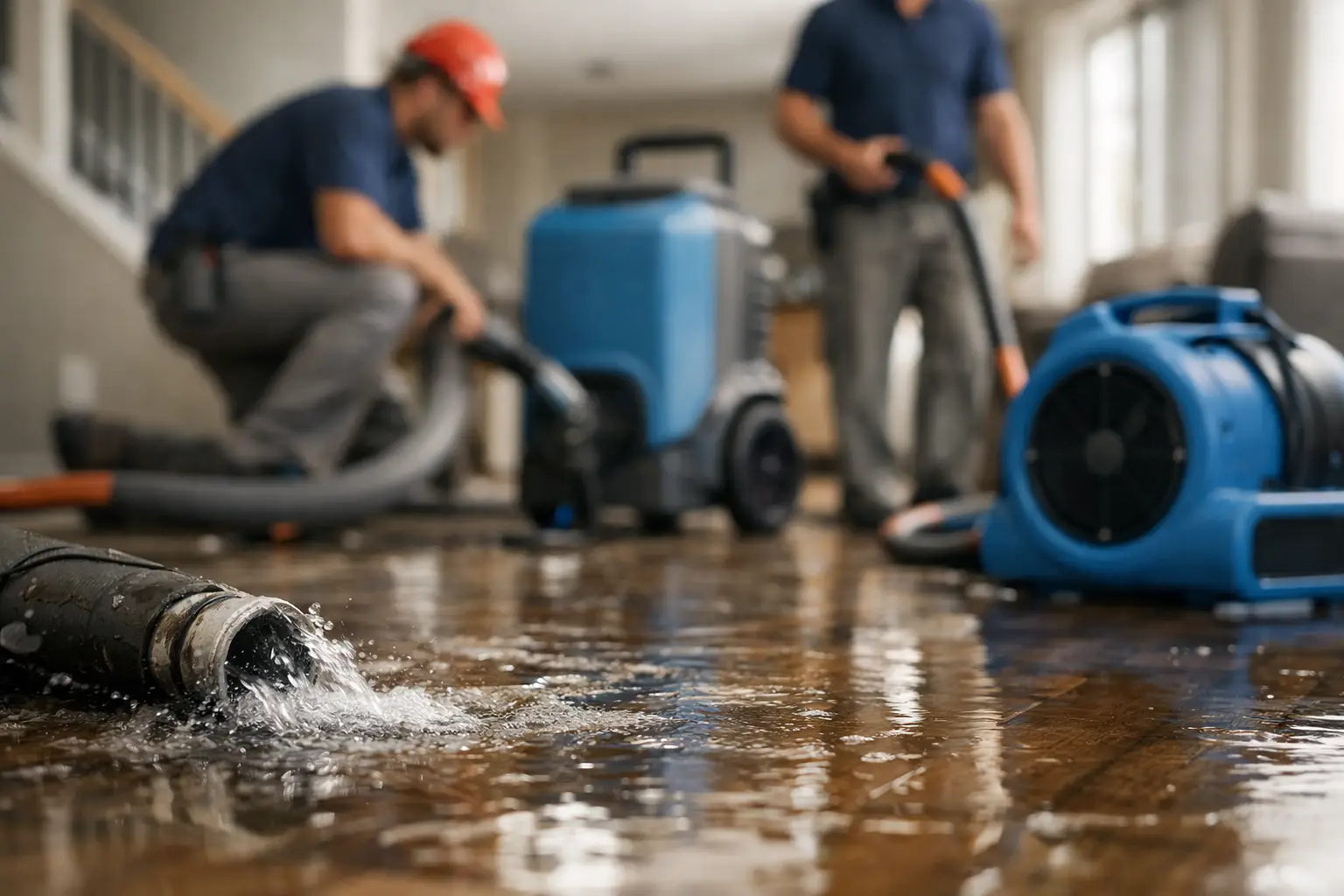
Emergency water removal in Union City starts with stopping the source, protecting the structure, and getting water out fast. I handle water mitigation for homes and businesses in the south Fulton I-85 subdivisions, with 24/7 response, IICRC-certified technicians, direct insurance billing, and a 12-month warranty.
IICRC-Certified · 5-Star Rated · 60-Minute Response · Insurance Billed Directly
Call me at (770) 404-6895. I respond 24/7, and I get the extraction moving fast so the damage does not keep spreading.
I inspect it, extract it, and tell you plainly whether standing water removal can save the material or whether drying and controlled removal are the better path.
Yes. I offer direct insurance billing and I document the mitigation so the claim stays organized from the first call through drying.
Yes, I back my mitigation with a 12-month warranty. I stand behind the work because I want the drying and cleanup done right the first time.
First, shut off the water source if you can do it safely, then cut power to wet areas and call for emergency water removal. In Union City, especially in the south Fulton I-85 subdivisions, speed matters because water moves under flooring and into walls fast.
I start every job with a simple checklist because panic wastes time. If the leak is active, stop it. If the area is unsafe, keep people out. Then call me at (770) 404-6895 so I can get moving on water extraction and water cleanup.
Do not start moving soaked furniture through finished rooms if you can avoid it. That spreads damage. If it is safe, place aluminum foil or wood blocks under furniture legs and lift rugs off damp floors. That buys time until my team arrives for pumping water out.
Union City homes near the I-85 corridor often have fast access, but the water problem still spreads quietly. I have seen standing water removal turn into a bigger wall and baseboard issue because someone waited to call. That delay costs you structure, not just carpet.
As fast as possible, and ideally the same day the damage starts. I treat emergency water removal as a clock, not a convenience, because mold can start in 24 to 48 hours and hidden water can keep moving long after the visible puddle is gone.
When a loss happens in Union City, the first hours matter most. Water wicks into drywall, under LVP, and into pad layers before most people realize it. That is why I push 24/7 response and begin water mitigation without waiting around for the mess to get worse.
South Fulton I-85 subdivisions often have busy morning and evening traffic patterns, so people wait until they are home from work to deal with a leak. I do not recommend that. If you can call right away, do it. Fast action means less demolition later.
And speed is not just about drying. It also helps with insurance documentation, odor control, and limiting secondary damage. My job is to get in, assess the wet materials, start emergency drying, and stop the problem from becoming a full rebuild conversation.
I use professional water extraction and drying equipment, not household tools. That usually means truck-based extraction, wet vac extraction for tight areas, air movers, dehumidification, and moisture checks so I can verify what is wet and what is already dry.
The right equipment depends on where the water went. A hallway spill in a Union City townhouse is not the same as a failed water heater in a south Fulton I-85 subdivision basement. I match the equipment to the material, the depth, and the hidden moisture.
Wet vac extraction helps in closets, edges, and around trim where big equipment cannot reach cleanly. For larger losses, pumping water out and strong extraction equipment move the bulk fast. Then emergency drying finishes the job by pulling moisture out of framing and finishes.
IICRC-certified technicians know the difference between surface cleanup and real moisture control. That matters. A floor can look clean and still stay wet underneath. I measure, extract, dry, and recheck. That is how I keep a small loss from becoming a mold problem.
Sometimes, yes, if the carpet and pad were not damaged too long and the source was clean enough to dry safely. Standing water removal from carpet in Union City depends on how fast you call, how deep the water went, and what touched the carpet.
I do not promise a carpet can be saved until I inspect it. But I do know this, quick water extraction often gives you a better chance. If the carpet was affected by clean water and the pad did not sit soaked for long, there may be a dry-out path.
In south Fulton I-85 subdivisions, I often see water from supply lines, appliances, or storm intrusion collecting along lower areas and doorways. Carpet can hold water like a sponge, especially at seams and tack strips. That is why standing water removal has to start early.
If the carpet is salvageable, I focus on extraction, lifting, and emergency drying instead of guessing. If it is not, I say so plainly. That kind of call is part of my job, and I would rather tell the truth than waste your time and money.
After emergency water extraction, I inspect hidden moisture, set the drying plan, document the loss, and keep the mitigation moving until the structure is dry. Water cleanup is not finished when the visible water is gone, because trapped moisture can still damage walls and flooring.
After the first extraction, I check baseboards, drywall, flooring edges, and low spots where water likes to hide. In Union City homes and townhomes, that often includes hallway transitions, laundry rooms, and living areas near entry points. Hidden water is the enemy.
Then I set up emergency drying and monitor the readings. If materials are drying normally, good. If something is still holding moisture, I adjust the plan. I do not run equipment for the sake of noise. I run it for results.
If insurance is involved, I can handle direct billing and document the job properly. I also offer deductible assistance up to $1,000 on qualifying work. That helps when the loss hits hard and you need the mitigation handled without extra confusion.
Because water spreads fast in attached neighborhoods, lower lots, and homes with repeated traffic through kitchens, laundry rooms, and garages. In Union City, a quick water mitigation plan protects structure, keeps damage from crossing rooms, and reduces how much demolition the job needs.
The south Fulton I-85 subdivisions have a lot in common, homes with active daily use, quick access points, and materials that can trap water below the surface. Once water gets under flooring or behind trim, you are not just dealing with a puddle anymore.
I have worked in restoration since 2007, and I know slow response is expensive. People see the visible water and think that is the whole problem. It is not. Water cleanup has to address the path of travel, the hidden moisture, and the materials at risk.
As a licensed general contractor and owner of Elevated Operations, I look at the structure, not just the surface. That is how I decide whether to extract, dry, or move into controlled removal. Clear decisions save time and help the property recover correctly.
Shut off the valve or main water supply if you can do it without risk. In Union City, especially in the south Fulton I-85 subdivisions, the first minute matters because water keeps spreading into flooring and wall cavities.
If water is near outlets, appliances, or a breaker panel, leave the area and call for help. Safety comes before water extraction. I will deal with the mitigation once the scene is safe.
Get emergency water removal moving fast. I respond 24/7, and that matters when a leak starts at night, on a weekend, or right before you leave for work. Waiting makes the cleanup harder.
If it is safe, move dry items out first and get furniture legs off the floor. Do not drag soaked pieces across the house. That can push contamination and damage into more rooms.
Take a few photos and short videos of the source, the standing water, and affected rooms. That helps with insurance records and gives me a clear view before water cleanup and emergency drying begin.
From emergency mitigation to full reconstruction, handled in-house so you are never managing a chain of subcontractors mid-crisis.
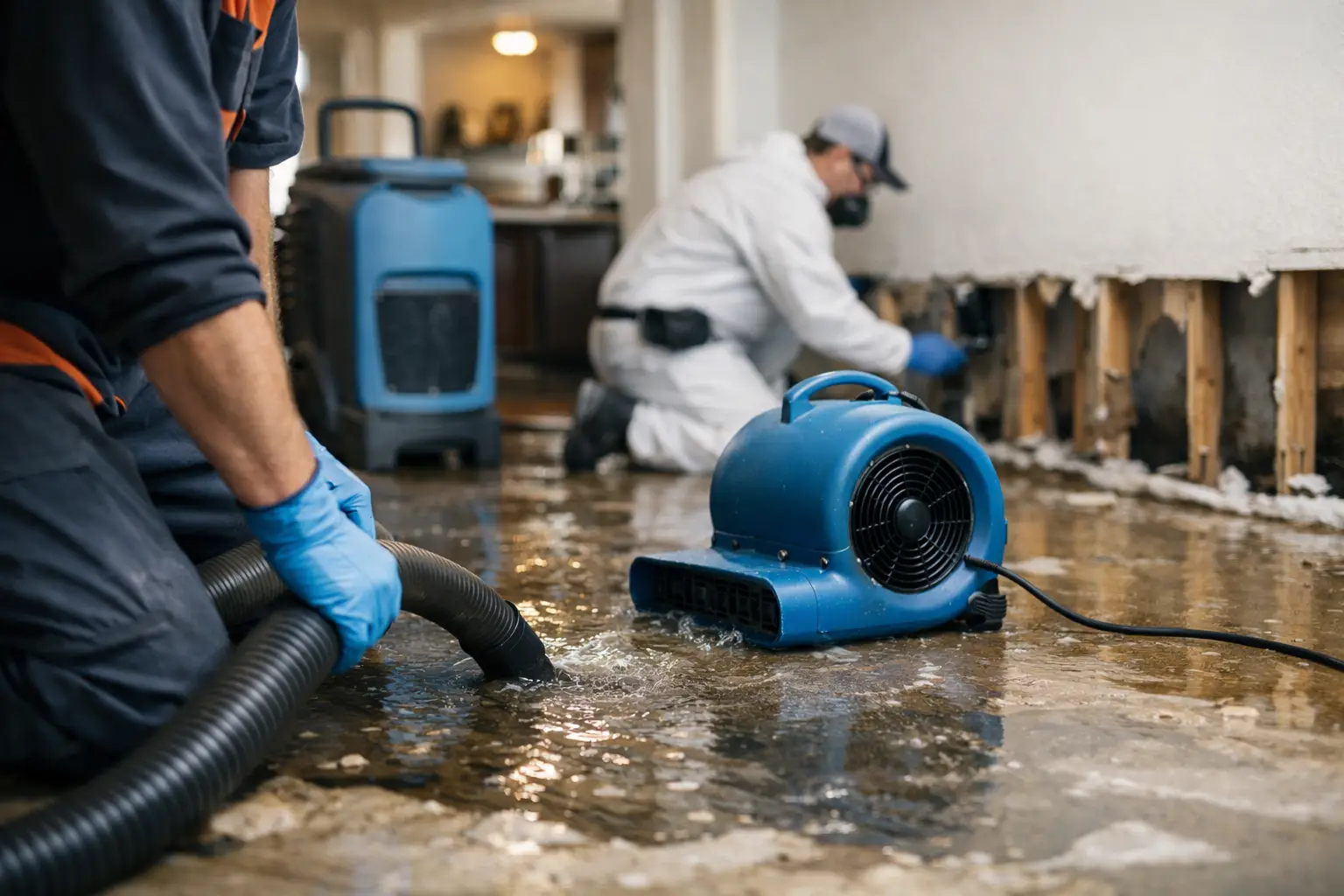 Water Damage
Extraction, structural drying, and moisture mapping after floods, leaks, and burst pipes.
Get help now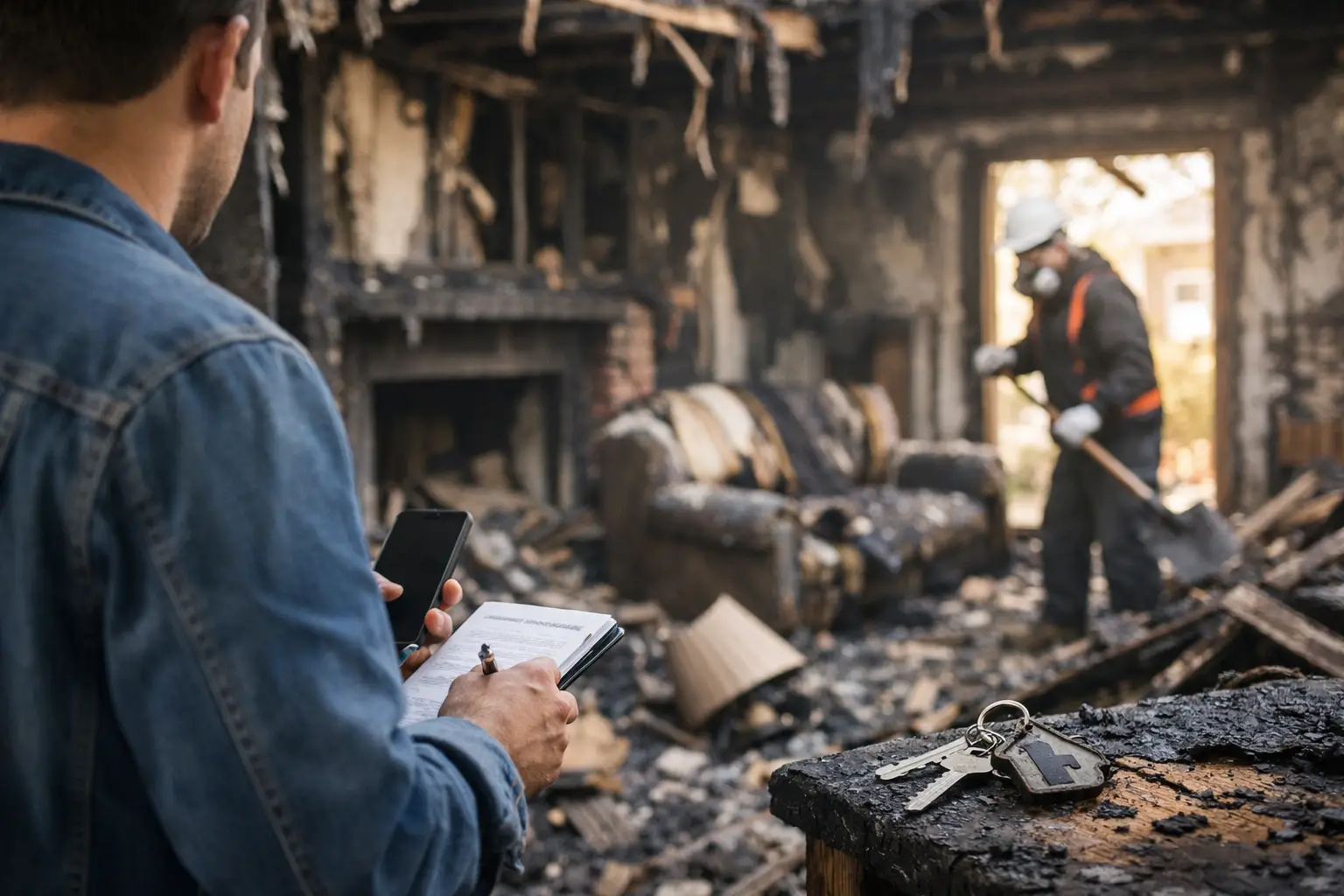 Fire & Smoke
Soot removal, odor deodorization, and content cleaning after fire and smoke damage.
Learn more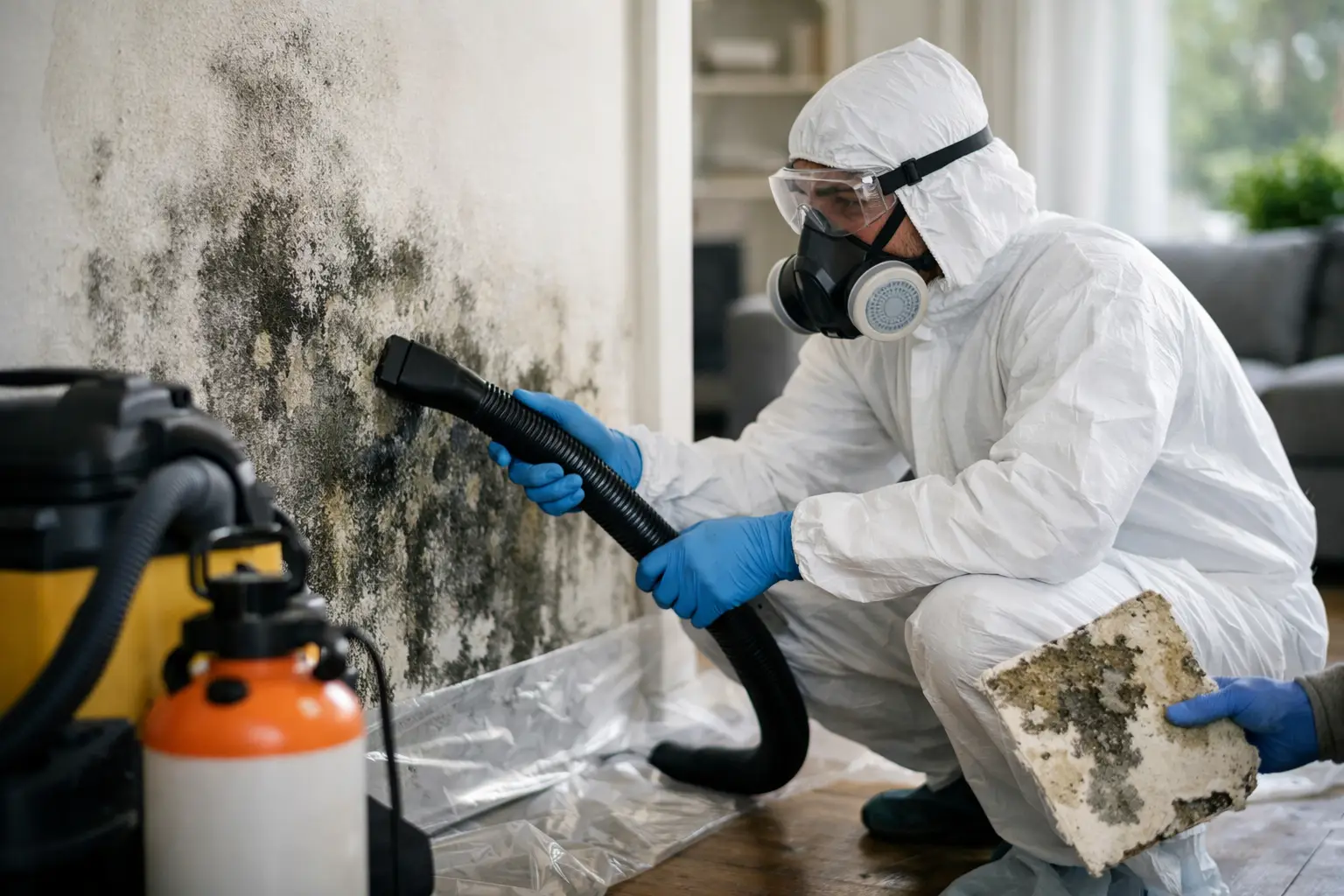 Mold
MoldContainment, removal, and moisture control that stops mold from coming back.
Learn more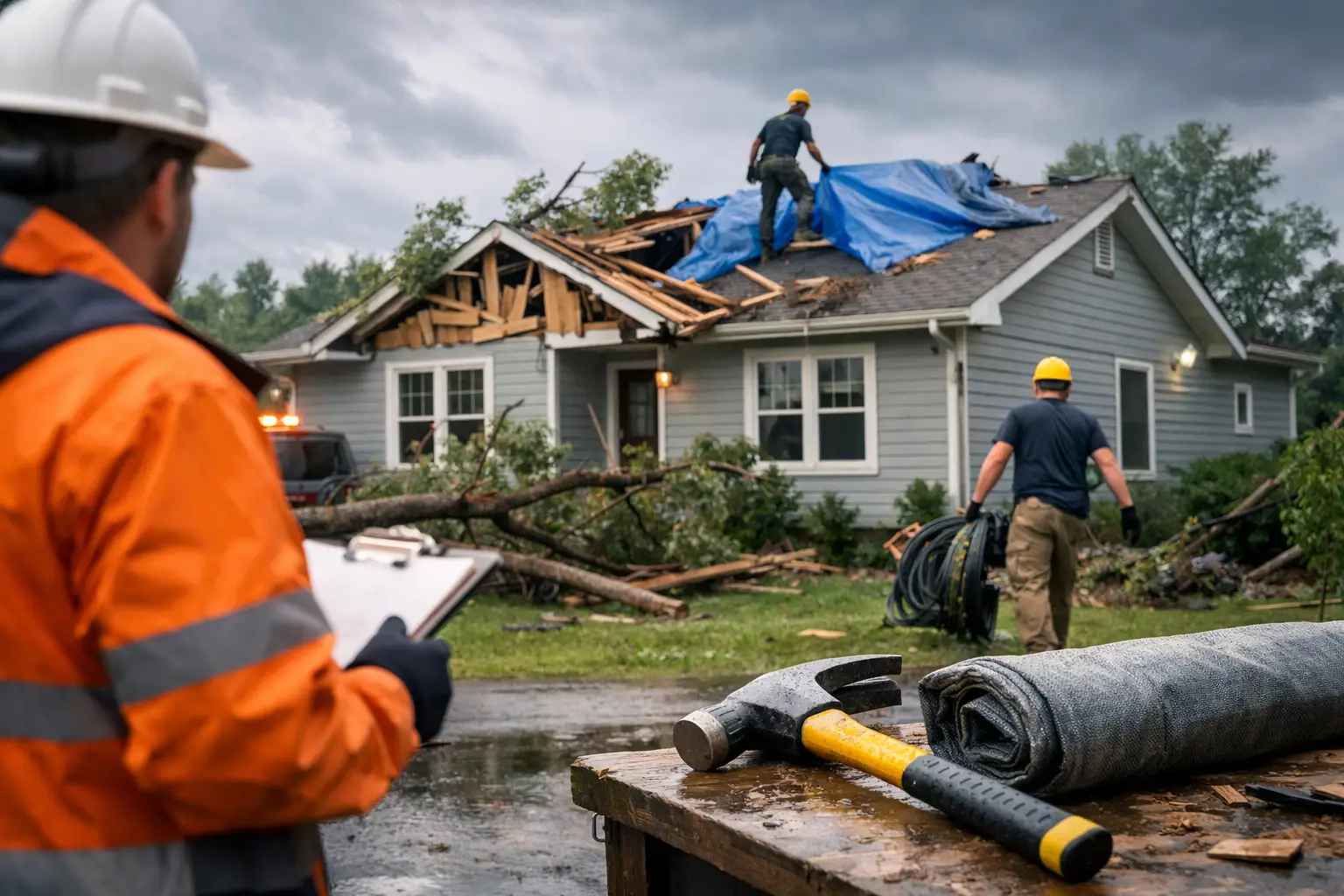 Storm
StormEmergency board-up, roof tarping, and full recovery after wind, hail, and storms.
Learn more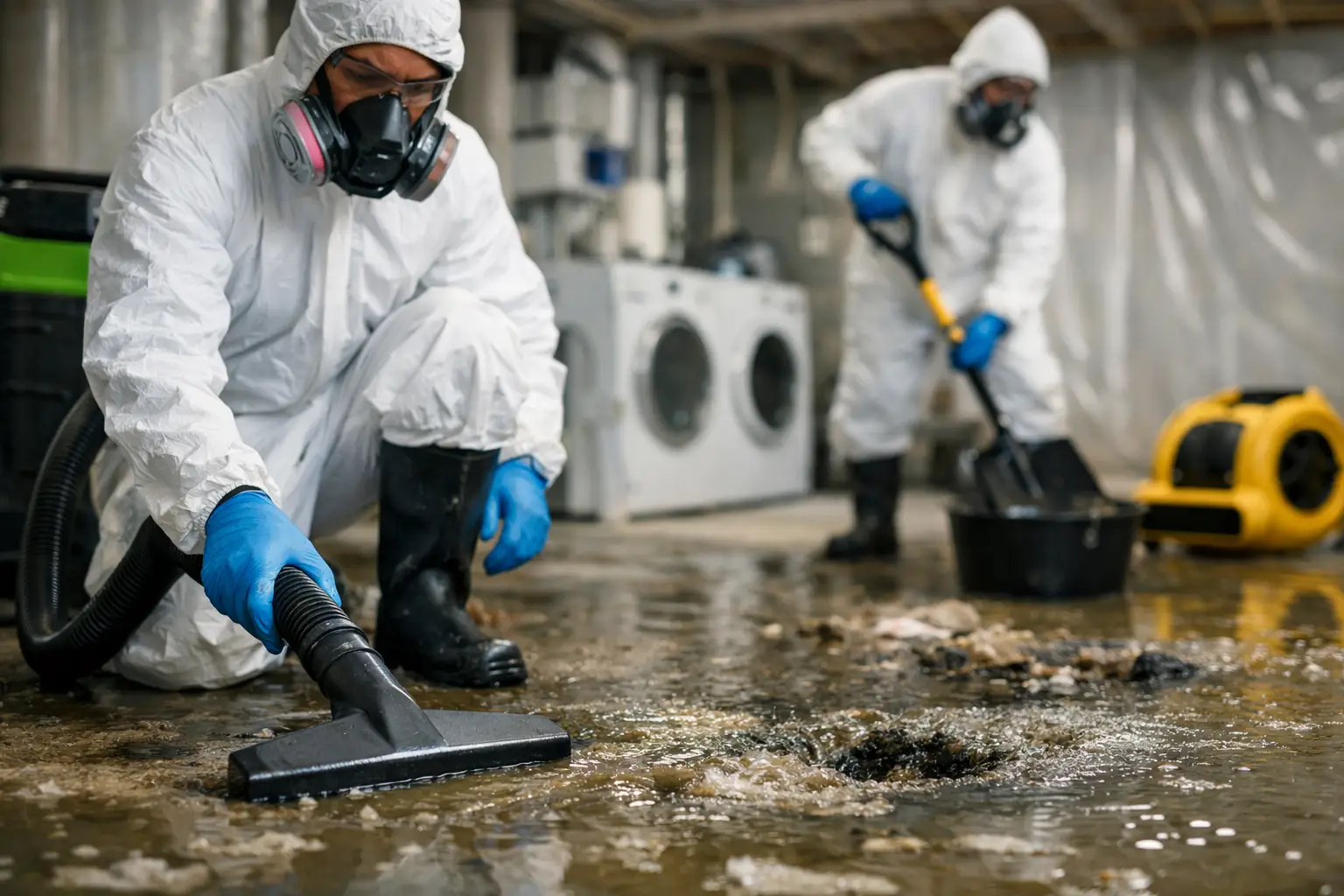 Sewage
Safe biohazard cleanup and sanitizing after sewage backups and overflows.
Learn more Reconstruction
Full rebuild by a licensed general contractor, so your property comes back whole.
Learn moreElevated Operations is an IICRC-certified, licensed general contractor based in Mableton that handles the entire recovery in-house, so after one loss you are never coordinating a cleanup crew, a mold crew, and a contractor separately. One team, one point of contact, from the first pump-out to the final coat of paint.
People call when the property feels like a disaster. They leave reviews because Chris and the crew made it right. These are real, verified Google reviews.
I start with a site check, source control, and fast water extraction. Then I map where the water moved, especially in south Fulton I-85 subdivisions where hallways, closets, and open living areas let moisture spread quickly. From there I build the drying plan and document the loss for insurance if needed.
Yes. I offer 24/7 emergency response, and that is important for after-hours leaks in Union City. I do not wait until morning if the property is actively getting worse. Same-day water mitigation helps limit hidden moisture, reduces demolition, and gives you a cleaner path through the claim process.
I do not stop at visible cleanup. I inspect the affected structure, use professional extraction equipment, and keep drying until the material readings make sense. Basic water cleanup can make a room look better. Proper water extraction protects the framing, flooring, and base materials underneath.
Standing water removal is only the first step. If the carpet pad, subfloor, drywall, or trim absorbed moisture, you need emergency drying too. I check the materials, not just the surface. In Union City, hidden wet spots often show up where water pooled along edges and doorways.
Yes, I handle flood water removal and the follow-up water mitigation work. If outside water enters a home or garage, I assess what was exposed, extract the water, and focus on safety and drying. The key is fast action, because flood water can contaminate more materials than a clean supply leak.
Expect a drying plan, moisture checks, and ongoing adjustments until the structure is dry. I often use air movers and dehumidification after extraction, then confirm what still needs attention. In Union City homes, that follow-up matters because water can stay trapped under floors and inside lower wall sections.
Yes, I offer direct insurance billing. That helps keep the process organized when you are already dealing with damage, photos, adjusters, and cleanup decisions. I also provide deductible assistance up to $1,000 on qualifying work, and I back my mitigation work with a 12-month warranty.
Because I am the owner, a licensed general contractor, and I have been in restoration since 2007. Water damage is not a wait-and-see job. In Union City, especially in the south Fulton I-85 subdivisions, fast mitigation can change the scope of the entire project.
Elevated Operations dispatches IICRC-certified crews across Metro Atlanta from our Mableton base, with a 60-minute emergency response day or night. Choose your city:
Call now for an immediate response, or request your free inspection and get a certified crew on-site within the hour across Atlanta and nearby areas.




