24/7 Emergency Restoration · Serving Metro AtlantaEmergency? (770) 404-6895
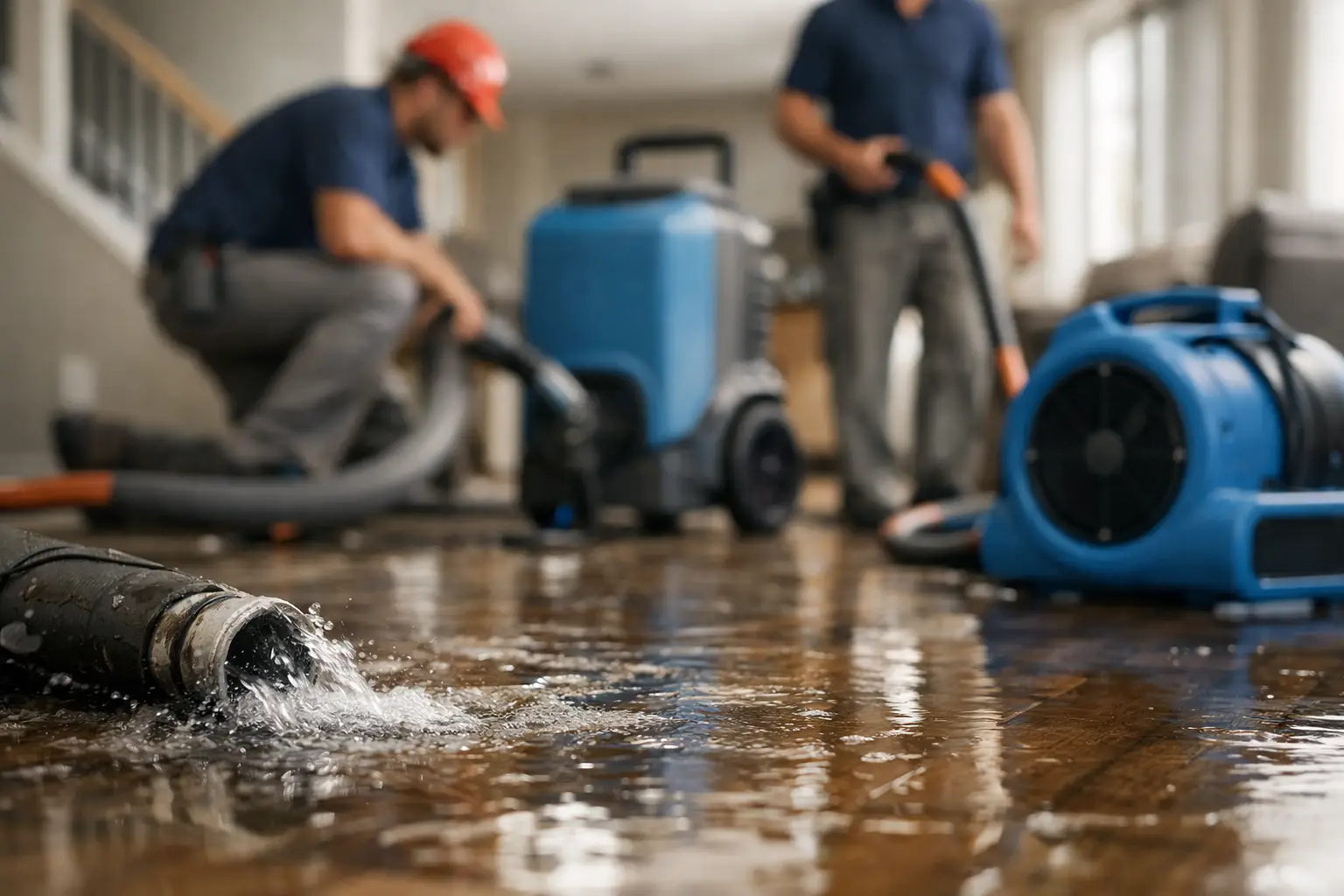
Emergency water removal Jonesboro is what I handle when water gets into a home near the historic core, a ranch house off Tara Boulevard, or a low spot close to the Flint River. I am Chris Kwangwari, owner of Elevated Operations, and I move fast with water extraction, water cleanup, and emergency drying before the damage spreads.
IICRC-Certified · 5-Star Rated · 60-Minute Response · Insurance Billed Directly
Yes, I handle pumping water out and the drying that follows. Basements and lower rooms need fast attention because standing water can move into walls and flooring quickly.
It is. Older homes often have materials that hold moisture longer, so I adjust the cleanup and drying plan to fit the structure instead of forcing a standard approach.
Yes. I offer direct insurance billing, which helps keep the claim moving while I handle the extraction, cleanup, and drying work on site.
I serve Clayton County and the surrounding Metro Atlanta counties, including Cobb, Fulton, DeKalb, Douglas, Henry, and Paulding. Jonesboro is squarely in my service area.
I start with emergency water removal, then I map the source, protect the structure, and get water out before it sinks deeper into flooring and framing. In Jonesboro, that matters most in older homes with heart-pine floors and in slab homes where water can travel quickly under baseboards.
The first phone call usually comes from a homeowner who saw water moving across a hallway or pooling at a back door. I do not waste time. My team arrives with IICRC-certified technicians, and we focus on water mitigation before the loss spreads into cabinets, trim, and subflooring.
Jonesboro has houses with character, especially around the historic core, and those older materials do not forgive delay. Heart-pine, plaster, and aging trim can hold moisture longer than people expect. That is why I treat the first hour like the most important part of the job.
And when the water came from a broken supply line, a washing machine, or storm runoff that pushed in after heavy rain, the work still starts the same way. We locate the intrusion, begin water extraction, and set up emergency drying so the structure is not left wet overnight.
It should begin right away, because standing water does not wait and mold can start in 24 to 48 hours. I offer 60-minute emergency response 24/7, and that speed matters in Jonesboro when a leak hits a historic home, a rental, or a low-lying property near the Flint River.
I have seen people assume a small wet patch can wait until morning. It cannot. Water moves into padding, baseboards, and wall cavities fast, and once that happens, water cleanup becomes harder and more expensive in every sense that matters to the homeowner.
In Jonesboro, I especially watch for homes near drainage areas and creek-fed low spots, because flood water removal is never just about the puddle you can see. It is about the moisture trapped below the surface. That is where the real trouble starts.
But speed is not just a talking point for me. Elevated Operations, LLLP is based in Mableton, and I work across Cobb, Fulton, DeKalb, Douglas, Clayton, Henry, and Paulding counties. Jonesboro is part of my regular service area, and I respond with urgency because water damage punishes hesitation.
I use professional water extraction tools, wet vac extraction equipment, drying gear, and monitoring instruments that let me remove water and track hidden moisture. The setup changes with the job, but the goal stays the same, get the water out, dry the structure, and stop secondary damage.
A shop vac is not enough when a room is soaked. For real emergency water removal, I bring equipment built for pumping water out quickly, pulling moisture from carpet and pad, and moving air across wet materials so they dry in a controlled way.
In Jonesboro, that matters in homes with older hardwoods and in newer builds where water can sneak under the flooring before anyone sees it. I also use moisture readings to decide where emergency drying needs to focus, because visible water is only part of the problem.
And I do not guess. IICRC-certified technicians know how to match the equipment to the loss, whether it is flood water removal after a storm or water extraction from a failed appliance. The right tools save materials that would otherwise be torn out.
Yes, in many cases I can remove standing water from carpet with fast water extraction and wet vac extraction, then dry the carpet, pad, and subfloor before the damage spreads. The key is quick action, because soaked carpet in Jonesboro can trap odor, bacteria, and moisture under the surface.
I look at the carpet, the pad, and the floor underneath before I decide what can stay and what needs more aggressive treatment. If the water is clean and the response is fast, there is often a good chance to save more of the flooring system.
In an older Jonesboro home, especially one with heart-pine structure or original trim, I pay close attention to how water travelled. Carpet may look like the main problem, but the baseboards, tack strips, and subfloor tell the real story during water cleanup.
If the water came up from outside, I treat it differently than a clean supply-line break. Flood water removal requires a harder line because contamination can change the cleanup plan. I do not sugarcoat that part. Some materials can be saved, some cannot.
After emergency water extraction, I focus on drying, monitoring, and making sure hidden moisture is gone from the structure. That means emergency drying, documenting conditions for insurance, and checking the areas people forget, like wall bottoms, closets, under cabinets, and behind trim in Jonesboro homes.
The work does not stop when the visible water is gone. I check where moisture likes to hide, especially in older Jonesboro homes and in slab houses where water can move under flooring and settle in ways homeowners never see right away.
Direct insurance billing helps keep the paperwork simpler, and I do that because homeowners already have enough to manage. I also offer deductible assistance up to $1,000, and I back my work with a 12-month warranty. I do not hide behind fine print.
Chris Kwangwari is the owner, and I stay involved in the job because restoration is not a side business for me. Elevated Operations has been in restoration since 2007, and that experience shows up after the extraction, when details matter more than speed alone.
Homes near the Flint River often need faster flood water removal because water can enter from outside, carry contamination, and leave more hidden moisture behind. In Jonesboro, I treat those jobs carefully, especially in lower areas and older houses where water can move under floors and into walls.
Jonesboro is not a place where I can assume every water loss is the same. A home close to the Flint River, or in a low spot after heavy rain, may need more aggressive water mitigation than a simple interior leak. The source changes the entire plan.
Historic homes in the area also bring their own challenges. Heart-pine floors, old framing, and age-worn materials react differently than newer construction. I respect that. I do not push a one-size-fits-all process onto a house that has been standing longer than most equipment in the market.
That is why I keep the response practical. I look at the path the water took, the materials involved, and how much time passed before I arrived. Then I move into pumping water out, drying the structure, and protecting what can still be saved.
A homeowner in Jonesboro called after a supply line burst in a house with heart-pine floors and old trim. I focused on water extraction first, then controlled emergency drying so the wood did not keep soaking up moisture along the hallway and into adjacent rooms.
After a storm, standing water pushed into a property near the Flint River. I treated it as flood water removal, not a simple cleanup, and moved fast on pumping water out, inspection, and moisture control because the hidden water mattered as much as the puddles.
A Jonesboro slab house had water under the flooring after an appliance failure. The visible mess was small, but the water spread farther than the owner expected. I used wet vac extraction, checked the base of the walls, and started drying before the materials locked in the damage.
From emergency mitigation to full reconstruction, handled in-house so you are never managing a chain of subcontractors mid-crisis.
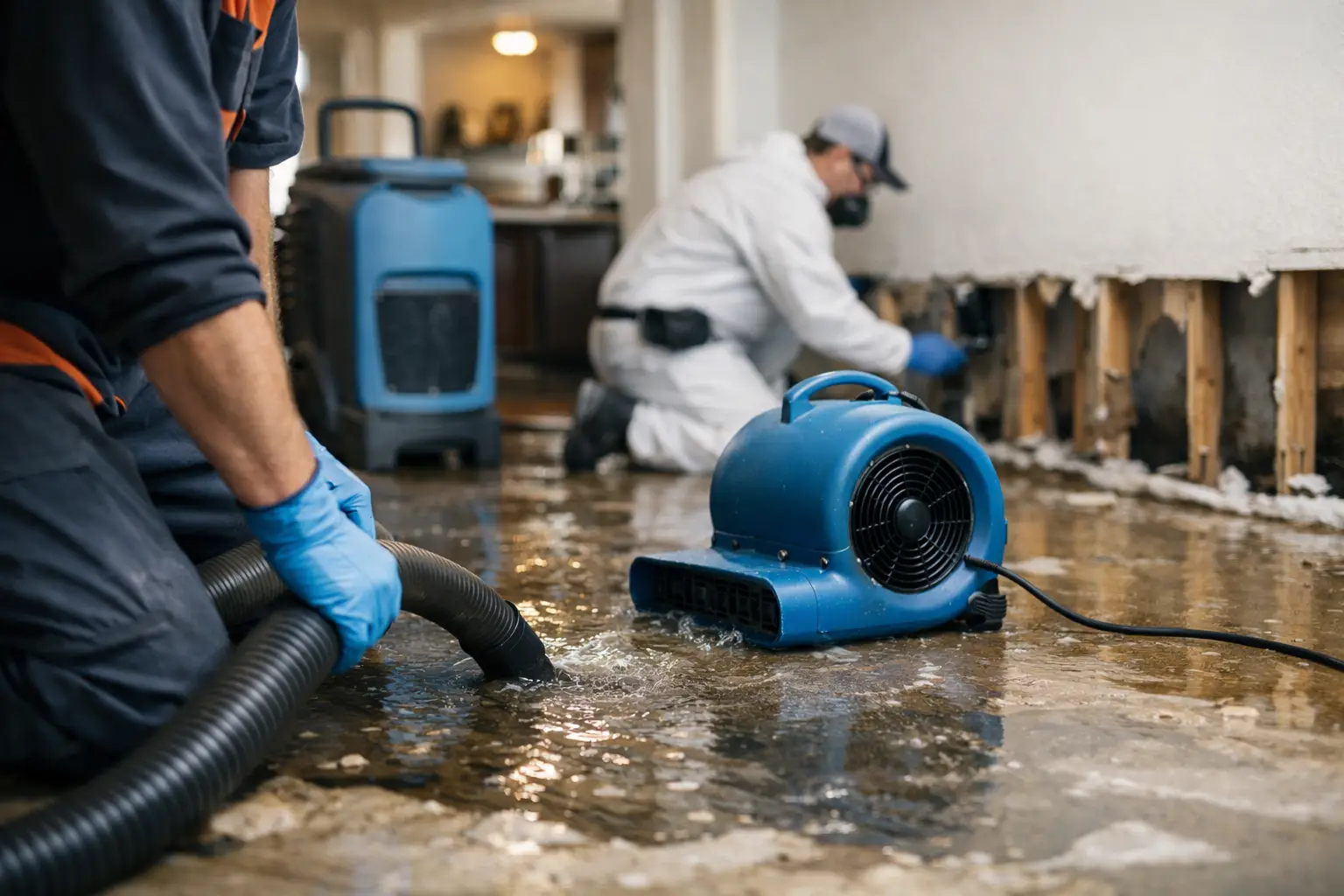 Water Damage
Extraction, structural drying, and moisture mapping after floods, leaks, and burst pipes.
Get help now Fire & Smoke
Soot removal, odor deodorization, and content cleaning after fire and smoke damage.
Learn more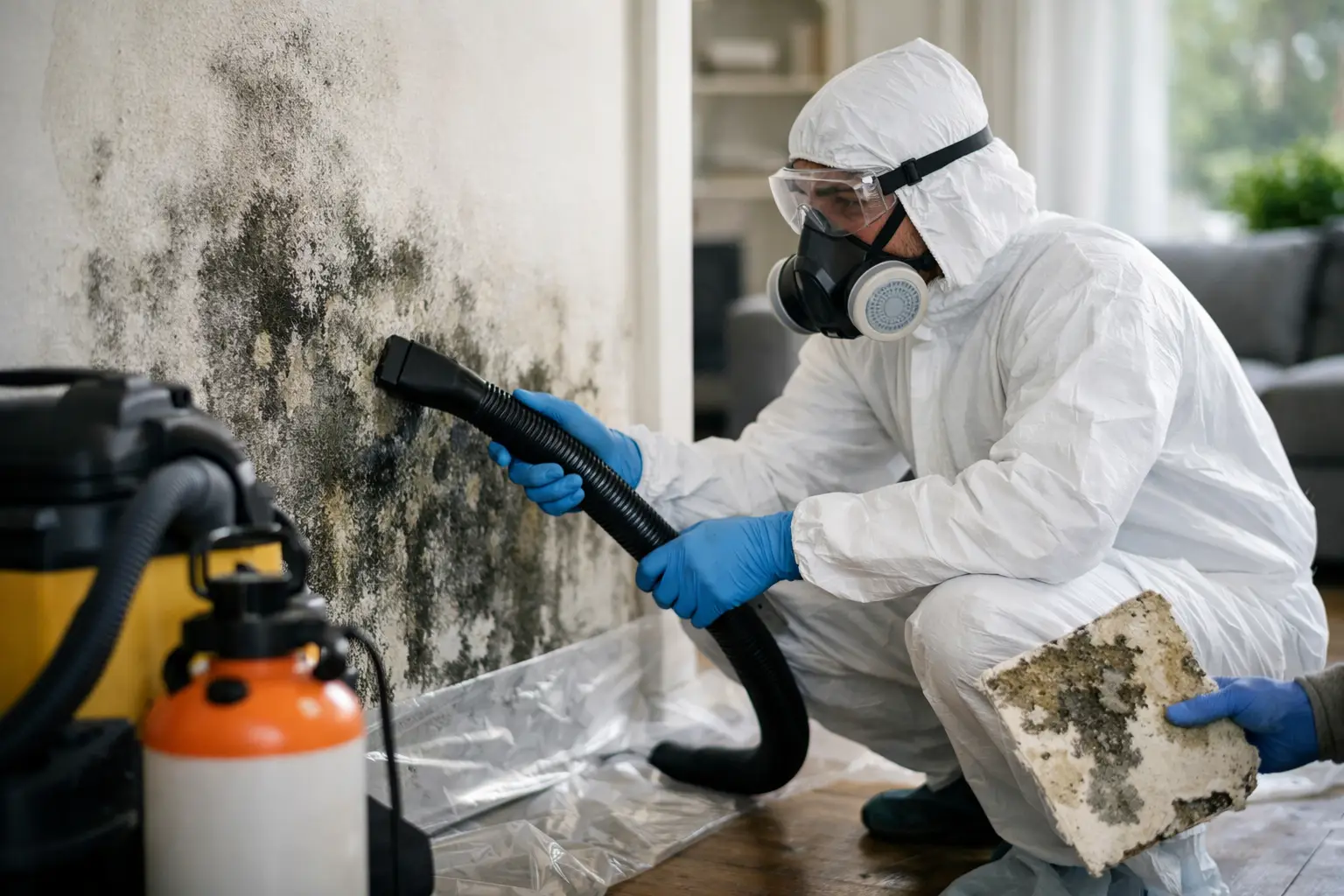 Mold
MoldContainment, removal, and moisture control that stops mold from coming back.
Learn more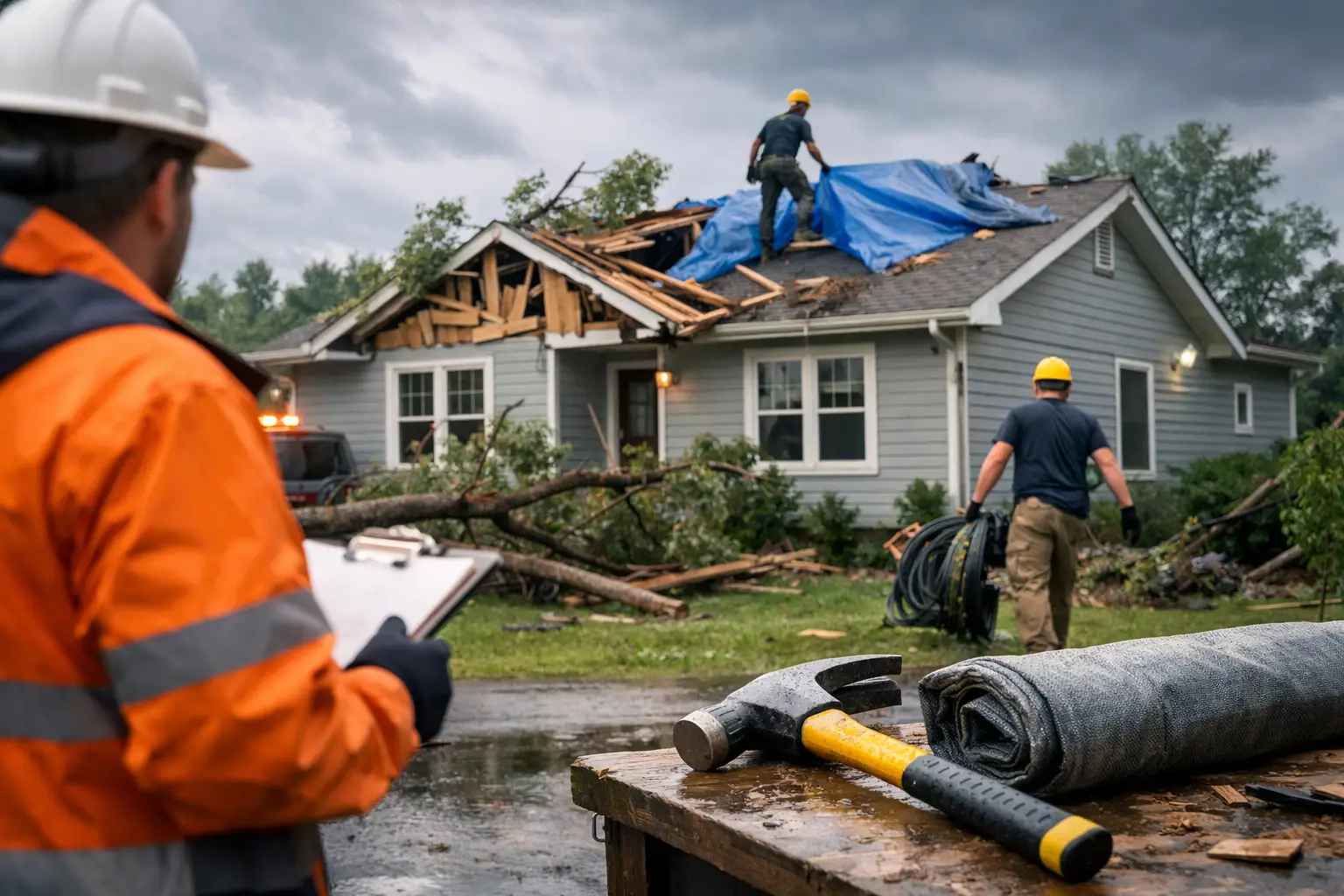 Storm
StormEmergency board-up, roof tarping, and full recovery after wind, hail, and storms.
Learn more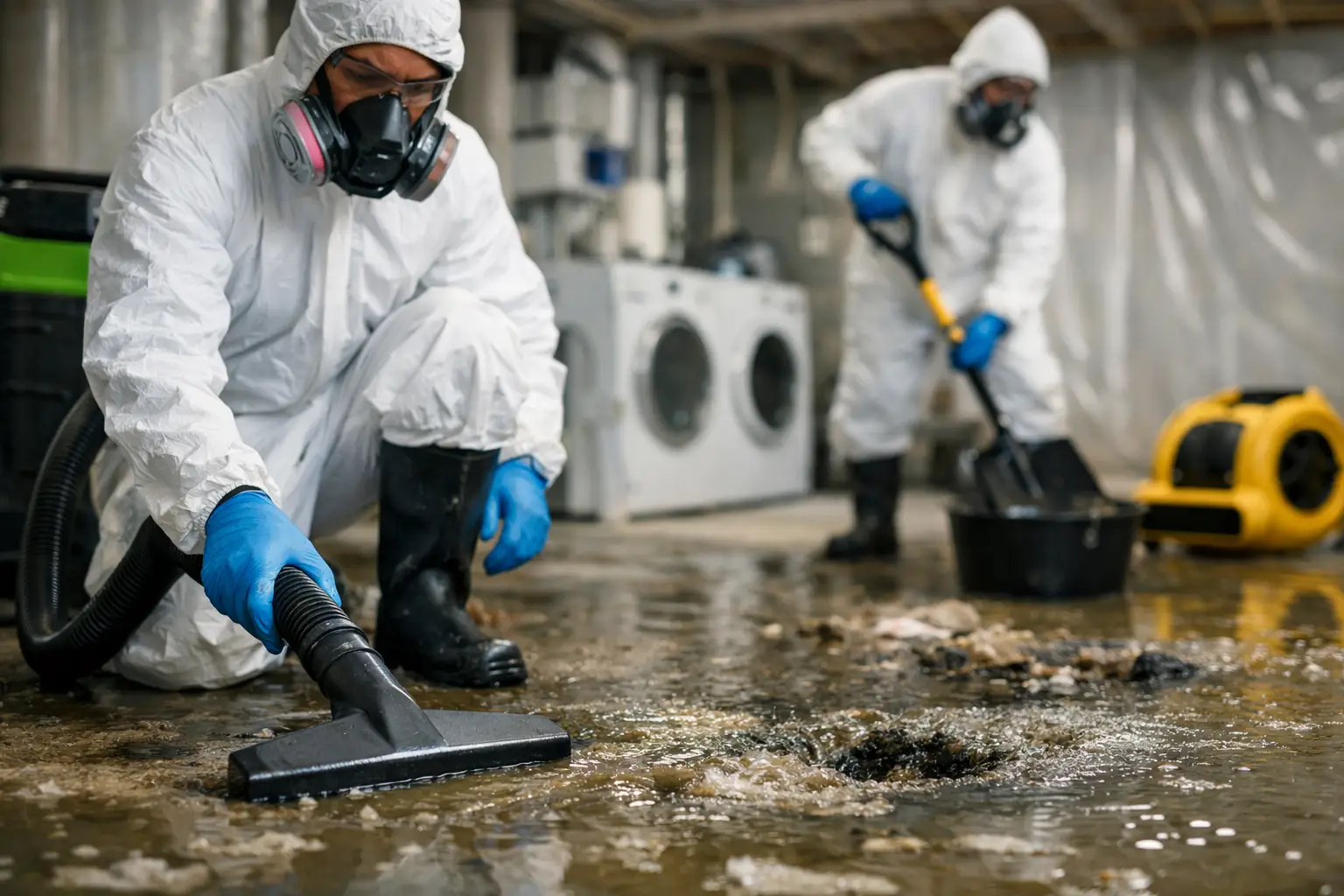 Sewage
Safe biohazard cleanup and sanitizing after sewage backups and overflows.
Learn more Reconstruction
Full rebuild by a licensed general contractor, so your property comes back whole.
Learn moreElevated Operations is an IICRC-certified, licensed general contractor based in Mableton that handles the entire recovery in-house, so after one loss you are never coordinating a cleanup crew, a mold crew, and a contractor separately. One team, one point of contact, from the first pump-out to the final coat of paint.
People call when the property feels like a disaster. They leave reviews because Chris and the crew made it right. These are real, verified Google reviews.
I offer 60-minute emergency response 24/7, and I move quickly because water damage gets worse by the hour. In Jonesboro, that matters in historic homes, rentals, and properties near the Flint River where water can spread into flooring, trim, and wall cavities before anyone realizes it.
Yes. I work carefully around heart-pine floors, trim, and older framing because those materials behave differently than newer construction. In Jonesboro, a historic home needs fast extraction, moisture checks, and controlled drying, not guesswork or an aggressive tear-out that goes farther than necessary.
Yes, when the situation allows it, I can remove standing water from carpet with professional water extraction and wet vac extraction. I then check the padding and subfloor, because in many Jonesboro ranch homes the visible carpet is only the first layer of the problem.
After water extraction, I move into emergency drying, moisture monitoring, and documentation. In Jonesboro, especially near the Flint River, I want to make sure water did not travel behind trim, under flooring, or into wall cavities where it can keep causing damage after the surface looks dry.
Yes. I provide direct insurance billing, which helps reduce the back-and-forth for homeowners during an already stressful loss. I also keep the process clear and documented, because insurance claims move better when the cleanup, extraction, and drying steps are tracked properly from the start.
Then I treat it like flood water removal and not a simple interior leak. Outside water can bring contamination and usually needs a more cautious plan. In Jonesboro, that can happen after heavy rain, especially in lower areas or properties affected by runoff toward the Flint River.
Yes, I back my work with a 12-month warranty. I stand behind the process because water cleanup is not complete until the drying, documentation, and structural checks are done right. If something was missed, I want to know about it and address it.
I am Chris Kwangwari, the owner of Elevated Operations, LLLP. I have been in restoration since 2007, and I am a licensed general contractor. My team uses IICRC-certified technicians, and I stay hands-on because Jonesboro water losses need practical judgment, not sales talk.
Elevated Operations dispatches IICRC-certified crews across Metro Atlanta from our Mableton base, with a 60-minute emergency response day or night. Choose your city:
Call now for an immediate response, or request your free inspection and get a certified crew on-site within the hour across Atlanta and nearby areas.




