24/7 Emergency Restoration · Serving Metro AtlantaEmergency? (770) 404-6895
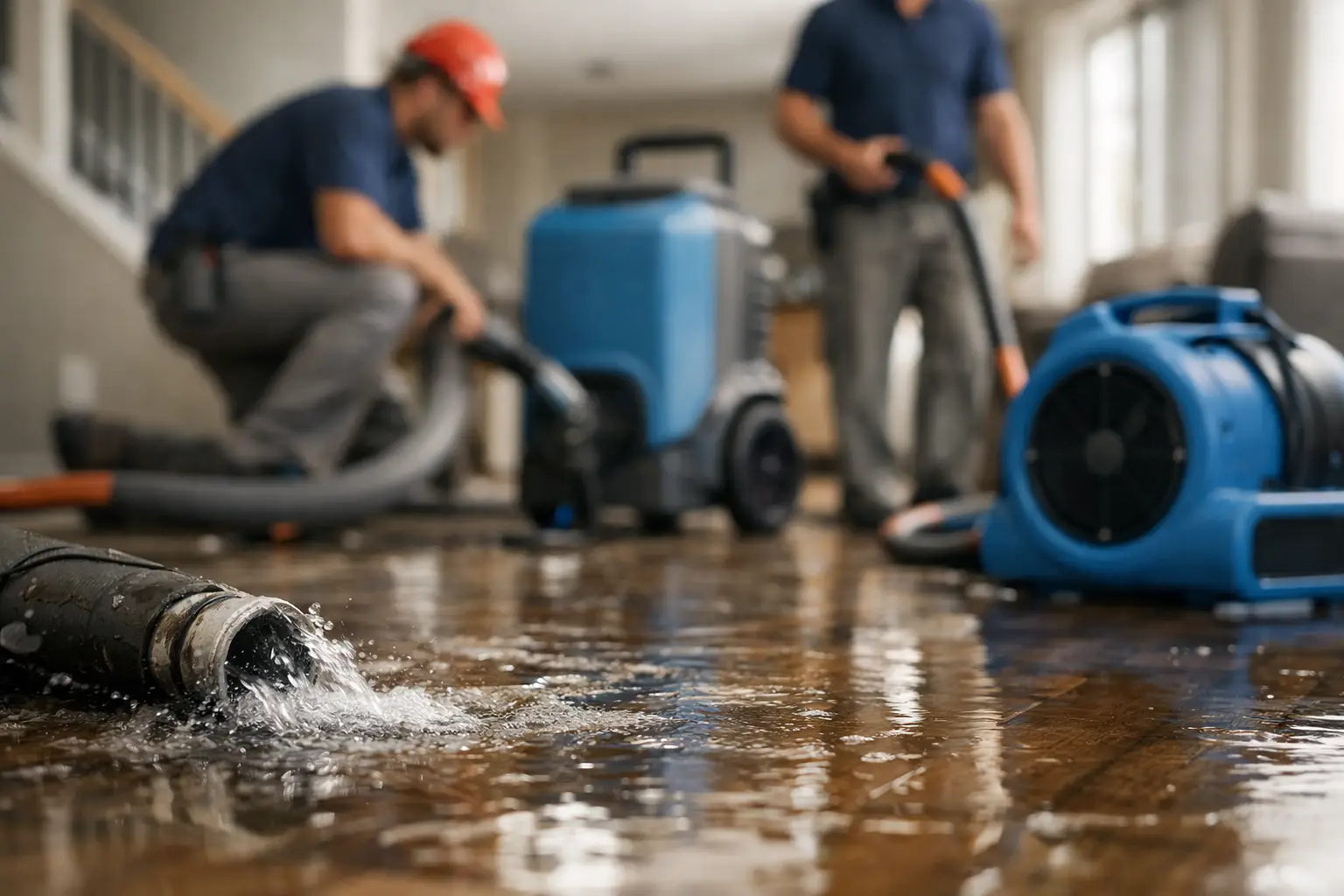
Water damage restoration College Park starts with stopping the source, removing standing water, and drying the structure before hidden moisture turns into bigger damage. I am Chris Kwangwari, and my team at Elevated Operations, LLLP handles water damage restoration with 24/7 emergency response, IICRC-certified technicians, direct insurance billing, and a 12-month warranty.
IICRC-Certified · 5-Star Rated · 60-Minute Response · Insurance Billed Directly
Yes. Water cleanup removes what you can see. Water damage restoration also dries hidden moisture, checks structural materials, and repairs the damage so the problem does not come back.
Because extraction removes standing water, but dehumidification pulls moisture out of the air and materials. That is what helps walls, floors, and framing dry correctly.
Yes. We offer direct insurance billing, which helps keep the claim process organized while we handle mitigation, drying, and repair.
The first step is stopping the source and removing standing water. After that, we map moisture, set up drying equipment, and monitor progress until the structure stabilizes.
Water damage restoration is the process of removing water, drying the structure, and repairing materials after a leak, overflow, or storm event. In College Park, that often means dealing with older historic-district homes and convention hotel properties where moisture can move fast and hide in walls, floors, and trim.
It is not just water cleanup. Real restoration includes water extraction, dehumidification, floor drying, and structural drying so the building does not keep holding moisture after the visible water is gone.
College Park has a mix of older housing and busy commercial buildings near the airport corridor. That matters because plaster, hardwood, framing, carpet pad, and wall cavities all behave differently when they get wet.
I look at the structure first, not the surface. A small leak in a historic home near the National Register district can spread through layers quietly, while a hotel room spill can push under baseboards and into adjacent spaces quickly.
Water damage happens here because older building materials, high guest traffic, plumbing wear, and storm runoff all create different leak paths. In College Park, convention hotels and historic homes both face water from supply lines, appliance failures, roof issues, and clogged drainage after hard rain.
Historic homes in the National Register district can have older plumbing, aging seals, and materials that were not built for modern water loads. Once water gets behind finishes, it can stay trapped longer than people expect.
Hotels near the convention and airport corridor deal with constant use. A supply line issue, HVAC leak, or overflow in one room can affect flooring, drywall, and neighboring units before anyone sees the full problem.
And the land itself matters. When drainage is poor or gutters are blocked, water can work toward foundations and crawlspaces. That is when water mitigation becomes urgent, because the first hour often decides how much repair is needed.
Water does two things fast, it stains and weakens materials, then it creates conditions for mold and hidden decay. If you wait, drywall can swell, wood can warp, flooring can cup, and insulation can stay wet long after the room looks dry.
Drywall replacement becomes more likely when water soaks the paper face and breaks down the core. Hardwood can sometimes be saved, but only if floor drying starts early and the boards have not distorted too far.
In older College Park homes, water may travel behind trim, into wall cavities, and along framing members. That hidden moisture is why surface cleanup is not enough, because the damage keeps moving where you cannot see it.
Mold can start in 24 to 48 hours when materials stay wet. That is not a theory, it is why I push fast water extraction and structural drying before the building starts changing on the inside.
Water damage restoration starts with emergency response, inspection, water extraction, and moisture mapping. Then we dry the structure, remove unsalvageable materials, document the loss for insurance, and finish the repairs once the building is dry and stable.
My team responds 24/7 with a 60-minute emergency response. That first visit is about stopping the source, protecting the structure, and deciding whether the job needs water mitigation, demolition, or both.
After extraction, IICRC-certified technicians use targeted drying methods for floors, walls, and cavities. Dehumidification matters because air movement alone does not pull trapped moisture out of materials.
Then we move into water damage repair. That can mean drywall replacement, trim repair, insulation removal, or structural drying until the materials are ready for rebuilding. Direct insurance billing helps keep the paperwork moving cleanly.
After water damage, shut off the source if you can do it safely, avoid wet electrical areas, and move valuables out of standing water. Then call for emergency water mitigation so extraction and drying can start before hidden damage spreads through the structure.
If the water is from a burst pipe, supply line, or appliance, stopping the source comes first. If it is storm water or sewage, stay out of the area and wait for professional handling because the cleanup is different.
Take photos if it is safe. Insurance needs documentation, and the building needs a record of where the water went. But do not pull wet carpet or start tearing open walls unless you know what you are looking at.
College Park properties near the historic district often have finishes worth saving. Fast action gives those materials a better chance. Slow action gives water more time to spread into subfloors, baseboards, and framing.
Sometimes yes, sometimes no. Whether walls and floors can be saved depends on the water source, how long the materials stayed wet, and what the material is made of. Clean water caught early may allow drying and repair, while swollen drywall or buckled flooring may need replacement.
Walls can often be dried if moisture is found early and the cavity is opened in the right places. That is why structural drying is more than putting fans in a room and hoping for the best.
Floors are different. Some hardwood can be restored with floor drying and controlled dehumidification, but laminate and soaked underlayment usually fail faster. Tile systems can hide moisture underneath even when the surface looks fine.
In College Park, older trim, solid wood floors, and historic finishes deserve a careful call. I do not guess. I test moisture, compare materials, and decide what can be saved without risking later problems.
A wet ceiling stain can come from a leak several rooms away. Water follows framing, wiring paths, and floor layers, so the visible damage is usually smaller than the actual affected area.
Fans alone do not solve the problem. Proper water mitigation uses extraction, air movement, dehumidification, and moisture checks until the structure reaches a safe dry condition.
Older College Park homes may have hardwood, plaster, and trim that can sometimes be preserved if drying starts fast. The wrong tear-out can destroy materials that were actually salvageable.
In convention hotel settings, one leak can affect multiple rooms if it is not isolated quickly. That is why early containment and documentation matter as much as the drying itself.
Water damage repair should not begin until hidden moisture is under control. Closing a wall too early traps water, and that mistake can lead to odor, mold, or repeat failure later.
From emergency mitigation to full reconstruction, handled in-house so you are never managing a chain of subcontractors mid-crisis.
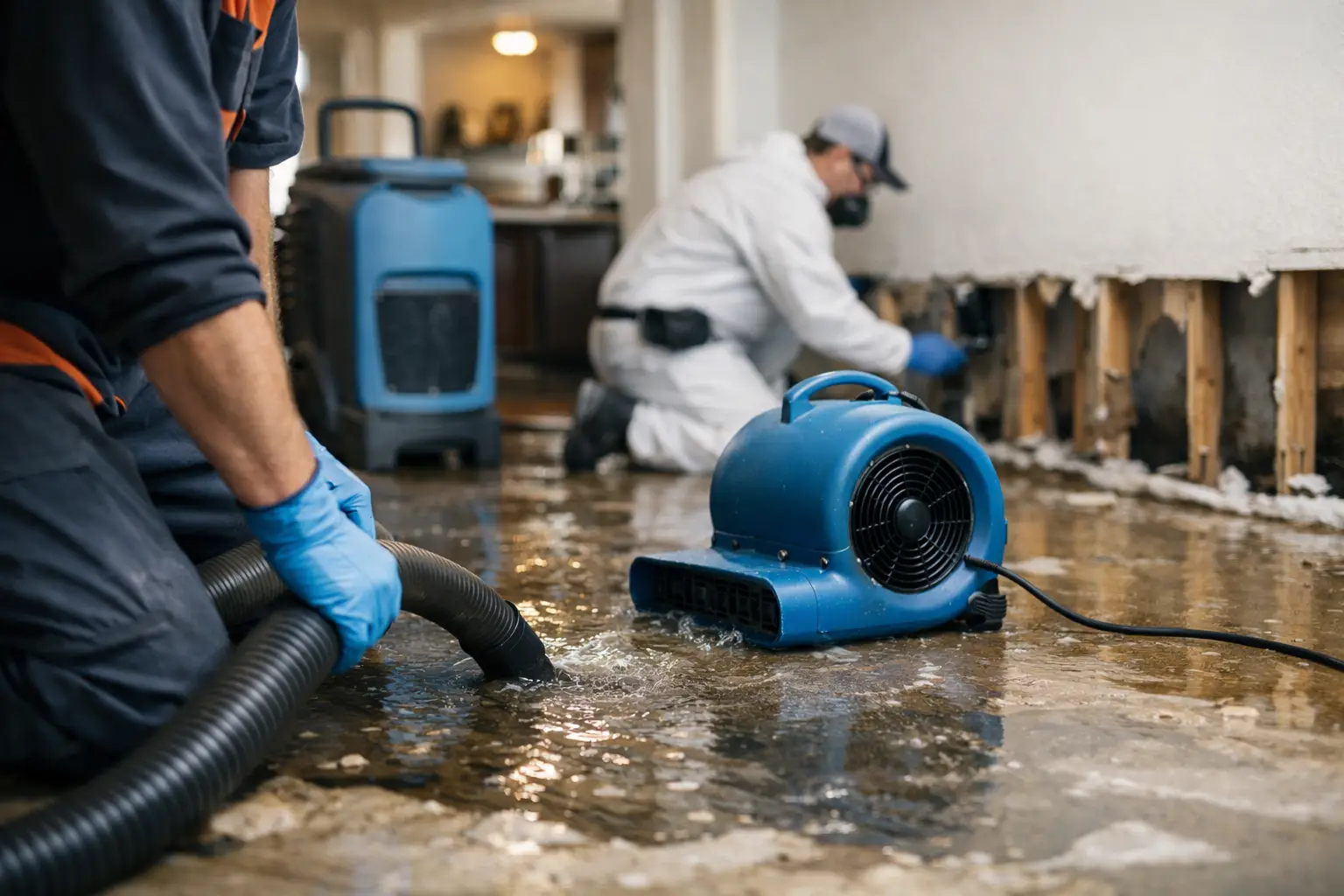 Water Damage
Extraction, structural drying, and moisture mapping after floods, leaks, and burst pipes.
Get help now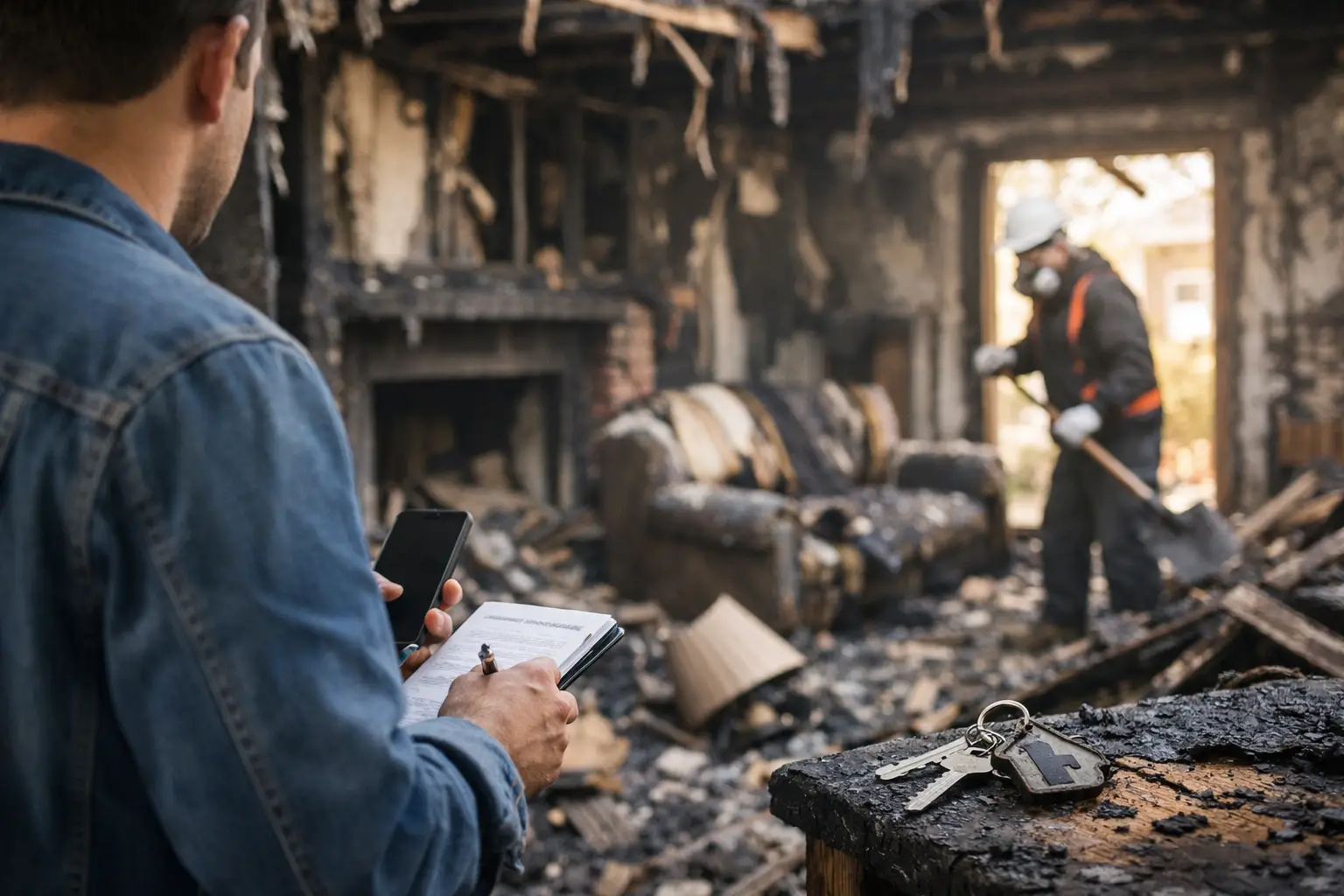 Fire & Smoke
Soot removal, odor deodorization, and content cleaning after fire and smoke damage.
Learn more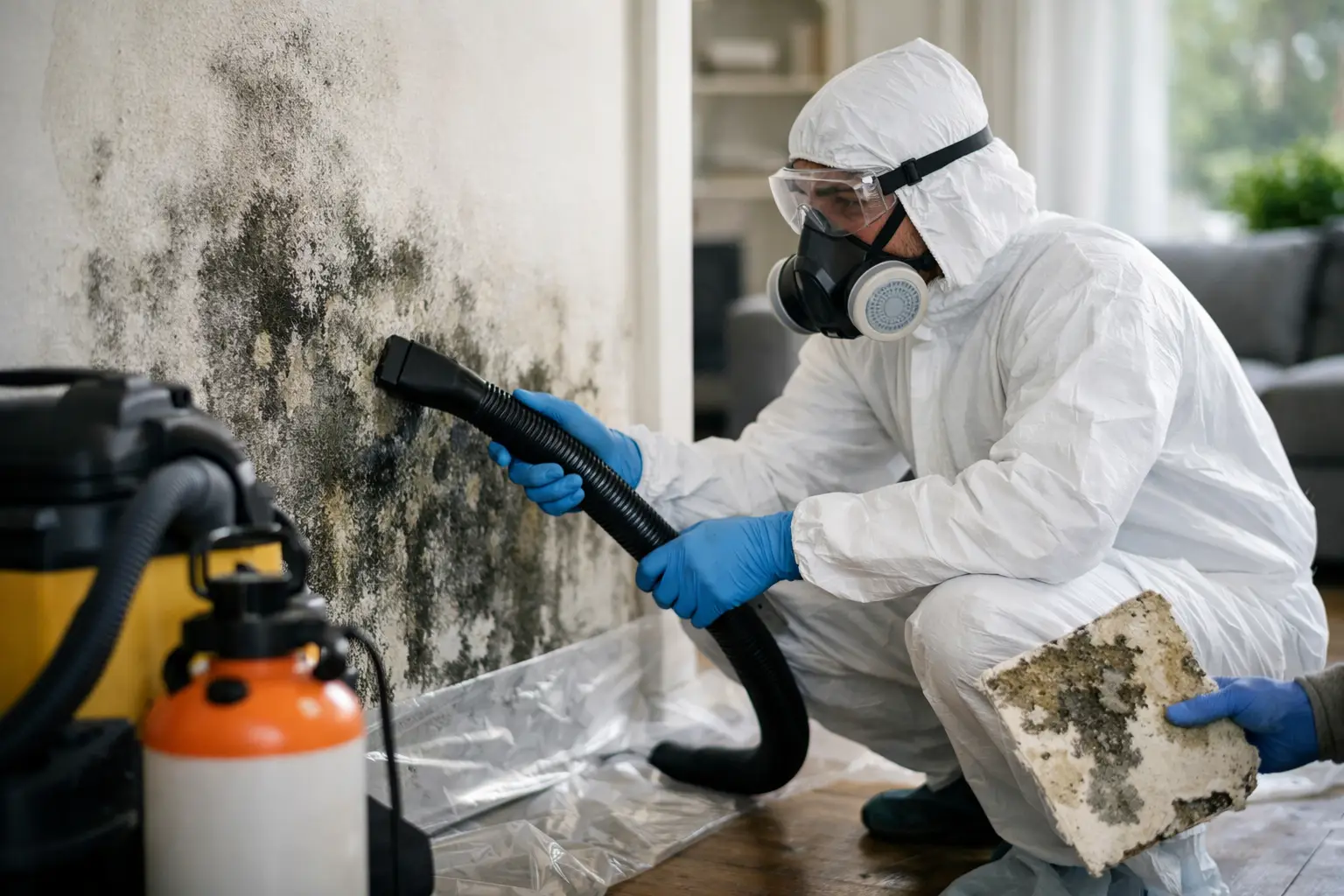 Mold
MoldContainment, removal, and moisture control that stops mold from coming back.
Learn more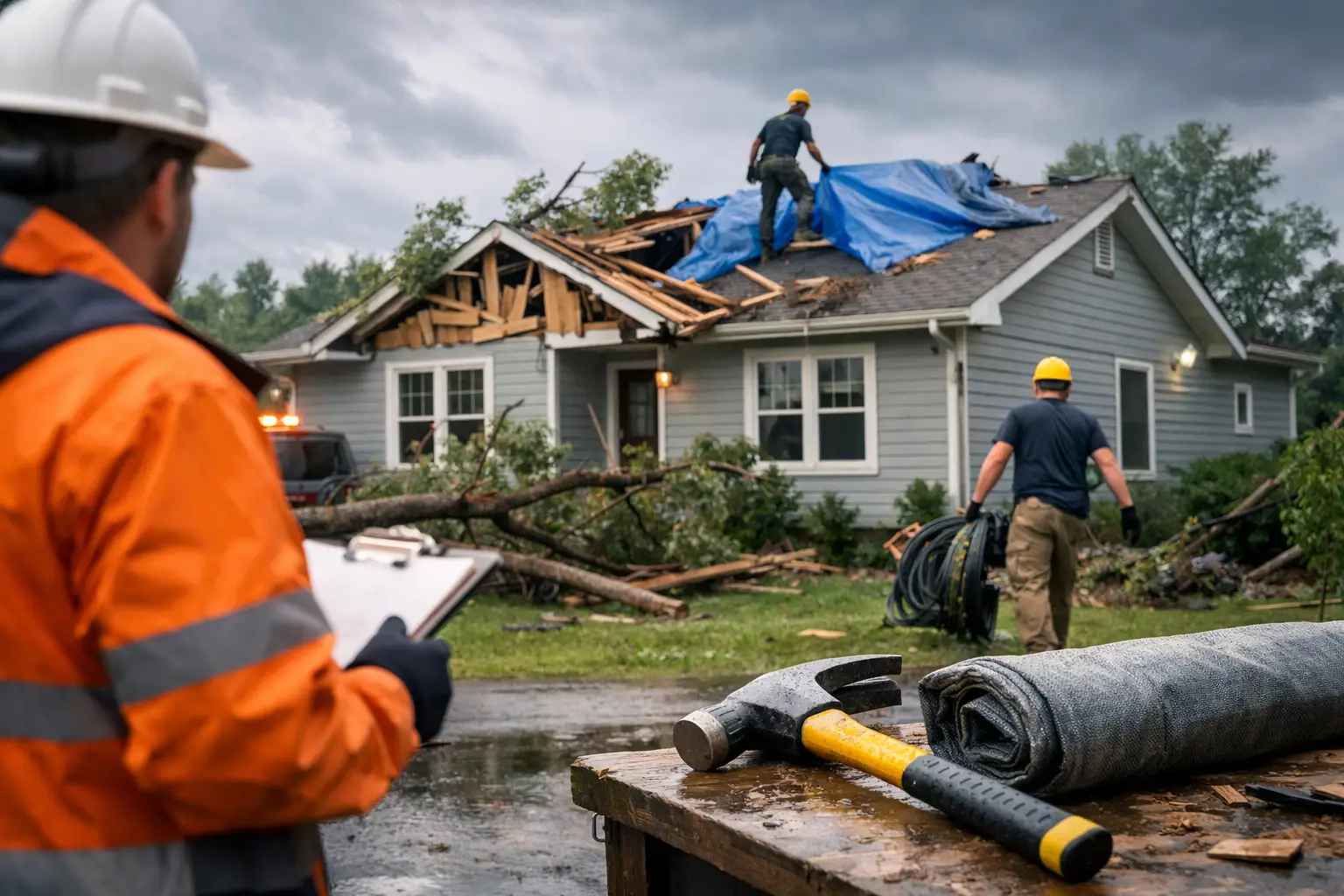 Storm
StormEmergency board-up, roof tarping, and full recovery after wind, hail, and storms.
Learn more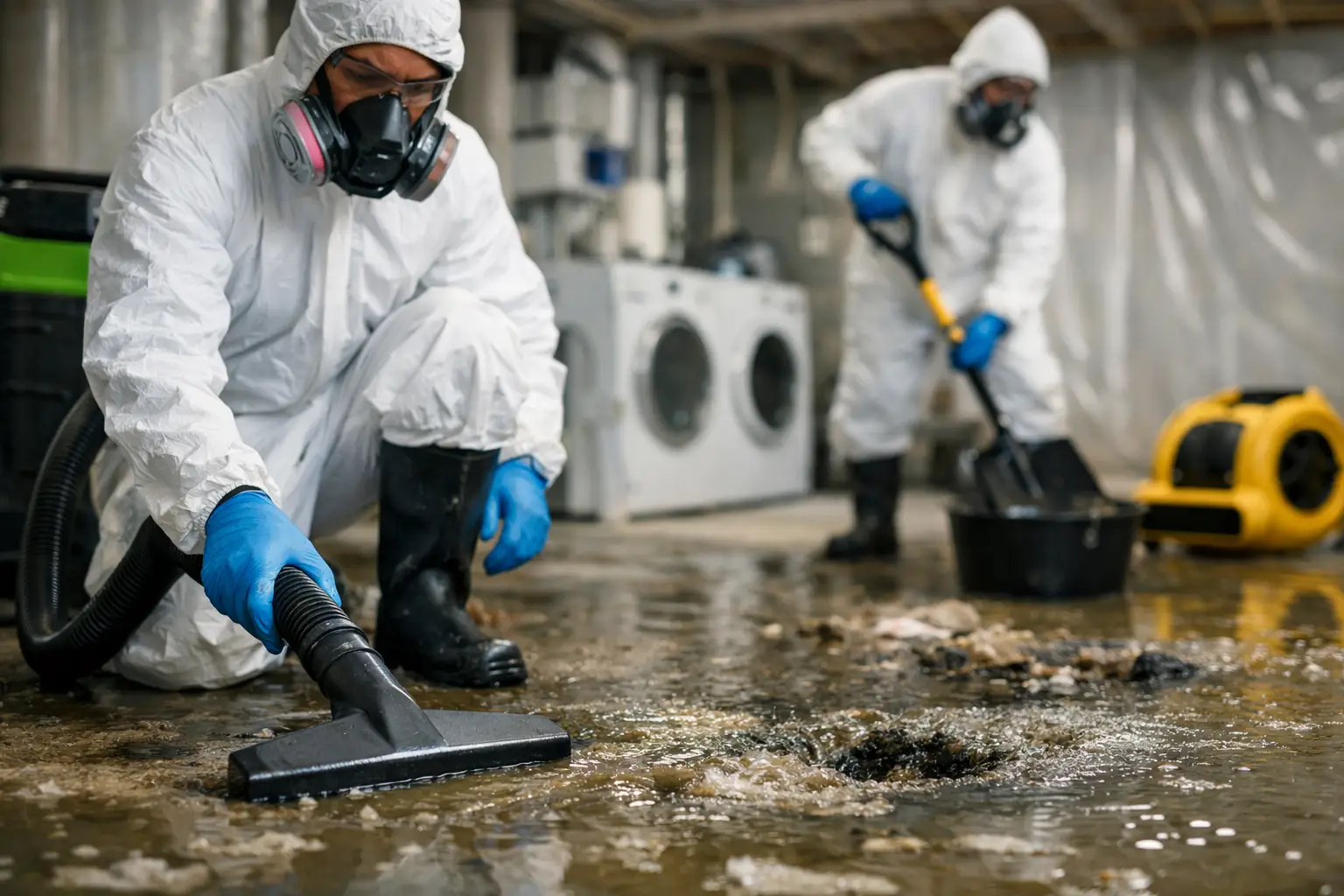 Sewage
Safe biohazard cleanup and sanitizing after sewage backups and overflows.
Learn more Reconstruction
Full rebuild by a licensed general contractor, so your property comes back whole.
Learn moreElevated Operations is an IICRC-certified, licensed general contractor based in Mableton that handles the entire recovery in-house, so after one loss you are never coordinating a cleanup crew, a mold crew, and a contractor separately. One team, one point of contact, from the first pump-out to the final coat of paint.
People call when the property feels like a disaster. They leave reviews because Chris and the crew made it right. These are real, verified Google reviews.
The timeline depends on the water source, the materials affected, and how much hidden moisture is present. A small loss may dry much faster than a larger structural issue in a historic home or hotel wing. I do not promise a fixed schedule because moisture does not work that way. What matters is monitoring, dehumidification, and making sure the structure is actually dry before repairs close things back up.
Usually yes. Older homes in and near the historic district may have plaster, hardwood, and framing details that react differently to water than modern drywall construction. That means drying strategy, demolition decisions, and repair choices need more care. The goal is to preserve what can be saved, remove what cannot, and avoid trapping moisture in materials that already age differently.
Isolate the area if you can do it safely, protect guests and staff, and get professional water mitigation started quickly. Hotels have a different risk pattern because water can spread through adjoining rooms, hallways, and lower floors. The response needs extraction, containment, and documentation right away, then structural drying and repair once the affected materials are identified.
Yes. We offer direct insurance billing, which helps keep the process organized after the loss is documented. I still tell property owners to save photos and keep notes about when they found the water. Good records make claims cleaner, especially when the damage involves hidden spaces, drywall replacement, or flooring that looked fine at first.
Because trapped moisture creates the environment mold needs, and it can start in 24 to 48 hours. Walls are especially risky because the surface can look normal while the cavity stays wet. That is why I push early water extraction, controlled drying, and opening the right sections when needed to prevent moisture from sitting inside the structure.
Yes. Elevated Operations, LLLP is based in Mableton and serves Cobb and Fulton County along with DeKalb, Douglas, Clayton, Henry, and Paulding counties. College Park falls within our service area. I keep the response local because fast action matters when a leak is spreading through a home, apartment, or hotel property.
You need moisture testing and a material-by-material assessment. Hardwood can sometimes be saved if the leak is caught early and the boards have not warped too far. The subfloor and underlayment matter just as much. If those layers stay wet, the repair may need more than surface drying to hold up over time.
Because many of those homes have materials and details worth protecting, and delay makes saving them harder. Water can move behind trim, under flooring, and into older wall assemblies quickly. Fast water cleanup protects more original material, reduces tear-out, and gives the structure a better chance of needing repair instead of major replacement.
Elevated Operations dispatches IICRC-certified crews across Metro Atlanta from our Mableton base, with a 60-minute emergency response day or night. Choose your city:
Call now for an immediate response, or request your free inspection and get a certified crew on-site within the hour across Atlanta and nearby areas.




