24/7 Emergency Restoration · Serving Metro AtlantaEmergency? (770) 404-6895
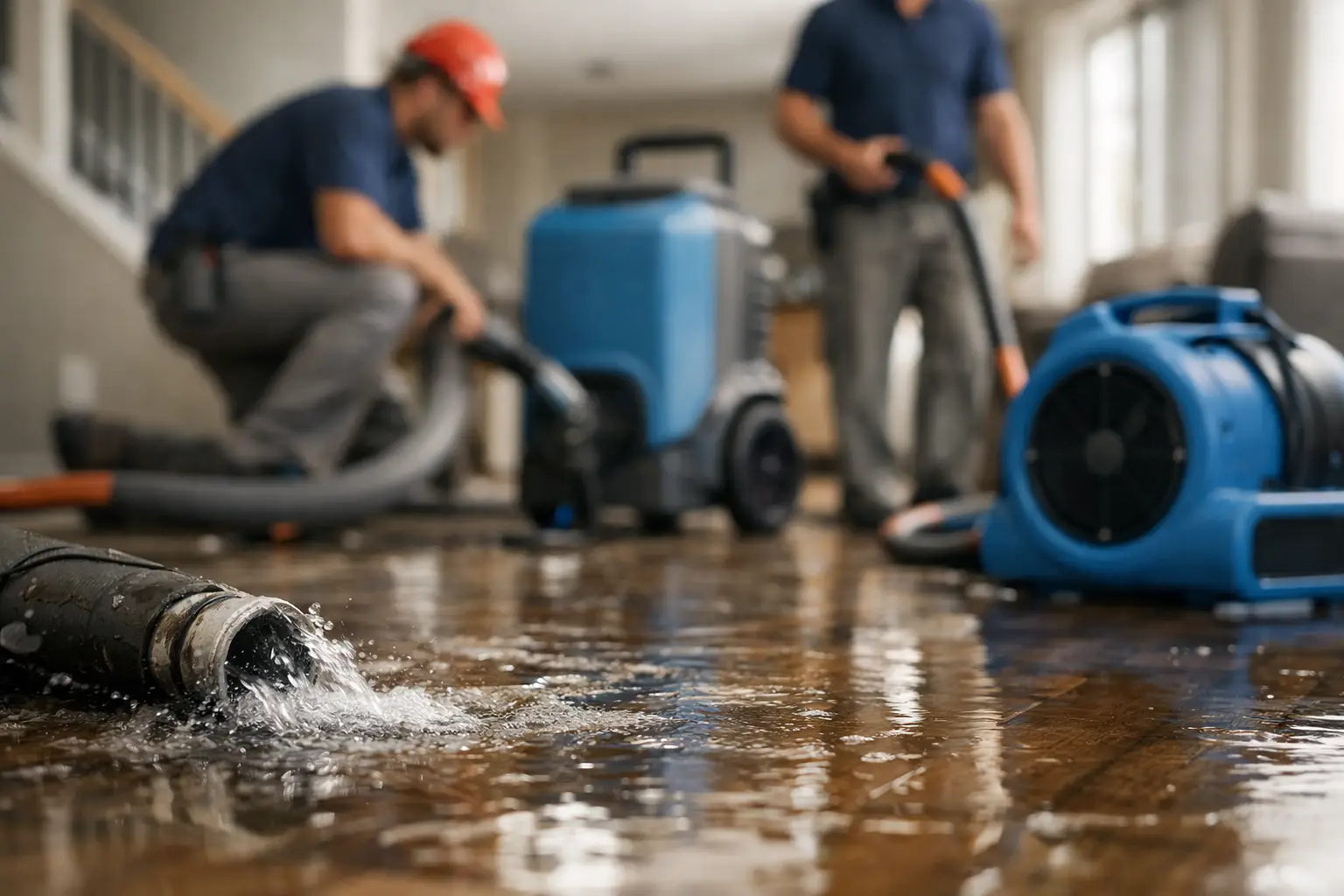
Water damage restoration Alpharetta starts with fast water extraction, then the drying plan that keeps a small leak from turning into bigger damage. I’m Chris Kwangwari, owner of Elevated Operations, LLLP, and I handle Alpharetta calls with IICRC-certified technicians, direct insurance billing, and 24/7 emergency response from our Mableton base.
IICRC-Certified · 5-Star Rated · 60-Minute Response · Insurance Billed Directly
Yes. Avalon and the surrounding GA-400 corridor are common Alpharetta call areas for me, especially for townhomes and HOA-managed properties.
I handle both. I dry the structure, then I take care of the repair side, including drywall replacement when the damage calls for it.
That is exactly why I inspect for hidden moisture. If it is behind the wall, I dry or remove the affected material before it turns into a bigger problem.
Yes. I answer 24/7 and send emergency help for water damage in Alpharetta, because leaks do not wait for business hours.
It starts with stopping the water, then water extraction, dehumidification, and structural drying until the moisture is actually gone. I inspect the damaged areas, explain the water mitigation plan, and move fast on water damage repair so the home does not stay wet long enough for mold or bigger structural trouble.
In Alpharetta, I see a lot of water issues that start quietly, under a sink in an Avalon townhome, behind a washer wall, or from a supply line that lets go after nobody is home. The first job is not guessing, it is finding where the water traveled and what it touched.
Then we set up drying the right way. That means water cleanup, floor drying, and dehumidification with a clear plan for the spaces that hold moisture longest, especially drywall and trim around kitchens, laundry rooms, and upstairs bath areas in newer construction near GA-400.
When the structure is dry, I move into the repair side. If drywall replacement is needed, I handle that too. I am a licensed general contractor, so I do not leave you with a wet house and a second contractor puzzle. I finish the job cleanly and keep the process direct.
Call for emergency water mitigation right away, shut off the source if you can do it safely, and keep people out of standing water. In Avalon and similar HOA communities, I also tell owners to notify the HOA if common elements or neighboring units may be involved, because that affects the claim path.
If the water is still flowing, stop it first. If it is safe, close the valve, then call me at (770) 404-6895. I answer 24/7, and my team is set up for a 60-minute emergency response, because waiting overnight in a townhome usually means the damage spreads to more rooms and more materials.
Do not start ripping out walls on your own. I have seen people pull baseboards, run fans too early, or try to dry one room while the water already moved into the next unit wall. That is how small water damage repair becomes a bigger restoration job with more downtime.
In Alpharetta, HOA rules matter. Avalon, especially the newer build townhomes near GA-400, can involve shared walls, shared drains, and questions about who owns what. I work directly with insurance and help sort the documentation so the claim stays organized and the drying work starts quickly.
Sometimes yes, sometimes no. If we catch it early, floor drying and structural drying can save a lot of material. If drywall stays wet too long, or subflooring is swollen and unstable, I will recommend removal and drywall replacement instead of pretending the damage is minor.
The answer depends on how far the water moved and how long it sat. In a new Alpharetta townhome, I can often save more because modern materials dry predictably when water extraction starts fast. But once moisture gets behind baseboards, under LVP, or into insulation, the clock starts working against you.
I look at the material, the moisture readings, and the location. A kitchen leak near Avalon may dry out cleanly with the right equipment. A second-floor bathroom overflow that ran down into a lower wall cavity may need more removal, because hidden moisture is where recurring problems begin.
I do not push demolition when drying will do. But I also do not gamble on materials that are already compromised. That is why I give a straight answer on what can stay, what needs water damage repair, and what is smarter to replace now rather than redo later.
The drying phase usually depends on what got wet, how much water moved, and how quickly we started. I do not make up a timer. I set up the equipment, monitor the moisture, and keep you updated until the structure is dry enough for the next repair step.
Every Alpharetta job has its own pace. A small leak in an Avalon townhome can move quickly if we reach it early. A larger loss that reaches multiple rooms, a stairwell, or shared HOA walls takes more attention because the drying zone is bigger and the materials are more layered.
What I can promise is process. I bring IICRC-certified technicians, use direct insurance billing, and keep the work moving without delay. If drywall replacement is needed after structural drying, I handle that part too, so you are not left waiting on a separate trade to show up.
The goal is not to rush the job, it is to dry it correctly. Fast-looking can be expensive later. Careful drying is what keeps you from reopening walls twice, and that is the difference I focus on in Alpharetta homes and townhomes.
Because new-build townhomes near Avalon and GA-400 can have tight wall assemblies, HOA rules, and shared building components that make water mitigation more complicated. Water can travel between units, under engineered flooring, and into wall cavities where the damage is not obvious at first glance.
I like working these properties because the issues are specific, not random. A supply line leak in a fresh townhouse can travel under a floating floor and show up far from the source. That is where water extraction and moisture mapping matter, not just a quick mop and a fan.
The HOA piece matters too. In Alpharetta, especially near Avalon, I see owners dealing with unit boundaries, common-area questions, and insurance conversations that need clean documentation. I keep the photos, notes, and billing organized because that helps the claim move without confusion.
And yes, newer construction still gets damaged. New does not mean protected. It often means the finish materials look fine longer while the hidden structure stays wet underneath. That is why I treat these calls seriously from the first hour, not after the stain gets bigger.
I handle the repair side after drying, including drywall replacement, trim work, and licensed general contracting when the damage needs more than cleanup. My job is to get the space from wet and open to solid and usable again, without handing you off halfway through.
Once the structure is dry, I look at what the water damaged and what still needs to be restored. That can mean patching a wall, replacing affected drywall, addressing warped trim, or rebuilding around a bathroom or laundry area that took on more water than it should have.
This is where a lot of jobs go sideways. A crew dries the room, leaves the damage visible, and disappears. I do not work that way. Elevated Operations, LLLP handles restoration and the repair follow-through, so the homeowner is not managing multiple vendors to finish one problem.
For Alpharetta owners, that matters because life does not stop for a leak. People still need the kitchen, the upstairs bath, the home office, and the hallway to function. I focus on getting the house back into service with solid work, not temporary cover-ups.
A homeowner near Avalon called after a supply line failed in a new-build townhome. Water spread under engineered flooring and into a shared wall. We handled water extraction, set up dehumidification, documented the moisture pattern, and coordinated the claim details with direct insurance billing.
A resident in an HOA townhome off GA-400 had ceiling staining after an upstairs bath overflow. The issue crossed a unit boundary, so we documented the affected areas carefully, performed structural drying, and kept the owner informed on what was private property versus what the HOA needed to review.
A kitchen leak in a newer Alpharetta house looked minor at first, but the water had moved under cabinets and into drywall. We used water cleanup, floor drying, and then drywall replacement where needed so the repair matched the rest of the space and the damage did not come back.
From emergency mitigation to full reconstruction, handled in-house so you are never managing a chain of subcontractors mid-crisis.
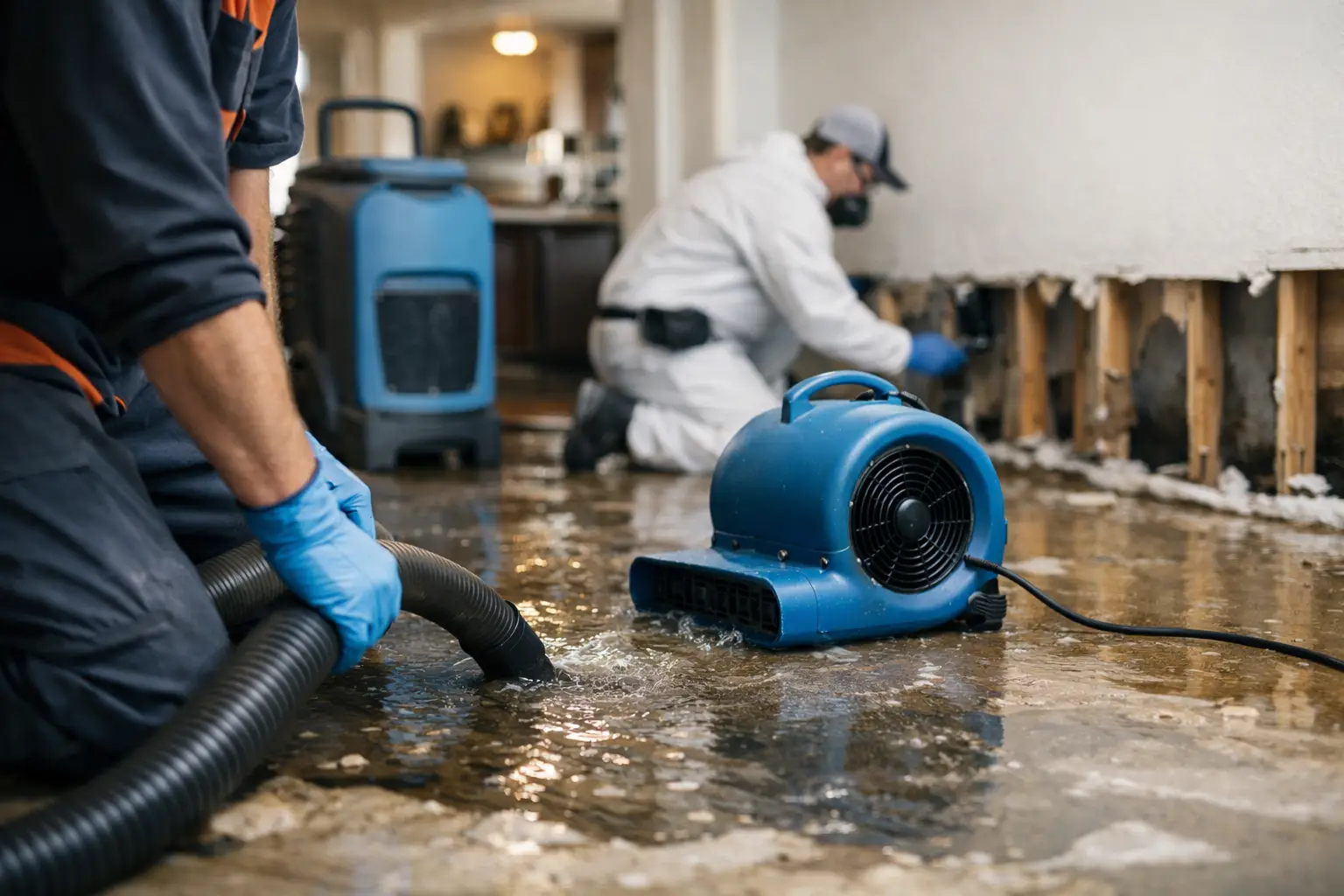 Water Damage
Extraction, structural drying, and moisture mapping after floods, leaks, and burst pipes.
Get help now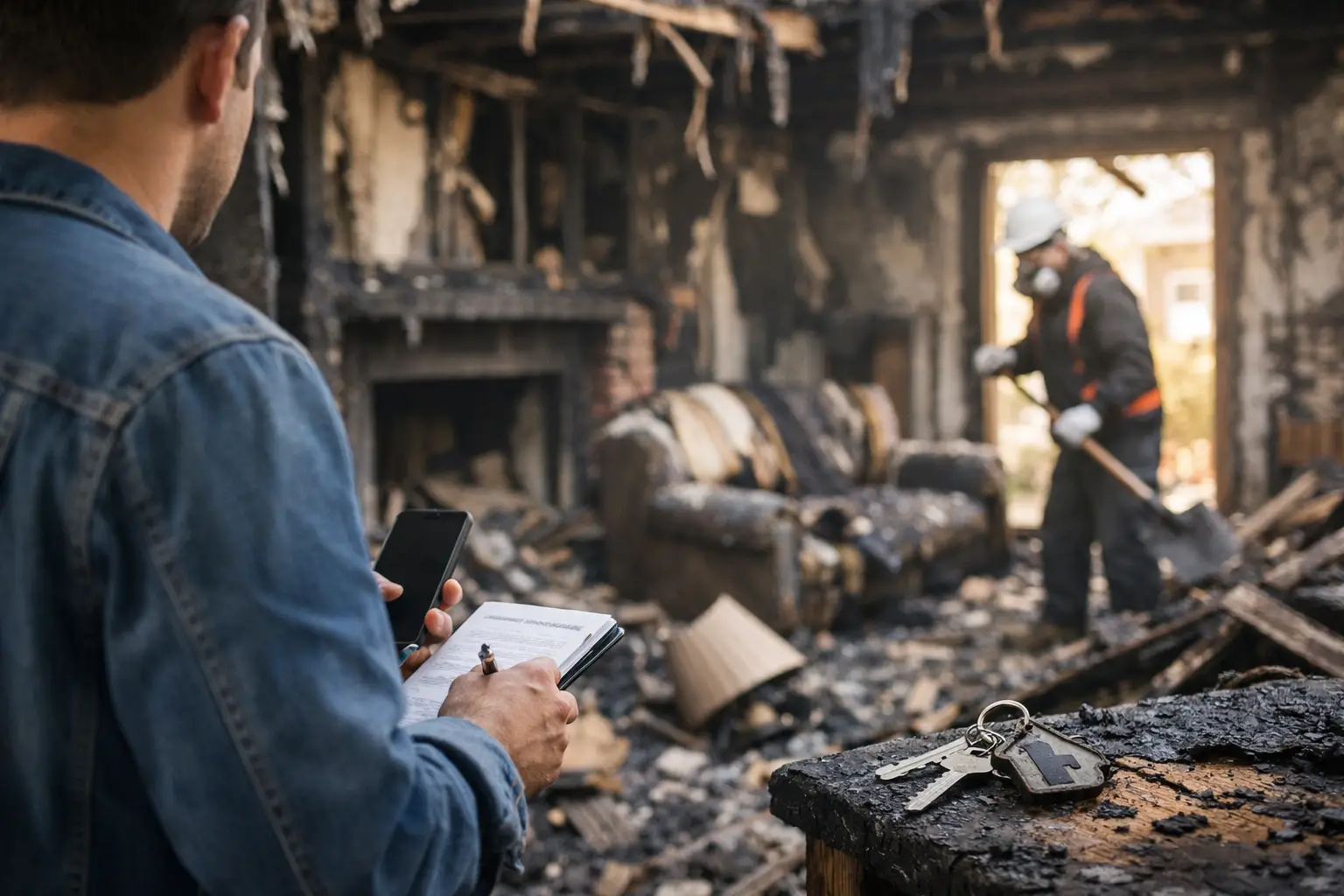 Fire & Smoke
Soot removal, odor deodorization, and content cleaning after fire and smoke damage.
Learn more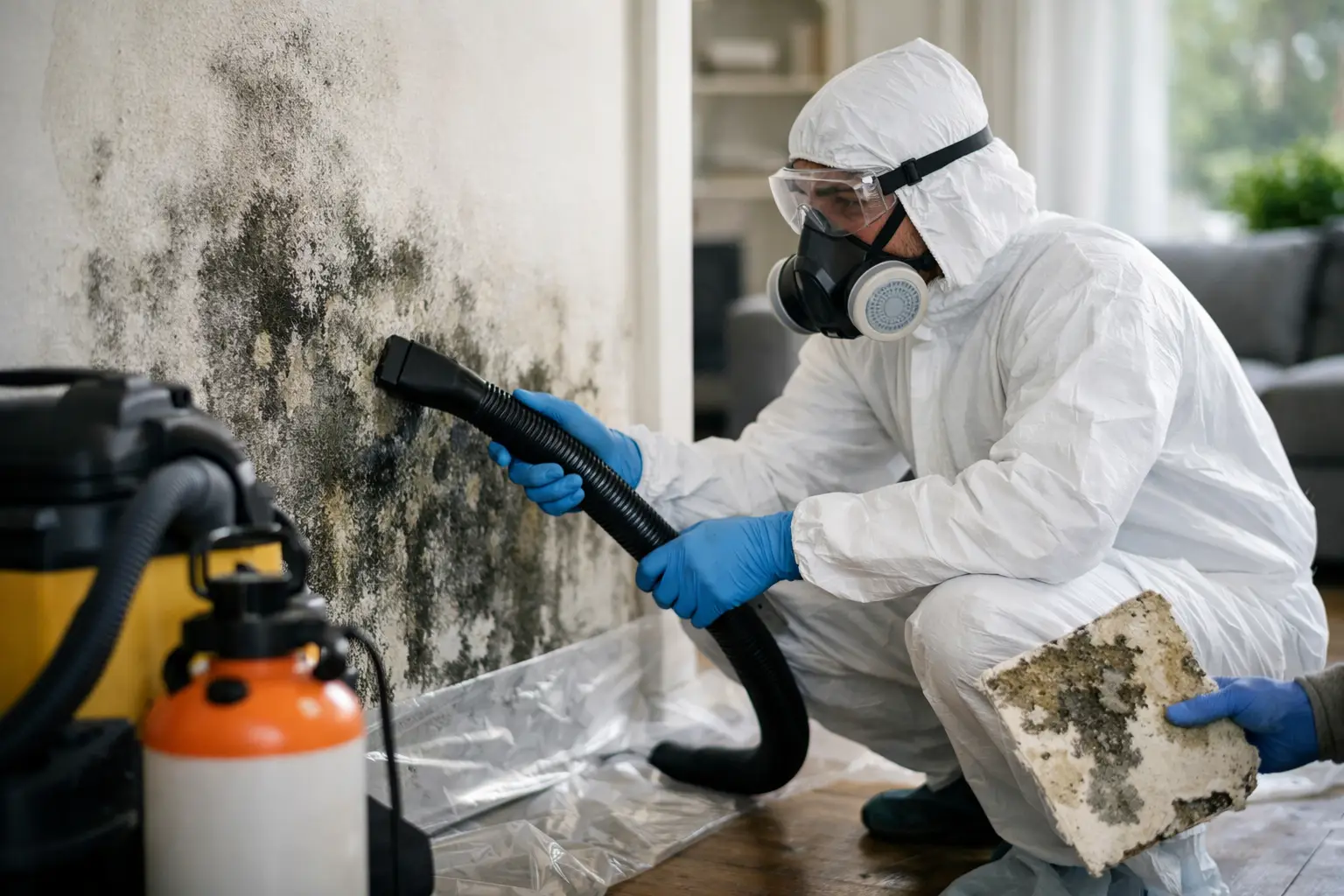 Mold
MoldContainment, removal, and moisture control that stops mold from coming back.
Learn more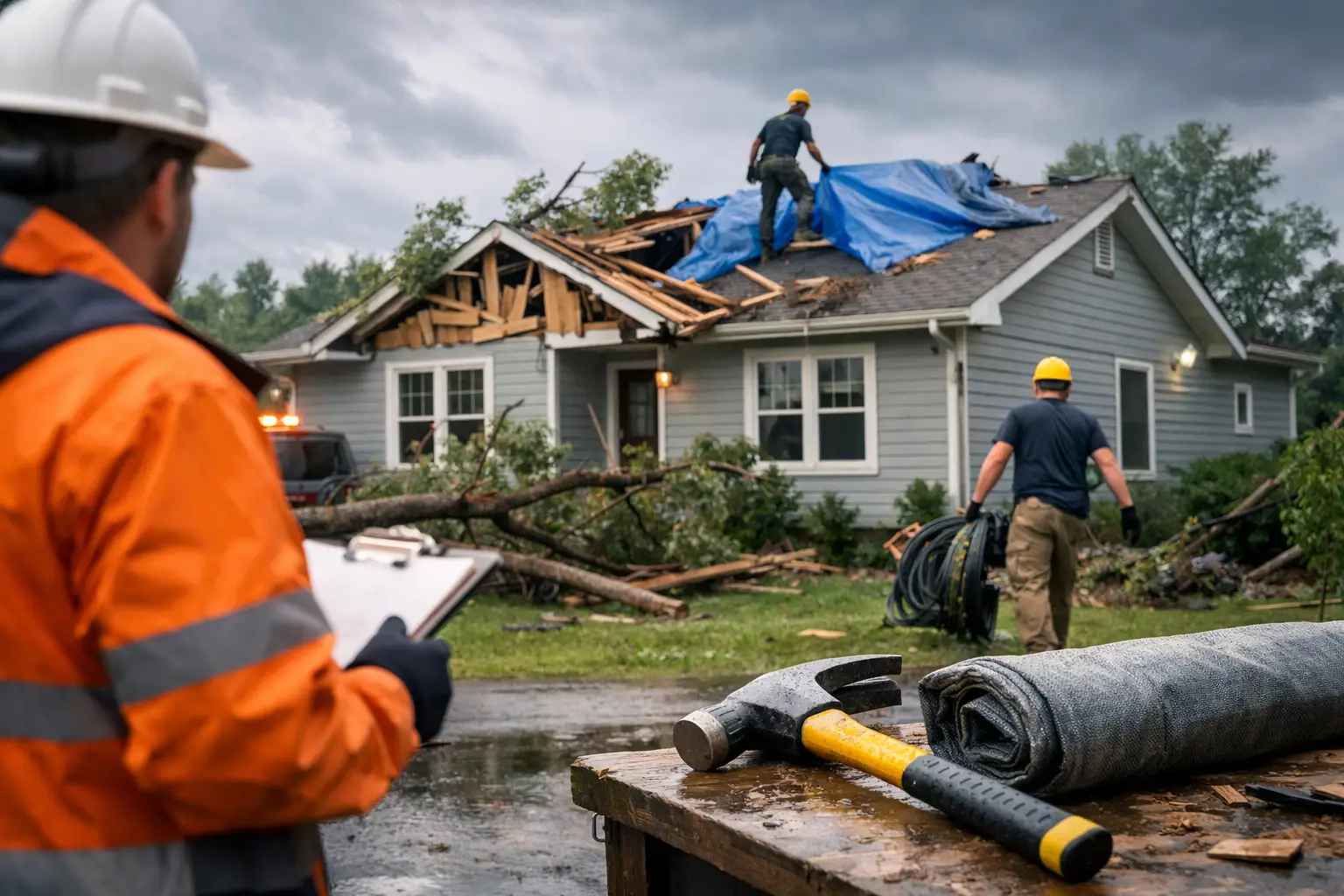 Storm
StormEmergency board-up, roof tarping, and full recovery after wind, hail, and storms.
Learn more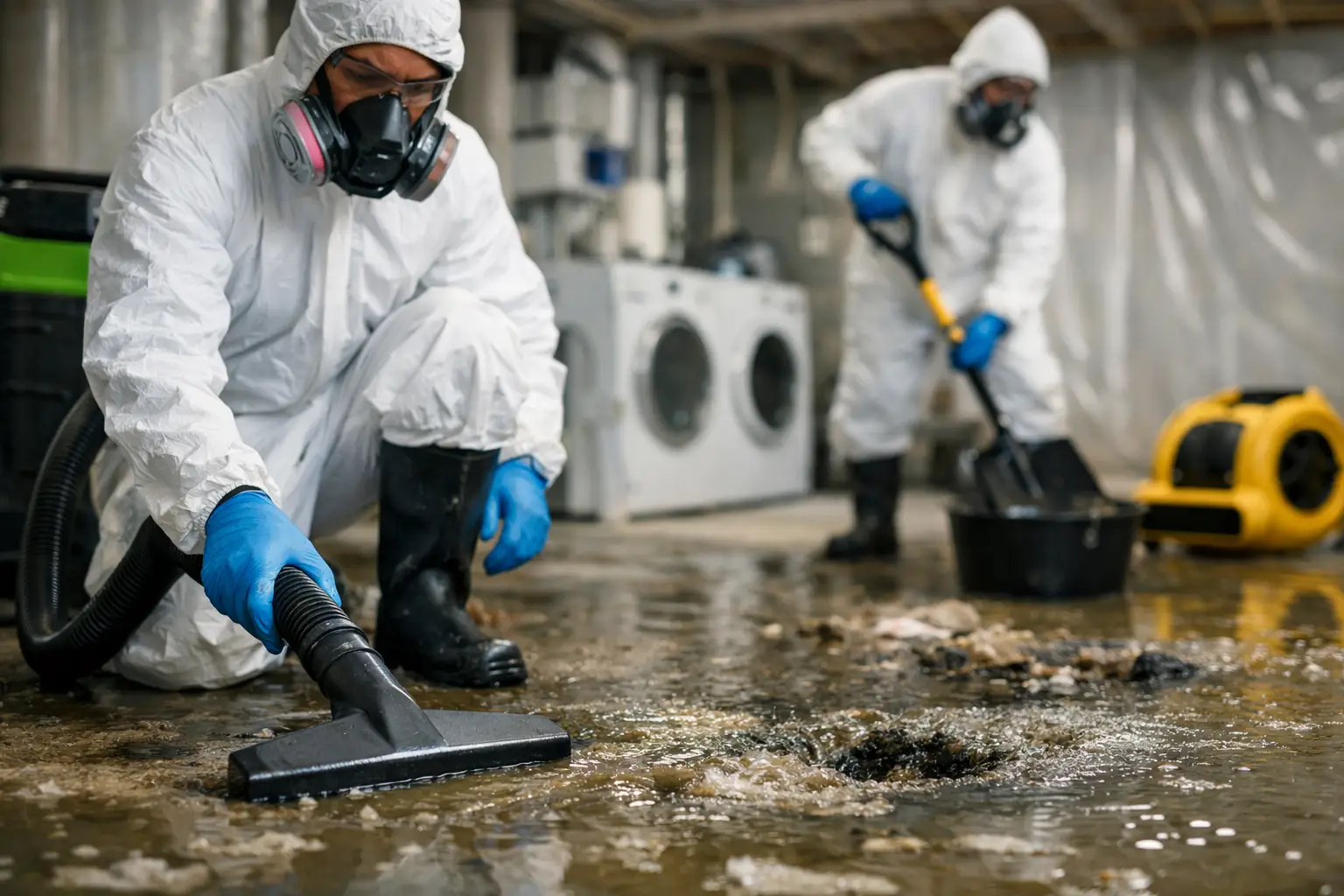 Sewage
Safe biohazard cleanup and sanitizing after sewage backups and overflows.
Learn more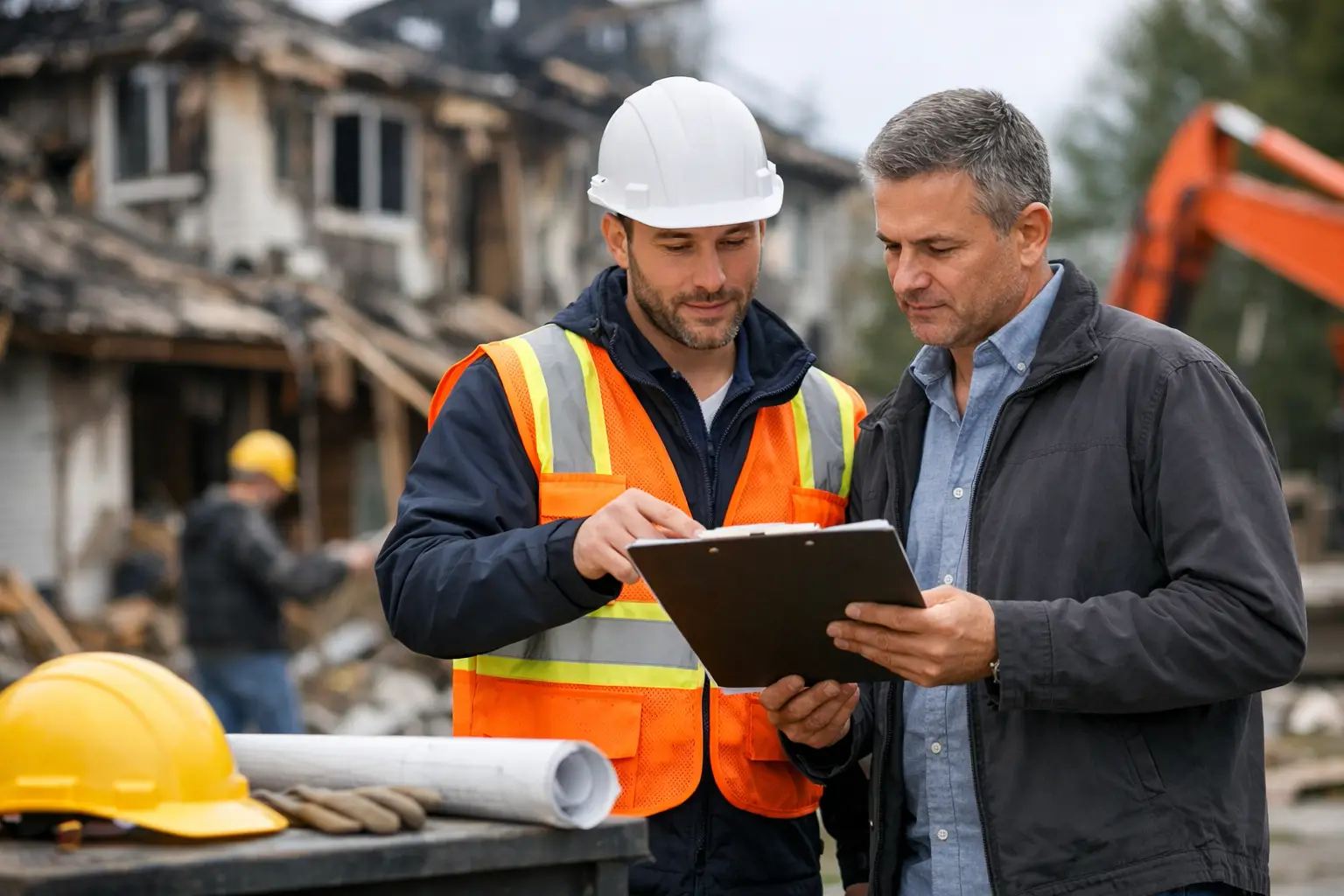 Reconstruction
Full rebuild by a licensed general contractor, so your property comes back whole.
Learn moreElevated Operations is an IICRC-certified, licensed general contractor based in Mableton that handles the entire recovery in-house, so after one loss you are never coordinating a cleanup crew, a mold crew, and a contractor separately. One team, one point of contact, from the first pump-out to the final coat of paint.
People call when the property feels like a disaster. They leave reviews because Chris and the crew made it right. These are real, verified Google reviews.
Water damage repair cost in Alpharetta depends on how much water there is, how long it sat, and what it soaked into, so every job starts with a free inspection and a written quote. As a local water damage restoration company, we answer 24/7, extract and dry fast, and bill your insurance directly.
What drives water damage cost is the water category and the area affected, so we inspect first and price it in writing.
We extract standing water and start structural drying fast to stop mold before it starts, day or night.
Dispatched from Mableton, our IICRC-certified crew reaches Alpharetta homes fast, 24/7, and bills insurance directly.
I provide 24/7 emergency response, and I built the business to move fast when a leak hits. If you call from Avalon, near GA-400, or anywhere else in Alpharetta, I get the team moving right away, because standing water and trapped moisture punish you by the hour, not the day.
Shut off the source if it is safe, keep people out of wet areas, and call me. In an HOA townhome, I also recommend notifying the association quickly if shared walls, ceilings, or common elements may be involved, because documentation matters when the claim and responsibility questions start.
Yes. I offer direct insurance billing, and I keep the paperwork organized so the claim does not become your second job. My team documents the damage, the drying work, and the repair scope clearly, which helps on Alpharetta losses where HOA questions or shared building parts can complicate things.
I look at what got wet, how long it stayed wet, and whether the material can return to normal safely. If dehumidification and structural drying can save the wall, I say so. If drywall is damaged, swollen, or holding moisture too long, I recommend replacement instead of guessing.
Yes, they often do. Newer construction near Avalon can have tighter assemblies and layered finishes, so water may hide under flooring or inside wall cavities longer than owners expect. That is why I use water extraction, moisture readings, and controlled drying instead of assuming the surface tells the whole story.
I focus on source control, water extraction, and floor drying before the damage spreads farther. Engineered flooring can trap moisture below the surface, so I inspect the layers, dry the structure beneath, and decide whether the material can stay or whether removal is the safer call.
I keep it direct. I am the owner, I am a licensed general contractor, and I use IICRC-certified technicians. That means the cleanup, drying, and repair planning stay connected, and you are not left wondering who owns the next step after the first crew leaves.
Yes, I stand behind the work with a 12-month warranty. If the job needs water damage repair, drying, or reconstruction after a loss in Alpharetta, I want the homeowner to know the work was completed with accountability, not just speed.
Elevated Operations dispatches IICRC-certified crews across Metro Atlanta from our Mableton base, with a 60-minute emergency response day or night. Choose your city:
Call now for an immediate response, or request your free inspection and get a certified crew on-site within the hour across Atlanta and nearby areas.