24/7 Emergency Restoration · Serving Metro AtlantaEmergency? (770) 404-6895
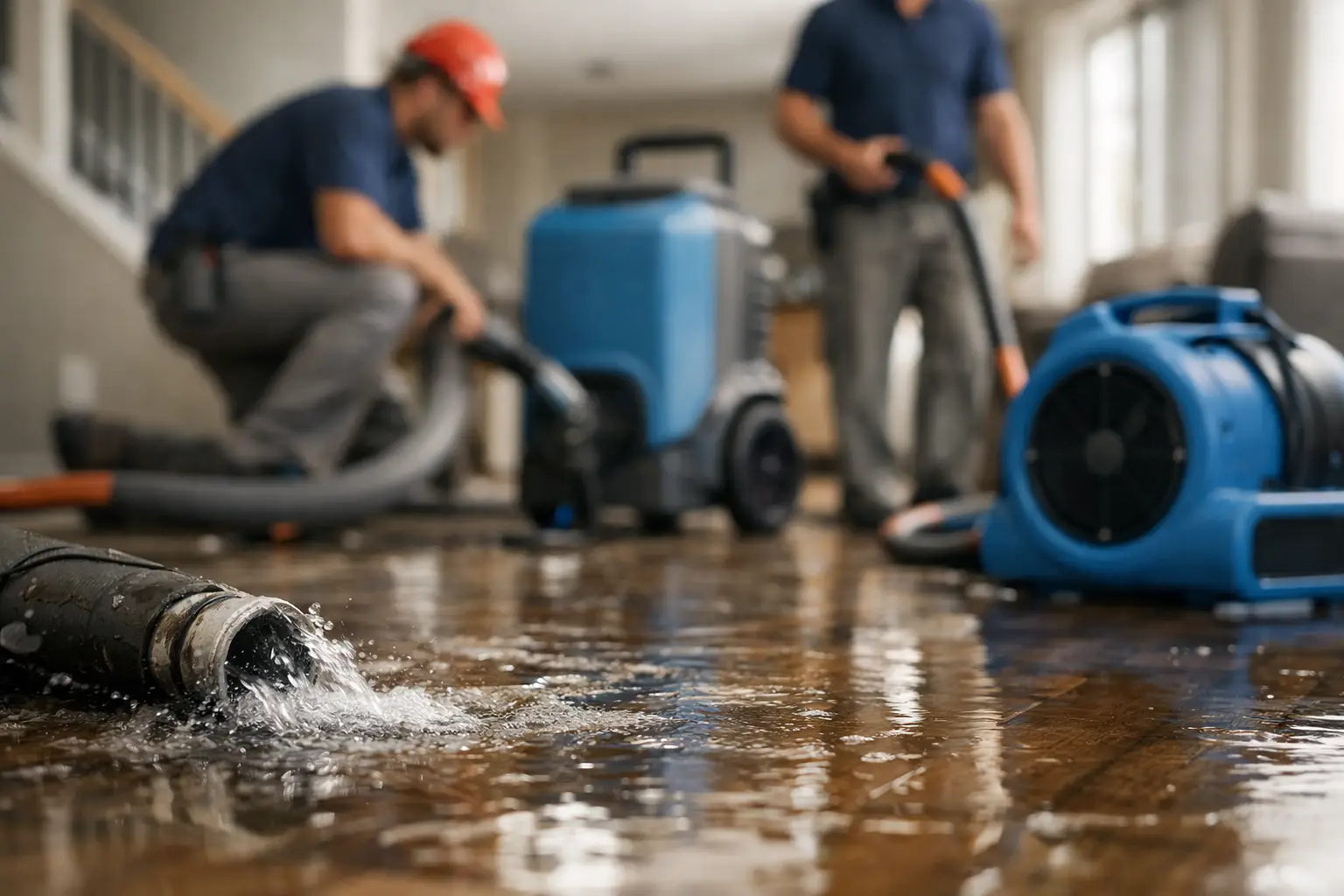
Water damage restoration Jonesboro starts with facts, not guesses, and that matters in a city with antebellum-era character, heart-pine floors, and flood concerns tied to the Flint River. I handle water damage cleanup, structural drying, and water mitigation the right way, with IICRC-certified technicians, direct insurance billing, and 24/7 emergency response.
IICRC-Certified · 5-Star Rated · 60-Minute Response · Insurance Billed Directly
No. Cleanup is only the start. I also look for hidden moisture, run dehumidification, and verify the structure is actually dry before I call it done.
Yes, if the setup is right. IICRC-certified technicians know how to dry older materials without treating a historic home like a generic slab house.
Then I check what can be saved and what needs replacement. Baseboards, drywall, and framing all react differently, so I decide by condition, not guesswork.
Yes. I handle direct insurance billing and document the loss carefully, so the repair and the claim stay aligned from start to finish.
No, a wet spot is often the visible edge of a larger water damage problem, and fast water extraction matters before moisture spreads into framing, trim, and subfloors. In Jonesboro, older heart-pine and mixed-age construction can hide water behind finishes fast.
Myth: if the carpet feels damp in one room, the rest of the house is fine. Fact: water follows framing, gaps, and gravity, then lands where you do not expect it. I see that often in homes with older materials and layered repairs.
Myth: you can wait until morning. Fact: delay gives moisture time to move into drywall, baseboards, and floors. In a Jonesboro home near the historic core or anywhere close to the Flint River drainage area, water cleanup has to start quickly because hidden spread is the real damage.
Myth: a fan is enough. Fact: fans move air, but they do not remove moisture from materials. Proper dehumidification and structural drying are what stop the problem from settling into wood, insulation, and wall cavities.
Water damage restoration in Jonesboro starts with inspection, then water mitigation, water extraction, drying, and repairs based on what was actually wet. I treat each loss like a system, not a guess, because the right sequence protects historic finishes, framing, and floors.
Myth: restoration means only removing visible water. Fact: the job includes finding hidden moisture, setting dehumidification, and checking what needs water damage repair before mold gets a head start. Mold can start in 24 to 48 hours, so the process has to be disciplined.
Myth: all homes dry the same way. Fact: older Jonesboro houses, especially those with heart-pine details or older crawlspace conditions, need different drying paths than newer homes. IICRC-certified technicians know how to read the structure, not just the surface.
Myth: insurance will sort out the whole claim on its own. Fact: direct insurance billing helps keep the paperwork moving, but the homeowner still needs clear documentation, photos, and a contractor who can explain the damage without making up excuses.
Yes, sometimes they can, but only if the moisture level, material type, and exposure time say they should be saved. In Jonesboro, historic heart-pine floors and solid wood details may be salvageable, while swollen drywall often needs replacement.
Myth: every wet wall has to come out. Fact: some materials recover with proper floor drying and structural drying, while others break down after soaking. I decide based on condition, not optimism. That saves what can be saved and removes what cannot.
Myth: hardwood always survives water. Fact: it depends on how long it sat wet, how much cupping happened, and whether the subfloor stayed wet underneath. Around Jonesboro homes with older wood features, quick response is the difference between water damage repair and full replacement.
Myth: stained drywall is cosmetic. Fact: staining can mean the board lost strength or trapped moisture in the cavity. If the wall is soft, swollen, or delaminated, drywall replacement is the honest call, not a patch-over.
After water damage, shut off the source if you can do it safely, avoid electrical hazards, and call for emergency water mitigation right away. In Jonesboro, that fast step matters because moisture travels into hidden spaces and historic materials faster than people expect.
Myth: you should pull everything out yourself first. Fact: moving the wrong items can spread contamination, damage finishes, or make the loss harder to document. I always tell homeowners to protect safety first, then let the restoration plan start with water extraction and moisture mapping.
Myth: the odor will tell you when the home is dry. Fact: smell is not a moisture reading. I use the structure itself, then bring in dehumidification and drying equipment based on what the materials need, not on how the room smells that day.
Myth: if the water came from a clean source, it is no big deal. Fact: even clean water can damage flooring, trim, cabinets, and drywall fast. The Flint River is part of the local landscape, but a plumbing leak inside a Jonesboro home can be just as destructive if it sits.
It takes as long as the materials need to dry and stabilize, and the timeline changes with the amount of water, the room layout, and the type of finish involved. I do not guess on dry times, I measure conditions and keep the work moving correctly.
Myth: all jobs finish in a day or two. Fact: some water damage cleanup moves quickly, but structural drying can take longer when water reaches framing, crawlspaces, or older wood floors. The goal is not speed alone, it is a dry structure that stays dry.
Myth: once the standing water is gone, the job is done. Fact: water extraction is only the first phase. Drying, monitoring, and any needed drywall replacement or water damage repair happen after that. Rushing past those steps creates callbacks and bigger repairs.
Myth: insurance deadlines control the whole pace. Fact: paperwork matters, but the building sets the drying pace. I keep documentation moving through direct insurance billing while the home gets the time and equipment it actually needs.
Yes, older Jonesboro homes need special care because historic materials, heart-pine details, and mixed repair history can react differently to water. I inspect for hidden moisture, protect salvageable wood, and choose repair methods that respect the structure, not just the stain.
Myth: old homes dry like new ones. Fact: older assemblies often have more gaps, more variable materials, and more places for water to hide. Around Jonesboro, that can mean careful floor drying, selective drywall replacement, and more attention to the subfloor than the visible surface.
Myth: historic details are too fragile to save. Fact: many can be preserved if the response is fast and the drying plan is correct. I have seen heart-pine floors and trim respond well when the water mitigation starts before saturation turns into structural trouble.
Myth: any licensed contractor can handle restoration the same way. Fact: restoration is a specific discipline. I am a licensed general contractor and IICRC-certified, and I bring both sides together when a Jonesboro homeowner needs repair work that is also a real drying job.
Fact: surface dryness can fool you. I have seen water sit under heart-pine flooring and in wall cavities while the room looked fine. Structural drying is about what is inside the materials, not what your feet notice.
Fact: mold can start in 24 to 48 hours. That is why water mitigation, water extraction, and dehumidification need to start fast, especially in Jonesboro homes where older materials can hold moisture longer than expected.
Fact: a claim is not the same as a proper repair plan. I handle direct insurance billing, document the damage, and lead the water damage repair so the home gets dried and restored instead of just processed.
From emergency mitigation to full reconstruction, handled in-house so you are never managing a chain of subcontractors mid-crisis.
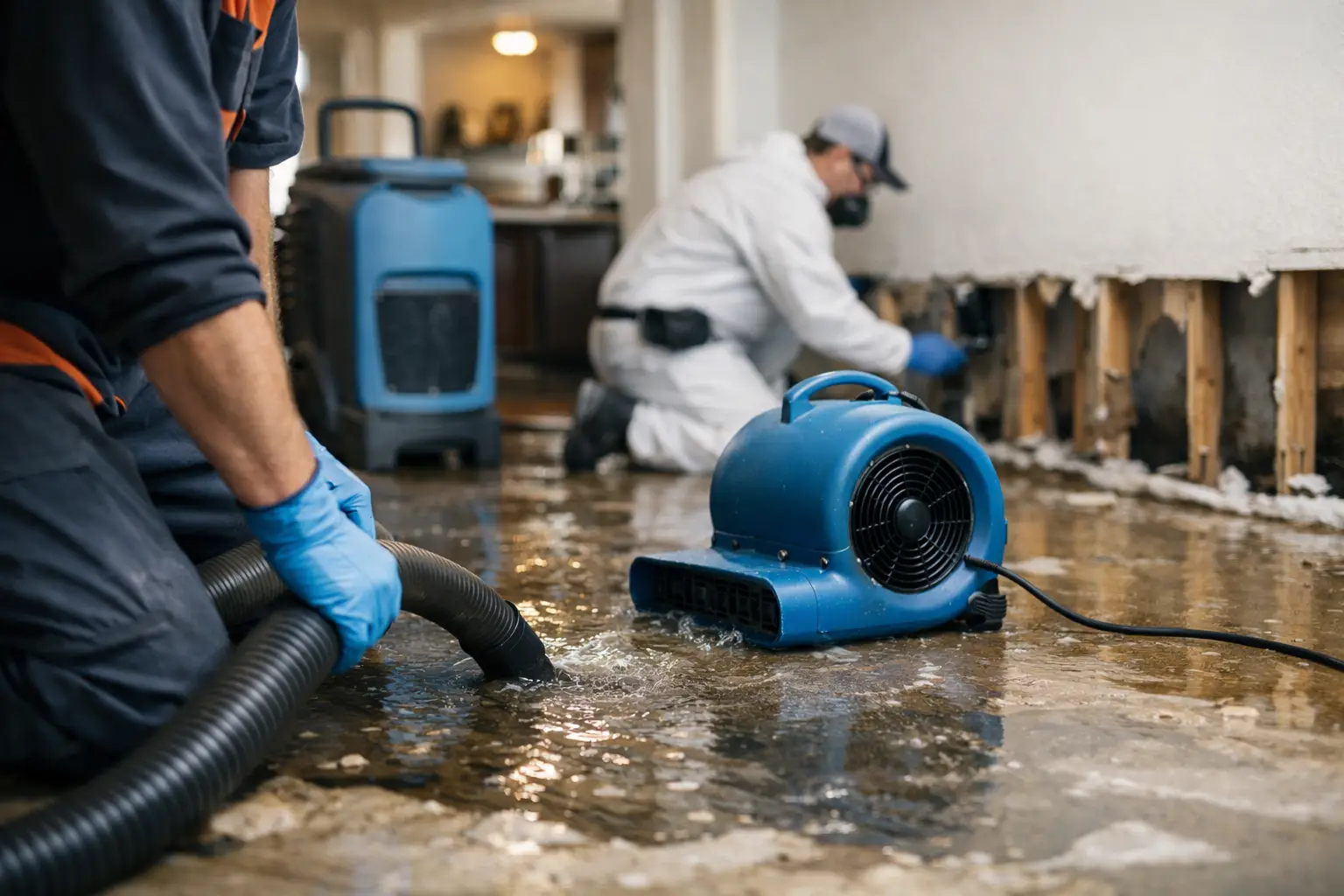 Water Damage
Extraction, structural drying, and moisture mapping after floods, leaks, and burst pipes.
Get help now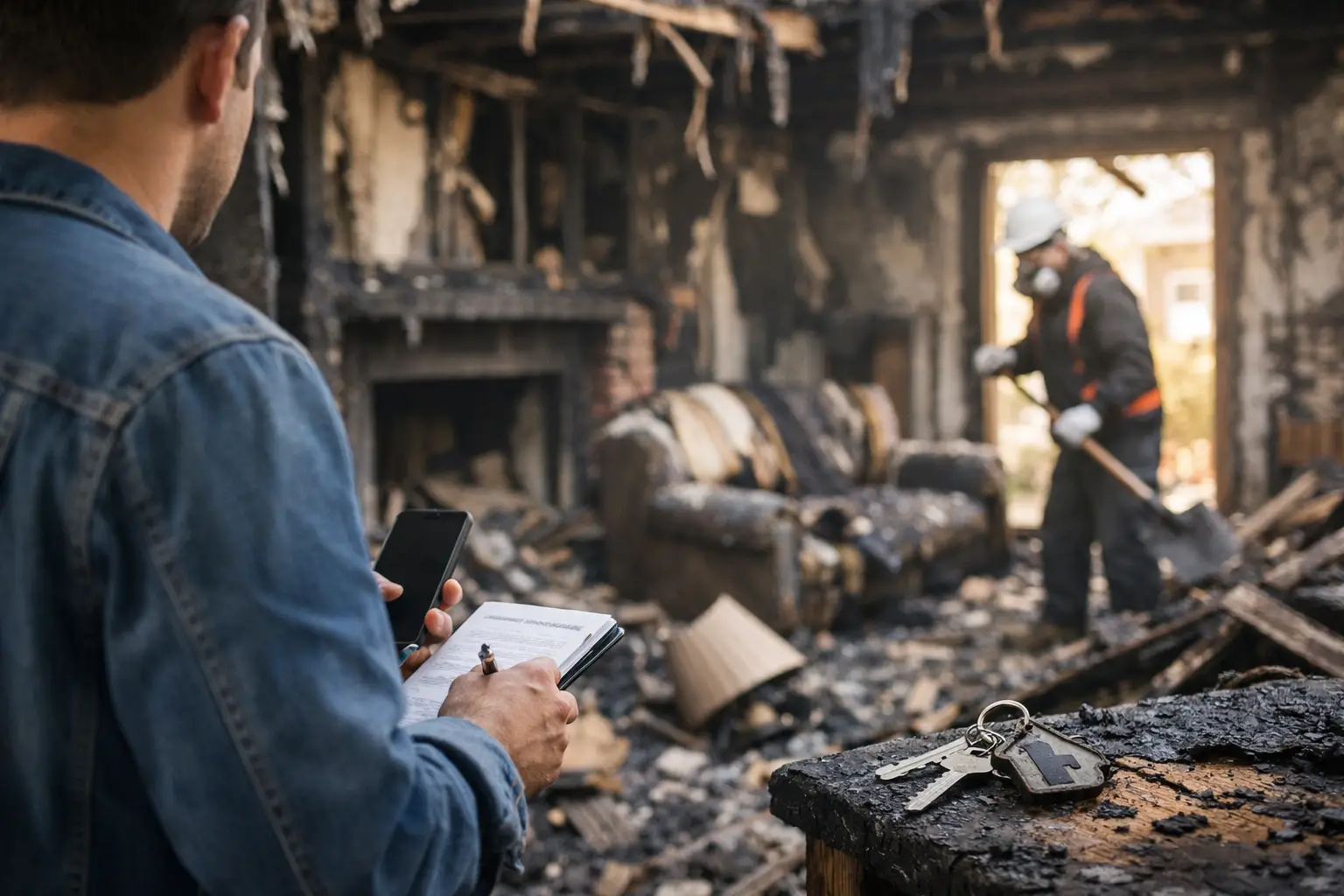 Fire & Smoke
Soot removal, odor deodorization, and content cleaning after fire and smoke damage.
Learn more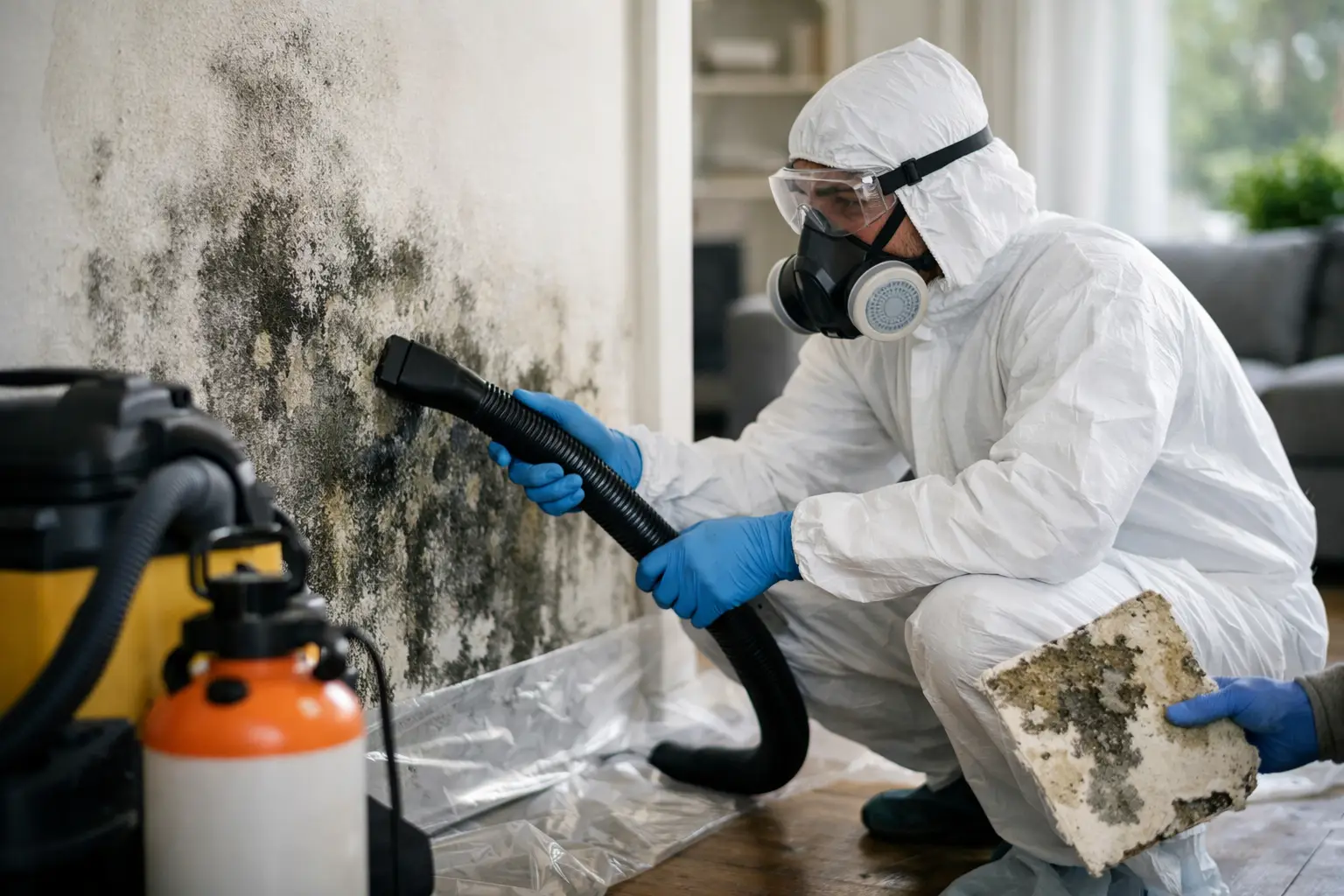 Mold
MoldContainment, removal, and moisture control that stops mold from coming back.
Learn more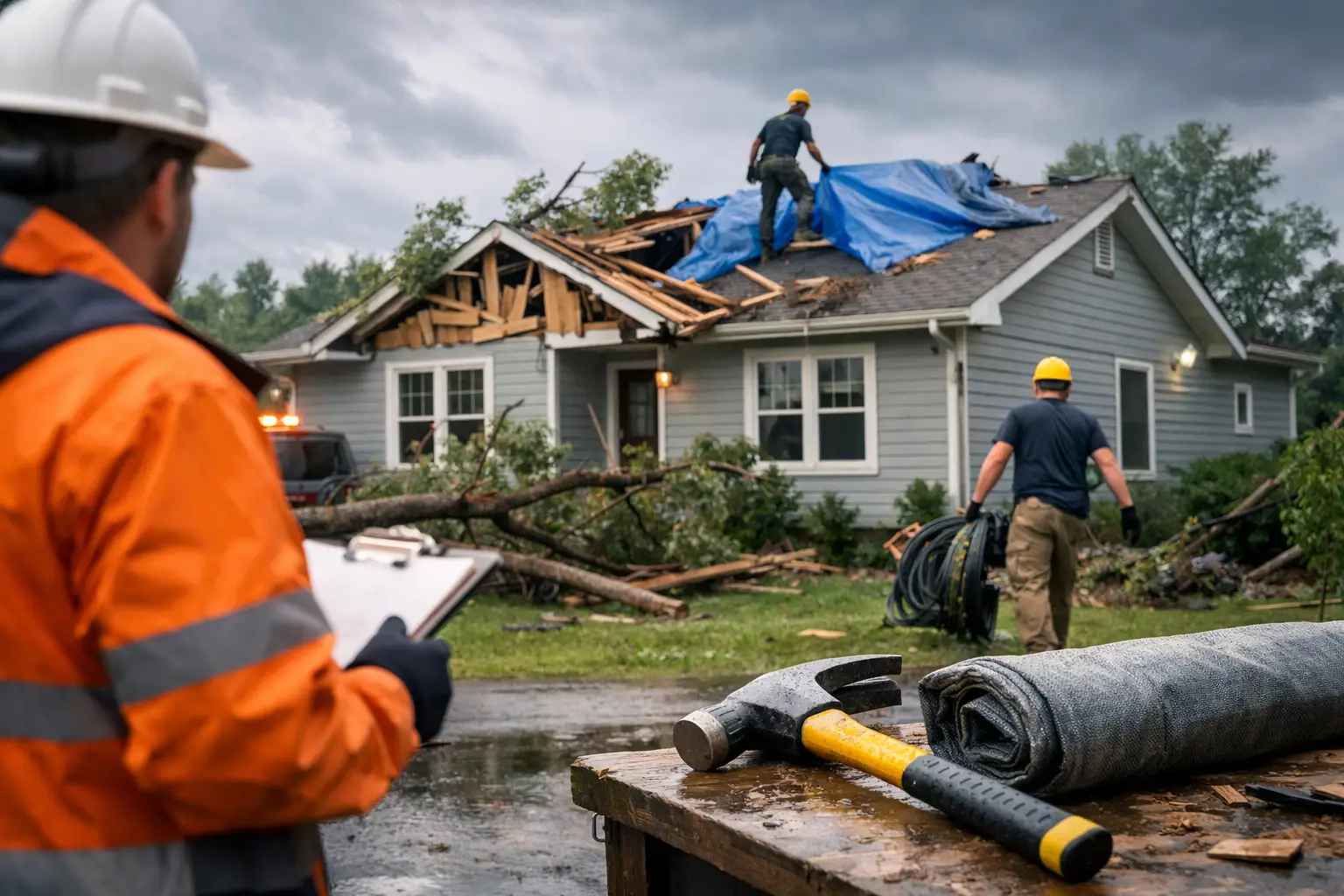 Storm
StormEmergency board-up, roof tarping, and full recovery after wind, hail, and storms.
Learn more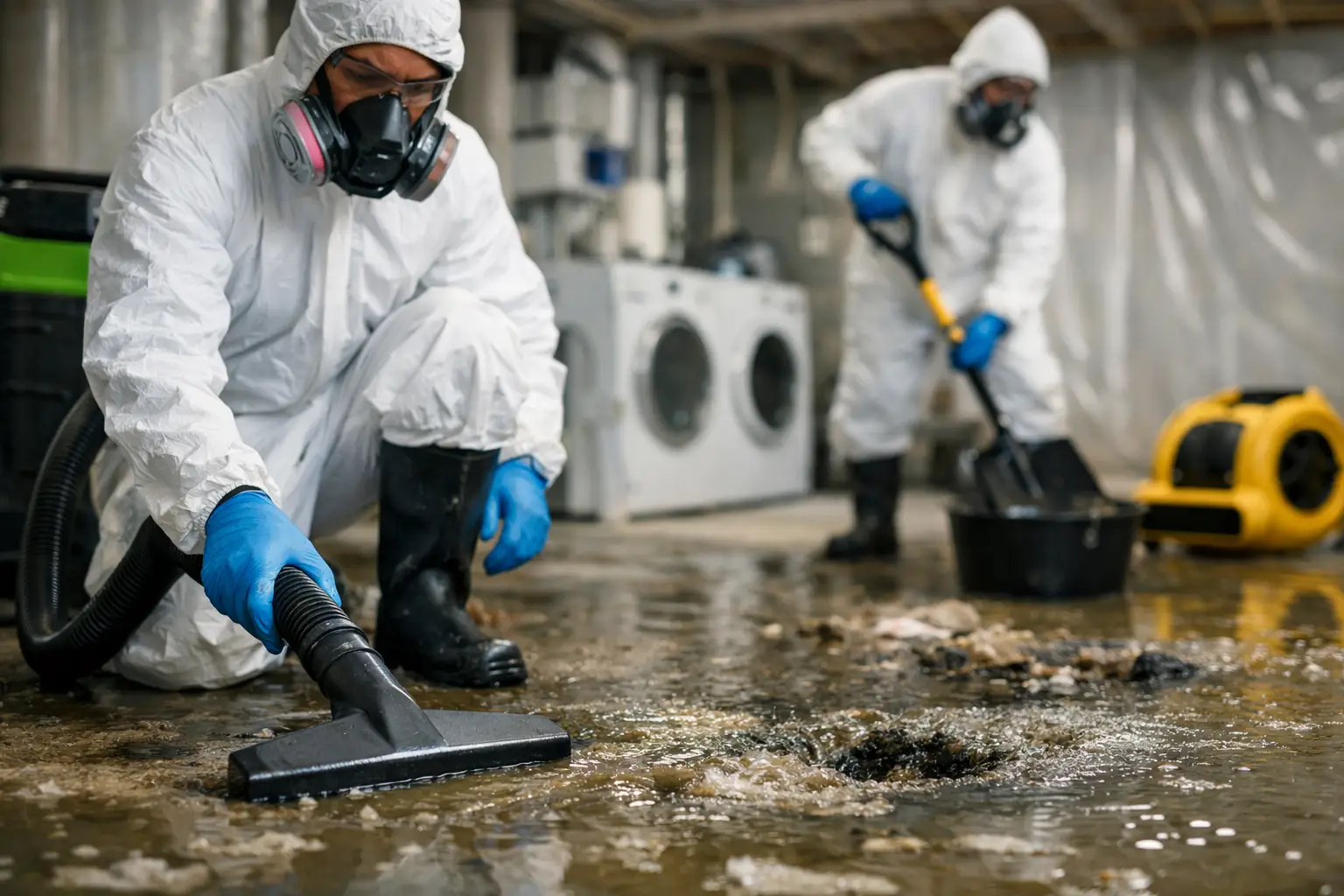 Sewage
Safe biohazard cleanup and sanitizing after sewage backups and overflows.
Learn more Reconstruction
Full rebuild by a licensed general contractor, so your property comes back whole.
Learn moreElevated Operations is an IICRC-certified, licensed general contractor based in Mableton that handles the entire recovery in-house, so after one loss you are never coordinating a cleanup crew, a mold crew, and a contractor separately. One team, one point of contact, from the first pump-out to the final coat of paint.
People call when the property feels like a disaster. They leave reviews because Chris and the crew made it right. These are real, verified Google reviews.
Shut off the water if it is safe, keep clear of wet electrical areas, and call for emergency help right away. In Jonesboro, I would rather get there fast and begin water extraction than have a leak sit long enough to spread into drywall, trim, and flooring. Quick action limits damage and makes insurance documentation cleaner.
Sometimes, yes. Heart-pine can be worth saving if the response is fast and the moisture has not damaged the subfloor or caused deep cupping. I look at exposure time, moisture readings, and the condition of the boards before I recommend floor drying or replacement. Old wood deserves an honest call, not wishful thinking.
I treat every loss by what actually got wet, not by a map label. If a Jonesboro home near the Flint River has intrusion from stormwater or runoff, I focus on water mitigation, sanitation if needed, and drying the structure completely. The source matters, but the materials decide the repair.
Yes, I offer direct insurance billing. That helps keep the claim moving while I handle the restoration work. I document the loss, explain the scope clearly, and keep the homeowner out of the middle as much as possible. That approach matters when the house needs both water damage cleanup and repair work.
Yes, I respond 24/7 with a 60-minute emergency response. Water does not wait for business hours, and neither do I. If a burst pipe, leak, or overflow hits a Jonesboro home after dark, I can start water extraction and stabilization before the damage spreads further.
Jonesboro has a mix of historic character, older wood details, and homes that can be sensitive to moisture. That changes the restoration approach. I pay close attention to hidden water, structural drying, and the condition of wood and drywall because one-size-fits-all work is not enough here.
It depends on the condition of the board and how long it stayed wet. If drywall is swollen, soft, or holding moisture in the cavity, I recommend drywall replacement. If it is still sound and dryable, I will dry it properly and keep what makes sense to keep.
I have been in restoration since 2007, I am IICRC-certified, and I am a licensed general contractor. My team is based in Mableton, serves Jonesboro and surrounding counties, and backs the work with a 12-month warranty. I also offer deductible assistance up to $1,000 when eligible.
Elevated Operations dispatches IICRC-certified crews across Metro Atlanta from our Mableton base, with a 60-minute emergency response day or night. Choose your city:
Call now for an immediate response, or request your free inspection and get a certified crew on-site within the hour across Atlanta and nearby areas.




