24/7 Emergency Restoration · Serving Metro AtlantaEmergency? (770) 404-6895
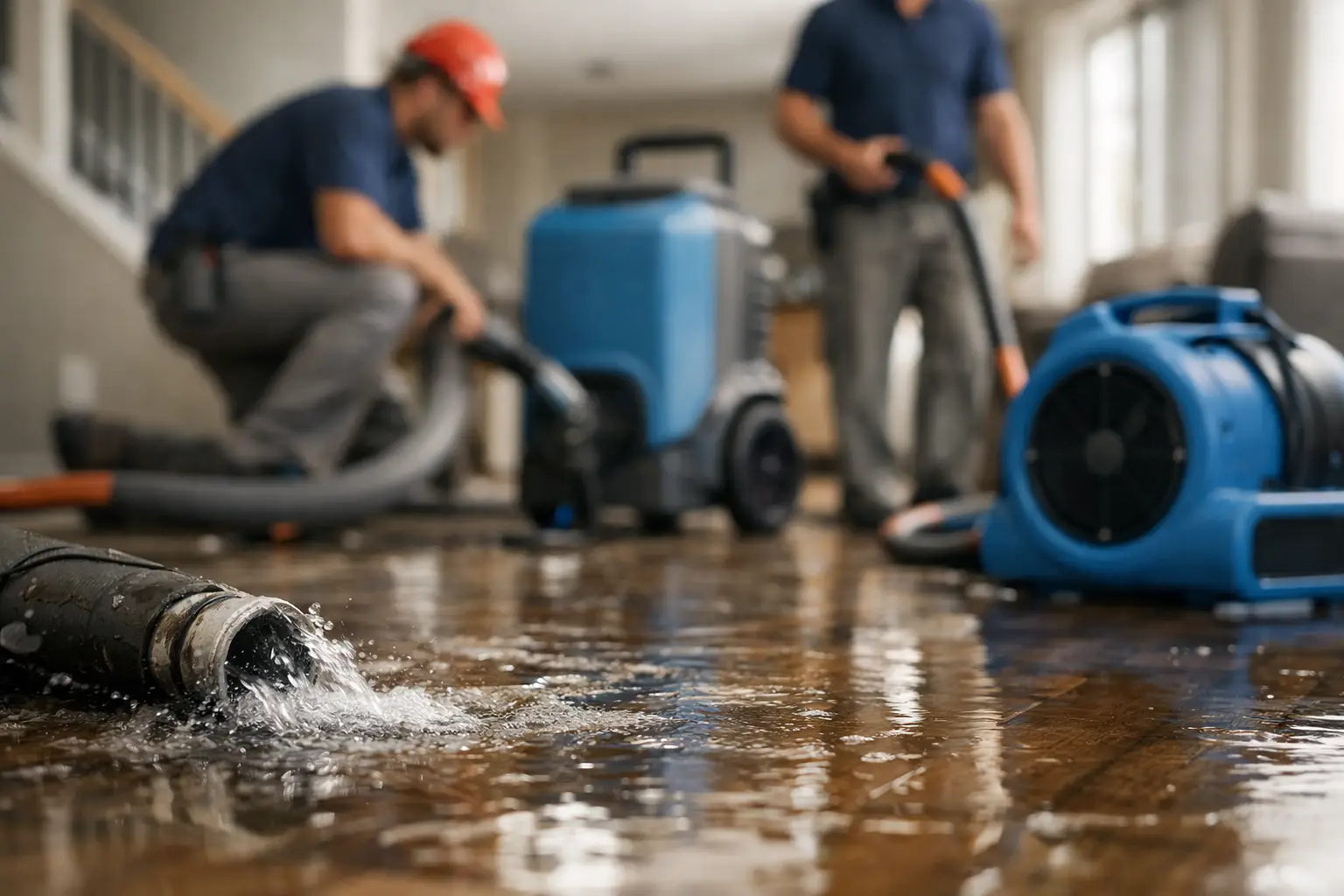
Water damage restoration Dallas starts with fast water extraction, then careful drying, then repair that holds up in a real Paulding County home. I’m Chris Kwangwari, and my crew at Elevated Operations handles wet floors, soaked drywall, and hidden moisture near Pumpkinvine Creek, with 24/7 emergency response and direct insurance billing.
IICRC-Certified · 5-Star Rated · 60-Minute Response · Insurance Billed Directly
Yes. Crawl spaces are common trouble spots here, especially after rain near Pumpkinvine Creek. I check them early because hidden moisture can keep a house wet long after the visible floor looks dry.
That usually means the water got underneath the surface. I assess whether floor drying can save it or whether the material has already failed and needs replacement.
Yes. I offer direct insurance billing, which keeps the claim moving and reduces back-and-forth for you.
Yes. I stand behind completed restoration work with a 12-month warranty.
After water damage in Dallas, shut off the source if you can, keep people out of wet rooms, and call me right away. I’ll tell you what to move, what to leave alone, and how to avoid making structural drying harder in a home with well water, septic, or creek runoff issues.
First, stop the water if it is safe. Then move dry items out of the affected rooms and keep your feet off saturated flooring. In Dallas homes near Pumpkinvine Creek, I have seen small leaks turn into bigger water cleanup problems when people keep walking through them.
Do not start tearing out drywall yourself unless the material is already falling apart. If water has reached baseboards, cabinet kick plates, or subfloor, I need to inspect the path of travel before I decide whether water mitigation, floor drying, or drywall replacement is the right move.
Call Elevated Operations at once. We are based in Mableton, we work Paulding County every week, and we know what septic backups, well pump issues, and heavy storm runoff can do to a house here. I send IICRC-certified technicians, and we start the dry-out plan fast.
Water damage restoration works in a sequence, find the source, remove standing water, dry the structure, then repair what will not recover. I use that order every time in Dallas because it prevents hidden mold risk, protects framing, and keeps water damage repair focused on what actually needs replacement.
I start with a full inspection, not guesswork. That means looking at floors, walls, trim, insulation, and the areas below the visible damage. In Dallas, I also pay attention to crawl spaces, septic-adjacent plumbing issues, and low spots where Pumpkinvine Creek storms can push moisture into a property.
Next comes water extraction. If there is standing water, I remove it quickly, then place drying equipment for dehumidification and structural drying. That is how I keep the moisture from migrating farther into subfloors, framing, and drywall cavities.
After the structure is dry, I handle the repair side, which may include drywall replacement, trim work, or other water damage repair tied to the loss. I am a licensed general contractor, so I can coordinate that work without handing you off to a separate problem.
Water damage restoration takes as long as the material needs to dry and the repairs need to be completed. Minor water cleanup can move quickly, but structural drying, floor drying, and wall repair take time because I will not close a job until the moisture readings make sense.
The timeline depends on what got wet, how long it sat, and whether the damage reached hidden layers. A small supply line leak in a Dallas ranch home is a different job than storm water pushing in near a basement or crawl space off Pumpkinvine Creek.
Drying is measured, not rushed. My crew uses drying equipment and checks the structure until the readings come down. If drywall, flooring, or insulation was too damaged to save, I replace it after the wet materials are fully removed and the area is stable.
I also build in the insurance side early. Direct insurance billing helps keep the file moving, and my deductible assistance up to $1,000 can help with the front end of the process. That said, I will never promise a finish date before I see the job.
Yes, sometimes they can be saved, and sometimes they cannot. I decide that after inspection, moisture mapping, and drying checks, because a wall or floor that looks bad may still recover, while another one may be hiding damage that makes replacement the safer call.
Drywall can often be saved if water did not wick too high and the material did not break down. But if it stayed wet too long, I will recommend drywall replacement instead of trying to salvage a wall that will fail later.
With flooring, the material matters. Some surfaces respond well to floor drying and dehumidification, while others buckle, swell, or separate once water gets underneath. In Dallas homes, I see this a lot in rooms where slab edges, crawl space moisture, or plumbing leaks go unnoticed.
I give straight answers. If a section can be saved, I say so. If it needs to come out, I say that too. That approach saves time, lowers the chance of secondary damage, and keeps the restoration focused on the structure, not on cosmetic patchwork.
During water extraction and drying, my crew removes standing water, sets equipment, and tracks moisture until the structure is dry enough to repair. I do not guess at it. I measure it, because wet framing, trapped humidity, and hidden pockets near crawl spaces can cause real trouble later.
The first job is water extraction. If water is on the floor, I get it out fast so it does not keep moving into baseboards, carpet pads, or subfloors. That is the part of the job people notice first, and it matters more than most homeowners realize.
Then I place air movers and dehumidification equipment to pull moisture out of the structure. In Dallas, that step matters when storm humidity hangs around, and it matters even more near properties with well water or septic issues where moisture may linger in hard-to-see places.
Finally, I monitor the drying phase and adjust if needed. If a wall cavity, flooring layer, or crawl space section still shows moisture, I keep the equipment on it. That is how I avoid shortcuts and finish with a structure that is actually ready for repair.
Dallas needs special attention because homes here may deal with well water, septic systems, older construction, and runoff patterns near Pumpkinvine Creek. I look at those factors up front, because they change how water moves, how long it sits, and what kind of drying strategy will work.
I have seen Dallas properties where a small leak turned into a bigger mess because the home sat on a low area or the crawl space held moisture. That is why I inspect the structure, not just the surface. Water follows the building, not the homeowner’s assumptions.
Well-water and septic properties can also complicate cleanup. A pump issue, a drain line problem, or a backup near the line can change what has to be removed, disinfected, or dried. I plan water mitigation around the house you actually have, not some generic template.
Pumpkinvine Creek is part of the local reality here. Heavy rain can push moisture where it does not belong, especially around older foundations, yards with poor drainage, or homes that already have humidity issues. I treat that as part of the job, because it is part of the location.
You call me any time, day or night. I answer with a plan, ask about the source, and get 24/7 emergency response moving for Dallas homes, including those near Pumpkinvine Creek or on well and septic systems.
My IICRC-certified technicians inspect visible damage and hidden moisture, then identify the right mix of water extraction, water mitigation, and structural drying before anything gets torn out.
We remove standing water fast so it stops spreading into flooring, drywall, cabinets, and subfloors. This is the part that sets the rest of the job up correctly.
We place equipment for dehumidification, floor drying, and structural drying, then monitor the structure until the moisture readings come down to a level that makes repair work possible.
I decide what can stay and what needs water damage repair. If drywall replacement, trim repair, or other reconstruction is needed, I handle it as a licensed general contractor.
We review the completed work, back it with a 12-month warranty, and finish the insurance side with direct billing. If deductible help applies, I explain that clearly before we close out.
From emergency mitigation to full reconstruction, handled in-house so you are never managing a chain of subcontractors mid-crisis.
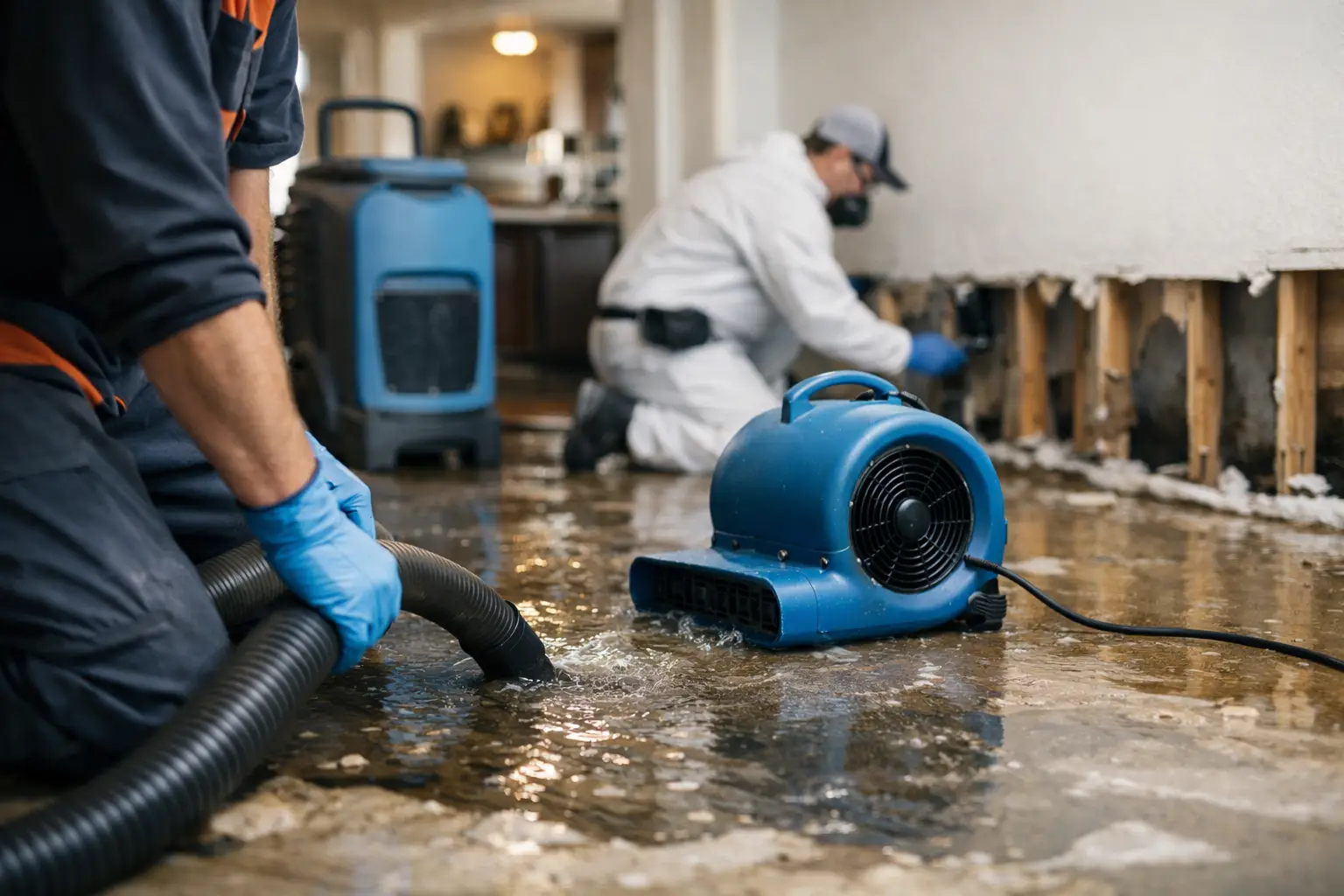 Water Damage
Extraction, structural drying, and moisture mapping after floods, leaks, and burst pipes.
Get help now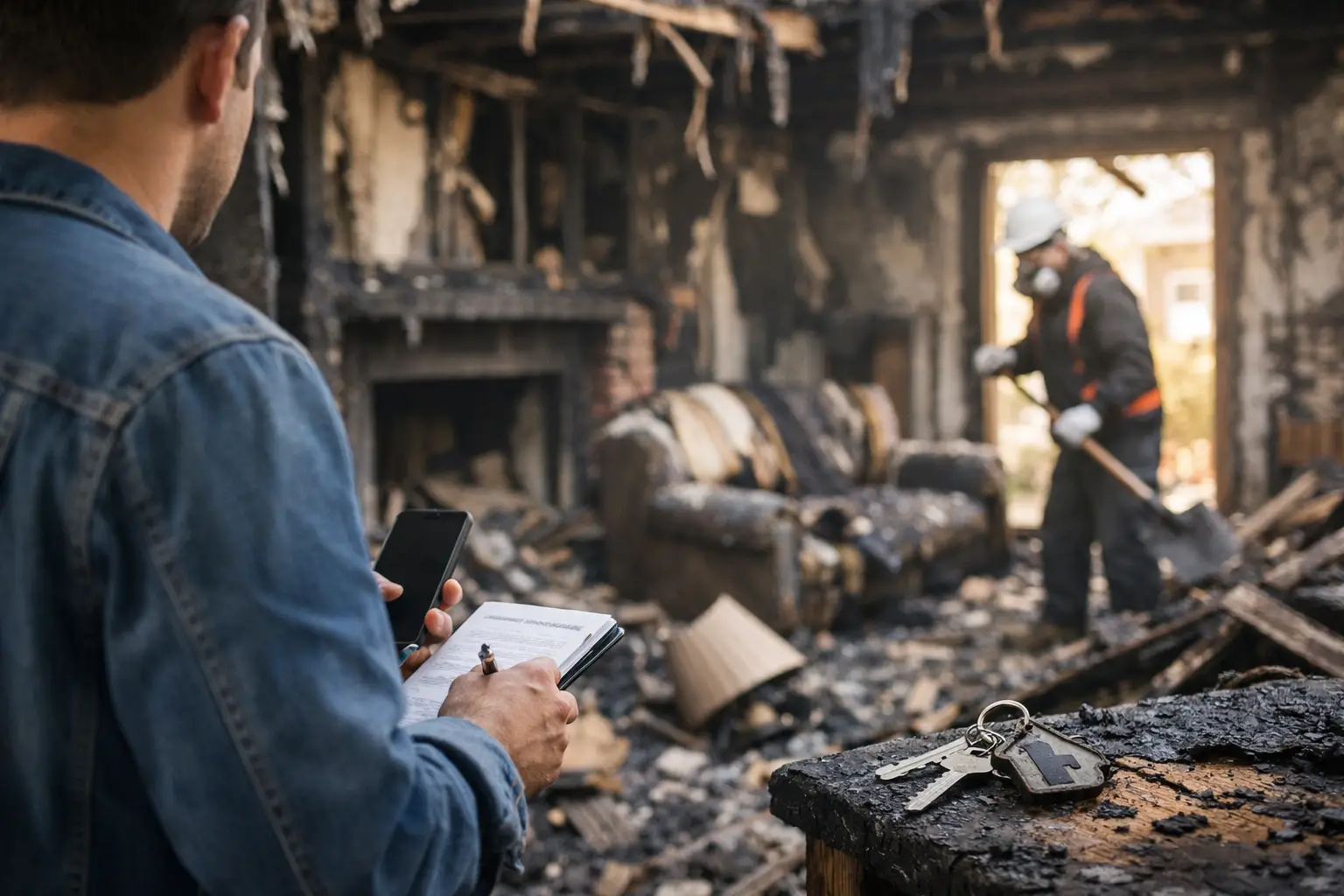 Fire & Smoke
Soot removal, odor deodorization, and content cleaning after fire and smoke damage.
Learn more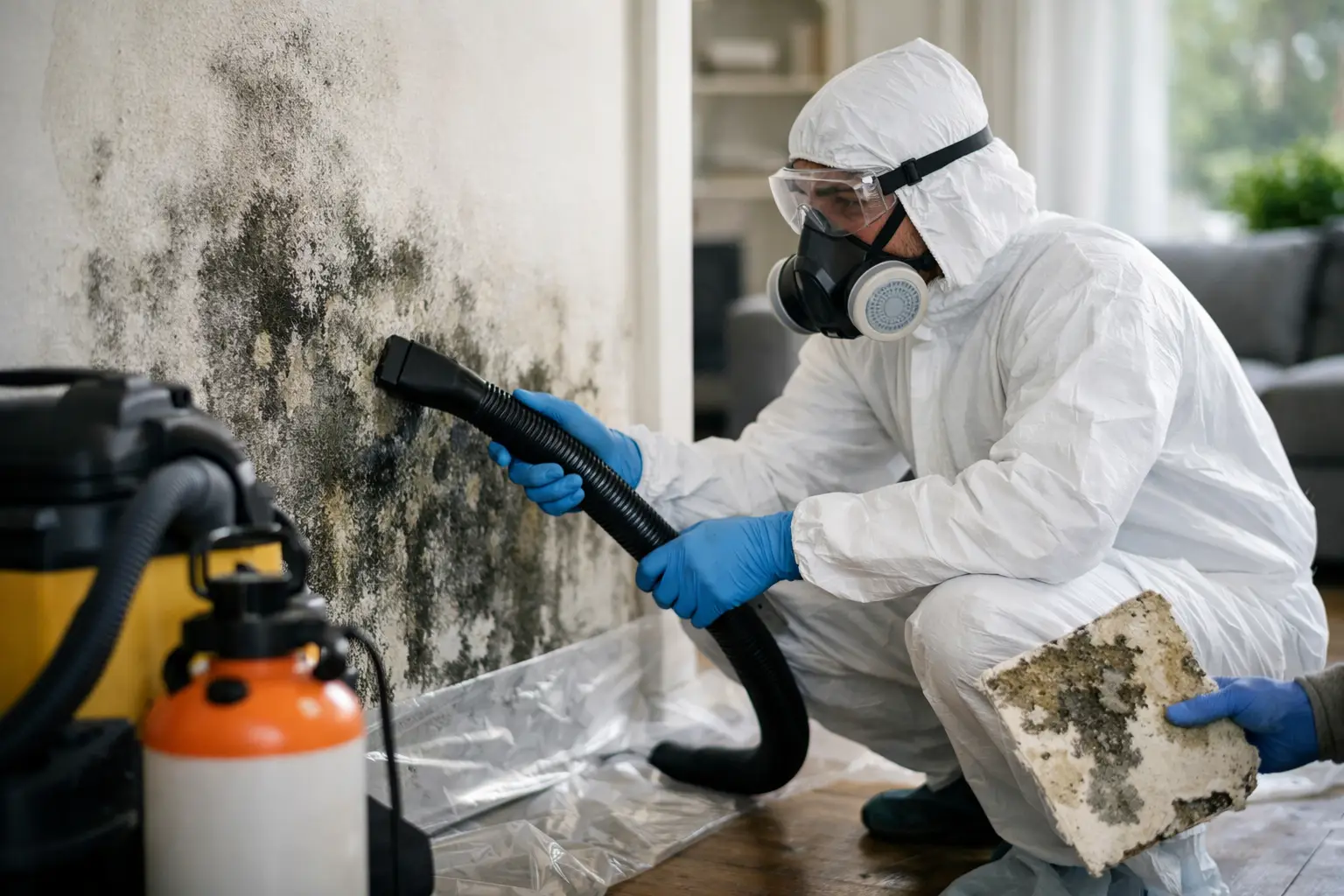 Mold
MoldContainment, removal, and moisture control that stops mold from coming back.
Learn more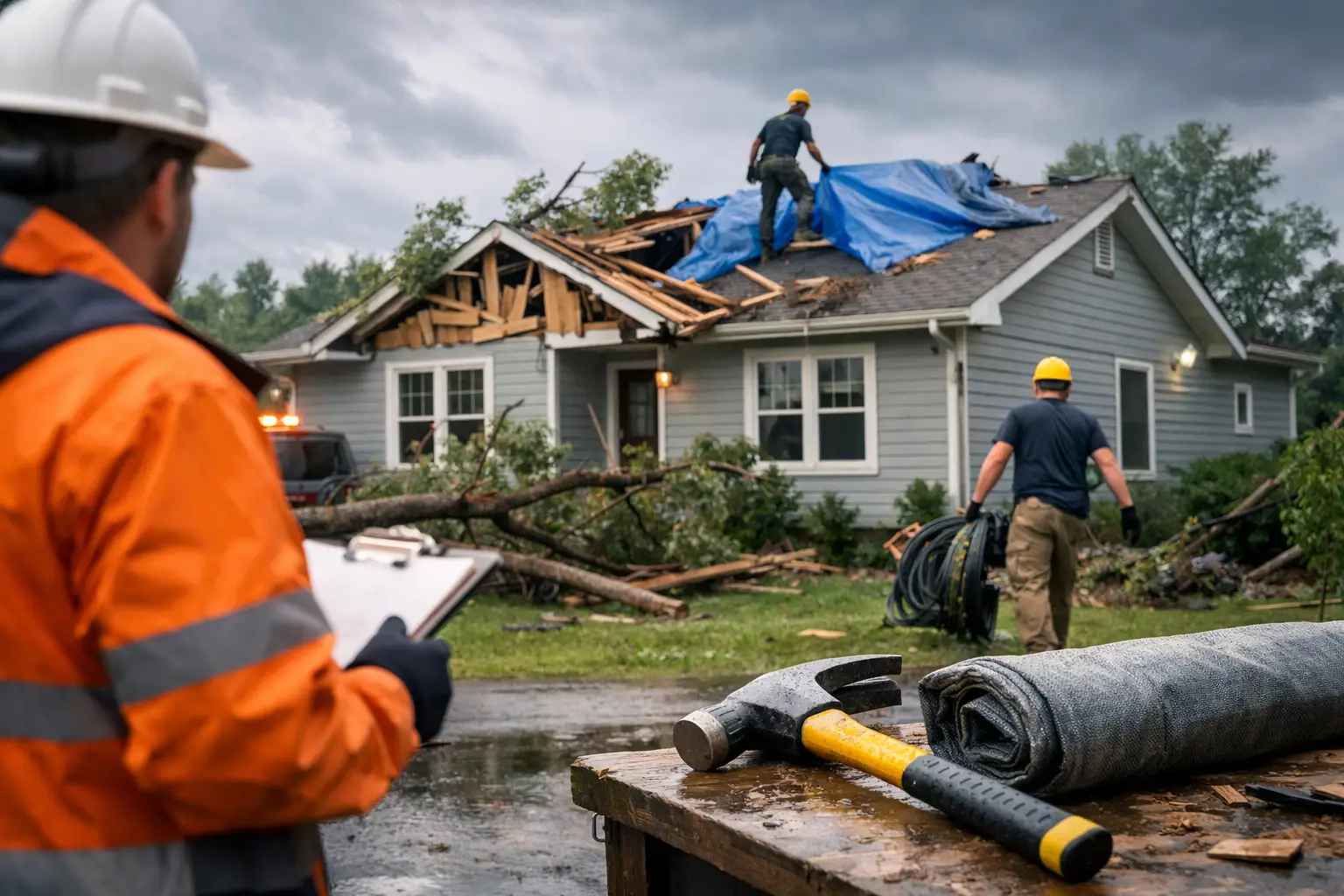 Storm
StormEmergency board-up, roof tarping, and full recovery after wind, hail, and storms.
Learn more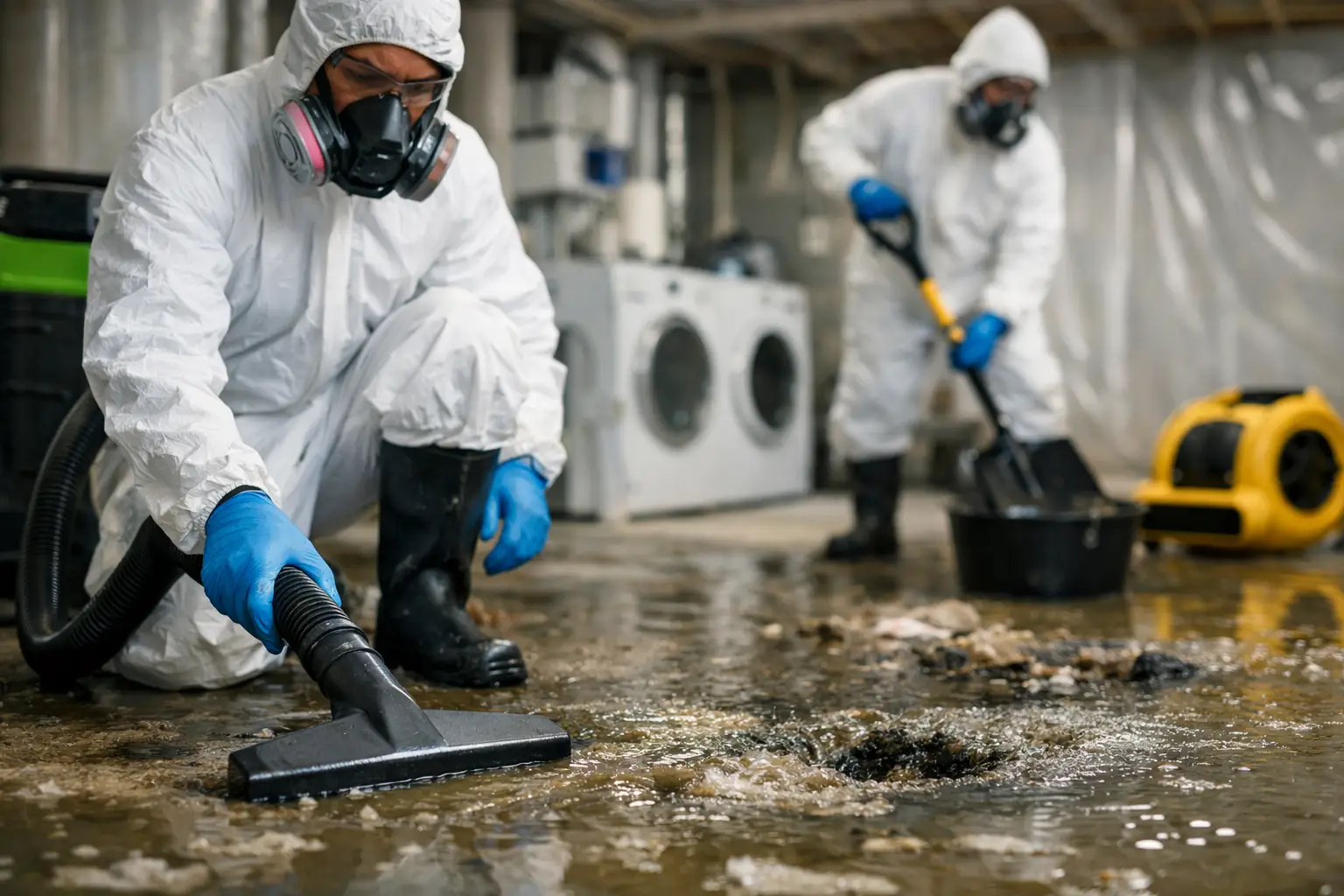 Sewage
Safe biohazard cleanup and sanitizing after sewage backups and overflows.
Learn more Reconstruction
Full rebuild by a licensed general contractor, so your property comes back whole.
Learn moreElevated Operations is an IICRC-certified, licensed general contractor based in Mableton that handles the entire recovery in-house, so after one loss you are never coordinating a cleanup crew, a mold crew, and a contractor separately. One team, one point of contact, from the first pump-out to the final coat of paint.
People call when the property feels like a disaster. They leave reviews because Chris and the crew made it right. These are real, verified Google reviews.
If water reached drywall, subfloor, insulation, or a crawl space, you need more than basic cleanup. Dallas homes near Pumpkinvine Creek and homes on wells or septic can trap moisture in places you cannot see. I inspect the structure, measure hidden wet areas, and decide whether water cleanup is enough or whether full restoration is the safer call.
Yes. I handle plumbing-leak losses in Dallas homes on well water all the time. The water source matters because it changes the inspection and drying plan. I look at how far the leak traveled, whether the flooring swelled, and whether wall cavities need drying before any water damage repair starts.
Then I treat it as a water mitigation job first. Storm water can move under flooring, behind baseboards, and into crawl spaces faster than people expect. I remove standing water, start structural drying, and check the lower parts of the house carefully because creek-related runoff can leave lingering moisture.
Yes, I do. Septic-related losses need careful handling because the cleanup, drying, and repair plan can be different from a clean water leak. I inspect the affected rooms, separate salvageable material from damaged material, and make sure the drying process is complete before any rebuild work begins.
I decide based on how long the drywall was wet, how high the water traveled, and whether the material broke down or started to separate. Some walls can be saved with fast dehumidification and drying. Others need drywall replacement because a patch will not fix the hidden damage behind the surface.
Yes. I use direct insurance billing so the claim process does not sit on your desk. I document the loss, communicate the repair scope, and keep the file moving. That matters in Dallas because water damage repair often involves several steps, not just one quick fix.
I do not just dry the visible wet spot and leave. I inspect for hidden moisture, use proper water extraction and structural drying, and handle the repair work as a licensed general contractor. That is a different standard from a handyman patch, and it matters in homes with crawl spaces, wells, or septic systems.
You can reach me 24/7 at (770) 404-6895. Elevated Operations is based in Mableton, and we respond to Dallas losses with the urgency they need. I keep the process direct, from emergency call to dry-out to repair, because delays make water problems more expensive.
Elevated Operations dispatches IICRC-certified crews across Metro Atlanta from our Mableton base, with a 60-minute emergency response day or night. Choose your city:
Call now for an immediate response, or request your free inspection and get a certified crew on-site within the hour across Atlanta and nearby areas.