24/7 Emergency Restoration · Serving Metro AtlantaEmergency? (770) 404-6895
Water damage restoration Forest Park is a race against soaked materials, warped framing, and hidden moisture, especially in airport and industrial properties near Fort Gillem and the post-war housing stock around the city. I compare repair versus replacement, DIY versus a pro, and water damage versus mold so you can make the right call fast.
IICRC-Certified · 5-Star Rated · 60-Minute Response · Insurance Billed Directly
Because moisture follows gravity, openings, and time. In older homes and commercial spaces, it gets under finishes fast.
I check the source, the spread, and what materials are wet. Then I decide whether repair or replacement makes sense.
Fans alone miss hidden moisture. I use extraction and dehumidification so the structure actually dries.
As soon as water reaches walls, floors, or cabinets, or if you smell dampness after a leak. That is when hidden damage starts.
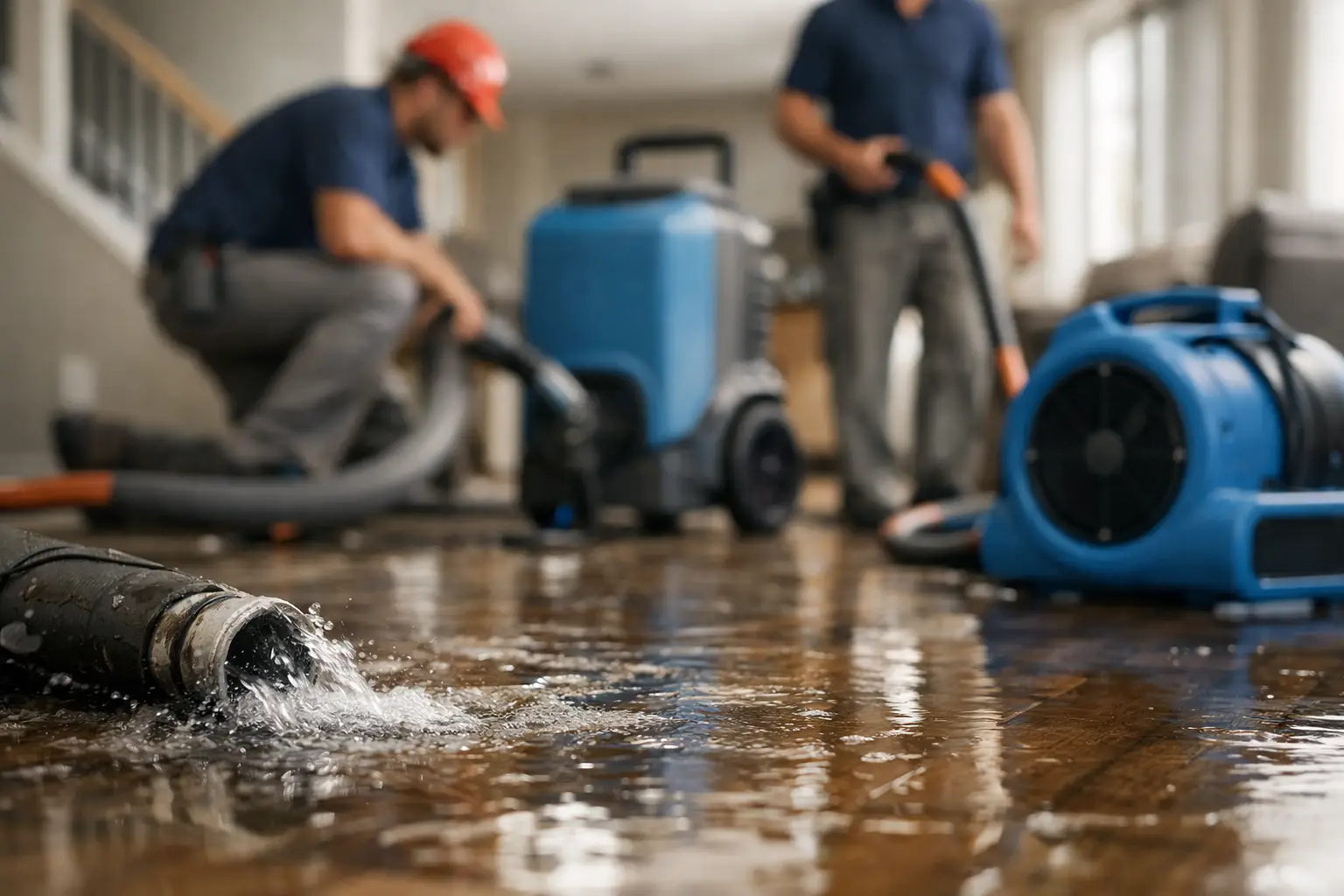
Water damage restoration in Forest Park starts with water extraction, then dehumidification, structural drying, and water cleanup. I look at what can be saved, what must be removed, and whether the source is still active, because airport-adjacent buildings, older homes, and industrial spaces fail differently.
I start by stopping the loss and checking where water moved. In Forest Park, that means looking at slab homes, post-war framing, and commercial spaces tied to the airport and Fort Gillem corridor. Water does not stay polite. It runs under baseboards, into wall cavities, and across subfloors.
Then I move to water mitigation. That means extracting standing water, setting dehumidification, and beginning floor drying before the moisture spreads deeper. IICRC-certified technicians handle the process, and I back the work with a 12-month warranty. Straight answer, no guessing.
If drywall is swollen, insulation is wet, or the structure has held moisture too long, water damage repair may include targeted removal and drywall replacement. I am a licensed general contractor, so I can tell you when repair makes sense and when replacement is the safer call.
Repair is the right move when materials are still structurally sound, dryable, and not contaminated. Replacement wins when drywall is crumbly, flooring has cupped badly, or moisture sat long enough to weaken the assembly, which is common in older Forest Park buildings with mixed construction.
A good comparison starts with the material itself. In many Forest Park homes, especially post-war houses, you can save framing, trim, and some finishes if water extraction and structural drying happen quickly. That is a repair scenario, not a demolition job, and it keeps the project tighter.
Replacement makes sense when the material has already lost integrity. I see that with swollen drywall, ruined underlayment, and flooring that will not flatten after floor drying. Near industrial sites and airport traffic, airborne dirt can also complicate cleanup if water sits too long.
My rule is simple: save what is sound, remove what is compromised. I do not push full replacement when water damage repair will hold. But I will not gamble on materials that have soaked up water, especially where hidden moisture could turn into mold later.
A DIY cleanup is only reasonable for a very small spill with no wall, ceiling, or floor penetration. For most Forest Park water losses, a pro is the better choice because hidden water, drying gaps, and electrical risks turn a simple mess into a structural problem.
People see a wet room and think towels and fans are enough. Sometimes that works for a minor overflow. But when water gets under flooring, into drywall, or beneath cabinets, DIY misses the moisture that causes later damage. That is where professional water cleanup matters.
I bring the equipment and the judgment. Water extraction, dehumidification, and structural drying are not cosmetic steps. They are the difference between a room that dries out and a room that starts smelling musty a week later. Airport heat, industrial dust, and older framing make the job trickier.
I also handle direct insurance billing and deductible assistance up to $1,000, which matters when the claim process is already stressful. If the water touched electrical, structural, or concealed materials, call a pro. That is the cleaner comparison, and usually the cheaper one long term.
After water damage, shut off the source if you can do it safely, avoid wet electrical areas, and call for emergency help right away. In Forest Park, fast action matters because post-war homes and commercial spaces near Fort Gillem can hide water in walls, floors, and crawl spaces.
First, stop the source if it is safe. Second, keep people out of saturated rooms. Third, document the damage for insurance before anything moves if you can do that safely. Then call me. I offer 24/7 emergency response in 60 minutes for active losses.
Do not start ripping out materials unless you know what is wet and why. Wet drywall can look fine on the surface and still trap moisture behind it. That is why water mitigation needs a method, not just urgency. The wrong first move can spread the problem.
Forest Park properties near the airport and industrial routes often mix older finishes with utility upgrades. That mix hides problems. A quick call gets the drying process moving, which protects what can still be saved and keeps mold from gaining ground.
The timeline depends on how far water spread, what materials absorbed it, and how fast drying starts. Small incidents may resolve faster, while more serious losses need longer structural drying. The real difference in Forest Park is whether moisture hit drywall, framing, or flooring assemblies.
I do not guess timelines from the driveway. I inspect the affected materials and measure the drying plan from the actual loss. A room with clean water on a hard surface is a different job from a wall cavity or subfloor affected by hidden moisture.
If floor drying starts quickly, the project can stay focused on extraction and dehumidification. If the water had time to travel, then water damage repair may expand to drywall replacement or removal of ruined trim. That is common in older homes and mixed-use spaces around Forest Park.
What slows the work is not the clock, it is the material. Dense assemblies, layered flooring, and concealed cavities take time to dry correctly. Mold starts in 24 to 48 hours, so speed matters, but so does getting the structure truly dry before rebuild begins.
No, water damage is the event and mold is a possible result. Water damage restoration handles the wet structure first, while mold becomes the concern when moisture lingers. In Forest Park, the comparison matters because older housing and industrial spaces can trap moisture out of sight.
Water damage is immediate: leaks, overflows, burst lines, appliance failures, storm intrusion. Mold comes later if the moisture is not removed. That is why water extraction and dehumidification come first. They cut off the conditions that let mold take hold.
In post-war Forest Park homes, wall cavities and flooring assemblies can hold dampness longer than people expect. Near airport and industrial properties, dust and airflow patterns can complicate drying too. If the structure stayed wet, I start thinking about contamination and material removal, not just cleanup.
My verdict is simple: treat water damage fast so mold never gets a foothold. If mold is already visible or the materials sat wet too long, the response changes. Then the job is no longer just restoration, it is source control, removal, and careful rebuild.
| Typical Trigger | Water Damage Restoration | Mold Remediation |
|---|---|---|
| Water hits a post-war hallway in Forest Park | Drywall and trim may be saved if water extraction starts fast and the studs stay sound | If the wall sat wet, I expect hidden growth behind the paint and may recommend removal |
| A break in an industrial suite near the airport corridor | Structural drying and dehumidification can protect concrete-adjacent finishes and equipment areas | Dust, airflow, and delay can turn a simple loss into a contamination problem that spreads |
| Wet flooring in a Forest Park ranch or slab home | Floor drying may save some assemblies if the subfloor and underlayment respond well | If padding and backing stayed damp, I treat it as a removal and replacement issue |
From emergency mitigation to full reconstruction, handled in-house so you are never managing a chain of subcontractors mid-crisis.
 Water Damage
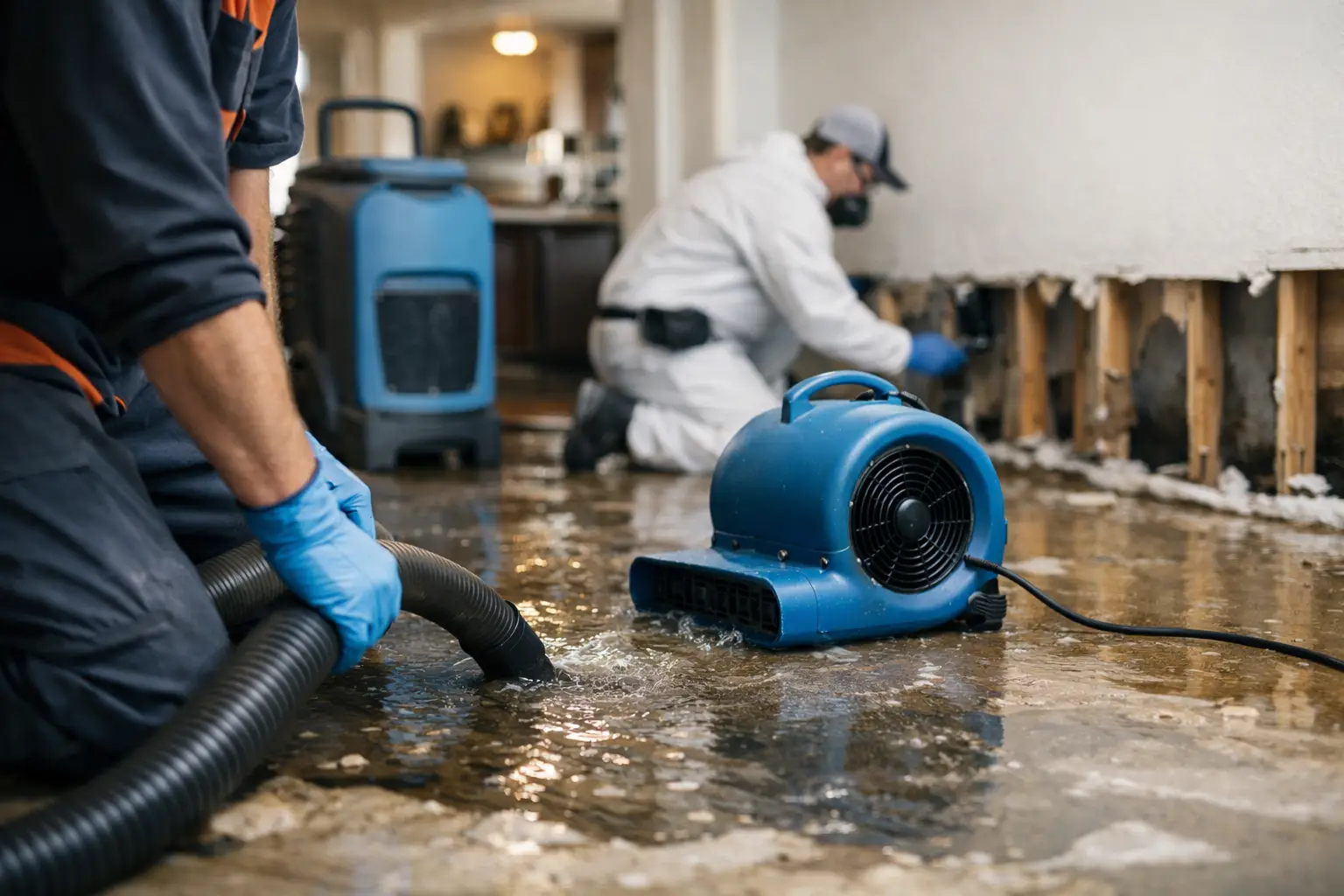
Extraction, structural drying, and moisture mapping after floods, leaks, and burst pipes.
Get help now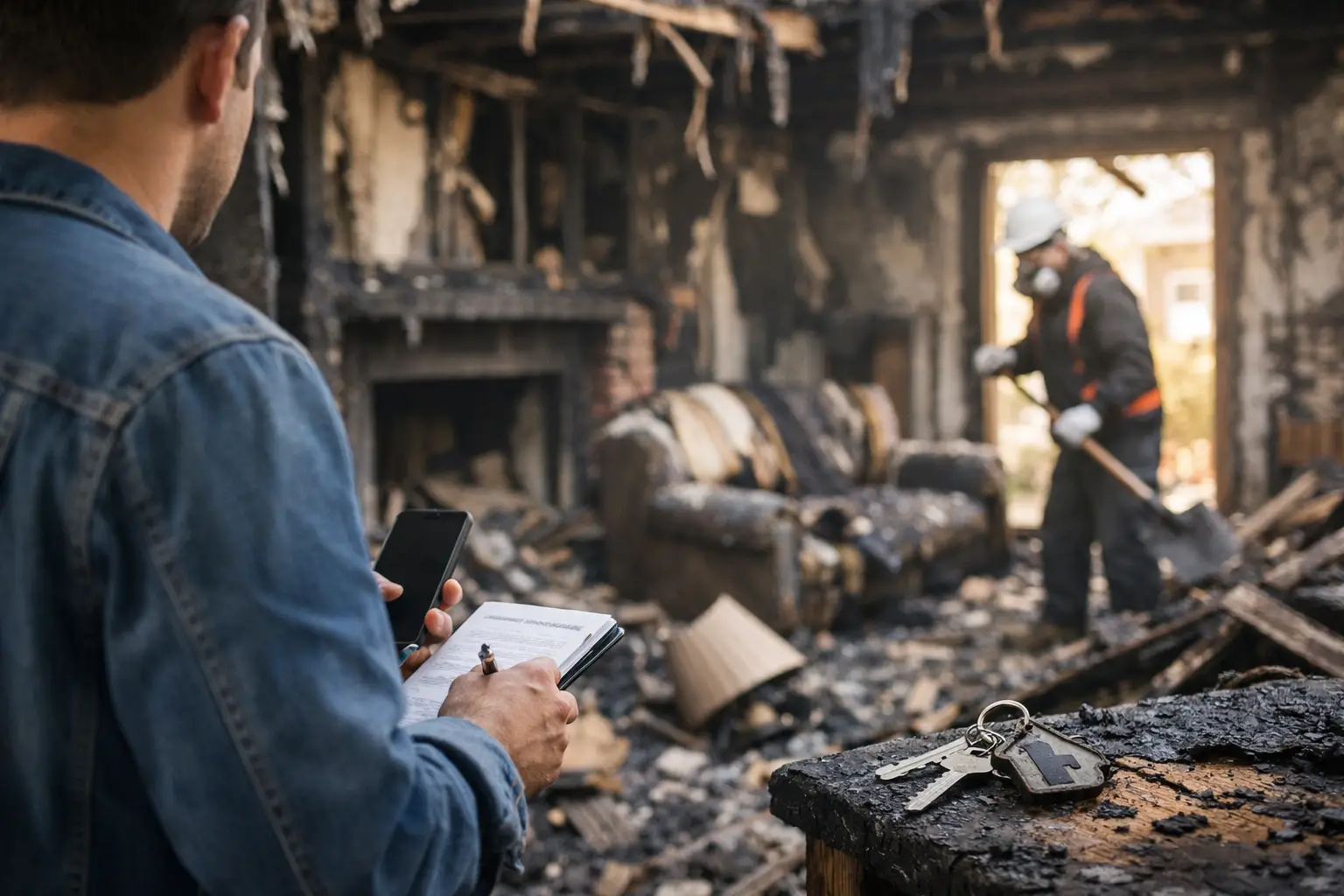 Fire & Smoke
Soot removal, odor deodorization, and content cleaning after fire and smoke damage.
Learn more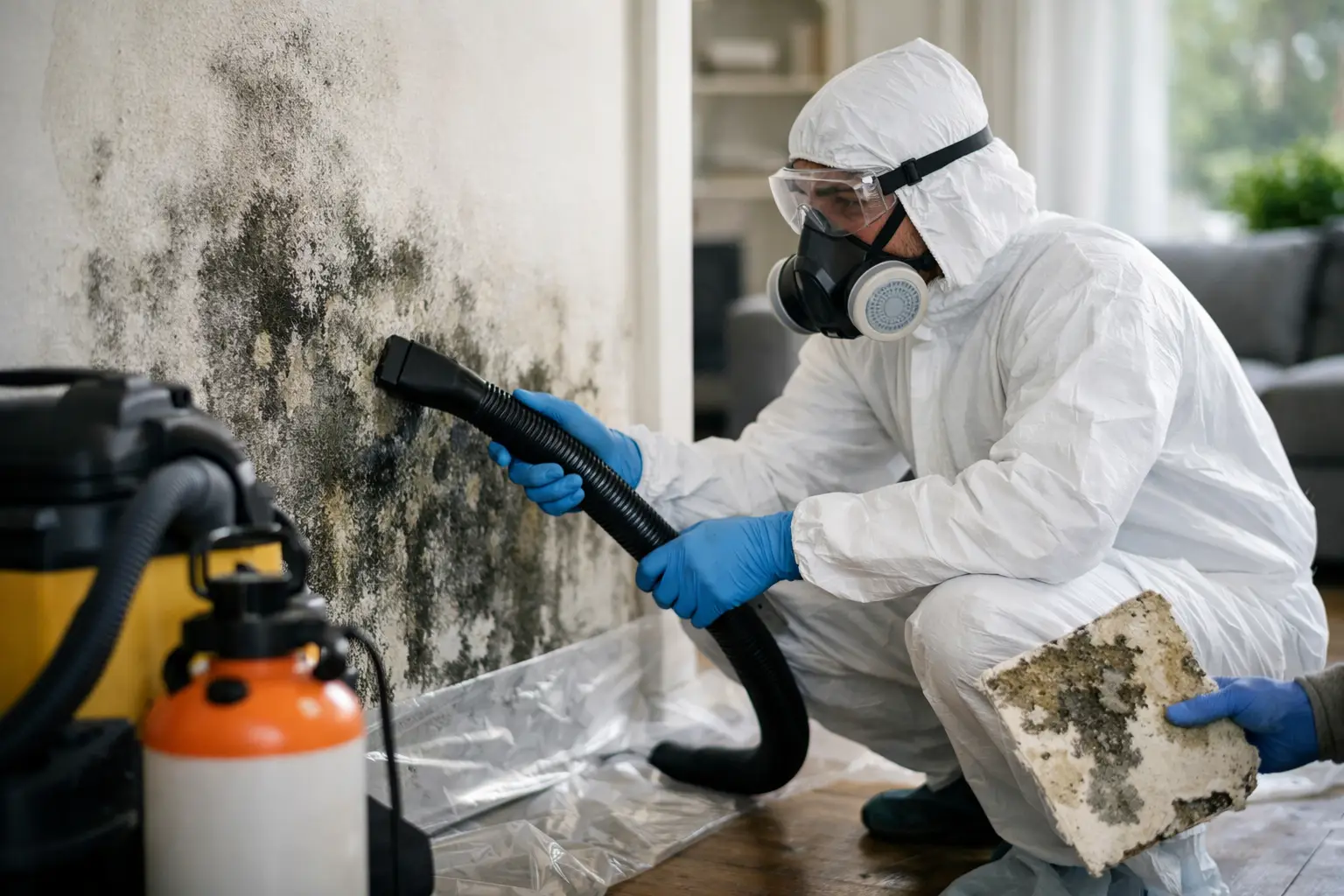 Mold
MoldContainment, removal, and moisture control that stops mold from coming back.
Learn more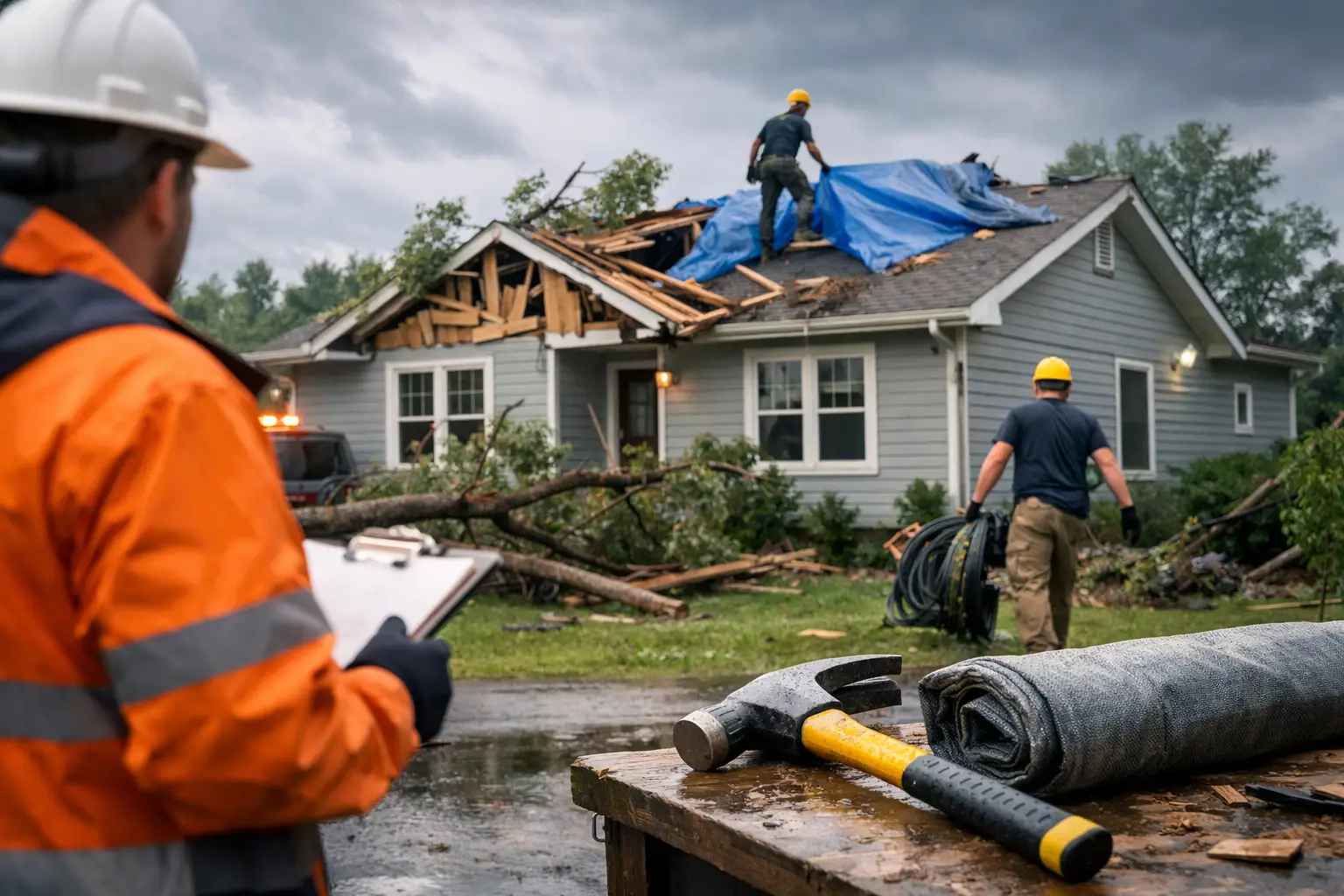 Storm
StormEmergency board-up, roof tarping, and full recovery after wind, hail, and storms.
Learn more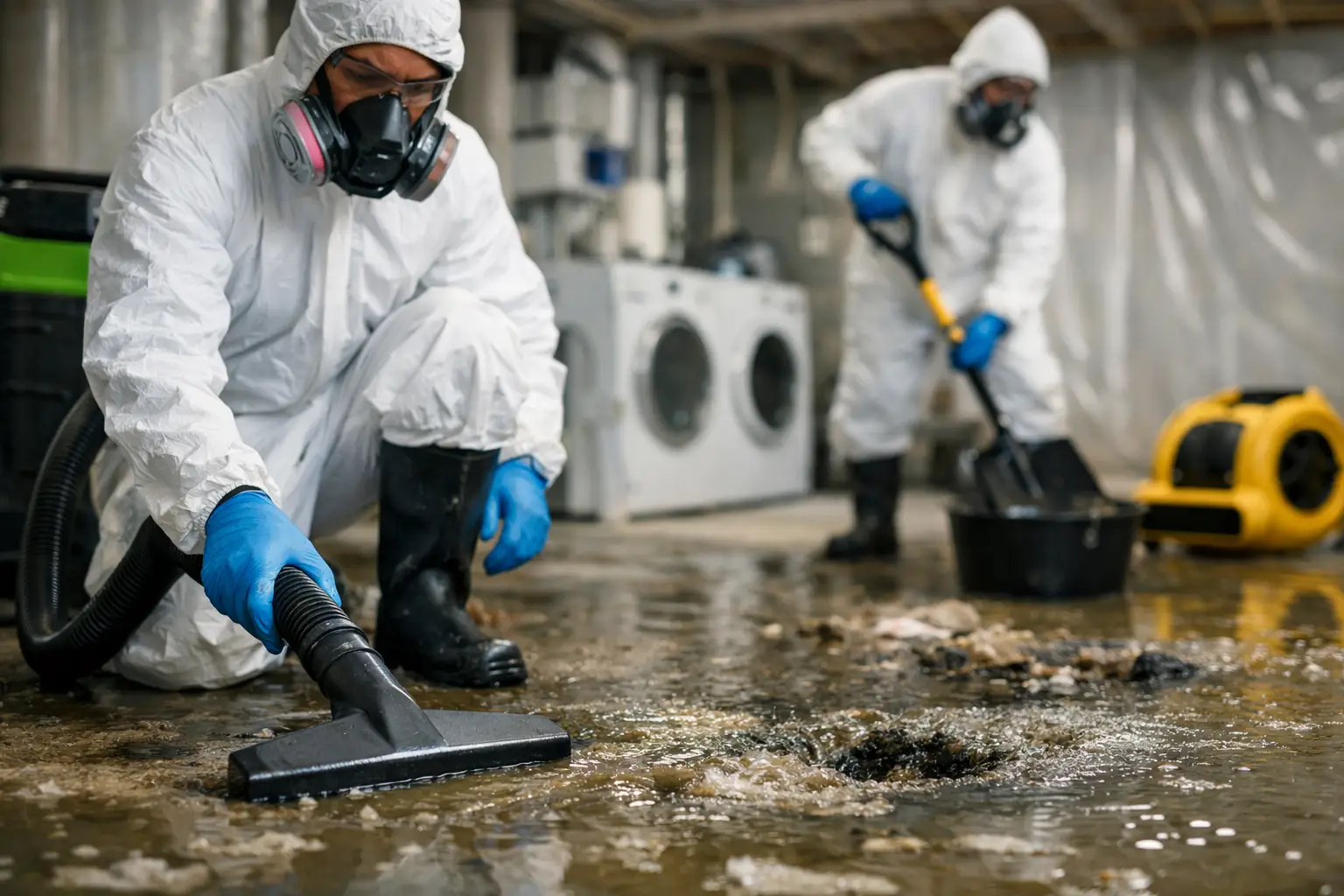 Sewage
Safe biohazard cleanup and sanitizing after sewage backups and overflows.
Learn more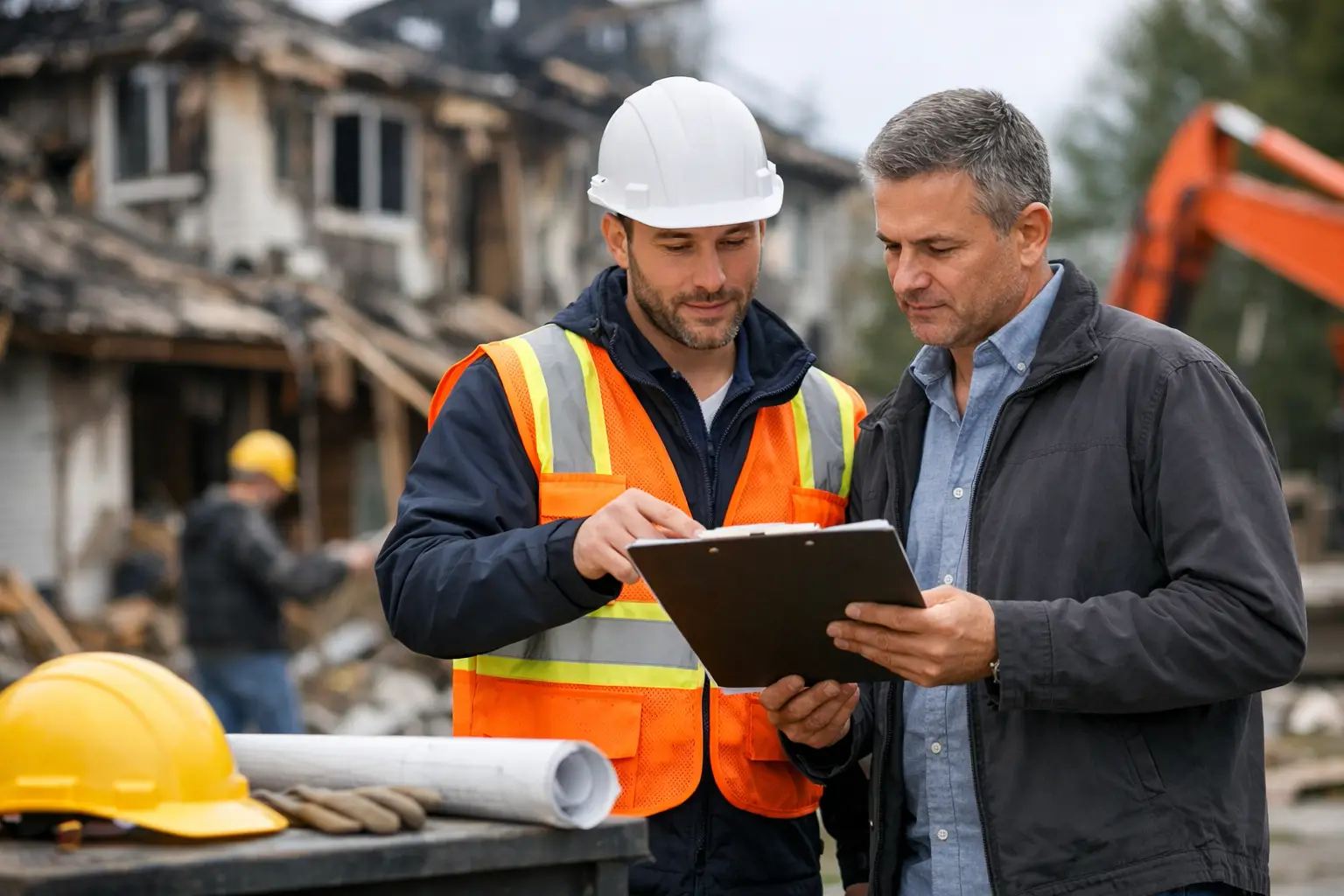 Reconstruction
Full rebuild by a licensed general contractor, so your property comes back whole.
Learn moreElevated Operations is an IICRC-certified, licensed general contractor based in Mableton that handles the entire recovery in-house, so after one loss you are never coordinating a cleanup crew, a mold crew, and a contractor separately. One team, one point of contact, from the first pump-out to the final coat of paint.
People call when the property feels like a disaster. They leave reviews because Chris and the crew made it right. These are real, verified Google reviews.
Homes and commercial spaces fail differently, so I compare the structure, not just the water. Forest Park houses often have older framing and layered finishes, while airport-area or industrial buildings may have larger open spaces, utility chases, and harder surfaces. That changes water extraction, structural drying, and how much material can be saved.
The best choice depends on whether the materials are swollen, softened, or simply wet. If the wall cavities and flooring were dried quickly, repair can work. If water sat too long, drywall replacement and selective floor removal are safer. I look at structure, not sentiment.
Sometimes, yes, but only if water mitigation starts quickly and the materials still have strength. Near Fort Gillem, I see mixed construction and utility changes that can hide water. If the drywall is intact and the floor assembly dries well, saving it is possible. If not, replacement is smarter.
Move fast and keep the area safe. Shut off water if you can do it without risk, avoid wet outlets, and call for emergency response. Airport-corridor properties often have busy schedules and dense systems, so hidden moisture can spread fast. I handle the cleanup, drying, and insurance side.
It depends on how deep the water traveled and how much of the structure absorbed it. Surface water is one thing. Wet walls, insulation, and flooring assemblies are another. The comparison is simple: the more concealed the moisture, the longer the structural drying takes before rebuild can begin.
Water cleanup removes the standing water and starts drying. Water damage repair comes after that and addresses the materials that were harmed. In older Forest Park homes, cleanup can be quick while repair may involve trim, drywall, flooring, or insulation. I separate those jobs so you know what must actually be fixed.
Yes. I provide direct insurance billing and deductible assistance up to $1,000. That matters when a claim is already stressful. I also keep the process straightforward, with IICRC-certified technicians on the job and a licensed general contractor overseeing the work so the repair plan makes sense.
A handyman can patch visible damage, but water moves inside walls and under floors. I bring restoration judgment, dehumidification, water extraction, and structural drying, plus 12-month warranty coverage. In Forest Park, where post-war housing meets airport and industrial pressure, that difference matters.
Elevated Operations dispatches IICRC-certified crews across Metro Atlanta from our Mableton base, with a 60-minute emergency response day or night. Choose your city:
Call now for an immediate response, or request your free inspection and get a certified crew on-site within the hour across Atlanta and nearby areas.