24/7 Emergency Restoration · Serving Metro AtlantaEmergency? (770) 404-6895
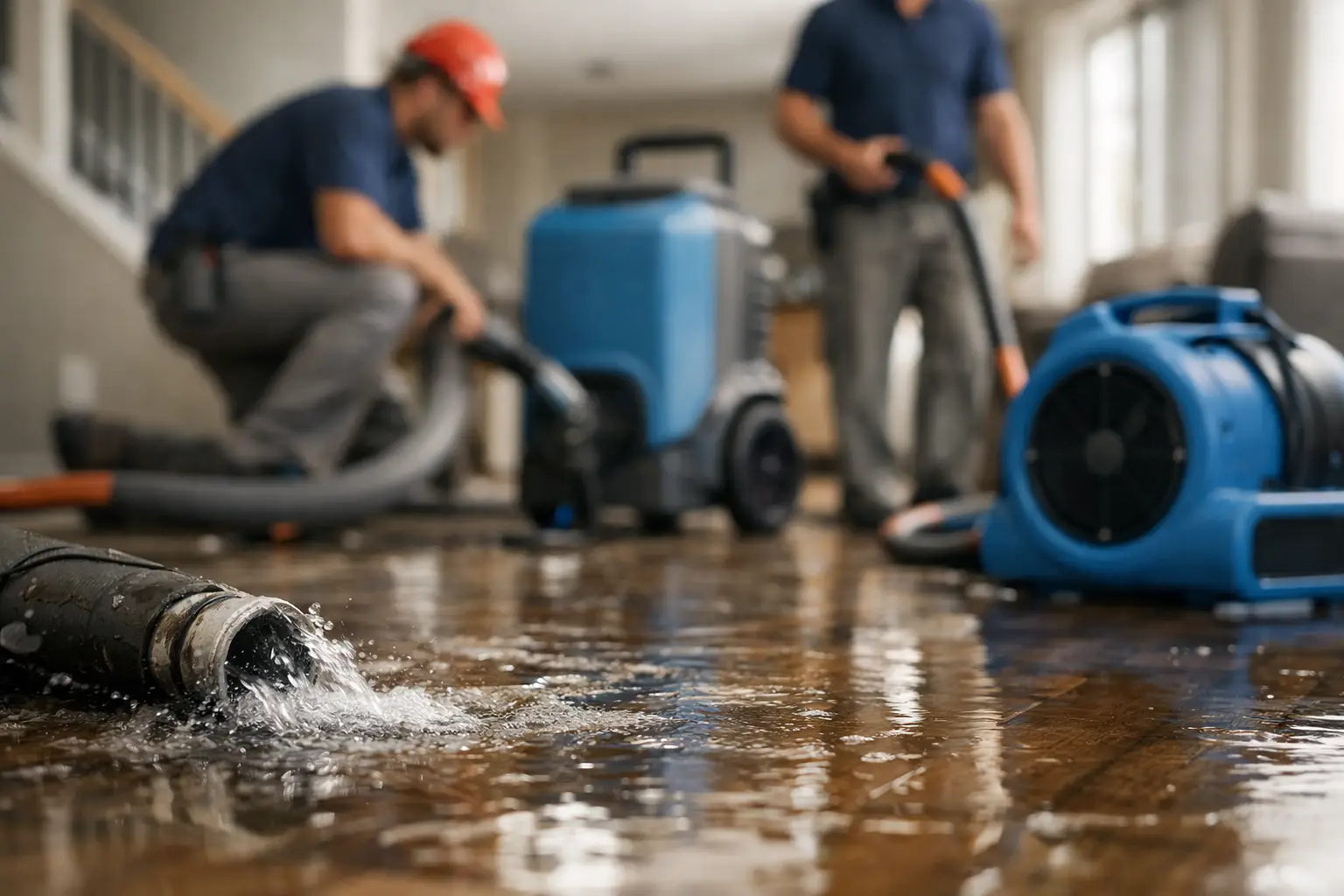
Water damage restoration Mableton means finding the source, removing standing water, drying hidden moisture, and fixing the materials that got soaked. I run Elevated Operations out of Mableton, and I know how fast a leak, burst line, or storm intrusion can spread through a house near the Silver Comet and beyond.
IICRC-Certified · 5-Star Rated · 60-Minute Response · Insurance Billed Directly
Stop the source safely, then call for extraction and drying. Fast action keeps the loss smaller and reduces the chance of hidden damage.
No. Wall cavities can hold moisture after the surface feels dry, which is why inspection and structural drying matter.
Yes. I offer direct insurance billing and deductible assistance up to $1,000 when it applies.
Call (770) 404-6895. I answer water damage calls 24/7 from our Mableton base.
Water damage restoration is the process of stopping the water, removing it, drying the structure, cleaning affected materials, and repairing what cannot be saved. In Mableton, that often means acting fast on homes with crawlspaces, slab entries, older plumbing, and traffic from heavy rain that pushes water where it should not go.
I look at water damage as a chain reaction, not a single mess. Water enters, spreads through finish materials, gets into framing or insulation, and keeps moving until someone stops it. That is why water mitigation and water extraction come first, then structural drying.
Mableton homes see different patterns than a dry, flat subdivision with no mature trees or drainage challenges. Around the Silver Comet corridor and nearby neighborhoods, I often see intrusion from roof issues, failed supply lines, appliance leaks, and runoff that overloads weak points around foundations and entries.
Restoration is not just cleanup. It includes dehumidification, drying the air and the structure, checking hidden cavities, and deciding whether drywall replacement or water damage repair is needed. IICRC-certified technicians use moisture readings and a plan, not guesswork, because wet materials keep causing damage after the surface looks fine.
Water damage happens here because homes face a mix of aging plumbing, storm runoff, roof wear, and drainage problems tied to local lot grading and tree cover. Mableton also sits in a busy metro area where small leaks get ignored until they become bigger structural issues, especially in concealed spaces.
I am based in Mableton, so I see the local patterns up close. Water problems show up when gutters clog, shingles fail, washing machine lines crack, or a pipe lets go inside a wall. The first sign may be a stain, but the real issue can be behind trim, under flooring, or in insulation.
Nearby the Silver Comet, moisture can linger because shaded areas dry slower and runoff can collect where landscape grading is not helping the house. That does not mean every wet spot is a major loss, but it does mean a homeowner should treat repeated dampness seriously and inspect the cause instead of patching over it.
And when a leak starts inside a finished room, the damage is often bigger than it appears. Water moves under baseboards, into subflooring, and through drywall seams. That is why I take a direct approach, locate the source, isolate the area, and start water cleanup before hidden materials begin to fail.
Water damage restoration works in stages: inspection, water extraction, drying, dehumidification, cleaning, and repair. The purpose is to remove moisture from visible and hidden materials before mold starts in 24 to 48 hours, then restore the structure so it does not keep breaking down after the emergency is over.
First, I assess the loss and stop the spread. That can mean shutting off a supply, protecting contents, and removing standing water. Then I map where moisture traveled, because the wet area is often larger than the stain on the ceiling or the puddle on the floor.
After water extraction, the real work begins. Structural drying uses air movement and dehumidification to pull moisture out of framing, drywall, trim, and floors. If a homeowner only dries the surface, the wall cavity can stay wet and cause odors, swelling, or deterioration later.
The final step is repair, and this is where water damage repair becomes practical instead of theoretical. Some materials can be cleaned and saved. Others need removal and replacement, such as soaked drywall or warped baseboards. As a licensed general contractor, I can handle both the drying phase and the rebuilding phase under one plan.
After water damage, shut off the source if you can do it safely, avoid walking through standing water, move valuables away from the wet area, and call for help right away. The first hour matters because water spreads quickly through flooring, trim, and wall cavities, especially in finished Mableton homes.
Do not wait for the room to air out on its own. That is a common mistake, and it costs homeowners more later. If the leak is active, turn off the water supply. If there is electrical risk, stay out of the area and keep family members away from outlets, wet cords, and soaked flooring.
I recommend taking photos from a safe distance before anything is moved, because documentation helps with direct insurance billing and the claims process. Elevated Operations offers deductible assistance up to $1,000, and I keep the process straightforward so the homeowner is not juggling the loss alone while the space keeps getting wetter.
Then call for 24/7 emergency response. A 60-minute emergency response is how I approach water losses, because the longer water sits, the more materials need drying or replacement. My crew is IICRC-certified, and we work from Mableton with direct routes into Cobb, Fulton, DeKalb, Douglas, Clayton, Henry, and Paulding counties.
Sometimes yes, sometimes no. Water damaged walls and floors can be saved when the moisture is caught early, the materials are structurally sound, and drying starts fast. If drywall, subflooring, or engineered flooring stays wet too long, replacement is usually the safer and more durable choice.
I do not believe in saving everything just to avoid removal. That sounds economical on day one, but it can backfire if the wall board is swollen, the floor has cupping, or the subfloor has softened. The right call is the one that protects the building, not the one that looks least disruptive.
Drywall replacement becomes necessary when water wicks high enough to weaken the sheet material or contaminate the cavity. Floor drying can work on some hardwood systems, but carpet padding, laminate, and swollen engineered products often need more aggressive removal. The material and the timing matter more than wishful thinking.
What I check is simple: structural soundness, moisture content, and the chance of hidden damage. If a wall can dry and stay solid, I keep it in the plan. If it cannot, I remove it cleanly and move to water damage repair. That is honest restoration, not a sales pitch.
The timeline depends on how much water entered, how long it sat, and what materials were affected. Small losses may dry faster than large ones, but the job should not be rushed. Structural drying, dehumidification, and repair all take time if the goal is a safe, durable result.
There is no honest one-size answer. A small leak under a sink is different from a pipe break that reaches multiple rooms. What controls the pace is moisture depth, material type, airflow, and how quickly the water was extracted. I measure those conditions before I talk about next steps.
Drying is a process, not a guess. Some surfaces can look fine while the framing behind them still holds moisture. That is why I keep checking readings during structural drying instead of assuming a room is ready because it feels drier. The materials have to be dry inside, not just on top.
Repairs come after the building is stable. If drywall replacement or trim work is needed, that adds time, but it prevents bigger problems later. I would rather explain the true timeline than promise something fast and leave a homeowner with odors, warped floors, or a repeat leak.
Fast water cleanup matters because damp materials keep absorbing moisture, odors develop, and mold can begin in 24 to 48 hours. In Mableton, where homes may sit near shaded areas and runoff paths, delay lets a small leak turn into a larger interior loss that is harder to repair.
I mention the Silver Comet because local geography matters. Homes near greenways, tree cover, and drainage features can stay damp longer, especially after heavy rain or when gutters and grading are not keeping water away from the structure. Drying has to be deliberate, not casual.
Water cleanup is the beginning of control. Once standing water is gone, the hidden moisture still has to be handled with air movers, dehumidification, and monitoring. If the owner skips that phase, surfaces may feel normal while the wall cavity, base structure, or flooring system keeps holding moisture.
I have been in restoration since 2007, so I have seen what happens when people wait. The damage spreads. The repair bill gets bigger. And the homeowner loses time they did not need to lose. Acting early is not dramatic, it is practical.
A ceiling stain or wet carpet edge is only the starting point. Water often travels behind baseboards, under flooring, and into framing, which is why hidden inspection matters as much as water extraction.
Water mitigation and structural drying happen before rebuilding. If you repair too early, trapped moisture can stay in the structure and cause swelling, odors, or hidden damage later.
Some drywall, insulation, carpet padding, and engineered floors need removal. A good technician decides based on moisture readings and the condition of the material, not on appearance alone.
The sooner water cleanup starts, the better the odds of saving flooring, trim, and wall cavities. Mold can start in 24 to 48 hours, so delay changes the scope of the job quickly.
I am a licensed general contractor, so I can handle the restoration process and the repairs that follow. That matters when drywall replacement, trim work, or structural fixes are part of the loss.
From emergency mitigation to full reconstruction, handled in-house so you are never managing a chain of subcontractors mid-crisis.
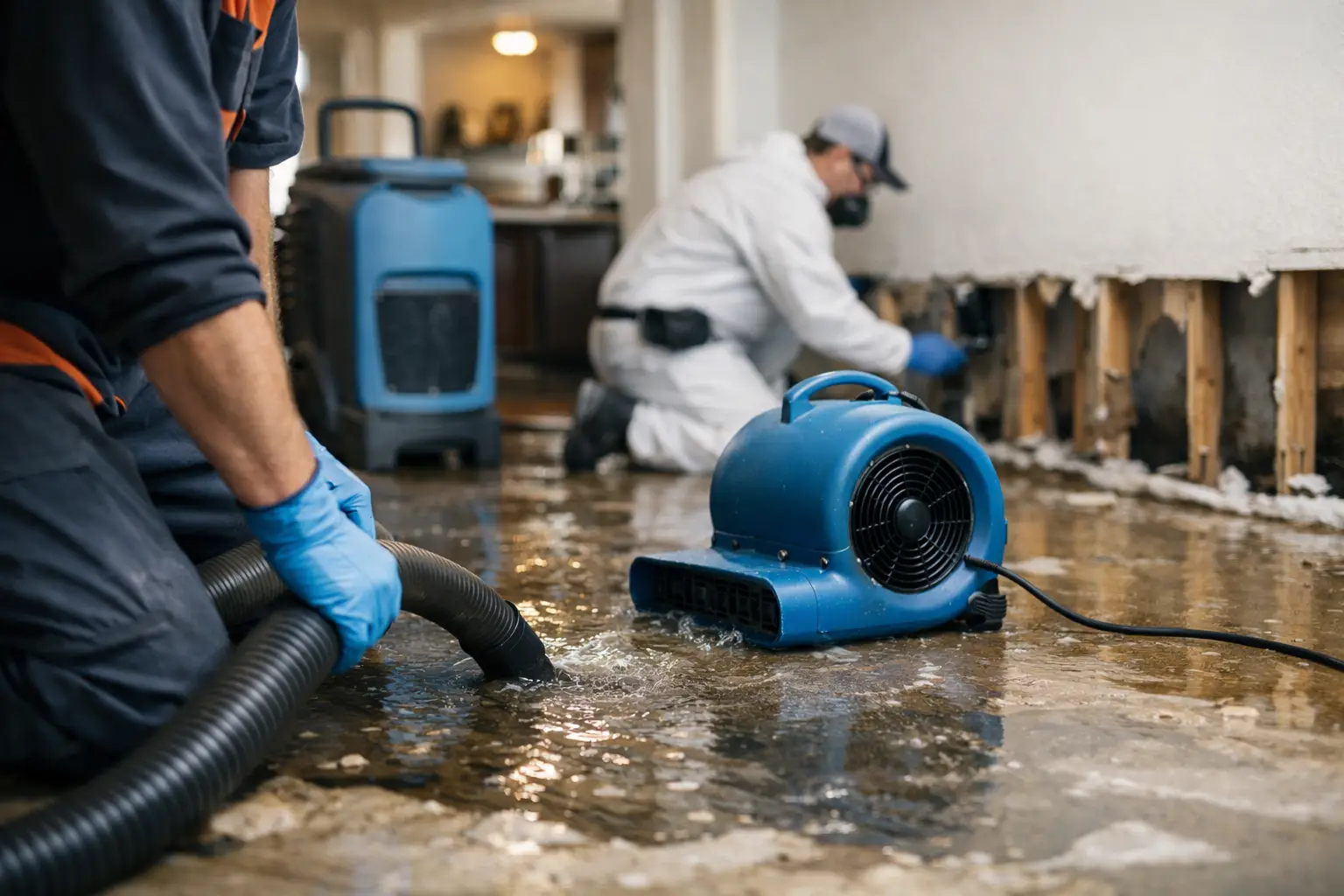 Water Damage
Extraction, structural drying, and moisture mapping after floods, leaks, and burst pipes.
Get help now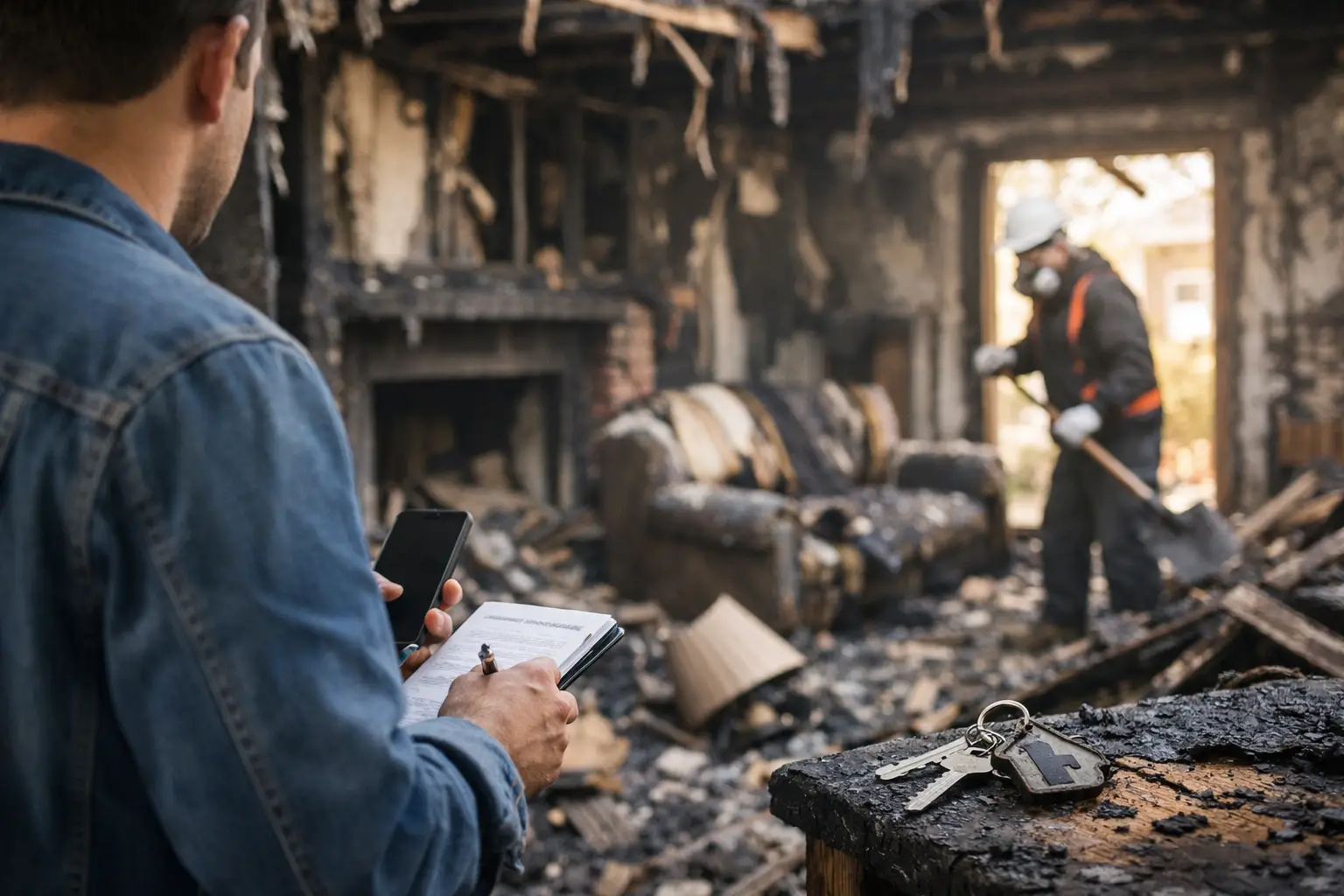 Fire & Smoke
Soot removal, odor deodorization, and content cleaning after fire and smoke damage.
Learn more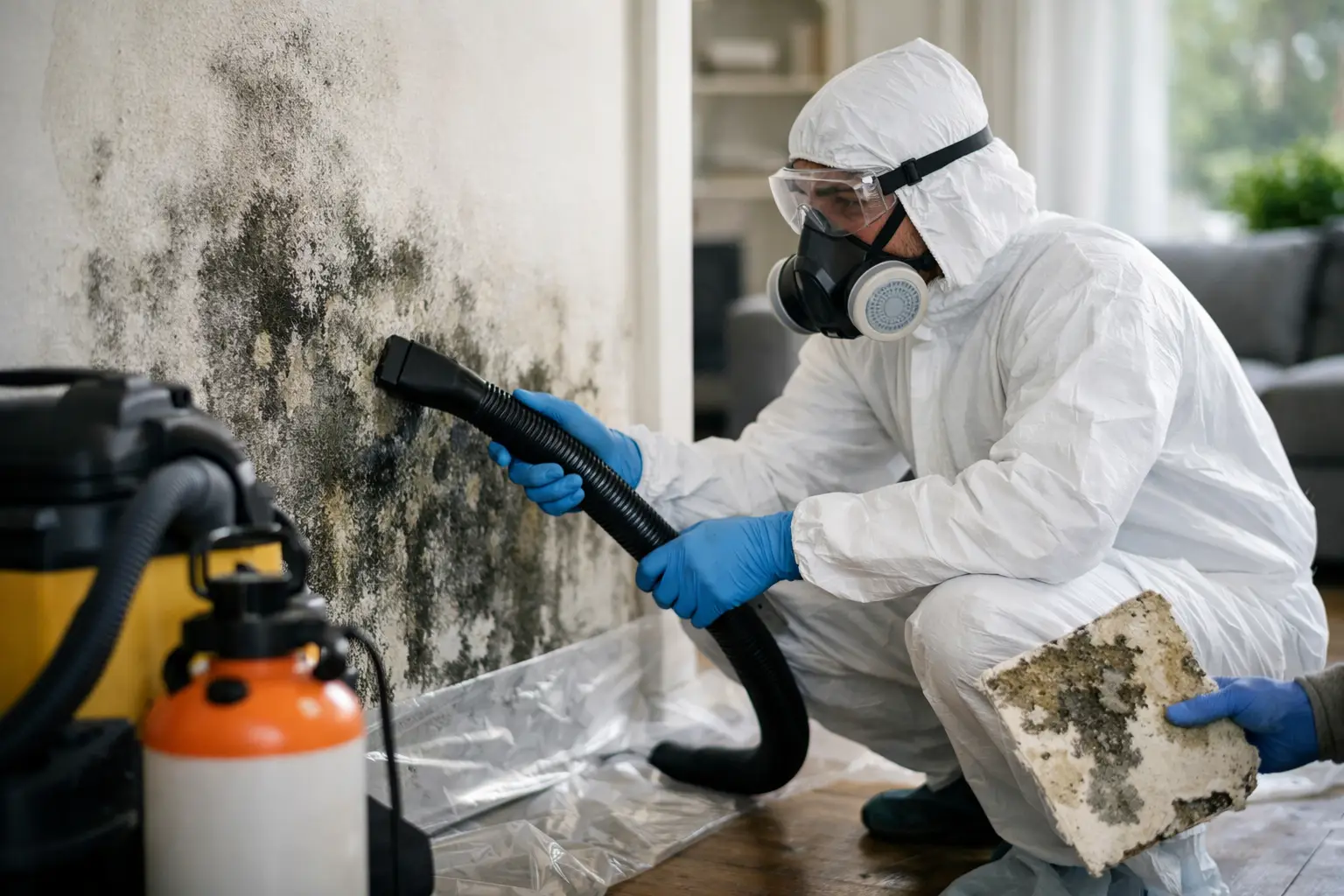 Mold
MoldContainment, removal, and moisture control that stops mold from coming back.
Learn more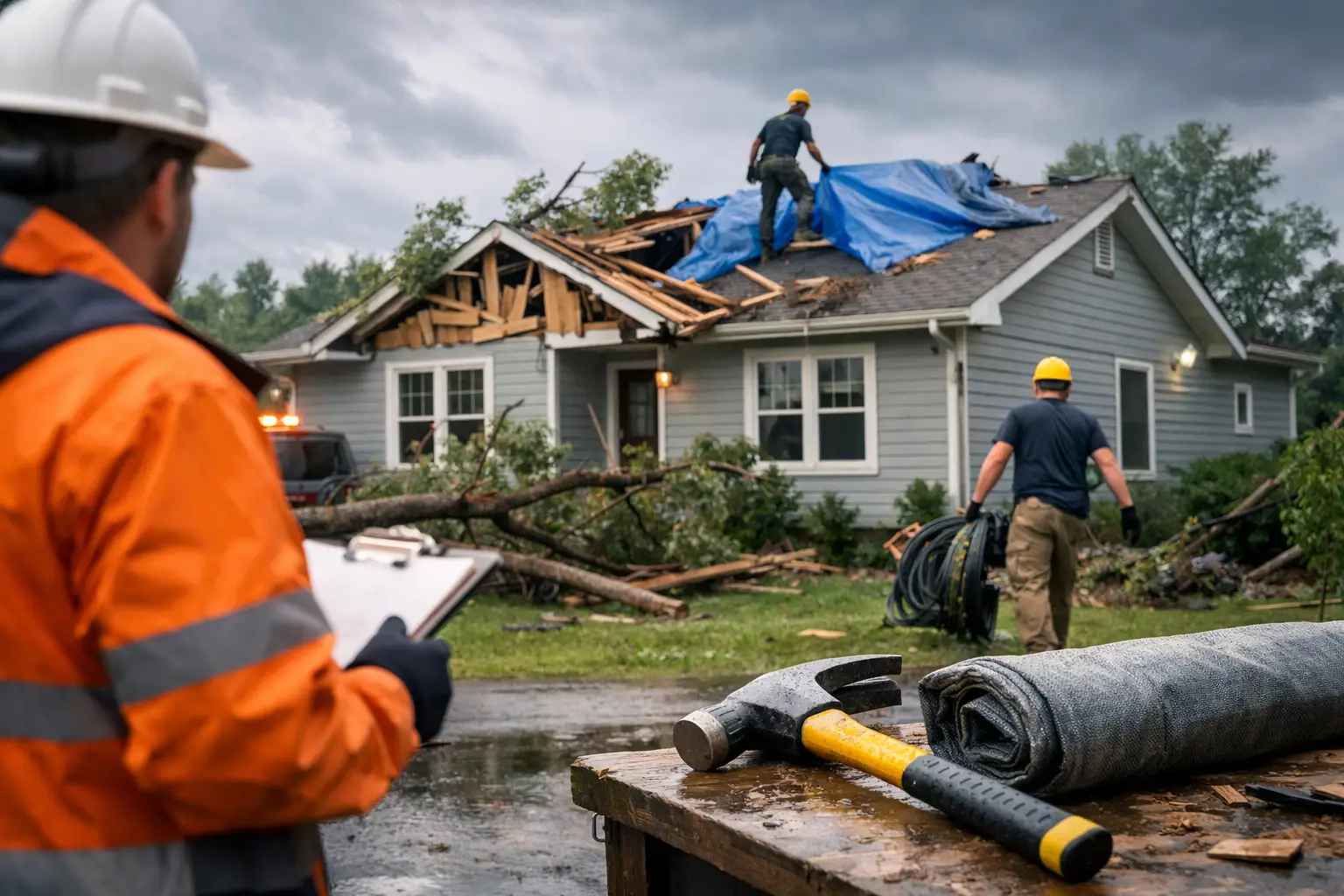 Storm
StormEmergency board-up, roof tarping, and full recovery after wind, hail, and storms.
Learn more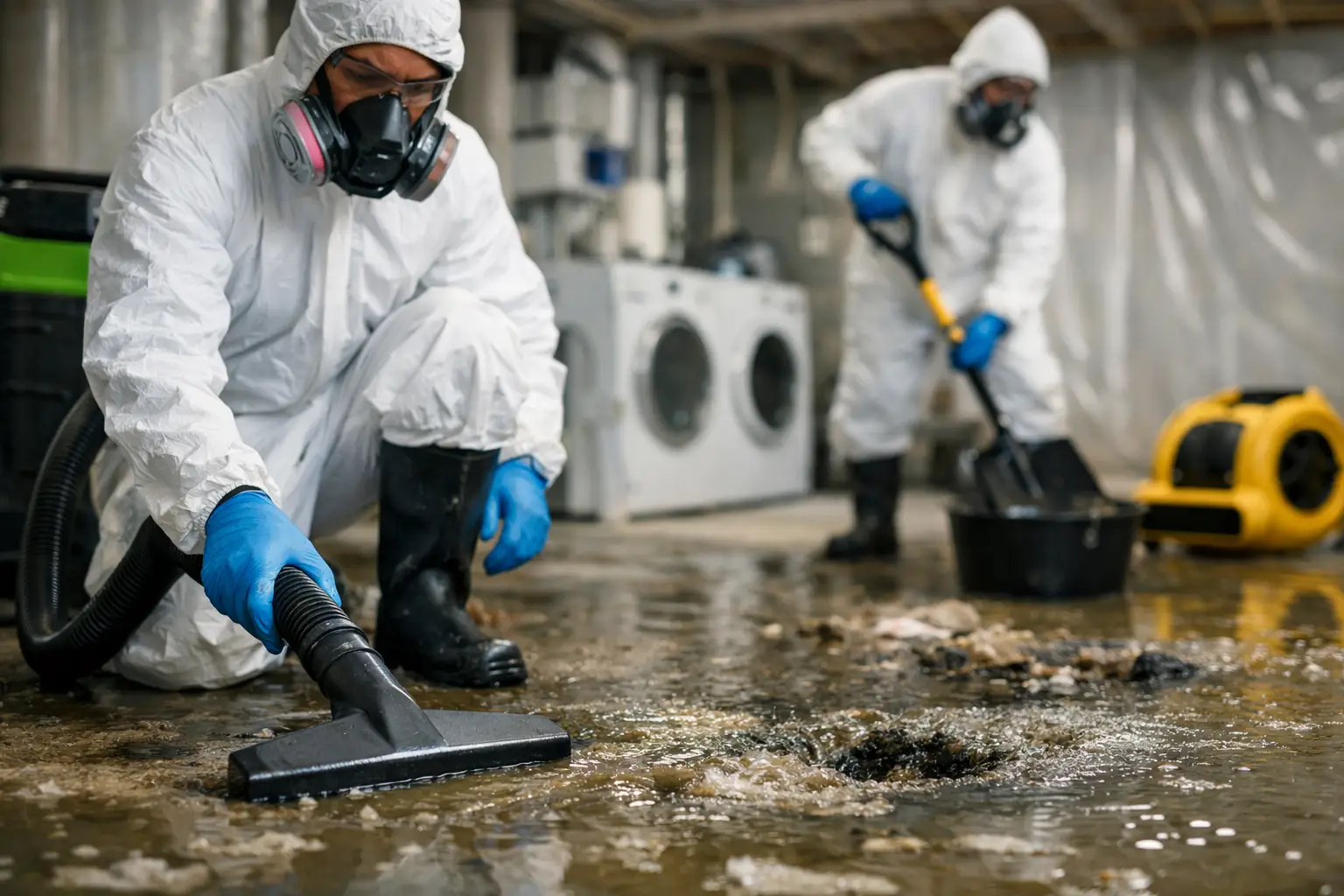 Sewage
Safe biohazard cleanup and sanitizing after sewage backups and overflows.
Learn more Reconstruction
Full rebuild by a licensed general contractor, so your property comes back whole.
Learn moreElevated Operations is an IICRC-certified, licensed general contractor based in Mableton that handles the entire recovery in-house, so after one loss you are never coordinating a cleanup crew, a mold crew, and a contractor separately. One team, one point of contact, from the first pump-out to the final coat of paint.
People call when the property feels like a disaster. They leave reviews because Chris and the crew made it right. These are real, verified Google reviews.
I start with source control, then water extraction, drying, and a moisture check of hidden areas. Homes near the Silver Comet can stay damp longer because of shade and runoff patterns, so I pay close attention to walls, flooring, and base structures. My crew is Mableton-based and IICRC-certified, and I use direct insurance billing when the claim applies.
A simple cleanup stops at the surface. Water damage restoration looks at the full path of moisture, including framing, insulation, subflooring, and drywall. In Mableton, I often see the issue tied to storms, appliance failures, and plumbing leaks that spread into hidden cavities. That is why the process includes drying and repair, not just mopping.
Yes. Mold can start in 24 to 48 hours when materials stay wet. That is why I push for fast water mitigation and dehumidification instead of waiting for natural drying. In a Mableton home, especially one with finished spaces or crawlspace issues, delay gives moisture time to settle into places that are harder to clean and repair.
Yes, I do. Elevated Operations offers 24/7 emergency response with a 60-minute emergency response approach. When water is actively moving, timing matters more than convenience. I keep the process direct, from the first call to the inspection and extraction, because waiting overnight can turn one room into several.
If drywall is swollen, softened, or contaminated, I remove it and replace it after the structure is dry. That is not overreaction, it is proper water damage repair. I check the surrounding framing too, because damaged drywall can hide wet insulation or a damp wall cavity that still needs treatment before anything gets closed back up.
I look at the floor type, how long it was wet, and whether the subfloor underneath is still sound. Some hardwood systems can respond to floor drying, but laminate, carpet padding, and warped engineered products often need removal. I do not promise a save when the material is already failing.
I work from Mableton and serve Cobb, Fulton, DeKalb, Douglas, Clayton, Henry, and Paulding counties. That regional coverage helps me respond quickly when a homeowner needs water cleanup, structural drying, or a repair plan after the moisture is controlled.
Because restoration often ends in repairs. As a licensed general contractor, I can handle the build-back after drying, including drywall replacement and other water damage repair work. That keeps the project more organized and makes it easier to move from emergency response to a finished, stable result.
Elevated Operations dispatches IICRC-certified crews across Metro Atlanta from our Mableton base, with a 60-minute emergency response day or night. Choose your city:
Call now for an immediate response, or request your free inspection and get a certified crew on-site within the hour across Atlanta and nearby areas.