24/7 Emergency Restoration · Serving Metro AtlantaEmergency? (770) 404-6895
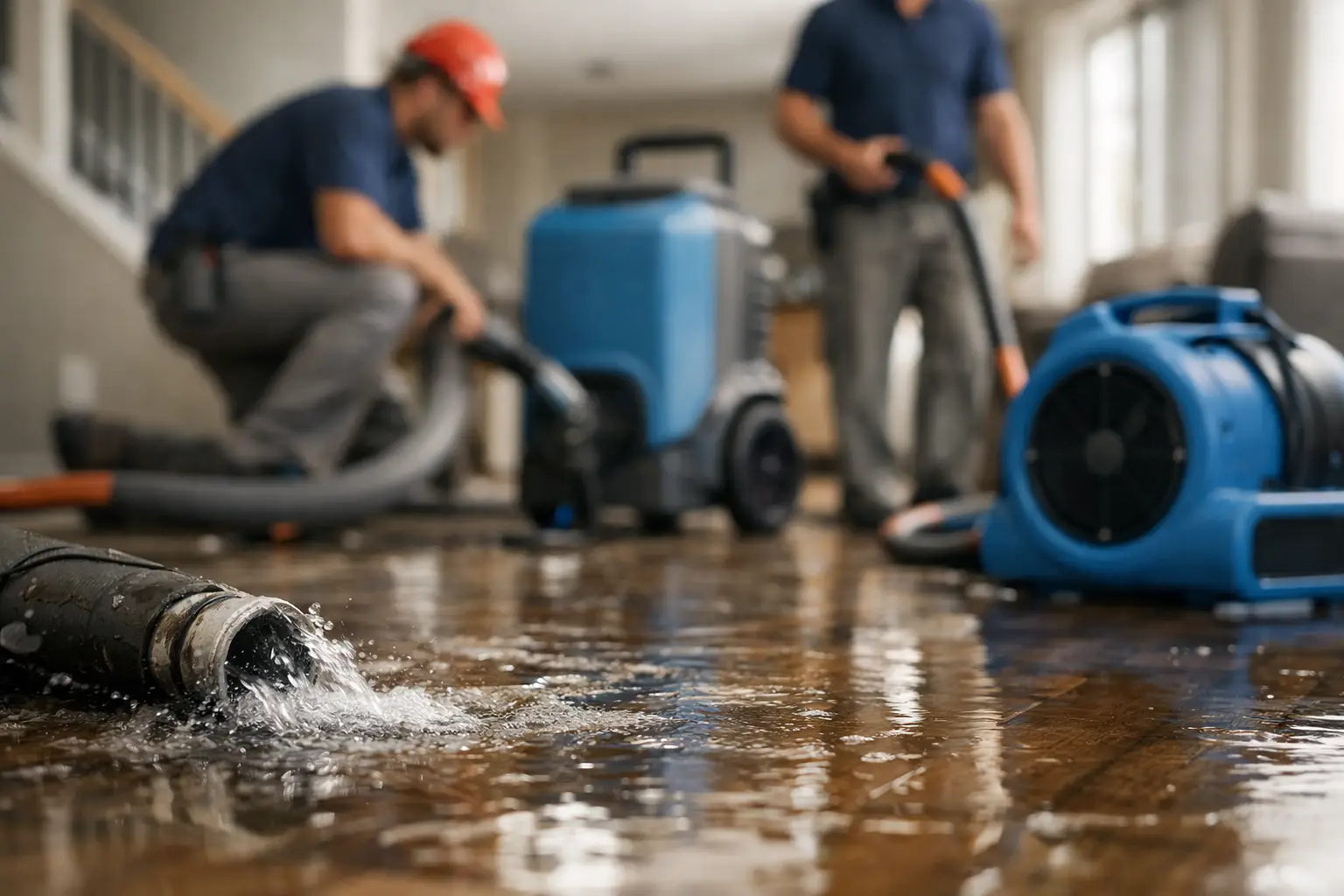
Water damage restoration Sandy Springs starts with facts, not folklore. I’m Chris Kwangwari, owner of Elevated Operations, LLLP, and I’ve been in restoration since 2007. On the Chattahoochee riverside, fast water mitigation, water extraction, and structural drying matter because hidden moisture spreads under floors, inside walls, and through trim.
IICRC-Certified · 5-Star Rated · 60-Minute Response · Insurance Billed Directly
Yes, I offer 60-minute emergency response 24/7 for water losses in Sandy Springs and nearby areas.
Yes. I provide direct insurance billing so the claim process does not slow down the restoration work.
Yes. Elevated Operations, LLLP backs restoration work with a 12-month warranty.
I do. I’m Chris Kwangwari, owner of Elevated Operations, LLLP, and I’ve been in restoration since 2007.
The biggest myth is that if the surface looks dry, the problem is gone. In Sandy Springs, especially near the Chattahoochee riverside, water can stay trapped under flooring, in drywall, and around base plates long after the room looks normal.
I see this mistake often. A homeowner wipes up the visible water, runs a fan, and assumes the house is fine. That is not water cleanup. It is a start, nothing more. Hidden moisture keeps moving, and drywall replacement becomes more likely when people wait too long.
Myth: a small leak stays small. Fact: water follows gravity and structure. It gets under LVP, behind cabinets, and into insulation. Proper dehumidification and floor drying are what stop that migration, not wishful thinking or a single box fan in the hallway.
Sandy Springs homes near the river corridor can have moisture paths that surprise people. IICRC-certified technicians use water extraction, moisture checks, and structural drying because the damage is usually bigger than the puddle. That is the part homeowners miss.
It starts with inspection, water extraction, and moisture mapping, then moves to drying, dehumidification, and repairs. The point is simple, remove the water, stop the spread, and dry the structure correctly before mold starts in 24 to 48 hours.
Myth: restoration means only pumping out water. Fact: water mitigation is the first move, not the whole job. We identify the source, remove standing water, protect materials that can be saved, and set the drying plan based on what the structure actually absorbed.
That matters in Sandy Springs because finished basements, hardwood floors, and wall assemblies can hold moisture in places you never see from the doorway. Water damage repair is not cosmetic first, structural second. It is the opposite. Stabilize first, then rebuild.
And that is why I do not guess. Elevated Operations, LLLP uses direct insurance billing, licensed general contractor oversight, and a 12-month warranty on the work. My job is to get the structure dry and put it back correctly, not just make it look better for an afternoon.
It depends on the material, how far the water traveled, and how quickly drying starts. The myth is that every job follows one timeline. The fact is that structural drying, dehumidification, and material preservation all change the pace.
I hear this question every week. People want a number. I get it. But the timeline changes with hardwood, subfloor, drywall, cabinet boxes, and insulation. If the water reached multiple layers, floor drying can take longer than the visible cleanup suggests.
Myth: speed means rushing the process. Fact: speed means starting the right process immediately. We offer 60-minute emergency response 24/7, because early water extraction often saves materials that would otherwise need replacement. Waiting is what stretches the job out.
Sandy Springs has a mix of older homes and remodeled interiors, and both can hide moisture differently. A condo near Roswell Road does not dry like a house closer to the river. That is why IICRC-certified technicians monitor the drying, not just the clock.
Shut off the water if you can do it safely, avoid wet electrical areas, and move valuables out of the affected space. The myth is that cleanup should wait until everything is sorted. The fact is that fast, safe action limits damage.
Do not start tearing out walls on your own unless there is a safety issue. I have seen homeowners open up the wrong section and spread contamination or damage the parts that could have been saved. Water damage repair gets harder when people guess with tools instead of data.
Myth: fans solve everything. Fact: fans without dehumidification can push moisture deeper into walls and trim. If the leak is near the Chattahoochee riverside, ambient humidity can slow drying even more. That is why the drying setup has to be intentional.
Call us at Elevated Operations, LLLP, and we will handle the rest with direct insurance billing and deductible assistance up to $1,000 when eligible. I keep it straightforward because stress is already high when water is in the house.
Yes, sometimes they can, but not always. The myth is that any wet wall or floor must be ripped out. The fact is that the right answer depends on saturation, material type, and how fast structural drying begins.
Wood floors can sometimes be rescued with the right water extraction and floor drying steps. Drywall can sometimes stay in place if the moisture did not travel too high or linger too long. But swollen trim, compromised insulation, and softened backing usually mean replacement.
Near the Chattahoochee riverside, I take hidden moisture seriously because humidity and repeated exposure can change what is salvageable. A room can look stable and still hold water behind baseboards or under the floor. That is where real testing matters.
Myth: replacement is always more expensive than drying. Fact: unnecessary demolition can create more damage and more reconstruction. I am a licensed general contractor, so I look at both the drying outcome and the rebuild path before I recommend drywall replacement or preservation.
Mold can begin in 24 to 48 hours, which is why water damage restoration has to move fast. The myth is that mold is only a long-term problem. The fact is that delay gives moisture time to settle into wall cavities and flooring layers.
That is why emergency water cleanup is not optional when the leak is active or the room stays damp. If the structure is not dried correctly, the problem expands from a water event into a moisture and air quality issue. Nobody wants that second round.
Myth: bleach solves mold after the fact. Fact: controlling moisture is the real fix. Dehumidification, water extraction, and structural drying remove the conditions mold needs. If materials are already compromised, then demolition or drywall replacement may be the right call.
I have worked in restoration since 2007, and I can tell you this plainly: the fastest way to limit mold risk is to start drying the same day the water damage is discovered. That is especially true in homes with finished basements and tight assemblies.
Fact: surface dryness lies. I use moisture checks because water can sit under flooring, especially in homes that take humidity from the Chattahoochee riverside air.
Fact: some walls can be saved if water damage restoration starts early and the material was not soaked too long. The decision comes from inspection, not panic.
Fact: fans move air, they do not remove moisture. Dehumidification and structured water mitigation are what actually dry the building and protect the framing.
From emergency mitigation to full reconstruction, handled in-house so you are never managing a chain of subcontractors mid-crisis.
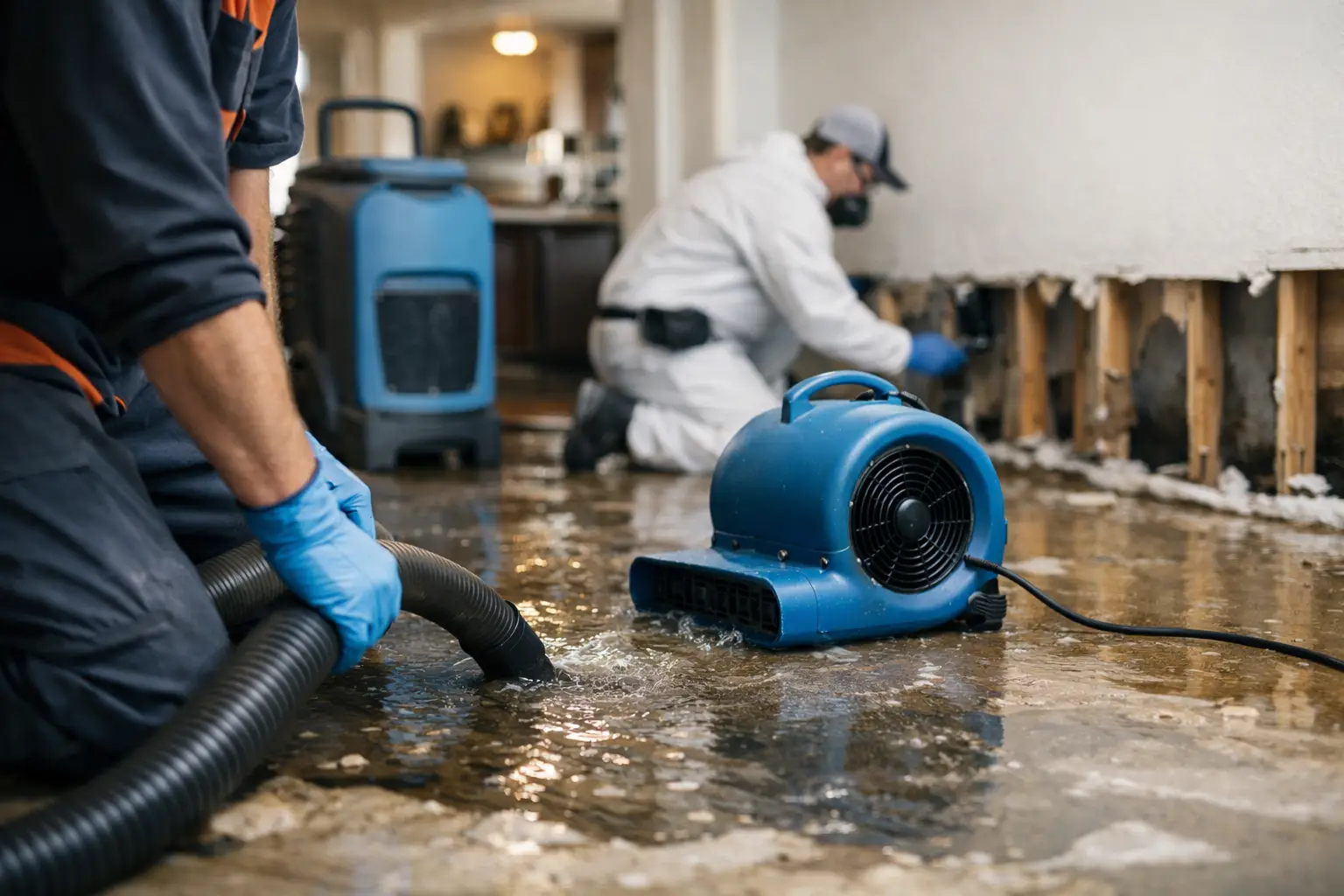 Water Damage
Extraction, structural drying, and moisture mapping after floods, leaks, and burst pipes.
Get help now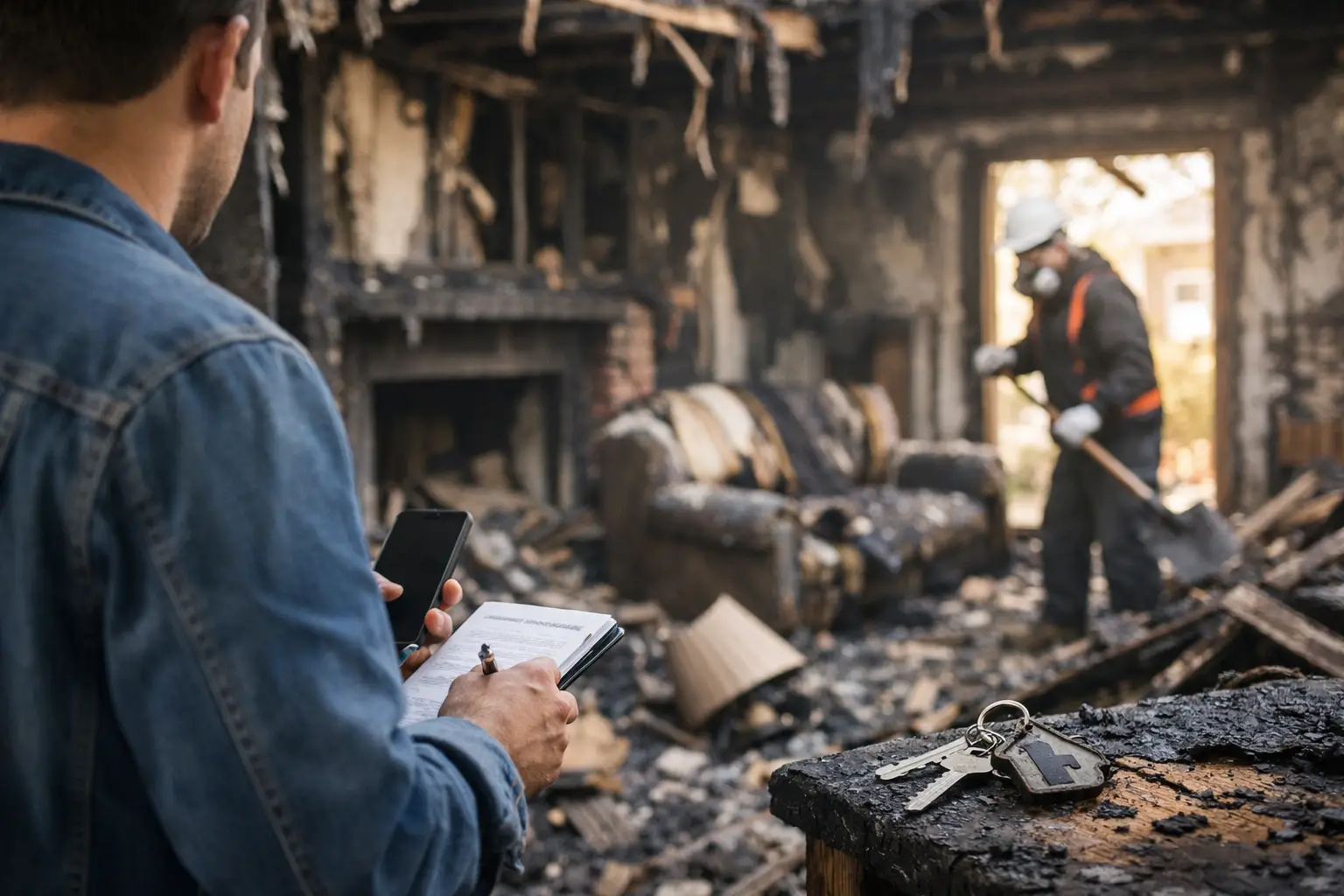 Fire & Smoke
Soot removal, odor deodorization, and content cleaning after fire and smoke damage.
Learn more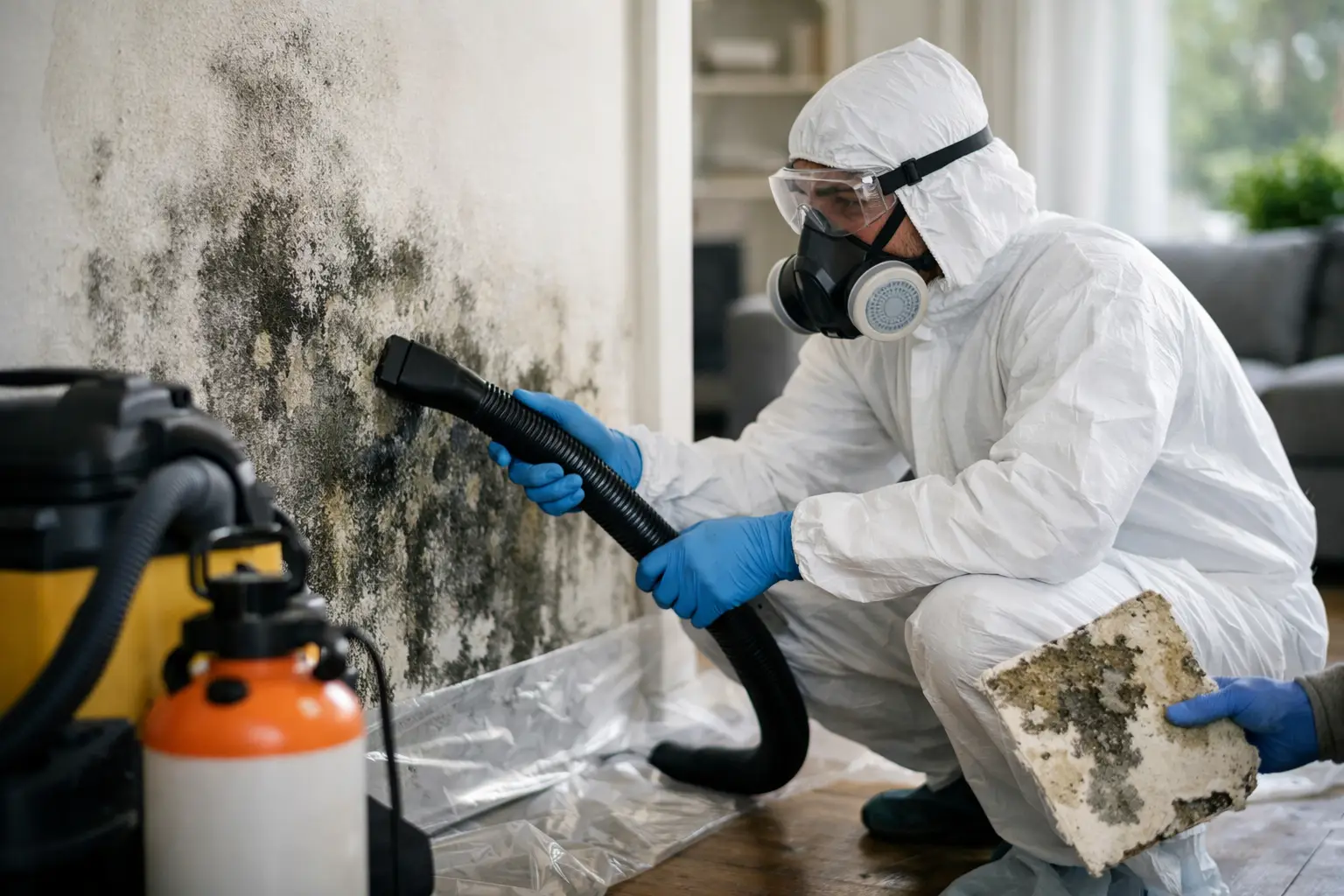 Mold
MoldContainment, removal, and moisture control that stops mold from coming back.
Learn more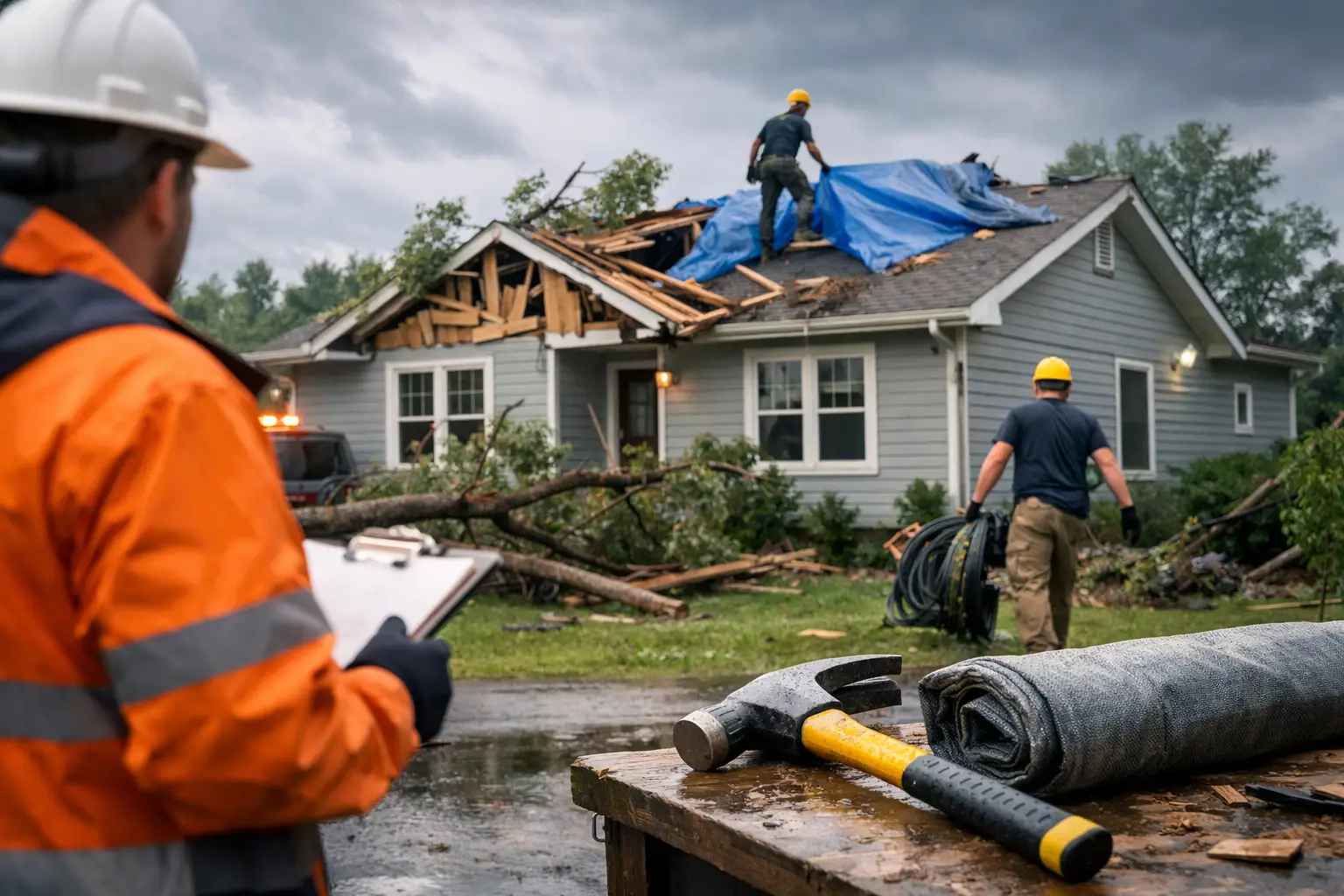 Storm
StormEmergency board-up, roof tarping, and full recovery after wind, hail, and storms.
Learn more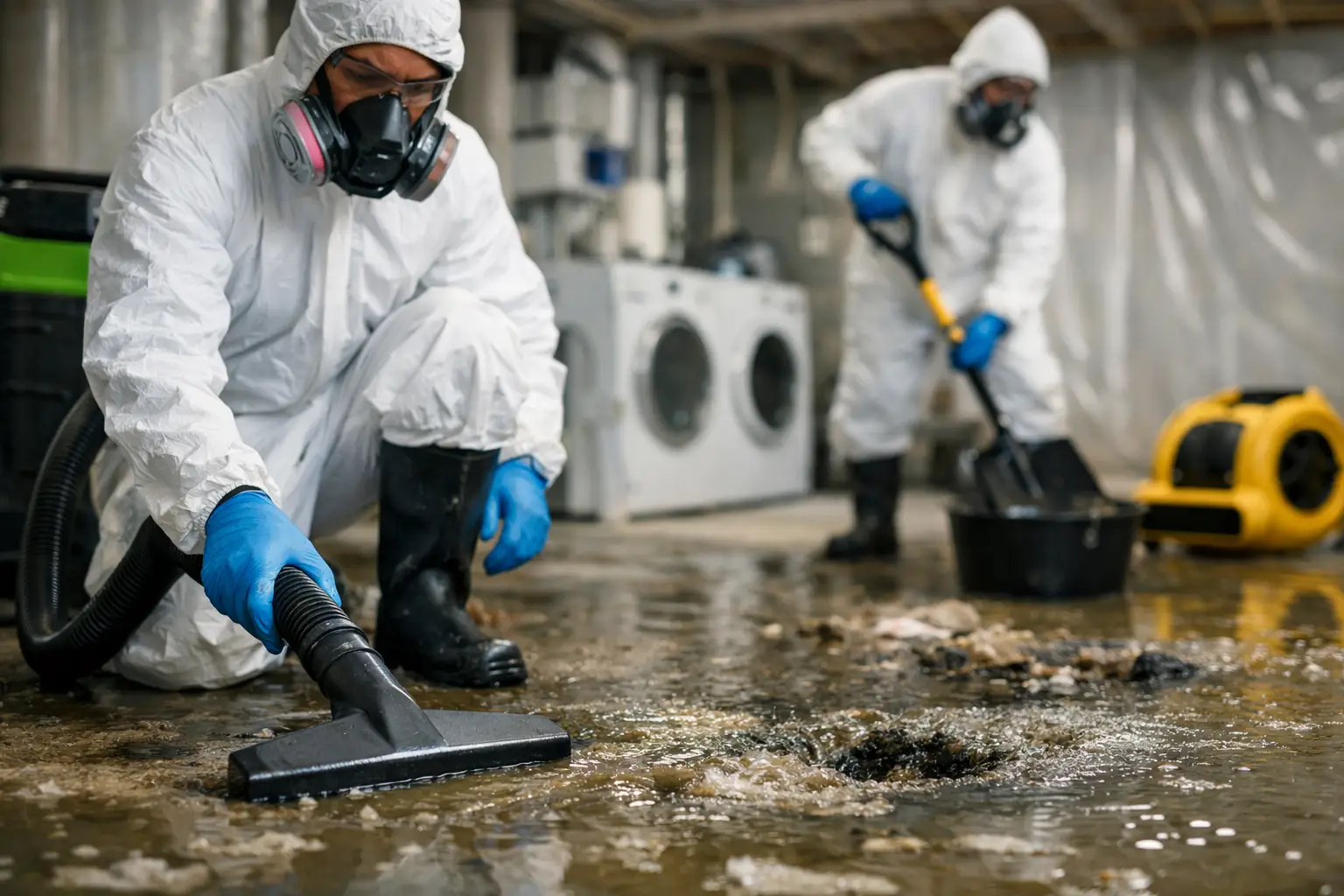 Sewage
Safe biohazard cleanup and sanitizing after sewage backups and overflows.
Learn more Reconstruction
Full rebuild by a licensed general contractor, so your property comes back whole.
Learn moreElevated Operations is an IICRC-certified, licensed general contractor based in Mableton that handles the entire recovery in-house, so after one loss you are never coordinating a cleanup crew, a mold crew, and a contractor separately. One team, one point of contact, from the first pump-out to the final coat of paint.
People call when the property feels like a disaster. They leave reviews because Chris and the crew made it right. These are real, verified Google reviews.
Water damage repair cost in Sandy Springs depends on how much water there is, how long it sat, and what it soaked into, so every job starts with a free inspection and a written quote. As a local water damage restoration company, we answer 24/7, extract and dry fast, and bill your insurance directly.
What drives water damage cost is the water category and the area affected, so we inspect first and price it in writing.
We extract standing water and start structural drying fast to stop mold before it starts, day or night.
Dispatched from Mableton, our IICRC-certified crew reaches Sandy Springs homes fast, 24/7, and bills insurance directly.
I start with source control, water extraction, and moisture mapping, then build a drying plan around the actual materials affected. Homes near the Chattahoochee riverside can hold humidity differently, so I do not rely on guesswork. IICRC-certified technicians monitor the structure until it is dry enough for repair and rebuilding.
A handyman can patch a visible problem. I handle the moisture hidden behind it. Water damage repair needs drying equipment, dehumidification, and a plan for what can stay and what must come out. I am a licensed general contractor, so the repair phase is managed correctly from start to finish.
Yes. I offer 60-minute emergency response 24/7 for active water losses, and burst pipes are exactly the kind of event that needs fast water mitigation. I can also do direct insurance billing, which helps keep the process moving while you focus on the property, not the paperwork.
Often, yes. Older homes can have different flooring layers, framing details, and hidden voids, while renovations may trap moisture under newer finishes. The extraction step is the same goal, remove water fast, but the drying approach changes based on the materials and how the house was built.
Call as soon as you notice it. A damp basement can still need water cleanup, especially if moisture has reached drywall, trim, or flooring. Waiting is risky because mold starts in 24 to 48 hours, and hidden damage often spreads before the room looks obviously wet.
A single room can still affect adjacent walls, subfloor, and cabinets. I treat even one-room losses seriously because moisture moves. The job may need floor drying, structural drying, or drywall replacement depending on what the moisture touched and how fast the response begins.
Yes. I offer direct insurance billing, and that saves time during a stressful loss. My team documents the damage, handles the restoration scope, and keeps the process organized. I also offer deductible assistance up to $1,000 when eligible, which can help with the out-of-pocket side.
They call because I answer with facts. We are based in Mableton, serve Sandy Springs and the rest of Cobb, Fulton, DeKalb, Douglas, Clayton, Henry, and Paulding counties, and hold a 4.9-star Google rating from 73 reviews. I keep the work direct, documented, and warrantied for 12 months.
Elevated Operations dispatches IICRC-certified crews across Metro Atlanta from our Mableton base, with a 60-minute emergency response day or night. Choose your city:
Call now for an immediate response, or request your free inspection and get a certified crew on-site within the hour across Atlanta and nearby areas.