24/7 Emergency Restoration · Serving Metro AtlantaEmergency? (770) 404-6895
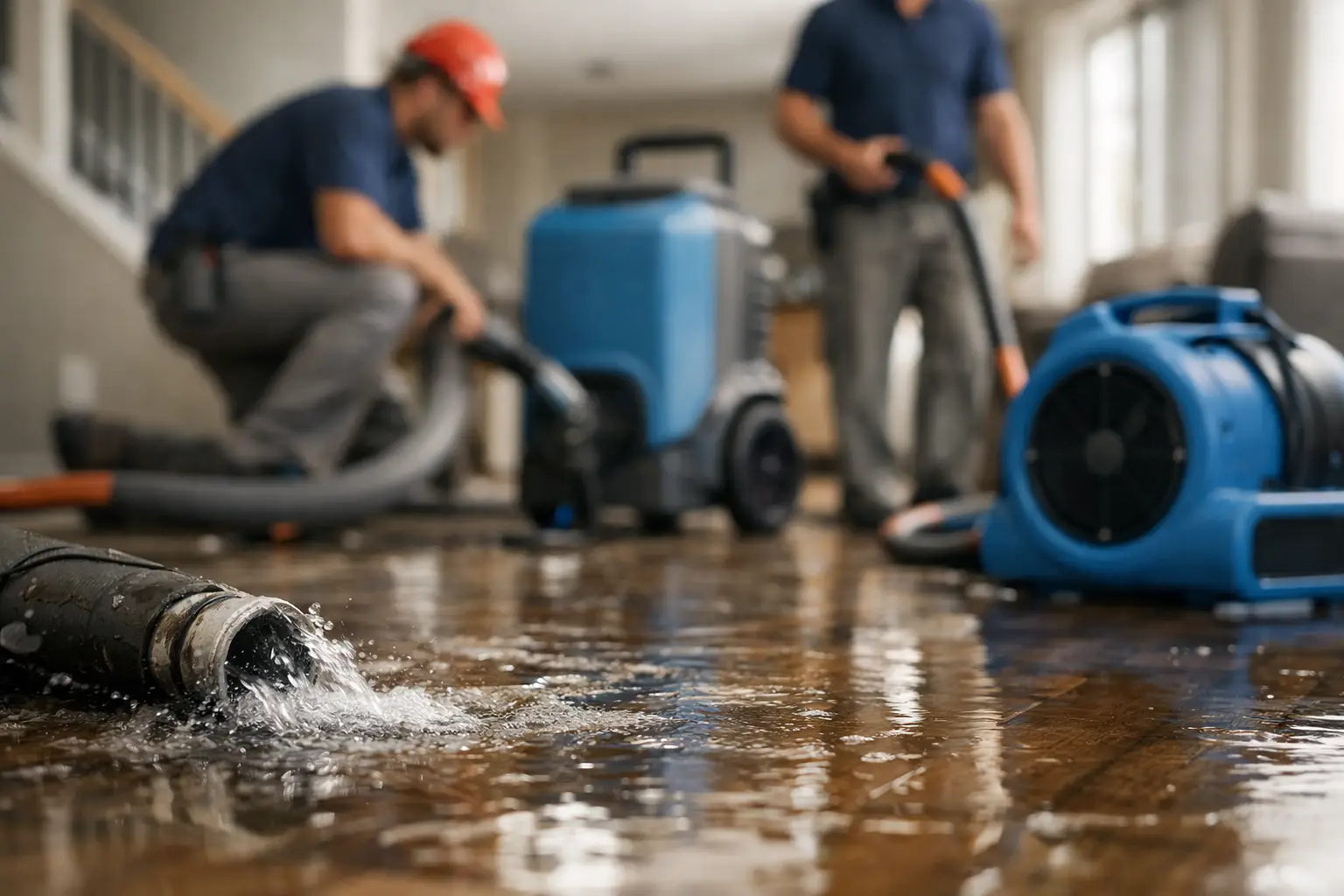
Water damage restoration Atlanta starts with fast water extraction, then controlled drying, then the repair work that puts the home back together. I’m Chris Kwangwari, owner of Elevated Operations, LLLP, and I handle Atlanta homes with IICRC-certified technicians, direct insurance billing, and a 12-month warranty.
IICRC-Certified · 5-Star Rated · 60-Minute Response · Insurance Billed Directly
Yes. I answer 24/7 and provide 60-minute emergency response for water damage calls.
I do. I’m Chris Kwangwari, owner of Elevated Operations, LLLP.
I back eligible restoration work with a 12-month warranty.
We have a 4.9-star Google rating from 73 reviews.
Start with safety, stop the water if you can, and call me right away for water mitigation. In Atlanta, that matters most in intown bungalows with tight crawlspaces and in creek basements where water can spread under floors and into walls before you see the full damage.
First, keep people out of standing water if outlets, appliances, or wet ceilings are involved. Then shut off the source if it is safe to do so. After that, call my team at (770) 404-6895 and give me the Atlanta neighborhood, the water source, and what rooms are affected.
Do not start tearing out drywall or flooring before we look. I see a lot of well-meaning owners in intown bungalows pull baseboards too early, then lose track of wet cavities and hidden damage. Water cleanup works best when the affected areas are documented before demolition starts.
If the water came from rain, a supply line, or a creek backup, the next hours matter. Mold starts in 24 to 48 hours. I send IICRC-certified technicians, I bill insurance directly, and I can also help with deductible assistance up to $1,000 when the claim qualifies.
I start with inspection, then water extraction, then structural drying, then water damage repair. That sequence matters in Atlanta because older intown homes often hide wet framing behind plaster or drywall, while basement water in creek-side areas can soak subfloors and insulation fast.
The first visit is about finding the water path. We check floors, walls, trim, and lower wall cavities, then map where moisture moved. In Atlanta bungalows, that often means looking at hardwood seams, closets, and the wall line around kitchens and baths.
Next comes water extraction, because standing water cannot dry on its own. After that I use dehumidification and targeted air movement for structural drying. The goal is to dry the home as a system, not just the visible wet spots on the surface.
When materials are still salvageable, I keep the repair plan focused. When drywall replacement is necessary, I say so plainly. I’m a licensed general contractor, so I can handle both the mitigation and the rebuild without passing you around between separate companies.
I remove the water first, then dry the flooring from the top, bottom, or both sides depending on the structure. That approach is important in Atlanta because older bungalows often have wood floors over crawlspaces, while creek basements can trap moisture under finished rooms.
Water extraction is not just pumping out standing water. I look for soaked carpet pads, wet tack strip, water under cabinets, and moisture that has already moved into adjoining rooms. If I leave that behind, floor drying takes longer and damage spreads.
For hardwoods, I check whether cupping is present and whether the subfloor is still wet. In some Atlanta homes, a floor can be saved if we move quickly and control humidity correctly. In others, the flooring needs water damage repair before the structure warps further.
My technicians use drying equipment based on the material, not a one-size setup. That means focused dehumidification in tight spaces, careful air placement, and regular readings until the structure is dry. I do not guess. I measure, document, and adjust until the numbers make sense.
Sometimes yes, sometimes no, and I tell Atlanta homeowners the truth either way. If we get there early, many walls and floors can be saved with water mitigation and structural drying, but soaked drywall, swollen trim, and delaminated flooring may need replacement.
In intown bungalows, I often see the lower portion of drywall wick moisture from a leak or overflow. If the damage is limited and we catch it quickly, selective drying and targeted drywall replacement can keep the repair smaller. If the wall is saturated through the cavity, we remove it.
For floors, the material matters. Hardwood may recover if the swelling is mild and the moisture is controlled fast. Laminate, pad, and some engineered products fail differently. I look at the actual condition, then decide whether water damage repair means drying, partial replacement, or full rebuild.
Basement water is a different problem. Once water sits against framing or finishes near a creek basement, hidden damage is common. I inspect the base of walls, the floor edge, and any finished storage areas. If something can be saved, I save it. If not, I say why.
The timeline depends on how far the water moved, what materials were wet, and how quickly we started. In Atlanta, a small supply-line leak in a bungalow is very different from a basement seep after heavy rain, so I give you a real plan after inspection.
I do not make up a timeline before I see the structure. A quick water extraction on a small area is one thing. A whole-room drying job with wet framing, trim, and flooring is another. The size of the loss changes everything.
Atlanta homes also vary by age and construction. An older intown bungalow may hide moisture behind plaster, while a basement in a lower-lying area may keep feeding humidity into the space. That means structural drying can take longer than the visible water would suggest.
What I can promise is a direct process. I respond 24/7, usually within 60 minutes for emergencies, then I set the equipment, monitor the drying, and keep you informed. My job is to move the project forward, not leave you guessing day after day.
I inspect the damage, stop active water intrusion if possible, and build the drying plan on site. Then my team starts water cleanup, documents the loss for insurance, and sets the equipment needed for dehumidification and structural drying.
I begin with a walkthrough that focuses on source, spread, and safety. If the leak is active, I want it stopped. If the water is from a backup or storm intrusion, I want the affected areas mapped before anything gets moved around.
After that, my IICRC-certified technicians handle water extraction and protect unaffected areas. In Atlanta bungalows, that can mean saving original trim or hardwood where possible. In creek basements, that can mean opening lower wall sections so wet cavities can dry correctly.
Then I coordinate direct insurance billing and keep the file moving. I have been in restoration since 2007, and I know claims work better when the drying records, photos, and repair scope are clean from the start.
Because intown bungalows and creek basements fail differently, and I plan for that. Older wood-framed homes often need careful moisture tracing and selective drywall replacement, while basement spaces near creeks need aggressive drying and a harder look at hidden saturation.
Atlanta has a lot of older homes with character, and that character comes with risks. Bungalows often have original hardwood, tighter wall cavities, and past repairs that hide water paths. I have to inspect carefully, because one wet room can affect the whole side of the house.
Basements near creeks or low spots bring a different problem. Water may not just sit on the floor, it can push into framing, insulation, and storage areas. That is why I treat water mitigation as a system, not a mop-and-go visit.
My role is to decide what gets dried, what gets removed, and what gets rebuilt. I am a licensed general contractor, so if the loss requires water damage repair after mitigation, I can keep the project under one roof and keep the scope honest.
You call me at (770) 404-6895, day or night. I ask about the source, the rooms affected, and whether the loss is in an intown bungalow, a basement, or a mixed-use space.
I send IICRC-certified technicians to find the water path, check safety, and determine what can be saved. We document the loss and start the claim paperwork if insurance is involved.
We remove standing water and saturated materials, then protect the home from further spread. This is where water cleanup begins to get ahead of the damage instead of chasing it.
We place dehumidification and drying equipment based on the structure, then monitor moisture readings. The goal is structural drying, not just making surfaces feel dry.
I review what needs water damage repair, what needs drywall replacement, and what can stay. I am direct about salvage versus removal, especially in older Atlanta homes.
We finish the work, confirm the area is dry, and back the job with a 12-month warranty. If the claim qualifies, I also handle direct insurance billing and deductible assistance up to $1,000.
From emergency mitigation to full reconstruction, handled in-house so you are never managing a chain of subcontractors mid-crisis.
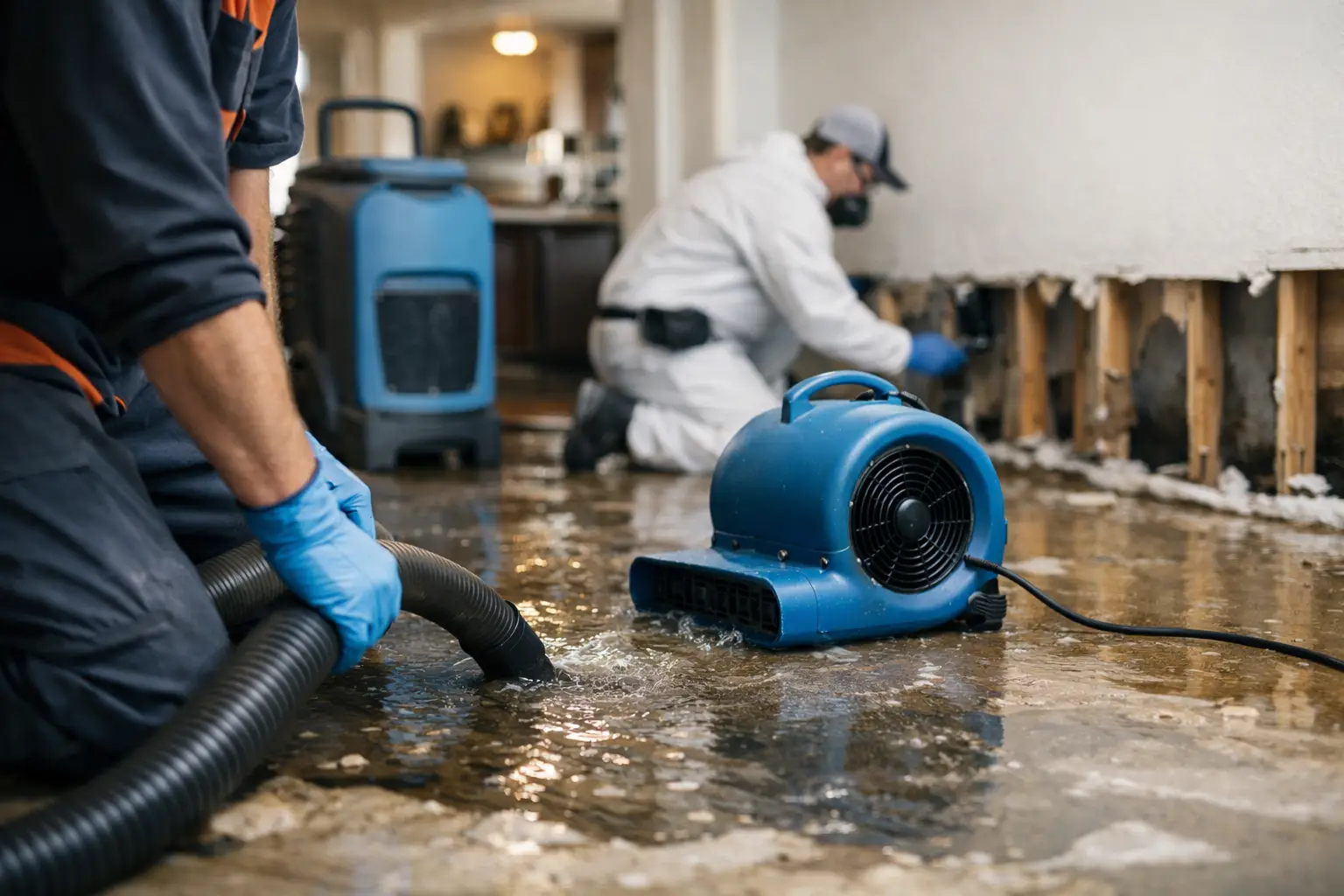 Water Damage
Extraction, structural drying, and moisture mapping after floods, leaks, and burst pipes.
Get help now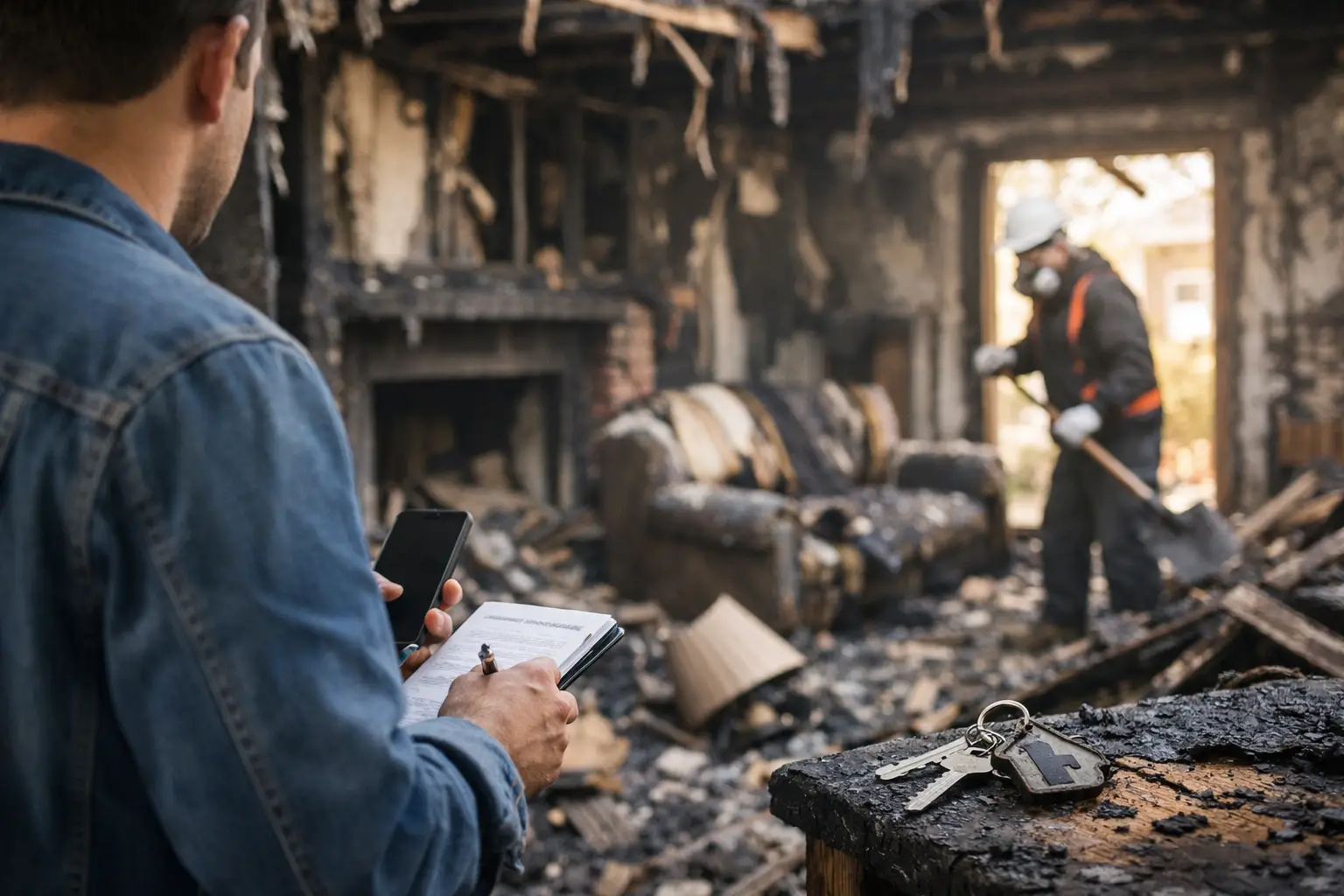 Fire & Smoke
Soot removal, odor deodorization, and content cleaning after fire and smoke damage.
Learn more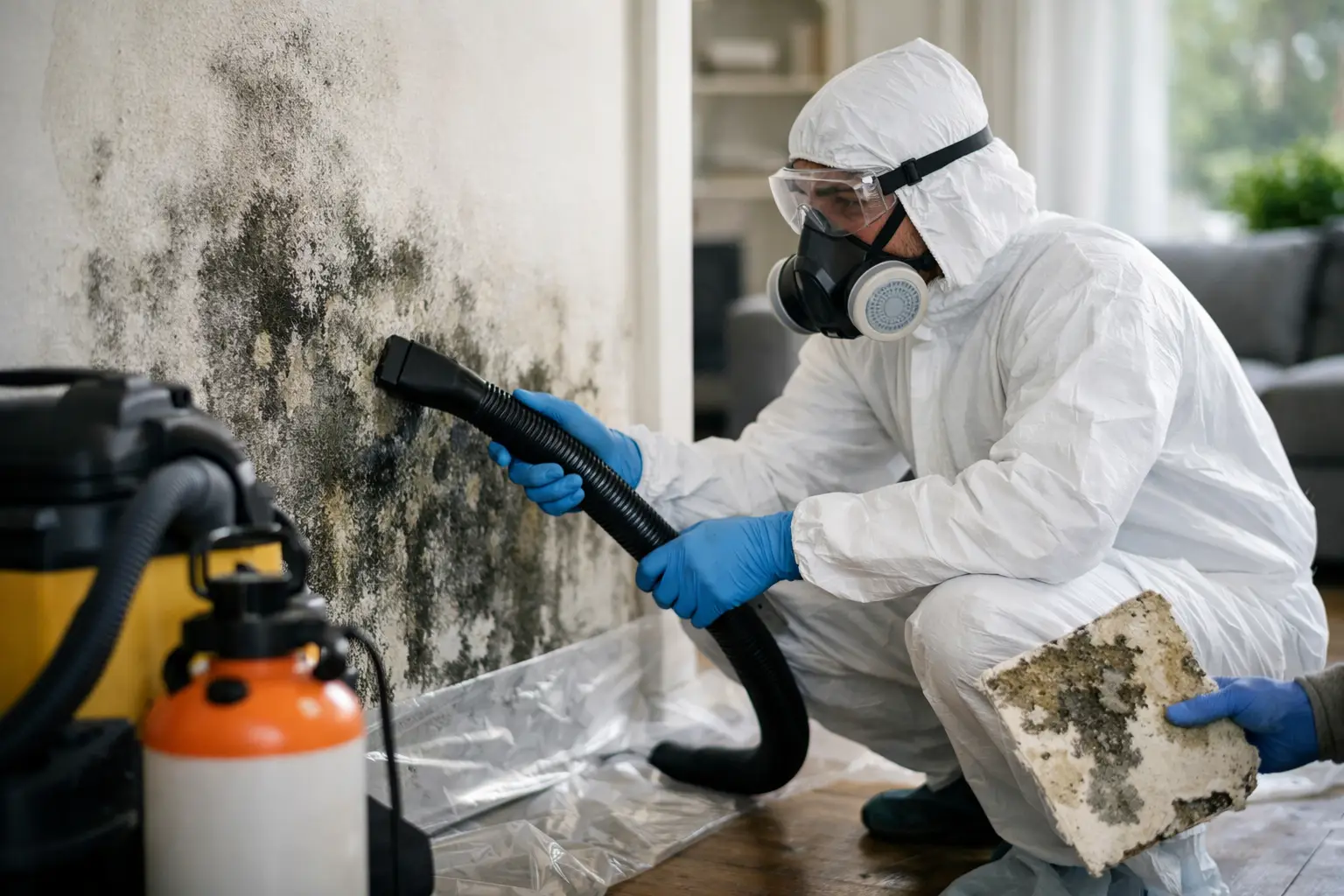 Mold
MoldContainment, removal, and moisture control that stops mold from coming back.
Learn more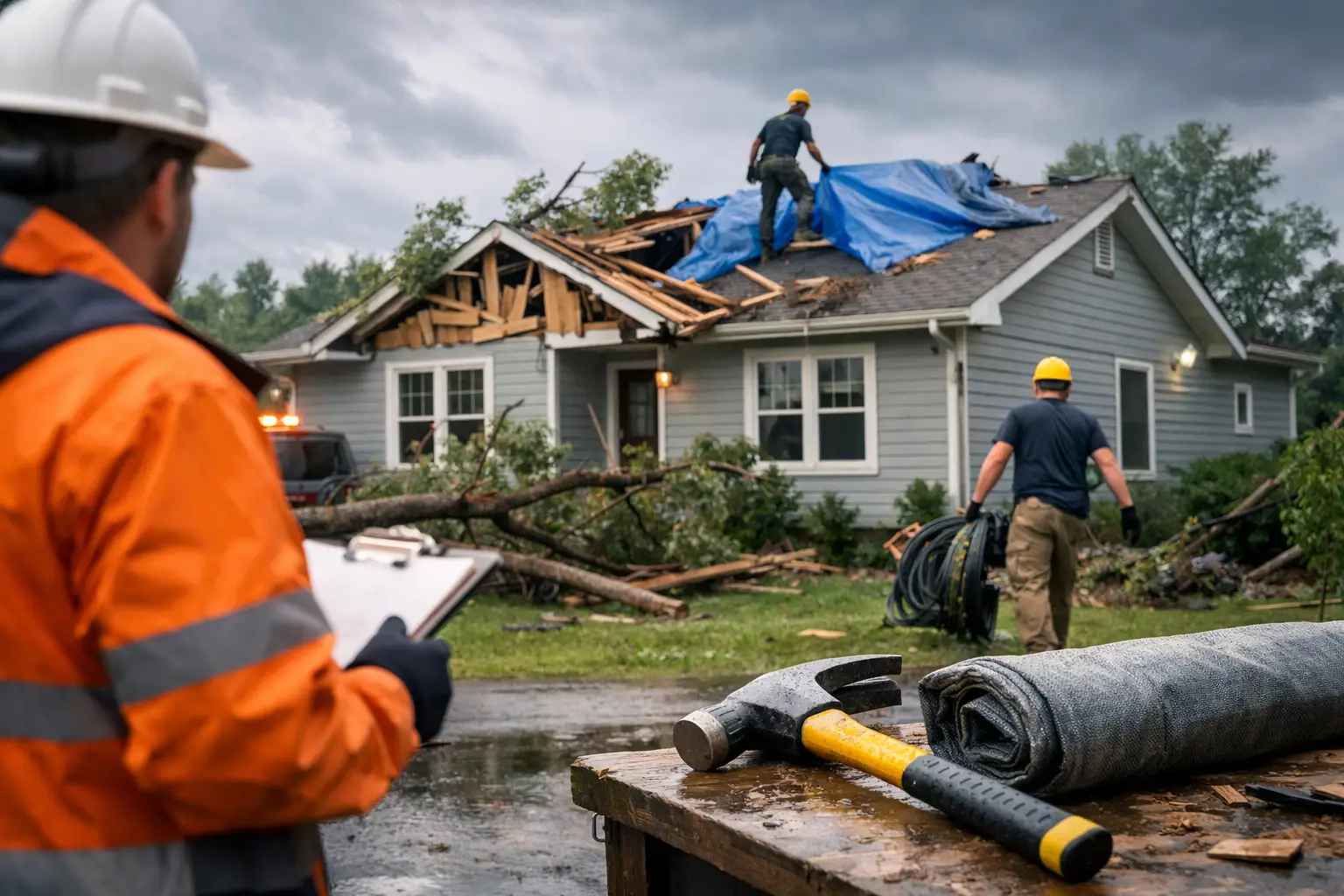 Storm
StormEmergency board-up, roof tarping, and full recovery after wind, hail, and storms.
Learn more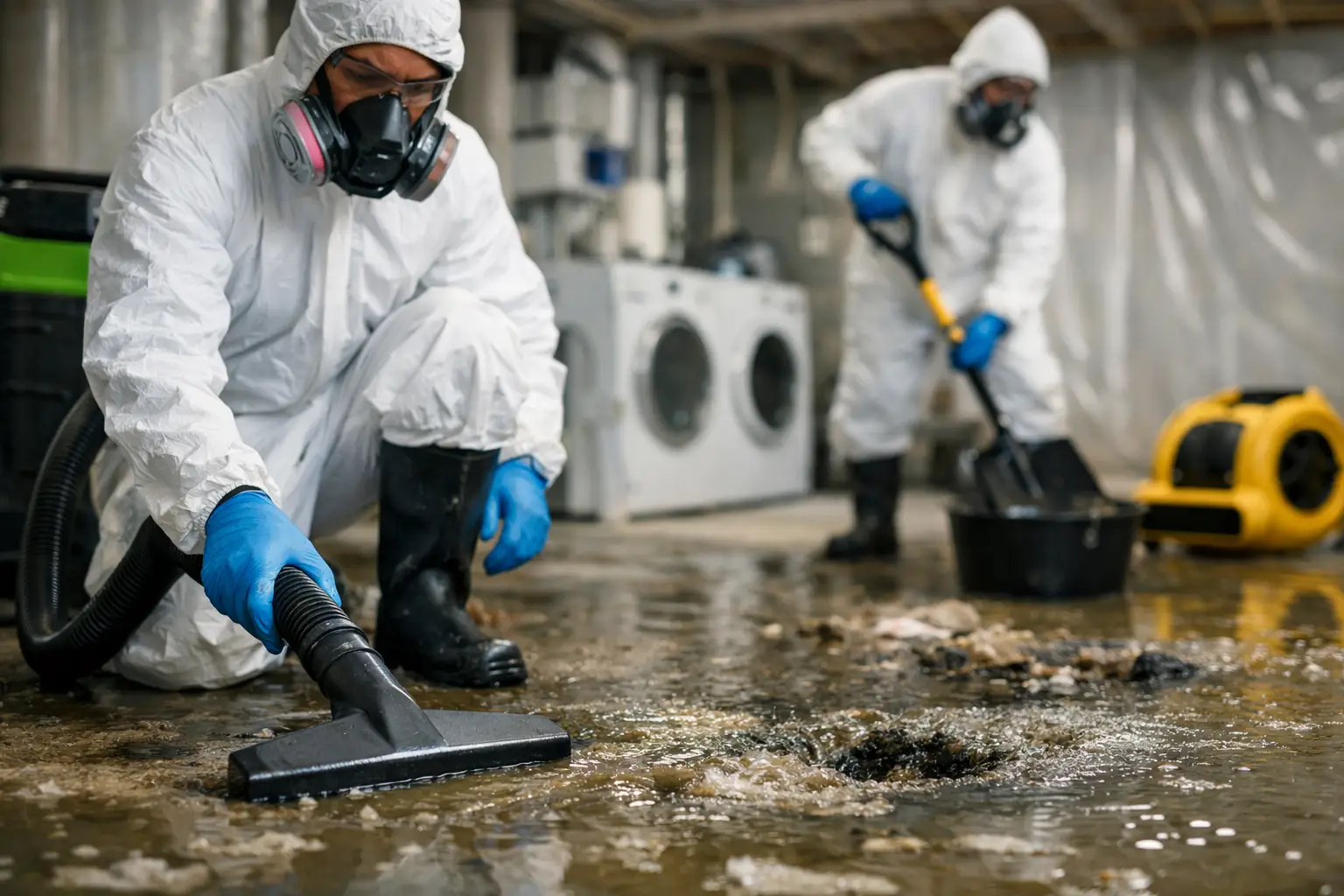 Sewage
Safe biohazard cleanup and sanitizing after sewage backups and overflows.
Learn more Reconstruction
Full rebuild by a licensed general contractor, so your property comes back whole.
Learn moreElevated Operations is an IICRC-certified, licensed general contractor based in Mableton that handles the entire recovery in-house, so after one loss you are never coordinating a cleanup crew, a mold crew, and a contractor separately. One team, one point of contact, from the first pump-out to the final coat of paint.
People call when the property feels like a disaster. They leave reviews because Chris and the crew made it right. These are real, verified Google reviews.
I start by checking the floor system, the wall base, and any hidden wet areas under trim or cabinets. Original hardwood in Atlanta bungalows can sometimes be saved if we get water extraction and floor drying started early. If the boards have cupped badly or the subfloor is wet, I tell you what needs removal and what can be dried in place.
Yes, and that is a common Atlanta problem. Creek basements often hold moisture in the lower wall line, the floor edge, and stored areas. I inspect for hidden saturation, start water mitigation, and use structural drying and dehumidification to reduce the chance of lingering damage or mold.
I treat older homes like older homes. That means careful inspection, moisture tracing, and a repair plan that respects plaster, trim, hardwood, and layered past work. I do not jump to demolition when selective drying can solve the problem. And if drywall replacement is needed, I explain exactly why.
Yes. I handle direct insurance billing so the paperwork does not sit on your desk while the damage keeps changing. I document the loss, track the drying, and keep the insurer updated with the information needed for water damage repair and restoration work.
Call as soon as the leak is stopped and the area is safe to enter. In an intown bungalow, water can move behind baseboards, under hardwood, and into closets before you realize how far it spread. Fast action gives me a better chance to save materials and reduce the scope.
That smell means moisture may still be inside the wall cavity, under the floor, or in insulation. I do not ignore it. I check moisture readings, adjust drying equipment, and open materials when needed so the structure dries correctly instead of trapping odor and dampness.
Yes. I am a licensed general contractor, and that matters when the job moves from mitigation into rebuilding. I can handle water damage restoration, water damage repair, and the finishing work without sending you to a separate contractor for the next phase.
I look at the moisture level, the extent of saturation, and whether the wall cavity was exposed long enough to break down the material. Some Atlanta homes only need controlled drying. Others need removal at the lower wall line and replacement after the structure is dry. I make that call on site, not from a photo.
Elevated Operations dispatches IICRC-certified crews across Metro Atlanta from our Mableton base, with a 60-minute emergency response day or night. Choose your city:
Call now for an immediate response, or request your free inspection and get a certified crew on-site within the hour across Atlanta and nearby areas.