Quick Answers
Related Questions People Ask Next
?
How fast can Elevated Operations start mold remediation in Metro Atlanta?Elevated Operations guarantees a boots-on-the-ground response within 60 minutes for active mold and moisture calls across Cobb, Fulton, DeKalb, Douglas, Clayton, Henry, and Paulding counties, 24 hours a day, every day of the year.
?
Does Elevated Operations bill my insurance company directly for mold remediation?Yes, when the mold traces back to a covered water loss. Elevated Operations documents the moisture source, works with your adjuster, bills the carrier directly, and offers deductible assistance up to $1,000 on qualifying claims.
?
What is the difference between surface mold and hidden or structural mold?Surface mold grows on paint, grout, or drywall facing and is usually visible. Hidden or structural mold grows inside wall cavities, subfloor, or crawl space framing, and is usually found with a moisture meter or thermal camera before removal begins.
?
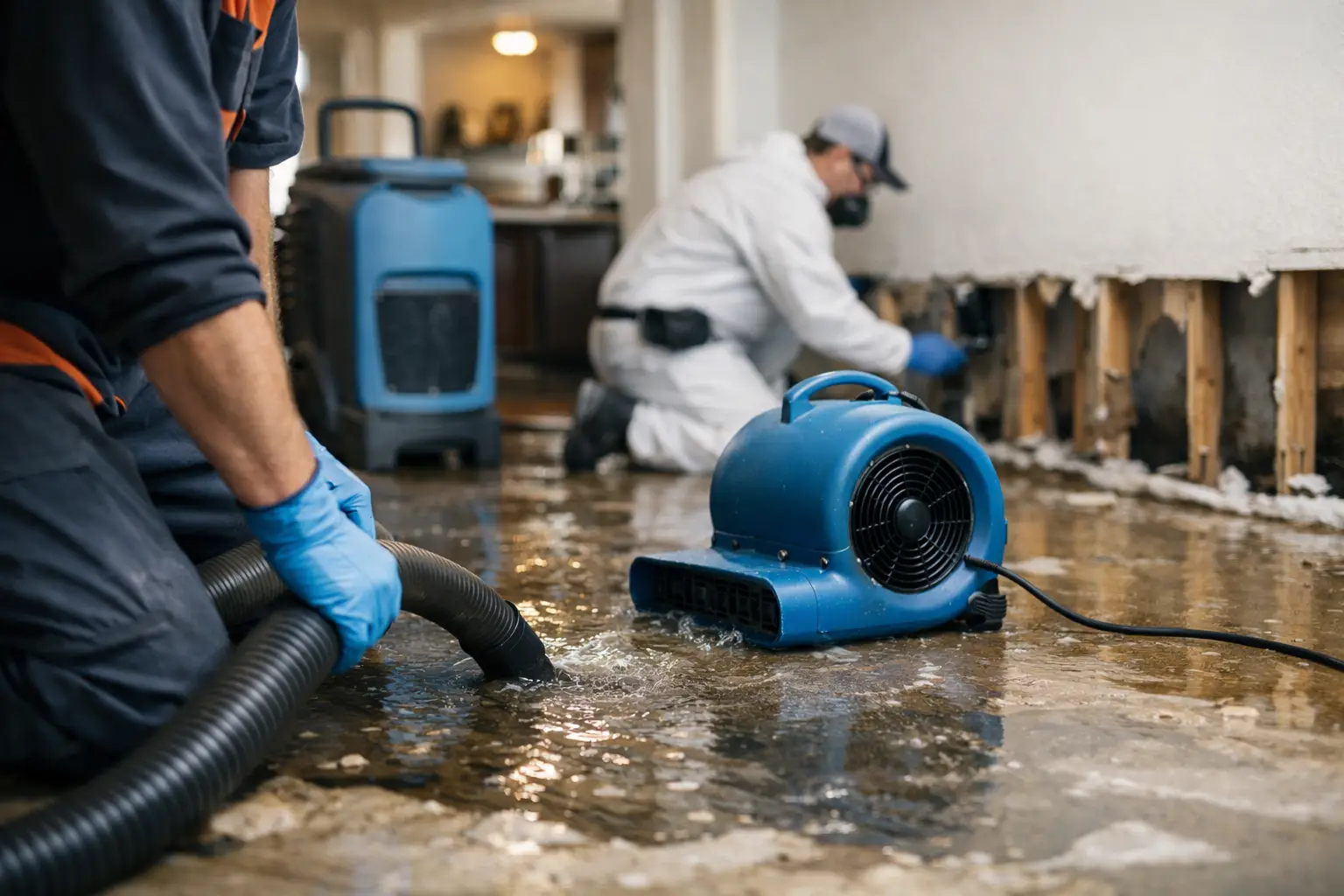
Can mold come back after remediation is finished?Mold returns when the moisture source that fed it was never fixed. Elevated Operations pairs remediation with moisture control and, on active leaks, coordinates directly with its own water damage restoration team to dry the structure first.
What’s Covered
What Does Mold Remediation Actually Involve in Metro Atlanta?
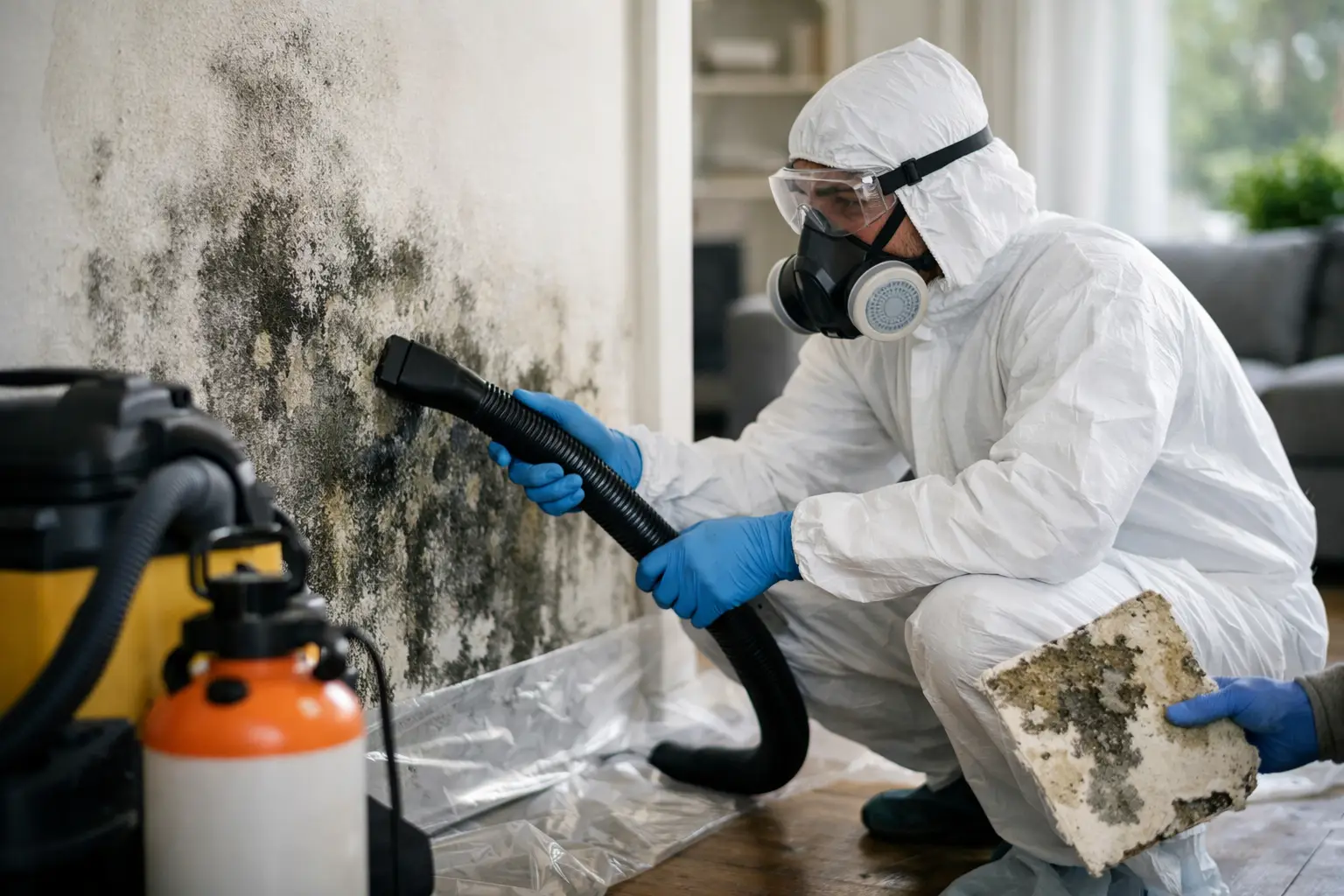
Mold remediation in Metro Atlanta follows the ANSI/IICRC S520 standard for professional mold remediation: contain the affected area, filter the air, remove or treat the mold, and verify the space is clear before the job closes. Elevated Operations, LLLP handles all four steps in house, from the first moisture reading to the final walkthrough.
Containment & Negative Air
Plastic sheeting and negative air machines seal off the work area so mold spores do not spread into unaffected rooms while removal is underway.
HEPA Air Filtration & Scrubbing
HEPA-filtered air scrubbers run continuously during remediation, capturing airborne spores that the containment barrier alone cannot stop.
Antimicrobial Treatment
EPA-registered antimicrobial treatments address mold on non-porous surfaces once the visible growth and any affected material have been removed.
Removal of Affected Materials
Drywall, insulation, subfloor, and other porous materials that have absorbed mold growth get removed and bagged for disposal rather than treated in place, since porous materials rarely clean back to a safe condition.
Surface mold and structural mold call for a different mix of these four steps. A bathroom ceiling with light staining might only need containment, treatment, and verification, while mold that has spread into a wall cavity usually means removal and partial reconstruction as well.
Cost & Insurance
What Determines the Cost of Mold Remediation in Metro Atlanta?
The cost of mold remediation in Metro Atlanta depends on how much square footage is affected, whether the mold reached porous structural materials, and whether the loss traces back to a covered water event. Elevated Operations provides a free on-site inspection and a written scope of work before any containment goes up.
Extent of Growth
A single bathroom ceiling with light staining costs less to remediate than mold that has spread across a crawl space or into multiple rooms.
Materials Affected
Mold on non-porous surfaces like tile or metal can often be cleaned and treated. Mold that has soaked into drywall, insulation, or subfloor usually means removal and replacement.
Insurance Coverage
Georgia homeowners policies typically cover mold remediation only when it results from a sudden, covered water loss, such as a burst pipe, not from long-term humidity or a slow leak that went unaddressed.
Access & Containment Needs
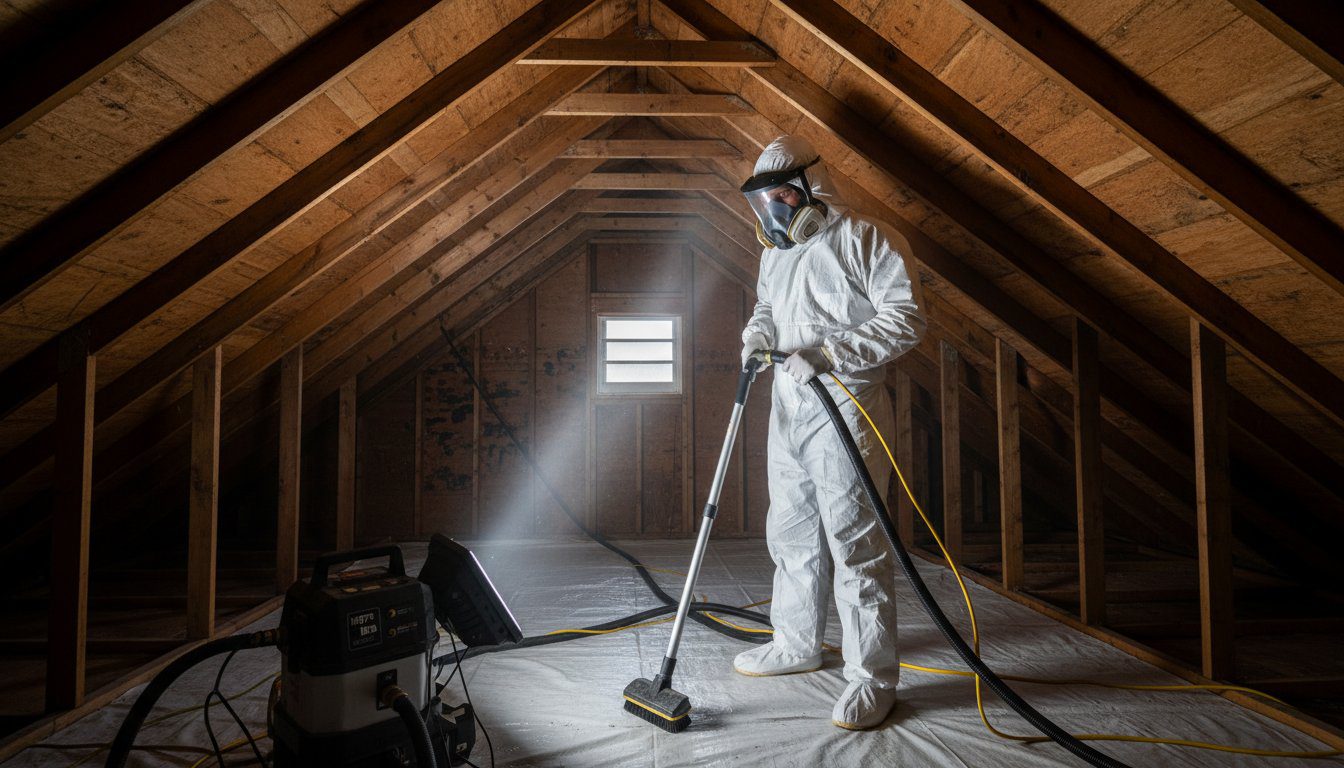
Mold in an accessible bathroom is faster and less costly to contain than mold in a crawl space or attic, where equipment has to be carried in and negative air has to be held in a tighter space.
The EPA does not set a nationwide mold coverage standard for insurers, which is why coverage decisions come down to individual Georgia homeowners policies and how the moisture source is classified (EPA, “A Brief Guide to Mold, Moisture, and Your Home,” last updated February 18, 2026). Elevated Operations documents the moisture source at the start of every job so that classification is not left to guesswork later in the claim.
Found Mold in Your Metro Atlanta Home?
IICRC-certified crews respond within 60 minutes, 24 hours a day. Get a free inspection and a written scope of work before any containment goes up.
When to Call
When Should You Call for Mold Remediation Right Now?
Four situations send most Metro Atlanta mold calls to Elevated Operations. If any of these match what you are seeing or smelling right now, stop scrubbing and call.
1
You Smell a Musty Odor With No Visible Source
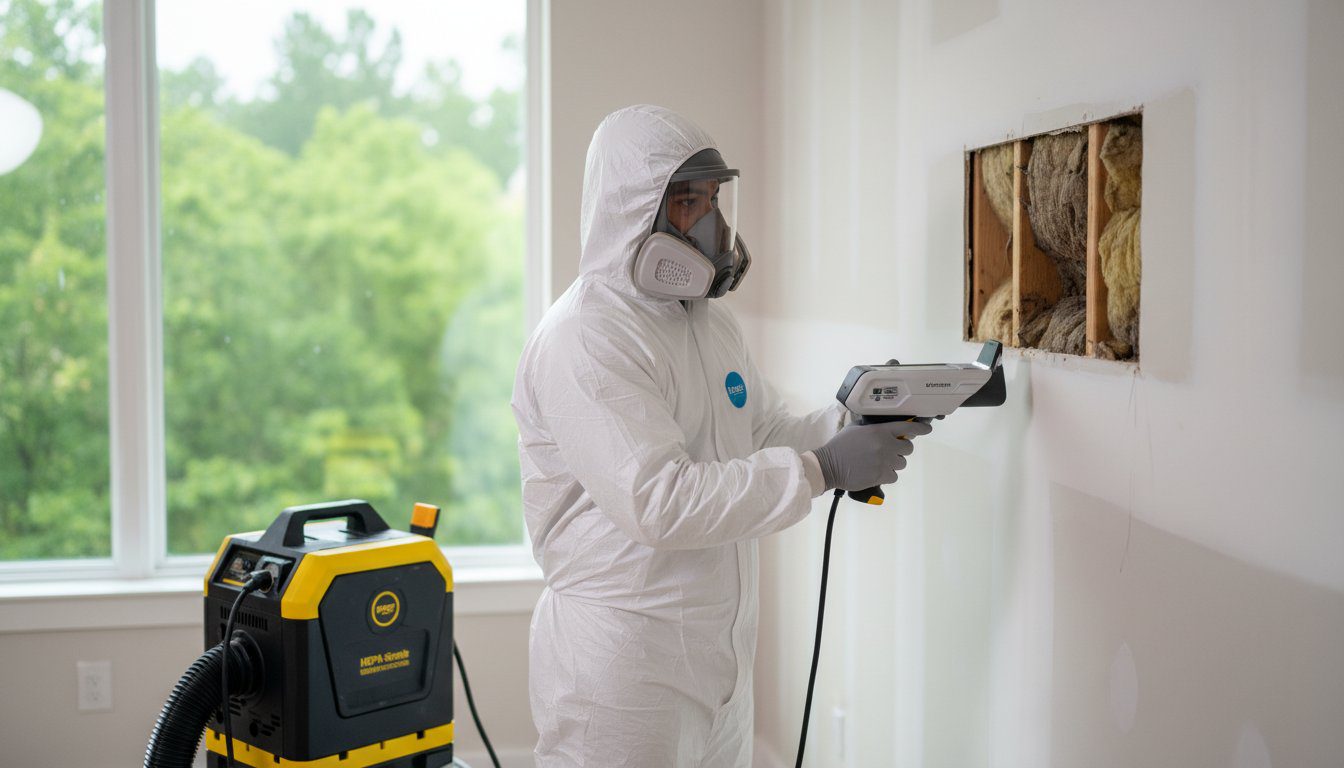
A persistent musty smell usually means moisture and mold are trapped behind a wall, under flooring, or inside an HVAC system. A moisture meter and thermal imaging camera find the source before remediation starts.
2
You See Visible Mold After a Recent Leak or Flood
Water that stayed wet past the 24 to 48 hour window the EPA cites for mold growth has likely already started colonizing nearby drywall, subfloor, or insulation. The growth needs to be contained and assessed, not wiped down and painted over.
3
Your Crawl Space or Attic Has Visible Growth
Crawl spaces and attics trap humidity year round and are easy to miss during a routine walkthrough. Mold in either space usually means a vapor barrier, insulation, or ventilation issue is feeding it, on top of the growth itself.
4
You or Someone in Your Home Has Ongoing Respiratory Symptoms
The CDC notes that mold exposure can irritate the eyes, skin, nose, throat, and lungs in some people, particularly those with asthma or mold allergies. If symptoms ease away from the property and return at home, a mold inspection is worth scheduling.
Decision Guide
Surface Mold vs. Hidden or Structural Mold – What’s the Difference?
Surface mold and hidden or structural mold are not the same remediation job. Surface mold sits on paint, grout, tile, or drywall facing and is usually visible during a normal walkthrough. Hidden or structural mold has spread into wall cavities, subfloor, insulation, or crawl space framing and is found with a moisture meter or thermal camera, not the naked eye.
Whether a job stays surface-level or moves into structural remediation depends on how long the moisture source went unaddressed and what kind of material absorbed it. The table below is the framework Elevated Operations technicians use on site to walk a homeowner through what to expect once containment goes up.
Crawl space and attic mold carry the highest reconstruction likelihood of the three, because those spaces trap humidity year round and are the last place most Metro Atlanta homeowners check before calling.
Local Conditions
How Does Metro Atlanta’s Climate and Housing Stock Affect Mold Growth?
Metro Atlanta’s humid subtropical climate, red clay soil, and mix of crawl space and slab foundations create the conditions mold needs to establish: moisture, a food source, and time. Homes across the seven-county service area face a longer mold season than drier regions because summer humidity and storm season both push moisture into crawl spaces and attics.
Humidity & Red Clay Soil
Metro Atlanta’s humid subtropical climate keeps outdoor moisture levels high for much of the year, and the region’s red clay soil drains slower than sandy soil, which keeps ground moisture near foundations and crawl space vents longer after rain.
Crawl Space Foundations
Crawl space foundations, common in homes built across Marietta, Mableton, and other established neighborhoods, trap humidity year round. Without a vapor barrier and proper ventilation, that trapped moisture is one of the most common mold sources Elevated Operations finds during an inspection.
Post-Water-Damage Homes
Homes that had a water loss and were not fully dried within the EPA’s 24 to 48 hour window are the other common source. A leak that looked resolved on the surface can leave enough moisture behind a wall or under flooring to start mold weeks later.
Foundation type changes where mold shows up first, not whether it can grow. A 1970s ranch home with a crawl space and a newer slab-built home in Henry or Paulding County both need the same moisture source identified before remediation starts, even though the equipment placement looks different (U.S. Census Bureau, Metropolitan and Micropolitan Statistical Area Population Estimates, 2020s series, Atlanta-Sandy Springs-Roswell metro area).
Choosing a Contractor
How Do You Choose a Certified Mold Remediation Contractor in Georgia?
A certified mold remediation contractor in Georgia works to the ANSI/IICRC S520 standard, documents the moisture source before starting, and verifies the space is clear before calling the job finished. Four checks protect a homeowner from a contractor that skips those steps.
Ask for IICRC S520 Certification
Confirm the technicians on site are trained to the ANSI/IICRC S520 mold remediation standard in writing, not just told verbally.
Confirm Containment & Negative Air
A contractor that skips plastic sheeting and negative air equipment on an active job is skipping the step that keeps spores from spreading into the rest of the home.
Ask How the Job Gets Verified
Ask whether the contractor performs a visual and moisture check before calling the job complete, and get that confirmation in writing.
Match the Scope to the Cause
A written scope of work should explain what fed the mold, not just where it was removed. If the moisture source is not addressed, the growth is likely to return.
Found Mold in Your Metro Atlanta Home Right Now?
Elevated Operations responds across Cobb, Fulton, DeKalb, Douglas, Clayton, Henry, and Paulding counties in under 60 minutes, with IICRC-certified technicians, direct insurance billing, deductible assistance up to $1,000, and a 12-month warranty on every completed remediation project. Rated 4.9 stars across 71 Google reviews.
IICRC-Certified · Direct Insurance Billing · 12-Month Warranty · Serving Cobb, Fulton, DeKalb, Douglas, Clayton, Henry & Paulding Counties