24/7 Emergency Restoration · Serving Metro AtlantaEmergency? (770) 404-6895
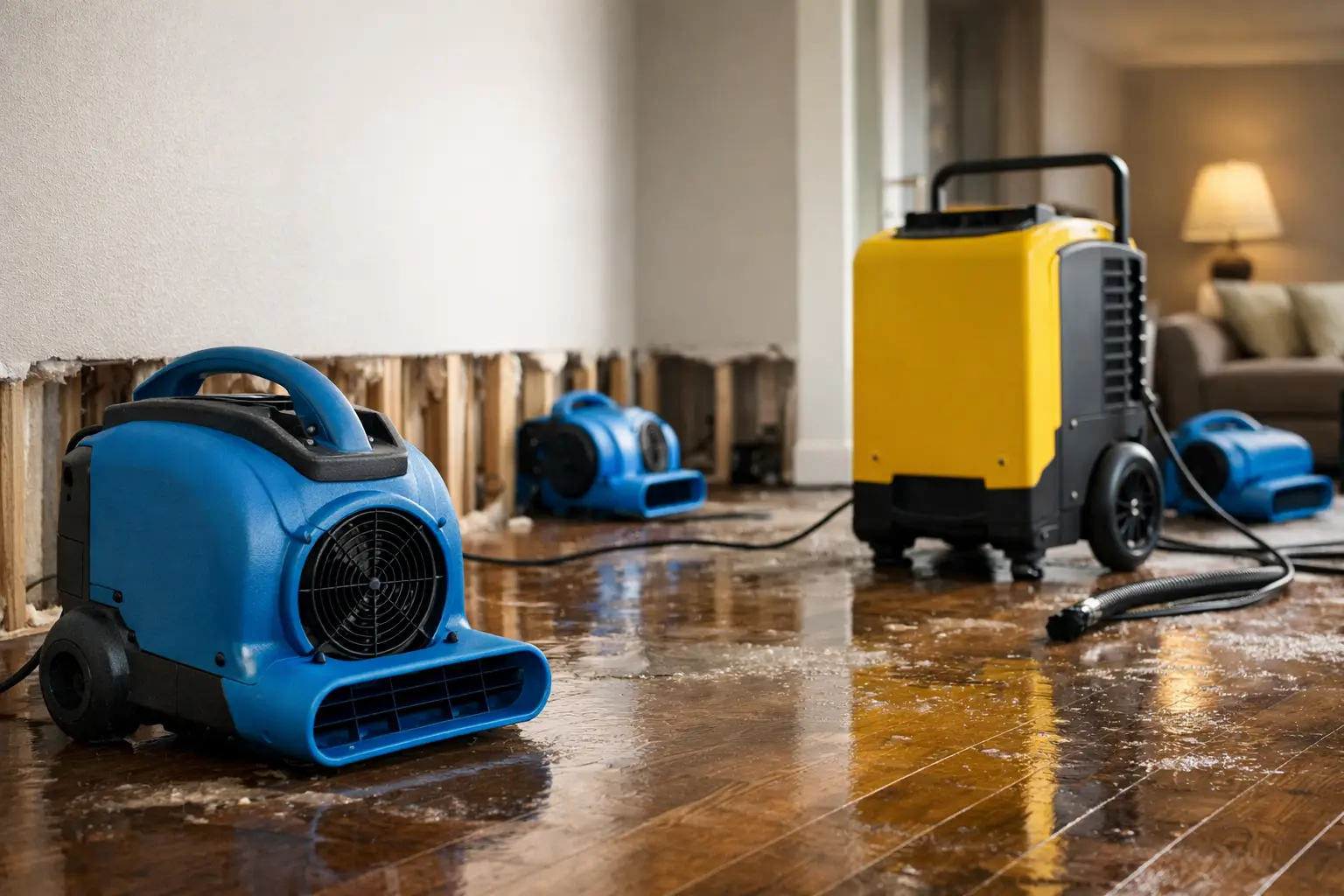
Water extraction and drying in Metro Atlanta combines psychrometry, moisture mapping, and monitored dehumidification to pull hidden moisture out of framing, subfloor, and insulation until the structure meets the IICRC S500 dry standard. Elevated Operations, LLLP logs daily readings across Cobb, Fulton, DeKalb, Douglas, Clayton, Henry, and Paulding counties instead of pulling equipment on a guess.
IICRC-Certified · 5-Star Rated · 60-Minute Response · Insurance Billed Directly
Every drying job ends with a documented moisture meter reading, not a visual check. Elevated Operations records baseline and daily moisture content readings and compares each one against a dry standard, typically the reading of an unaffected reference material in the same structure, before pulling any equipment.
An LGR (low grain refrigerant) dehumidifier cools humid air below its dew point to condense moisture out, while a desiccant dehumidifier pulls moisture using a chemical absorbent wheel. Elevated Operations chooses between the two based on the temperature and humidity reading taken on site.
Dehumidification depends on a gap between the moisture in the air and the moisture inside a wet material. When outdoor humidity is already high, common in Metro Atlanta's humid subtropical climate, that gap narrows and equipment has to run longer to remove the same amount of water.
Materials that read dry on the surface can still hold trapped moisture inside framing or subfloor. Ending a job before every reading clears the dry standard risks warping, delamination, and the EPA's 24 to 48 hour mold window quietly reopening after the crew has left.
Water extraction and drying under the ANSI/IICRC S500 standard is a measured process, not a guess. Elevated Operations technicians take a baseline moisture reading with a moisture meter, calculate the drying goal using psychrometric principles, place air movers and dehumidifiers to hit that goal, and log readings daily until the structure matches a documented dry standard.
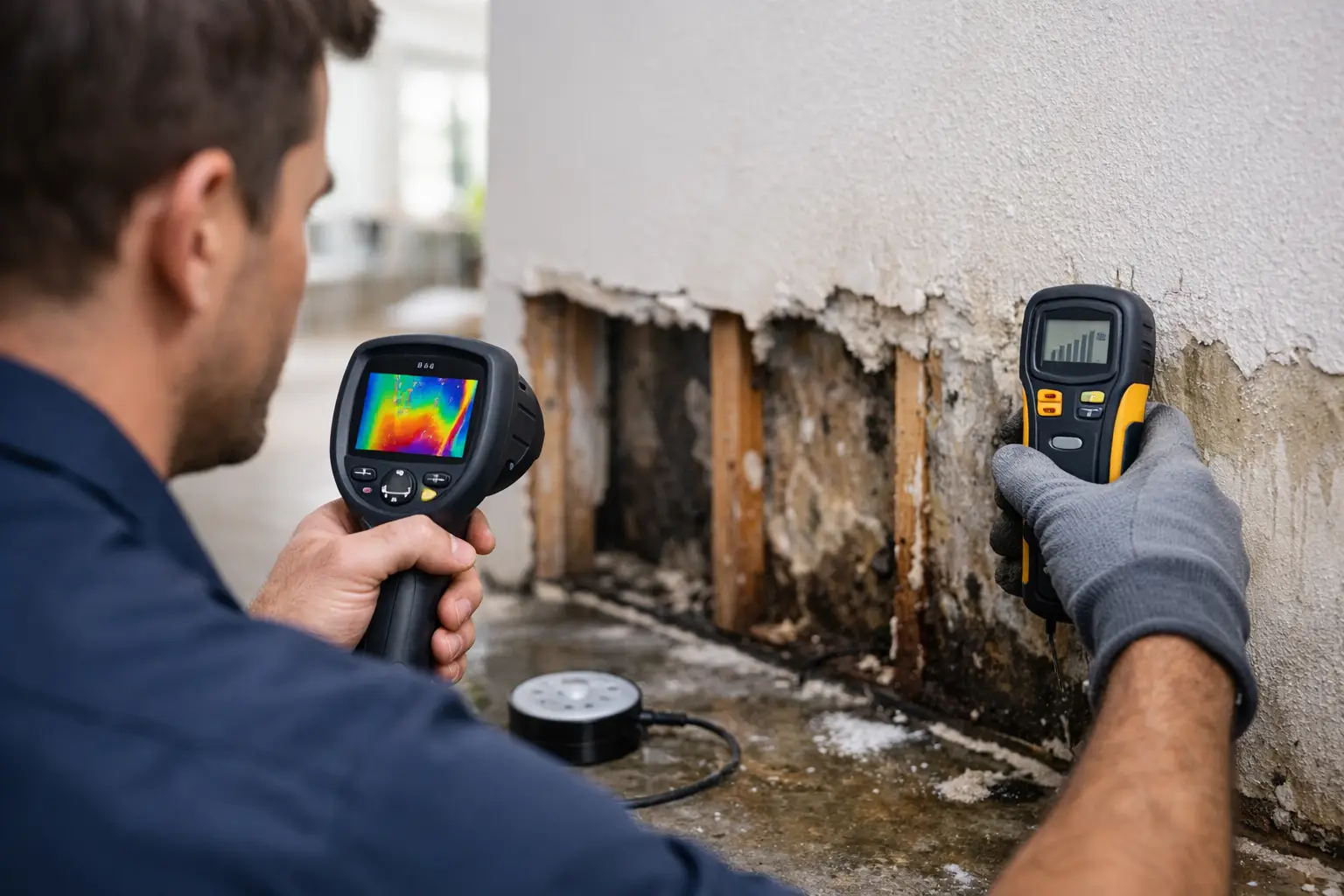
A grid of penetrating and non-penetrating moisture meter readings, taken across floors, walls, and subfloor, becomes the map a technician follows and the record used to prove the structure reached a dry standard.
Psychrometry, the study of how air holds water vapor at a given temperature and humidity, tells a technician how much moisture a room can absorb, which is what actually determines how fast a space can dry.
LGR dehumidifiers condense moisture out of cool, humid air, while desiccant units use a chemical wheel that performs better in cold or low-humidity conditions. Equipment gets chosen from the readings, not a default setup.
Axial air movers push high-volume airflow across open surfaces, while low-profile centrifugal units work under cabinets and behind baseboards. Placement follows the moisture map to the materials that actually tested wet.
Every piece of equipment placed gets logged with the date, the reading, and the technician's initials, so the file that goes to your insurance adjuster shows exactly when and how the structure reached dry.
Moisture mapping and psychrometry are not two separate steps. The readings a moisture meter takes are the raw data psychrometric calculations turn into a drying plan, and that plan is what tells a technician when to add equipment and when a room is finished.
How long water extraction and drying takes in Metro Atlanta depends on how much moisture the affected materials absorbed, the ambient humidity the dehumidifiers are working against, and how many rooms need monitored equipment running at once. Elevated Operations documents every reading and bills insurance directly, with deductible assistance up to $1,000 on qualifying claims.
Drywall, subfloor, and insulation that absorbed water for hours dry faster than materials that sat wet for days, since the starting moisture content is what the drying goal gets measured against.
Georgia's humid subtropical climate means the air feeding a dehumidifier is often already carrying a heavy moisture load, which can extend the number of days equipment needs to stay in place compared to a drier climate.
A single contained leak might need one dehumidifier and a few air movers. A multi-room loss needs a full equipment layout mapped to the readings in each space, which changes the timeline and the monitoring schedule.
The ANSI/IICRC S500 process calls for regular monitoring visits rather than a set-it-and-forget-it approach, so a technician returns to take new readings and adjust equipment until every logged number matches the dry standard.
Every moisture reading, equipment placement, and monitoring visit gets logged and submitted with the claim, since drying is billed and evaluated as its own scope of work separate from the repairs that come after.
Humidity load and material moisture content work against each other. A room that started out heavily saturated during a stretch when Metro Atlanta's air is already humid needs more monitoring visits before every reading clears the dry standard.
IICRC-certified crews respond within 60 minutes, 24 hours a day, and start moisture mapping on the same visit. Get a free quote and a written drying plan before any equipment goes in.
Four situations send most water extraction and drying calls to Elevated Operations. If any of these match what is happening in your home right now, get a moisture reading before assuming the space is dry.
If air movers and a dehumidifier ran for a day or two and then disappeared without a written moisture reading, the space may not have reached a dry standard. A follow-up reading catches trapped moisture before it becomes a mold remediation job.
A hardware-store moisture meter that will not drop below a certain number after days of running a box fan usually means the drying setup on site is undersized for the amount of water involved.
A musty smell with no standing water often means moisture is trapped behind a wall, under flooring, or inside a crawl space, where a psychrometric reading, not a visual check, is the only way to confirm it.
Running fans during a stretch of humid Georgia weather can move air without removing much moisture, since the air pulled into the room may already be nearly as saturated as the material it is supposed to dry.
Water extraction and drying in Metro Atlanta uses a specific combination of equipment matched to the psychrometric reading in each room, not one fan-and-dehumidifier setup for every job. The table below shows what each piece of equipment does and which moisture problem it is built to solve.
The equipment list below is the same framework Elevated Operations technicians use on site to decide what goes where, room by room, before a single air mover gets plugged in.
| Equipment | Role | What It Targets |
|---|---|---|
| LGR Dehumidifier | Condenses moisture out of cool, humid air below its dew point | Rooms with high ambient humidity and moderate to warm temperatures |
| Desiccant Dehumidifier | Pulls moisture using a chemical absorbent wheel rather than refrigeration | Cold spaces, crawl spaces, and low-temperature areas where an LGR unit loses efficiency |
| Axial Air Movers | Push high-volume airflow across open floor and wall surfaces | Large open rooms and exposed drywall or flooring |
| Low-Profile Air Movers | Direct focused airflow into tight spaces | Under cabinets, behind baseboards, and inside closets |
| Penetrating Moisture Meter | Measures moisture content inside a material using probes | Drywall, subfloor, and framing where an internal reading is needed |
| Non-Penetrating Moisture Meter | Scans moisture content without puncturing the surface | Finished walls and flooring where probing would cause damage |
| Thermo-Hygrometer | Reads the temperature and relative humidity of the air | Calculating the psychrometric drying goal for a room |
Dehumidifiers pull moisture out of the air, air movers speed up evaporation from wet surfaces, and moisture meters tell the technician whether either one is actually working. Skip any of the three and the drying timeline stretches out with no way to prove why.
Metro Atlanta's humid subtropical climate changes the psychrometric math behind water extraction and drying more than most homeowners expect. When outdoor air is already carrying a heavy moisture load, especially across spring storm season and the humid stretch of summer, dehumidifiers have less of a gap to work with, and equipment often needs to stay in place longer than the same job would take in a drier region.
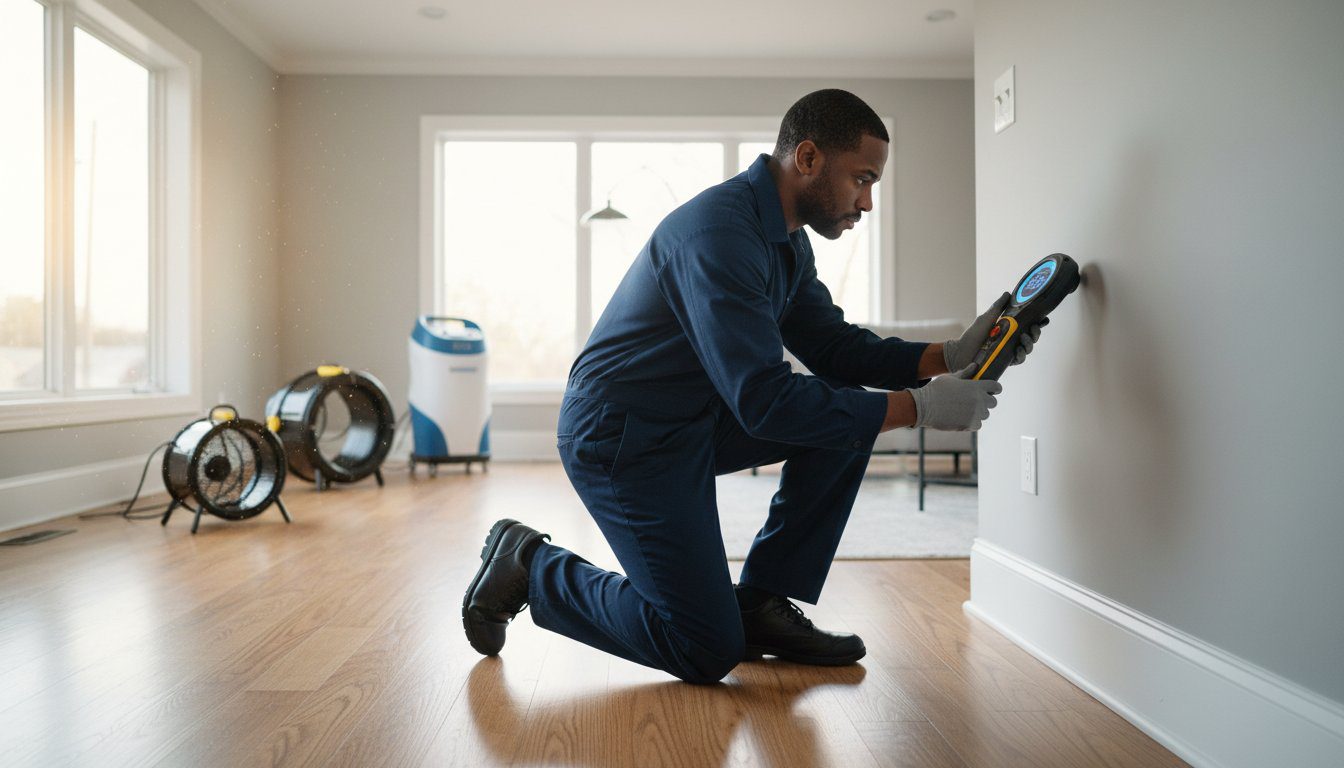
Metro Atlanta's climate keeps relative humidity elevated for long stretches of the year, which narrows the moisture gap a dehumidifier depends on and is one reason drying timelines here can run longer than in a drier climate.
Homes with crawl space foundations across the metro area, common in Marietta, Decatur, and other established neighborhoods, trap ground moisture year-round, so a crawl space drying plan has to account for humidity re-entering from the soil, not just the original water event.
Spring storms and the remnants of Gulf and Atlantic hurricane systems each fall push sudden heavy rainfall into the region, one reason ambient humidity, and drying time, can shift from week to week instead of staying constant.
Climate and equipment choice are directly connected. The same LGR dehumidifier that clears a room quickly during a dry, mild week can take noticeably longer during a humid stretch, which is why Elevated Operations checks psychrometric conditions before committing to a drying timeline instead of quoting one up front.
Choosing a contractor for water extraction and drying in Georgia comes down to whether they measure the job or guess at it. A contractor following the ANSI/IICRC S500 standard documents moisture readings before, during, and after drying and can produce that log on request, while a contractor who cannot produce readings is asking you to trust a job you cannot verify.
A legitimate drying contractor can show baseline and daily moisture readings in writing, not just tell you the space feels dry.
IICRC certification means a technician trained specifically in psychrometry and structural drying, not general cleanup, handled the job.
A written dry standard, the moisture content target the job is measured against, should be set before equipment goes in, not decided after the fact.
A contractor who sets up equipment once and never returns to check readings is not following the S500 process, no matter what the invoice says.
Elevated Operations technicians document every moisture reading against the ANSI/IICRC S500 standard, bill insurance directly, and back every completed drying and restoration job with a 12-month warranty. Trusted by hundreds of homes and businesses, 5-star rated on Google.
IICRC-Certified · Direct Insurance Billing · 12-Month Warranty · Serving Cobb, Fulton, DeKalb, Douglas, Clayton, Henry & Paulding CountiesFrom emergency mitigation to full reconstruction, handled in-house so you are never managing a chain of subcontractors mid-crisis.
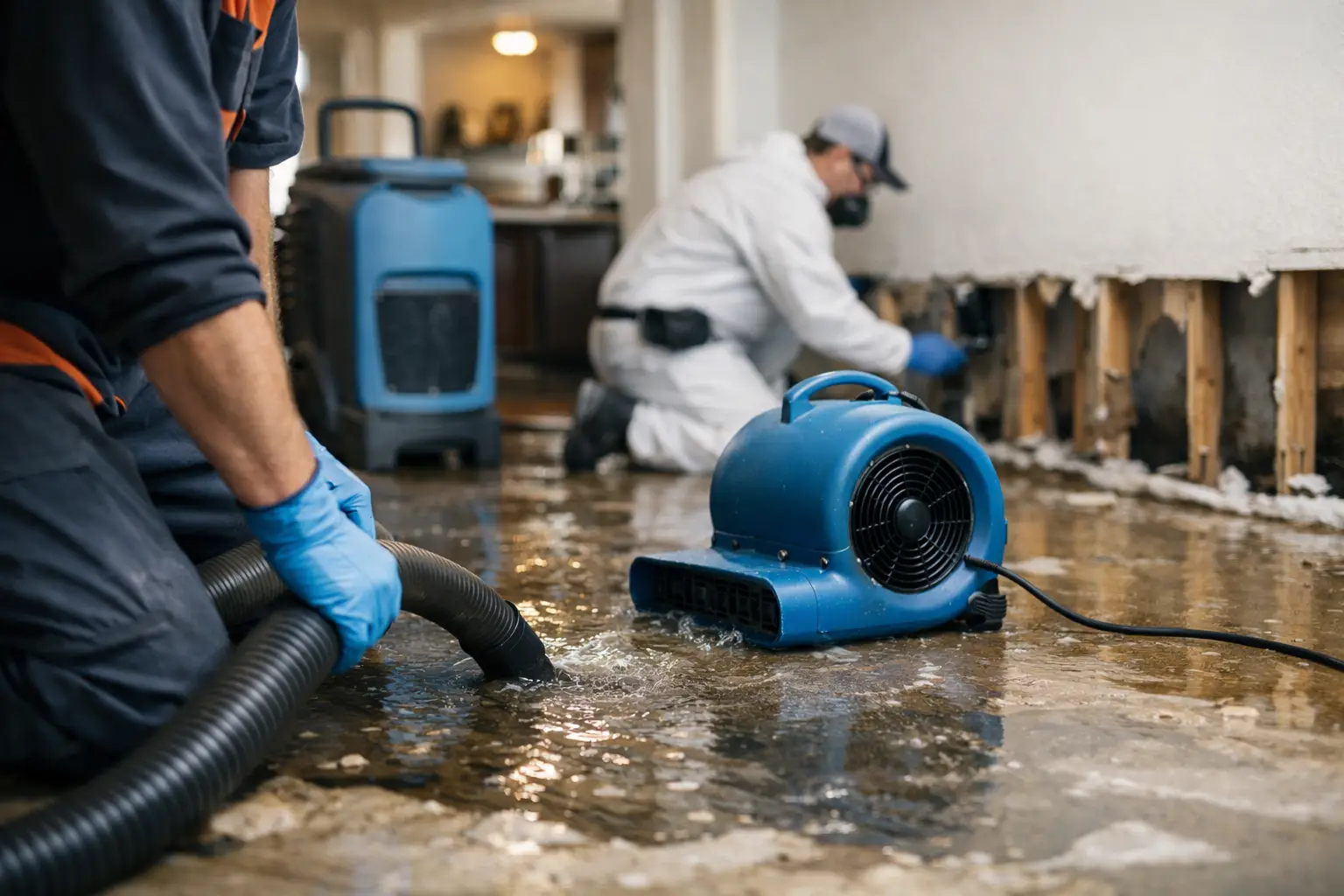 Water Damage
Extraction, structural drying, and moisture mapping after floods, leaks, and burst pipes.
Get help now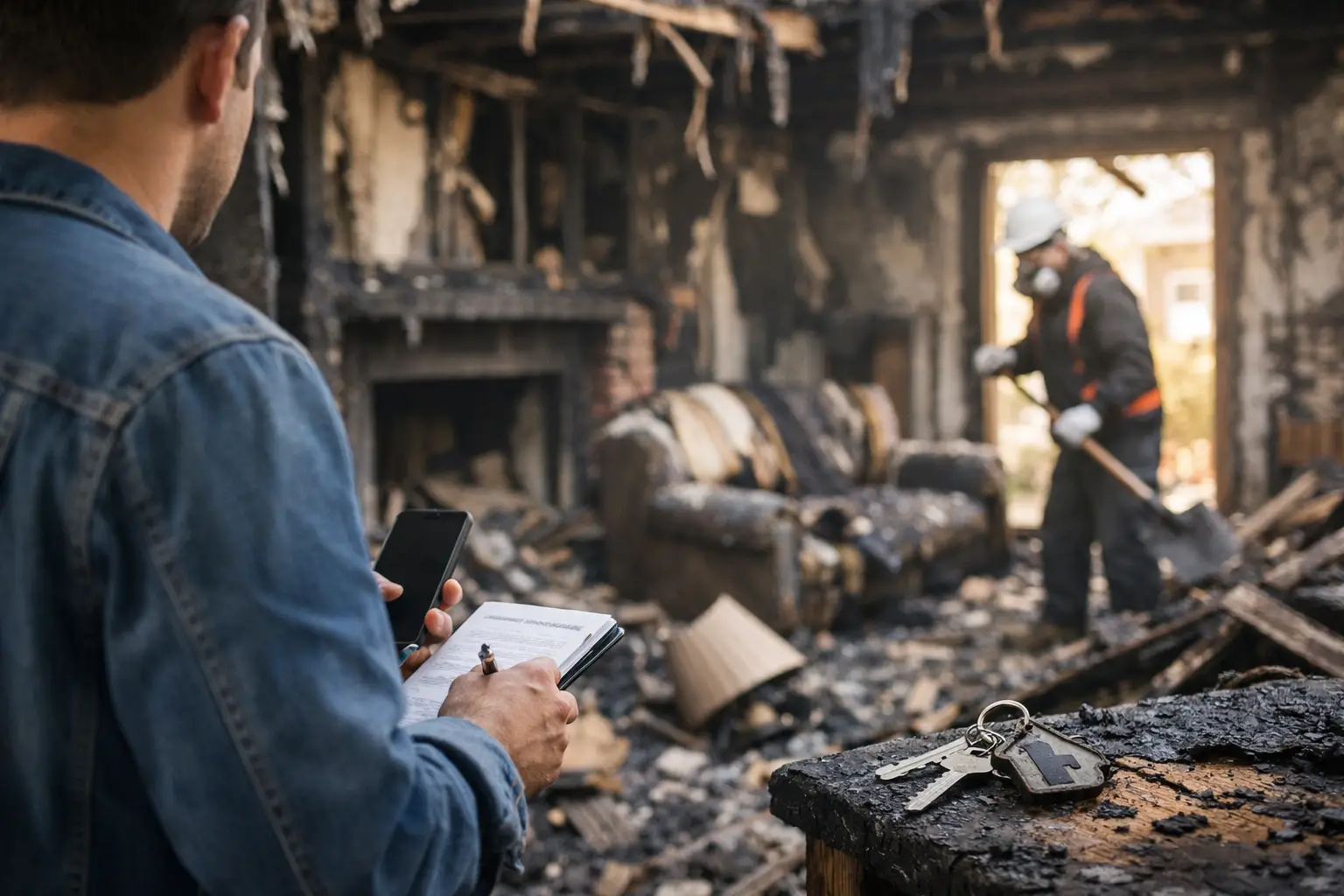 Fire & Smoke
Soot removal, odor deodorization, and content cleaning after fire and smoke damage.
Learn more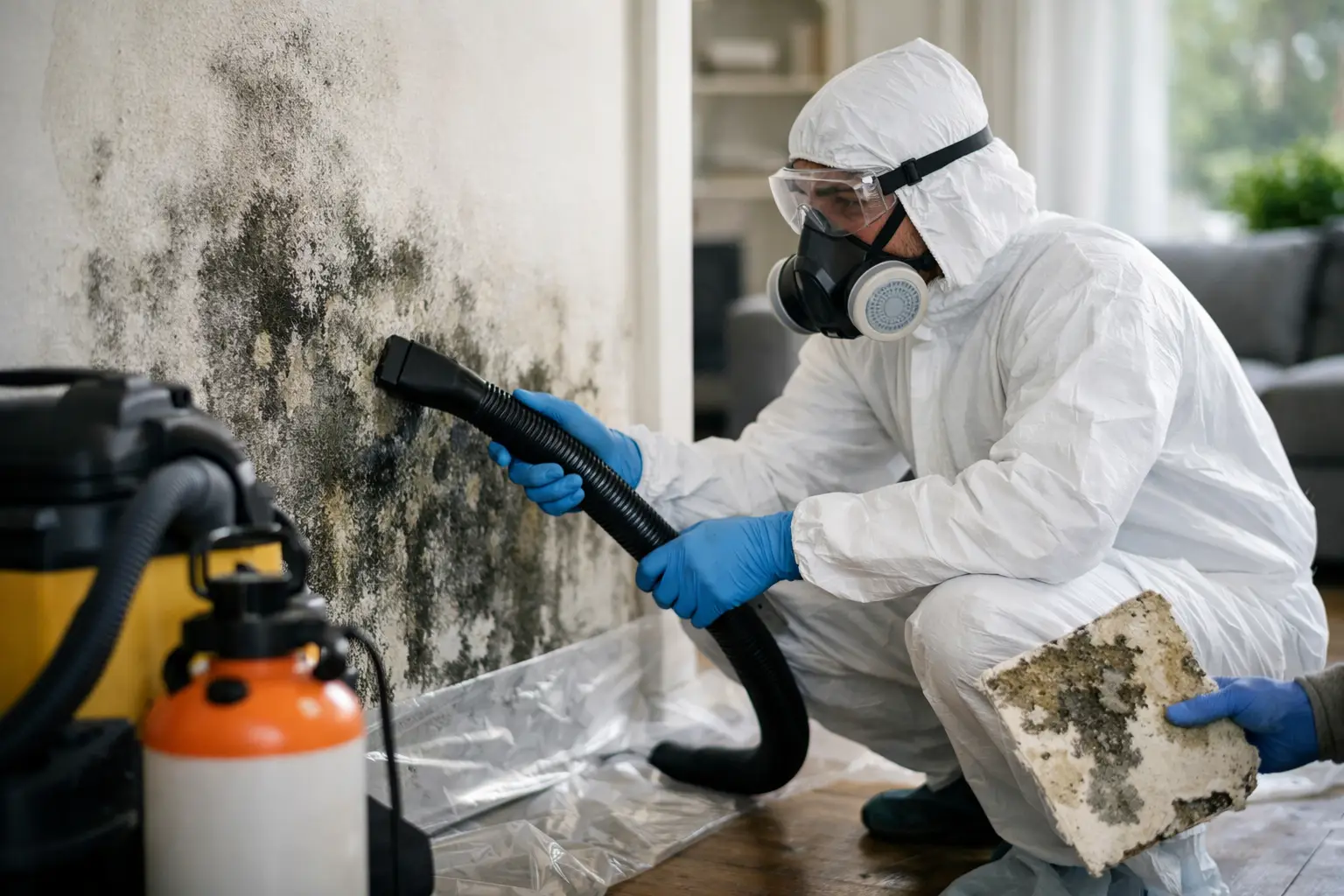 Mold
MoldContainment, removal, and moisture control that stops mold from coming back.
Learn more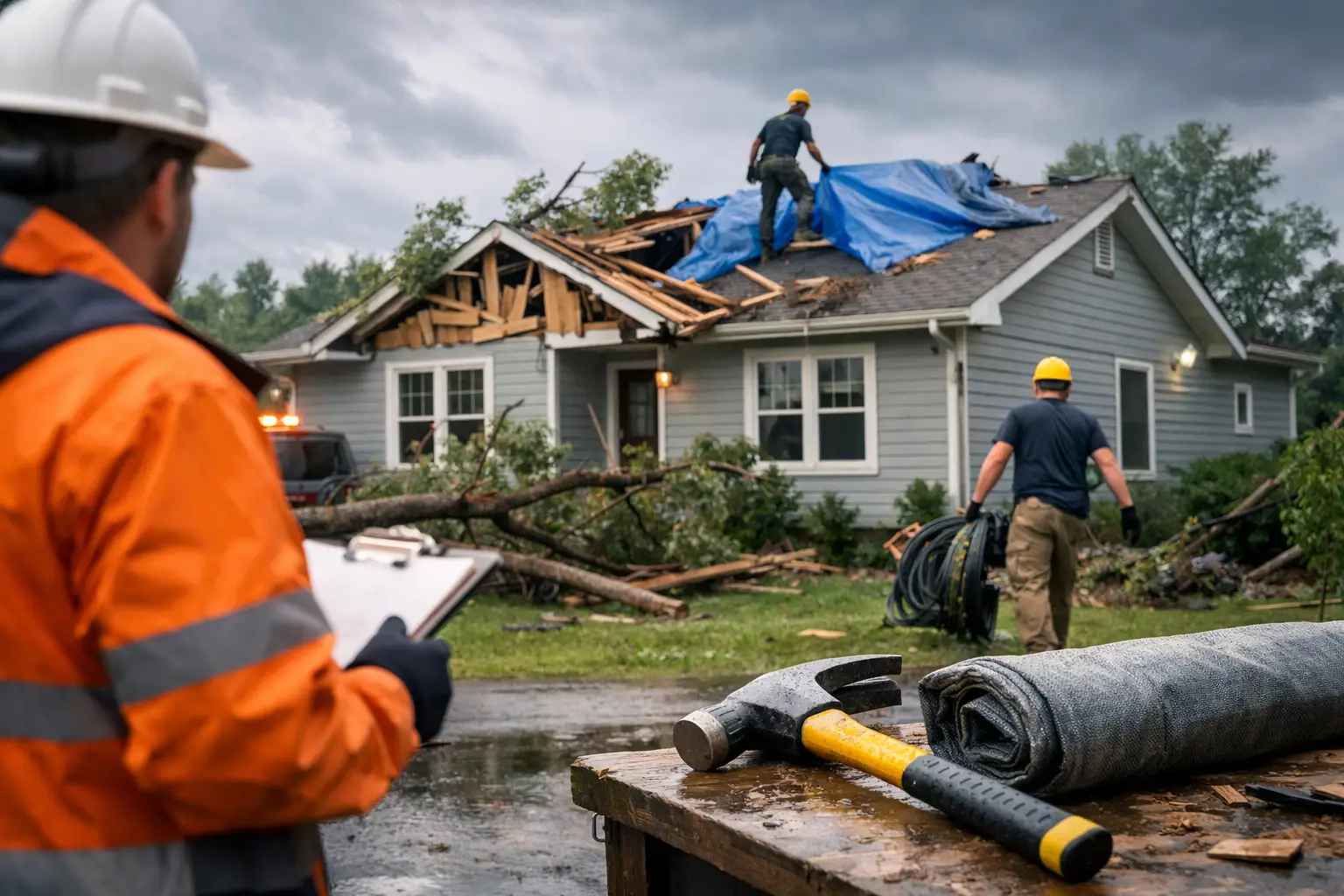 Storm
StormEmergency board-up, roof tarping, and full recovery after wind, hail, and storms.
Learn more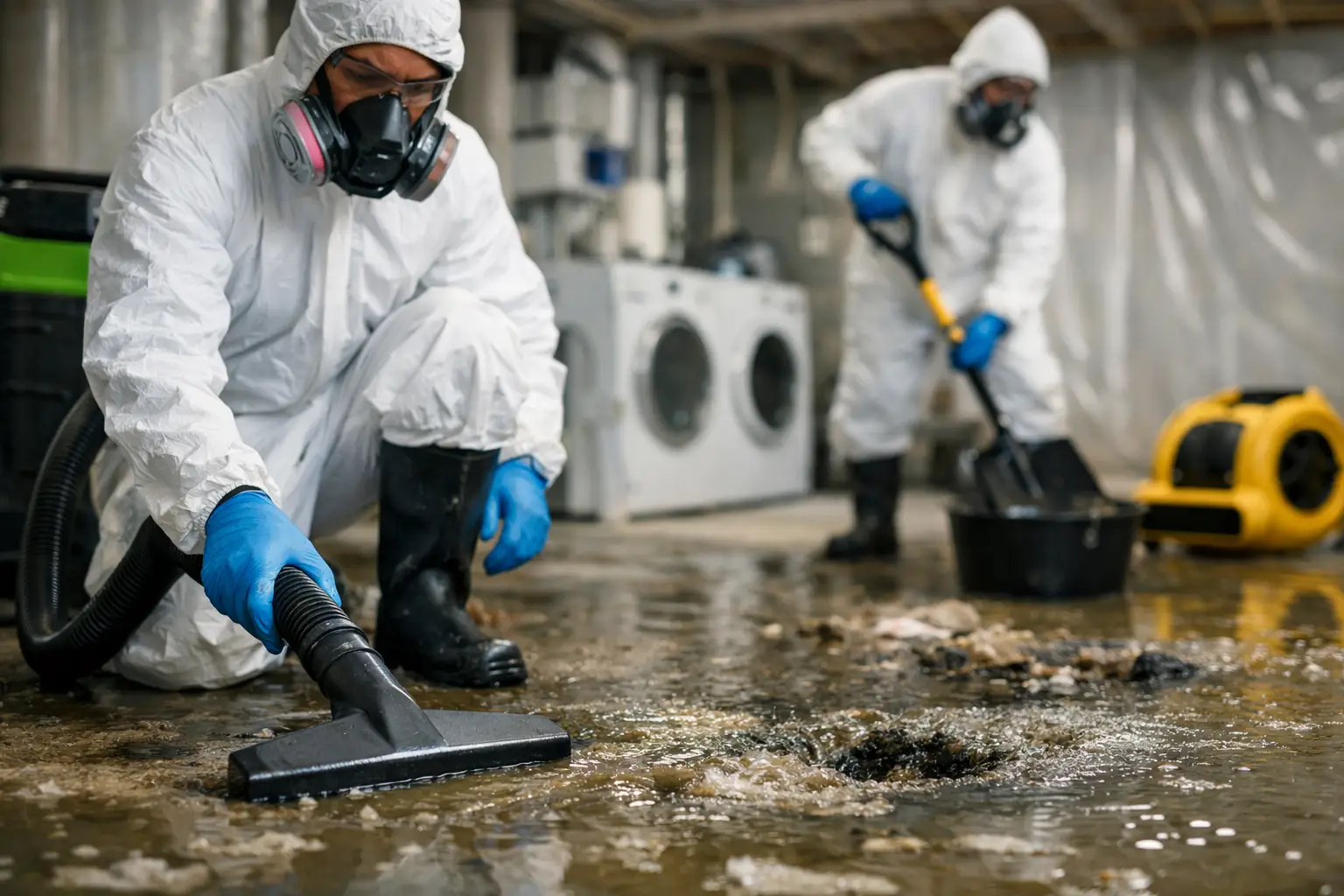 Sewage
Safe biohazard cleanup and sanitizing after sewage backups and overflows.
Learn more Reconstruction
Full rebuild by a licensed general contractor, so your property comes back whole.
Learn moreElevated Operations is an IICRC-certified, licensed general contractor based in Mableton that handles the entire recovery in-house, so after one loss you are never coordinating a cleanup crew, a mold crew, and a contractor separately. One team, one point of contact, from the first pump-out to the final coat of paint.
People call when the property feels like a disaster. They leave reviews because Chris and the crew made it right. These are real, verified Google reviews.
Elevated Operations dispatches IICRC-certified crews across Metro Atlanta from our Mableton base, with a 60-minute emergency response day or night. Choose your city:
Call now for an immediate response, or request your free inspection and get a certified crew on-site within the hour across Atlanta and nearby areas.